Why a Crawling Baby Is a Problem for a Munchkin
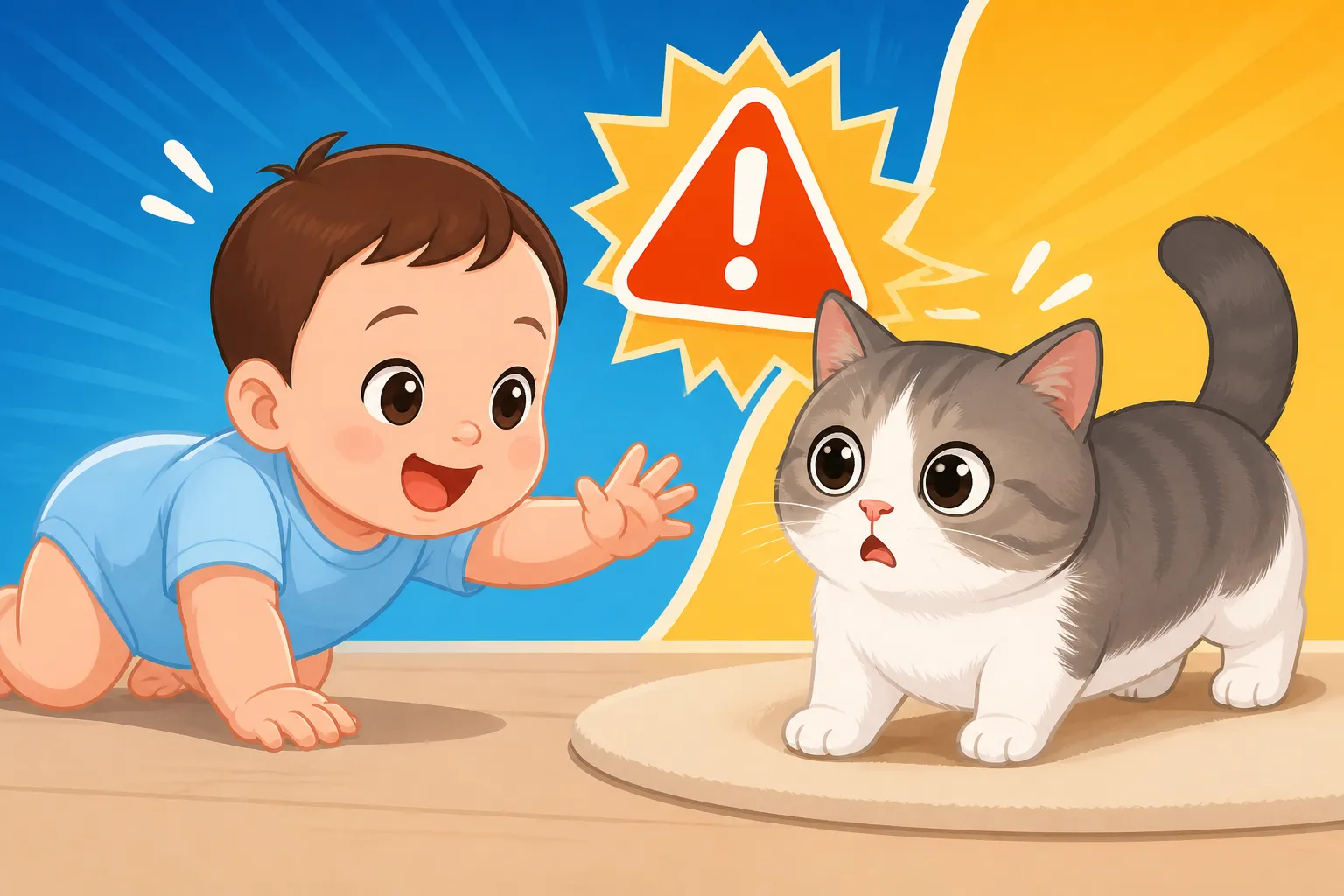
Bringing a new baby home is an incredibly exciting time, full of joy and new adventures. But for families with a cherished Munchkin cat, it can also bring a unique set of anxieties, particularly when that adorable little bundle starts to crawl. Many new parents simply don't realize the specific challenges a crawling baby presents to a Munchkin, whose physical limitations mean they can't always escape a curious grabby hand as easily as a long-legged cat. This guide is here to shed light on those potential problems and offer practical, empathetic solutions to ensure a safe and harmonious home for every member of your expanding family.
The Fundamental Disadvantage: Limited Escape Routes
One of the biggest, often overlooked, issues when a crawling baby enters the scene with a Munchkin cat is the severe limitation of escape routes for your furry friend. Unlike their long-legged cousins, Munchkins are fundamentally built differently, and this impacts their ability to get away from a perceived threat, even one as innocent as a baby.
No Vertical Escape
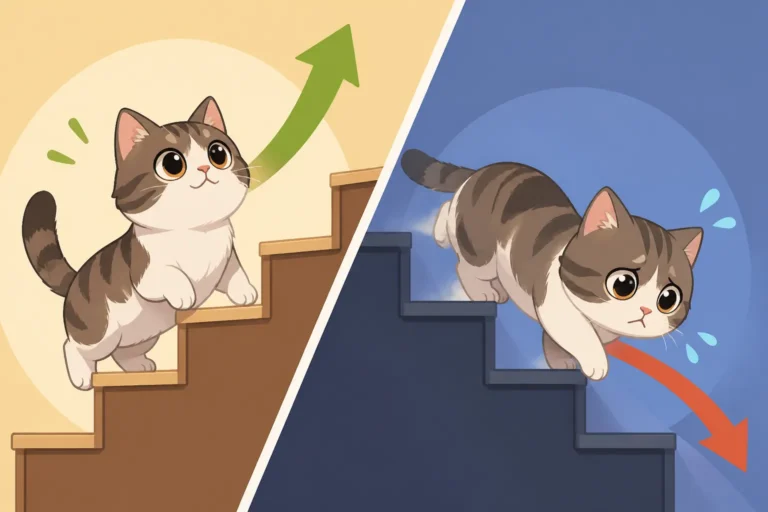
Imagine for a moment your typical house cat. If a toddler gets a little too close, or a dog corners them, their first instinct is often to launch themselves upwards. Onto the kitchen counter, the back of a sofa, a tall cat tree, or even a bookshelf – these vertical escapes are second nature. But for a Munchkin, this just isn't an option. Their adorable short legs, while perfect for zooming across the floor, simply don't allow for those impressive leaps to safety.
A Munchkin can jump, certainly, but nowhere near the height a standard cat can achieve. We've talked before about How High a Munchkin Can Actually Jump, and it's generally only enough to get them onto a low chair or perhaps a very sturdy stool. This means that any surface a typical cat would use as a refuge – a countertop, a high windowsill, or the top of a tall dresser – is completely out of reach. When a crawling baby starts to advance, a Munchkin might try to jump, misjudge, and find themselves still within reach, feeling even more trapped and vulnerable. This can quickly escalate a situation from mild annoyance to genuine fear, precisely because their primary escape mechanism is compromised.
Slowed Ground Escape
You might think, "Well, my Munchkin is super fast on the ground!" And you'd be right, they absolutely can be. They have a surprisingly low center of gravity that can make them quite agile on open floor spaces, able to turn on a dime like little furry race cars. However, a crawling baby isn't always in an open field, and babies, for all their seemingly slow movements, can be incredibly persistent and surprisingly quick when they're determined to get their hands on something.
In a cluttered living room, around furniture legs, or under tables, a Munchkin's short legs, while efficient for darting, might not offer the swift evasion needed to consistently outmaneuver a determined crawler. The baby might simply block the most obvious ground-level pathways, unknowingly trapping the cat against a wall or under a chair. This isn't a race of pure speed; it's a test of maneuverability and escape through unpredictable obstacles, and a Munchkin's physical build puts them at a distinct disadvantage compared to a cat that can either jump over an obstacle or dart through it with longer strides. Why a Munchkin's Low Body Helps It Chase is usually an asset, but in this specific scenario, it can turn into a liability, making escape through a baby-filled minefield much harder.
The "Cornered Animal" Response
When any animal, including a cat, feels that all its escape routes are cut off and it's being pursued or trapped, it can trigger a primal "fight or flight" response. If flight isn't possible, then the only option left is to defend itself. For a Munchkin, whose options are already limited by their unique physique, this feeling of being cornered can come on much more quickly and intensely than it would for a normal-legged cat.
A sweet, docile Munchkin who loves cuddles might suddenly hiss, growl, or even swat with claws if a crawling baby encroaches on their space and they perceive no way out. This isn't a sign of an aggressive cat; it's a desperate cry of fear and self-preservation. They're not trying to hurt the baby out of malice, but because they feel genuinely threatened and helpless. Understanding this fundamental difference in their escape capabilities is crucial for parents, as it helps reframe what might look like aggression into what it truly is: a response to feeling trapped. It emphasizes why proactive measures to provide safe havens are so important, preventing your Munchkin from ever feeling this level of distress.
Unintentional Harm: Both Ways
The interaction between a crawling baby and a Munchkin cat isn't just about one party being a potential threat to the other. There are significant risks of unintentional harm to both the cat and the child, often stemming from a lack of understanding of the Munchkin's specific physical vulnerabilities and a baby's developing motor skills.
Risks to the Munchkin
A crawling baby, bless their curious hearts, hasn't yet developed fine motor skills or an understanding of gentle touch. Their movements are often clumsy, grabby, and driven by an intense desire to explore everything within reach. For a Munchkin, this can be incredibly dangerous. A baby might unintentionally fall on the cat, pull its tail or ears too hard, or even try to "ride" it, mistaking the low-slung cat for a plush toy.
Consider the Munchkin's unique anatomy. Their short legs and often a slightly altered gait mean their spine and joints carry a load in a way a normal cat's does not. We've discussed Why a Munchkin's Spine Carries a Load a Normal Cat's Does Not in detail, highlighting the importance of protecting this area. A sudden impact, twist, or rough handling from a baby could cause significant injury, potentially exacerbating existing predispositions to issues like lordosis or disc problems. Similarly, their front legs and shoulders, which bear the brunt of any jumping or landing, could be vulnerable to awkward grabs or pressure. Why a Munchkin's Shoulders Wear First means that these joints are already under more stress throughout their life. Even a soft baby toy could become a hazard if the cat gets tangled or attempts to chew on small parts not designed for feline ingestion. Beyond physical injury, the constant stress of being unable to escape can lead to behavioral problems, increased anxiety, and even stress-related health issues for your sensitive feline.
Risks to the Baby
While our main concern is often for the vulnerable cat, it's equally important to acknowledge the potential risks to the baby. As mentioned, a cornered Munchkin, acting purely out of fear, might swat or bite. A cat's claws can inflict nasty scratches, especially on delicate baby skin, and even a playful nip, if panicked, can break skin. These incidents, while usually preventable, can be traumatic for both the baby and the parents, and can sadly lead to the cat being rehomed.
Beyond direct physical injury, there are also hygiene concerns. While cats are fastidious groomers, a Munchkin's low belly can sometimes make it harder for them to keep themselves perfectly clean, especially after using the litter box. We've explored Why a Munchkin Carries Litter on Its Underside, and a crawling baby on the floor is much more likely to come into contact with any tracked litter or residual waste. There's also the potential for allergens. Babies' developing immune systems can be more sensitive, and exposure to cat dander, particularly in close quarters on the floor, could trigger or exacerbate allergies. It's not about pointing fingers, but about being realistic: close, unsupervised proximity between a crawling baby and a Munchkin carries risks for everyone involved.
Creating a Safe, Harmonious Home
The good news is that with thoughtful planning and a bit of creativity, you absolutely can create a home where both your crawling baby and your Munchkin cat can thrive safely side-by-side. It requires understanding their individual needs and designing the environment to accommodate them.
Establishing "Baby-Free" Zones
The most critical step in ensuring harmony is providing your Munchkin with dedicated safe zones where the baby simply cannot go. This isn't about punishment; it's about giving your cat predictable, inviolable retreats. Standard baby gates can work wonders, but remember that a normal cat would just leap over them. For a Munchkin, you need to think differently. Look for gates that either have a small, cat-sized door (some pet gates on Amazon are designed this way) or consider installing a cat flap higher up in a solid gate, allowing the Munchkin to pass through but blocking the crawler.
Another strategy is to use vertical space that is only accessible to the cat. This might sound counterintuitive given a Munchkin's limited jumping ability, but it's entirely possible with the right aids. Invest in cat trees that have very close-set platforms or, even better, place cat-specific ramps leading up to elevated perches or window seats. We've discussed How to Set Up Ramps Around a Munchkin's House and how these simple modifications can make a world of difference. These structures should be securely fastened and sturdy. A baby-free room, perhaps one with a strategically placed baby gate, can also serve as your Munchkin's ultimate sanctuary, equipped with their food, water, and litter box, ensuring they always have a calm space to retreat to when the baby is particularly active. How a Munchkin Gets Where It Wants Without Jumping to safety means you need to build the safety.
Supervised Interactions and Teaching Boundaries
While baby-free zones are essential, you'll also want to foster positive, supervised interactions. The golden rule here is never leave a crawling baby and a Munchkin cat unsupervised, even for a moment. Accidents can happen incredibly fast. When they are together, actively supervise. Gently guide your baby's hands if they reach for the cat, teaching them "gentle touch" as they get older. Redirect their attention to appropriate toys.
For your Munchkin, reward calm behavior. If they choose to stay in the room while the baby is crawling, offer a treat or quiet praise. If they choose to retreat to their safe zone, that's a win too, and reinforces that they have control over their environment. You can use positive reinforcement to help your Munchkin associate the baby's presence with good things, like treats or calm pets from you, rather than just perceived threats. It’s about building tolerance, not forcing interaction. If you notice your Munchkin becoming stressed, immediately remove the baby or gently encourage the cat to their safe space.
Adapting the Environment for Both
Beyond specific zones, think about how the general environment can be optimized for both your little ones.
- Litter Boxes: A low-entry litter box is a must for a Munchkin anyway, but now it needs to be placed out of the baby's reach. Which Litter Box a Munchkin Can Actually Enter might be easy for the cat, but also for a curious baby. Consider placing the box in a room with a baby gate that has a cat door, or inside a dedicated piece of cat furniture that only the Munchkin can access.
- Food and Water: Munchkin food and water bowls should ideally be at floor level, or slightly raised to ease their neck and shoulder strain. However, a crawling baby will get into them. The best solution is to place these bowls in your Munchkin's designated baby-free zone. If that's not feasible, use pet stairs (search Amazon for options) to elevate the bowls to a height only your cat can easily reach, perhaps on a low shelf or sturdy table. We usually advocate Why a Munchkin's Food and Water Belong at Floor Level, but a baby changes that equation.
- Hazards: Double-check your home for any small objects that could be choking hazards for a baby, or tempting "toys" for a Munchkin that might be unsafe. Secure all wires, cleaning supplies, and breakables.
- Baby Playpens: Ironically, a baby playpen can be a fantastic tool here. It offers a safe, enclosed space for your baby to play, keeping them contained and giving your Munchkin free reign of the rest of the room. This allows the cat to observe the baby from a distance without direct contact, reducing their stress levels. Many playpens are lightweight and easily moved, perfect for creating flexible boundaries.
Preparing Your Munchkin for a New Arrival
Preparing your Munchkin for the arrival of a baby long before the little one makes their grand entrance can significantly ease the transition and reduce stress for everyone. It's all about gradual introductions and maintaining a sense of security for your feline companion.
Gradual Introduction to Baby Sights, Sounds, and Smells
Cats are creatures of habit and routine, and sudden changes can be very unsettling. To help your Munchkin adjust, start introducing baby-related stimuli well in advance. Play recordings of baby sounds, like crying or cooing, at low volumes and gradually increase them. Let your cat sniff baby lotions, powders, or even a baby blanket that will be used. Set up the nursery and allow your Munchkin to explore the new furniture and scents at their own pace.
The goal isn't to startle or overwhelm them, but to normalize these new sensations so they aren't a shock when the baby actually arrives. Offer treats or playtime during these introductions to create positive associations. If your Munchkin investigates a baby item, reward their curiosity. This slow desensitization can help prevent your cat from associating the baby's presence with sudden, unpleasant changes, making them less likely to feel anxious or threatened by the new addition.
Maintaining Routine and Attention
Once the baby arrives, life becomes a whirlwind, and established routines can quickly fall by the wayside. However, maintaining as much of your Munchkin's normal routine as possible is crucial for their emotional well-being. Try to feed them at the same times, and schedule dedicated play sessions, even if they're shorter than before. A reliable schedule provides a sense of security in an otherwise chaotic new environment.
It's also vital to ensure your Munchkin still receives individual attention. Even a few minutes of quiet petting, a quick game with a wand toy at floor level (which Munchkins adore, as seen in How Much Floor Level Play a Munchkin Needs), or just a shared moment on the sofa can reassure them that they haven't been forgotten. Many cats mistakenly attribute the lack of attention to the new baby, leading to resentment or behavioral issues. If possible, designate specific times when the baby is napping or being cared for by another adult for this dedicated "Munchkin time." This helps solidify their place in the family and reduces feelings of jealousy or displacement.
Training and Desensitization
Beyond environmental setup, some focused training and desensitization can be incredibly beneficial. Reinforce good behaviors like using their designated litter box and scratch posts, especially since a crawling baby will be exploring every nook and cranny. You can also work on desensitizing your Munchkin to being gently touched in areas they might not usually prefer, simulating the clumsy reach of a baby (but always with immense care and positive reinforcement).
Teach your Munchkin to respond to a "come" command, or to retreat to a designated safe spot on cue. Reward them heavily when they do. This gives you a tool to proactively manage situations before they become stressful for the cat or risky for the baby. If you know your baby is about to enter a room, you can calmly direct your Munchkin to their safe zone with a treat. If your Munchkin is comfortable being handled, practice How to Lift a Munchkin Correctly and teach other family members or caregivers to do so gently and securely, particularly important if the baby is present. Also, be sure to impress upon anyone interacting with your child and cat the importance of never allowing the baby to carry the Munchkin, as discussed in Why a Child Should Not Carry a Munchkin, to prevent accidental injury to the cat.
By taking these steps, you're not just managing potential problems; you're actively fostering a loving, respectful relationship between your newest family member and your cherished Munchkin, ensuring a happy and safe home for all.
Comparing Cat Escape Strategies: Normal-Legged vs. Munchkin
Understanding the distinct escape strategies of normal-legged cats versus Munchkins is key to appreciating why a crawling baby presents a unique challenge.
| Escape Strategy | Normal-Legged Cat | Munchkin Cat | Implications for Baby Interaction |
|---|---|---|---|
| Vertical Escape | Jumps onto counters, shelves, cat trees, high furniture with ease. Can quickly ascend to avoid ground-level threats. | Limited jumping ability; needs ramps/steps or very low platforms to gain height. Cannot quickly reach typical high refuges. | Cannot easily get out of baby's reach; stuck at floor level, increasing stress and risk of direct contact if no alternative escape built. |
| Horizontal Escape | Darts quickly with longer strides, can weave through small spaces, accelerate rapidly, and make quick directional changes. | Fast on open floor, but shorter legs may impede quick, agile turns or tight squeezes around obstacles when under pressure. May struggle to accelerate as effectively if already cornered. | May be caught or cornered if baby is persistent, blocks pathways, or limits open floor space. Relies heavily on clear exit paths. |
| Vocalization/Warning | Hisses, growls, swat with claws retracted (usually a warning). May use these signals while attempting to flee. | Same vocalizations and warnings, but due to limited escape options, may escalate to a more defensive or direct physical response quicker if feeling truly trapped. | Warnings might not be understood by an infant; direct contact and defensive actions are more likely outcomes if escape is perceived as impossible. |
| Hiding | Can hide under low furniture, or in high, secluded spots like closets or tall shelves. | Primarily hides under furniture, in cubby holes, or other low, ground-level spaces. High hiding spots are generally inaccessible without assistance. | Ground-level hiding spots can still be discovered and accessed by a determined crawling baby, reducing the effectiveness of this strategy as a full escape. |
Disclaimer
This article is for general informational purposes only and does not constitute professional advice. Laws, prices and regulations vary by location and change over time. Consult a qualified professional for guidance on your specific situation.