Feeding a Munchkin Kitten Without Loading Its Joints
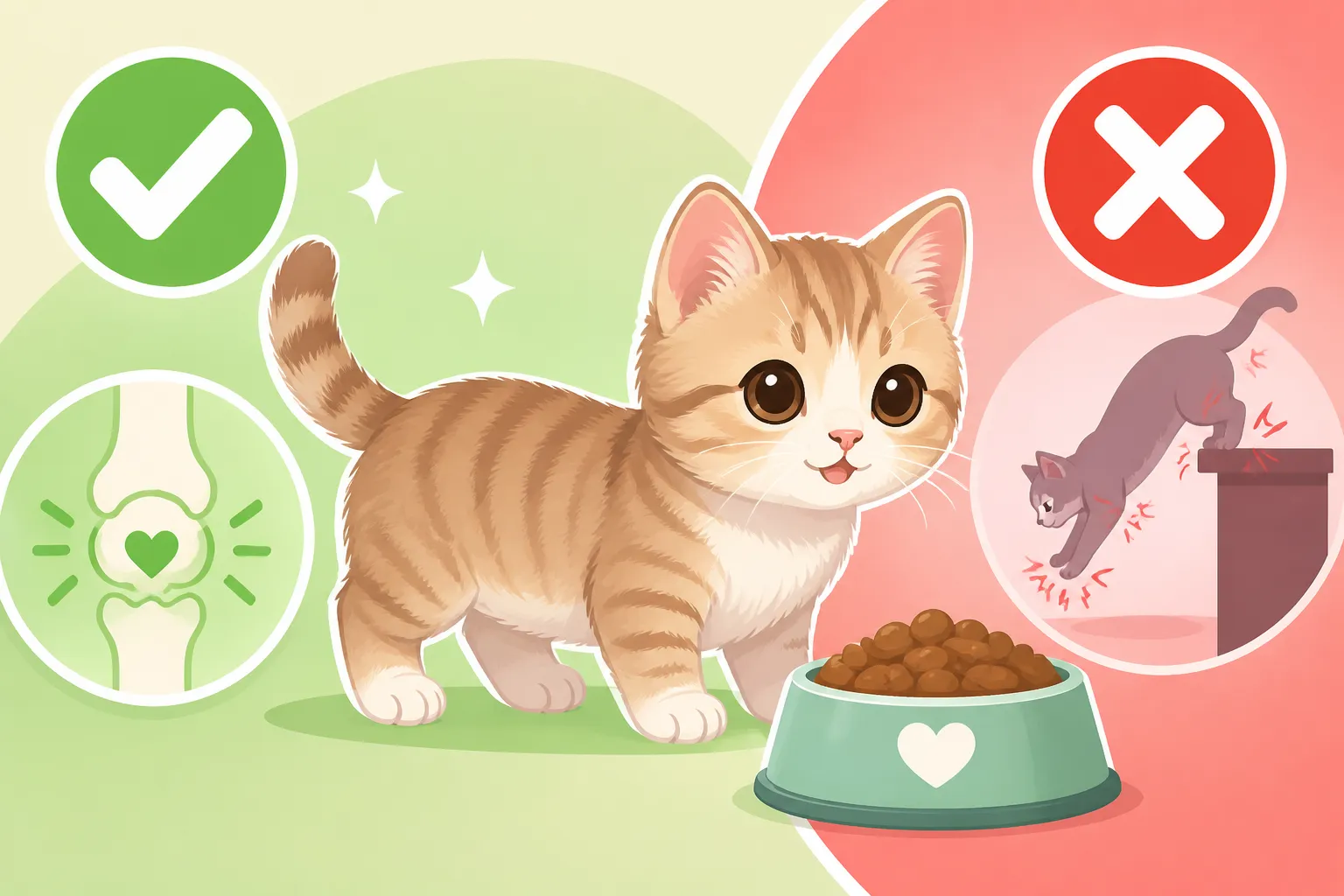
Bringing home a Munchkin kitten is pure joy – those tiny legs and playful antics just steal your heart right away. But that overwhelming cuteness can sometimes distract from a crucial responsibility: setting them up for a lifetime of good health, especially concerning their unique skeletal structure. It’s easy to think a little extra food won’t hurt, but for these special felines, careful nutrition from day one is absolutely vital to protect their developing joints and spine. This guide is all about navigating those early feeding decisions to ensure your short-legged friend thrives without putting unnecessary strain on their body.
Understanding Your Munchkin Kitten's Unique Physiology
When you look at a Munchkin kitten, the most striking feature is, of course, their short legs. It's what makes them so undeniably adorable, but it also means their physical architecture is different from a typical cat. This isn't just a cosmetic trait; it affects how they move, how they carry their weight, and therefore, how their joints and spine develop. Understanding this fundamental difference is the first step in providing the best care, especially when it comes to their diet.
The Mechanics of Short Legs and Joint Development
Imagine having shorter limbs but a normal-sized body – that's essentially what a Munchkin experiences. Their legs bear weight differently, and their gait is distinct. During kittenhood, their bones, ligaments, and joints are rapidly forming and strengthening. Any undue stress during this critical growth period can have long-lasting consequences. Their leg bones, particularly the humerus and femur, are shorter, and while their body length is usually normal, this combination means their center of gravity is lower, and the angles at their joints (shoulders, elbows, hips, knees) are different.
For a growing Munchkin, every jump, every run, and every pound of body weight places a unique load on these developing structures. When a Munchkin kitten plays, they might still try to leap and bound like any other kitten, but their landings are often harder on their elbows and shoulders. If they're carrying even a little extra weight, that impact is magnified. We want to nurture strong, healthy joints that can withstand their natural, playful energy, and that starts with preventing excess load. It's a bit like building a house – a strong foundation is everything, and for a Munchkin, that foundation includes properly developed, unstressed joints. You might be interested in What Pseudoachondroplasia Does to a Munchkin's Legs for more on their unique leg structure.
Spinal Stress During Growth
Beyond the legs, a Munchkin's spine is another area that deserves careful consideration. While their spine itself is generally of normal length, the way their body is positioned closer to the ground, combined with their short legs, can influence spinal alignment and load. Think of it this way: a longer-legged cat distributes its weight more evenly across a wider stance, acting like a natural shock absorber. A Munchkin, with its lower stature, carries its body weight closer to the ground, but the spine still supports the torso.
During kittenhood, the vertebrae and surrounding musculature are still developing. Any rapid weight gain can lead to an increased gravitational pull on the spine, potentially exacerbating or even contributing to conditions like lordosis, a curving of the spine that causes the back to dip. While lordosis isn't unique to Munchkins, their conformation means it's a concern that needs to be proactively managed, and proper weight is a key factor. An overweight Munchkin kitten puts its developing spine under constant, avoidable pressure, which can lead to discomfort, restricted movement, and long-term issues. It's like asking a child to carry a backpack that's too heavy for their frame – it might not show immediate damage, but over time, it will take a toll on their posture and developing back. For more on this, check out Why a Munchkin's Spine Carries a Load a Normal Cat's Does Not.
The Paramount Importance of Calorie Control
I know, I know, it feels so counterintuitive to restrict a growing kitten's food, especially when they look up at you with those enormous, innocent eyes! But for a Munchkin kitten, calorie control isn't about deprivation; it's about preventative care. It’s the single most impactful thing you can do to protect their developing joints and spine. Unlike a long-legged cat who might burn off a few extra calories romping higher and jumping more easily, a Munchkin's activity levels are naturally a bit different, and their body mechanics mean excess weight is far more detrimental.
Preventing Overweight and Obesity From Day One
It's heartbreaking to see a young cat already struggling with its weight. For Munchkin kittens, becoming overweight even in puppyhood can set a dangerous precedent. Every extra gram of fat is extra load on those short legs and developing spine. Think about it: if a regular cat can jump onto a kitchen counter in one graceful leap, a Munchkin might have to navigate a series of lower surfaces or ask to be lifted. Their exercise isn't always as high-impact or calorie-burning as their longer-legged cousins. This means their caloric needs are often slightly lower, and they can gain weight more easily if fed the same amount as a typical kitten.
The goal isn't to make your kitten thin, but lean. A lean Munchkin kitten will have well-defined muscle, you’ll be able to feel its ribs easily without them protruding, and it will be energetic and agile within its physical limits. Preventing obesity from day one is far easier, and kinder, than trying to manage it later. It avoids the cycle of pain, reduced mobility, and frustration that can come with an overweight cat, particularly one with skeletal predispositions. We're talking about giving them the best chance at a comfortable, active life, not spoiling them in the moment with too much food. Why Weight Is More Dangerous on a Munchkin delves deeper into this topic.
The Long-Term Consequences of Early Joint Stress
The choices we make about a Munchkin kitten's diet today can have profound impacts years down the line. Overfeeding a kitten, leading to rapid growth and excess weight, can put undue pressure on growth plates and joint cartilage. While kittens are resilient, sustained stress can contribute to the early onset of conditions like osteoarthritis. Imagine carrying a backpack that's slightly too heavy every day during your most formative years – eventually, something's going to hurt. For a Munchkin, that "something" is often their joints.
By maintaining a healthy, lean body condition throughout kittenhood, you're essentially laying the groundwork for stronger, more resilient joints and a healthier spine. You're reducing the cumulative wear and tear that can lead to stiffness, pain, and reduced mobility as they age. This preventative approach is far more effective and compassionate than waiting for problems to arise and then trying to manage them with medication or therapy. It's an investment in their future comfort and quality of life, ensuring those adorable short legs keep them pouncing and playing for as long as possible.
Choosing the Right Food Type and Quality
Selecting the right food for your Munchkin kitten goes hand-in-hand with calorie control. It’s not just about how much they eat, but what they eat. High-quality nutrition provides the building blocks for strong bones, healthy muscles, and overall vitality, without adding unnecessary fillers or excessive calories that contribute to weight gain.
High-Quality Protein for Muscle Development
Kittens, especially active ones like Munchkins, need a diet rich in high-quality animal protein. Protein is essential for building and maintaining strong muscles, which in turn help support their joints and spine. Look for foods where meat (chicken, turkey, fish, beef) is listed as the first one or two ingredients, not plant-based proteins or fillers. These provide the essential amino acids a growing kitten needs for healthy development.
Avoid foods with a lot of cheap fillers like corn, wheat, or soy. While these might fill your kitten up, they don't provide the same nutritional value as animal protein and can contribute to unnecessary calorie intake without the benefits. Think of it as fueling a finely tuned little engine – you want premium fuel, not watered-down gas. A good protein content helps them feel satisfied and builds lean muscle, crucial for supporting their unique physique. Fresh, human-grade protein sources can be an excellent option for growing kittens, if it fits your budget and lifestyle.
Balanced Nutrition for Bone and Joint Health
Beyond protein, a truly great kitten food will offer a balanced profile of vitamins, minerals, and healthy fats that specifically support bone and joint health. Calcium and phosphorus, in the correct ratios, are critical for bone development. Omega-3 fatty acids, like EPA and DHA, are also incredibly beneficial. These aren't just for shiny coats; they have anti-inflammatory properties that can support joint health and cognitive development.
Many premium kitten foods include ingredients like glucosamine and chondroitin, often found in joint supplements, to proactively support cartilage health. While more research is needed on their efficacy in very young kittens, including them as part of a balanced diet can't hurt. When reviewing food labels, don't just look at the protein percentage; glance at the full ingredient list and guaranteed analysis to ensure a comprehensive nutrient profile. A vet can always guide you on specific nutrient needs for your Munchkin, as individual requirements can vary slightly.
Feeding Frequency and Portion Control
Getting the "how much" and "how often" right can feel like a puzzle, but it’s absolutely critical for Munchkin kittens. Their tiny stomachs and rapid metabolism mean they need to eat more frequently than adult cats, but their unique conformation demands strict portion control to avoid overfeeding.
Establishing a Feeding Schedule
Munchkin kittens, like all kittens, need several small meals throughout the day. Their digestive systems are still developing, and smaller, more frequent meals are easier to process and help maintain stable blood sugar levels, keeping their energy up for all that playful exploration. Typically, kittens from 8 weeks to 6 months old do well on 3-4 meals per day. As they get a bit older, say 6 months to a year, you can usually reduce this to 2-3 meals daily.
Sticking to a schedule also helps you monitor their intake and ensure they’re not overeating or leaving food behind. Free-feeding, where food is left out all day, is generally discouraged for Munchkin kittens because it makes portion control impossible and significantly increases the risk of them becoming overweight. A structured schedule, while requiring a bit more effort on your part, is a cornerstone of responsible Munchkin kitten care. It also fosters a predictable routine, which cats often appreciate.
Precise Portion Control and Measurement
This is where the rubber meets the road. "A little extra" for a Munchkin kitten can quickly become "too much." Always follow the feeding guidelines on your chosen kitten food, but treat them as a starting point, not a strict rule. These guidelines are usually based on average kittens, and your Munchkin might have slightly lower caloric needs due to their activity levels and conformation. It’s also important to remember that these guidelines are usually for the entire day's food, which then needs to be divided into their multiple meals.
Using a kitchen scale to measure dry food portions is highly recommended. Measuring cups can be inaccurate, varying by as much as 20% depending on how tightly packed the food is. A digital scale provides precise, consistent portions every single time. For wet food, you can often just divide a can or pouch as recommended. If your kitten still seems ravenous, try adding a little water to their wet food or using puzzle feeders to slow them down, rather than increasing their portion size. Regular, gentle palpation of their ribs and observing their energy levels will be your best indicators of whether their portions are just right.
The Role of Supplements in a Kitten's Diet
The world of pet supplements can be a confusing maze, especially when you're trying to do your very best for your special Munchkin kitten. It's natural to wonder if they need something extra to support those unique legs and spine. My general philosophy is that a high-quality, complete, and balanced kitten food should provide most, if not all, of what a growing Munchkin needs. However, there are some specific considerations.
Joint Supplements: When and Why?
For a Munchkin kitten, proactive joint health is definitely a topic that comes up. Many owners consider adding joint supplements containing ingredients like glucosamine, chondroitin, and MSM. These compounds are believed to support cartilage health and reduce inflammation. While there's a good body of research on their benefits for adult cats with existing joint issues, the data for preventative use in young, healthy kittens is less robust.
My advice is always to discuss this with your veterinarian first. If your vet observes any early signs of joint discomfort or has concerns based on your kitten's specific growth, they might recommend a supplement. However, for a healthy kitten on a high-quality diet that already includes some joint-supporting ingredients (as many premium kitten foods do), adding more might not be necessary and could even throw off their delicate nutritional balance. It’s important not to self-prescribe, as too much of a good thing can sometimes be detrimental. Prioritize maintaining a lean body weight above all else, as this is the single most effective "joint supplement" you can give a Munchkin.
Essential Fatty Acids and Other Micronutrients
Omega-3 fatty acids, particularly EPA and DHA, are fantastic for overall health, including joint health, skin, coat, and brain development. Many good kitten foods already include these, often derived from fish oil or flaxseed. If your chosen food doesn't have them, or if your vet suggests a boost, a high-quality fish oil supplement can be beneficial. Make sure it's specifically formulated for pets and comes from a reputable source, to avoid contaminants.
Other micronutrients, like certain vitamins and minerals, are also crucial for growth. However, giving additional single-nutrient supplements (like extra calcium) without veterinary guidance can be risky. Too much calcium, for instance, can interfere with the absorption of other minerals and lead to skeletal abnormalities. The safest approach is always to rely on a balanced commercial kitten food and only introduce additional supplements under the specific recommendation and supervision of your veterinarian, who can assess your individual Munchkin's needs.
Setting Up the Ideal Feeding Environment
A Munchkin's short stature means they interact with their environment differently. This extends to their feeding station. An elevated bowl or an unreachable water source isn't just an inconvenience; it can cause unnecessary strain on their neck, shoulders, and spine. Thoughtful setup ensures mealtime is comfortable and supportive of their unique body.
Raised Bowls for Neck and Shoulder Comfort
Picture a long-legged cat bending down to eat from a bowl on the floor. Now, picture your Munchkin doing the same. Their neck and spine have to curve at a much sharper angle to reach the food. While they can do it, repeatedly eating in this position, multiple times a day during their formative kitten months, can put unnecessary strain on their developing cervical spine and shoulder joints.
This is where a raised food bowl becomes your Munchkin's best friend. The ideal height should allow them to eat without significant bending or stretching down. Their chest should be level with the rim of the bowl, allowing them to maintain a more natural, comfortable posture. You can find specialized elevated feeders at pet stores or online, such as on Chewy or Amazon, or even make a simple DIY stand. Look for options that are stable and easy to clean. Making mealtime comfortable helps prevent neck stiffness and eases the load on their shoulders. This is a small adjustment that makes a big difference to their daily comfort. Why a Raised Bowl Eases a Munchkin's Shoulders offers more detailed reasons.
Ensuring Easy Access to Food and Water
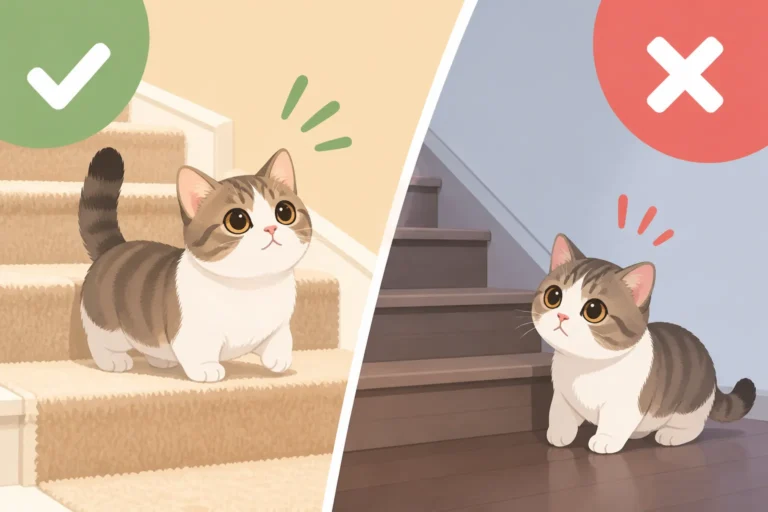
Beyond height, accessibility is key. If your Munchkin kitten has to navigate steps, steep ramps, or jump onto a platform just to reach their food or water, you're creating potential stress points. Their feeding station should be easily accessible from their main living areas, without any obstacles. If you have a multi-level home, consider having multiple food and water stations on different floors or in frequently used rooms to minimize the need for them to traverse stairs.
The bowl itself should also be suitable. Wide, shallow bowls are often preferred as they prevent "whisker fatigue" and allow your Munchkin to get to their food without burying their face too deeply. For water, a fountain with a low-to-the-ground reservoir or a wide, stable bowl will work best. Ensure these are placed in quiet, safe spots where your kitten won't feel vulnerable while eating or drinking. A Munchkin kitten needs to feel secure and comfortable in their feeding space, especially since they can't quickly leap away if startled.
| Munchkin Feeding Environment Element | Rationale for Munchkin Kittens | Recommendation |
|---|---|---|
| Bowl Height | Reduces neck and shoulder strain during growth | Raised bowls, chest-level with rim |
| Bowl Material | Hygienic, prevents chin acne | Ceramic or stainless steel |
| Bowl Shape | Prevents whisker fatigue, easy access | Wide and shallow |
| Location | Easy, unobstructed access, safe | Quiet, stable spot, multiple stations in multi-level homes |
| Water Access | Comfortable drinking posture, hydration | Low fountain or wide, shallow bowl |
| Surface Under Bowls | Prevents slipping, easy to clean | Non-slip mat or easy-clean flooring |
Monitoring Growth and Body Condition
Once you've got the food and setup sorted, the ongoing task is to vigilantly monitor your Munchkin kitten's growth and body condition. They’re changing so rapidly in those first few months, and regular checks help ensure they’re on the right track, not gaining too much, too fast.
Regular Weigh-Ins and Growth Charts
Weekly weigh-ins are a fantastic habit to get into for a Munchkin kitten, especially during their most rapid growth phase (up to about 6 months). Use a small, accurate digital kitchen scale, or even a baby scale, to get precise measurements. Jot these down in a log or a simple spreadsheet. This data will give you an objective view of their growth trajectory. Are they gaining steadily? Or is there a sudden spike in weight gain that might signal a need to slightly adjust their portions?
Your veterinarian can provide you with a growth chart specific to kittens, or you can find general ones online. While Munchkins are smaller, their growth rate should generally follow a similar curve to other kittens, though their eventual adult weight will be lower. The key isn't necessarily reaching a certain weight by a certain age, but maintaining a consistent, moderate rate of gain without any sudden leaps. If you notice your kitten is gaining weight very rapidly, it’s a red flag to reassess their food intake immediately. This proactive monitoring allows you to make tiny adjustments before a small weight issue becomes a significant one.
Assessing Body Condition Score
Beyond the numbers on the scale, learning to assess your Munchkin kitten's Body Condition Score (BCS) is a vital skill. This is a hands-on method to evaluate their lean muscle mass versus fat. Your vet uses a scale, usually 1-9 (with 5 being ideal), or 1-5 (with 3 being ideal). For Munchkins, you want them to be on the lean side of ideal, especially as kittens.
Here's how to do it:
- Feel their ribs: Gently run your flat hands along their sides. You should be able to easily feel their ribs, but not see them prominently. If you have to press hard to feel them, they're likely overweight. If the ribs feel very sharp and visible, they might be underweight.
- Look for a waist: When looking down at your kitten from above, you should see a discernible waistline behind their ribs. It shouldn't be a straight line from shoulder to tail.
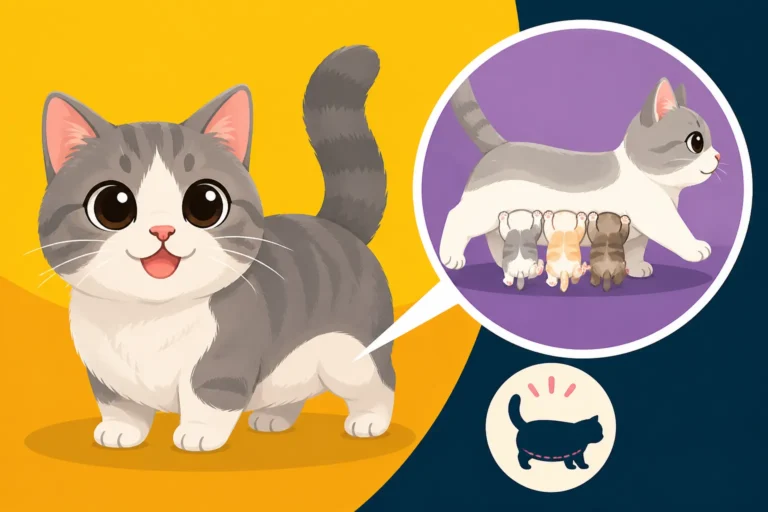
- Check their abdominal tuck: When looking at them from the side, their belly should tuck up slightly behind their rib cage, not sag or hang low. Keep in mind that a Munchkin's belly might look a little rounder simply because their body sits closer to the floor, but it shouldn't be pendulous. How to Score a Munchkin's Body Condition gives more specifics.
These assessments become your regular check-ins. If your kitten's BCS starts to creep up, it’s time to dial back their food ever so slightly or increase their playtime. Your vet will also perform a BCS check at every visit, so don't hesitate to ask them to walk you through it and show you what to feel for.
Transitioning to Adult Food
That first year flies by, and before you know it, your adorable Munchkin kitten is nearing adulthood. This means it's time to transition them from nutrient-dense kitten food to adult cat food. This change needs to be handled gradually to avoid digestive upset and to ensure their nutritional needs continue to be met as their growth rate slows.
When to Make the Switch
Most cat foods recommend switching from kitten to adult formula around 10-12 months of age. However, some larger cat breeds might mature a little later, and some smaller ones slightly earlier. For Munchkin cats, this 10-12 month timeframe is usually appropriate. By this point, their rapid growth has largely concluded, and they no longer require the higher calorie and protein content found in kitten formulas. Continuing to feed kitten food past this stage can easily lead to unwanted weight gain, which as we've discussed, is particularly detrimental for Munchkins.
Your vet will be your best resource for pinpointing the exact right time for your individual Munchkin. During their routine check-ups around the 6-9 month mark, your vet can assess their growth plates, overall body condition, and muscle development to give you the most accurate recommendation for the transition. Pay attention to your cat's energy levels and how easily they maintain their lean body condition. If they're suddenly packing on a few extra ounces, it might be an early sign that they're ready for the less calorically dense adult formula.
The Gradual Transition Process
Once you've decided it's time, the switch to adult food should be gradual, typically over a period of 7-10 days. A sudden change can upset your cat's digestive system, leading to vomiting, diarrhea, or a refusal to eat.
Here’s a common approach:
- Days 1-2: Mix 75% old kitten food with 25% new adult food.
- Days 3-4: Adjust the ratio to 50% old food and 50% new food.
- Days 5-6: Shift to 25% old food and 75% new food.
- Days 7-10: Your Munchkin should now be eating 100% new adult food.
During this transition, closely monitor your Munchkin for any signs of digestive upset or refusal to eat. If you notice any issues, slow down the process and maintain the current ratio for a few extra days. The goal is a seamless, stress-free change for their digestive system. After the transition, remember that portion control for adult Munchkins remains just as critical as it was during kittenhood. While their growth has slowed, the need to maintain a lean body weight to protect their joints and spine is a lifelong commitment. For guidance on adult feeding, you might want to read Feeding a Cat That Burns Less Costs Monthly.
Disclaimer
This article is for general informational purposes only and does not constitute professional advice. Laws, prices and regulations vary by location and change over time. Consult a qualified professional for guidance on your specific situation.