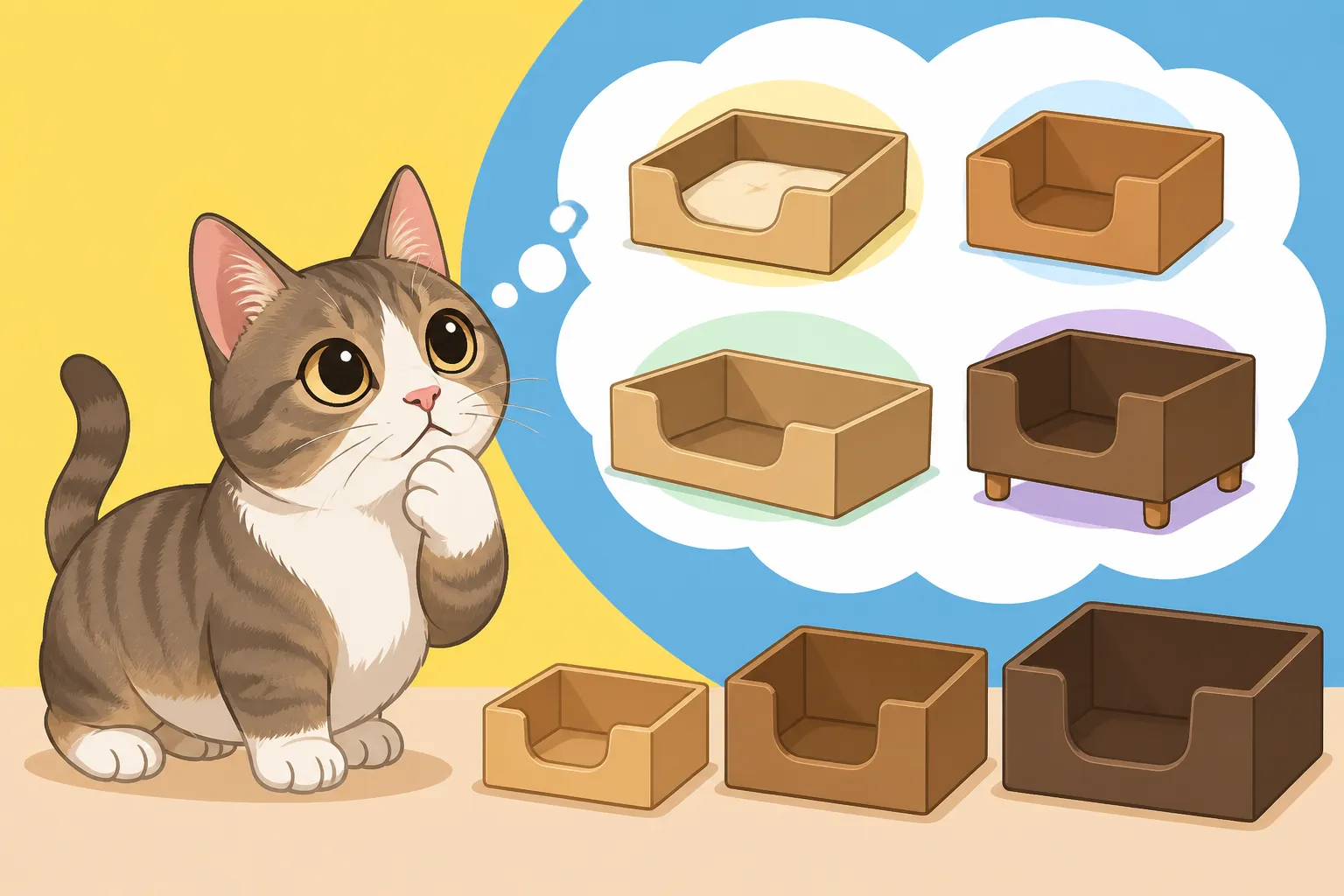
How Many Low Entry Boxes a Munchkin Needs
If you're a proud Munchkin parent, you've likely already discovered that their adorably short legs come with a few unique considerations, especially when it comes to their potty habits. Finding stray "accidents" just outside a perfectly clean litter box isn't just frustrating; it's a clear signal that your furry friend is struggling with access. This guide will delve deep into why low-entry litter boxes are crucial, how many you truly need, and how to create an environment where your Munchkin feels secure and comfortable doing their business every single time.
The Non-Negotiable Need for Low-Entry Litter Boxes
Let's face it, standard litter boxes just aren't designed with a Munchkin's unique physique in mind. What might seem like a minor hurdle to a long-legged cat can be a mountain to a Munchkin, leading to unnecessary stress, discomfort, and ultimately, inappropriate elimination outside the box. It’s not about being stubborn; it's about physical reality.
The Physical Limitations of Short Legs
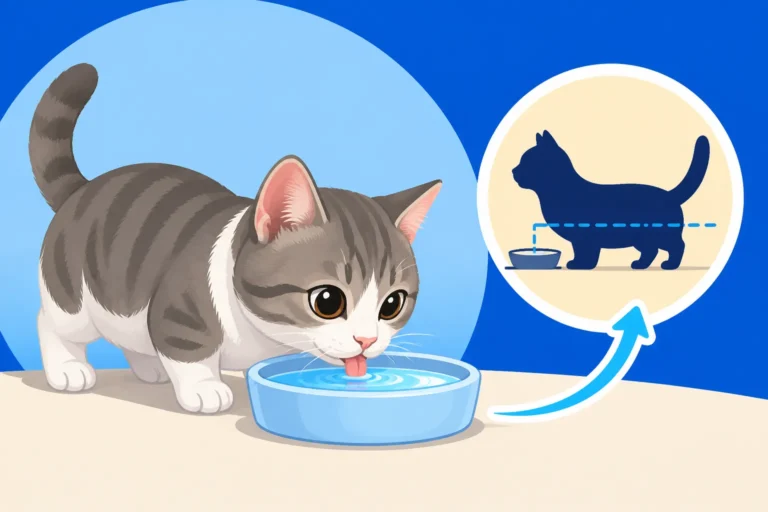
Imagine trying to step over a wall that comes up to your waist, every single time you need to use the restroom. That's essentially what a Munchkin faces with a typical litter box. Their short legs, a result of a naturally occurring genetic mutation, mean they lack the leverage and height to comfortably hoist themselves over high edges. It's not just the height; it's the angle and the stretch involved. When a Munchkin attempts to enter a high-sided box, they often have to arch their back in an unnatural way, putting strain on their spine and front limbs. This repetitive straining can be particularly concerning given the discussions around Why a Munchkin's Spine Carries a Load a Normal Cat's Does Not. A small cat might try to jump or climb, but for a Munchkin, that often means an awkward scramble, which is neither dignified nor comfortable.
Preventing Accidents and Discomfort
The most immediate and obvious benefit of a low-entry box is preventing those frustrating accidents. A Munchkin who finds entry difficult or painful is naturally going to seek an easier alternative. This could be a bath mat, a rug, or even a corner of your floor. They're not doing it to be naughty; they're doing it because their primary toilet option is inaccessible. Beyond the mess, consider the emotional impact on your cat. A cat that associates its litter box with struggle or discomfort might develop an aversion, leading to chronic stress and behavioral issues. Providing a low-entry solution immediately removes this barrier, encouraging consistent and appropriate litter box use. It’s about ensuring they have easy, dignified access to a clean place to relieve themselves.
Long-Term Health Implications of Straining
Repeated straining to get into a litter box can have long-term consequences for a Munchkin's health. The awkward movements can exacerbate any underlying spinal sensitivities or contribute to premature joint wear and tear, especially in their shoulders and elbows, which take the brunt of their weight when navigating vertical challenges. Think about How Arthritis Shows in a Munchkin's Front Legs; this kind of repetitive stress isn't going to help. Moreover, if a cat avoids the litter box due to discomfort, they might hold their waste for longer periods, which can lead to urinary tract infections or constipation. Ensuring easy access is a proactive measure against these potential health problems, making sure their daily routine doesn't inadvertently contribute to physical ailments down the line.
Determining the Ideal Number of Litter Boxes
When it comes to litter boxes, a general rule of thumb applies to all cats, but it becomes even more critical for a Munchkin. Skimping on the number of boxes can lead to territory disputes, hygiene issues, and, yes, more accidents. Getting the right count is as important as getting the right type.
The "N+1" Rule and Its Application for Munchkins
The golden rule in cat ownership is "N+1," where 'N' is the number of cats you have. So, for one Munchkin, you'd ideally want two litter boxes. For two Munchkins, three boxes, and so on. This isn't just about giving them options; it's about catering to their instinctual need for cleanliness and personal space. Cats often have preferences for where they urinate versus defecate, or they might simply prefer a fresh, unused spot. For a Munchkin, who might already feel vulnerable due to their physical limitations, having multiple, easily accessible, pristine options provides a sense of security and choice. This rule is particularly non-negotiable for Munchkins because if one box becomes even slightly undesirable (e.g., used, not quite clean enough), the alternative needs to be just as accessible. Many options for low-entry boxes are available on platforms like Amazon and Chewy, making it easy to stock up.
Considering Multi-Cat Households
If you have a multi-cat household, especially one with both Munchkins and normal-legged cats, the "N+1" rule becomes even more vital. Normal-legged cats might not understand a Munchkin's struggle, and some might even inadvertently "guard" a preferred litter box, making it difficult for your short-legged friend to get in. Having extra boxes helps mitigate potential resource guarding. It ensures that even if one box is occupied or has been recently used by another cat, there's always an open, accessible, and clean alternative for your Munchkin. Moreover, if your other cats tend to be messy, a Munchkin's low belly can easily pick up litter or waste from a soiled box, making multiple, clean options even more important to prevent Why a Munchkin Carries Litter on Its Underside.
Large Homes and Multiple Levels
For homes with multiple levels or a particularly large footprint, the "N+1" rule needs an additional layer of consideration: convenience and proximity. A single Munchkin living in a two-story house might need at least one low-entry box on each floor, possibly more depending on the size of each level. Expecting a Munchkin to navigate a full flight of stairs multiple times a day to reach a single litter box is unrealistic and can be hard on their joints. Why a Munchkin Should Not Use Stairs Repeatedly is a key point here. Strategic placement means a box is always within easy reach, minimizing the distance your cat has to travel, especially if they are older or have mobility issues. Aim for a box within reasonable distance of their primary resting and eating areas on each floor they frequent.
Factors Influencing Litter Box Placement and Type
It’s not enough to simply have the right number of low-entry boxes; where you put them and the specific type you choose can make all the difference to your Munchkin's comfort and willingness to use them. This is where attention to detail truly pays off.
Accessibility and Privacy Concerns
Cats, including Munchkins, value privacy when doing their business. Placing a litter box in a high-traffic area, or directly in the open where they feel exposed, can deter use. Think about a quiet corner, a laundry room (away from noisy appliances), or a guest bathroom. However, "privacy" shouldn't come at the cost of accessibility. Don't hide the box so well that your Munchkin has to navigate obstacles or complex routes to get to it. For example, a box tucked deep under a bed might offer privacy but be difficult for them to reach. The goal is easy, unobstructed access combined with a sense of security. Consider where your Munchkin naturally gravitates for quiet time; those spots are often good candidates for a litter box.
Material and Size Considerations
While the "low-entry" aspect is paramount, the overall size and material of the box also matter. Look for sturdy plastic boxes that are easy to clean and don't absorb odors. For a Munchkin, a wider box is generally better than a deeper one, even if it's low entry, as it gives them more room to maneuver and dig without feeling cramped. Many senior cat litter boxes on the market are perfect for Munchkins, as they already feature low entry points. You can find these on marketplaces like Chewy or at specialty pet stores. If you're on a budget, you can even How to Cut Down a Litter Box for a Munchkin using a utility knife on a standard high-sided storage bin. Just make sure the cut edges are smooth and safe. The goal is to provide enough space for them to turn around, dig comfortably, and exit without stepping in their own waste.
Location, Location, Location
Strategic placement extends beyond just quiet corners. Consider the surfaces around the litter box. A Munchkin's low belly means they might track more litter out of the box. Placing the box on an easy-to-clean surface like tile or linoleum, or on a dedicated litter mat, can help manage this. Avoid placing boxes near their food and water bowls, as cats instinctively avoid eliminating where they eat. Similarly, avoid placing them right next to noisy appliances like washing machines or in dimly lit, spooky areas. A good rule of thumb is to place boxes where they are easily visible and accessible from your Munchkin's common pathways but still offer a sense of retreat. For multi-level homes, ensure there's a box How Far a Munchkin Should Have to Walk to a Box from their main living areas on each floor.
Beyond the Basics: Enhancing the Munchkin's Litter Box Experience
Once you've nailed down the number and placement of your low-entry boxes, there are still ways to refine the experience, making it even more comfortable and appealing for your short-legged friend. These enhancements focus on the nuances of their physical build and behavioral preferences.
Litter Choices for Low-Riding Bellies
The type of litter you choose can significantly impact a Munchkin's comfort. Because their bellies sit closer to the ground, certain types of litter can adhere to their fur, causing discomfort or making them feel dirty. Opt for litters with a fine, soft texture that are less likely to stick. Clay litters, particularly those with a very fine grain, are often a good choice. Avoid coarse, chunky litters or those with strong perfumes, which can be irritating. Unscented litters are generally preferred by cats. It's also important to consider the depth of the litter. While you want enough for them to dig, too much can make entry even harder, especially if it spills out easily. Aim for about 2-3 inches of litter. Understanding Which Litter Sticks to a Munchkin's Belly can guide your choice and save you a lot of cleanup.
Ramps and Steps: More Than Just Entry
While low-entry boxes are a must, you can further ease access by incorporating ramps or steps, especially if the box still presents a slight challenge or if your Munchkin has any mobility issues. Even a box with a 4-inch lip might be easier with a small, gentle ramp leading up to it. These aren't just for beds or sofas; they can be custom-made or purchased for litter box access. A small ramp or a single, wide, low step can provide that extra bit of assistance, reducing any strain and making entry and exit seamless. Just ensure the ramp isn't too steep and has good traction. Think about How to Set Up Ramps Around a Munchkin's House to ensure all their essential areas, including litter boxes, are easily reachable. These aren't just luxuries; they're essential equipment for your Munchkin.
Regular Cleaning and Maintenance
This might seem obvious, but it's crucial for Munchkins. A dirty litter box is an even greater deterrent for a cat with limited mobility. Scoop at least twice daily, and ideally, after every use if you're home. Replace all the litter and clean the box thoroughly with mild, cat-safe detergent once a week. Because Munchkins are closer to the ground, they are more likely to track out even small amounts of litter or waste, making cleanliness paramount. A consistently clean box is inviting, whereas a dirty one can quickly lead to your Munchkin seeking alternative, less desirable spots. Maintaining impeccable hygiene reinforces good litter box habits and ensures your Munchkin never has a reason to avoid their designated toilet. You can find excellent litter scoops and cleaning supplies on platforms like Amazon.
Addressing Common Litter Box Challenges with Munchkins
Even with the perfect setup, you might occasionally encounter challenges. It's important to approach these with patience and an understanding of your Munchkin's unique needs, rather than assuming stubbornness.
Refusal to Use the Box
If your Munchkin suddenly refuses to use their low-entry box, don't immediately assume they're acting out. First, rule out any health issues with a vet visit; discomfort or pain can manifest as inappropriate elimination. If health is clear, reassess the box setup. Has anything changed? Is the box clean enough? Is it in a private yet accessible location? Sometimes, a subtle change in litter type, a new air freshener nearby, or even a stressful event in the home can trigger an aversion. Ensure the entry point hasn't become obstructed and that the box isn't feeling too small for them as they grow. Remember Why a Munchkin Will Go Outside a Box It Cannot Enter – it’s a physical problem, not a behavioral one. Try offering an additional box in a different spot with a different litter to see if they prefer an alternative.
Litter Tracking and Hygiene Issues
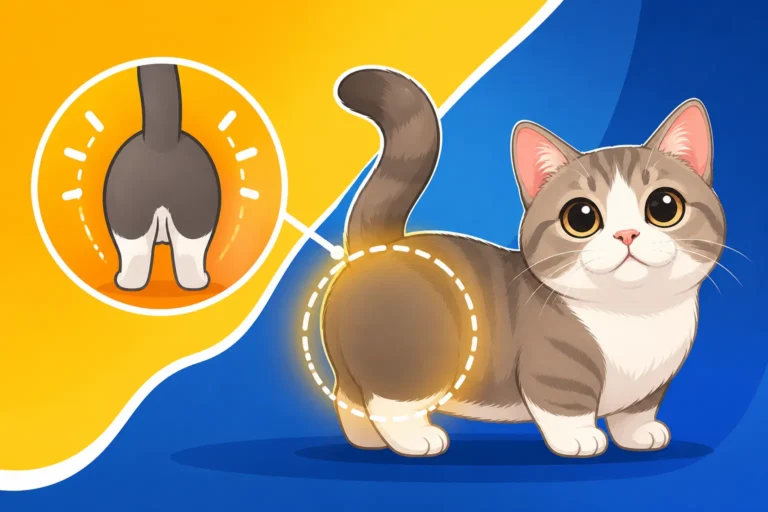
Due to their short stature and low bellies, Munchkins can be prone to tracking litter outside the box more than other cats. This isn't just an annoyance; it can lead to hygiene issues. Besides choosing a fine litter, consider litter mats with deep grooves or those designed to catch particles. You might also need to increase the frequency of cleaning around the box. In some cases, especially for long-haired Munchkins, a regular "sanitary clip" around their hindquarters can prevent waste from clinging to their fur, which might otherwise make them reluctant to use a box they feel will get them dirty. Whether a Munchkin Needs a Sanitary Clip is a valid question for many owners. Keeping their rear end tidy can make a huge difference in their overall comfort and willingness to use the box without worry of getting soiled.
Age-Related Changes and Special Needs
As Munchkins age, their mobility can naturally decline, making even previously accessible low-entry boxes more challenging. Arthritis, joint stiffness, or other age-related conditions can affect their ability to step over even a small lip. For senior Munchkins, you might need to lower the entry even further, potentially using a flat pan or a very shallow litter box with virtually no lip. They may also need more boxes, spread out even closer to their resting spots. Consider heated beds near their boxes to encourage them to spend time in comfortable areas. Regular veterinary check-ups are crucial to manage pain and keep them as mobile as possible. Monitoring How Arthritis Shows in a Munchkin's Front Legs and At What Age a Munchkin Starts to Stiffen can help you proactively adjust their litter box setup to accommodate their changing needs.
When to Re-Evaluate Your Munchkin's Litter Box Setup
A Munchkin's needs aren't static; they evolve over their lifetime. What worked perfectly for a playful kitten might not be suitable for a senior cat. Regularly re-evaluating your litter box strategy is a key part of responsible Munchkin ownership.
Behavioral Changes as a Warning Sign
Your Munchkin's behavior is often the first indicator that something isn't quite right with their litter box situation. Any change in their toileting habits – accidents outside the box, excessive vocalization before or after using the box, spending an unusual amount of time in the box, or suddenly avoiding a previously favored box – warrants investigation. Don't punish; investigate. These are clear signs they are either experiencing discomfort, stress, or a physical barrier. Revisit the "N+1" rule, check cleanliness, and observe their gait as they approach and enter the box. A subtle limp or hesitation might indicate pain. These behavioral cues are their way of communicating that their needs are not being met.
Monitoring Physical Health and Mobility
Regularly observing your Munchkin's physical health and mobility is paramount. Pay attention to how easily they move, jump (if they still do), and navigate your home. During playtime, do you notice any stiffness after a period of rest? Do they seem reluctant to move as much as they used to? Are they struggling to groom their hindquarters, which can indicate spinal or hip discomfort? Your vet can assess their joints and spine during routine check-ups. How Often a Healthy Adult Munchkin Needs Checking is important for proactive care. If you notice any changes in their gait or flexibility, it's time to consider an even lower-entry box, potentially more ramps, or even a different type of litter that is softer underfoot. Diet can also play a role in joint health, so discuss nutritional support with your vet.
Adapting to Life Changes
Life happens, and sometimes, those changes can impact your Munchkin. A new baby, a new pet, a move to a different home, or even a change in your work schedule can affect a cat's comfort and access to their litter box. If you move, even if it's a single-story home, you'll need to re-establish litter box locations carefully, perhaps starting with more than the "N+1" rule suggests, and gradually reducing them as your cat settles in. If you're planning a renovation, ensure your Munchkin has uninterrupted, easy access to their boxes during the process. Any disruption to their routine or environment can cause stress, and a reliable, easy-to-use litter box setup is a foundation of their security. Being proactive and anticipating how these changes might affect your Munchkin's needs will prevent many potential problems.
Summary of Litter Box Requirements for Munchkins
To help you keep track of all these considerations, here's a quick reference table for your Munchkin's litter box needs:
| Aspect | Recommendation for Munchkins | Why It's Important |
|---|---|---|
| Number of Boxes | N+1 (N = number of cats) minimum | Provides options, minimizes waiting, reduces stress in multi-cat homes. |
| Entry Height | As low as possible, ideally 2-3 inches or less | Prevents straining, discomfort, and accidents due to physical limitations. |
| Box Size | Wide and spacious, not necessarily deep | Allows comfortable maneuvering, digging, and turning around. |
| Litter Type | Fine-grained, soft, unscented | Less likely to stick to low bellies; preferred by cats; less irritating. |
| Litter Depth | 2-3 inches | Enough for digging, but not so much it makes entry harder or spills excessively. |
| Placement | Quiet, private, easily accessible, spread throughout home | Encourages use, reduces accidents, caters to natural feline instincts. |
| Ramps/Steps | Recommended, especially for higher furniture or aging cats | Provides extra assistance, reduces strain, and extends accessibility. |
| Cleaning Frequency | Scoop twice daily, full change weekly | Essential for hygiene, prevents aversion, reduces tracking. |
| Monitoring | Constant observation of behavior and mobility | Early detection of issues, allows for timely adjustments and vet intervention. |
Remember, your Munchkin relies on you to understand and adapt to their unique physical needs. Providing an optimal litter box setup is one of the most fundamental ways to ensure their comfort, happiness, and long-term health. It might take a little more thought and planning than with a standard cat, but the peace of mind knowing your short-legged companion is well cared for is absolutely worth it.
Disclaimer
This article is for general informational purposes only and does not constitute professional advice. Laws, prices and regulations vary by location and change over time. Consult a qualified professional for guidance on your specific situation.