Why GCCF Refuses to Register the Munchkin
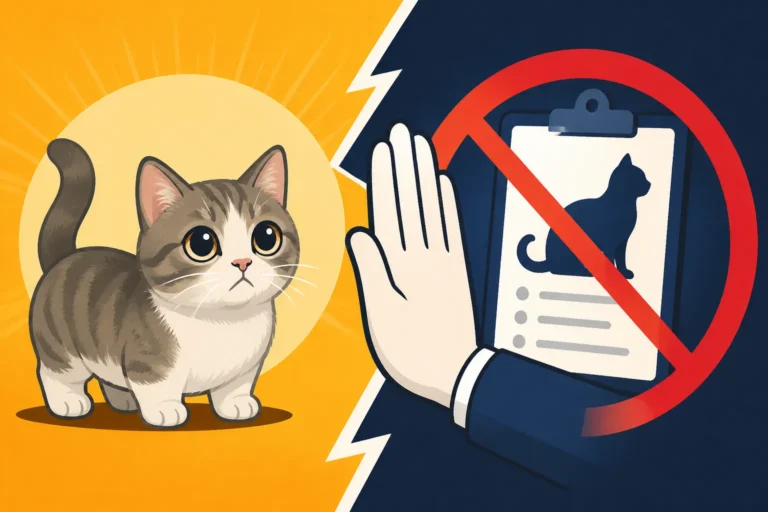
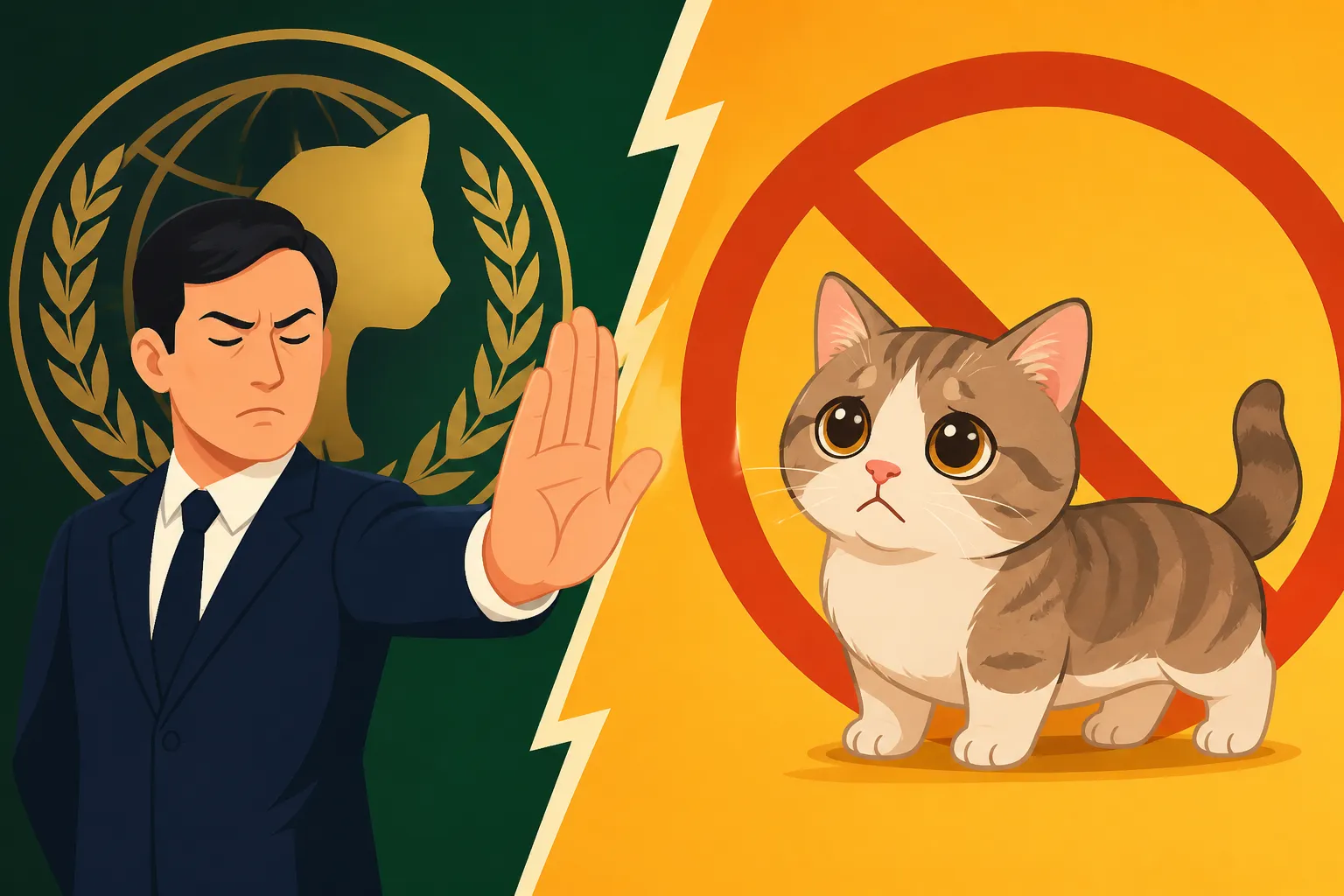
When a cat is advertised as a Munchkin in the UK, it can be confusing to learn that the GCCF will not register the breed. That refusal is not a verdict on every individual cat or its ability to be a loved companion. It reflects the registry’s concerns about deliberately breeding for shortened legs and the welfare questions that come with that choice.
What GCCF registration means for a Munchkin
GCCF is a registry, not a general cat authority
The Governing Council of the Cat Fancy, usually called the GCCF, maintains breed and pedigree registration in the UK. A breed that the GCCF does not recognize cannot be registered as a GCCF-recognized breed in the usual way. That is a decision about the registry’s own standards and policies, not a declaration that an individual cat does not exist or cannot be cared for as a pet.
This distinction matters when you are looking at an advert or speaking with a breeder. A seller may use the word “Munchkin” to describe a short-legged cat or its claimed ancestry, but that wording does not mean the cat has GCCF papers. Ask which registry, if any, issued the documents, and what those documents actually certify. Claims that a cat is “GCCF registered” deserve careful checking if the seller is describing it as a Munchkin.
Registration and legality are separate questions, too. A registry’s refusal does not, by itself, tell you whether keeping or breeding a particular cat is lawful in your location. Rules can differ between places and may change. If legal status matters to your decision, check the relevant local requirements rather than relying on a breeder’s description or a registry’s recognition policy.
Why the refusal is about breeding policy
The central issue is that Munchkin legs are deliberately shortened through selective breeding. GCCF’s refusal is generally understood in the context of concerns about breeding for a physical trait that may affect normal movement and welfare. A registry can decide that it does not want to establish a breed standard, approve pedigrees, or promote a trait it considers ethically problematic.
That does not settle every scientific or veterinary question about Munchkin health. People may disagree about how much the shortened legs affect an individual cat, how risks vary, and what the available evidence can establish. But a registry does not have to wait for every uncertainty to disappear before deciding what it will endorse. Its policy can reflect a precautionary judgment: if a defining feature raises unresolved welfare concerns, it may choose not to register cats bred for that feature.
For a broader look at the distinction between appearance and welfare, see Whether Buying a Munchkin Is an Ethical Decision. The ethical debate is not simply about whether an individual Munchkin can play, run, or enjoy a comfortable life. It also asks whether people should intentionally reproduce a physical trait when its welfare implications remain contested.
The welfare concerns behind the decision
Short legs raise questions about movement and comfort
A Munchkin’s short legs do not mean every cat is in pain or unable to move around. Many individual cats are active and curious. Still, the breed’s defining body shape prompts reasonable questions: Can the cat move comfortably through ordinary spaces? Can it get to food, resting places, and litter without strain? Does it need more help with jumping, grooming, or navigating furniture than a typical cat?
Those questions are especially important because owners usually see a cat at home, not during a brief visit or in a sales video. A kitten may appear lively while still growing, and an energetic temperament does not prove that its joints and movement will remain comfortable throughout life. Conversely, a short-legged appearance alone cannot diagnose a health problem. Assessment of an individual cat belongs with a veterinarian who can examine its movement, body condition, and health history.
The discussion of possible spinal concerns is another area where it helps to separate specific conditions from sweeping claims. Why the Munchkin Divides the Cat Fancy More Than Any Breed provides context on why supporters and critics can interpret the same breed differently. A useful buyer question is not just “Is this cat healthy today?” but “What health information is available about its parents, relatives, and breeding line?”
Uncertainty is part of the welfare debate
There is not always enough breed-specific research to give simple, definitive answers about how common particular problems are. That makes it difficult to treat a single anecdote as proof that the breed is either universally healthy or inevitably unhealthy. A responsible explanation should acknowledge both points: individual cats vary, and limited evidence does not erase the concerns that led a registry to refuse recognition.
The GCCF decision is therefore best understood as a policy position informed by welfare concerns, rather than as a medical diagnosis applied to every Munchkin. It does not mean every cat with short legs has the same condition, nor does it establish that every Munchkin will suffer. It does mean the registry has not accepted the breed as one it is prepared to support through its registration system.
For related health questions, Which Health Problems the Munchkin Actually Has and Why There Is So Little Munchkin Research help frame what is known, what is uncertain, and why careful language matters. If you are considering a particular cat, ask for veterinary records and arrange an independent veterinary examination. A breeder’s reassurance is not a substitute for an assessment of that animal.
What buyers should check when a Munchkin is not GCCF registered
Ask direct questions about papers and parentage
When a breeder says a Munchkin is registered, ask them to name the registry and show you the relevant paperwork. Check whether the papers identify the cat, its parents, and the registration organization, rather than assuming that “registered” means GCCF registration. If the breeder says GCCF papers are available for a Munchkin, ask for an explanation and verify the claim with the registry before paying a deposit.
It is also sensible to ask how the breeder describes cats with longer legs in the same litter, what happens to kittens that are not being sold as short-legged Munchkins, and whether the kitten’s parents have been examined by a veterinarian. A clear, consistent answer is more reassuring than vague assurances about “perfect health” or pressure to decide quickly.
A pedigree or registration document is not a health guarantee. It can help establish recorded ancestry, but it cannot prove that a cat will never develop a medical condition. For questions about how breeding records and parentage fit together, see Why a Munchkin Gene Pool Is Wider Than Most and What a Munchkin Breeder Should Be Able to Show You. The second title concerns breeder transparency; it is useful even if a particular registry does not recognize the breed.
Compare registries without treating recognition as a health certificate
Different cat organizations make different decisions about which breeds to recognize. TICA accepts and recognizes Munchkins under its own rules, while the GCCF does not register the breed. Recognition by one organization should not be mistaken for universal agreement, and non-recognition by another should not be treated as proof that every individual cat is ill.
| Question | What to establish |
|---|---|
| Is the cat GCCF registered? | Do not assume so from the breed name; ask for the registry and verify the paperwork. |
| Does another registry recognize the breed? | Ask which organization issued the papers and what its registration means. |
| Does registration prove the cat is healthy? | No. Registration records do not replace veterinary examination or health history. |
| Does GCCF refusal mean the cat cannot be kept? | Registry policy and local legal requirements are different matters. Check local rules if needed. |
| What should a buyer request? | Parentage details, available veterinary records, a chance to see the kitten move, and time for questions. |
For more on how recognition affects what a buyer is actually purchasing, read What You Are Buying When a Breed Is Not Recognized. If you are comparing a Munchkin with other short-legged breeds or crosses, Why Munchkin Crosses Worry Veterinarians offers useful context on the additional questions that can arise when more than one distinctive physical trait is involved.
What GCCF refusal means for everyday ownership
A cat’s needs do not depend on its papers
A registry decision does not tell you where an individual cat likes to sleep, whether it can reach a sofa, or what kind of litter box it can comfortably use. Those are practical questions to work through with the cat in front of you. A home may need easy routes between favourite resting spots, stable steps or ramps, non-slip surfaces, and a litter tray that is simple to enter.
Before bringing a cat home, walk through the rooms from its point of view. Can it get to water without climbing? Is its sleeping area reachable without a repeated high jump? Are there places where a dog or young child could corner it? If you need supplies, you might compare options at a pet retailer such as Chewy, checking product dimensions and stability rather than choosing by appearance alone. A ramp that slides across a smooth floor, for example, is not much help to a cat that needs a dependable route.
Care needs can also change as a cat ages. An arrangement that works for a playful young cat may become harder to use if it develops stiffness or gains weight. Keeping food portions measured, monitoring body condition, and noticing changes in gait can help you identify when a setup needs adjustment. Why Weight Control Is the Whole Munchkin Care Plan explores why maintaining a healthy body condition is a particularly important part of responsible care.
Make decisions based on the individual cat
If you already live with a Munchkin, GCCF non-registration does not change the relationship you have with that cat or remove the value of routine veterinary care. Keep a record of changes that you notice: reluctance to jump, altered walking, difficulty grooming, reduced play, or trouble entering the litter tray. These observations can help your veterinarian understand what is different from your cat’s usual behaviour.
If you are still deciding whether to bring one home, give yourself room to consider both the individual cat and the broader breeding debate. Ask the breeder questions, verify documents, seek veterinary advice, and think honestly about whether you can adapt your home and care routine. If a seller treats questions about registry status or health as an annoyance, that is useful information in itself.
The GCCF’s refusal is ultimately a boundary set by a registry: it will not register the Munchkin as a recognized breed. For prospective owners, the practical takeaway is to avoid confusing breed labels, registration papers, health evidence, and legal status. Each is a different question, and each deserves a clear answer before you make a decision.
Disclaimer
This article is for general informational purposes only and does not constitute professional advice. Laws, prices and regulations vary by location and change over time. Consult a qualified professional for guidance on your specific situation.