How to Stop a Munchkin Straining to Eat
It's incredibly frustrating, isn't it, when you see your sweet Munchkin cat struggling to do something as basic as eat? Many Munchkin owners observe their cats hunched uncomfortably, seemingly straining their neck or pushing food around in a way that just doesn't look natural. This isn't just a quirky habit; it's often a sign that their unique physical structure makes eating from a standard bowl a real challenge. This guide is here to walk you through exactly why your Munchkin might be straining and, more importantly, how to set up their feeding routine and environment so mealtime is a comfortable, stress-free experience for them.
Understanding Why Munchkins Strain to Eat
When you bring a Munchkin into your home, you're welcoming a cat with a very specific anatomical difference: their famously short legs. While utterly charming, these shorter limbs mean that certain everyday activities that long-legged cats take for granted become genuine physical feats. Eating is right up there at the top of that list. It's not about them being picky or clumsy; it's about physics and posture.
The Physical Challenges of Short Legs
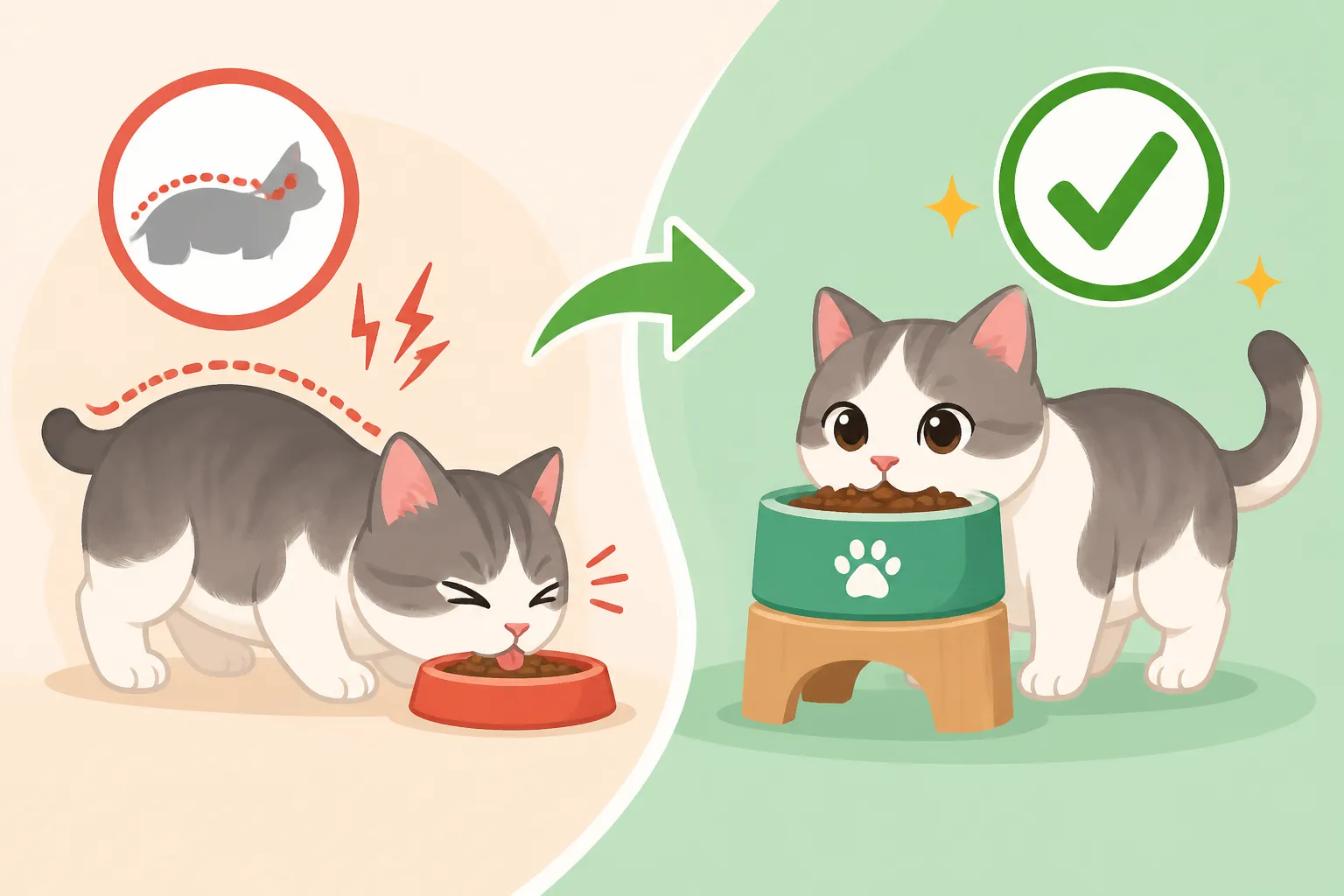
Imagine trying to eat dinner while standing over a coffee table. You'd have to bend your neck at an awkward angle, hunch your shoulders, and likely find yourself in a position that quickly becomes uncomfortable. That's essentially what a Munchkin experiences when eating from a bowl placed directly on the floor. Their normal-sized body and neck, combined with those adorable short legs, create a reach deficit. They have to crane their neck down considerably further than a standard cat, putting considerable strain on their cervical spine (neck) and shoulder joints. This isn't just a temporary discomfort; repeated, daily straining can contribute to chronic issues over time. They are trying to compensate for their inability to easily reach their food, often contorting their body in ways that aren't ideal for their skeletal structure. This constant overextension can exacerbate any underlying joint sensitivities, making the act of eating less enjoyable and potentially even painful. It’s vital to understand Why a Munchkin's Spine Carries a Load a Normal Cat's Does Not, as this informs why proper eating posture is so crucial.
Common Signs of Eating Discomfort
So, how do you know if your Munchkin is truly straining, or just being a bit of a messy eater (which, let's be honest, many cats are)? Look for specific behavioral cues. You might see them hunching their shoulders dramatically, lowering their entire chest almost to the floor to get their mouth into the bowl. Some will try to scoop food out of the bowl with a paw, then eat it off the floor, which might seem cute but is often a workaround for discomfort. You might also notice them backing away from the bowl frequently, taking a few bites, then retreating, only to return a moment later. This stop-and-start eating can be a clear indicator of discomfort. They might also eat very quickly, almost gulping, as if trying to get the ordeal over with, or conversely, be very slow and hesitant. Another sign is excessive head bobbing or moving their head from side to side as they try to find a comfortable angle to chew and swallow. If your cat often leaves food uneaten or makes a huge mess around the bowl, it’s worth investigating the height of their setup.
Long-Term Consequences of Straining
Ignoring these signs of discomfort can, unfortunately, lead to more significant problems down the road. Chronic straining on the neck and shoulders can contribute to early onset arthritis or worsen existing joint issues. While Whether a Munchkin Gets Arthritis Earlier is a debated topic, constant stress on joints will not help. Imagine how your own body would feel if you repeatedly put it into an awkward position for every meal, multiple times a day, for years. Cats are incredibly stoic creatures, often hiding pain until it becomes severe. Beyond musculoskeletal issues, a cat that finds eating uncomfortable might develop an aversion to mealtime, leading to reduced food intake. This can result in weight loss, nutritional deficiencies, and a weakened immune system. Digestive problems can also arise; when a cat eats in a strained, hunched position, it can affect the natural flow of food through the esophagus and stomach, potentially leading to regurgitation, vomiting, or other gastrointestinal upset. A relaxed posture is vital for efficient digestion, and a Munchkin struggling to reach its food is far from relaxed.
The Ideal Feeding Setup for a Munchkin
It’s clear that a standard floor-level feeding station isn’t doing your Munchkin any favors. The good news is that adapting their eating environment is one of the most straightforward and impactful things you can do to improve their quality of life. The goal is to bring the food to them, rather than making them contort to reach it.
Why Height Matters for Munchkins
Think about it this way: when a long-legged cat eats from the floor, their neck might only bend slightly, maintaining a relatively straight spinal alignment. For a Munchkin, that same floor-level bowl requires a dramatic downward bend, creating a sharp angle in their neck and putting compressive forces on their spine. By raising the food bowl, you allow your Munchkin to eat with their neck in a much more natural, horizontal position. This reduces the strain on their cervical spine, shoulders, and front leg joints. It means less pressure on their discs and less muscle tension in their neck and upper back. It's not about making them stand on their hind legs to reach (that's the "prairie dog sit" we see them do to look around, which is a different kind of strain), but about enabling them to eat comfortably on all fours, with their body in a more aligned, relaxed posture. This simple adjustment can make a world of difference to their daily comfort.
Elevated Bowls and Their Benefits
Elevated bowls are truly the hero product for Munchkin cats. By lifting the food a few inches off the ground, you immediately alleviate much of the physical stress. The ideal height will vary slightly depending on your cat's specific leg length and body build, but generally, you want the top rim of the bowl to be level with your Munchkin's chest when they are standing comfortably. This allows them to approach the bowl with minimal neck bending. The benefits are numerous:
- Reduced Neck and Spinal Strain: This is the primary advantage, preventing discomfort and potential long-term issues.
- Improved Digestion: Eating in a more natural, upright posture can aid in the swallowing process and reduce the likelihood of regurgitation or indigestion. Food travels more smoothly down the esophagus.
- Less Mess: When a cat doesn't have to contort, they are often less likely to accidentally push food out of the bowl or get it caught on their face and chin fur.
- Increased Comfort and Enjoyment: A comfortable cat is a happier cat. Mealtime becomes a pleasant experience rather than a physical challenge.
- Easier for Older or Arthritic Munchkins: As Munchkins age, joint stiffness can become more pronounced. An elevated feeder is essential for senior cats, allowing them to eat without painful bending. This is particularly true if your Munchkin starts exhibiting signs of How Arthritis Shows in a Munchkin's Front Legs.
The Importance of a Stable and Non-Slip Surface
While the height of the bowl is paramount, don't overlook the importance of stability. An elevated feeder that wobbles, tips, or slides around will only add to your Munchkin's frustration and potential straining. Imagine trying to eat your dinner from a wobbly table – it’s just not going to be a pleasant experience! A heavy, sturdy base is ideal. If you're using a lighter stand or individual risers, consider adding non-slip pads to the bottom of the stand and/or the bowls themselves. Silicone mats or rubber feet can prevent the feeder from scooting across the floor, especially on smooth surfaces like tile or laminate. A stable setup allows your Munchkin to focus on eating without having to brace themselves or chase a runaway bowl. This seemingly small detail significantly contributes to their overall comfort and confidence at mealtime.
Choosing the Right Food Bowls and Dishes
Once you've decided to go with an elevated feeding setup, the next step is selecting the actual bowls and dishes. This isn't just about aesthetics; the material, shape, and depth of the bowl can all impact your Munchkin's eating experience.
Materials That Work Best
When it comes to the material of the bowls themselves, several options offer distinct advantages for hygiene and durability:
- Stainless Steel: This is often considered the gold standard. Stainless steel bowls are incredibly durable, easy to clean, non-porous (which means they don't harbor bacteria or odors), and generally resistant to rust. They are also heavy enough to provide some stability when placed in a stand. They're a practical and hygienic choice that will last a lifetime.
- Ceramic: Ceramic bowls can be very attractive and come in a wide variety of colors and designs, allowing them to blend seamlessly with your home decor. They are also heavy, which adds to stability, and are generally non-porous when properly glazed. However, they can chip or break if dropped, and hairline cracks in the glaze can become breeding grounds for bacteria, so inspect them regularly. Make sure they are food-grade and lead-free.
- Glass: Similar to ceramic, glass bowls are non-porous and easy to clean, and some cats prefer them for their neutral taste. They are also heavy and stable. Like ceramic, the main drawback is their fragility; they can break if dropped, which isn't ideal in a busy household with playful pets.
Plastic bowls are generally best avoided for cat food and water. They can scratch easily, creating microscopic crevices where bacteria can thrive, leading to issues like feline acne on your Munchkin's chin. They can also leach chemicals over time and often feel flimsy, contributing to instability.
Optimal Bowl Shape and Depth
The shape and depth of the bowl are just as important as the material, especially for a Munchkin.
- Wide and Shallow: This is the key. Cats, including Munchkins, can experience something called "whisker fatigue" or "whisker stress." Their whiskers are highly sensitive sensory organs, and constantly pressing them against the sides of a deep, narrow bowl can be uncomfortable and even painful. A wide, shallow bowl allows your Munchkin to access their food without their whiskers constantly touching the edges. It also prevents them from having to push their entire face deep into the bowl, which can be awkward with their shorter stature. Imagine trying to eat from a very deep mug – it’s not comfortable.
- Slanted or Tilted Bowls: Some elevated feeders feature bowls that are slightly tilted. This design can be particularly beneficial as it naturally funnels the food towards the front of the bowl, making it even easier for your Munchkin to reach without excessive leaning or straining. This is particularly helpful for wet food, which can sometimes stick to the bottom corners of a flat bowl.
- Flat Plates: For some Munchkins, especially those with severe neck or shoulder issues, a completely flat plate might be the most comfortable option. While it won't hold as much food as a bowl, it eliminates any need to reach down into a container. If using a plate, ensure it has a non-slip base or is placed on a non-slip mat to prevent it from sliding around as your cat eats.
Always consider your cat's individual preferences and how they eat. Some might do perfectly well with a slightly deeper but wide bowl, while others truly need the shallowest option.
DIY vs. Commercial Elevated Feeders
You have options when it comes to getting an elevated feeder for your Munchkin, from ready-made solutions to crafting one yourself.
- Commercial Elevated Feeders: Many pet supply retailers, both online and in brick-and-mortar stores, offer excellent elevated feeder options. These are designed specifically for pets and come in various heights, materials, and styles. Brands found on Amazon or Chewy often have a wide selection, from simple stands with stainless steel bowls to more elaborate designs with multiple bowls and adjustable heights. These are convenient, generally well-made, and often tested for stability. Look for models that specifically mention benefits for cats with neck or back issues, or breeds with shorter legs.
- DIY Solutions: If you're handy, or prefer a more customized approach, a DIY elevated feeder can be a great option.
- Small, Sturdy Boxes: A clean, appropriately sized cardboard box, turned upside down, can serve as a temporary or permanent riser. Just ensure it's stable and won't collapse.
- Wooden Blocks or Bricks: Securely stack pet-safe wooden blocks, small ceramic tiles, or even bricks to the desired height. Cover them with a non-slip mat.
- Plastic Storage Containers: An upside-down, sturdy plastic container (like a food storage container) can also work. Again, check for stability.
- Custom Woodworking: For the truly ambitious, a custom-built wooden stand allows you to precisely control the height and incorporate specific bowl sizes and shapes. Just ensure any wood is sealed with pet-safe, non-toxic finishes.
When going the DIY route, always prioritize safety and stability. The riser should be heavy enough not to tip over easily, and the bowls should sit securely on top, ideally with some grip or a lip to prevent them from sliding off. Remember, the goal is to make eating easier, not introduce new hazards!
Creating a Comfortable Eating Environment
Beyond the bowl itself, the overall environment where your Munchkin eats plays a significant role in their comfort and willingness to eat without strain. Cats are creatures of habit and sensitive to their surroundings, so a calm, clean, and accessible feeding zone is paramount.
Quiet and Safe Feeding Spots
Imagine trying to enjoy a meal in the middle of a bustling kitchen with people constantly walking by, children playing loudly, or other pets vying for attention. It wouldn't be very relaxing, would it? The same goes for your Munchkin. Cats prefer to eat in a quiet, undisturbed location where they feel safe and secure. This is especially true for a Munchkin who, due to their shorter legs, might feel more vulnerable than a long-legged cat if they perceive a threat (like a boisterous dog or curious toddler) approaching while they are engrossed in eating.
Choose a spot away from high-traffic areas, loud appliances, and where they won't be easily startled. A quiet corner in the kitchen, a designated space in a laundry room (if it's generally calm), or a peaceful nook in a living area can work well. The idea is to create a sanctuary where your Munchkin can fully relax and focus on their meal without feeling the need to constantly look over their shoulder. This sense of security reduces stress, which in turn can prevent hurried or strained eating.
Multiple Feeding Stations
If you have a multi-cat household, or even if your home is particularly large, considering multiple feeding stations can be a game-changer. Even the most harmonious multi-cat homes can have subtle hierarchies, and some cats might feel intimidated by others at a single feeding spot. This can lead to faster, more stressed eating for the less dominant cat, which again can contribute to straining.
By setting up two or more elevated feeding stations in different, quiet locations throughout your home, you achieve several things:
- Reduces Competition: Each cat can eat in peace without feeling rushed or threatened by another.
- Increces Accessibility: In a larger home, your Munchkin might not always want to trek to one specific spot for food, especially as they get older or if they have joint stiffness. Having options means they don't have to travel far when hunger strikes. This is an important consideration as your Munchkin becomes a senior cat and What an Old Munchkin Stops Being Able to Do.
- Encourages Grazing: Some cats are grazers, preferring to eat small amounts throughout the day. Multiple stations allow for this natural behavior without requiring repeated trips to a single location.
Ensure each station offers the same comfortable, elevated setup to maximize benefits for your Munchkin.
Cleanliness Around the Feeding Area
Munchkins, bless their hearts, can sometimes be a bit messier eaters than their long-legged counterparts. Their proximity to the floor means that any spills or dropped kibble have a higher chance of being tracked around, and their low belly fur can sometimes dip into food or water. A dirty eating area isn't just unsightly; it can be a source of stress and even health problems for your cat.
- Discourages Eating: Cats are fastidiously clean creatures. If their feeding area is constantly littered with old food, crumbs, or dirty water, they might be less inclined to eat there.
- Hygiene Risks: Old food can attract pests and harbor bacteria. If your Munchkin's belly or chin fur regularly gets dirty, it can lead to skin irritation or bacterial infections.
- Ease of Maintenance: Place a washable mat or tray beneath your elevated feeder. This makes cleanup incredibly easy – simply wipe it down or toss it in the laundry.
- Regular Cleaning Schedule: Make it a habit to wipe down the feeding area daily. Clean the bowls with warm, soapy water after each meal (for wet food) or daily (for dry food). Replace water frequently to ensure it's fresh and appealing.
A sparkling clean feeding station reinforces the idea that this is a safe, pleasant, and healthy place for your Munchkin to enjoy their meals.
Nutritional Considerations for Preventing Strain
While an elevated feeder and a calm environment address the physical act of eating, what your Munchkin is eating and how it's presented also plays a vital role in preventing strain and ensuring good digestive health. Sometimes, a change in diet texture or feeding schedule can make a significant difference.
Food Texture and Consistency
The texture of your Munchkin's food can directly impact how easily and comfortably they eat.
- Wet Food Preference: Many vets and cat behaviorists advocate for wet food as the primary diet for cats, and this is especially true for Munchkins who might struggle with dry kibble. Wet food is softer, easier to chew, and generally more palatable. The higher moisture content also aids in hydration, which is crucial for overall health and digestion. Pâté styles or foods with a gravy can be particularly easy for them to lap up without much effort.
- Kibble Size and Shape: If your Munchkin primarily eats dry kibble, pay attention to the size and shape of the pieces. Very large or unusually shaped kibble might be harder for them to pick up and chew, leading to more straining. Look for smaller, more uniform kibble sizes. You can also try adding a little warm water to kibble to soften it, creating a "gruel" that's easier to eat.
- Addressing Dental Issues: Sometimes, straining isn't just about the height of the bowl but about pain in the mouth. If your Munchkin has dental problems, even mild ones, chewing hard kibble can be excruciating. A switch to wet food can provide immense relief. Regular dental check-ups are essential, and remember How Often a Munchkin Needs a Dental.
Portion Sizes and Meal Frequency
How much you feed and how often can also influence your Munchkin's eating behavior and prevent straining.
- Smaller, More Frequent Meals: Instead of two large meals a day, consider offering three or four smaller meals. This can be beneficial for several reasons:
- Less Overeating: Smaller portions reduce the likelihood of your cat feeling overly full or bloated, which can be uncomfortable regardless of breed.
- Reduced Strain per Meal: Each eating session is shorter, meaning less prolonged time spent in a potentially strained position.
- Steady Energy Levels: More frequent meals can help maintain more stable blood sugar levels and energy throughout the day.
- Improved Digestion: Smaller amounts of food are often easier for the digestive system to process, reducing the chance of discomfort that might manifest as straining.
- Mindful Eating: When cats eat too quickly, they often gulp air, which can lead to bloating, gas, and even regurgitation. Smaller, more frequent meals can encourage them to eat at a more relaxed pace. You can also use slow-feeder bowls, which have ridges or obstacles that force your cat to eat around them, slowing down their intake. Just ensure the slow-feeder design is still wide and shallow enough for your Munchkin to access comfortably without whisker fatigue.
Hydration and Water Bowl Placement
Proper hydration is critical for all cats, but especially for Munchkins who might be expending more physical effort in their daily movements. Dehydration can exacerbate digestive issues and make a cat feel generally unwell, which might contribute to strained eating.
- Easily Accessible Water: Just like with food, your Munchkin's water bowl needs to be easily accessible and at a comfortable height. An elevated water bowl, mirroring their food setup, is ideal. Place it in the same quiet, safe feeding area, and also consider having multiple water stations around the house.
- Freshness is Key: Cats are notoriously picky about their water. Always provide fresh, clean water. Change it at least once a day, and ideally twice.
- Water Fountains: Many cats are attracted to running water. A pet drinking fountain can encourage increased water intake, as the movement and aeration make the water more appealing. Ensure the fountain is low enough for your Munchkin to drink from comfortably without excessive bending. Look for designs that allow them to lap from a pool or a gently flowing stream rather than requiring them to reach up to a spout. Chewy offers a diverse range of pet fountains suitable for various cat sizes.
- Wet Food's Role: Remember that feeding a wet food diet significantly contributes to your cat's daily water intake, often making up for some of their natural reluctance to drink from still bowls.
By addressing the food itself, portioning, and water access, you create a holistic approach to preventing eating strain that complements their physical feeding setup.
| Feature / Consideration | Ideal for Munchkins | Why it Helps Prevent Straining |
|---|---|---|
| Bowl Height | Elevated (chest height) | Reduces neck & spinal bend, promotes natural posture. |
| Bowl Material | Stainless Steel, Ceramic, Glass | Hygienic, durable, stable; avoids plastic-related issues. |
| Bowl Shape | Wide and Shallow / Tilted | Prevents whisker fatigue, easy access without deep digging. |
| Stability | Heavy base, Non-slip features | Prevents wobbling/tipping, allows focus on eating. |
| Feeding Area | Quiet, Low-traffic, Clean | Reduces stress, promotes comfortable, relaxed eating. |
| Food Texture | Wet food, Small kibble | Easier to chew and swallow, aids digestion. |
| Meal Frequency | Smaller, More Frequent | Less overeating, shorter sessions of potential strain. |
| Water Access | Elevated, Fresh, Multiple spots | Promotes hydration, essential for overall health & digestion. |
When to Consult Your Vet About Eating Difficulties
While adjusting your Munchkin's feeding setup and diet can resolve most issues related to straining, it's crucial to know when to seek professional veterinary advice. Sometimes, what looks like simple discomfort can be a sign of a more serious underlying health problem.
Recognizing Persistent or Worsening Symptoms
If you've made all the recommended changes to your Munchkin's feeding environment and diet, but they are still struggling, or if their symptoms worsen, it's definitely time for a vet visit. Be on the lookout for specific red flags:
- Weight Loss: Any unintentional weight loss is a serious concern in cats. If your Munchkin is losing weight, it means they're not getting enough calories, likely due to an inability or reluctance to eat.
- Complete Refusal to Eat (Anorexia): If your cat stops eating entirely for more than 24 hours, this is an emergency. Cats can develop severe liver problems (hepatic lipidosis) quickly if they don't eat.
- Vomiting or Regurgitation: While occasional hairballs are normal, frequent vomiting or regurgitation after meals points to a digestive issue that needs investigation.
- Obvious Signs of Pain: Growling, hissing, or crying out while eating; hunching over even more severely; becoming withdrawn or irritable – these are all indicators that pain is involved.
- Dropping Food or Difficulty Chewing: If your Munchkin seems unable to pick up food, drops it repeatedly, or clearly struggles to chew, it could indicate dental pain or a neurological issue affecting their jaw.
- Changes in Stool: Diarrhea or constipation can be linked to digestive upset caused by eating difficulties or an underlying medical condition.
Don't wait if you observe these symptoms. Your vet is the best person to diagnose the root cause.
Ruling Out Underlying Health Issues
Straining to eat isn't always just about ergonomics; it can be a symptom of a wide range of medical conditions that require veterinary intervention.
- Dental Disease: This is a huge culprit. Many cats suffer from painful dental issues, such as gingivitis, periodontal disease, resorptive lesions, or fractured teeth. Even a mild toothache can make eating excruciating. Your vet can perform a thorough oral exam, often requiring sedation, to identify and address any dental problems. Remember its teeth are normal (Whether a Munchkin's Teeth Are Normal) but still require care.
- Spinal Problems: Given the Munchkin's unique conformation, spinal issues like Lordosis Is the Spinal Curve the Munchkin Argument Is About or intervertebral disc disease (IVDD) can cause significant pain, making it difficult for them to bend their neck or lower their head comfortably. The vet may recommend X-rays or other imaging to assess their spine.
- Joint Pain: Arthritis in the shoulders, elbows, or neck can make the act of bending down to eat incredibly painful. Your vet can check joint mobility and look for signs of inflammation.
- Gastrointestinal Disorders: Conditions like inflammatory bowel disease (IBD), pancreatitis, or even parasites can cause nausea, abdominal pain, and lead to a reluctance to eat or straining behavior.
- Other Systemic Diseases: Kidney disease, hyperthyroidism, or even certain cancers can cause a cat to feel unwell and exhibit changes in appetite and eating behavior. A full physical exam, blood work, and urinalysis can help rule out these possibilities.
Discussing Mobility and Joint Support
During your vet visit, it's important to discuss your Munchkin's overall mobility, not just their eating habits. If joint or spinal issues are identified, your vet can recommend a comprehensive management plan.
- Pain Management: This might include anti-inflammatory medications, pain relievers, or other pharmaceuticals to alleviate discomfort.
- Joint Supplements: Supplements containing glucosamine, chondroitin, and omega-3 fatty acids can support joint health and reduce inflammation.
- Physiotherapy or Laser Therapy: For some cats, especially those with chronic pain or mobility issues, physical therapy or therapeutic laser treatments can significantly improve comfort and range of motion.
- Weight Management: Maintaining a healthy weight is paramount for a Munchkin, as excess pounds put additional strain on their short legs and spine. Your vet can help you create a tailored weight loss or maintenance plan, including dietary recommendations and appropriate exercise levels. Remember, Why Weight Is More Dangerous on a Munchkin.
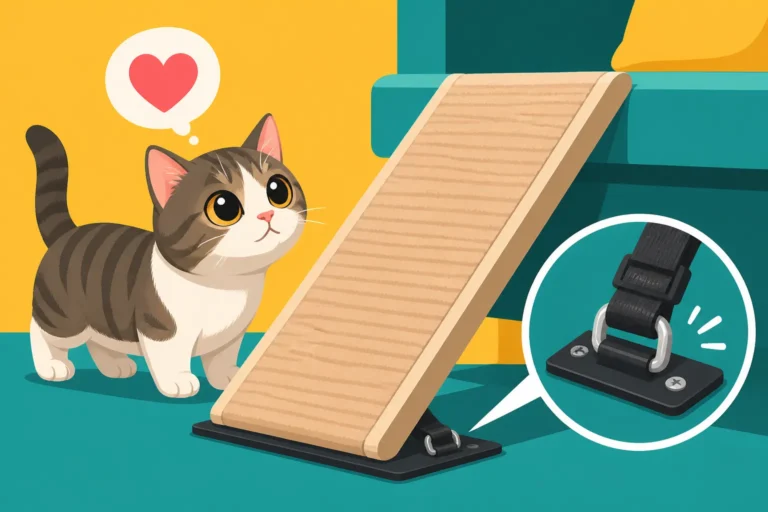
- Home Adaptations: Your vet can also advise on further home adaptations, such as ramps or steps to help your Munchkin access furniture, reducing the impact of jumping, and further protecting their joints.
By taking a proactive approach and consulting your vet when concerns arise, you ensure your Munchkin receives the best possible care, allowing them to enjoy their meals and live a comfortable, happy life.
Disclaimer
This article is for general informational purposes only and does not constitute professional advice. Laws, prices and regulations vary by location and change over time. Consult a qualified professional for guidance on your specific situation.