How to Weigh a Munchkin Weekly
One of the biggest concerns for us Munchkin cat parents, and frankly, a frustration many of us face, is keeping our little fur-babies at a healthy weight. Their adorable short legs and compact bodies can make it tricky to visually assess their condition, and it’s surprisingly easy for them to pack on a few extra grams without us even realizing it. That's why establishing a routine of weekly weighing is absolutely paramount. This guide will walk you through everything you need to know about effectively monitoring your Munchkin's weight, ensuring they stay healthy and happy for years to come.
Why Weekly Weight Checks Are Non-Negotiable for Munchkins
It's tempting to think that a cat's weight can just be eyeballed, or that a monthly vet visit is enough, but for a Munchkin, regular, even weekly, weight monitoring is a game-changer. These little dynamos have unique physiological considerations that make weight management a critical aspect of their care.
The Unique Weight Challenges of Munchkins
Our Munchkins might be smaller, but they're still packed with personality, and sometimes, a little too much padding. Their distinctive short stature means their bodies operate a bit differently from their long-legged cousins. Because they don't jump as high or as often, and generally have a lower energy output when compared to a cat that can scale the bookshelves in a single bound, they simply don't burn as many calories. This is a crucial point that many new owners overlook. It means the caloric intake that might be perfectly fine for a domestic shorthair could quickly lead to weight gain in a Munchkin. Every extra gram they carry adds disproportionately to the load on their short legs and spine. Think about it: a few extra ounces on a standard-sized cat is one thing, but on a Munchkin, those ounces can translate into significant strain. This makes them particularly susceptible to the negative impacts of obesity, which can worsen existing conditions or even bring new ones to the forefront.
Early Detection of Health Issues Through Weight Monitoring
Weight fluctuations can be a very early indicator that something might be amiss with your Munchkin's health. A sudden drop in weight, for instance, could signal anything from dental problems making eating painful to more serious underlying conditions like kidney disease or hyperthyroidism, especially as they get older. Conversely, an unexpected increase in weight, despite consistent feeding, might suggest a metabolic issue or even fluid retention. For Munchkins, weight gain also exacerbates existing skeletal conditions. Conditions like lordosis, a curvature of the spine, or even just the everyday wear and tear on their joints, can become significantly more painful and debilitating when there's additional weight pressing down. Why Weight Is More Dangerous on a Munchkin really delves into this. Catching these changes early through weekly weighing allows you and your vet to intervene much faster, often leading to better outcomes and preventing minor issues from escalating into major health crises. It’s about being proactive, not reactive, to their well-being.
Choosing the Right Scale for Your Short-Legged Friend
Picking the right tool for the job makes all the difference, especially when that job involves a squirming furball. You wouldn't use a hammer to drive a screw, and similarly, not all scales are created equal when it comes to weighing a Munchkin.
Types of Scales and Their Suitability
When it comes to weighing your Munchkin at home, you essentially have a few options, each with its pros and cons. A standard human bathroom scale, while readily available, isn't usually ideal. It’s hard to get a Munchkin to sit still on a large, often cold surface, and the accuracy for small weights can be questionable. Plus, trying to weigh yourself holding the cat and then subtracting your own weight is a recipe for an inaccurate reading and a frustrated cat.
A digital kitchen scale can work well for kittens or very small adult Munchkins, provided the platform is large enough for them to comfortably sit or lie down. They're typically very accurate for smaller weights. However, most aren't designed for a cat's length and can be unstable, which can scare your kitty.
The gold standard for pet parents, especially for smaller breeds like Munchkins, is often a dedicated pet scale or, surprisingly, a baby scale. Baby scales are fantastic because they are designed for accurate, precise readings of squiggly, lightweight subjects. Many have a slightly concave surface or a tray that helps keep the cat contained and more secure, which is a huge bonus. You can find a good selection of these on retailers like Amazon or Chewy, which often stock various pet-specific scales that are low-profile and have a stable, easy-to-clean surface. These scales offer the precision needed to track the subtle weight changes that are so important for a Munchkin's health.
Features to Look For in a Pet Scale
When you're shopping for a scale, keep a few key features in mind to ensure you get the best experience for both you and your Munchkin.
- Accuracy: This is paramount. Look for a scale that measures in small increments, ideally down to ounces or even grams. This precision is vital for catching slight weight changes that could be significant for a smaller cat.
- Stable and Low-Profile Design: A wobbly scale is a scary scale for a cat. Choose one that sits firmly on the floor and has a wide, flat or slightly curved platform. A low-profile design means your Munchkin might be more willing to step onto it without feeling like they're climbing a mountain. If they're nervous, even a small lip can deter them.
- Easy-to-Clean Surface: Accidents happen, and pet scales should be easy to wipe down. Smooth plastic or metal surfaces are typically best.
- "Hold" or "Tare" Function: Many good pet or baby scales include a "hold" function that locks in the weight even if your cat wiggles. A "tare" function is also useful if you plan to weigh your Munchkin in a carrier or a favorite blanket – you can weigh the empty carrier/blanket, tare the scale to zero, and then weigh your cat inside. This can be a lifesaver for cats that absolutely refuse to sit still directly on the scale.
Having the right equipment drastically reduces the stress for both of you, making those weekly weigh-ins a much smoother affair.
Step-by-Step Guide to Stress-Free Weekly Weighing
Getting an accurate weight on a moving target like a cat can feel like a Herculean task, but with a consistent approach and a little patience, it becomes a breeze. The key is to make it as positive and routine an experience as possible.
Preparing for Weigh-In Day
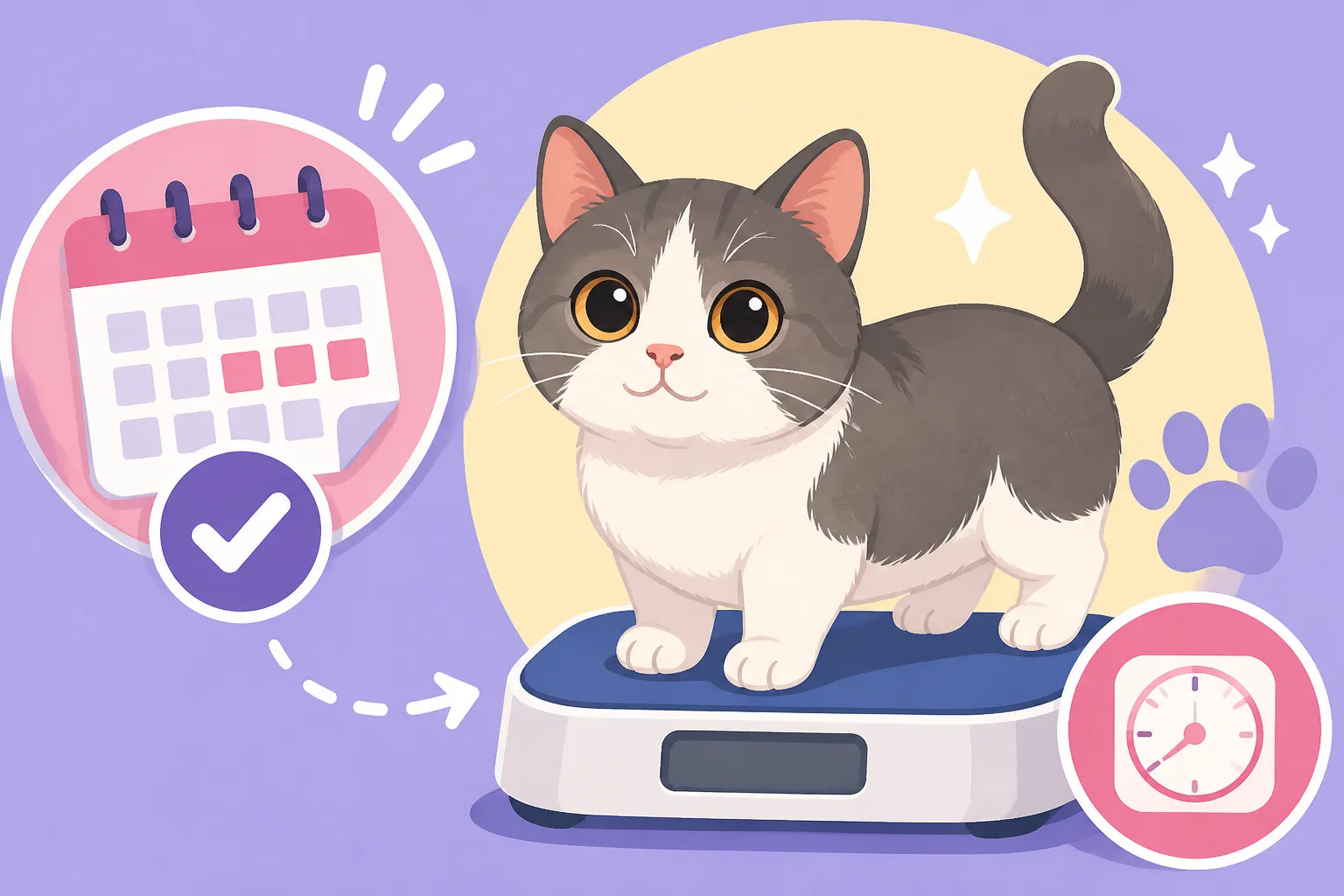
Consistency is your best friend here. Choose a specific day and time each week for your weigh-in. Perhaps it's every Sunday morning before breakfast, or Friday afternoon after their nap. The more routine it becomes, the less likely your Munchkin is to be surprised or resistant. Always try to weigh them at roughly the same time of day relative to their meals – for example, always before their first meal, or a few hours after. This minimizes variables like a full stomach or a recently emptied litter box, giving you more consistent data.
Before you even bring out the scale, gather your supplies. This usually means a few high-value treats (think tiny pieces of cooked chicken or salmon, or their favorite soft treat), and perhaps a beloved blanket or small towel if your Munchkin finds comfort in it. Set up the scale in a quiet, familiar part of the house where your cat already feels safe. Avoid bustling hallways or areas with loud noises. The goal is to make this a calm, predictable event.
The "Carrier Method" vs. "Direct Method"
Depending on your Munchkin's personality, you'll likely gravitate towards one of two main methods for weighing.
The Direct Method (for the cooperative Munchkin):
If your Munchkin is generally laid-back and curious, you can try to get them directly onto the scale.
- Place the Scale: Set your chosen pet or baby scale on a firm, level surface.
- Lure with Treats: Gently encourage your Munchkin to approach the scale. Don't force them. Place a treat directly on the scale's platform. Let them sniff, investigate, and eat the treat. Repeat this a few times over several sessions, even if you don't actually weigh them initially. The idea is to build a positive association.
- The Weighing Moment: Once they're comfortable stepping onto the scale, place a few more treats on it. As they eat, quickly press the "hold" function (if your scale has one) to capture the weight. Praise them lavishly and offer more treats as soon as you have the reading.
- Repeat (if necessary): If they jump off too quickly, simply reset and try again, keeping the tone light and positive. Never scold them.
The Carrier Method (for the less cooperative Munchkin):
Many cats find direct scale interaction daunting, and that's perfectly okay. The carrier method is often the most reliable way to get an accurate reading on a more anxious or wiggly Munchkin.
- Weigh the Carrier: First, place their empty carrier (or a sturdy box, or even a thick towel they often lie on) onto the scale and get its weight. Jot this number down immediately. This is where the "tare" function on some scales can be particularly useful. If your scale has a tare function, weigh the empty carrier, press tare, and it will zero out, so any subsequent weight will be just the cat.
- Coax Your Munchkin In: Gently coax your Munchkin into their carrier. You can use treats, a favorite toy, or even just make it part of their routine. Some cats are more willing to go into a carrier if it's placed vertically, opening upwards like a top-loader.
- Weigh Cat + Carrier: Place the carrier with your Munchkin inside onto the scale.
- Subtract and Record: Once you have the combined weight, subtract the weight of the empty carrier from the total. The remaining number is your Munchkin's weight.
Recording and Tracking Your Data
This step is just as important as the weighing itself! Don't just get a number and forget it. Keep a dedicated notebook, a spreadsheet on your computer, or use a pet care app to log your Munchkin's weekly weight. Include the date, the weight, and any relevant notes (e.g., "just ate," "very squirmy today," "vet visit last week"). This log becomes an invaluable resource over time, allowing you to spot trends, share data with your veterinarian, and monitor the effectiveness of any dietary or activity changes. Over time, you'll be able to see their How to Score a Munchkin's Body Condition evolve and respond to your care.
Interpreting the Numbers: What Your Munchkin's Weight Tells You
Once you have that number on the scale, what does it actually mean? It’s not just about a raw figure; it’s about understanding what a healthy weight looks and feels like for your unique Munchkin and recognizing patterns that might signal a need for adjustment.
Understanding Body Condition Scoring for Munchkins
Body Condition Scoring (BCS) is a standardized, visual, and tactile assessment that helps determine if your cat is at an ideal weight, too thin, or overweight. It’s usually on a 1-5 or 1-9 scale, with 3/5 or 5/9 being ideal. For Munchkins, this is especially important because their shorter legs can make them appear rounder or heavier than they actually are, or conversely, mask a lean frame.
Here's a simplified version of what you're looking for:
- Ideal Weight: When you gently run your hands along your Munchkin's sides, you should be able to feel their ribs without pressing hard, much like feeling the back of your hand. You should also be able to feel a clear waistline tuck behind their ribs when viewed from above, and a slight abdominal tuck when viewed from the side. They should look athletic, not round.
- Overweight: If you have to press firmly to feel their ribs, or if you can't feel them at all, your Munchkin is likely carrying too much weight. Their waistline will be absent, and they may have a noticeable "pot belly" that might even drag slightly when they walk. This added weight puts immense pressure on their spine and joints, which is particularly concerning for a Munchkin. Why a Munchkin's Belly Nearly Touches the Floor anyway, making this assessment tricky but vital.
- Underweight: If their ribs are very prominent and easily visible or sharply felt, and their waist is extremely exaggerated, they might be too thin. This could indicate insufficient food intake or an underlying health problem.
Comparing your weekly weight measurement with their BCS helps give you a full picture. A steady weight is great, but a steady weight where the BCS is still "overweight" means you need to adjust their care.
Recognizing Weight Trends: When to Worry, When to Celebrate
Your weekly weight log isn't just a collection of numbers; it's a story. Looking at trends over several weeks or months is far more informative than a single data point.
- Steady Weight: If your Munchkin's weight remains consistently within a healthy range, and their BCS is ideal, you're doing a fantastic job! Celebrate this consistency, as it indicates a balanced diet and appropriate activity level.
- Gradual Increase: A slow, creeping increase over time is the most common and insidious problem for many Munchkins. A few grams here, an ounce there – it adds up. This is a clear signal to re-evaluate their food portions and activity. Remember, How Few Calories a Munchkin Actually Burns is likely less than you think, so even small adjustments can make a big difference. This trend warrants intervention before it becomes a significant health issue.
- Sudden Increase: A rapid weight gain over a week or two could be concerning. Beyond just overeating, it could indicate fluid retention or another medical issue requiring veterinary attention.
- Gradual Decrease: A slow, steady loss of weight, especially in an older Munchkin, needs attention. While sometimes a positive if they were overweight, it can also signal the onset of age-related diseases or conditions.
- Sudden Decrease: A rapid, unexplained weight loss is a red flag and always warrants an immediate vet visit. This often points to an underlying illness that needs urgent diagnosis and treatment.
Your vet will be able to help you interpret these trends and guide you on appropriate actions. Bring your weight log with you to every check-up; it's invaluable data for them.
Troubleshooting Common Weighing Woes
Let's be real, cats aren't always keen on our plans, especially when scales are involved. Don't get discouraged if your Munchkin isn't an instant weighing champion. There are ways to work around their natural feline reluctance.
When Your Munchkin Hates the Scale
It's common for cats to be wary of new objects, and a scale can seem strange and even threatening. If your Munchkin initially balks, don't force it. Forcing them will only create negative associations and make future weigh-ins even harder.
- Desensitization is Key: Start by simply leaving the scale out in a common area for a few days, without trying to use it. Let them sniff it, walk around it, and realize it's not a monster.
- Positive Reinforcement: Once they're comfortable with its presence, begin placing treats near the scale. Gradually move the treats closer and then onto the scale itself. Each step should be rewarded with praise and a treat. If they even just touch the scale with a paw, that's a win!
- Comfort Items: Place a familiar, soft towel or blanket on the scale. Many cats prefer the texture and scent of their own items over a cold, hard surface. Just remember to use the tare function or subtract the blanket's weight.
- Make it a Game: Engage them with a wand toy, leading them gently onto the scale's platform as part of the play. When they're distracted by the chase, quickly capture the weight and then let them "win" the toy.
- Patience and Consistency: This process can take days or even weeks. Short, positive sessions are much better than long, frustrating ones.
Getting an Accurate Reading on a Wiggly Cat
Even if your Munchkin tolerates the scale, they might not exactly sit like a statue. A wiggly cat makes accurate weighing a challenge.
- The "Treat Tunnel" or "Food Focus": If using the direct method, place a very appealing treat, like a lickable paste or a small dollop of wet food, in a small dish or directly on the scale's surface. Your Munchkin will likely focus intently on eating it, giving you a precious few seconds for a reading.
- The "Box" or "Basket" Trick: This is a variation of the carrier method. Instead of a full carrier, place a small, sturdy cardboard box or a laundry basket (with low sides that your Munchkin can easily step into) on the scale. Tare the scale to zero, then place your cat inside the box. They'll often feel more secure in a confined space. This can be especially helpful for longhaired Munchkins whose fur might accidentally brush the floor if they're directly on the scale.
- "The Scoop" Method: For very small or very uncooperative Munchkins, some owners carefully scoop them into a deep bowl or basket that's placed on the kitchen scale. Again, weigh the empty container first, then subtract. Ensure the container is stable and safe.
- Two-Person Operation: If all else fails, a second person can be incredibly helpful. One person can gently hold the Munchkin (ensuring not to lean on the scale itself or interfere with the reading) or distract them with play, while the other takes the reading.
- Don't Rush: Take a deep breath. If you're stressed, your cat will pick up on it. A quick, calm movement to get the reading is more effective than a panicked scramble.
Remember, the goal is to get as close to an accurate reading as possible, consistently. A slight variation week-to-week might be normal, but dramatic shifts or prolonged trends are what you're really looking for.
Beyond the Scale: Holistic Weight Management for Your Munchkin
Weighing your Munchkin weekly is a powerful diagnostic tool, but it's only one piece of the puzzle. True weight management involves a comprehensive approach that integrates diet, activity, and regular veterinary oversight. It's about setting your Munchkin up for a full, active life, free from the complications that excess weight can bring.
Dietary Adjustments for Weight Control
The first place to look when your Munchkin's weight starts creeping up is their food bowl. It's not just what they eat, but how much.
- Portion Control is Paramount: Why a Munchkin's Portion Should Be Weighed rather than simply poured. Even a tiny bit extra each day adds up quickly. Use a digital kitchen scale to precisely measure their daily food allowance. Your vet can help you determine the exact caloric needs based on their current weight, ideal weight, and activity level.
- High-Quality, Appropriate Food: Choose a high-quality cat food that's appropriate for their life stage. Look for foods with good protein content and fewer fillers. Sometimes a switch to a "light" or "weight management" formula can be beneficial, but always discuss this with your vet first.
- Limit Treats: Treats are love, but they are also calories. Account for any treats in their daily calorie intake. Consider breaking larger treats into smaller pieces, or using low-calorie options like small bits of cooked lean meat or specialized dental treats. You can find a vast array of options on platforms like Chewy or Amazon.
- No Free-Feeding: Free-feeding (leaving food out all day) is generally not recommended for Munchkins. It makes it almost impossible to control their intake and contributes to mindless eating. Instead, offer measured meals 2-3 times a day.
Encouraging Safe Activity and Enrichment
Just because your Munchkin has short legs doesn't mean they're a couch potato! They're often incredibly playful and zippy on the ground. Encouraging safe, appropriate activity is vital for burning calories and maintaining muscle mass.
- Floor-Level Play: Focus on toys and games that encourage movement on the floor. Wand toys are fantastic for this, allowing them to chase, pounce, and bat without needing to jump high. Laser pointers (used responsibly, always ending with a tangible toy to "catch") also work well.
- Interactive Toys and Puzzle Feeders: These not only provide physical activity but also mental stimulation. They encourage your Munchkin to "work" for their food, slowing down eating and engaging their natural hunting instincts.
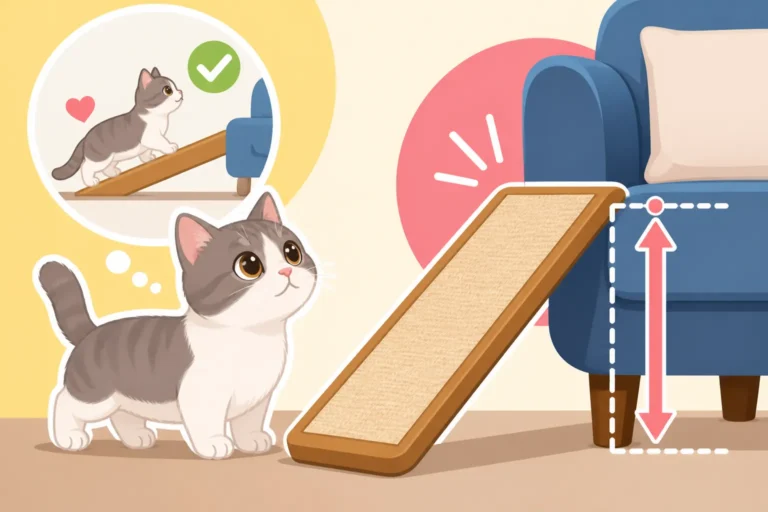
- Accessible Environment: While Munchkins can't leap to the top of a tall cat tree, they still appreciate vertical space. Provide ramps or sturdy steps to enable them to safely reach favorite perches, windowsills, or even your bed. Ramps and Steps Are Munchkin Equipment, Not Luxuries is a concept to embrace fully. This encourages movement and exploration within their physical limits.
- Short, Frequent Play Sessions: Instead of one long play session, several shorter bursts of play throughout the day can be more effective at keeping their metabolism up and preventing boredom.
Regular Vet Check-ups and Monitoring
Even with the most diligent home care, your veterinarian remains your best partner in your Munchkin's weight management journey.
- Routine Health Checks: Regular vet visits are crucial for overall health, including weight monitoring. Your vet can perform a professional BCS, palpate their spine, and check for any underlying health issues that could affect weight. Why a Munchkin's Annual Visit Includes Its Gait is also important, as mobility can be impacted by weight.
- Tailored Advice: Your vet can offer personalized dietary recommendations, discuss appropriate exercise routines, and suggest joint supplements if needed. They can also provide guidance on Feeding a Munchkin Kitten Without Loading Its Joints or caring for older Munchkins.
- Addressing Concerns Promptly: If you notice significant weight changes or have concerns about your Munchkin's appetite or activity levels, don't wait for the next annual check-up. Schedule a visit right away. Early intervention is key, especially with a breed prone to specific skeletal considerations.
- Long-Term Health Plan: Managing a Munchkin's weight is a lifelong commitment. Your vet can help you develop a long-term care plan that adapts as your Munchkin ages, ensuring they remain agile and comfortable for all their The Twelve to Fifteen Years a Munchkin Usually Gets.
By taking a holistic approach, combining consistent weekly weighing with thoughtful nutrition, appropriate exercise, and professional veterinary support, you're giving your beloved Munchkin the very best chance at a long, healthy, and wonderfully active life.
| Scale Type | Best For | Pros | Cons | Where to Find |
|---|---|---|---|---|
| Digital Pet Scale | All Munchkins, especially wiggly ones | Highly accurate, often has "hold" function, stable, low profile. | Can be more expensive than other options, might be bulkier. | Pet supply stores, Chewy, Amazon |
| Baby Scale | Kittens, small adults, anxious cats | Very accurate for small weights, often has a tray for containment. | Platform size might be too small for larger adult Munchkins to stretch out. | Baby supply stores, Amazon |
| Digital Kitchen Scale | Kittens, very small or cooperative adults | Excellent accuracy for tiny weights, affordable, compact. | Small platform, can be unstable, difficult for wiggly cats, not designed for pets. | Kitchenware stores, Amazon |
| Human Bathroom Scale | Not Recommended for direct weighing | Readily available. | Poor accuracy for small weights, large/intimidating, difficult for cats to stay on. | Most homes, department stores |
Disclaimer
This article is for general informational purposes only and does not constitute professional advice. Laws, prices and regulations vary by location and change over time. Consult a qualified professional for guidance on your specific situation.