Why a High Sided Box Still Suits a Munchkin
It's a common worry for many Munchkin cat parents: "How on earth is my short-legged little love going to navigate a standard litter box, especially one with high sides?" You picture your darling struggling to climb over, perhaps even having accidents because the effort is just too much. This concern is totally valid, as accessibility is paramount for our unique felines. But here's the good news: with a little thought and adaptation, a high-sided litter box can absolutely suit a Munchkin, offering benefits you might not have considered. This guide will walk you through why and how to make it work seamlessly for your furry friend.
Understanding the Munchkin's Unique Mobility Challenges
The first instinct is often to assume that any high barrier is an insurmountable obstacle for a Munchkin. Their distinctive short legs are indeed their defining feature, but it's crucial to understand how they actually navigate their world, rather than just what they can't do.
The Perception Versus Reality of Short Legs
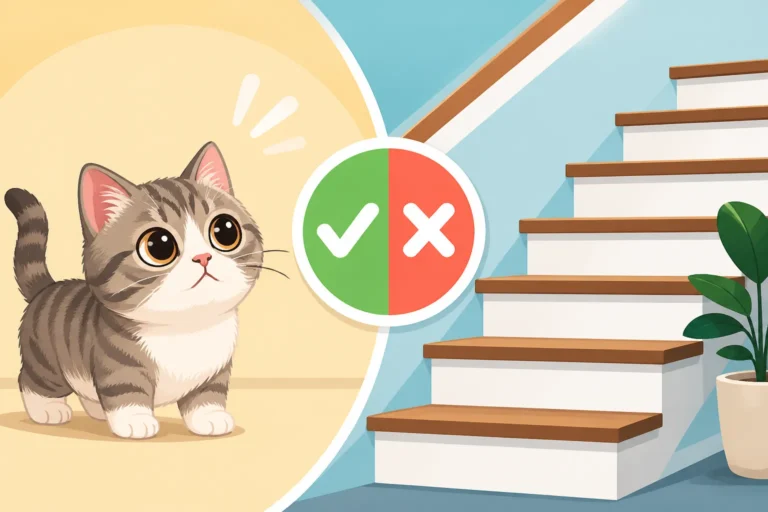
When you look at a Munchkin, it's easy to focus on those adorable stubby legs and immediately think of limitations. You imagine them being unable to jump, run, or climb like a regular cat, and in many ways, that's true. They certainly won't be leaping onto your kitchen counters in a single bound or scaling the tallest cat tree without assistance. This perception leads many new owners, and even experienced cat lovers, to believe that a high-sided litter box is a no-go. The thought is, "If they can't jump high, they can't get into something high."
However, Munchkins are incredibly agile on level ground and can be surprisingly quick. They might not jump up high, but they can often step over or find creative ways to maneuver into spaces that aren't excessively tall, especially if the entry is designed to accommodate them. Their low center of gravity actually aids them in speed and cornering on the flat, demonstrating a different kind of athletic prowess than their long-legged cousins. You might be surprised by How Fast a Munchkin Can Run when they're chasing a toy across the living room floor! They're not handicapped in the way some people assume; they simply adapt their movement patterns to their unique physique. So, while a sheer, unadapted wall would be an issue, a thoughtfully managed high-sided box isn't necessarily off-limits.
The Importance of a Secure and Private Space
Beyond just getting in and out, consider what a litter box means to a cat. It's their private restroom, a place where they feel vulnerable and need to feel secure. Cats instinctively prefer a place where they can do their business without feeling exposed. A high-sided box offers this natural privacy and security in spades.
For any cat, including a Munchkin, the higher sides provide a secluded den-like feeling, allowing them to feel safer from perceived threats or interruptions while they're most vulnerable. This can reduce stress and anxiety around litter box usage. Imagine trying to go to the bathroom in the middle of a busy room with no walls – it’s not ideal for anyone, and cats feel the same way. A high-sided box also keeps the cat's scent contained somewhat, which can also be a comfort to them. It's about creating a safe haven, not just a receptacle for waste. Even if your Munchkin can't easily jump out, the feeling of enclosure from the higher walls can significantly contribute to their comfort and willingness to use the box reliably.
Adapting High-Sided Litter Boxes for Munchkins
The key to making a high-sided litter box work for your Munchkin lies in smart adaptation. It’s not about finding a completely different type of box, but rather modifying a good quality one to meet their specific needs.
The Strategic Placement of Entry Points
This is arguably the most critical aspect of adapting a high-sided litter box. A Munchkin needs a clear, easy-to-access entry point. Simply having high walls all around isn't going to work. The good news is, there are several ways to tackle this.
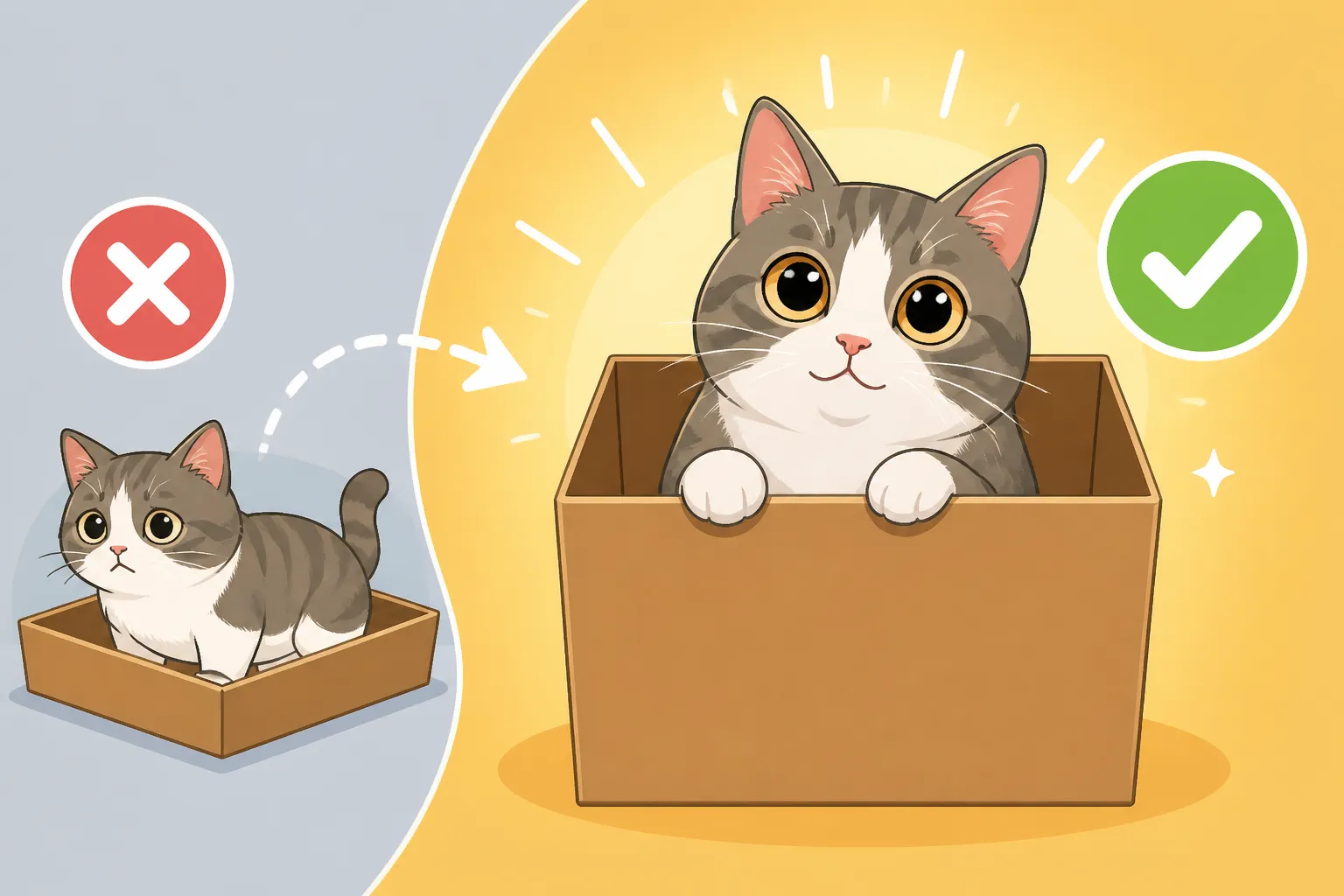
One popular method is to create a "walk-in" entry. This often involves cutting down one side of a sturdy plastic litter box. You'll want to ensure the cut-down side is low enough for your Munchkin to comfortably step over without straining their back or front legs. What's the ideal height? Generally, an entry point around 3-4 inches from the floor is a good starting point for most Munchkins, though very short "rug hugger" types might need it even lower. How Low a Munchkin Litter Box Entry Should Be really depends on your individual cat's build and comfort. You can test this by observing your cat's natural step height on other low barriers in your home. Some owners might buy a storage bin and cut a section out, while others might find commercial options specifically designed for senior cats or those with mobility issues, which often feature a lower entry lip. If you're going the DIY route, remember to smooth any sharp edges after cutting to protect your cat's paws and belly. This method allows you to retain the high sides on the other three walls, providing all the benefits of containment while ensuring easy access. You can find detailed instructions on How to Cut Down a Litter Box for a Munchkin if you're handy with tools.
Choosing the Right Litter and Depth
The type and depth of litter also play a significant role in a Munchkin's litter box experience, especially with a high-sided box. Their short legs mean their belly sits much closer to the ground than a standard cat's, and this has implications for hygiene and comfort.
Firstly, consider the litter itself. Fine, dusty litters can cling to their fur, especially on their undersides, leading to potential tracking issues or even skin irritation. It’s important to choose a litter that is less likely to stick to their low-slung bellies and hindquarters. Think about Which Litter Sticks to a Munchkin's Belly and try to avoid those types. Many owners find success with larger granule litters, paper pellets, or silica gel crystals that are less prone to static cling.
Secondly, the depth of the litter needs to be just right. While cats love to dig, too much litter can actually make it harder for a Munchkin to comfortably step into and move around in the box. If the litter is piled too high, it effectively raises the "floor" of the box, making the entry lip seem even higher. Aim for a depth that allows for comfortable digging and covering, usually around 2-3 inches. This balance ensures they have enough material to satisfy their natural instincts without creating an additional barrier. The high sides of the box are a huge advantage here, as they perfectly contain any enthusiastic digging, preventing litter from scattering across your floor.
Ramps and Steps as Mobility Aids
For Munchkins who might still struggle with even a modified low entry, or if you prefer not to cut into a box, ramps or steps can be invaluable additions. These accessories create a gradual incline or a series of manageable platforms, making access effortless.
A well-designed ramp should have a gentle slope and a non-slip surface to give your Munchkin confidence. Too steep, and they'll avoid it; too slick, and they risk a fall. You want an incline that allows for a comfortable walk-up, not a scramble. Consider options made from carpeted wood or plastic with textured surfaces. How Steep a Munchkin's Ramp Can Be is a critical factor for usability.
Steps are another excellent alternative, providing discrete platforms for your Munchkin to ascend. Look for pet steps that are stable, wide enough, and have low risers, meaning the height between each step is small. The idea is to mimic a miniature staircase they can easily navigate. Many pet supply stores, including large online retailers like Chewy and Amazon, offer a variety of cat ramps and steps that can be placed directly against the litter box. Searching for "pet steps for small dogs" or "senior cat ramps" will often yield suitable results. Don't forget to check reviews for stability and ease of cleaning. Investing in these mobility aids can be a game-changer for your Munchkin, ensuring they always have stress-free access to their litter box. You can explore What Ramps for a Munchkin Cost to Buy to get an idea of the budget.
Benefits of High-Sided Litter Boxes for Munchkin Owners
Beyond the comfort and accessibility for your cat, high-sided litter boxes offer several practical advantages for you, the owner, making daily care a bit easier.
Containing Litter and Odor Effectively
Let's be honest: litter scattered across the floor is a frustration no cat owner enjoys. This is where high-sided boxes truly shine. Cats, Munchkins included, have a natural instinct to dig and cover their waste. Sometimes, that digging can be quite vigorous, sending litter flying over the edges of lower-sided boxes. With high walls, the vast majority of kicked-up litter stays contained within the box. This means less sweeping or vacuuming for you and a cleaner surrounding area.
This benefit is amplified for Munchkin owners because, due to their short stature, they often move more closely to the litter when digging, potentially kicking it outwards if the walls aren't high enough. The high sides also help contain spray, which can be an issue if your cat tends to urinate high up the side of the box. Less mess directly translates to less time spent cleaning and a more hygienic home environment. Furthermore, the enclosed nature of a high-sided box can also help to contain odors more effectively than an open, low-sided tray. While regular scooping is always essential, the taller walls provide a better barrier against unpleasant smells permeating your home.
Providing a Sense of Security and Hygiene
We touched on the cat's perspective of security, but this also extends to the owner's peace of mind. A litter box that your Munchkin uses consistently and comfortably is a cornerstone of good cat care. Knowing that your cat feels safe and private while doing their business can lead to more consistent litter box use and fewer "accidents" outside the box. Cats who feel exposed or uncomfortable in their litter area may start seeking out alternative spots, leading to behavioral issues that are tough to correct.
For Munchkin owners, ensuring the litter box is a positive experience is even more critical. Their physical differences mean they need extra consideration, and providing a clean, contained, and accessible space reinforces good habits. High sides also contribute to overall hygiene by keeping the contents of the litter box better contained and out of sight. This is especially true in multi-pet households where curious dogs or children might otherwise investigate. A contained box means less exposure to potential pathogens and a cleaner, healthier environment for everyone.
Addressing Specific Munchkin Grooming Needs
Munchkins, with their unique physique, sometimes have specific grooming challenges, particularly concerning their hindquarters and belly, which can come into closer contact with litter. While high-sided boxes don't eliminate the need for owner grooming, they can certainly help reduce it.
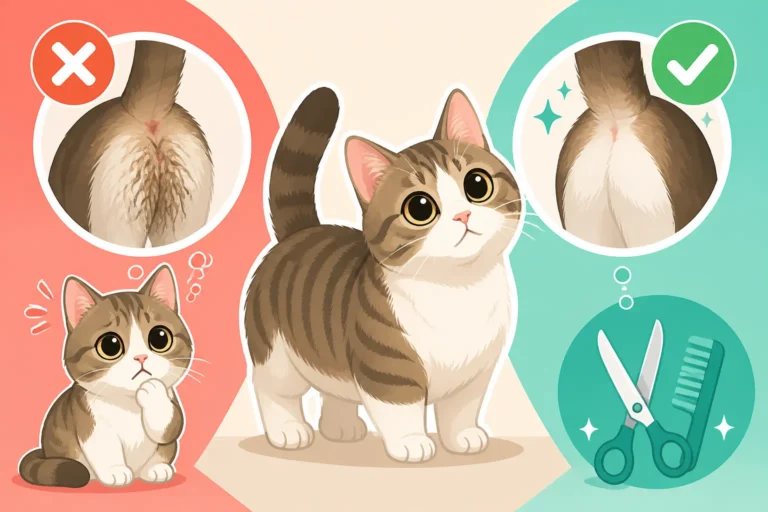
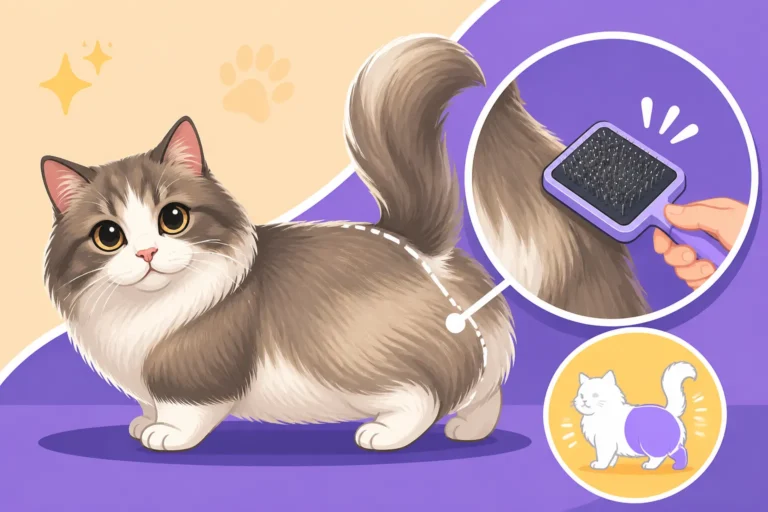
Because the high sides do a better job of containing litter and waste within the box, the immediate area around the box stays cleaner. This means less chance of your Munchkin inadvertently tracking dirty litter or waste on their fur outside the box. This is particularly relevant for long-haired Munchkins, or those with very low bellies. Which Litter Sticks to a Munchkin's Belly is a related concern here; if litter clings to them, and the box isn't contained, they're spreading it around. A clean box interior and contained litter reduce the frequency of needing to spot clean your Munchkin's paws or underside. While you'll still need to perform regular grooming, especially a sanitary clip for long-haired cats Whether a Munchkin Needs a Sanitary Clip, a high-sided box helps maintain a cleaner coat between grooming sessions. It's a small but significant advantage in managing the unique care needs of a Munchkin. It also lessens the chances of wondering Whether a Munchkin Needs Its Belly Wiped After the Box quite as often, as the box itself is doing a better job of containing the mess.
Potential Drawbacks and Considerations
While high-sided litter boxes offer many advantages for Munchkin owners, it's essential to be aware of potential drawbacks and to constantly monitor your cat's comfort and usage. No solution is one-size-fits-all, and thoughtful observation is key.
Ensuring Easy Egress and Accessibility
The primary concern, and rightly so, is ensuring your Munchkin can not only get into the box comfortably but also out of it just as easily. While a well-placed ramp or a cut-down entry point addresses the initial entry, you still need to observe your cat's entire process. Does your Munchkin seem to struggle on the way out? Do they hesitate before exiting? Any signs of difficulty or discomfort could lead to them avoiding the box altogether, which is the last thing you want.
A cat that finds their litter box difficult to use might start holding their eliminations, leading to health issues like urinary tract infections or constipation. Even worse, they might begin to eliminate outside the box in more accessible locations, creating behavioral problems that are much harder to resolve. This is why it's so important to observe your cat in the initial days and weeks after introducing a new setup. If you notice any hesitancy or difficulty, it's a clear sign that further adjustments are needed. Remember, Why a Munchkin Will Go Outside a Box It Cannot Enter is a very real behavioral outcome if the box isn't truly accessible. You might need to adjust the ramp angle, lower the entry point further, or even consider a different type of box if your specific Munchkin truly struggles despite modifications.
Not All Munchkins Are the Same
It's tempting to think of all Munchkins as having the exact same physical capabilities, but just like any breed, there's a range of individual differences. The term "Munchkin" encompasses a spectrum of leg lengths, from those with somewhat shorter legs to the very distinctive "rug hugger" variety, whose bellies almost graze the floor.
A Munchkin with slightly longer legs might manage a 4-inch step-over with ease, while a true "rug hugger" might find that height extremely challenging, requiring a much lower entry or a very gentle ramp. What a Rug Hugger Munchkin Is highlights this extreme end of the spectrum. Age also plays a factor; a spry young Munchkin might have more agility than a senior one who is starting to experience joint stiffness or reduced mobility. What works perfectly for one Munchkin might be a struggle for another. Therefore, it's crucial to tailor your litter box solution to your specific cat. Observe their gait, their willingness to step over small obstacles, and their overall energy levels. A personalized approach, adjusted over time, will ensure the best outcome for your beloved pet.
Conclusion
The idea of a high-sided litter box for a Munchkin cat might initially sound counter-intuitive, conjuring images of your little furball struggling. However, with thoughtful adaptations, these boxes can actually be a fantastic solution, offering significant benefits for both your cat and your home. By creating a strategically lowered entry point, either through a simple cut-down side or the addition of a gentle ramp, you provide easy access while retaining the advantages of higher walls.
The ability of a high-sided box to contain litter effectively, reduce odors, and offer a sense of privacy and security for your Munchkin makes it a highly practical choice. It minimizes mess, promotes hygiene, and helps your cat feel safe and comfortable in their personal space. Remember that every Munchkin is an individual, so observation is key. Pay attention to how your cat uses the adapted box, and be prepared to make minor adjustments to ensure it remains a stress-free and accessible facility throughout their life. With a little planning, a high-sided litter box can absolutely be a clean, comfortable, and convenient option for your adorable short-legged companion.
Disclaimer
This article is for general informational purposes only and does not constitute professional advice. Laws, prices and regulations vary by location and change over time. Consult a qualified professional for guidance on your specific situation.