Whether Carpeted Steps Suit a Munchkin
It's a tough spot when your adorable Munchkin cat looks longingly at the sofa or your bed, wanting to join you but simply can't make the leap. Their short legs, while endearing, mean that many everyday surfaces are just out of reach, leading to frustration for them and worry for us. This guide will dive deep into whether carpeted steps are a suitable, safe, and effective solution to help your short-legged companion navigate their world with greater ease and comfort.
Why a Munchkin's Legs Change Everything About Home Access
Let's be honest, living with a Munchkin cat means rethinking a lot about your home. While they are incredibly agile and surprisingly fast on flat ground, their unique physiology presents some real challenges when it comes to vertical movement. It's not just about jumping up; it's also about landing down safely, day in and day out, over many years.
The Physical Realities of Short Legs
Unlike a standard-legged cat, a Munchkin's legs are disproportionately short due to their genetic mutation. This isn't just a cute quirk; it fundamentally changes their biomechanics. They can't spring upwards with the same leverage, and the impact of landing is distributed differently across their smaller joints. While they are often described as "ferret-like" in their agility on the floor, getting airborne is a different story. You'll notice they use a lot more momentum and effort to get even a few inches off the ground. Often, they have to resort to a series of smaller "bunny hops" to gain any significant height, which can be quite taxing. How High a Munchkin Can Actually Jump is less than you might think, and repeatedly pushing those limits can take a toll.
This isn't to say your Munchkin won't try to jump. Oh, they will! Their spirit is often bigger than their legs. But every attempted jump that falls short, or every awkward landing, adds a tiny bit of stress to their joints and spine. Over time, this can contribute to wear and tear, making proper access solutions not just a convenience, but a necessity for their long-term health. We want to protect those precious little bodies from unnecessary strain.
The Impact on Daily Life and Well-being
Imagine wanting to snuggle on the couch with your favorite human, or peek out the window from a comfy perch, but being constantly blocked by a vertical barrier. For a Munchkin, this is a daily reality. This lack of access can lead to several issues. Firstly, it can limit their social interaction with you, especially if you spend a lot of time on furniture. They might feel excluded or simply give up trying to join you. Secondly, it reduces their environmental enrichment. Cats thrive on vertical space for observation, security, and play. When all of that is cut off, their world shrinks significantly.
Furthermore, repeated attempts at jumping can lead to anxiety or even physical injury. A misjudged jump could result in a fall, and while cats are famously resilient, a fall onto hard flooring can be dangerous for their unique skeletal structure. We also want to avoid situations where they are repeatedly jumping down from heights, as this can be particularly jarring. Why a Munchkin Should Not Be Jumping Down Repeatedly is a crucial consideration, as the downward impact can be more damaging than the upward effort. Providing safe, accessible alternatives ensures they can enjoy all the comforts of home without risk.
The Undeniable Appeal of Carpeted Steps for Your Munchkin
When it comes to providing safe access for your short-legged companion, steps are often the go-to solution. But not all steps are created equal, and for a Munchkin, the surface material makes a world of difference. This is where carpeted steps truly shine, offering a blend of safety and comfort that other materials often lack.
Enhanced Traction and Grip
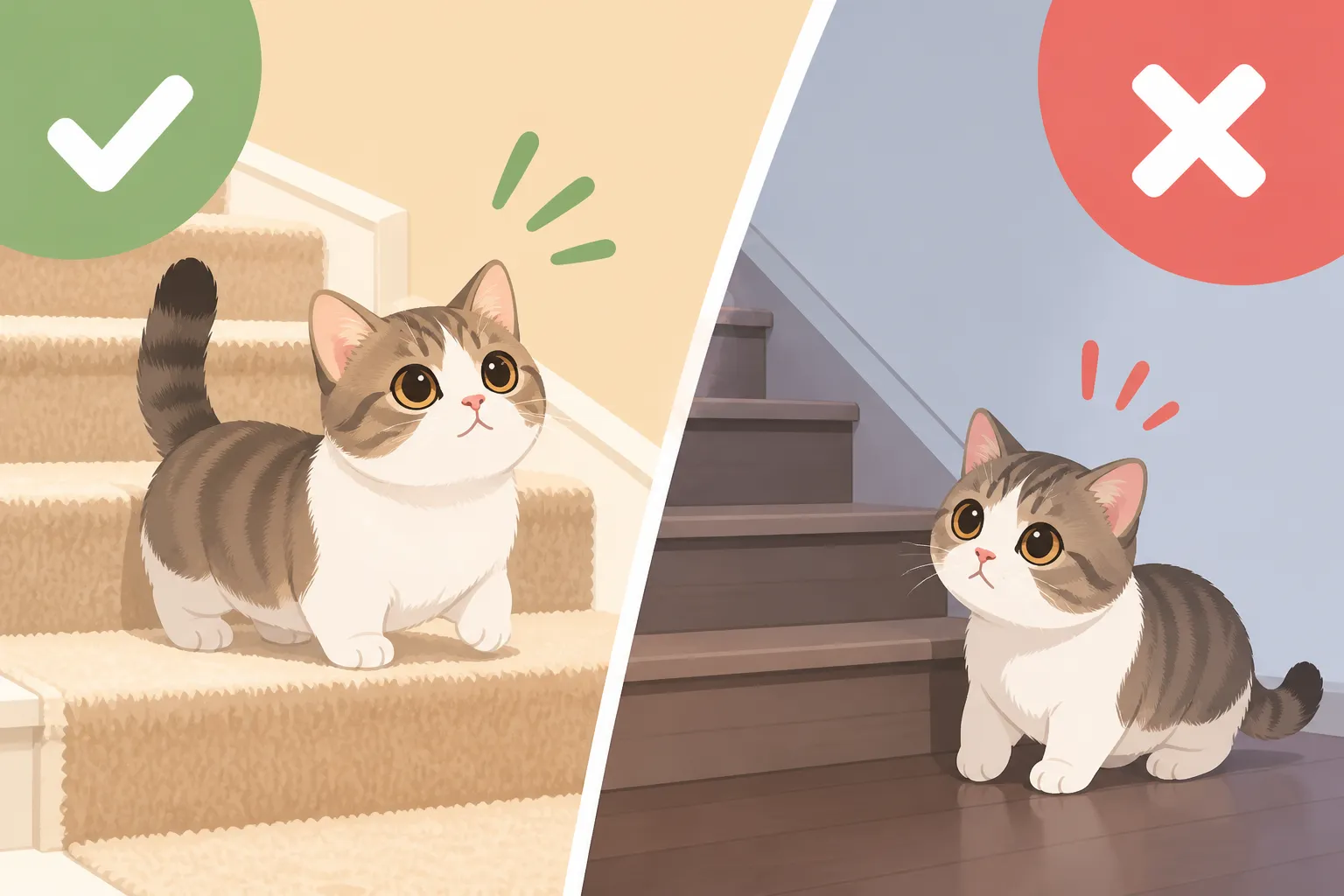
One of the primary benefits of carpeted steps is the superior traction they offer. Imagine trying to climb a slick, polished wooden staircase with short legs that have less leverage. It's a recipe for slips, stumbles, and potential injury. Hard surfaces like bare wood, laminate, or even smooth plastic can be treacherous for a Munchkin. Their small paws struggle to find purchase, especially when moving quickly or if they're a bit tentative.
Carpet, on the other hand, provides a soft, grippy surface that their paws can easily sink into. This means less slipping and sliding, giving your Munchkin the confidence to ascend and descend without fear. They can move at their own pace, feeling secure with every step. This added stability is absolutely vital for a cat whose mobility is already modified. It reduces the risk of accidental falls, which can be much more severe for a Munchkin due to their skeletal structure. Think of it like walking on a nicely textured rug versus a freshly waxed floor – the difference in stability is immense.
Cushioning for Delicate Joints
Beyond traction, carpet offers a crucial element often overlooked: cushioning. Each time your Munchkin places a paw down on a step, there's an impact. On a hard surface, that impact reverberates directly through their joints. Given that Munchkins already have a unique skeletal structure, with shorter long bones in their legs, any added stress on their joints, especially their shoulders and elbows, is something we want to minimize.
Carpet acts as a natural shock absorber, softening the impact of each step. This gentle cushioning is incredibly beneficial, especially as your cat ages. It helps to protect their delicate joints from the cumulative wear and tear that can lead to conditions like arthritis down the line. It's an investment in their long-term comfort and mobility. Just like we appreciate a soft landing, their little bodies will too. This is particularly important for preventing unnecessary strain on their already unique anatomy.
Noise Reduction and Aesthetic Comfort
Let's face it, a cat clattering up and down hard wooden stairs can be quite disruptive, especially in the quiet hours of the night. Carpeted steps significantly dampen noise, making for a much quieter household. This isn't just for your benefit; it can also make the steps less startling for a nervous cat.
From an aesthetic standpoint, carpeted steps can also blend more seamlessly into your home décor. They come in a vast array of colors, textures, and patterns, allowing you to choose something that complements your existing furniture and rugs. This can make the functional addition of steps feel like a natural part of your living space, rather than an obvious piece of pet equipment. Many pet-specific steps available on retailers like Chewy or Amazon are designed with aesthetics in mind, offering both functionality and style. You can find options that look like miniature staircases or even modular blocks that blend into a room, often covered in a soft, appealing fabric.
Essential Considerations for Choosing Carpeted Steps
So, you're convinced that carpeted steps are the way to go for your Munchkin. Great! But hold on a second – it’s not just about grabbing the first set you see. There are several critical factors to consider to ensure the steps you choose are truly safe, effective, and comfortable for your unique feline friend.
Step Dimensions: Height, Depth, and Width
This is arguably the most important factor. The standard human step isn't going to cut it for a Munchkin. Their short legs mean they can't manage high risers. Each individual step needs to be low enough for them to comfortably lift their leg and place their paw on the next level without straining or jumping. Aim for steps with a rise of no more than 4-6 inches.
Equally important is the depth of each step. Your Munchkin needs enough surface area to fully place all four paws on the step before moving to the next. Shallow steps can lead to awkward footing and instability. A depth of at least 8-10 inches is usually appropriate. Finally, consider the width. A wider step provides more room for maneuvering and turning around, which is especially helpful if your cat is a bit hesitant or elderly. How Far Apart to Space a Munchkin's Steps is a question about design, and for a Munchkin, closer, lower steps are always better.
Carpet Material and Pile
While "carpeted" is the general idea, the type of carpet matters. You want a durable, low-pile carpet. High-pile or shag carpets can be problematic because:
- Trip Hazard: Their short legs can get tangled in long fibers.
- Cleaning: They can trap litter, fur, and debris, making them harder to keep hygienic.
- Stability: A very plush carpet might feel less stable underfoot for small paws.
Look for a tightly woven, low-pile carpet that offers excellent grip without being too thick or soft. Materials like industrial-grade carpet, tightly looped wool blends, or even strong synthetic fibers designed for high traffic can work well. The surface should be firm enough to provide support but soft enough for comfort and traction.
Stability and Non-Slip Features
A wobbly set of steps is an accident waiting to happen. The steps must be absolutely stable and robust.
- Weight Capacity: Ensure the steps are designed to hold your cat's weight, plus a safety margin.
- Base Stability: The base of the steps should be wide and heavy, or designed to brace securely against the furniture they lead to.
- Non-Slip Bottom: If the steps are freestanding, the bottom surface should have rubberized feet or a non-slip material to prevent them from sliding across your hard floors when your cat uses them. This is crucial for their confidence and safety.
- Anchoring: For taller sets of steps, or if your Munchkin is particularly enthusiastic, consider models that can be anchored to the furniture they access. This is similar to How to Anchor a Ramp So a Munchkin Trusts It, where security instills confidence. You might find DIY options that bolt together or even some commercial models that offer this feature.
Maintenance and Cleaning
Let's be real, cats are messy. Litter, hairballs, and occasional accidents are part of pet ownership. So, choose carpeted steps that are easy to clean.
- Spot Cleaning: Can the carpet be easily spot-cleaned for small accidents?
- Vacuuming: Is the pile low enough for easy vacuuming to remove fur and debris?
- Removable Covers: Some pet steps come with removable, washable carpet covers, which are a fantastic feature for hygiene.
Regular maintenance will keep the steps inviting and sanitary for your Munchkin, encouraging them to use the designated access points rather than attempting risky jumps. Consider searching for pet stairs on sites like Amazon or Chewy and filtering for "washable cover" or "easy clean" features.
Alternatives and Complementary Solutions
While carpeted steps are fantastic, they're just one piece of the puzzle in creating a Munchkin-friendly home. Thinking holistically about your cat's environment means exploring other options and understanding how they can complement or even replace steps in certain situations.
Ramps Versus Steps: A Tailored Approach
The great debate: ramps or steps? Both serve the same purpose of providing vertical access, but they do so in different ways, and one might be better suited for your individual Munchkin or specific piece of furniture.
- Ramps: Offer a continuous incline, eliminating the need for stepping up. This can be ideal for cats with severe joint issues, very limited mobility, or those who simply prefer a smooth ascent. The lack of distinct steps means less jarring impact. However, ramps require more floor space to maintain a gentle, safe incline. A ramp that's too steep can be just as difficult and potentially dangerous as jumping. How to Teach a Munchkin to Use a Ramp often involves enticing them with treats along the gentle slope.
- Steps: Take up less floor space and are often preferred by more agile Munchkins who enjoy the distinct "climbing" motion. The individual platforms can be easier for some cats to navigate, providing clear resting points. For steps, ensuring the correct dimensions (low rise, adequate depth) is paramount. What Ramps for a Munchkin Cost to Buy can vary widely, just like steps, depending on material, size, and features. Often, a combination of both in different areas of the house might be the perfect solution.
Strategic Furniture Placement
Sometimes, the best solution doesn't involve buying anything new at all – it's about rearranging what you already have. Strategic furniture placement can create a natural "staircase" of sorts for your Munchkin.
- Layering furniture: Place a sturdy ottoman or a low bench next to a sofa. Then, perhaps a slightly taller, stable cat tree or another piece of furniture (like a robust side table) next to that, leading up to a higher surface like a windowsill.
- Eliminating Gaps: Ensure there are no large, unsafe gaps between pieces of furniture that your Munchkin could fall into.
- Safe Landing Zones: For areas where they might still attempt a small jump (e.g., from a chair to a windowsill), place a soft rug or a pet bed as a padded landing zone.
This approach requires careful observation of your Munchkin's natural pathways and an understanding of Why a Munchkin's Sofa Needs Access and other desired high spots. It's about thinking like a short-legged cat and anticipating their needs and desires for exploration and comfort.
Low-Profile Beds and Litter Boxes
While not directly about accessing heights, these considerations are crucial for a Munchkin's overall comfort and health.
- Beds: Ensure your Munchkin has cozy, comfortable beds at floor level. Even if they can access your bed with steps, they should also have easy-to-reach resting spots where they don't have to climb.
- Litter Boxes: A standard litter box often has high sides that are a struggle for a Munchkin to get over, especially as they get older or if they have spinal issues. Invest in low-entry litter boxes, or even DIY a solution by cutting down one side of a regular box. How Low a Munchkin Litter Box Entry Should Be is a key consideration to prevent accidents outside the box and ensure they can maintain good hygiene. A senior cat litter box often fits the bill perfectly for a Munchkin of any age.
DIY vs. Store-Bought Carpeted Steps: Making the Right Choice
Once you've decided that carpeted steps are the answer, the next question is whether to build them yourself or purchase them pre-made. Both options have their pros and cons, and the best choice often depends on your budget, DIY skills, and specific needs.
The Appeal of Store-Bought Steps
Purchasing ready-made pet stairs or steps offers convenience and often a polished look right out of the box.
- Convenience: No tools, no measuring, no cutting carpet. They arrive, you unbox them, and they're ready to go. Many come fully assembled or require minimal assembly.
- Design & Aesthetics: Commercial steps often come in various colors and styles that can complement home décor. You'll find options from sleek modern designs to more traditional, furniture-like pieces. Retailers like Chewy and Amazon offer a vast selection.
- Engineered for Pets: Reputable pet product manufacturers design these steps with pet safety in mind, often incorporating non-slip bottoms, sturdy construction, and appropriate step dimensions for small animals. They might also be tested for stability and durability. Whether Pet Stairs Are Strong Enough for a Munchkin is a valid concern, so checking reviews and product specifications is essential.
- Variety of Materials: Beyond carpet, you can find plastic steps with carpet treads, foam core steps with fabric covers, and solid wood options.
The downside is often cost; store-bought steps can be more expensive than DIY, especially for high-quality, durable models. They also might not perfectly fit your unique space or furniture height, leading to compromises.
The Rewards of DIY Carpeted Steps
For those with a knack for building or a specific vision, going the DIY route can be incredibly satisfying and economical.
- Customization: This is the biggest draw. You can perfectly tailor the height, depth, width, and number of steps to your Munchkin's exact needs and the specific piece of furniture it will access. You can even choose the exact type and color of carpet.
- Cost-Effective: Often, building your own steps can be significantly cheaper than buying comparable quality pre-made ones, especially if you have some basic tools and can source materials economically. What Building Munchkin Steps Yourself Costs largely depends on the materials you choose (plywood, MDF, sturdy cardboard boxes, carpet remnants) and whether you have existing tools.
- Durability: You control the construction quality. Using solid wood and strong fasteners can result in a more robust and long-lasting set of steps than some lighter-weight commercial options.
- Sense of Accomplishment: There's a real pride in creating something functional and beneficial for your beloved pet.
The challenges with DIY include the time commitment, the need for basic carpentry skills, and potentially a less "finished" look if you're not experienced. You also bear the full responsibility for ensuring the steps are safe and stable for your cat. However, plenty of online tutorials can guide you through simple pet step projects.
Considerations for Both Paths
No matter which path you choose, always prioritize your Munchkin's safety and comfort.
- Test Drive: Introduce the steps slowly. Entice your Munchkin with treats or toys to encourage them to use the steps. Reward them generously when they do.
- Observation: Watch how your cat uses the steps. Do they seem comfortable? Are they slipping? Is the incline too steep or the rise too high? Be prepared to make adjustments if needed.
- Placement: Place the steps securely against the furniture they're intended to reach, ensuring they don't shift or slide.
Ultimately, whether you buy or build, the goal is to create a seamless, safe, and happy pathway for your short-legged friend to enjoy all the elevated comforts of their home.
Disclaimer
This article is for general informational purposes only and does not constitute professional advice. Laws, prices and regulations vary by location and change over time. Consult a qualified professional for guidance on your specific situation.