Whether a Munchkin Gets Cold on the Floor
It’s a natural worry for any Munchkin cat owner: does my little low-rider get cold more easily because they’re so close to the floor? It’s a valid concern that often crosses our minds, especially when winter chills set in or we notice them seeking out sunny spots. This guide will dive deep into why Munchkins might indeed feel the cold more acutely, how to spot the signs of a chilly cat, and, most importantly, provide practical, loving solutions to keep your adorable short-legged companion cozy and comfortable all year round.
Understanding Why a Munchkin's Proximity to the Floor Matters
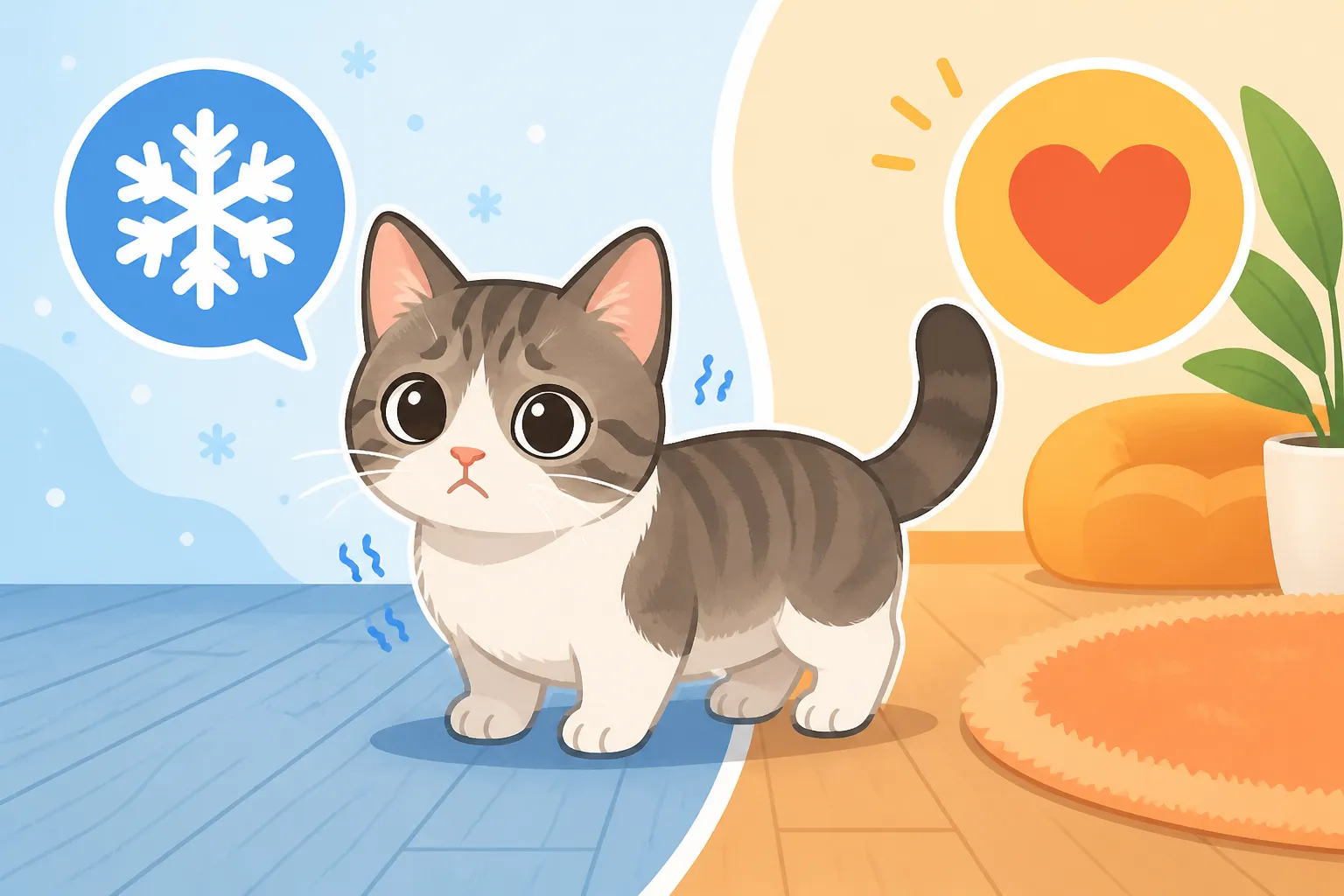
When you live life at ankle-height, the world looks and feels a lot different. For our Munchkin friends, their unique stature means they're constantly interacting with the lowest, and often coldest, layer of air in our homes. It's not just an optical illusion; there's some real physics at play here, and understanding it is the first step to ensuring your little cat stays warm.
The Physics of Being Low to the Ground
Think about it: heat rises. That's why your attic can feel like a sauna while your basement is perpetually cool. In any room, warm air naturally ascends, leaving the cooler, denser air to settle closer to the floor. For us humans, walking around, our heads are up in the warmer air strata. But a Munchkin cat? They're living right down in that colder air envelope, often just a few inches above the floor surface.
This isn't just about air temperature, either. There's also the concept of radiant heat loss. If your Munchkin is lying directly on a cold tile floor or an uncarpeted hardwood surface, their body heat is actively being drawn away by that colder surface. It's like putting a warm hand on a cold window pane; the heat transfers. Over time, this constant heat drain can make them feel significantly colder than a cat whose body is primarily surrounded by warmer air or insulated by a thicker, more plush surface. They spend more time with their bellies, which have less fur, pressed against these cold areas, making them particularly susceptible to the chill.
Comparing a Munchkin's Height to Other Cats
The average domestic cat stands about 9 to 10 inches tall at the shoulder. A Munchkin, however, can be significantly shorter, often standing only 5 to 7 inches tall. That might not sound like a huge difference, but when you consider it in terms of their body's proximity to the ground, it's quite substantial. A normal-legged cat might only have their paws in the coldest air, with their main body mass elevated. A Munchkin's entire torso, from their belly to their spine, is often completely immersed in that cooler floor-level air.
This height difference impacts more than just temperature perception. It also influences where they spend their time. While a taller cat might easily jump onto a sofa or a chair to escape a drafty floor, a Munchkin might find those jumps challenging or impossible without assistance. This means they are often forced to stay on the floor level unless you've provided How to Arrange a Munchkin's Room in One Plane with accessible ramps or steps. Their shorter legs, while surprisingly agile on the flat, limit their vertical reach, keeping them closer to the ground's chill.
Factors That Influence Floor Temperature in a Home
Not all floors are created equal when it comes to keeping warm. The type of flooring in your home plays a huge role in how much cold your Munchkin might experience. Tile and hardwood floors, while beautiful and easy to clean, are notoriously good at retaining cold, especially in cooler climates or in rooms above unheated basements. Even insulated floors can feel quite cool to the touch. Carpeting, on the other hand, provides a layer of insulation, trapping air and feeling much warmer underfoot, or under-paw, in this case.
Beyond the flooring material, drafts are a huge culprit. Gaps under doors, leaky window frames, or even poorly insulated exterior walls can create cold currents that hug the floor. Imagine your Munchkin curled up by what seems like a cozy corner, only to be hit by a constant, unseen stream of cold air. Seasonal changes are also critical. In winter, even with your heating on, the floor can remain significantly cooler than the air higher up, especially if your home has older windows or poor insulation. Conversely, in summer, a cool tile floor might be a welcome relief, but for the majority of the year, it could be a source of discomfort.
Recognizing the Signs Your Munchkin Might Be Cold
Our cats can't tell us directly when they're cold, so it's up to us to be diligent observers of their behavior and physical well-being. Knowing what to look for can help you intervene quickly and make your Munchkin more comfortable.
Behavioral Cues to Watch For
A cold Munchkin will often exhibit distinct behavioral patterns aimed at conserving body heat or finding warmth. One of the most common signs is curling up into a tight ball, tucking their paws and tail close to their body, sometimes even burying their nose. This posture minimizes their exposed surface area, reducing heat loss. You might notice them seeking out specific warm spots in the house: a patch of sunlight streaming through a window, a fluffy blanket, their favorite heated bed, or even snuggling up close to you on the sofa or under the covers.
They might also become less active, preferring to stay hunkered down rather than engaging in their usual playful antics. If their favorite play area involves a cool floor, they might avoid it entirely. While less common in cats than dogs, shivering can also occur if they are particularly cold, though it's often a sign of more severe chilling or an underlying health issue. Pay attention if your Munchkin consistently avoids certain rooms or areas of your home, as these could be particularly drafty or cold spots that they instinctively shun. Remember that while Munchkins are often surprisingly fast on the flat, a cold environment can dampen their enthusiasm for How a Munchkin Changes Direction at Speed.
Physical Indicators of Being Chilly
Beyond behavior, there are a few physical indicators that can suggest your Munchkin is feeling the chill. Gently touch their ears, paws, and the tip of their nose. While these areas are naturally a bit cooler than their core body temperature, if they feel noticeably cold to the touch, it's a good sign your cat is uncomfortable. However, don't rely solely on a cool nose, as this isn't always a definitive indicator of their overall body temperature.
Another subtle sign can be piloerection, which is when their fur stands on end, making them look fluffier. This is an involuntary physiological response designed to trap a layer of insulating air close to their body, much like goosebumps on humans. It's their natural way of trying to create an extra layer of warmth. Additionally, if your Munchkin is chronically cold, you might notice subtle changes in their appetite or energy levels. Persistent discomfort can stress their system, potentially impacting their overall well-being. For long-haired Munchkins, a thick coat offers some natural insulation, but even they aren't immune to floor-level cold.
Practical Solutions to Keep Your Floor-Dwelling Munchkin Warm
The good news is that keeping your Munchkin warm and cozy doesn't have to be complicated or expensive. Often, it just requires a bit of thoughtful arrangement and awareness of their unique needs.
Strategic Placement of Beds and Lounging Spots
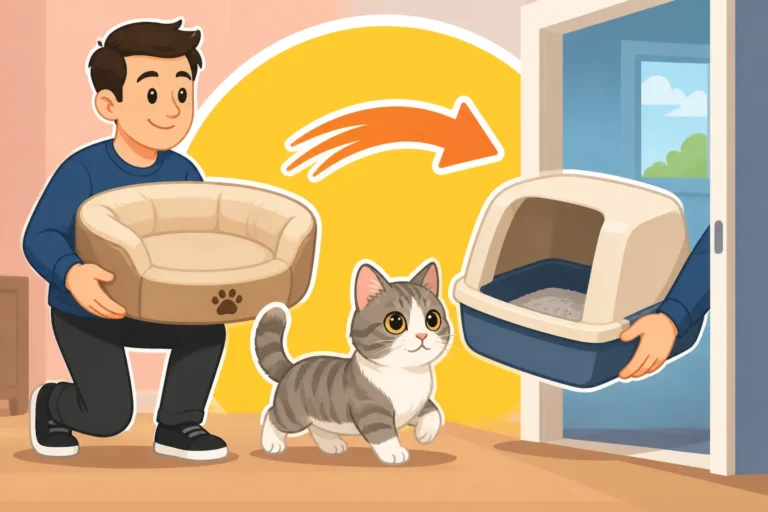
Given their low stature, where your Munchkin rests is incredibly important. While many cats love being high up, for a Munchkin, getting there can be a challenge. Why a Munchkin's Bed Should Be on the Floor can be a great starting point, but even floor beds need to be warm. Look for beds with thick, plush padding that provides a good barrier against cold floors. Self-warming mats, which contain a reflective layer to bounce your cat's body heat back to them, are excellent options and don't require electricity. You can find a good selection of these on reputable pet supply sites like Chewy or Amazon.
For extra chilly environments or older cats, a low-wattage heated pet bed can be a game-changer. Ensure it's specifically designed for pets and has safety features like automatic shut-off or temperature regulation. Place these beds in quiet, draft-free areas of your home. If your Munchkin likes to snuggle with you, consider placing a ramp or pet steps next to your sofa or bed. This not only allows them to reach you for warmth and comfort but also reduces the strain on their joints from repeated jumping. Whether a Munchkin Can Reach a Sofa often depends on the height, so steps are invaluable.
Here's a quick comparison of common warming solutions:
| Solution Type | Benefits | Considerations | Ideal Use Case |
|---|---|---|---|
| Thick Pet Beds | Insulates from cold floor, comfortable. | Needs to be placed away from drafts. | General comfort, year-round. |
| Self-Warming Mats | No electricity needed, reflects body heat. | Effective for mild chill, not intense cold. | Moderate temperatures, travel. |
| Electric Heated Beds | Consistent, adjustable warmth. | Requires power source, safety features are key. | Cold homes, older cats, post-op recovery. |
| Area Rugs/Carpets | Insulates large floor areas, reduces drafts. | Requires regular cleaning, not portable. | Whole room solution, high traffic areas. |
| Blankets/Throws | Flexible, easy to wash, provides comfort. | Can get pushed off, less structured insulation. | Snuggling, temporary warmth. |
| Draft Stoppers | Blocks cold air from seeping in. | Specific to doors/windows, doesn't warm room. | Eliminating cold spots. |
Adapting Your Home Environment
Making your home Munchkin-friendly often means making it warmer at their level. Laying down area rugs or runners on hard floors in commonly used areas can provide significant insulation. This is especially helpful in rooms with tile or uncarpeted hardwood. These rugs not only offer warmth but also provide better traction for your little cat, preventing slips that could strain their short legs.
Actively seek out and block drafts. Use draft stoppers for exterior doors, weatherstrip leaky windows, and ensure windows are securely closed. You might be surprised how much cold air seeps in at floor level. While you don't need to turn your home into a sauna, maintaining a comfortable ambient room temperature, usually between 68-75°F (20-24°C), will help keep the floor less frigid for your Munchkin. Remember that what feels comfortable to you standing up might still be chilly for your cat on the floor.
Consider their litter box setup too. While not directly related to warmth, a low-entry litter box ensures they don't have to strain or jump to do their business, which is essential for joint health, especially as they age. A Munchkin's low belly also means certain litters might stick to them more, as mentioned in Which Litter Suits a Munchkin's Low Belly, which can lead to discomfort if they're also cold and hesitant to groom.
Grooming and Diet for Temperature Regulation
A healthy coat is a cat's natural insulator. Regular grooming, even for short-haired Munchkins, helps remove loose fur and distribute natural oils, keeping their coat in top condition. For long-haired Munchkins, consistent brushing prevents matting, which can reduce the insulating properties of their fur. Why a Munchkin's Belly Fur Needs Checking and grooming the hindquarters are particularly important given their low stance.
Weight control is paramount for Munchkins, not just for their joint health but also for their overall well-being and ability to regulate temperature. While a little extra insulation might seem helpful, excess weight puts enormous strain on their short legs and spine. Why Weight Is More Dangerous on a Munchkin cannot be stressed enough. A healthy weight ensures they can move freely, groom themselves properly, and maintain optimal body functions, including temperature regulation. Discuss with your vet the appropriate caloric intake for your specific Munchkin to ensure they are getting enough energy to stay warm without gaining excessive weight. You might be surprised at How Many Calories a Munchkin Needs to Stay Off Its Joints.
When to Consult Your Veterinarian
While most cold-related issues can be solved with environmental adjustments, there are times when persistent cold symptoms or changes in your Munchkin's behavior warrant a professional opinion.
Persistent Cold Symptoms or Lethargy
If you've implemented warming strategies and your Munchkin still seems constantly cold, lethargic, or unusually quiet, it's time to call the vet. Persistent chilling can sometimes be a symptom of an underlying health condition, such as anemia, thyroid issues, or even heart problems, which can affect a cat's ability to regulate its body temperature. A cat that is always seeking warmth might be trying to compensate for an internal issue. Don't dismiss these signs, especially if they are new or worsening.
Sudden Changes in Behavior or Health
Any sudden, unexplained changes in your Munchkin's behavior, appetite, litter box habits, or energy levels should prompt a vet visit. A cat that suddenly stops playing, hides more often, or seems withdrawn and cold could be experiencing pain or illness. Sometimes, an older Munchkin might become less active and more prone to feeling cold as they age, but it's important not to attribute every change solely to old age without a vet check. Caring for an Old Munchkin That Has Stopped Climbing means adjusting their environment and monitoring their health closely. It’s always better to rule out medical issues early.
Discussing Specific Concerns with a Vet
When you visit your veterinarian, be prepared to discuss your observations in detail. Mention when you first noticed your Munchkin seeming cold, what symptoms they are showing, and any steps you've already taken to help them. Your vet can perform a thorough physical examination, and potentially recommend blood tests or other diagnostics to check for underlying health problems. They can also offer tailored advice on environmental adjustments, diet, and supplements to support your Munchkin's comfort and well-being. Never try to diagnose or treat a perceived health issue yourself; professional veterinary advice is always the safest and most effective course of action.
Disclaimer
This article is for general informational purposes only and does not constitute professional advice. Laws, prices and regulations vary by location and change over time. Consult a qualified professional for guidance on your specific situation.