Which Bowl Shape Suits a Munchkin’s Short Neck
One of the most common, yet often overlooked, challenges for Munchkin cat owners is finding the right food and water bowls. Because of their uniquely short legs and compact stature, a standard cat bowl placed directly on the floor can force your adorable Munchkin into an awkward, uncomfortable posture during mealtime, leading to potential strain on their neck and spine. This guide is here to walk you through exactly why the right bowl shape and elevation are so critical for your Munchkin, and what to look for to ensure every meal is as comfortable and healthy as possible.
Understanding the Munchkin's Unique Anatomy at Mealtime
It’s easy to think of a cat as just a cat, but our Munchkin friends have a very specific set of physical traits that demand special consideration, especially when it comes to something as fundamental as eating and drinking. Their distinct conformation, while charming, means they interact with their environment in a way that’s different from a long-legged feline.
The Mechanics of a Munchkin's Short Neck
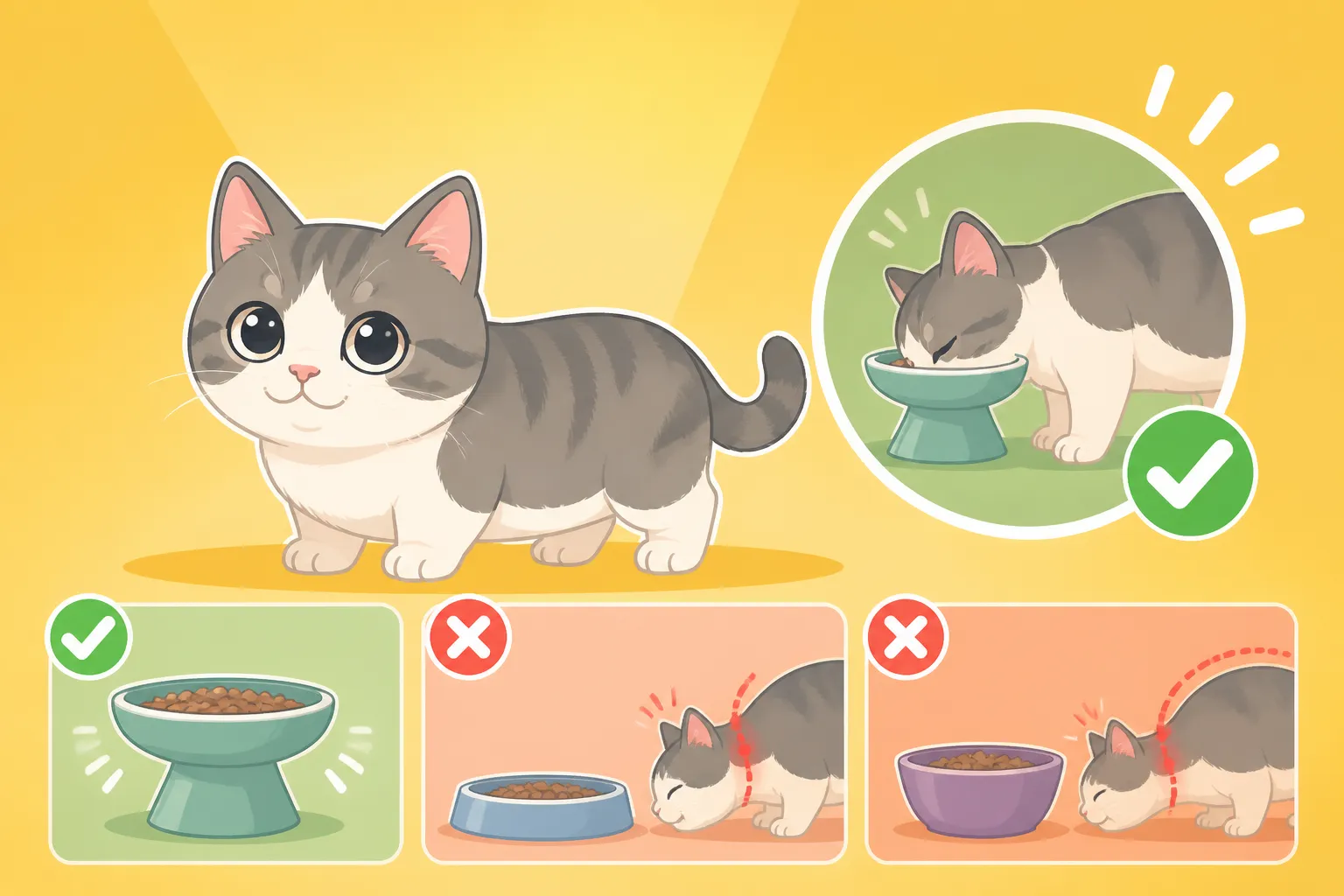
Imagine trying to eat your dinner off the floor while only being able to bend your knees a tiny bit. That's a bit like what a Munchkin experiences with a low-set bowl. Their short legs mean their body is naturally much closer to the ground. When they have to lower their head even further to reach food or water, it puts a significant strain on their neck and upper spine. This isn't just about looking a little uncomfortable; prolonged or repeated awkward positioning can contribute to or exacerbate musculoskeletal issues over time. Their entire upper body, including their shoulders and spine, has to bear the load of their head and neck being stretched downwards.
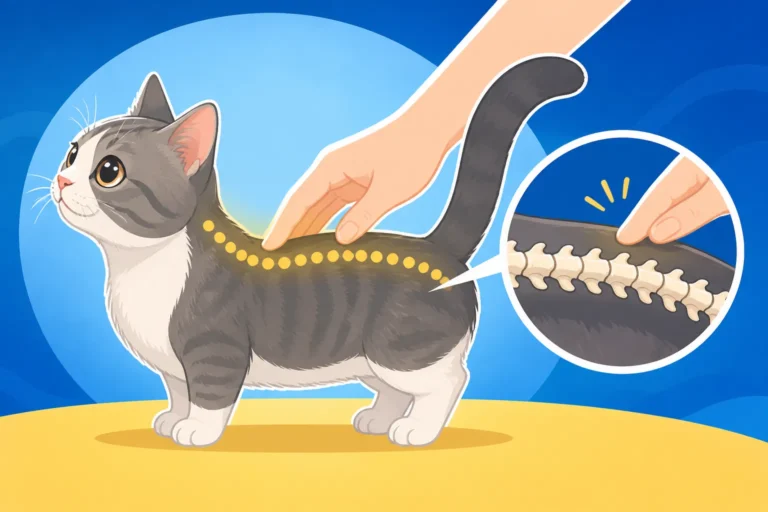
This constant bending can be particularly taxing on their cervical and thoracic spine. While a Munchkin's spine is structurally similar in length to a normal cat's, the way it's used in conjunction with their short legs can create different stresses. For an animal with a genetic predisposition to certain spinal considerations, like lordosis, minimizing any additional strain becomes even more paramount. You might notice them hunching or even lying down to eat if the bowl is too low, which are clear signs that they’re struggling to find a comfortable angle. This isn't laziness; it's a physical limitation they're trying to work around.
Why Standard Cat Bowls Don't Always Work
Most cat bowls on the market are designed with the average-sized, long-legged domestic cat in mind. They are typically shallow and wide, or sometimes deep, but almost universally sit directly on the floor. While this might be perfectly fine for many cats, for a Munchkin, these designs present several problems.
Firstly, the low height forces that undesirable neck and spinal flexion we just discussed. They have to crane their neck down, which can compress their internal organs slightly and restrict their breathing, especially if they eat quickly or are particularly enthusiastic about mealtime. Secondly, many standard bowls are too deep, meaning a Munchkin has to bury their face further into the bowl. This can lead to what's known as "whisker fatigue." Cats' whiskers are incredibly sensitive, and constantly pressing them against the sides of a deep bowl can be irritating and even painful, leading some cats to be reluctant eaters or to pull food out of the bowl to eat it off the floor.
Lastly, the shape itself can be problematic. A bowl that's too narrow might force them to contort their head into an unnatural position. A bowl that's too wide but not shallow enough still presents the whisker issue. The combination of low height, inappropriate depth, and narrowness can turn mealtime from a pleasant, instinctual activity into a daily challenge. This isn't just about comfort; it's about making sure your Munchkin can eat effectively and digest their food without unnecessary physical stress.
Ideal Bowl Shapes and Features for Munchkin Cats
Once you understand the 'why' behind the problem, finding the 'how' for a solution becomes much clearer. The good news is that there are many thoughtful products designed to cater to cats with special physical needs, and these are often perfect for our short-legged companions. It's about finding bowls that work with their anatomy, not against it.
Raised Bowls and Stands: The Game Changer
Without a doubt, the most significant improvement you can make to your Munchkin's feeding setup is to introduce raised bowls. Elevating their food and water bowls allows your Munchkin to eat and drink without having to bend their neck excessively. Instead, their head can remain more level with their shoulders, which dramatically reduces strain on their neck, spine, and even their front leg joints. Think of it as putting a small table in front of them instead of making them eat off the ground. This simple change can make a world of difference in their daily comfort and long-term joint health.
When choosing a raised bowl setup, look for options that offer adjustable heights. This is especially beneficial if you have a Munchkin kitten who is still growing, or an older Munchkin whose mobility might change over time. Being able to fine-tune the height means you can ensure optimal ergonomics throughout their life. The stand itself should be sturdy and non-slip to prevent tipping, which can be frustrating for your cat and messy for you. You can find a wide range of these products on platforms like Chewy or Amazon, often under "elevated cat bowls" or "raised pet feeders." Making sure the height is correct can also help ease potential problems like How Osteoarthritis Shows in a Munchkin's Shoulders or Why a Munchkin's Elbows Take the Landing.
Shallow and Wide Bowls: Combatting Whisker Fatigue
Even with a raised stand, the shape of the bowl itself still matters immensely. For Munchkins, and indeed many cats, whisker fatigue is a real issue. Their whiskers are incredibly sensitive sensory organs, and when they constantly brush against the sides of a deep, narrow bowl while eating, it can cause discomfort and overstimulation. This isn't just a minor annoyance; it can make your cat avoid finishing their meals or resort to scooping food out onto the floor, which defeats the purpose of the bowl entirely.
To prevent whisker fatigue, opt for bowls that are shallow and wide. The ideal bowl will allow your Munchkin to access their food easily without their whiskers touching the edges. This design helps reduce stress during eating, making mealtime a much more pleasant experience. Look for bowls specifically marketed as "whisker-friendly" or "flat-faced cat bowls," as these are typically designed with these considerations in mind. The goal is to provide a wide-open surface for their face to comfortably engage with the food. Remember, a happy eater is a healthy eater!
Tilted or Angled Bowls for Easier Access
Beyond just being raised, shallow, and wide, some bowls incorporate a subtle tilt or angle, which can offer even further ergonomic benefits for your Munchkin. A slightly tilted bowl means that gravity helps pull the food towards the front, making it easier for your cat to reach without having to push their face further into the bowl or chase kibble around. This can be especially helpful for cats who are particular about their food being easily accessible or for those who might struggle with fine motor control as they age.
These tilted designs often pair well with dry kibble, as the angle prevents the kibble from piling up in the center, which can still cause a little whisker interference or force a deeper plunge. When considering a tilted bowl, stability is key. Ensure that the base is wide and heavy enough to prevent tipping, especially if your Munchkin is an enthusiastic eater who might push their face into the food. Some feeding systems combine a raised stand with a tilted bowl, offering the best of both worlds. Look for designs that are easy to clean and don't have too many nooks and crannies where food can get stuck. Many popular pet brands offer these specialized ergonomic designs.
Choosing the Right Material and Maintaining Hygiene
The physical shape and elevation of your Munchkin's bowls are paramount, but don't overlook the material they're made from and the importance of cleanliness. These factors play a significant role in your cat's overall health and the longevity of your feeding setup.
Material Matters: Stainless Steel, Ceramic, and Food-Grade Plastic
When it comes to pet bowls, you generally have three main material choices, each with its own pros and cons:
- Stainless Steel: This is often considered the gold standard for pet bowls, and for good reason. Stainless steel is incredibly durable, non-porous, and very easy to clean and sanitize. It doesn't harbor bacteria or absorb odors, and it's virtually indestructible. It's also dishwasher safe, making daily cleaning a breeze. For a busy household, stainless steel bowls are a fantastic, hygienic choice.
- Ceramic: Ceramic bowls can be aesthetically pleasing and are also non-porous and heavy, which makes them stable and less prone to tipping. However, they can chip or break if dropped, which then creates rough edges and potential breeding grounds for bacteria. If you choose ceramic, inspect them regularly for cracks or chips and replace them if damaged. Ensure they are food-grade and lead-free.
- Food-Grade Plastic: While often the most affordable and lightweight option, plastic bowls come with the most caveats. They are porous and can scratch easily, creating microscopic crevices where bacteria can thrive, leading to issues like feline acne on your Munchkin's chin. If you opt for plastic, choose high-quality, BPA-free, food-grade plastic, and be prepared to replace them more frequently than other materials. Brands available on Amazon often specify food-grade quality for their plastic options.
Regardless of the material, always look for bowls with non-slip bases. Rubber rings or silicone feet can prevent the bowls from sliding around, which can be frustrating for your Munchkin and lead to spills. A stable bowl is a comfortable bowl.
Cleaning and Placement for Optimal Health
Maintaining impeccable hygiene for your Munchkin's food and water bowls is non-negotiable. Food residue and saliva can quickly become breeding grounds for bacteria, which can lead to digestive upset or other health problems. All bowls should be washed daily with hot, soapy water, or run through the dishwasher if safe to do so. Water bowls should also be cleaned daily, as biofilm can build up quickly. This is especially important for cats with low body profiles, whose chins might touch the bowl more often, potentially leading to skin issues if not kept clean.
When it comes to placement, think about creating a serene and accessible dining area for your Munchkin. Place food and water bowls in a quiet, low-traffic area where your cat feels safe and undisturbed. Avoid placing them right next to the litter box, as cats are naturally clean creatures and don't like to eat where they eliminate. If you have multiple pets, consider separate feeding stations to prevent competition. For a Munchkin, whose physical limitations mean they can't easily jump onto counters or escape quickly, a ground-level, yet elevated, safe zone is crucial. Providing proper, accessible feeding stations is a key part of ensuring your Munchkin's overall well-being, much like providing appropriate Ramps and Steps Are Munchkin Equipment, Not Luxuries for their mobility. It's about setting up their entire world to cater to their specific needs.
Optimizing Your Munchkin's Eating Experience
Beyond just the bowls themselves, how you set up your Munchkin's entire eating environment and observe their habits can make a huge difference in their long-term health and happiness. It’s an ongoing process of observation and adjustment to ensure they thrive.
Observing Your Munchkin's Eating Posture
As a responsible Munchkin parent, your keen eye is one of your best tools. Pay close attention to your cat's posture while they're eating and drinking. Are they able to stand comfortably, with their spine relatively straight and their head at a natural angle, or are they still hunching, stretching their neck awkwardly, or lying down? If you notice any signs of discomfort, it might be time to adjust the height of their bowls further or consider a different type of bowl altogether.
Signs of discomfort can include:
- Eating only a small amount at a time: They might be retreating due to discomfort.
- Pulling food out of the bowl: A classic sign of whisker fatigue or difficulty accessing the food.
- Gulping or rapid eating: This could be due to an awkward angle affecting their ability to swallow properly.
- Excessive neck stretching or hunching: The clearest indicator of poor ergonomics.
- Reluctance to approach the bowl: If they hesitate, something might be bothering them.
If you suspect issues, consult your veterinarian. They can rule out any underlying medical conditions and offer advice on ergonomic solutions. Sometimes, what seems like a behavioral quirk is actually a physical manifestation of discomfort, and adjusting their setup can resolve it entirely. Watching how they move and eat will give you a wealth of information about How to Stop a Munchkin Straining to Eat.
Creating an Accessible Feeding Environment
The right bowl is a fantastic start, but it's part of a larger picture of creating an accessible and comfortable home for your Munchkin. Their feeding area should be considered an extension of their adapted environment. This means not just the bowls, but the entire space around them.
Think about the flooring: is it non-slip? A slick floor can make it harder for a Munchkin to brace themselves comfortably while eating, leading to instability. Adding a small, washable rug under their feeding station can provide better traction. Also, ensure the area is free from clutter so they have ample space to approach, eat, and retreat without tripping or bumping into things. For a cat that cannot jump to safety, feeling secure in their eating space is vital.
Remember that Why a Munchkin's Food and Water Belong at Floor Level doesn't mean on the floor, but rather easily accessible from their ground-level perspective. Consider the overall layout of your home for a Munchkin; ensuring all essential resources, including food and water, are easily reachable without strenuous jumping or stretching helps reduce stress and prevents potential injuries to their unique physique. A comprehensive approach to accessibility, from their litter boxes to their favorite sleeping spots, is crucial for their quality of life.
| Feature / Bowl Type | Standard Floor Bowl | Raised Bowl | Shallow/Wide Bowl | Tilted Bowl |
|---|---|---|---|---|
| Neck Strain | High | Low | Moderate | Low |
| Spinal Strain | High | Low | Moderate | Low |
| Whisker Fatigue | Moderate to High | Moderate | Low | Low |
| Digestion Support | Low | High | Moderate | Moderate |
| Food Accessibility | Moderate | High | High | High |
| Stability | Moderate | High (with stand) | Moderate | Moderate to High (with stand) |
| Hygiene (typical) | Varies by material | Easy to clean | Easy to clean | Can trap food if not well-designed |
| Munchkin Suitability | Poor | Excellent | Excellent | Excellent |
Disclaimer
This article is for general informational purposes only and does not constitute professional advice. Laws, prices and regulations vary by location and change over time. Consult a qualified professional for guidance on your specific situation.