Why Every Extra Pound Matters More on a Munchkin
It's a truth universally acknowledged in the pet world: keeping our beloved feline friends at a healthy weight is a constant balancing act. But for us Munchkin cat parents, this challenge takes on an even greater significance. Those adorable short legs and their unique body structure mean that every single extra pound isn't just a little bit of fluff; it's a profound burden that can dramatically impact their quality of life, mobility, and long-term health. This guide will dive deep into why weight management is paramount for Munchkins and offer practical advice to keep your short-legged companion happy and healthy.
The Unique Biomechanics of a Munchkin's Body
When you look at a Munchkin, you immediately notice their defining characteristic: those wonderfully short legs. What's not always obvious, however, is the intricate way this affects their entire skeletal and muscular system. Unlike a cat with normal leg length, a Munchkin's body mechanics are fundamentally different, and these differences mean they experience gravity and movement in a way that makes carrying excess weight much more problematic.
How Short Legs Alter Weight Distribution
Imagine trying to carry a heavy backpack while walking on crutches instead of your own two sturdy legs. That's a bit like what an overweight Munchkin experiences. Their legs are proportionally shorter, but their spine and body length are typically that of a normal domestic cat. This means the weight of their torso, which might be perfectly manageable for a long-legged cat, is distributed over a much shorter, more compact limb structure. The physics simply don't favor them. Each step, each little hop, each movement becomes an exaggerated effort, placing immense stress on joints and muscles that aren't designed for such a disproportionate load. Think of it: their center of gravity is lower, which helps them corner quickly and move with a unique ferret-like gait, but it also means that the impact of every movement goes directly into those shorter limbs rather than being distributed across longer shock absorbers. This is why What the Short Legs Actually Cost a Munchkin is a crucial consideration.
The Impact on Joints and Spine
Because of this altered weight distribution, a Munchkin's joints and spine bear the brunt of any extra weight. Their shoulders and elbows are particularly vulnerable, as they are the primary points of impact absorption when jumping down from even a low height or simply moving around. Arthritis, a common ailment in older cats, can set in much earlier and progress more rapidly in an overweight Munchkin. The additional pounds act like a constant, low-grade stress test on these delicate structures. It's not just about the joints in their legs either; their spine, while generally normal in length, is still supporting that body weight on a foundation of shorter limbs. Conditions like lordosis, a curvature of the spine, can be present in some Munchkins, and even a mild case can be severely exacerbated by extra weight, turning a manageable issue into a painful and debilitating one. This highlights Why a Munchkin's Spine Carries a Load a Normal Cat's Does Not.
Health Risks Compounded by Excess Weight
For any cat, obesity comes with a laundry list of health problems. But for a Munchkin, these problems are often amplified, turning potential issues into severe realities much faster due to their unique anatomy. It’s not just a matter of aesthetics; it’s a direct threat to their well-being.
Exacerbating Spinal Conditions
Spinal health is a significant concern for Munchkins, with conditions like lordosis (a severe inward curvature of the spine) and pectus excavatum (a sunken chest) being more commonly discussed in the breed. When a Munchkin carries extra weight, especially around their abdomen, it creates an additional burden on their spine and internal organs. An enlarged belly, heavy with fat, can physically push upwards, compressing the diaphragm and potentially worsening any existing lordosis. This compression can restrict lung capacity, making breathing more difficult, and can even impact the digestive system. Similarly, for a Munchkin with pectus excavatum, an increased abdominal girth can put even more pressure on the already compromised chest cavity, further limiting heart and lung function. Understanding What Lordosis Does to a Munchkin and What Pectus Excavatum Does to a Munchkin's Chest becomes even more critical when managing their weight.
Accelerated Joint Degeneration and Arthritis
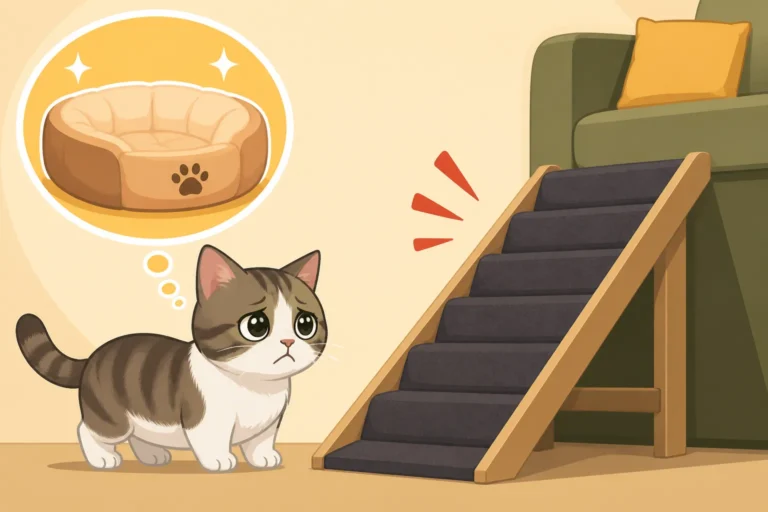
The constant, unyielding pressure of excess weight acts as a catalyst for joint degeneration in Munchkins. Their unique limb structure means that their joints, particularly in the shoulders, elbows, and even hips, are subjected to higher forces with every movement. A lean Munchkin might manage these forces well, but an overweight one will experience accelerated wear and tear on cartilage and bone. This leads to earlier onset and more severe osteoarthritis, manifesting as stiffness, pain, reduced flexibility, and a reluctance to move or play. We often see it first in their front legs, as Why a Munchkin's Shoulders Wear First and What Repeated Landing Does to a Munchkin's Elbows explain. Imagine your cat struggling to climb onto a low sofa or even enter their litter box without discomfort. This isn't just an inconvenience; it's a significant reduction in their quality of life, making pain management a daily necessity rather than a senior-cat consideration.
Other Weight-Related Complications
Beyond the skeletal impacts, an overweight Munchkin is also at a much higher risk for the general health problems associated with feline obesity. These include conditions like diabetes mellitus, which can be particularly challenging to manage in any cat, let alone one with potential mobility issues. Liver lipidosis (fatty liver disease) is another serious concern, often triggered by rapid weight loss in an already overweight cat. Additionally, the extra fat acts as an insulating layer, making them more susceptible to overheating. Cardiovascular strain is also a real danger; a heavier body means the heart has to work harder to pump blood, increasing the risk of heart disease over time. While not specific to the breed, understanding Whether a Munchkin Is Prone to Diabetes underscores the general susceptibility to these issues that can become more severe with weight. Their low-slung bodies also mean their bellies are closer to the ground, and for an overweight Munchkin, this can lead to skin irritation, hygiene issues, and even matting in areas they can't reach to groom, creating a vicious cycle of discomfort and further reduced mobility.
Practical Strategies for Weight Management
Knowing the risks is half the battle; the other half is implementing effective strategies to keep your Munchkin at a healthy weight. This requires a dedicated approach focusing on diet, exercise, and consistent monitoring. It's a commitment, but one that pays dividends in your cat's comfort and longevity.
Precise Calorie Control and Diet
The foundation of weight management for any cat, especially a Munchkin, is precise calorie control. These little cats don't burn as many calories as their long-legged counterparts because they expend less energy jumping and climbing. This means their daily caloric intake needs to be carefully monitored. Simply “eyeballing” portions is a recipe for disaster. Invest in a digital kitchen scale to accurately weigh out their food, or use precise measuring cups that you can find on sites like Amazon. Consult with your veterinarian to determine the ideal caloric intake for your individual Munchkin based on their age, activity level, and current body condition. Look for high-quality, protein-rich cat foods that support muscle mass without excessive fat or fillers. Many pet supply retailers, such as Chewy, offer a wide range of joint-supporting foods and supplements that might be beneficial. Remember that treats also contribute to their daily calories; consider using low-calorie options or incorporating a portion of their daily kibble as treats. Pre-portioned meals can also simplify calorie management. Understanding How Many Calories a Munchkin Needs to Stay Off Its Joints is crucial here. Also, always weigh their food, as Why a Munchkin's Portion Should Be Weighed explains, because a simple measuring cup can be quite inaccurate, leading to accidental overfeeding.
Encouraging Movement and Play
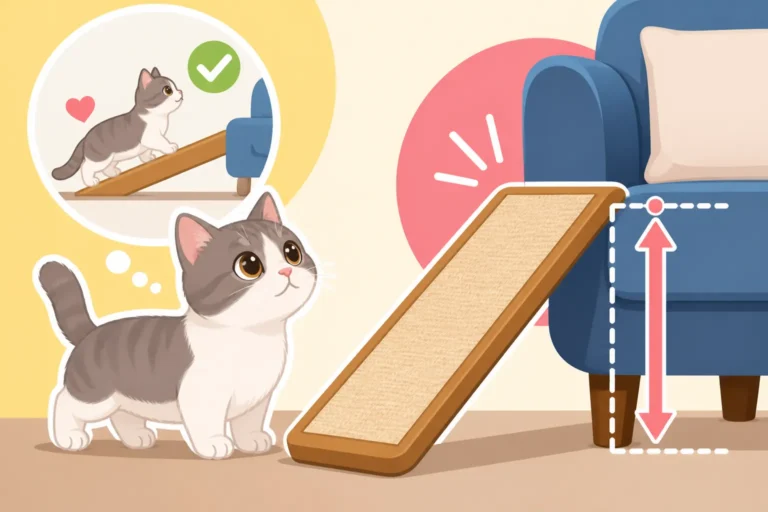
While Munchkins might not be Olympic jumpers, they are incredibly playful and active on the ground. Encouraging this natural floor-level activity is vital for calorie expenditure and maintaining muscle tone. Provide a variety of toys that engage them at their height – laser pointers, feather wands that can be dragged along the floor, crinkle balls, and puzzle feeders that require them to move around. Set up tunnels and low-level obstacle courses that cater to their ferret-like dashes. Rather than vertical cat trees, opt for horizontal scratchers or cat trees with very close-set platforms that they can easily navigate without strenuous jumping. Remember, How Much Floor Level Play a Munchkin Needs is often more than we think. Supervised play sessions multiple times a day are far more beneficial than leaving toys out all the time. If your Munchkin is amenable and you have a safe, enclosed outdoor space free from dogs, a harness and leash walk can be a wonderful way for them to explore and exercise. Just ensure the harness fits correctly and they feel secure.
Regular Vet Check-ups and Monitoring
Consistent veterinary care is your best friend in managing your Munchkin's weight. Regular check-ups allow your vet to assess their body condition score, weigh them accurately, and discuss any concerns about their diet or mobility. They can help you set realistic weight goals and adjust their feeding plan as needed. Don't wait until you think your cat is overweight; proactive monitoring is key. At home, get into the habit of weighing your Munchkin weekly or bi-weekly. A baby scale works perfectly for this, or you can weigh yourself, then weigh yourself holding your cat, and subtract the difference. It's also important to regularly feel along your Munchkin's ribs and spine. You should be able to feel their ribs with slight pressure, and they should have a discernible waist when viewed from above. Learn How to Score a Munchkin's Body Condition and How to Weigh a Munchkin Weekly for effective home monitoring. If you notice any changes in their gait, a reluctance to play, or difficulty with movements they once found easy, it's time for a vet visit. Early detection of joint pain or stiffness can lead to earlier intervention and better long-term outcomes.
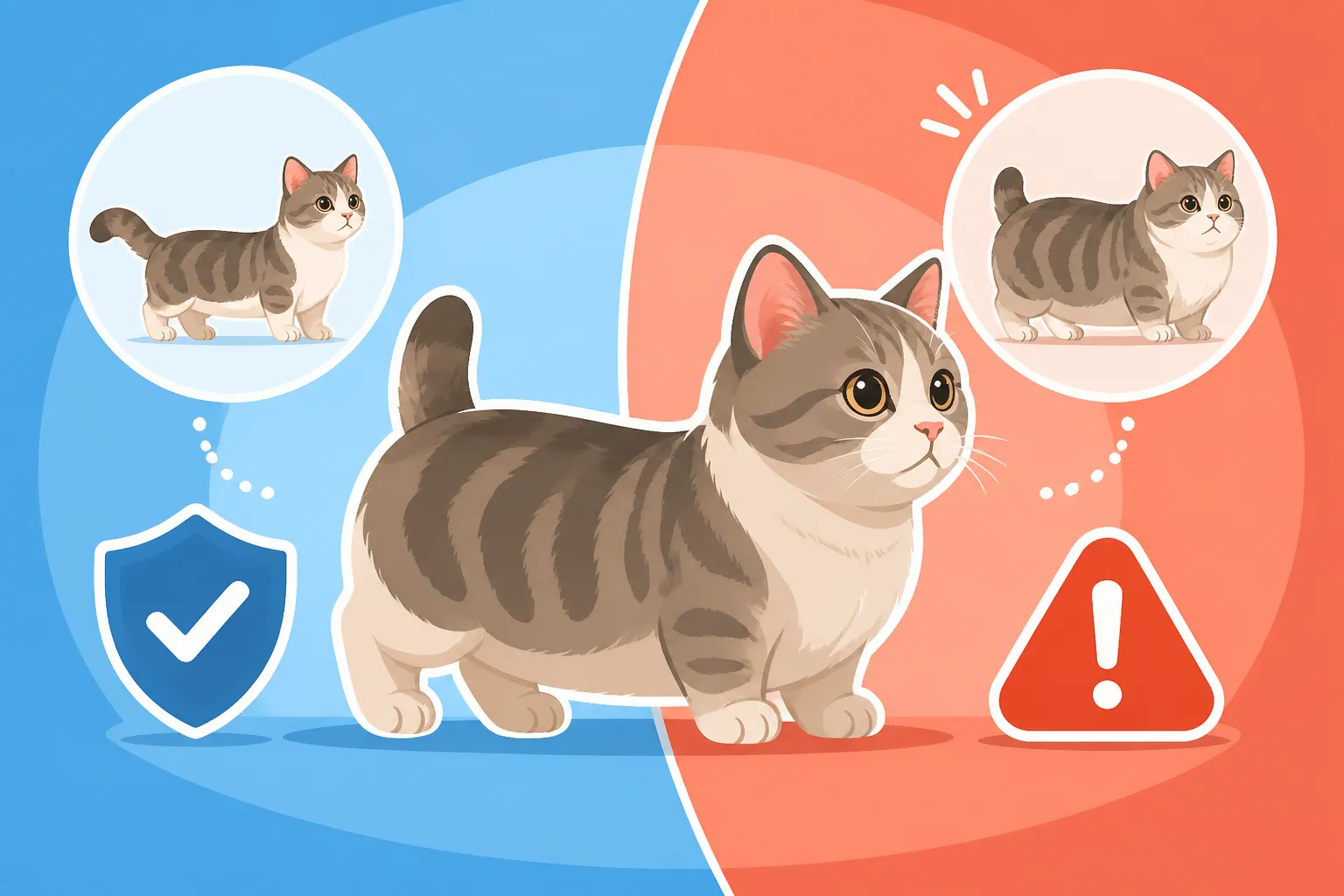
Munchkin Weight Management: Ideal vs. Overweight
To really drive home why every extra pound matters, let's look at the stark differences in health and daily life between a Munchkin at an ideal weight and one carrying too much.
| Aspect of Health & Life | Ideal Weight Munchkin | Overweight Munchkin |
|---|---|---|
| Joint Health & Mobility | Agile, good range of motion, jumps low heights easily, minimal joint pain, slower onset of arthritis. | Stiff, reduced range of motion, struggles with even low jumps, chronic joint pain, early onset and rapid progression of arthritis. |
| Spinal Health | Less strain on the spine, lower risk of exacerbating conditions like lordosis. | Increased pressure on spine and organs, higher risk of lordosis worsening, potential breathing difficulties. |
| Energy Levels & Playfulness | Energetic, enjoys floor-level play, curious and active. | Lethargic, less interested in play, tires easily, prefers to lie down. |
| Grooming & Hygiene | Can easily reach all parts of its body for grooming, clean rear and belly. | Struggles to groom hindquarters and belly, prone to matting, skin irritation, and litter box hygiene issues. |
| Overall Health & Lifespan | Lower risk of diabetes, heart disease, and liver issues, better quality of life, potentially longer lifespan. | Higher risk of diabetes, heart disease, liver problems, breathing issues, reduced quality of life, potentially shortened lifespan. |
Ultimately, caring for a Munchkin means making their unique physical needs a priority. While their short legs are incredibly endearing, they also require us to be extra vigilant about their weight. Every extra pound truly does matter, and by focusing on a proper diet, encouraging appropriate activity, and maintaining regular veterinary care, you can ensure your adorable companion lives the happiest, healthiest life possible.
Disclaimer
This article is for general informational purposes only and does not constitute professional advice. Laws, prices and regulations vary by location and change over time. Consult a qualified professional for guidance on your specific situation.