Why a Tall Post Is Wasted on a Munchkin
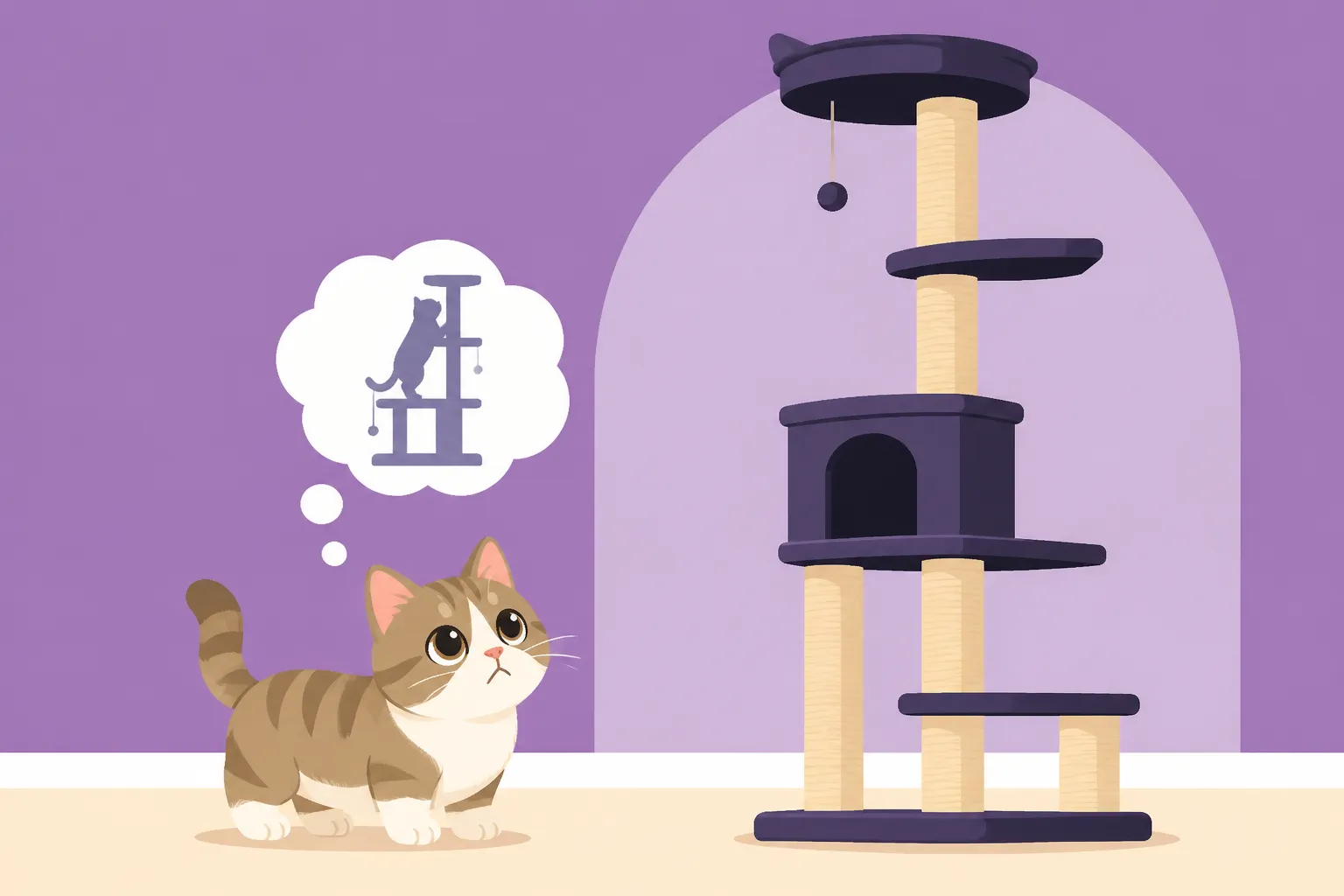
It’s a common sight: a cat owner brings home a beautiful, tall scratching post, maybe a multi-level cat tree, envisioning their feline friend gracefully stretching and sharpening their claws. But if your beloved companion is a Munchkin cat, you might quickly find that a tall, traditional scratching post becomes an expensive, untouched piece of furniture. The truth is, due to their uniquely short stature, many standard cat products simply don't cater to a Munchkin's physical needs, and a tall scratching post is often at the top of that list of well-intentionintentioned but ultimately unsuitable purchases. This guide will help you understand why tall posts don't work for Munchkins and how to choose and set up the best scratching solutions for their comfort and health.
The Anatomy of the Problem: Why Tall Posts Fail a Munchkin
It’s not that your Munchkin doesn’t want to scratch and stretch; it's that their body isn't designed for the same vertical reach as a long-legged cat. Understanding these physical differences is key to providing them with appropriate enrichment and preventing unnecessary strain.
The Munchkin's Unique Physical Limitations
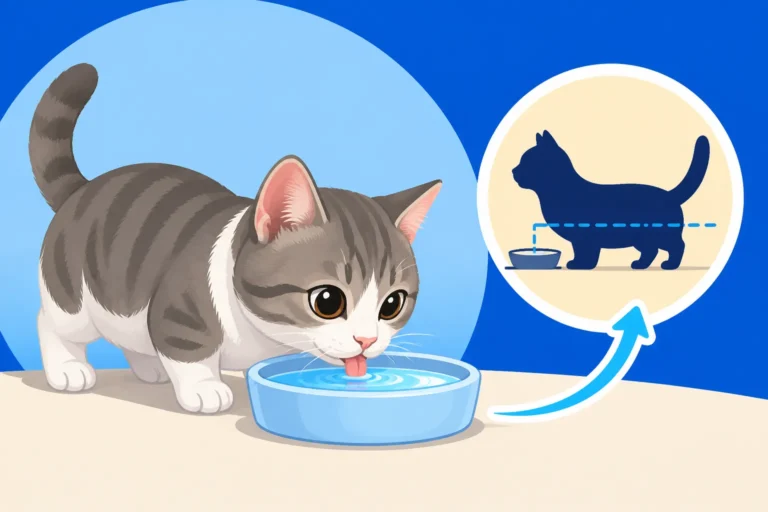
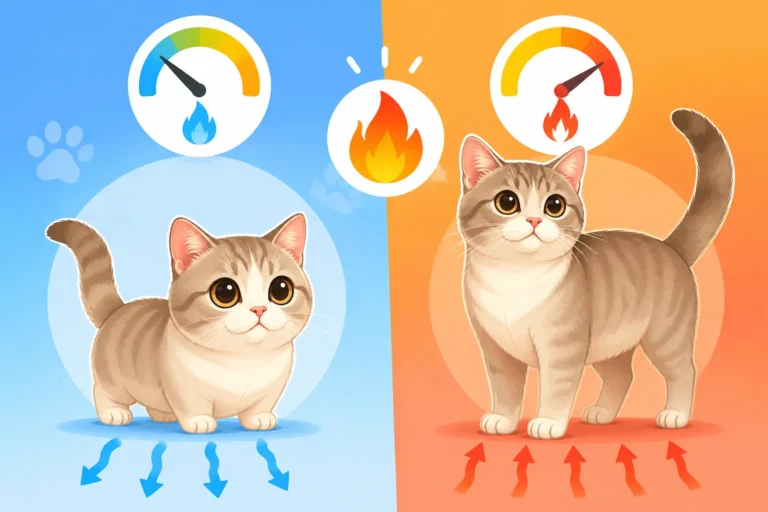
Munchkin cats are famous for their endearing short legs, a characteristic caused by a genetic mutation known as pseudoachondroplasia. While their bodies are otherwise typically proportioned and flexible, their abbreviated limbs drastically reduce their vertical reach. Imagine trying to do a full-body stretch on a pull-up bar when your arms are only half as long as everyone else's. That's a bit like what a tall scratching post asks of a Munchkin.
When a long-legged cat approaches a tall scratching post, they can easily stretch their entire body upward, extending their front paws to the top and arching their spine to get that satisfying, full-length stretch that is so vital for their muscles and flexibility. A Munchkin, however, can only reach so high. Their front legs simply aren't long enough to engage with the upper portions of a tall post in a meaningful way. They might attempt a small stretch, but it's often awkward and incomplete, leaving them unable to properly condition their claws or fully engage the muscle groups that need stretching. This is a fundamental difference in how they interact with their environment, and it's important to remember that Why a Munchkin's Legs Are Short but Its Body Is Not means their body isn't proportionally tiny; just their legs.
The Risk of Incorrect Stretching and Joint Strain
Beyond just being ineffective, forcing a Munchkin to try and stretch on an unsuitably tall post can actually be detrimental to their health. Cats scratch not just to sharpen their claws but also to stretch their muscles, relieve stress, and mark their territory. If a Munchkin repeatedly tries to use a post that's too high, they might contort their body into unnatural positions, straining their back, shoulders, and elbows.
Consider the potential for spinal issues. While a healthy Munchkin's spine is generally considered normal in length and structure, any excessive or unnatural bending and stretching can put undue stress on it. Conditions like lordosis, a spinal curvature where the spine sags inward, are a concern for some Munchkins, and forcing awkward stretches could exacerbate such issues or contribute to discomfort. What Lordosis Does to a Munchkin is a serious consideration, and anything that puts extra strain on their delicate backs should be avoided. The repeated stress on their shoulders and elbows, which are already taking a significant load from their low-to-the-ground posture, can accelerate wear and tear, potentially leading to earlier onset of joint pain or arthritis. Why a Munchkin's Shoulders Wear First is a topic many owners grapple with, and providing appropriate scratching surfaces is one small but important way to mitigate this.
Effective Scratching Solutions for Your Munchkin
So, if tall posts are out, what does work for these adorable short-legged felines? The good news is there are plenty of excellent, Munchkin-friendly options that cater to their unique physical needs.
Horizontal Scratchers: The Unsung Heroes
For many Munchkins, horizontal scratchers are the absolute champions. These come in various forms and are fantastic because they allow your cat to stretch forward naturally, engaging their claws and muscles without needing to reach upwards.
- Cardboard Scratchers: These are often flat or come in wave shapes, providing an irresistible surface for scratching. They’re usually infused with catnip, making them even more appealing. You can find a huge variety of these on Amazon or at local pet stores like those supplied by Chewy. They’re affordable and disposable, though you’ll need to replace them periodically as they get shredded. The key is to place them directly on the floor where your Munchkin can easily access them for a good, flat stretch.
- Sisal Mats: Similar to cardboard scratchers, sisal mats lay flat on the floor or can be secured to a low surface. Sisal is a durable, rough material that cats love to sink their claws into. These tend to last longer than cardboard and can often be flipped over for extended use. Some even have non-slip backing, which is perfect for preventing frustration as your Munchkin uses their full body weight to scratch. Whether a Horizontal Scratcher Suits a Munchkin is a resounding yes for many owners.
Shorter, Sturdy Posts and Ramps
While tall posts are generally a no-go, a shorter, sturdy vertical post can still be a great option for your Munchkin, provided it's at an appropriate height.
- Low Vertical Posts: Look for posts that are no taller than 12-18 inches. This allows your Munchkin to stretch upwards to a comfortable degree without overextending. Ensure the post is incredibly stable, with a wide, heavy base, so it won't wobble or tip when your cat puts their weight into it. Sisal rope is usually the best material for these posts, as it offers excellent grip and shredding satisfaction. A great example of a suitable choice might be found under Which Scratching Post a Munchkin Can Use.
- Ramp Scratchers: These genius inventions combine the best of both worlds. A ramp scratcher provides an inclined surface covered in sisal or corrugated cardboard. Your Munchkin can walk up the ramp and scratch at an angle that feels natural and comfortable for their short legs. It offers a different stretching dynamic than a purely horizontal scratcher and can be a fantastic way to encourage varied scratching behavior. These ramps often serve a dual purpose, also helping your Munchkin access low furniture or window sills.
Let's look at a quick comparison of common scratching solutions:
| Scratching Post Type | Suitability for Munchkins | Pros | Cons |
|---|---|---|---|
| Tall Vertical Post | Poor | None (for Munchkins) | Too high for full stretch, risk of strain, unused |
| Short Vertical Post | Good | Allows comfortable vertical stretch | Must be very sturdy and appropriate height |
| Horizontal Scratcher | Excellent | Natural horizontal stretch, easy access | Cardboard needs frequent replacement, can move if not anchored |
| Ramp Scratcher | Excellent | Angled stretch, versatile, good for climbing | May take up more floor space |
| Sisal Mat | Excellent | Durable, good grip, easy to place | Can move if not anchored, limited height for stretching |
Setting Up Your Home for Scratching Success
Providing the right type of scratcher is only half the battle; knowing where to put them and how to encourage your Munchkin to use them is equally important.
Strategic Placement: Where to Put Scratchers
Cats are creatures of habit and territory, and their scratching locations are often deliberate. To maximize the chances of your Munchkin using their new scratchers, place them strategically in key areas around your home.
- Near Sleeping Spots: Cats love a good stretch and scratch right after waking up from a nap. Placing a horizontal scratcher or a low vertical post near their favorite bed or napping spot is usually a surefire win.
- By Entryways/Exits: These are often prime territorial marking spots. A scratcher near a doorway or main thoroughfare in your home gives your Munchkin a chance to "greet" you and mark their presence.
- Problem Areas: If your Munchkin has developed a habit of scratching furniture, place an appropriate scratcher directly in front of or very close to that spot. This provides an acceptable alternative that is immediately accessible.
- Around the House: Don't limit yourself to just one scratcher. Cats often like to scratch in different areas and on different textures. Having multiple options dotted around the house means your Munchkin is always within easy reach of an appropriate scratching surface. Remember, for a Munchkin, everything needs to be considered at floor level, so don't expect them to climb high for an option. This ties into the general principle of How to Set Up Floor Level Enrichment for a Munchkin.
Encouraging Use: Making Them Appealing
Sometimes, even the perfect scratcher needs a little nudge to become a favorite. Positive reinforcement and enticing scents can work wonders.
- Catnip: A sprinkle of catnip on a new scratcher can make it instantly more appealing. Many cardboard scratchers even come pre-infused. Just a little bit can pique their interest and encourage them to explore and scratch.
- Treats and Praise: When you see your Munchkin using a scratcher, offer immediate praise and a small treat. This positive association will reinforce the desired behavior.
- Demonstrate (Gently): You can gently take your Munchkin's paws and mimic a scratching motion on the post, or scratch it yourself to show them what to do. Be careful not to force them, as this can create a negative association.
- Vary Textures: Offer a mix of cardboard, sisal rope, and sisal fabric. Your Munchkin might have a preference, and providing variety ensures they have options that truly satisfy their scratching instincts. This varied engagement also contributes to How Much Floor Level Play a Munchkin Needs, keeping them active and stimulated.
Beyond the Scratch: Comprehensive Grooming & Joint Care
While scratching posts are essential for claw health and stretching, a Munchkin's unique physique impacts other aspects of their care too.
Grooming the Hard-to-Reach Places
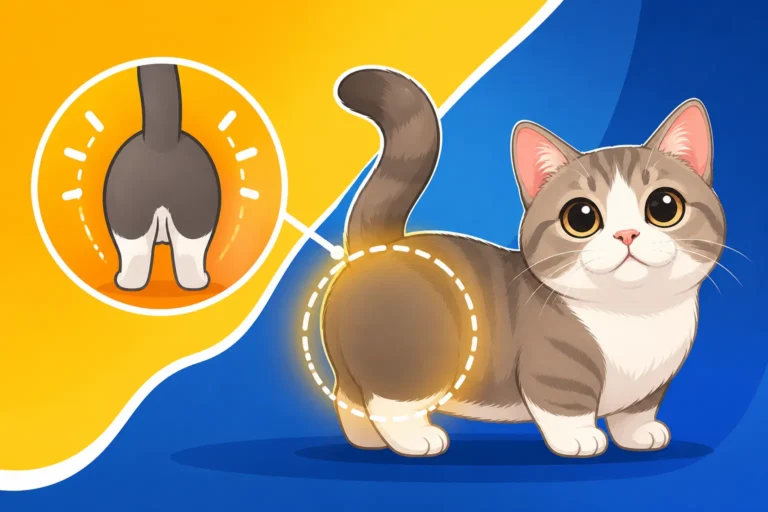
A tall scratching post isn't the only thing a Munchkin struggles with due to its short legs. Their reduced reach also means they can't effectively groom certain parts of their body, particularly their hindquarters and the underside of their belly. This isn't just an aesthetic issue; it can lead to health problems.
Areas like their rear end can become matted, especially if they are long-haired, or if they have trouble cleaning themselves thoroughly after using the litter box. Their short legs mean they might drag their belly closer to the ground, picking up debris or becoming soiled. As a responsible Munchkin owner, you’ll need to step in and provide regular grooming assistance. This means frequent brushing, checking for mats, and potentially giving them a sanitary trim, especially for long-haired varieties. Neglecting these areas can lead to skin irritation, infections, and discomfort. Truly, Which Parts of Itself a Munchkin Cannot Reach necessitates a proactive approach from their human companions.
Supporting Joint Health Through Appropriate Activity
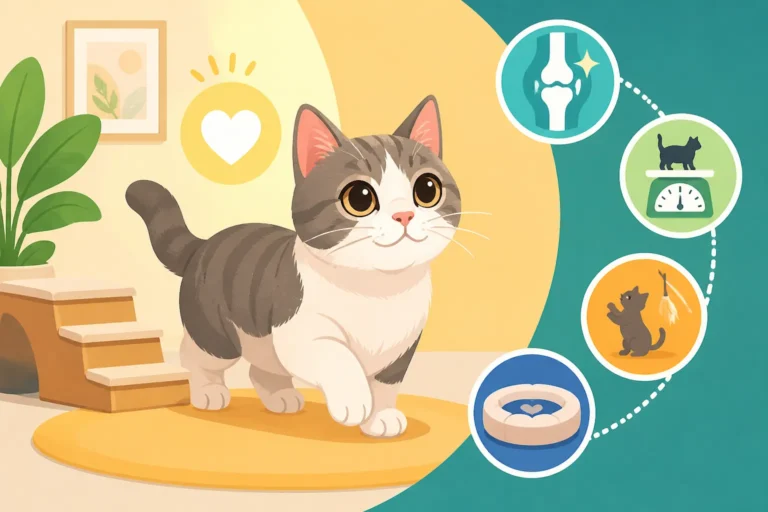
The right scratching surfaces play a small but significant role in a Munchkin's overall joint health by allowing them to stretch without strain. However, a broader approach to joint care is crucial for this breed.
- Weight Management: This is perhaps the single most important factor in a Munchkin's long-term joint health. Every extra ounce of weight places disproportionate stress on their short legs and spine. A lean body condition is paramount. Discussing diet and weight with your vet is vital, and consistent portion control is key. Why Weight Is More Dangerous on a Munchkin cannot be overstated. Consider joint-supporting foods or supplements, though always check with your vet before introducing new supplements to their diet.
- Ramps and Steps: To minimize jumping and impact on their joints, integrate ramps and steps throughout your home. This allows them to easily access furniture like sofas, beds, and even window perches without putting undue stress on their legs and spine. Ramps and Steps Are Munchkin Equipment, Not Luxuries – they are essential tools for maintaining your cat's mobility and preventing injury.
- Gentle Play: Encourage plenty of floor-level play that focuses on chasing and pouncing rather than high-impact jumping. Use wand toys, laser pointers, and small rolling toys to keep them active and engaged, strengthening their muscles without straining their joints.
By understanding your Munchkin's unique physical needs and proactively providing appropriate scratching solutions, grooming assistance, and overall joint support, you're not just preventing problems; you're ensuring they lead a happy, comfortable, and fulfilling life.
Disclaimer
This article is for general informational purposes only and does not constitute professional advice. Laws, prices and regulations vary by location and change over time. Consult a qualified professional for guidance on your specific situation.