Why an Old Munchkin’s Ramps Need Regrading
It's a familiar scenario for many Munchkin owners: the ramps you painstakingly installed years ago, which your spirited little cat used with effortless grace, now seem to be causing a struggle. Your senior Munchkin might hesitate, take a slower route, or even stop using them altogether. This guide will walk you through why those once-perfect ramps might no longer be suitable for your aging companion and how to adapt your home to keep them comfortable and mobile.
The Unseen Toll of Time: Why Ramps That Worked Suddenly Don't
Just like us, cats experience physical changes as they age. What was once an easy climb or descent can become a daunting task for an older Munchkin whose body isn't quite as agile as it once was. These changes are often subtle at first, making it easy to miss why your cat's relationship with their ramps has shifted. It's not that they're being stubborn; their bodies are simply telling them it's harder than it used to be. What an Old Munchkin Stops Being Able to Do
Gradual Joint Stiffness and Arthritis
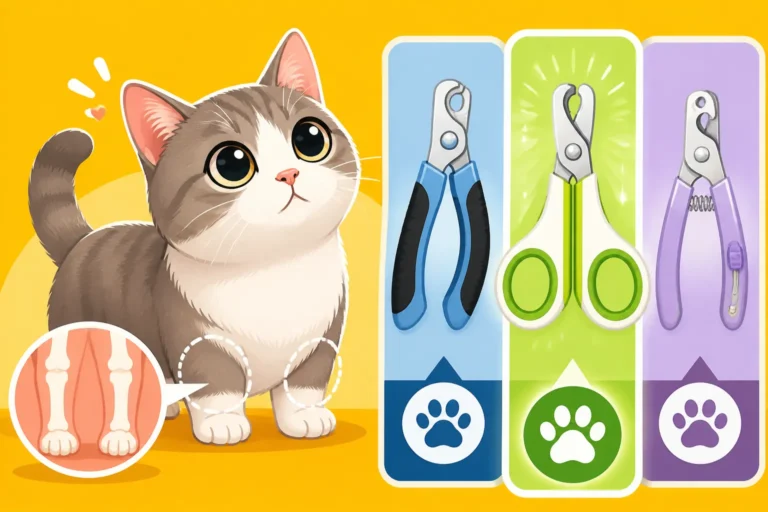
One of the most common culprits behind an aging Munchkin's reluctance to use ramps is the onset of arthritis. While all cats can develop osteoarthritis, a Munchkin's unique conformation can place different stresses on their joints. Their short legs mean their joints, particularly in their shoulders, elbows, and hips, are constantly working against gravity in a different way than a long-legged cat. Over years of activity, this can lead to wear and tear. Imagine trying to navigate a ramp with stiff, achy knees or hips; that's often what your senior Munchkin is experiencing. The inflammation and pain make movements that were once fluid now jerky and uncomfortable. They might appear stiff after resting, move slower, or even limp slightly, especially on their front legs which bear a significant amount of impact during movement. How Arthritis Shows in a Munchkin's Front Legs
This isn't just about sharp pain; it's a chronic, dull ache that can make them hesitant to engage in activities that cause discomfort. A ramp that felt fine with supple joints can feel like traversing a gauntlet when every step sends a jolt through an arthritic limb. Even mild stiffness can greatly reduce their willingness to engage with their environment.
Decreased Muscle Strength and Balance
As cats age, they naturally lose muscle mass, a process known as sarcopenia. This loss of muscle isn't just about looking less toned; it directly impacts their strength, stability, and coordination. A younger Munchkin can spring up a ramp with ease, relying on strong hind legs and core muscles to propel them. An older cat, however, might find those muscles simply aren't strong enough to provide the same power. This means they might struggle with the initial push-off or lack the sustained strength to make it all the way up.
Furthermore, balance can decline with age. Their proprioception, the body's awareness of its position in space, may not be as sharp. This can make a ramp feel unstable, especially if it has a slight wobble or a slippery surface. You might notice them placing their paws more deliberately, or even swaying slightly. A loss of balance can make them fear a fall, leading to avoidance of elevated surfaces entirely. For a cat whose entire mobility strategy revolves around careful navigation and precise movements, a decline in strength and balance can be incredibly limiting and even frightening. Why an Old Munchkin Stops Using Its Ramp
Changes in Vision and Confidence
It’s easy to overlook that our cats' senses also diminish with age. A senior Munchkin might not see as clearly as they once did. Their depth perception might be less accurate, making it harder to judge the start and end of a ramp or the distance to the next step. Changes in lighting can exacerbate this; a ramp that's perfectly lit during the day might be a shadowy, indistinct blur at night, especially if they're developing cataracts or other age-related eye conditions.
This visual impairment can severely impact their confidence. Imagine walking up a ramp in the dark; you'd be much more cautious and prone to hesitation. For a Munchkin, this translates into a reluctance to use ramps that once felt safe and predictable. They might prefer to stay on ground level rather than risk a misstep or a fall, leading to a noticeable change in their routine and engagement with furniture. Patience and understanding are key here, as their refusal isn't defiance, but often a genuine limitation or fear.
Assessing Your Current Mobility Setup: What to Look For
Before you start tearing out and replacing all your existing ramps, it's a good idea to thoroughly assess them. Sometimes, small adjustments can make a world of difference. You need to look at your home from your Munchkin's perspective, literally getting down on their level to observe their struggles and identify potential hazards. How to Arrange a Munchkin's Room in One Plane
Evaluating Ramp Angle and Length
The angle of your ramps is paramount for an aging cat. What might have been a perfectly acceptable incline for a young, spry Munchkin can become a treacherous slope for one with aching joints and waning strength. A steep ramp requires more effort and places greater stress on their legs and spine, particularly on the front limbs during descent. Observe your cat: do they seem to labor going up? Do they hesitate at the top or bottom, looking for an easier way? Do they come down with a visible jolt, impacting their front legs?
The length of the ramp also plays a role. A longer ramp, even if it covers the same vertical distance, will naturally have a shallower incline. If your current ramps are short and steep, adding length could be a simple solution. Look for signs that your cat is struggling with traction or feeling unsteady on the current incline. You might even consider using a protractor app on your phone to measure the angle of your existing ramps to get a baseline for comparison.
Checking Surface Grip and Stability
A slippery surface is a major deterrent for any cat, but it's especially dangerous for a senior Munchkin. Smooth wood, plastic, or even worn carpet can become slick, leading to slips and falls that can cause injury or at least a significant loss of confidence. Their paws need good purchase to climb and descend safely. Examine the ramp's surface: is the carpet worn smooth? Is there any dirt or debris reducing friction? If it's a hard surface, is there any texture or anti-slip material?
Beyond grip, stability is crucial. A ramp that wiggles, creaks, or shifts even slightly can be terrifying for an older cat with compromised balance. Check all connections, make sure it's firmly anchored against the furniture or wall, and test its weight-bearing capacity. If you notice any give, it needs to be reinforced or replaced. Cats are highly sensitive to instability, and even a minor wobble can make them avoid a ramp altogether. You can find anti-slip strips or textured runners on sites like Amazon or Chewy that can be added to existing ramps for immediate improvement.
Rethinking Placement and Access Points
Sometimes the problem isn't the ramp itself, but its placement or the access it provides. Is the ramp still in the most convenient spot? As your cat ages, their routines might change, or they might develop a preferred side to access a bed or sofa. What if the ramp used to lead to a favorite sunny spot, but now that spot is too hot or too high for them to fully enjoy? Are there obstacles around the ramp's entry or exit that make it awkward to use? A small rug bunched up, a toy left carelessly, or a piece of furniture that's been nudged out of place can all create subtle barriers.
Consider the entire 'route' your Munchkin takes. Is there a simpler, more direct path? Perhaps a less-used side of the sofa offers a better angle. Or maybe you need to add an additional ramp to a different piece of furniture so they don't have to navigate a long, complex journey just to get to their favorite nap spot. Observe your cat's natural movements throughout the day. Where do they try to go? Where do they give up? These observations will tell you exactly where new access points are most needed.
Regrading and Enhancing Ramps for Your Senior Munchkin
Once you've identified the issues, it's time to make some changes. Regrading a ramp isn't always about buying something brand new; sometimes it's about thoughtful modification and creative problem-solving to make your existing setup work better. The goal is to create pathways that are as safe, comfortable, and inviting as possible. What an Old Munchkin Needs Once Its Ramps Get Too Steep
Reducing the Incline for Easier Ascent and Descent
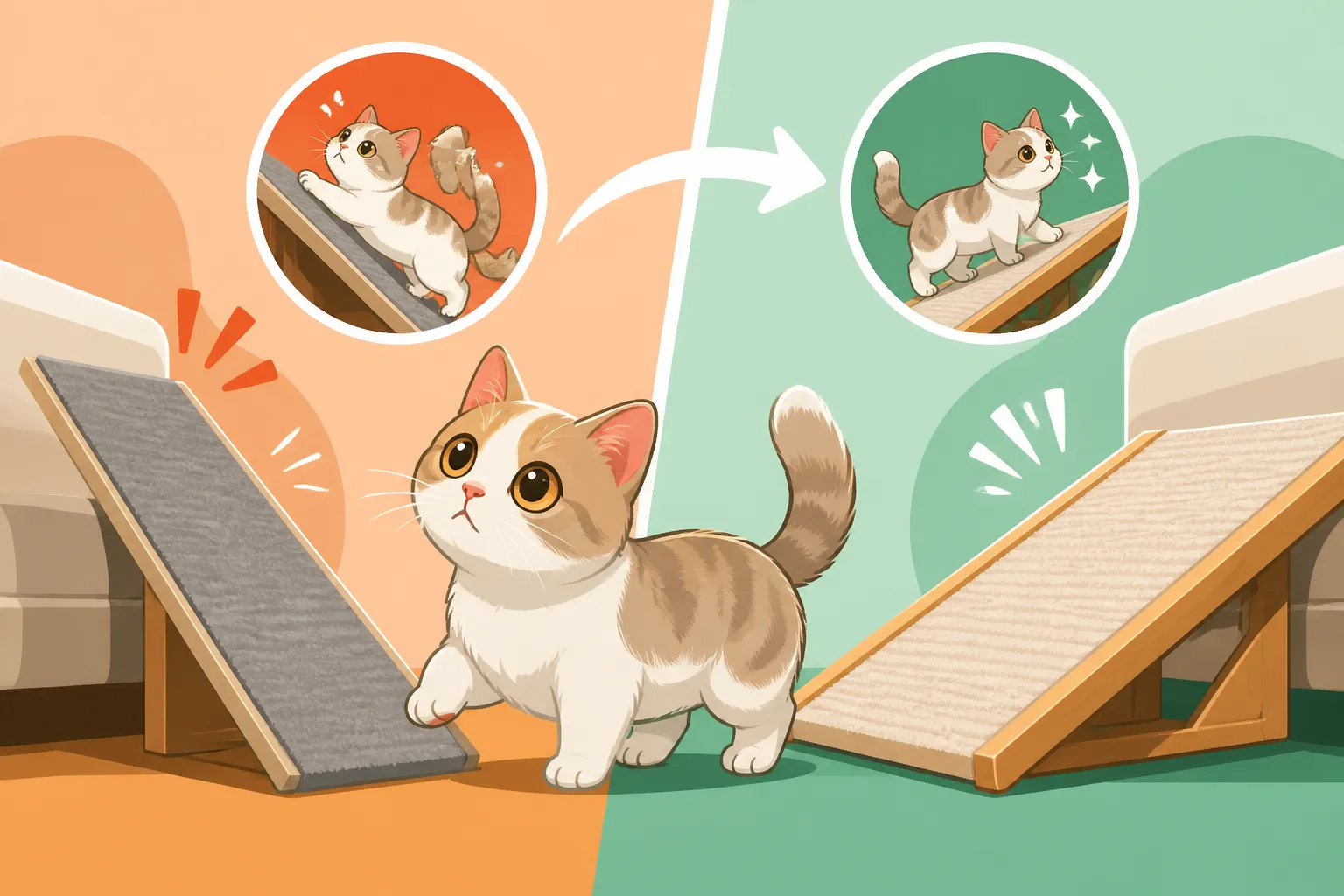
The most impactful change you can make for an aging Munchkin is to reduce the steepness of the ramp. A gentle slope is less demanding on their joints and muscles, making both climbing up and coming down much easier. There are a few ways to achieve this:
- Longer Ramps: If space allows, replacing a short, steep ramp with a longer one that covers the same vertical distance will automatically decrease the angle. You can find various lengths and styles of pet ramps on Amazon or Chewy, some specifically designed for lower inclines.
- Adding Intermediate Steps/Platforms: For taller furniture, instead of one long ramp, consider a two-stage approach. A short ramp leading to a sturdy, intermediate platform, and then another short ramp from the platform to the final destination. This breaks up the climb and allows your cat to rest if needed. How Far Apart to Space a Munchkin's Steps
- Lowering the Destination: This might sound radical, but sometimes the easiest solution is to slightly lower the piece of furniture itself. If your bed has risers, remove them. If your sofa is particularly high, consider replacing its legs with shorter ones, if feasible. Even a few inches can make a significant difference to the overall ramp angle.
Widening Paths and Adding Safety Features
Beyond the incline, making ramps wider and more secure can greatly boost your senior Munchkin's confidence. A narrow ramp can feel precarious, especially if their balance is off.
- Wider Ramps: A wider ramp provides more surface area, allowing your cat to spread their weight and feel more stable. This is especially helpful if they tend to wobble or need to shift their body position. Look for ramps specifically advertised as "extra wide" for pets, or consider custom-building one if you're handy.
- Side Rails or Edges: While cats typically don't fall off ramps, the visual cue of a raised edge or side rail can increase their sense of security. It gives them a boundary and reduces the feeling of being exposed. You can easily add small wooden strips to the sides of existing ramps to create these visual and tactile guides.
- Improved Traction: If your existing ramp surface is slippery, you need to add grip. Carpet remnants, rubber matting, or non-slip adhesive strips (available at hardware stores or online) can be applied. Ensure the material is soft enough for their paws but provides ample friction. Texture is key; think about outdoor carpet or rubberized treads.
| Ramp Feature | Ideal for Young Munchkin | Recommended for Senior Munchkin | Why the Change? |
|---|---|---|---|
| Angle/Incline | Moderate to slightly steeper (e.g., 25-30 degrees) | Gentle and shallow (e.g., 15-20 degrees or less) | Less strain on aging joints, easier for decreased strength. |
| Length | Shorter ramps acceptable for quick access | Longer ramps preferred to achieve shallower incline | Longer length naturally reduces steepness for same height. |
| Width | Standard pet ramp width (e.g., 12-16 inches) | Wider ramps (e.g., 18-24 inches) | Provides more stable footing, accommodates wobbling, boosts confidence. |
| Surface Grip | Textured carpet, good friction | Highly textured, non-slip surfaces (rubber, grooved carpet) | Prevents slips on compromised balance, reduces fear of falling. |
| Stability | Firm, minimal wobble acceptable | Absolutely rock-solid, no movement whatsoever | Boosts confidence, vital for cats with poor balance or vision. |
| Side Rails | Optional, mainly for visual appeal | Highly recommended for visual and physical security | Guides visually impaired cats, prevents accidental slips off sides. |
| Landing Areas | Direct access to furniture | Clear, unobstructed landing zones with soft footing | Easier entry/exit, reduces impact on joints. |
Exploring New Ramp Solutions and Materials
Sometimes, modifying existing ramps just isn't enough, or your current setup is beyond repair. This is when exploring new ramp solutions comes into play. The market for pet mobility aids has expanded significantly, offering more specialized options.
- Modular Ramps: These systems allow you to combine different pieces (ramps, steps, platforms) to create a custom path. This is particularly useful for complex access needs or for adapting to unique furniture heights. You can find a wide selection of modular pet stairs and ramps on sites like Amazon, with various heights and configurations.
- Custom-Built Ramps: If you're handy, building your own ramp allows for complete customization in terms of length, width, angle, and surface material. You can choose soft, low-pile carpet or rubberized matting for optimal grip and cushioning. This also ensures the ramp perfectly matches your home decor and your cat's specific needs. Just ensure all materials are safe and non-toxic.
- Pet Stairs with Shallow Rises: While the focus is on ramps, some cats might prefer stairs if the rise between each step is very shallow and the treads are deep enough for secure footing. Look for senior pet stairs from brands like Chewy that are designed with very low risers, making them less strenuous than human stairs. The key is consistent, low steps. Whether Carpeted Steps Suit a Munchkin
No matter what you choose, invest in quality materials and construction. These ramps are not just conveniences; they are essential mobility aids that will significantly impact your Munchkin's quality of life in their senior years.
Beyond Ramps: Holistic Support for an Aging Munchkin's Mobility
Ramps are a huge part of the solution, but caring for an older Munchkin's mobility is a holistic effort. It involves everything from what they eat to how they interact with their environment and, crucially, their regular veterinary care.
Weight Management and Nutritional Support
One of the single most important things you can do for an aging Munchkin's joints and overall mobility is to maintain a healthy weight. Every extra pound places undue stress on their short legs and spine, exacerbating arthritis and making movement even harder. It's a cruel cycle: pain leads to less movement, which leads to weight gain, which leads to more pain. Why an Overweight Munchkin Is in Real Trouble
- Strict Portion Control: Measure their food precisely. Don't free-feed, especially as their activity levels naturally decrease with age.
- Senior-Specific Diets: Talk to your vet about senior cat foods. These are often formulated with fewer calories and higher protein to support muscle mass while preventing fat gain. Many also include ingredients like glucosamine and chondroitin, which can support joint health. If considering fresh food, discuss specific ingredients and calorie counts with your veterinarian to ensure it's appropriate for an aging, less active cat.
- Joint Supplements: Your vet may recommend supplements containing glucosamine, chondroitin, or omega-3 fatty acids. These can help reduce inflammation and support cartilage health. They won't reverse damage, but they can slow progression and improve comfort. Which Joint Supplements Suit a Munchkin
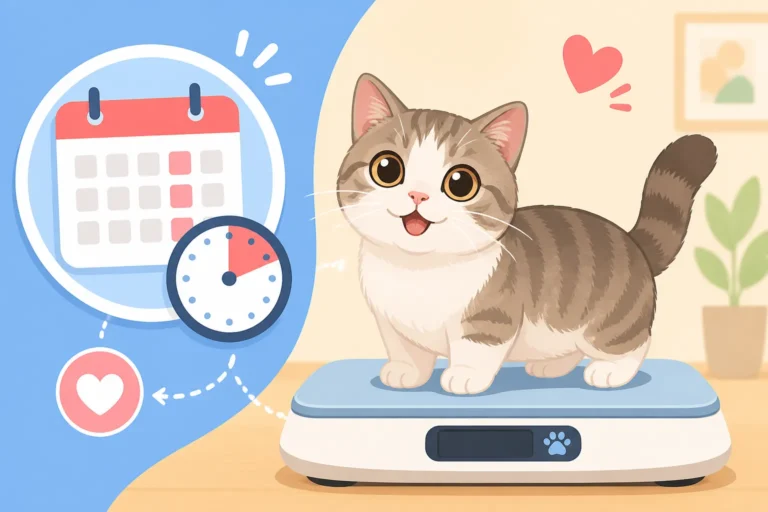
Regularly weigh your Munchkin at home and adjust their food intake as needed. You should be able to easily feel their ribs without pressing hard.
Environmental Adaptations and Gentle Exercise
Your home environment needs to evolve with your senior Munchkin. Beyond just ramps, think about their entire living space.
- Low-Entry Litter Boxes: As joints stiffen, stepping over high sides can become painful. Switch to low-entry litter boxes, or even shallow storage containers with one side cut down. Which Litter Box a Munchkin Can Actually Enter
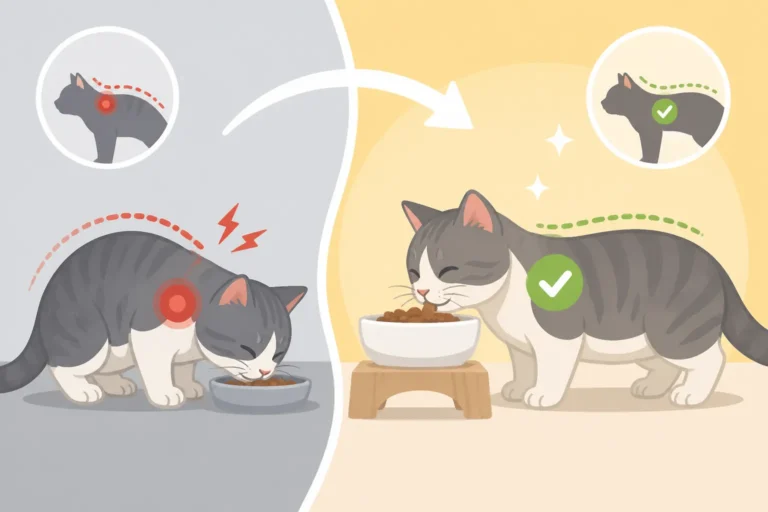
- Accessible Water and Food Bowls: Ensure food and water bowls are easily accessible on the floor, or slightly raised on low stands to prevent them from having to bend down too far, which can strain their neck and shoulders.
- Soft, Warm Beds: Provide multiple comfortable, orthopedic beds on the floor in their favorite resting spots. Older cats feel the cold more easily and appreciate extra cushioning for their joints.
- Safe Climbing Alternatives: If they can no longer jump onto a windowsill, provide a ramp or a series of low, sturdy steps. A cat tree with very closely spaced platforms is also ideal. Which Cat Tree Layout Suits a Munchkin
- Gentle Play: Encourage gentle, floor-level play to keep them moving without strain. Wand toys that can be dragged along the ground, or soft balls they can bat, are perfect. Avoid games that encourage high jumps or quick, sharp turns.
These small changes can dramatically improve their daily comfort and prevent further injury.
Regular Vet Checks and Pain Management
Finally, consistent veterinary care is non-negotiable for a senior Munchkin. Your vet is your best partner in managing age-related mobility issues.
- Routine Senior Check-ups: These typically involve blood work, urine analysis, and a thorough physical examination to catch any underlying health issues early. Your vet will assess their gait and joint health. Which Blood Values Matter Most in a Munchkin
- Pain Management: If arthritis is present, your vet can prescribe anti-inflammatory medications or other pain relief tailored for cats. Never give human pain medication to a cat, as it can be toxic. What Pain Relief a Stiff Munchkin Can Take
- Physiotherapy and Massage: Some vets may recommend feline physiotherapy or gentle massage techniques to maintain muscle tone and flexibility. This isn't just for recovery from injury; it's preventative.
- Weight Monitoring and Nutritional Advice: Your vet can help you create a tailored diet plan and monitor their weight accurately.
Being proactive and observant, and working closely with your vet, will ensure your beloved Munchkin enjoys their golden years with as much comfort and dignity as possible. They’ve given you years of joy; now it’s our turn to adapt our homes and care to their evolving needs. Caring for an Old Munchkin That Has Stopped Climbing
Disclaimer
This article is for general informational purposes only and does not constitute professional advice. Laws, prices and regulations vary by location and change over time. Consult a qualified professional for guidance on your specific situation.