What Thirteen Years of Munchkin Care Involves
Bringing a Munchkin into your life is a long-term commitment, often spanning well over a decade, and it comes with unique responsibilities that go beyond what you might expect for a typical cat. Many new owners are surprised by how different the day-to-day care can be, from specialized home setups to vigilant health monitoring. This guide will walk you through the comprehensive care involved in ensuring a happy, healthy thirteen years (or more!) with your delightful short-legged companion.
The Foundation: Adapting Your Home for a Munchkin's Lifespan
The biggest initial hurdle for many Munchkin owners isn't the cat itself, but rather the realization that their home needs to undergo a significant transformation. You can't just set up a litter box and a food bowl and expect everything to be fine; these cats simply cannot reach what other cats can, and forcing them to jump and strain can lead to serious long-term health issues. The key here is not to change your cat, but to change their environment.
Early Adaptations and Ongoing Adjustments
From the moment a Munchkin kitten steps paw into your home, you'll need to think about accessibility. This isn't just about convenience; it's about preventing injury and promoting a full, active life. Your main goal is to eliminate any situation where your cat needs to jump more than a few inches vertically.
Start with the essentials: a low-entry litter box is non-negotiable. A standard litter box with high sides might as well be a brick wall for a Munchkin, leading to accidents or undue strain. You can find excellent options on sites like Chewy or even modify a plastic storage bin yourself with a low cut-out. Similarly, think about their food and water bowls. While some people raise bowls for tall cats, for a Munchkin, it's about ensuring they don't have to crane their necks excessively. Sometimes a slightly raised bowl can help their shoulder comfort, but too high becomes a problem.
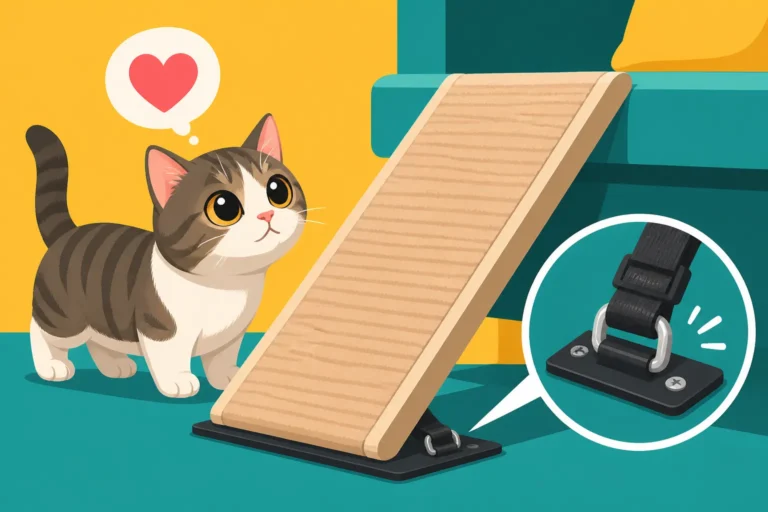
As your Munchkin grows, or as their mobility naturally declines with age, you'll be making continuous adjustments. What was once a manageable step might become a daunting climb. Sofa ramps or pet steps become invaluable for allowing them to join you on the couch without stressing their spine or joints. The same goes for beds, window perches, or any elevated spot they might enjoy. You can find a fantastic array of pre-made ramps on Amazon, or if you're handy, building custom steps can be a fun project. These aren't luxuries; they're vital tools for their long-term well-being. Think about a beloved armchair: it might be easy to hop onto now, but in eight years, that little hop could be causing discomfort, so adding a small set of steps now establishes a healthy habit.
Protecting Their Joints Through Environmental Design
Beyond ramps and low-entry points, consider the very surfaces your Munchkin navigates daily. Slippery floors like laminate or tile can be treacherous. Their short legs and unique gait mean they rely heavily on good traction. Investing in rugs, runners, or even non-slip mats, especially in high-traffic areas or at the base of ramps, can make a huge difference in preventing slips, falls, and the subsequent joint impact. Imagine trying to run on ice with very short legs – it's a constant struggle. Ensuring good grip prevents them from having to compensate or straining their muscles just to move around.
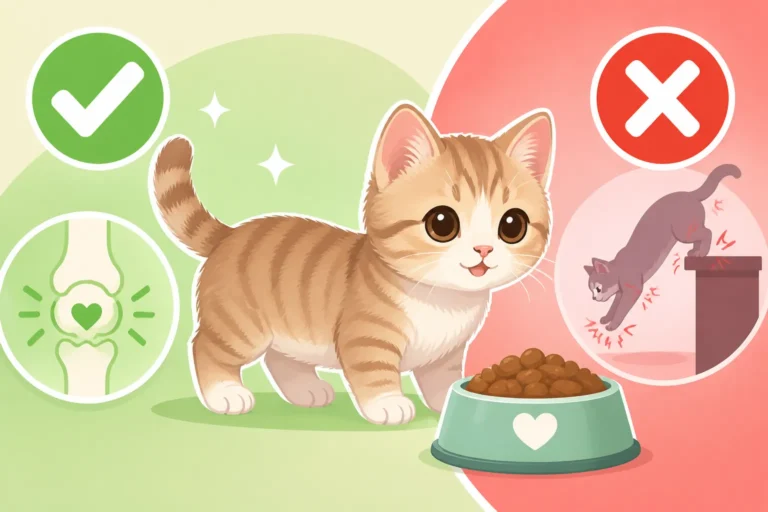
It's also crucial to actively discourage high jumps, even if your Munchkin tries to be adventurous. While they might surprise you with their vertical spring in their younger years, every hard landing puts stress on their already uniquely structured spine and leg joints. Provide alternative, safe routes to their favorite high spots. Instead of letting them try to leap onto a tall bookshelf, create a 'staircase' of sturdy, intermediate furniture pieces they can easily ascend. This proactive approach saves their joints years of wear and tear. Remember, Why a Munchkin's Spine Carries a Load a Normal Cat's Does Not due to their altered mechanics, so minimizing impact is paramount. This diligence in adapting their environment will pay dividends in their comfort and mobility as they age.
Lifelong Nutritional Management and Weight Control
One of the absolute cornerstones of long-term Munchkin care, arguably the most critical, is meticulous nutritional management and rigorous weight control. Because of their unique physique, every extra gram they carry has a disproportionately negative impact on their short legs and spine. This isn't just about looking good; it's about preventing pain and preserving mobility for their entire lifespan.
The Critical Role of Diet in Joint Health
Munchkins, by nature, often burn fewer calories than their long-legged counterparts. They don't jump as high or as often, and their overall activity level, while playful, tends to be more ground-level. This means they require a carefully calibrated diet to avoid unnecessary weight gain. You can't just free-feed a Munchkin and hope for the best; measured portions are key.
Beyond calorie control, consider a diet that proactively supports joint health. Many high-quality cat foods incorporate ingredients like glucosamine, chondroitin, and omega fatty acids, which can help maintain cartilage and reduce inflammation. While these are not a cure-all, they can certainly be a valuable part of a preventative care strategy. Discuss specific brands and formulations with your vet, especially as your Munchkin approaches middle age. Understanding How Many Calories a Munchkin Needs to Stay Off Its Joints is vital for their long-term health. A diet that is too rich or too abundant will quickly lead to excess weight, which is the enemy of their joints.
Monitoring Weight and Body Condition
Regular weight checks aren't just for puppies and kittens. For a Munchkin, they should be a lifelong habit. Weigh your cat weekly, or at least bi-weekly, to catch any upward trend before it becomes a problem. What feels like a "little extra" on a normal cat can be a significant burden on a Munchkin's frame.
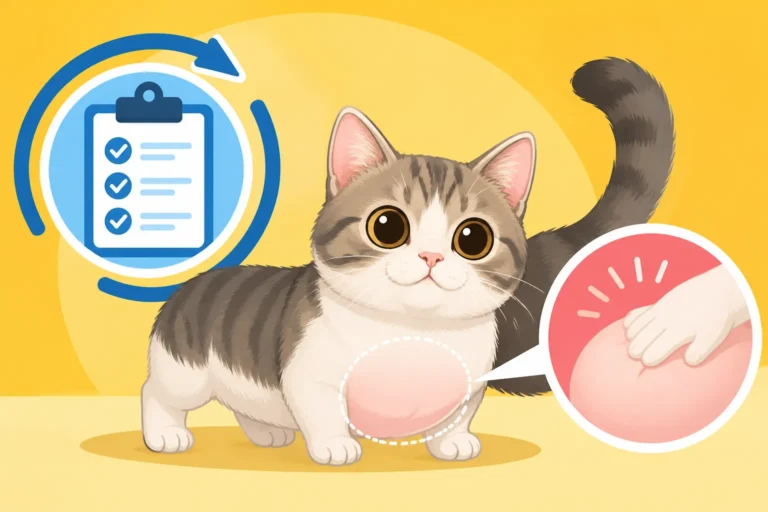
Learn to understand body condition scoring for cats. You should be able to easily feel their ribs with slight pressure, and they should have a discernible waist when viewed from above, even if their low-slung body makes them appear rounder. If their ribs are hard to find, or if they lack that waist, it's time to adjust their diet. How to Score a Munchkin's Body Condition is a skill every Munchkin owner needs to master.
The implications of even minor obesity are severe for a Munchkin. Extra weight directly translates to increased strain on their already stressed leg joints and spine, accelerating the onset and severity of conditions like arthritis. Why Weight Is More Dangerous on a Munchkin is a truth that cannot be overstated. A lean Munchkin is a mobile, comfortable Munchkin. This consistent vigilance over their plate and their waistline is arguably the most impactful thing you can do to ensure they live a long, pain-free life.
Grooming and Hygiene: Addressing Their Unique Needs
Munchkins are adorable, but their short stature and specific body conformation create unique grooming challenges that you, as their dedicated human, will need to take on. They simply can't reach and twist in the same way a long-legged cat can, leaving certain areas vulnerable to matting and hygiene issues. This isn't a "sometimes" chore; it's a regular commitment for their entire thirteen years and beyond.
The Challenges of Self-Grooming for a Munchkin
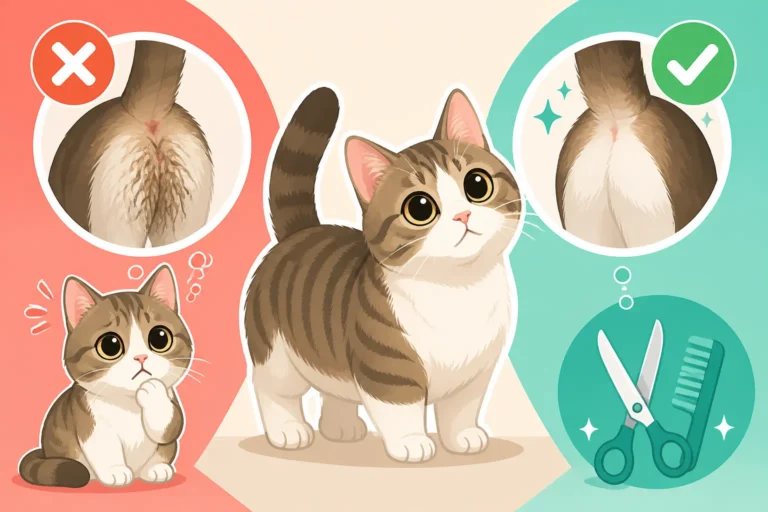
Imagine trying to clean your own back or hindquarters if your arms were significantly shorter. That's the reality for a Munchkin cat. They often struggle to adequately groom their lower back, hindquarters, and the underside of their belly. These are the areas where mats are most likely to form, especially if you have a long-haired Munchkin. Mats aren't just cosmetic; they can pull on the skin, cause discomfort, hide parasites, and lead to painful skin infections.
This means you become their personal groomer for those hard-to-reach spots. Regular brushing – daily for long-haired Munchkins, a few times a week for short-haired ones – is essential. Focus on their back, flanks, the "pants" around their hind legs, and their belly. You'll quickly discover Which Parts of Itself a Munchkin Cannot Reach and where your efforts are most needed. Gentle, consistent brushing from a young age will get them used to the routine and make it a bonding experience rather than a struggle. Neglecting this leads to discomfort and potential vet visits for painful mat removal. Why a Munchkin's Hindquarters Get Matted is a direct consequence of their unique anatomy, and it's something you must proactively manage.
Maintaining Cleanliness and Preventing Health Issues
Beyond regular brushing, a Munchkin's unique body shape requires specific hygiene attention. Because their belly often sits very close to the floor, and their hindquarters can be difficult for them to clean after using the litter box, they are more prone to getting soiled. This can lead to litter clinging to their fur or fecal matter accumulating, creating an unpleasant odor and a breeding ground for bacteria.
Many Munchkin owners find that a "sanitary clip" around their rear end, especially for long-haired varieties, is incredibly helpful. This involves carefully trimming the fur short in that area to prevent soiling. You can do this at home with appropriate clippers or have a professional groomer handle it. Regular checks of their belly fur are also important to ensure it's free of mats or dirt. Whether Matting Becomes a Health Problem in a Munchkin is a resounding yes, as severe mats can restrict movement and even cut off circulation in extreme cases.
Don't forget their teeth and ears. While not directly related to their short legs, consistent dental hygiene is crucial for all cats to prevent periodontal disease, which can lead to other health issues. Introduce toothbrushing early, using a cat-specific toothpaste. For ear cleaning, be gentle and use vet-approved solutions. The key across all these grooming tasks is consistency and making them as comfortable as possible for your Munchkin, preventing minor issues from escalating into major health problems over their long lifespan.
Proactive Veterinary Care and Senior Cat Considerations
A Munchkin's thirteen years are ideally filled with joy and companionship, but maintaining their health requires proactive and consistent veterinary care, with a special focus on their unique physical attributes. As they age, their specific needs will become even more pronounced, requiring tailored attention.
Regular Health Checks and Early Detection
Annual vet visits are a given for any cat, but for a Munchkin, these check-ups should include a thorough examination of their spine and joints. Your vet will pay close attention to their gait, palpate their back, and assess their range of motion, looking for any early signs of stiffness or discomfort. Establishing a baseline with occasional X-rays, particularly as they approach middle age (around 6-8 years old), can be incredibly useful. This provides a clear picture of their spinal and joint health, allowing for earlier detection of issues like arthritis or lordosis.
It's also important to discuss Which Blood Values Matter Most in a Munchkin with your vet. As all cats age, they become more susceptible to common senior ailments like kidney disease, hyperthyroidism, and diabetes. Early detection through routine blood panels can lead to more effective management and a better quality of life. While these aren't unique to Munchkins, any concurrent health issue can be exacerbated by their specific orthopedic challenges. For instance, an elderly Munchkin with developing arthritis will struggle even more if they also feel unwell from kidney disease. Remember, When a Munchkin Counts as Senior varies, but generally, around eight years old, you'll want to start thinking about a more comprehensive senior care plan with your veterinarian.
Supporting Mobility and Comfort in Their Golden Years
As your Munchkin enters its golden years, typically from around 8-10 years old, you'll notice natural changes in their mobility and energy levels. They might slow down, hesitate before using a ramp they once bounded up, or start finding certain spots inaccessible. This is where your proactive environmental design and close observation really pay off.
You'll need to reassess the steepness of ramps and the height of steps. What was once perfectly fine might now be too challenging. You may need to replace steeper ramps with gentler inclines or add more intermediate steps. Moving their favorite bed to floor level, or closer to their litter box, can make a huge difference in their comfort and willingness to move. Observing What an Old Munchkin Stops Being Able to Do will guide your adjustments.
Pain management for arthritis is also a critical consideration. If your vet diagnoses osteoarthritis, they might recommend joint supplements (like the ones available on Chewy), anti-inflammatory medications, or even physiotherapy. Keeping their weight strictly controlled becomes even more crucial now, as every pound is an extra burden on aging joints. Understanding How to Tell Stiffness From Old Age in a Munchkin is important; stiffness that hinders movement or causes visible pain needs veterinary attention, not just written off as "old age." Regular, gentle exercise appropriate for their mobility level, along with soft bedding and easy access to all resources, will ensure their comfort and dignity through their senior years.
| Aspect of Care | General Cat Care | Munchkin Specific Care |
|---|---|---|
| Home Environment | Vertical space, climbing opportunities | Ramps, steps, low-entry points, non-slip surfaces |
| Diet & Weight | Balanced diet, monitor for obesity | Strict calorie control, joint-supportive diet, weekly weight checks |
| Grooming | Regular brushing, occasional baths if needed | Focus on back/hindquarters, sanitary clips, more frequent brushing |
| Vet Visits (Adult) | Annual check-ups, vaccinations | Annual check-ups with spine/joint focus, consider baseline X-rays |
| Vet Visits (Senior) | Focus on kidney/thyroid, arthritis management | Intensified focus on mobility, tailored pain management, re-evaluation of home setup |
| Exercise | Varied play, jumping, climbing | Ground-level play, controlled jumps, enrichment at accessible heights |
Disclaimer
This article is for general informational purposes only and does not constitute professional advice. Laws, prices and regulations vary by location and change over time. Consult a qualified professional for guidance on your specific situation.