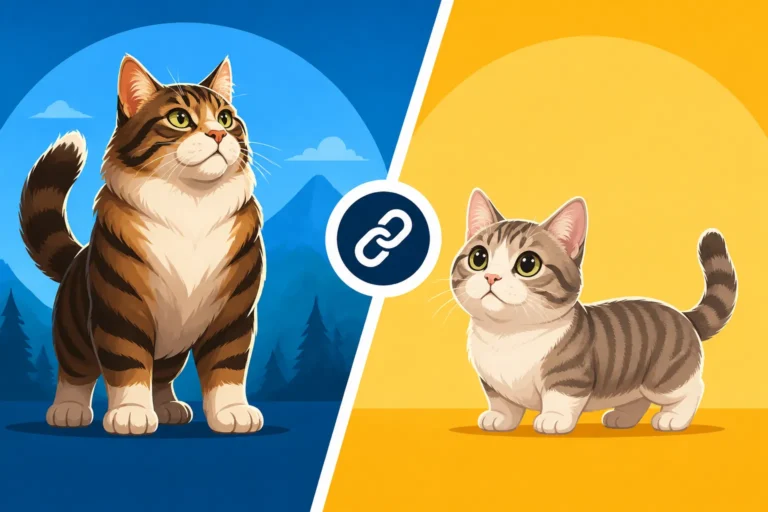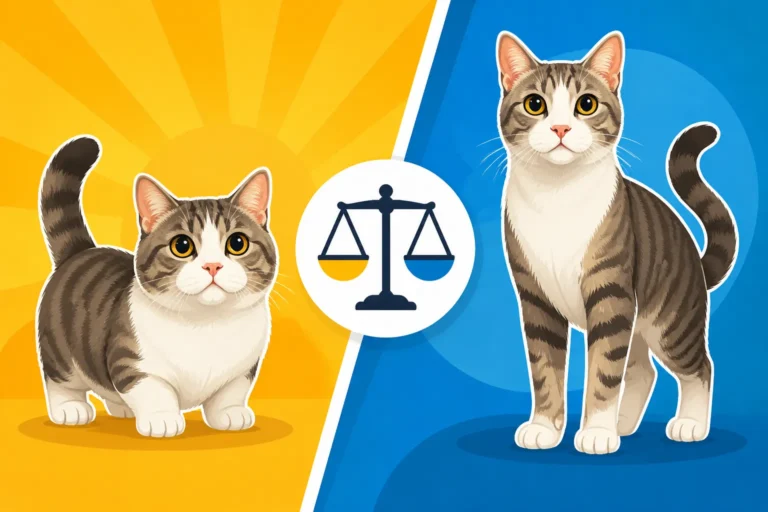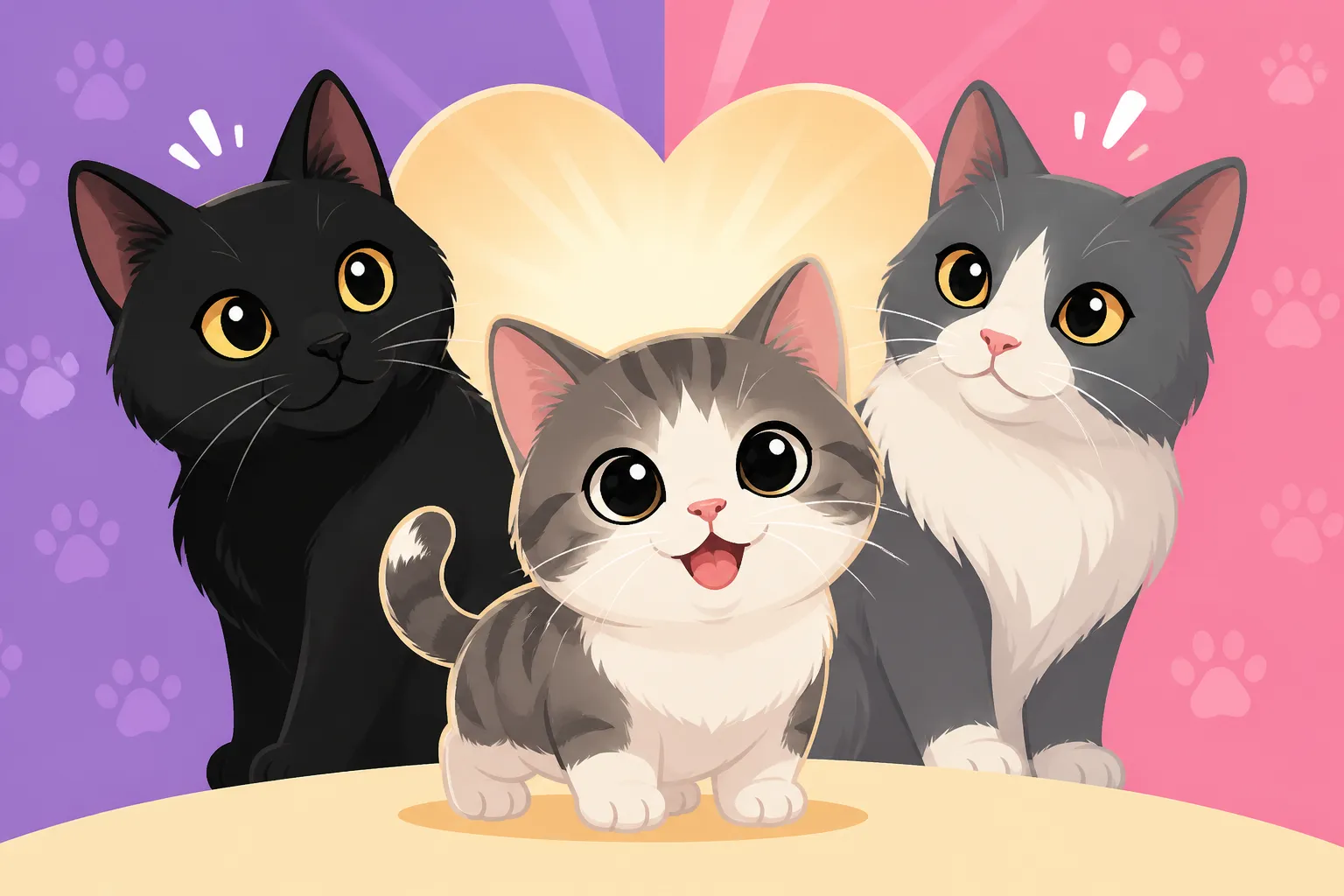
Blackberry and Toulouse Are the Two Cats Behind Every Munchkin
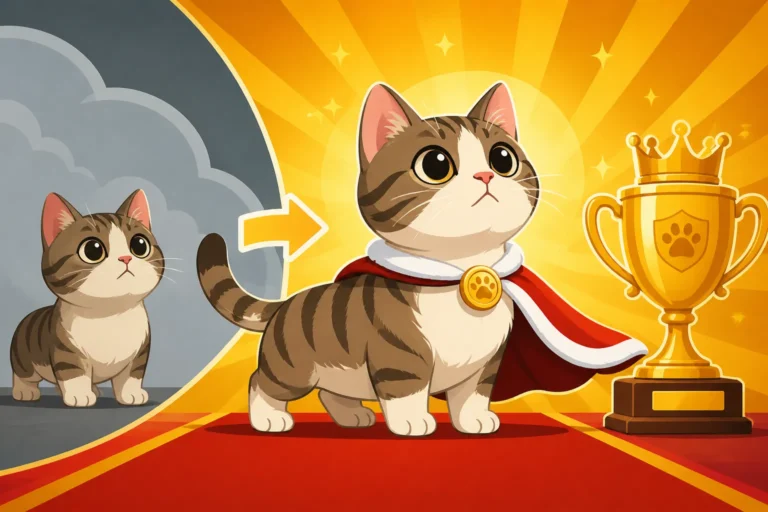
Have you ever wondered about the origins of the captivating Munchkin cat, with its signature short legs and playful demeanor? It might surprise you to learn that every single Munchkin cat you see today, whether scampering across a living room floor or gracing a show ring, can trace its lineage back to just two very special cats. This guide will delve into the remarkable story of Blackberry and Toulouse, the accidental founders who unknowingly set the stage for a unique breed, and explore the genetic and historical journey that followed.
The Genesis of a Breed: Blackberry's Accidental Discovery
The story of the Munchkin cat breed truly begins in a rather unexpected place, under a truck, in a small town in Louisiana, way back in 1983. Imagine the scene: a kind schoolteacher named Sandra Hochenedel was going about her day when she stumbled upon two pregnant stray cats. These weren't just any strays; they both had unusually short legs. It was a discovery that would, quite literally, change the feline world forever.
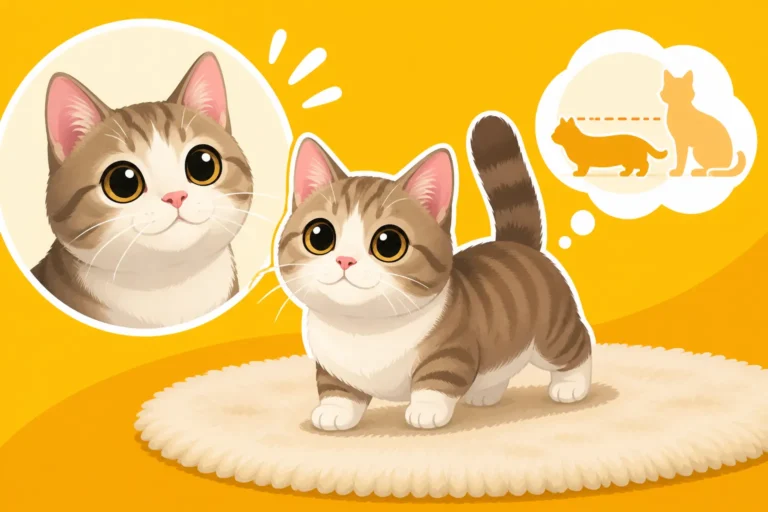
One of these cats, a long-haired black female, was named Blackberry by Sandra. Blackberry's short stature was a striking feature, making her stand out immediately from other cats. While short-legged cats had been noted in various parts of the world throughout history, this was an isolated occurrence that, this time, would not fade into obscurity. Blackberry's survival and subsequent litter would prove pivotal.
The Curious Case of Blackberry's Legs
Blackberry's short legs weren't the result of an injury or malnourishment; they were a genetic anomaly. This became evident when she gave birth to a litter of kittens, and to Sandra's surprise, about half of them inherited her unique short-legged trait. This observation was key, as it suggested a genetic component at play, rather than an environmental one. The short legs were consistent and appeared generation after generation.
This genetic characteristic, later identified as an autosomal dominant trait, meant that only one parent needed to carry the gene for it to be expressed in the offspring. Had Blackberry's short legs been a recessive trait, the entire lineage might have quickly disappeared, making her discovery far less impactful. Instead, her genetic makeup ensured that her unique characteristic had a strong chance of continuing. It's truly fascinating to consider The Munchkin Started Under a Truck in Louisiana in 1983.
A New Branch of the Family: The Arrival of Toulouse
After Blackberry gave birth to her distinctive litter, Sandra Hochenedel gifted one of the short-legged male kittens to her friend, Kay LaFrance. This kitten, named Toulouse, was another vital piece of the puzzle, forming the second half of the foundational pair from which all Munchkins descend. Toulouse embodied the short-legged trait just like his mother, Blackberry.
Toulouse's role was crucial because he helped to establish a second breeding line, ensuring that the mutation wasn't just a one-off anomaly. By breeding Toulouse, Kay LaFrance was able to further demonstrate the heritability of the short legs and contribute to a growing, albeit small, population of these unique felines. It was through these early efforts that the concept of a new, distinct cat breed began to solidify.
Toulouse and the Confirmation of Heritability
The consistent appearance of short legs in Toulouse's offspring, just as it had in Blackberry's, provided strong evidence that this was a legitimate genetic trait, not a random occurrence. Kay LaFrance became an enthusiastic proponent of these cats, nurturing their early development and helping to bring them to the attention of the wider cat fancy. Without both Blackberry and Toulouse reproducing and passing on their genes, the Munchkin breed as we know it today simply wouldn't exist.
Their offspring collectively represented the entire gene pool for the short-legged trait within the fledgling breed. This meant that every future breeding decision would rely on cats descended from this original pair, highlighting the immense responsibility placed on early breeders to manage this unique genetic legacy wisely. We can see how Which Munchkin Kitten Was Named Toulouse became so important.
The Genetic Legacy: How Two Cats Started a Breed
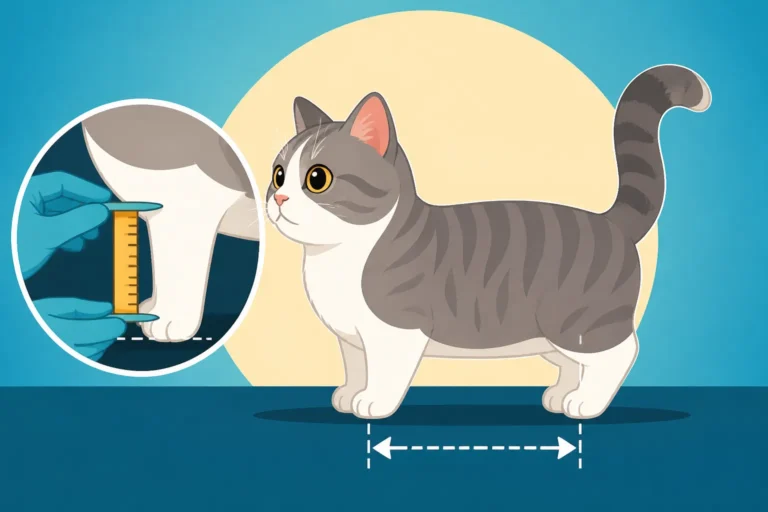
The discovery of Blackberry and Toulouse, and the subsequent litters, confirmed the presence of a spontaneous genetic mutation responsible for their distinctive short legs. This mutation, which causes a form of dwarfism known as pseudoachondroplasia, results in shortened long bones in the legs while the body and spine remain of normal length. This is a crucial distinction from other forms of dwarfism.
What makes this particular mutation so impactful is that it's inherited in an autosomal dominant manner. This means that a kitten only needs one copy of the gene from one parent to express the short-legged trait. If a kitten inherits two copies of this gene, however, it is lethal, and the embryo does not survive. This inherent genetic reality profoundly shapes how Munchkin cats are bred.
Understanding the Autosomal Dominant Trait
The autosomal dominant nature of the Munchkin gene is why responsible breeders never breed two short-legged Munchkins together. Doing so would invariably result in a percentage of embryos inheriting two copies of the gene, leading to their demise. Instead, a short-legged Munchkin is always bred to a cat with normal leg length, often referred to as a "Munchkin variant" or an "outcross." This strategy ensures that all viable kittens receive at most one copy of the dominant gene, allowing them to be born healthy. This is why Munchkin Dwarfism Is Dominant and Lethal in Two Copies.
This genetic inheritance pattern also explains why roughly half of a Munchkin litter will have short legs, and the other half will have legs of normal length, even when one parent is short-legged. The normal-legged kittens do not carry the Munchkin gene and can be placed as pets or used in other breeding programs not involving Munchkins. This predictable genetic outcome has been fundamental to the breed's development and ethical breeding practices.
The Impact of a Small Founder Population
Starting an entire breed from just two cats, Blackberry and Toulouse, meant that the initial gene pool was incredibly small. This can be a significant challenge for any breed, as a limited genetic base can lead to inbreeding depression and an increased risk of specific health issues becoming prevalent. Early breeders faced the task of not only propagating the short-legged trait but also ensuring the overall health and genetic diversity of the emerging breed.
This challenge necessitated careful and thoughtful breeding decisions right from the outset. Without a broad genetic foundation, breeders had to rely heavily on outcrossing to introduce new genetic material and maintain vigor. The legacy of Blackberry and Toulouse, therefore, is not just about their unique mutation, but also about the genetic hurdles and careful management required to build a healthy breed from such a narrow beginning.
Expanding the Family Tree: The Importance of Outcrossing
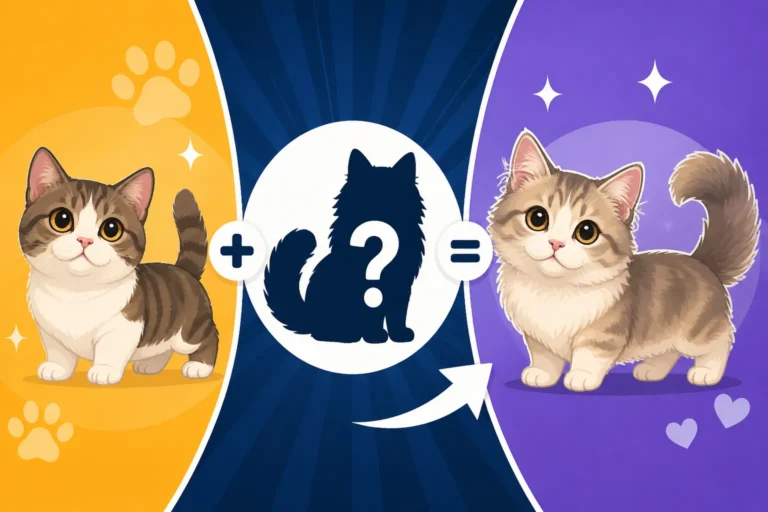
With a breed founded on such a limited number of individuals, outcrossing became absolutely vital for the Munchkin. Outcrossing involves breeding a purebred cat to an unrelated cat of a different, recognized breed, or even a domestic house cat (often called a domestic shorthair or longhair). The purpose of this practice is to introduce new genes into the lineage, thereby broadening the gene pool, improving genetic health, and preventing the accumulation of undesirable traits that can arise from inbreeding.
For the Munchkin, this was especially critical. Relying solely on the descendants of Blackberry and Toulouse without external genetic infusions would have quickly led to severe inbreeding and potential health problems. The initial outcrosses essentially acted as infusions of fresh genetic material, contributing to the overall hardiness and diversity of the emerging breed.
Which Domestic Cats Were Used as Munchkin Outcrosses
In the early days of the Munchkin breed, a variety of domestic cats were carefully selected as outcross partners. These were typically healthy, well-tempered domestic shorthairs and longhairs, chosen for their robust genetics and absence of known hereditary conditions. The goal was to bring in a wide range of genes that would support the overall health and structure of the Munchkin, beyond just the leg length.
The choice of outcrosses wasn't random; it involved breeders making informed decisions to select cats that would complement the emerging Munchkin type. This practice of judicious outcrossing continues today in recognized Munchkin breeding programs, helping to maintain the breed's vitality. It's a testament to the foresight of early breeders who understood the long-term implications of starting a breed from such a specific mutation. This constant replenishment of the gene pool is one of the reasons Why the Munchkin Gene Pool Stays Wide.
The Role of Outcrossing in Genetic Health
Outcrossing is not just about bringing in new appearances; it's fundamentally about enhancing genetic health. By introducing genes from diverse backgrounds, the risk of recessive genetic diseases becoming widespread within the breed is significantly reduced. This is a common strategy employed in many nascent cat breeds to establish a healthy foundation.
For the Munchkin, outcrossing ensures that while the distinctive short-legged trait is maintained, the cats also possess a strong immune system, good organ function, and a robust skeletal structure – all critical for a long and healthy life. This continuous infusion of outside genetics has been a cornerstone of responsible Munchkin breeding, a practice that directly impacts the quality of life for every Munchkin cat today, making them generally healthy felines despite their unique conformation.
From Humble Beginnings to Recognition: The Early Days of the Munchkin Breed
Once Blackberry and Toulouse had established a small but growing population of short-legged cats, the next step was to introduce them to the wider cat fancy. This wasn't an easy task, as any new breed, especially one with a distinct mutation, often faces scrutiny and resistance. However, the unique charm and playful personality of these cats began to win over enthusiasts.
The Munchkin was first publicly introduced at a TICA (The International Cat Association) cat show in Madison Square Garden in 1991. This debut was met with a mix of fascination and controversy. Attendees were captivated by their distinctive appearance and their endearing "ferret-like" gait. However, many in the established cat community raised concerns about the welfare implications of breeding for short legs, fearing potential health problems.
The Road to TICA Championship Status
Despite the initial controversy, TICA, known for its progressive stance on new and natural breeds, officially accepted the Munchkin into its new breed development program in 1994. This was a crucial milestone, providing a framework for breeders to work within a recognized organization. The path to championship status is rigorous, involving several stages of showing and meeting specific standards to prove consistency and health within the breeding population.
After years of development and demonstrating stable characteristics, the Munchkin achieved full championship status with TICA in 2003. This meant Munchkin cats could now compete against other recognized breeds for titles, solidifying their place in the world of pedigreed cats. The journey from a stray under a truck to a championship breed was a long one, marked by dedication from breeders who believed in the breed's vitality and appeal. We often hear about TICA Took the Munchkin In and a Judge Resigned Over It during this period.
The Controversy and Debate
The Munchkin's journey to recognition was not without significant debate. Many traditional cat registries, such as the Cat Fanciers' Association (CFA), have consistently refused to recognize the breed, citing ethical concerns about breeding for a genetic mutation that causes physical alteration. The argument often centers on whether breeding for short legs could lead to spinal issues or other health complications, similar to concerns seen in some dog breeds with dwarfism.
This division within the cat fancy highlights the complex ethical considerations surrounding selective breeding. While supporters of the Munchkin point to extensive health studies and the breed's active, agile nature, critics remain concerned about the potential for future problems. This ongoing discussion means that even today, the Munchkin remains a polarizing breed, cherished by its enthusiasts and questioned by others.
Understanding the Munchkin's Inheritance: The Genetic Blueprint
To truly appreciate the Munchkin, one must grasp the specific genetic blueprint that dictates its unique appearance. As we've touched upon, the short legs are the result of an autosomal dominant gene. This isn't just a fancy scientific term; it has very real, tangible implications for how these cats are bred and how their litters are structured. It's why every Munchkin breeder operates under strict guidelines to ensure the health of their kittens.
The gene responsible for Munchkin dwarfism, though not fully isolated and identified with a specific DNA test, is known to manifest in a specific way. It affects the development of the long bones in the legs, making them shorter than those of a typical cat, while the spine and skull develop normally. This is different from other forms of dwarfism that might affect overall body size or other skeletal structures.
Why Every Munchkin Litter Is a Carrier Cross
Because the Munchkin gene is lethal in two copies (meaning a kitten inheriting a copy from both parents would not survive gestation), ethical breeding practices dictate that a Munchkin with short legs must always be bred to a cat with normal leg length. This ensures that no kitten receives two copies of the dominant gene. The normal-legged parent in such a cross acts as a "carrier" in a broader sense, in that they do not carry the specific Munchkin gene themselves but are necessary to safely produce short-legged offspring.
This "carrier cross" approach guarantees that any short-legged kitten born will only have one copy of the Munchkin gene. This genetic strategy is fundamental to the breed's existence and health, as it bypasses the lethal homozygous combination. It also means that in a typical litter, you'll see a mix of short-legged and normal-legged kittens, a fascinating outcome of Mendelian genetics in action. This is the core reason Why Every Munchkin Litter Is a Carrier Cross.
What Happens to the Long-Legged Kittens?
A common question that arises is, "What happens to the long-legged kittens in a Munchkin litter?" These kittens, often referred to as Munchkin variants or sometimes "non-standard" Munchkins, are genetically just like any other domestic cat. They have inherited two copies of the normal leg gene and therefore do not carry the Munchkin gene at all. They are indistinguishable from any healthy, normal-sized domestic cat in terms of their leg length and overall conformation.
These long-legged kittens are perfectly healthy and can live full, active lives. They are usually sold as beloved pets, often at a lower price point than their short-legged siblings, as they don't possess the characteristic trait of the Munchkin breed. They cannot pass on the Munchkin gene to their own offspring because they don't have it. This makes them excellent companions for families simply looking for a loving cat, without the unique short-legged trait. Moreover, many Munchkin breeders will use normal-legged littermates in their outcross programs, continuing the beneficial genetic diversity. You can always ask a breeder What a Long Legged Munchkin Kitten Is Worth.
| Feature | Short-legged Munchkin | Long-legged Munchkin (Variant) |
|---|---|---|
| Leg Length | Significantly shorter long bones in legs | Normal leg length, indistinguishable from domestic cat |
| Genetic Trait | Carries one copy of the dominant Munchkin gene | Carries no copies of the Munchkin gene |
| Breeding Potential | Can produce short-legged offspring when bred to an outcross | Cannot produce short-legged offspring |
| Show Status (TICA) | Eligible for Championship Status | Not eligible for Championship Status as a Munchkin |
| Health | Generally considered healthy, with considerations for joint care and weight management | Generally healthy, like any domestic cat |
| Nicknames | Standard, Rug Hugger | Non-standard, Variant |
More Than Just Short Legs: The Broader Impact of Foundational Genetics
While the short legs are undeniably the most striking feature of the Munchkin, the legacy of Blackberry and Toulouse extends far beyond this single trait. As the foundational cats, their overall genetic makeup – encompassing temperament, coat type, and general physical robustness – also played a significant role in shaping the early characteristics of the breed. This initial genetic blueprint, combined with careful outcrossing, helped establish the breed's reputation for being playful, friendly, and generally healthy.
The initial outcrosses were chosen not only for their genetic diversity but also for their desirable traits, ensuring that the Munchkin developed into a well-rounded and appealing companion. This holistic approach to breeding meant considering the whole cat, not just the short legs. The choices made by early breeders, influenced by the traits of Blackberry and Toulouse, have contributed to the stable and beloved characteristics of Munchkins today.
Temperament and Personality
Anecdotal evidence from early Munchkin owners and breeders consistently described Blackberry and Toulouse, and their immediate offspring, as having sweet, outgoing, and curious personalities. These foundational traits are often cited as a cornerstone of the Munchkin breed's reputation for being affectionate and playful cats. Their small size doesn't translate to a timid nature; rather, Munchkins are often described as confident and inquisitive, thriving on interaction.
This robust temperament is a significant part of their appeal. Owners frequently report their Munchkins maintaining a kitten-like playfulness well into adulthood, a trait likely inherited and reinforced through careful breeding. This makes them wonderful family pets, adapting well to various home environments and often getting along famously with children and other pets, provided they are introduced properly.
General Health and Robustness
Beyond the short legs, the genetic contribution from Blackberry and Toulouse, and their subsequent outcrosses, laid the groundwork for a generally robust cat breed. While discussions around Munchkin health often center on their unique conformation, the founders' genetic material contributed to their overall vitality. Early breeders were diligent in selecting healthy outcrosses, aiming to avoid known genetic predispositions to illness that might plague other breeds.
Of course, like any cat, Munchkins can develop common feline ailments, but there are no specific diseases uniquely tied to the Munchkin gene itself, other than the skeletal changes. Responsible breeders today continue to prioritize general health, conducting thorough vet checks and ensuring their breeding cats are free from hereditary conditions. When looking for supplies for your Munchkin, whether it's joint supplements for an aging cat or simply premium food, online retailers like Chewy often provide a wide range of options that cater to these general health needs.
The Enduring Influence: Blackberry, Toulouse, and the Modern Munchkin
It's truly remarkable to think that every single Munchkin cat alive today, from the one curled up on your sofa to the internet-famous feline captivating millions, owes its existence to two unassuming stray cats found over four decades ago. Blackberry and Toulouse's genetic legacy is interwoven into the fabric of the entire breed, a testament to the power of a single genetic mutation and the dedication of early enthusiasts.
Modern Munchkin breeders meticulously trace their cat's pedigrees back to these two founders, ensuring genetic diversity through continued outcrossing while preserving the unique short-legged trait. The standards set by TICA, which the breed earned through the collective efforts of breeders, are a direct reflection of the characteristics first observed and nurtured in the descendants of Blackberry and Toulouse.
Tracing the Lineage: The Breeder's Perspective
For dedicated Munchkin breeders, understanding the lineage back to Blackberry and Toulouse is more than just a historical curiosity; it's a vital part of responsible breeding. Pedigree charts provide a clear roadmap, allowing breeders to track genetic lines, avoid excessive inbreeding, and make informed decisions about pairings. They look for strong, healthy lines that demonstrate not only the desired short legs but also robust health, good temperament, and adherence to the breed standard.
This meticulous record-keeping helps ensure the ongoing health and vitality of the breed, honoring the legacy of the original two cats. It allows breeders to introduce new traits or reinforce desirable ones from various outcrosses, while still maintaining the core Munchkin identity rooted in Blackberry and Toulouse's initial mutation. When you ask a reputable breeder What a Munchkin Breeder Should Be Able to Show You, a detailed pedigree is often part of that conversation.
The Future of the Munchkin Breed
The future of the Munchkin breed will undoubtedly continue to be shaped by the decisions of breeders and the ongoing scientific understanding of feline genetics. As awareness grows and genetic testing advances, breeders will have even more tools to ensure the health and well-being of their cats. The original outcrossing philosophy, born out of necessity from the limited founder population, remains a critical component in maintaining a broad and healthy gene pool.
The enduring popularity of the Munchkin, despite the debates, speaks to the captivating nature of these cats. Their story, beginning with Blackberry and Toulouse, is a powerful reminder of how a chance encounter can lead to the creation of an entirely new branch on the feline family tree, bringing joy and companionship to countless homes worldwide. And when those Munchkins need a new toy or some specialized grooming tools, it’s comforting to know that places like Chewy are there to support their unique needs.
Disclaimer
This article is for general informational purposes only and does not constitute professional advice. Laws, prices and regulations vary by location and change over time. Consult a qualified professional for guidance on your specific situation.