How the First Munchkin Colony Grew
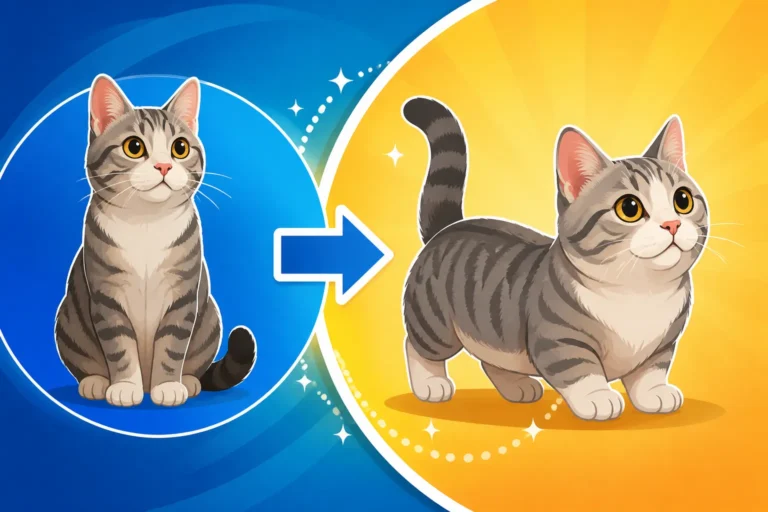
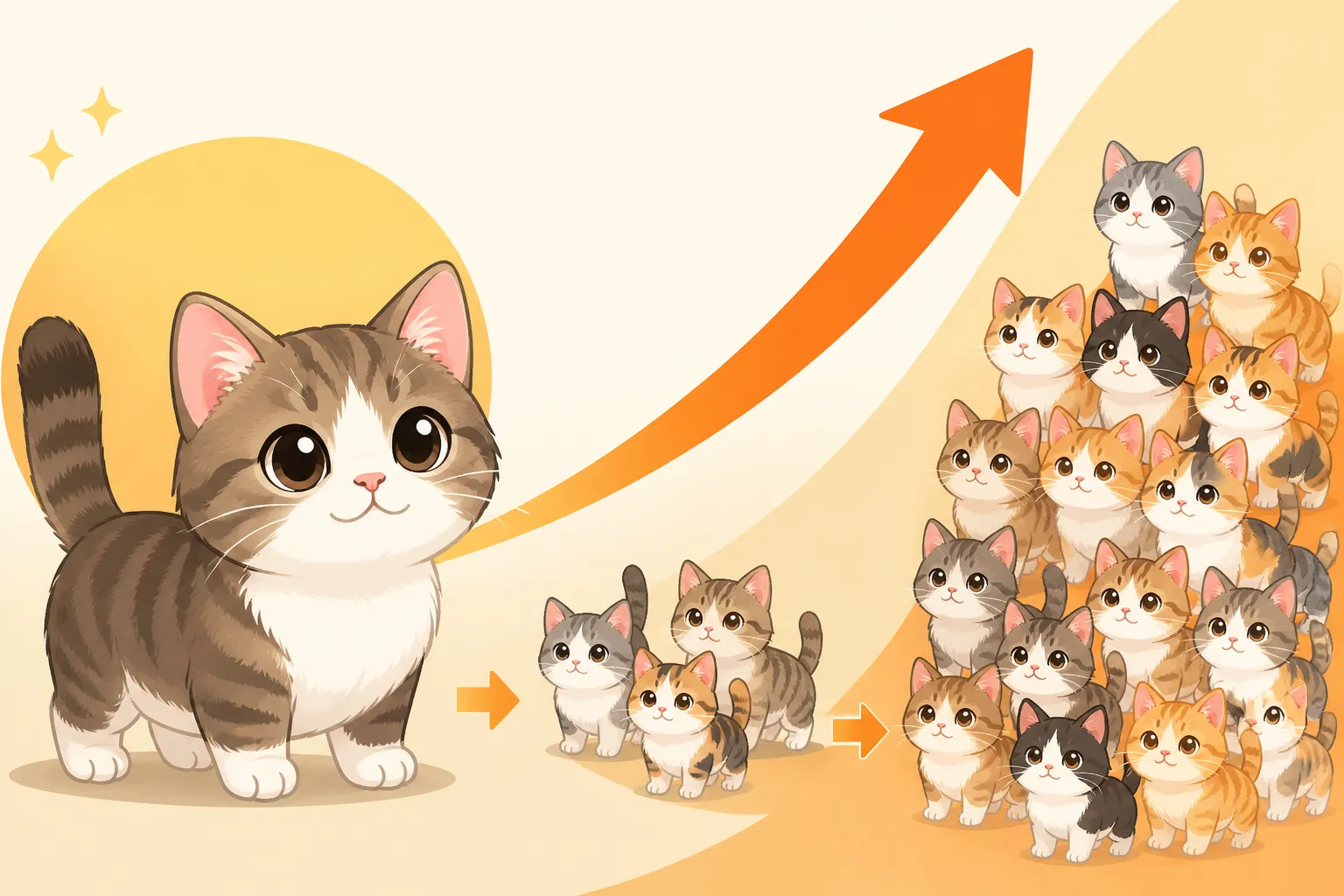
For many of us who adore these uniquely short-legged felines, there's a natural curiosity about their origins. It's not just about how the first Munchkin cat came to be, but how a singular genetic mutation, discovered in a stray, actually blossomed into a recognized breed with a growing population. Understanding how that initial "colony" of Munchkins grew requires a peek into the early days of dedicated breeders and their careful, sometimes controversial, decisions. This guide will take you through the fascinating story of how those first few cats laid the foundation for every Munchkin we know and love today.
From Stray to Founding Matriarch: Blackberry's First Litters
The story of the Munchkin cat breed truly begins with a stray, pregnant cat named Blackberry, discovered under a truck in Rayville, Louisiana, in 1983 by a woman named Sandra Hochenedel. This wasn't just any stray; Blackberry carried a spontaneous genetic mutation that resulted in unusually short legs. It was a novel sight, and anyone encountering her would instantly recognize she was different. What happened next would be crucial for the entire future of the breed.
Blackberry wasn't alone for long. She quickly birthed a litter of kittens, and to Hochenedel's surprise, about half of them inherited her distinctive short legs. This was the very first "colony" in the truest sense – a small family group sharing this unique trait. Imagine the wonder, and perhaps a little confusion, as these tiny, short-legged bundles wobbled around. This immediate inheritance pattern was the first clue that the trait wasn't an injury or a developmental anomaly, but something genetic. It was a pivotal moment, showing that Why Half the First Munchkin Litter Had Short Legs was a predictable outcome.
Hochenedel, captivated by these endearing little felines, decided to keep some of Blackberry's offspring. She eventually gifted one short-legged male kitten from Blackberry’s litter, named Toulouse, to her friend, Kay LaFrance. This act of sharing was incredibly significant because it meant the short-leg gene wasn't confined to a single household or a single line. It began its careful, intentional spread, laying the groundwork for a broader breeding program. Toulouse would become the second crucial pillar of the Munchkin's foundation, carrying the torch of his mother's unique genetic gift.
Toulouse and the Spread: Expanding the Initial Gene Pool
Toulouse, the short-legged male kitten, became key to expanding what would eventually become the Munchkin breed. Which Munchkin Kitten Was Given to a Friend proved to be a highly fertile and vital link in the chain. Kay LaFrance, like Sandra Hochenedel, was intrigued by his unusual stature and delightful personality. She began to responsibly breed Toulouse, primarily outcrossing him to domestic cats without the short-leg mutation. This was a critical step, as it prevented any potential issues that might arise from breeding two short-legged cats together, a practice that early breeders quickly understood to be problematic due to the lethal nature of two copies of the gene.
The progeny of Toulouse and various non-Munchkin domestic cats introduced the short-leg gene into new lines, effectively widening the small gene pool that had started with Blackberry. This deliberate expansion was not about creating more short-legged cats indiscriminately but about fostering genetic diversity. By carefully selecting healthy, unrelated domestic outcrosses, breeders aimed to prevent inbreeding depression and ensure the overall health and vigor of the burgeoning breed. This practice highlights Why Munchkin Outcrossing Was Necessary From the Start and was a conscious effort to build a robust foundation.
The kittens produced from these matings would, predictably, include both short-legged and normal-legged individuals, typically in a 50/50 split. The short-legged offspring continued the "Munchkin" line, while the normal-legged cats, often referred to as "Munchkin variants" or "long-legged Munchkins," played an equally important role. While they didn't outwardly display the characteristic short legs, many carried the potential to pass on the gene, making them valuable for future outcross breeding. This early strategy ensured a continuous flow of new genetic material, bolstering the breed's long-term health.
The Art of Outcrossing: Keeping the Munchkin Gene Pool Wide
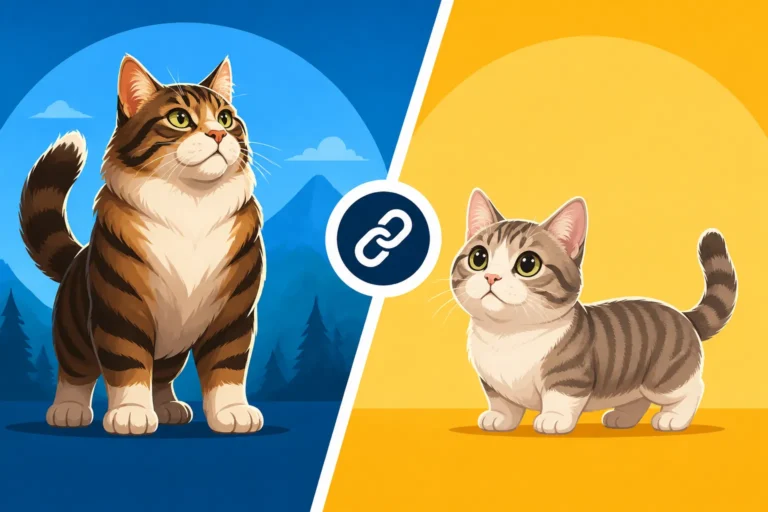
From its very inception, the Munchkin breed has relied heavily on outcrossing to maintain genetic health and diversity. Unlike many established breeds that have closed stud books, the Munchkin's standards from The International Cat Association (TICA) actually encourage and specify outcrossing. This isn't just a suggestion; it's a foundational principle embedded in the breed's history and ongoing development. The early breeders, having started with just two known cats, understood intuitively that genetic isolation would be detrimental.
The term "outcross" in this context refers to breeding a Munchkin (a short-legged cat) to a domestic cat that does not possess the Munchkin gene. This domestic cat could be a Domestic Shorthair, a Domestic Longhair, or even another recognized breed, provided it adheres to certain health and temperament standards. Which Cats a Munchkin May Be Outcrossed To is quite broad, allowing for a healthy infusion of genetic material. This careful pairing is why you often see Munchkins with such a wide array of coat colors, patterns, and even hair lengths—they inherit these traits from their diverse outcross parents.
This strategy serves multiple vital purposes. Firstly, it ensures the continued health of the breed by introducing fresh genes, which helps to mitigate the risk of genetic diseases that can become prevalent in closed gene pools. Secondly, it's essential for the Munchkin's genetic viability: since breeding two short-legged Munchkins together can result in lethal embryos, outcrossing with normal-legged cats is the only ethical and sustainable way to produce healthy litters of short-legged kittens. Thirdly, it maintains a robust population of breeding stock, both short-legged Munchkins and their long-legged variants, which are crucial carriers of the gene. For new breeders, finding appropriate outcross partners is often a primary concern, and resources like specialized breeder directories or comprehensive pet supply sites like Chewy might offer helpful information or connection points for animal welfare groups that support healthy breeding practices.
Establishing the Early Standard: What Breeders Aimed For
As the first Munchkin "colony" expanded and the initial breeding efforts proved successful, the focus naturally shifted from mere propagation to establishing a consistent breed standard. This wasn't just about ensuring short legs; it was about defining the overall health, temperament, and physical characteristics that would distinguish the Munchkin as a unique and desirable breed. Early breeders, particularly those involved with TICA, had to meticulously observe and document the traits emerging from their litters. They weren't just breeding for novelty; they were striving for a healthy, vibrant feline.
The primary goal was to ensure that the short legs were the only significant divergence from a typical domestic cat. This meant that the Munchkin should otherwise be a robust, well-proportioned cat with a normal spine, healthy organs, and a balanced temperament. This was a direct response to concerns that dwarfism in other species often comes with a host of other skeletal or organ issues. Early physical examinations by veterinarians were crucial, checking for things like spinal curvature or chest deformities. What the TICA Munchkin Standard Weights Most heavily emphasizes a healthy, moderate body type, free from exaggerations beyond the leg length.
Breeders also paid close attention to temperament, aiming for a cat that was outgoing, playful, and affectionate—traits that quickly made the Munchkin beloved. The goal was never to create a fragile or sickly cat, but a hardy, active companion whose short legs were merely an endearing feature, not a handicap. Documentation of pedigrees, health checks, and careful breeding records became paramount. While the breed was still in its infancy, these early efforts laid the ethical framework for future breeding practices, influencing how new generations of owners consider their cat's needs, from accessible cat trees found on sites like Chewy to specialized low-entry litter boxes. This dedication to health and temperament helped pave the way for formal recognition, with TICA registering the Munchkin as a new breed in 1994, marking a significant milestone for this captivating feline. This early history shows How a Breeder Plans a Munchkin Mating with an eye not just on appearance, but on the overall well-being of the kittens.
The Road to Recognition: From Controversy to Acceptance
The journey from a small "colony" to a recognized breed was far from smooth for the Munchkin. While early breeders were diligently working to establish healthy lines and a consistent standard, the breed faced significant controversy. Many in the wider cat fancy, including other major registries, vehemently opposed the recognition of the Munchkin, citing concerns about potential health problems related to its short legs. This was a truly divisive period in the cat world, and it meant that breeders had to work even harder to prove the health and vitality of their cats.
Despite the skepticism, TICA, The International Cat Association, recognized the Munchkin as a new breed in its New Breed Development program in 1994. This provisional acceptance was a huge step, offering breeders a platform to show their cats and demonstrate that, beyond their unique leg length, Munchkins were active, healthy, and happy felines. Over several years, breeders presented their cats, collected data, and worked tirelessly to ensure that the breed met TICA's rigorous health requirements. This was a period of intense scrutiny, but it ultimately strengthened the breed's foundations.
Finally, in 2003, TICA elevated the Munchkin to Championship Status. This meant the breed could now compete for championship titles alongside other established breeds, a testament to the dedicated work of those early breeders and their commitment to health and the breed standard. This achievement marked the official acceptance of the Munchkin within a major cat registry, solidifying its place in the world of pedigreed cats. It was a long road from Blackberry under a truck, filled with both passion and debate, but the Munchkin had officially arrived, largely due to the careful expansion and documentation of that initial "colony." The very existence of the breed today is a testament to the foresight and dedication of those who nurtured its earliest days.
Table: Key Milestones in the Early Munchkin Colony Growth
Here's a snapshot of the pivotal moments that led to the growth of the Munchkin colony and its path to breed recognition:
| Year/Period | Event | Significance |
|---|---|---|
| 1983 | Discovery of Blackberry | Founding female, origin of the short-leg mutation. |
| Early Litters | Blackberry's first kittens | Initial "colony" of short-legged cats formed. |
| 1983-1984 | Toulouse gifted to Kay LaFrance | Expansion of the gene to a second breeding line. |
| Ongoing | Strategic Outcrossing | Maintained genetic diversity, ensured health. |
| 1994 | TICA recognizes Munchkin | First provisional acceptance by a major registry. |
| 2003 | TICA grants Championship Status | Full breed recognition, able to compete for titles. |
Why the Munchkin Gene Pool Stays Wide
One of the most remarkable aspects of the Munchkin breed, stemming directly from its early history and the method of its growth, is its unusually wide gene pool. Unlike many traditional cat breeds that started with a small number of founders and then had closed stud books for generations, the Munchkin has always benefited from continuous outcrossing. This intentional practice is a cornerstone of the breed's health and vitality, distinguishing it from many other pedigreed cats that might suffer from a more limited genetic diversity.
The reason for this sustained openness to outcrossing goes back to the genetics of the short leg trait itself. The Munchkin gene is an autosomal dominant gene, and crucially, it is considered lethal in two copies. This means that if a kitten inherits two copies of the short-leg gene (one from each parent), it will not survive. Therefore, responsible breeding dictates that a short-legged Munchkin must always be bred to a normal-legged cat. This normal-legged cat is typically a domestic shorthair or longhair, essentially bringing in new genetic material with every generation. This constant influx of new blood ensures that the Munchkin breed avoids the pitfalls of genetic bottlenecks and limited ancestry.
This ongoing outcrossing strategy, enshrined in the breed's development, means that every Munchkin you see today has a diverse genetic background. They inherit not only the short-leg trait from their Munchkin parent but also a rich tapestry of genes from their non-Munchkin outcross parent. This practice has been fundamental since the days of Blackberry and Toulouse, allowing the breed to flourish without succumbing to the issues of extreme inbreeding that can sometimes plague other purebred lines. It's truly a testament to the forward-thinking decisions made by the early breeders that Why the Munchkin Gene Pool Is Wider Than Most remains a defining characteristic and a strength of the breed.
Disclaimer
This article is for general informational purposes only and does not constitute professional advice. Laws, prices and regulations vary by location and change over time. Consult a qualified professional for guidance on your specific situation.