Why Vets Disagree About the Munchkin
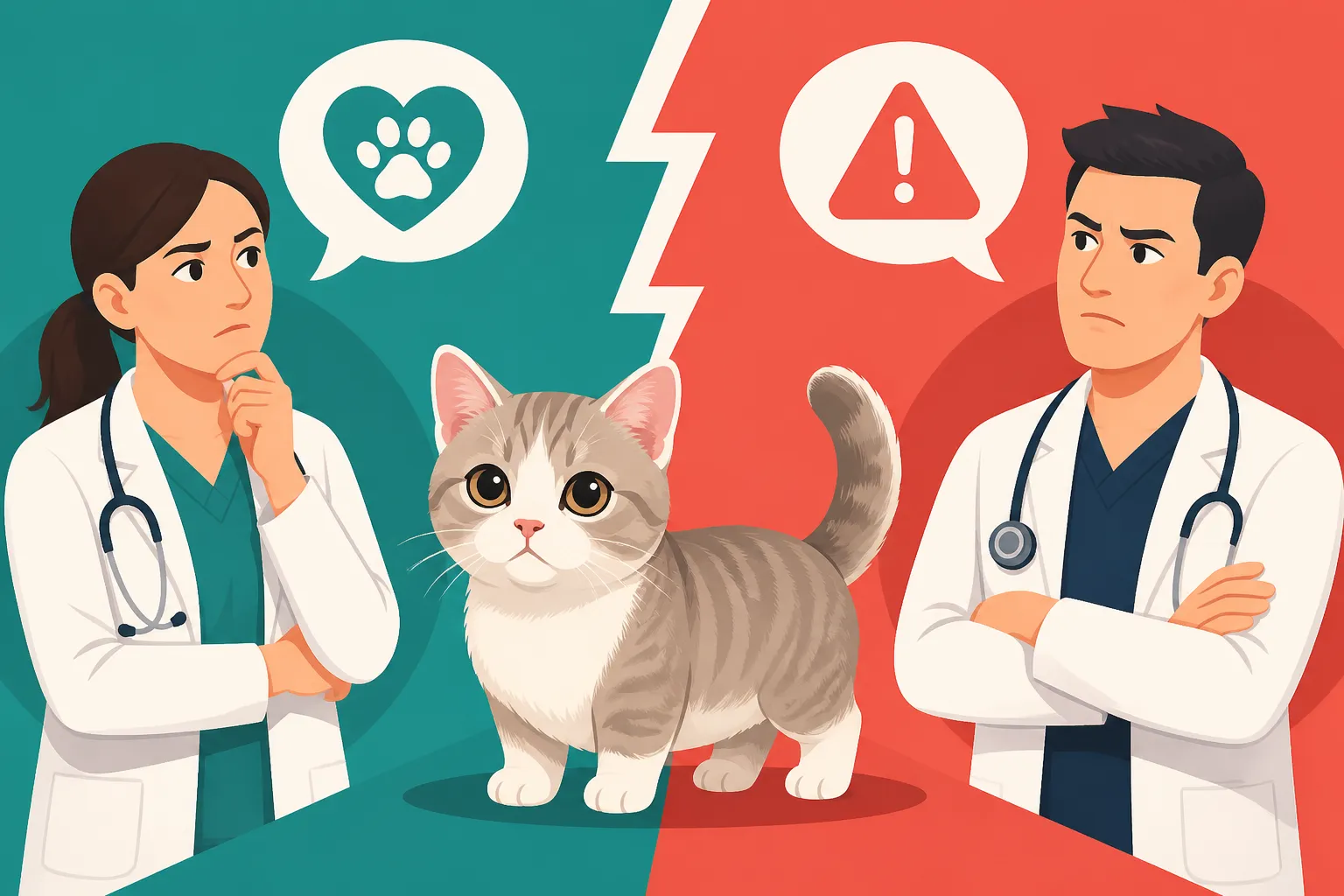
It can be incredibly confusing and even disheartening when you’re researching a cat breed like the Munchkin, only to find wildly conflicting information from veterinary professionals. One vet might confidently assure you there are no inherent health issues beyond their short legs, while another might sternly warn against supporting the breed due to serious welfare concerns. This guide is here to unravel that perplexing disagreement, exploring the various factors that lead veterinarians to hold such divergent opinions on the Munchkin cat.
The Roots of Controversy: A Historical Perspective
The Munchkin cat's journey into the public eye and the veterinary community has been anything but smooth. From its initial discovery to its controversial acceptance by certain cat registries, the breed has consistently stirred debate, shaping how different vets perceive its welfare and genetic health. Understanding this historical context is crucial to grasping the present-day divide in professional opinions.
Early Days and Breed Recognition Challenges
When the Munchkin breed first emerged in the early 1980s, discovered by Sandra Hochenedel, it immediately sparked both fascination and apprehension. The defining characteristic – their short legs resulting from a natural genetic mutation – was unlike anything widely accepted in the cat fancy at the time. Proponents saw a charming, unique cat with a playful disposition, arguing that their short stature didn't impede their ability to run, play, or jump. However, a significant portion of the veterinary community, and many traditional cat breeders, viewed the mutation with extreme caution. They feared that intentionally breeding for a physical trait considered a form of dwarfism could lead to a host of debilitating health problems, similar to those seen in some dog breeds with similar characteristics.
This initial apprehension wasn't just speculation; it stemmed from a foundational concern about the ethics of selecting for a mutation that might compromise an animal's natural physiology and mobility. The path to official recognition was fraught with controversy. While the breed gained preliminary acceptance with The International Cat Association (TICA) in the early 1990s, becoming a championship breed in 2003, other major registries like the Cat Fanciers' Association (CFA) outright refused to recognize them. This divergence in acceptance among governing bodies laid a significant groundwork for the differing professional opinions we see today. If a respected organization like CFA deems a breed unsuitable for registration, it often signals to a segment of the veterinary and ethical community that there are indeed substantial concerns about its welfare. You can read more about Why CFA Will Not Register a Munchkin.
The Influence of Registry Standards on Vet Perceptions
The varying stances of major cat registries have had a profound impact on how veterinarians approach the Munchkin. For vets practicing in regions where TICA is dominant, and the Munchkin is a recognized, showable breed, there might be a greater tendency to view them as a legitimate breed, albeit one requiring specific considerations. These vets often work with breeders who adhere to TICA's standards, which include guidelines for responsible breeding and health screening. They might focus on managing potential issues rather than outright condemning the breed.
Conversely, vets in areas or professional circles aligned with organizations that reject the Munchkin often adopt a more critical view. Their ethical framework might be shaped by the principle that selective breeding should never intentionally perpetuate a condition that could lead to pain or reduced quality of life. This fundamental disagreement on whether the Munchkin's short legs constitute a "deformity" or merely a "cosmetic trait" is a core reason for the professional schism. These differing viewpoints mean that depending on which veterinary school a professional attended, or which professional associations they prioritize, their initial perspective on the Munchkin might already be predisposed towards acceptance or rejection, further fueling the ongoing debate about What Welfare Bodies Say About the Munchkin.
The Core of the Debate: Genetic and Skeletal Health
At the heart of the veterinary disagreement lies the Munchkin's unique genetic makeup and its potential implications for their skeletal health. The very trait that defines the breed is also the source of the most intense scrutiny and concern.
The Pseudoachondroplasia Gene and Its Effects
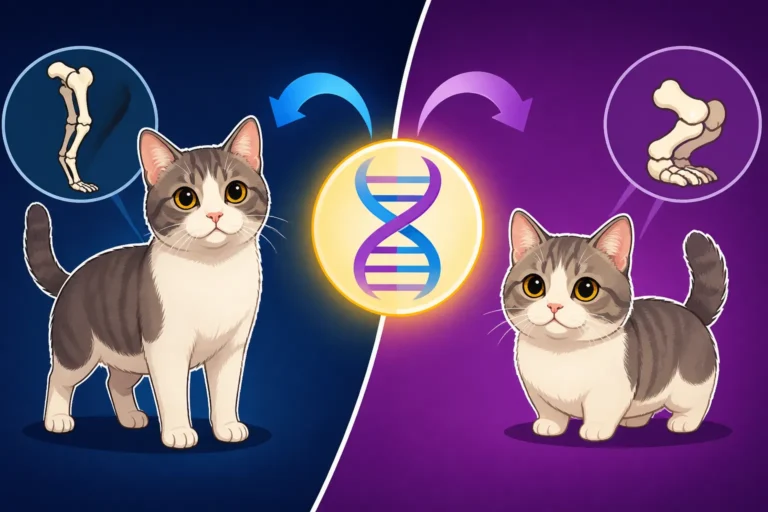
The Munchkin cat’s short legs are a result of an autosomal dominant gene that causes a form of dwarfism known as pseudoachondroplasia. Unlike some forms of dwarfism that affect overall body size and proportion, the Munchkin gene primarily affects the long bones of the limbs, causing them to be significantly shorter while the body and head remain normal in size. This is a critical distinction that proponents often emphasize, arguing that because the spine is typically normal length, they don't suffer from the severe spinal issues seen in certain other dwarf breeds (like Dachshunds, for example). However, the veterinary community is keenly aware that a single gene can have pleiotropic effects, meaning it can influence multiple seemingly unrelated traits.
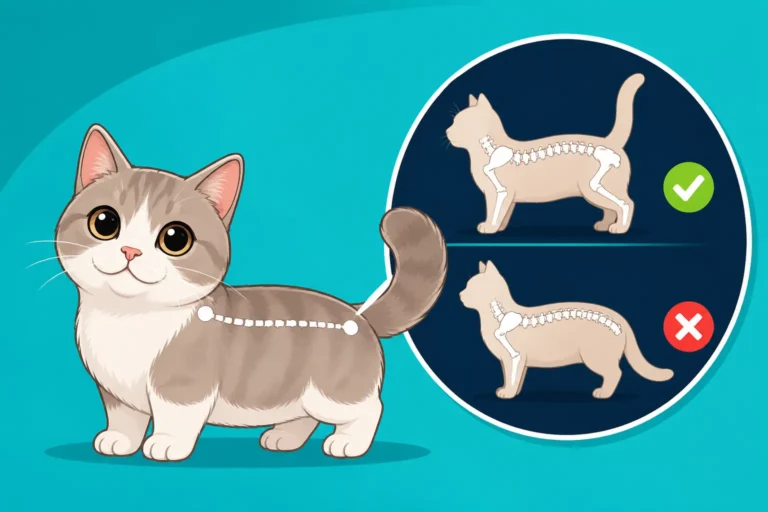
While it's true that the Munchkin's spinal length is normal, concerns remain about how the short limbs impact the biomechanics and weight distribution across the entire skeletal structure. Every Munchkin litter is a carrier cross, meaning they are always bred to a normal-legged cat. This is because What Two Copies of the Munchkin Gene Do is lethal to the embryo, highlighting the serious nature of the mutation. The question for many vets isn't just about the spine itself, but how the shortened limbs affect the spine's load-bearing capacity and overall flexibility. This constant debate often comes down to scientific interpretation and clinical observation: does the gene solely affect limb length, or does it contribute to a higher incidence of other musculoskeletal problems?
Potential Skeletal Issues: Lordosis and Pectus Excavatum
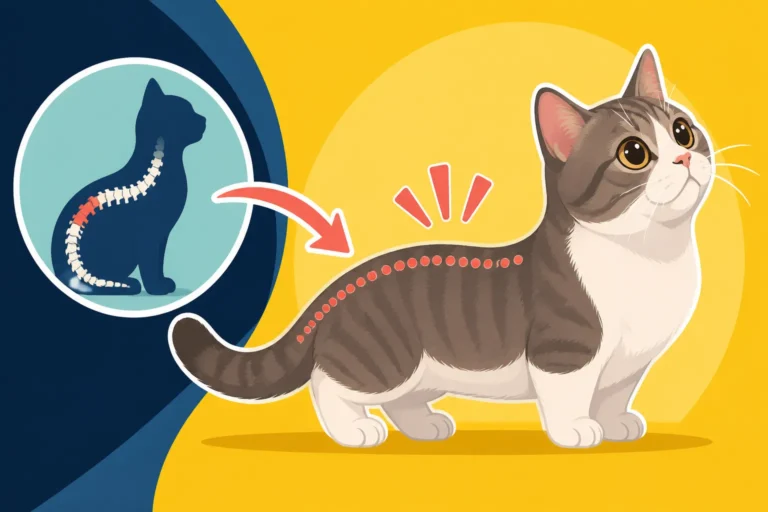
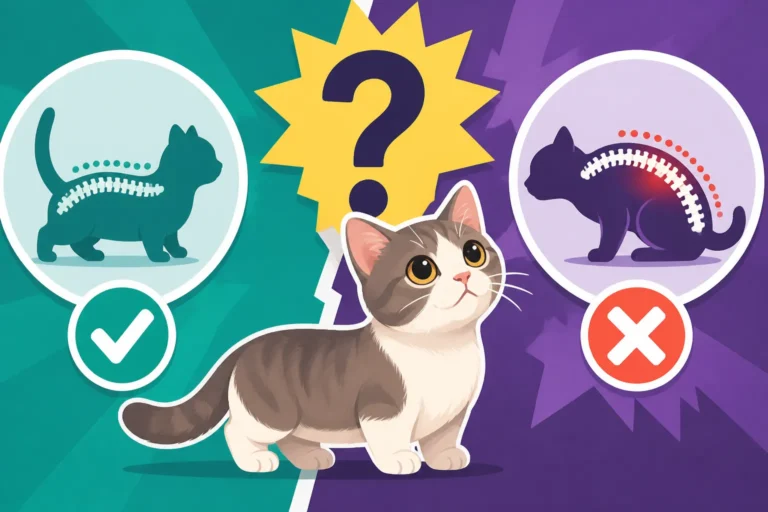
Beyond the discussions of typical spinal length, two specific skeletal conditions frequently arise in discussions about Munchkin health: lordosis and pectus excavatum. Lordosis is a spinal condition characterized by an excessive inward curvature of the spine, often causing the spine to sag downwards. While not exclusive to Munchkins, many vets express concern that the altered body mechanics and weight distribution due to their short legs might predispose them to a higher incidence or severity of this condition. A cat with severe lordosis can experience compression of internal organs, leading to respiratory and digestive problems, and significant pain. Monitoring How Early Lordosis Shows in a Munchkin Kitten is a crucial part of early detection.
Pectus excavatum, or "sunken chest," is a congenital deformity of the sternum and rib cage, where the breastbone is abnormally depressed inwards. This can compress the heart and lungs, leading to breathing difficulties and reduced exercise tolerance. Again, this condition can occur in any cat breed, but some veterinary professionals suspect a higher prevalence or a genetic link in Munchkins, possibly related to the same developmental pathways affected by the dwarfism gene. These two conditions, when present, can significantly impact a Munchkin's quality of life, leading many vets to err on the side of caution and advise against breeding or acquiring Munchkins due to the potential for these painful and debilitating issues. The fact that these conditions are congenital and can sometimes require complex surgical correction underscores the severity of the concerns. Pet insurance providers, such as Healthy Paws, often offer plans that can help manage the costs associated with diagnosing and treating such conditions, though it's always wise to check policy specifics regarding congenital conditions.
Differing Interpretations of Health Data
One of the biggest challenges in reaching a consensus on Munchkin health is the scarcity and varied interpretation of scientific data. What one vet considers compelling evidence, another might dismiss as anecdotal or insufficient.
The Challenge of Long-Term Studies
Comprehensive, peer-reviewed, long-term epidemiological studies on the Munchkin breed are surprisingly scarce. While individual veterinarians might observe hundreds of Munchkins over their careers, aggregating this data into statistically significant research is a monumental task. The absence of widespread, standardized health registries (beyond TICA's registration) that track specific health outcomes across a large population makes it difficult to draw definitive conclusions about breed-specific predispositions. This lack of robust data allows for a wide range of interpretations.
Some vets might lean on the anecdotal evidence from their own practice, where they've seen Munchkins live long, healthy lives with no significant mobility issues, leading them to believe the concerns are overblown. They might cite examples of perfectly active Munchkins who play, run, and even manage to jump with surprising agility, adapting to their environment. On the other hand, a vet who has seen a few severe cases of lordosis or extreme arthritis in Munchkins might conclude that the breed inherently carries a higher risk, especially if they believe these issues are more prevalent than in the general cat population. Without large-scale studies, it’s challenging to quantify the true incidence rates of these conditions in Munchkins compared to other breeds, leaving much room for differing opinions on Why the Frequency of Munchkin Spinal Problems Is Disputed.
Anecdotal Evidence vs. Scientific Scrutiny
The debate often boils down to anecdotal evidence versus the demand for rigorous scientific scrutiny. Breeders, who spend their lives with Munchkins, often point to the playful, active nature of their cats as proof of their good health and normal quality of life. They observe that Munchkins are clever at navigating their world, using furniture as steps or finding creative ways to reach desired spots, much like "normal" cats. This lived experience is powerful and deeply personal, and it can be persuasive for many.
However, many veterinarians, particularly those focused on animal welfare, insist that anecdotal observations, while important, do not replace the need for scientific validation. They argue that a cat’s apparent happiness or adaptability does not negate the potential for underlying pain or future health complications stemming from a genetic predisposition. For example, a cat might appear to cope well with a condition, but diagnostic imaging might reveal early signs of joint degeneration or spinal stress that could manifest as pain later in life. This is why some vets advocate for more proactive diagnostics, such as X-rays as the cat ages, to truly assess long-term skeletal health. The question of Whether a Munchkin Is in Pain From Its Legs becomes complex without objective measures. This reliance on different types of evidence is a major factor in the persistent disagreement among professionals.
Ethical Considerations and Welfare Stance
The conversation around Munchkin cats often extends beyond purely medical facts into the realm of ethics and animal welfare. For many veterinarians, their stance on the breed is deeply rooted in their professional oath to prevent animal suffering and promote optimal well-being.
The Principle of "First, Do No Harm"
For a significant portion of the veterinary community, the ethical principle of "First, Do No Harm" (Primum non nocere) strongly influences their view of the Munchkin breed. They interpret this principle to mean that humans should not intentionally breed animals for traits that could foreseeably compromise their health, mobility, or quality of life, even if those traits are considered aesthetically desirable. From this perspective, breeding for dwarfism, regardless of how "mild" it might appear, is seen as inherently unethical because it introduces a known genetic anomaly with potential health risks. These vets argue that deliberately perpetuating a genetic mutation that causes shorter legs goes against the spirit of responsible breeding and animal welfare.
They might express concern that while some Munchkins live healthy lives, others may suffer from a range of issues from joint pain (such as How Osteoarthritis Shows in a Munchkin's Shoulders) to more severe spinal problems. The existence of any such risk, for them, is enough to warrant caution or outright opposition to the breed. This ethical stance is not just about current suffering but also about preventing potential future suffering. They believe that if a breed is prone to conditions that incur significant veterinary costs, specialized care, or reduced mobility, then promoting that breed is not in the best interest of the animal.
Breeder Perspectives and Their Influence on Vets
Munchkin breeders, however, often approach the ethical discussion from a different angle. They argue that responsible breeding practices, including careful selection of breeding pairs (always outcrossing to normal-legged cats), health screening, and providing an enriched, adapted environment, mitigate most of the perceived risks. They emphasize that Munchkins are not "disabled" cats but simply cats with a different physical conformation, much like a Persian's flat face or a Sphynx's lack of fur. They often highlight the playful, loving, and active nature of their cats, underscoring that these animals thrive and show no signs of discomfort or limitation in their daily lives.
This perspective influences some veterinarians who work closely with reputable breeders. These vets might observe firsthand the dedication of breeders to the health and welfare of their cats, seeing the proactive measures taken to prevent issues like obesity (which is Why Weight Is More Dangerous on a Munchkin). They might also see cats that are indeed thriving, leading them to conclude that the breed, when responsibly managed, does not present an unacceptable welfare risk. The relationship between breeders and vets can, therefore, shape opinions, with some vets becoming advocates for responsible Munchkin breeding, while others remain critical, arguing that even the most careful breeding cannot entirely eliminate the inherent risks of the genetic mutation itself.
Impact on Veterinary Practice and Client Advice
The ongoing disagreement among veterinary professionals directly impacts how Munchkin owners receive care and advice, often leaving them feeling caught in the middle. Navigating these divergent opinions requires diligence and an understanding of what to expect.
Diagnosis and Management of Munchkin Health
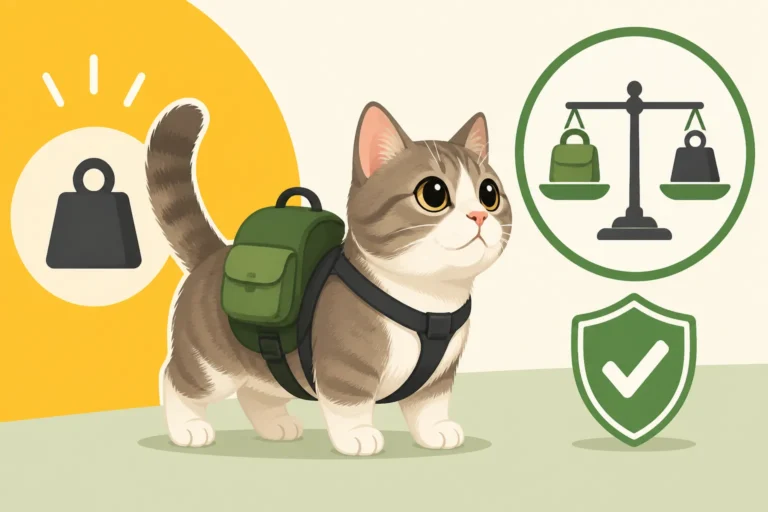
For veterinarians who are open to the Munchkin breed, their approach often focuses on proactive diagnosis and management tailored to the cat's unique physical characteristics. They'll emphasize regular check-ups, monitoring for signs of discomfort or changes in gait, and careful attention to weight management, as even a small amount of extra weight can put undue strain on a Munchkin's joints and spine. They might recommend specific environmental adaptations, such as ramps and low-entry litter boxes, to reduce jumping and spinal stress. For conditions like lordosis or pectus excavatum, they would guide owners through treatment options, which could range from supportive care and pain management to potential surgical interventions. This practical, solution-oriented approach aims to ensure the Munchkin has the best possible quality of life within its physical limitations.
On the other hand, vets who are critical of the breed might approach diagnosis and management with a heightened level of suspicion. They might be more inclined to recommend diagnostic imaging (like X-rays or MRI) even for subtle signs, proactively looking for skeletal abnormalities. While they will certainly treat any health issues that arise, their underlying message to owners might be one of caution, subtly or overtly suggesting that these issues are a direct consequence of the breed's conformation. This can create tension, as owners might feel judged or that their pet is being unfairly scrutinized. It’s also important for owners to consider financial planning for such diagnostic and treatment costs; pet insurance providers like Healthy Paws are increasingly popular choices for managing unexpected veterinary expenses, including those related to potential breed-specific conditions.
Informing Potential Owners: The Ethical Dilemma
One of the most significant impacts of the veterinary disagreement is on the advice given to prospective Munchkin owners. Vets who oppose the breed often take a strong stance, advising clients against acquiring a Munchkin cat due to perceived welfare concerns and potential health problems. They see it as their ethical duty to inform clients about the potential risks associated with dwarfism, fearing that many owners are unaware of the underlying genetic issues or the possible long-term care requirements. Their focus is on preventing suffering by discouraging demand for a breed they view as ethically problematic. They might present evidence of conditions like What Lordosis Does to a Munchkin as a warning.
Conversely, vets who support responsible Munchkin ownership will provide a more balanced view. They acknowledge the unique needs of the breed but emphasize that with proper care, environment, and veterinary oversight, Munchkins can lead fulfilling lives. Their advice will focus on finding a reputable breeder who conducts health screenings, understanding the commitment to an adapted home environment (like having ramps or steps to aid movement, preventing high jumps), and being prepared for potential health monitoring. This nuanced approach aims to educate owners rather than deter them entirely, allowing them to make an informed decision based on a full understanding of both the joys and responsibilities of owning a Munchkin. The stark difference in pre-purchase advice is a clear manifestation of the deeper professional disagreement.
Moving Forward: Understanding and Respecting Divergent Views
The reality is that veterinary opinions on the Munchkin cat are unlikely to fully converge anytime soon. The interplay of historical context, genetic science, limited data, and deeply held ethical principles means that differing views will likely persist.
The Need for Ongoing Research and Open Dialogue
One area where most veterinarians agree, regardless of their stance on the Munchkin, is the need for more rigorous, independent scientific research. Comprehensive studies that track large cohorts of Munchkin cats over their entire lifespan, documenting incidence rates of skeletal conditions, joint problems, and overall quality of life, would be invaluable. Such data could provide the objective evidence needed to move beyond anecdotal observations and assumptions. This research should also compare Munchkin health outcomes to those of "normal" cats to determine if there's a statistically significant difference in prevalence of certain conditions. Understanding Which Studies Exist on Munchkin Health is a good starting point for owners.
Alongside research, there's a critical need for open, respectful dialogue within the veterinary community and between vets, breeders, and owners. Rather than dismissing opposing viewpoints, fostering a space for discussion about best practices, ethical considerations, and real-world outcomes could lead to a more unified approach to Munchkin care. For example, discussions on optimal breeding strategies that minimize risks, or shared protocols for early detection of potential health issues, could benefit the breed and its owners. This collaborative spirit could help bridge the gap that currently divides professionals and ensure a more consistent standard of care.
Empowering Owners to Make Informed Choices
Ultimately, given the ongoing disagreement, the responsibility often falls to current and prospective Munchkin owners to educate themselves thoroughly and make informed choices. This means doing more than just a quick online search. It involves seeking out information from multiple reputable sources, talking to different veterinarians, and engaging with experienced, ethical breeders who are transparent about potential health concerns and provide health guarantees. Owners should be proactive in asking about parental health, genetic testing if available, and what specific health screenings have been performed on the kittens. They should also inquire about a breeder's experience with conditions like lordosis and pectus excavatum.
Understanding that pet insurance, such as through providers like Healthy Paws, can be a crucial investment for any pet, but especially for breeds with potential predispositions, is also vital. Being prepared for potential veterinary costs can alleviate stress if a health issue does arise. Furthermore, committing to providing an adapted home environment and being vigilant about routine care, including diet and weight management, is paramount. By taking these steps, owners can advocate for their Munchkin's health and well-being, even amidst the professional debates. Ultimately, it’s about ensuring that each individual Munchkin cat receives the best possible care throughout its The Twelve to Fifteen Years a Munchkin Usually Gets.
| Area of Disagreement | Argument for Munchkin Welfare | Argument Against Munchkin Welfare |
|---|---|---|
| Genetic Mutation | The short legs are a natural mutation, akin to other breed traits; body and spine are normal length, not causing disability. | Breeding for a known genetic mutation causing dwarfism is inherently unethical due to potential for pain and reduced mobility, regardless of perceived "normalcy." |
| Observed Health Issues | Many Munchkins live long, active lives without significant health problems; observed issues like lordosis are not exclusive to the breed and can be managed with responsible breeding and care. | The short legs alter biomechanics, increasing risk of joint issues, arthritis, and spinal problems (e.g., lordosis) which can compromise quality of life. Incidence may be higher than in normal cat populations. |
| Mobility and Play | Munchkins are incredibly adaptable, find creative ways to move and jump, and are as playful and agile as other cats on the ground. | Restricted vertical mobility and potential for spinal/joint strain during movement or landing can limit natural feline behaviors and may lead to discomfort or injury over time. |
| Scientific Evidence | Insufficient long-term, peer-reviewed data to definitively prove Munchkins suffer more than other breeds; reliance on anecdotal evidence of healthy, happy cats. | Lack of comprehensive research is a concern, not an endorsement; anecdotal evidence does not replace rigorous scientific study to identify true prevalence of health issues. |
| Ethical Stance | Responsible breeding (outcrossing to normal-legged cats, health screening) makes the breed acceptable. Owners can provide adapted environments for good welfare. | The "First, Do No Harm" principle dictates against breeding for traits that could cause suffering. Creating demand for such a breed contributes to potentially compromised animal welfare. |
Disclaimer
Please remember that the information provided in this guide is for educational purposes only and should not be taken as medical or veterinary advice. Always consult with a qualified veterinary professional for any health concerns or before making decisions about your pet's care.