How to Score a Munchkin’s Body Condition
It can be incredibly tricky to assess your Munchkin cat's weight just by looking at them, given their unique, low-slung body shape. Many owners worry if their beloved short-legged companion is too chunky or too thin, especially since their proportions differ so much from a standard cat. This comprehensive guide will walk you through exactly how to confidently score your Munchkin's body condition, ensuring you can keep them healthy and happy for years to come.
Understanding Why Body Condition Is Different for Munchkins
When you first bring a Munchkin into your home, you quickly realize they're not just a "small cat" with short legs. Their entire physical architecture is adapted to their unique genetic mutation, and this profoundly impacts how you should think about their weight and body condition. What might look like a healthy weight for a long-legged cat could be vastly different for your little low-rider. This isn't just about aesthetics; it's about protecting their long-term health.
The Unique Challenge of Short Legs and Body Length
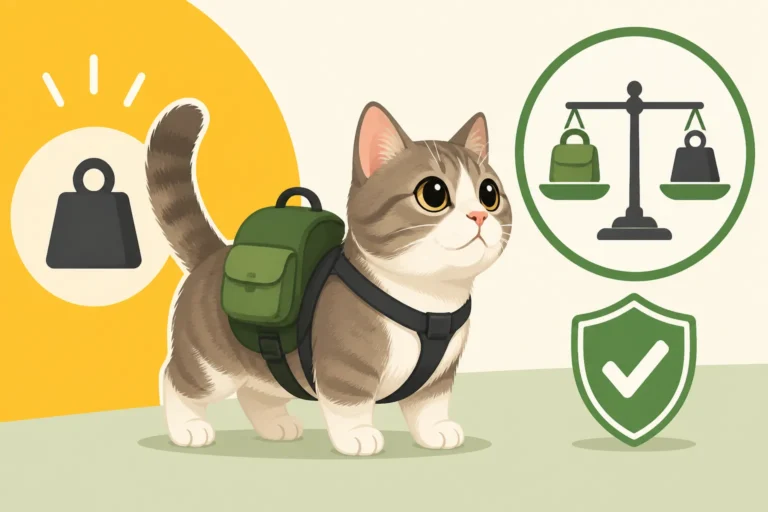
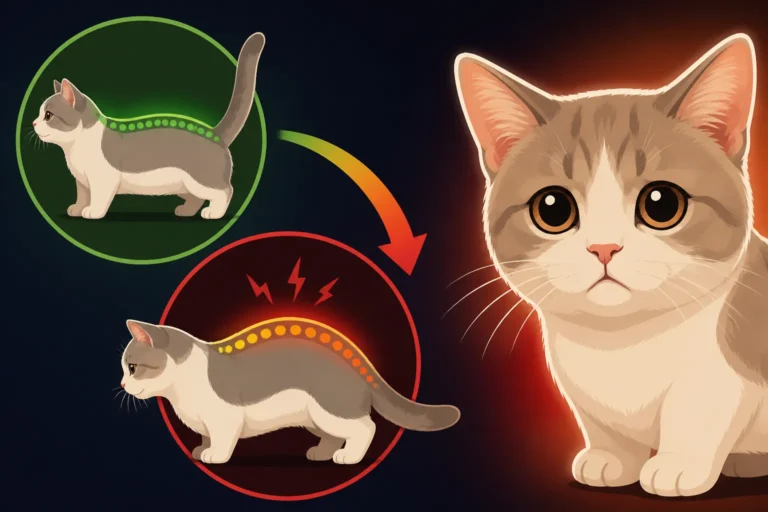
Imagine trying to carry a heavy backpack if your legs were half the length they usually are. That's a bit like what an overweight Munchkin experiences. While their legs are notably short, their body length and torso size are typically comparable to a regular domestic cat. This means that any excess weight is distributed over a shorter lever system, putting disproportionate strain on their spine and joints. It’s not just their legs that are different; their entire skeletal framework is under a different kind of mechanical stress. If you've ever wondered about the mechanics, a deeper dive into Why a Munchkin's Spine Carries a Load a Normal Cat's Does Not can be really illuminating. This unique body structure necessitates a more diligent approach to weight management and body condition scoring compared to other breeds.
Why Every Extra Pound Lands on Their Spine and Joints
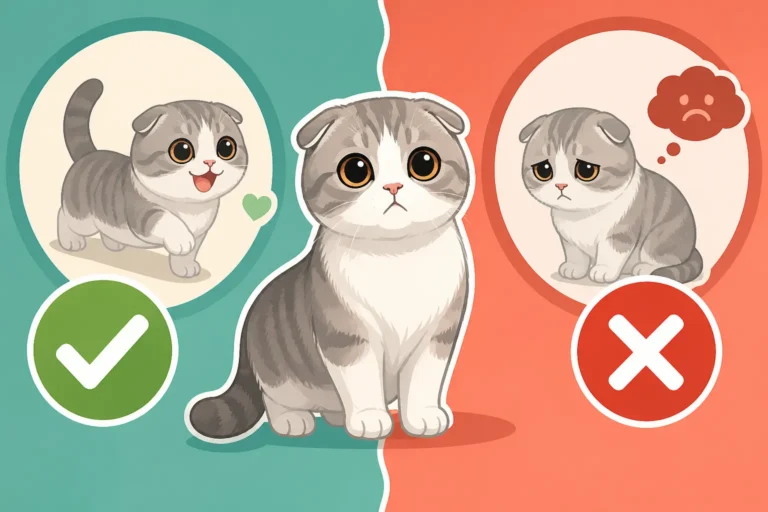
We talk about excess weight being bad for all cats, but for a Munchkin, it's particularly critical. Because of their shorter limb bones, their joints — especially in the shoulders and elbows, which bear much of the impact during movement — are subjected to amplified pressure. Think about how many times a day your cat jumps, runs, or even just shifts its weight. Now, imagine doing all that with a heavier load on limbs that aren't designed for it. Over time, this can accelerate conditions like osteoarthritis, making them uncomfortable and reducing their mobility. Every single extra gram matters, and that's why understanding Why Weight Is More Dangerous on a Munchkin is so vital for their well-being. It’s not just about comfort; it's about preventing debilitating pain and maintaining their playful nature.
The Deceptive Appearance of a Low-Slung Body
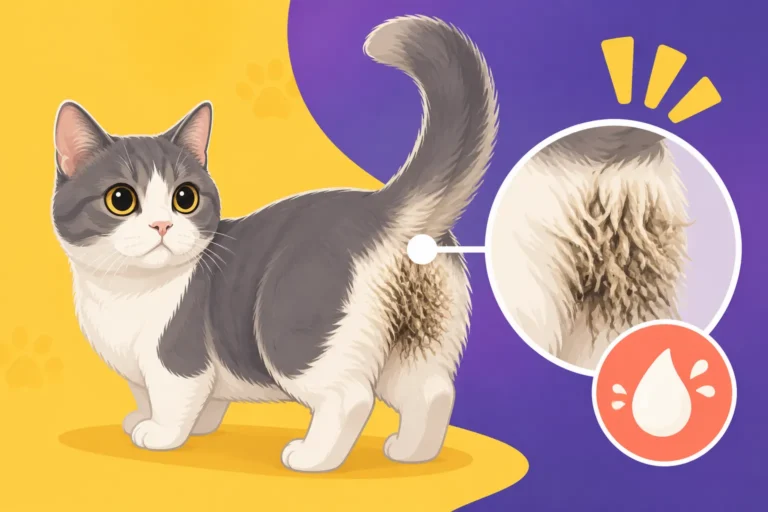
One of the biggest pitfalls in assessing a Munchkin's body condition is their inherently low-slung, often somewhat round appearance. Because their bodies sit closer to the ground, they can look fuller than they actually are, even when they're at a healthy weight. Conversely, a thin Munchkin might not look as emaciated as a thin long-legged cat, because their low profile tends to obscure the sharpness of their ribs or hip bones. You might notice your Munchkin looks round even when lean, and understanding Why a Munchkin's Body Looks Round Against the Floor can help you distinguish between a healthy curve and actual fat deposits. This deceptive visual makes hands-on assessment absolutely non-negotiable for Munchkin owners.
The Importance of Regular Body Condition Scoring
Body Condition Scoring (BCS) isn't just some fancy vet term; it's a practical, powerful tool you can use at home to keep tabs on your Munchkin's health. Think of it as your early warning system. By regularly checking your cat's BCS, you're not just guessing; you're actively monitoring a crucial aspect of their overall well-being. This proactive approach can literally add years to their life and improve their quality of life significantly, preventing a whole host of secondary issues that arise from being either too heavy or too light.
Preventing Overweight and Obesity-Related Issues
For a Munchkin, carrying too much weight is a significant risk factor for several health complications. Beyond the joint issues we've already discussed, obesity can lead to diabetes, heart disease, respiratory problems, and even certain types of cancer. Their short legs already limit some of their natural activity, meaning they burn fewer calories than a standard cat, making weight gain even easier. Preventing your Munchkin from becoming overweight is one of the most loving and impactful things you can do for them. It involves careful attention to their diet and encouraging appropriate activity levels, which helps to explain Why Every Extra Pound Matters More on a Munchkin. A healthy weight helps preserve their mobility and energy, ensuring they can enjoy their unique, ferret-like dashes around the house.
Identifying Underweight Conditions and Underlying Health Problems
While the focus often leans heavily towards preventing obesity, an underweight Munchkin is equally concerning. Being too thin can signal an underlying health issue such as hyperthyroidism, dental problems, parasitic infections, inflammatory bowel disease, or even more serious conditions like kidney disease or cancer. If your Munchkin is losing weight without any intentional dietary changes, it's a red flag that warrants immediate veterinary attention. An accurate BCS helps you identify this trend early, allowing for prompt diagnosis and treatment. For comprehensive insights into their internal health, it's good to know Which Blood Values Matter Most in a Munchkin. Don't ignore rapid or unexplained weight loss; it could be your Munchkin silently asking for help.
Partnering with Your Vet for Optimal Health
Your veterinarian is your most valuable partner in maintaining your Munchkin's ideal body condition. While you'll be doing regular home assessments, your vet can provide an objective, expert opinion, especially when you're unsure about your score. They can confirm your assessment, discuss specific concerns, and help you create a tailored nutrition and exercise plan. During annual check-ups, your vet will always perform a BCS as part of the overall health examination, and this is an excellent opportunity to discuss any changes you've observed. When your Munchkin is due for its annual visit, remember Why a Munchkin's Annual Visit Includes Its Gait as part of assessing their overall physical health and comfort. Regular veterinary visits are crucial for catching any subtle changes that might indicate a developing health issue, and pet insurance providers like Healthy Paws can offer peace of mind when it comes to covering unexpected vet costs.
The Hands-On Approach to Scoring Your Munchkin
Unlike many cat breeds where you might gauge their condition primarily by sight, for a Munchkin, it's all about getting your hands on them. Their unique build means that visual cues alone can be misleading. You need to become familiar with what a healthy Munchkin feels like, rather than just what they look like. Don't be afraid to gently feel along their body – they usually love the attention anyway! This tactile assessment gives you the most accurate picture of their underlying fat and muscle structure, moving past the visual deception of their low-slung form.
The Rib Test: Feeling for Those Bony Landmarks
The rib test is perhaps the most fundamental part of body condition scoring. To perform it, gently run your fingertips along your Munchkin's sides, just behind their front legs. You're looking to feel for their ribs.
- Ideal Condition: You should be able to feel the ribs easily under a slight layer of fat, similar to feeling the back of your hand. They shouldn't be sticking out sharply, nor should you have to press hard to feel them.
- Overweight: If you have to press firmly to feel the ribs, or if you can't feel them at all, your Munchkin is likely carrying too much fat.
- Underweight: If the ribs feel very prominent, sharp, and easily discernible with no fat covering, your cat is likely too thin.
This test gives you a direct insight into their fat reserves, regardless of how round their belly might appear. For more detailed guidance, learn What a Lean Munchkin Should Feel Like Along the Spine and ribs.
The Waistline Check: Where a Munchkin's Waist Should Be
Finding a waist on a Munchkin can feel a bit like finding a needle in a haystack, but it's there, and it's an important indicator. Their deep chest and short legs can make their abdomen appear fuller, but a healthy Munchkin still has a discernible waist. To check, stand above your Munchkin while they are standing on all fours.
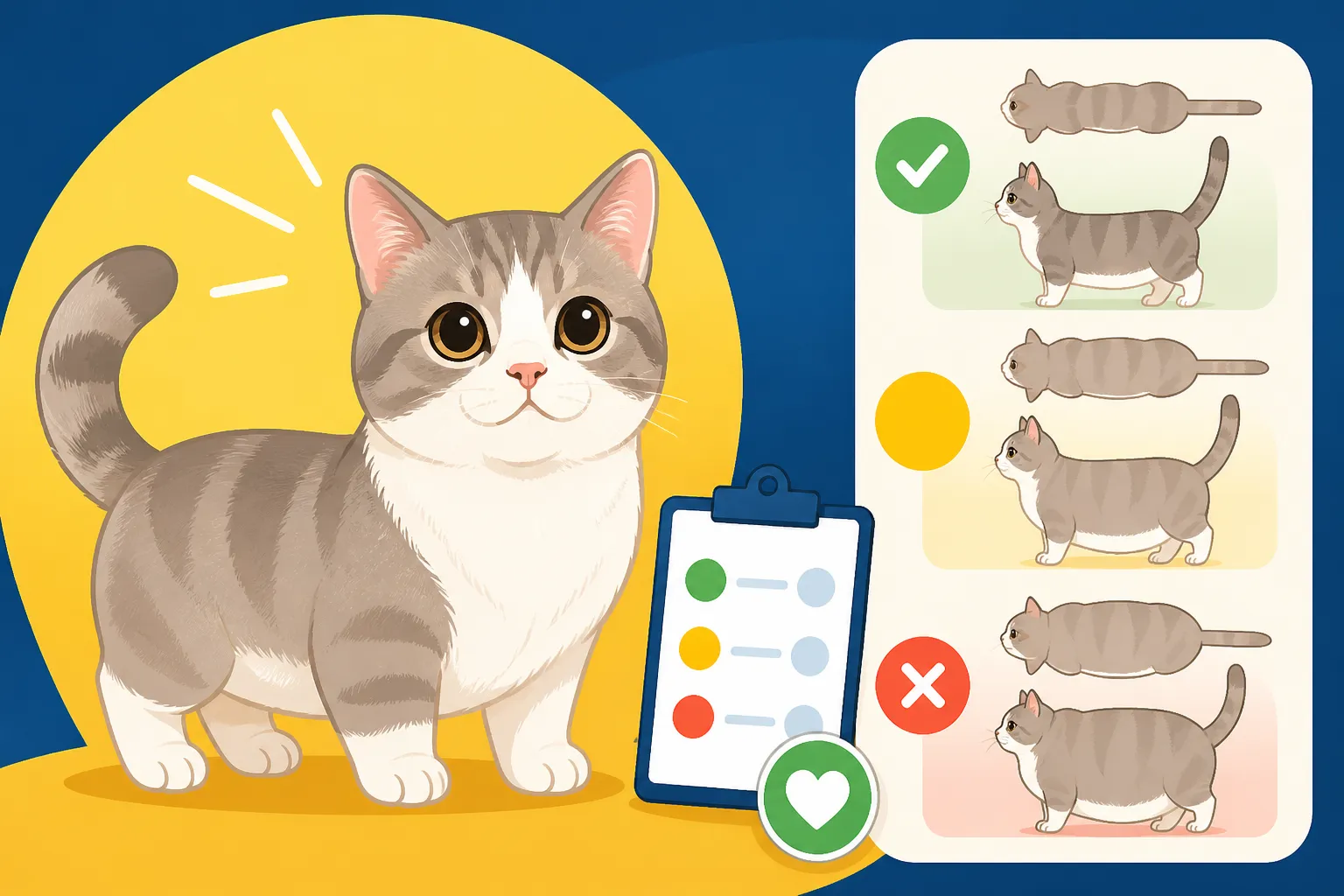
- Ideal Condition: You should see a gentle, inward curve just behind their ribcage, before their hips. It won't be as dramatic as on a long-legged cat, but it should be present.
- Overweight: If their body looks like a straight line or even bulges out from the ribs to the hips, they are likely overweight. There's no visible tuck or curve.
- Underweight: If the waist is extremely pinched or hollowed out, almost like an hourglass, they might be underweight.
This visual and tactile check provides crucial information about abdominal fat. Remember, even with their unique shape, a healthy waistline contributes to their comfort and mobility.
The Tummy Tuck: Assessing Abdominal Fat
The "tummy tuck" refers to the upward slope of the abdomen as it meets the hind legs. On a long-legged cat, this tuck is often quite pronounced. For a Munchkin, it's a bit more subtle due to their low-slung belly, but still important to assess.
- Ideal Condition: When viewed from the side, you should see a slight upward slope from the bottom of their ribcage to their hind legs. Their belly shouldn't be dragging on the floor.
- Overweight: An overweight Munchkin will often have a round, full belly that hangs down, sometimes even appearing to drag, with little to no abdominal tuck. This is a clear sign of excess fat accumulation.
- Underweight: An underweight Munchkin might show a more significant tuck than expected, with the abdomen appearing sunken or very hollow.
This combined with the rib and waistline checks gives you a holistic picture. It helps you understand Why a Munchkin's Belly Nearly Touches the Floor and what to look for when that low belly becomes unhealthy.
Interpreting the Body Condition Score (BCS) Chart
To standardize these observations, veterinarians use a Body Condition Score (BCS) chart, typically on a 1-5 or 1-9 scale. For simplicity and clarity, we'll focus on the 1-5 scale, which is commonly used and easily adaptable for home use. The key is to understand that each number represents a range of physical characteristics, and you're aiming for that sweet spot in the middle. Don't get hung up on perfection; consistency in your assessment is what truly matters over time.
The 1-5 Scale: What Each Number Means for Your Munchkin
Let's break down the common 5-point scale and what each score signifies specifically for a Munchkin cat:
- BCS 1: Emaciated
- Visual: Ribs, spine, and pelvic bones are clearly visible even from a distance. No discernible body fat. Severe abdominal tuck.
- Tactile: Ribs and bones are very prominent and sharp to the touch. No muscle mass evident.
- Munchkin Specific: While their low-slung body might make them look less "bony" than a standard cat, you'll still feel very little fat and muscle. Their general demeanor might be lethargic.
- BCS 2: Underweight
- Visual: Ribs, spine, and pelvic bones are easily visible. Obvious abdominal tuck. Some muscle mass may be present but minimal.
- Tactile: Ribs and bones are easily felt with minimal fat cover.
- Munchkin Specific: You might not see the extreme sunkenness of a long-legged cat, but you'll easily feel every rib.
- BCS 3: Ideal
- Visual: Well-proportioned body. You should see a slight waist behind the ribs. A subtle abdominal tuck is present.
- Tactile: Ribs are easily felt but covered by a thin layer of fat. The spine and hip bones are palpable with slight pressure.
- Munchkin Specific: This is the goal! Your Munchkin should feel streamlined but not boney. Their energy levels will be high, and they'll move freely.
- BCS 4: Overweight
- Visual: No visible waistline. Abdomen may appear slightly rounded or bulging. Slight fat deposits over the lower back and tail base.
- Tactile: Ribs are difficult to feel under a moderate to thick fat layer. Spine and hip bones require firm pressure to palpate.
- Munchkin Specific: Their low body will look very round, and you'll really have to press to feel those ribs.
- BCS 5: Obese
- Visual: Markedly round, bulging abdomen. No waistline or abdominal tuck. Heavy fat deposits over the back, tail base, and neck.
- Tactile: Ribs are very difficult or impossible to feel due to a very thick fat layer. Extensive fat deposits throughout the body.
- Munchkin Specific: Their belly will likely drag on the floor. Mobility might be noticeably reduced, and they may struggle with grooming their back half.
Visual Cues for Underweight, Ideal, and Overweight
Even with the tactile test being paramount, visual cues still play a role, especially once you're accustomed to your individual Munchkin's shape. Look at your cat from above and from the side.
- From above: Does their body curve inward slightly behind the ribs (an ideal waist), or does it look like a straight line or even bulge outwards?
- From the side: Does their belly tuck up gently, or does it hang low and appear pendulous? Is their spine visibly protruding or completely hidden under fat?
- General appearance: Are they struggling to jump even short distances? Do they seem less active than usual? These behavioral changes can be subtle but important visual indicators of their physical condition. Observing What an Old Munchkin Stops Being Able to Do can give insights into mobility changes that might correlate with weight.
Practical Examples for Each Score
Let's imagine some real-life scenarios for a better understanding:
- BCS 1 (Emaciated): You're gently petting your Munchkin, and you can distinctly see and feel every individual rib bone, almost like feeling a washboard. Their spine feels sharp and prominent, and their hip bones protrude noticeably, even through their fur. They might look quite hollow from the side, with a very severe abdominal tuck. They also might be quite withdrawn or lethargic, struggling to keep warm. This is an emergency, and they need veterinary care immediately.
- BCS 3 (Ideal): When you run your hand along their side, you can easily count their ribs without pressing hard, but they feel smooth, not sharp. From above, you see a gentle indentation behind their ribs – a subtle waist. Their belly has a nice, gentle tuck when viewed from the side, not dragging. They're zipping around, playing, and jumping onto low furniture with ease, happy and active. This is where we want them to be!
- BCS 5 (Obese): You try to feel your Munchkin's ribs, but you have to push quite hard, and even then, you can only vaguely make them out. From above, their body is a solid, rounded rectangle, with no waist whatsoever. Their belly hangs low, often swaying when they walk, and almost touches the floor. You might notice them grooming less, especially their hindquarters, or huffing slightly after a short burst of activity. They might struggle to reach their favorite sleeping spots. This requires a serious conversation with your vet about a weight loss plan.
| Body Condition Score (BCS) | Visual Appearance (Munchkin Specific) | Tactile Impression (Munchkin Specific) | Action Required |
|---|---|---|---|
| 1 (Emaciated) | Ribs/spine/pelvis very prominent; severe abdominal tuck. | Bones sharp, no fat/muscle cover; feel cold. | Immediate vet intervention. |
| 2 (Underweight) | Ribs/spine/pelvis easily visible; obvious abdominal tuck. | Bones easily felt with minimal fat cover. | Vet check for underlying issues; gradual diet increase. |
| 3 (Ideal) | Subtle waist behind ribs; gentle abdominal tuck. | Ribs easily felt under slight fat layer; smooth, not sharp. | Maintain current diet and exercise. |
| 4 (Overweight) | No visible waist; body looks rounded/bulging; full belly. | Ribs difficult to feel under moderate fat layer; firm pressure needed. | Discuss diet adjustment with vet; increase activity. |
| 5 (Obese) | Markedly rounded, sagging belly; no waist/tuck; heavy fat deposits. | Ribs very difficult/impossible to feel; very thick fat layer everywhere. | Vet-supervised weight loss plan; focus on joint support. |
Adapting Care Based on Your Munchkin's BCS
Once you have a good handle on your Munchkin's Body Condition Score, you can start making informed decisions about their care. This isn't a one-time assessment; it's an ongoing process that allows you to be responsive to your cat's changing needs as they age or their lifestyle shifts. Remember, a Munchkin's body is uniquely sensitive to changes in weight, so small adjustments can make a big difference.
Adjusting Diet for Weight Loss or Gain
Diet is the cornerstone of weight management for any cat, but especially for a Munchkin.
- For an overweight Munchkin (BCS 4-5): The goal is slow, steady weight loss. Crash diets are unhealthy and ineffective. Your vet might recommend a specific prescription weight-loss food, or simply reducing their current food portion. It’s critical to measure out their food precisely. Knowing How Many Calories a Munchkin Needs to Stay Off Its Joints is crucial here. They typically burn fewer calories than a standard cat due to their limited mobility range, so even a small reduction can have an impact. Avoid free-feeding and stick to scheduled, weighed meals. Healthy Paws advises discussing any major dietary changes with your vet to ensure proper nutrition.
- For an underweight Munchkin (BCS 1-2): First and foremost, a vet visit is essential to rule out any underlying medical conditions causing the weight loss. If cleared, your vet might suggest increasing their current food portion gradually, or switching to a higher-calorie, highly digestible food. Sometimes, simply offering smaller, more frequent meals can help. Avoid overfeeding, as rapid weight gain can also put a strain on their system.
Tailoring Exercise and Play to Support Joint Health
Exercise is vital for maintaining muscle mass and supporting joint health, especially for a Munchkin.
- For an overweight Munchkin: Encourage gentle, consistent play. Use wand toys, laser pointers (but always end with a tangible reward!), or rolling toys that stay at floor level. Short, frequent play sessions are better than one long, exhausting one. Don't expect them to jump; focus on horizontal movement. Interactive feeders can also encourage activity. Remember How Much Floor Level Play a Munchkin Needs and find ways to integrate it into their daily routine without excessive jumping.
- For a Munchkin at ideal weight or underweight: Maintain regular play to keep their muscles strong and joints flexible. Provide enrichment like low-level cat trees with closely spaced platforms, or ramps to access favorite spots like windowsills or beds. While Munchkins are often faster on the flat than you might expect, prolonged strenuous activity, especially jumping down, should be limited to protect their joints. Consider Which Joint Supplements Suit a Munchkin in discussion with your vet, as proactive joint support can be very beneficial.
Leveraging Veterinary Support and Monitoring
Your vet isn't just for emergencies; they're there for preventative care and guidance on things like body condition.
- Regular Check-ups: Schedule regular veterinary check-ups, even if your Munchkin seems perfectly healthy. These visits allow your vet to monitor their BCS, assess their gait, and catch any subtle changes that you might miss. They can perform blood tests if needed, especially as your Munchkin enters their senior years, which can reveal conditions like kidney disease or hyperthyroidism that impact weight. As Munchkins age, their needs change; knowing Caring for a Munchkin Past Ten involves even more diligent monitoring.
- Tailored Advice: Don't hesitate to ask your vet for specific recommendations for your Munchkin. They can advise on appropriate food brands, portion sizes, and safe exercise routines. If your Munchkin needs to lose weight, they can help you set realistic goals and provide a structured plan. They can also connect you with resources for pet insurance like Healthy Paws, which can cover the costs of diagnostics and treatments related to chronic conditions or injuries that might arise.
Common Mistakes and How to Avoid Them
Even with the best intentions, it's easy to fall into common traps when trying to manage a Munchkin's body condition. Their unique physique and endearing personality can sometimes lead owners astray. Being aware of these common pitfalls can help you stay on track and ensure your Munchkin maintains optimal health.
Misinterpreting a Round Belly
One of the most frequent mistakes is looking at a Munchkin's naturally low-slung body and assuming a round belly is normal or even cute. As we discussed, their body type means their abdomen sits closer to the ground, giving a perpetually fuller appearance. However, this visual can mask true fat accumulation. A genuinely round, bulging belly, especially one that sways or drags, is almost certainly indicative of being overweight, not just their breed type. Remember to always combine visual assessment with the hands-on rib and waistline checks. Relying solely on sight often leads to underestimating how much extra weight your Munchkin might be carrying, which can be detrimental given their predisposition to joint issues.
Relying Solely on Scale Weight
While weighing your Munchkin regularly is a good practice—and you should definitely learn How Often to Weigh a Munchkin at Home—it shouldn't be your only measure of their health. Scale weight provides a number, but it doesn't tell you about body composition. Two cats of the same breed and weight could have vastly different body conditions: one lean and muscular, the other carrying too much fat. This is especially true for Munchkins, where their compact build can make a few extra ounces feel like pounds on their small frames. Use the scale as a tool for tracking trends, but always pair it with a hands-on BCS to get the full picture. A sudden, unexplained change in weight, up or down, warrants a vet visit, regardless of their BCS.
Ignoring Subtle Changes in Mobility
Munchkins are often very stoic and excellent at hiding discomfort, a common trait in cats. This means that subtle changes in their mobility might be the first, and sometimes only, sign that they're struggling with their weight or experiencing early joint pain. You might notice they're a little less enthusiastic about playing, they hesitate before attempting a low jump they once cleared easily, or they're not quite as quick on their feet. These small shifts are easy to dismiss as "just getting older," but they could be vital clues. Pay close attention to their gait, their willingness to engage in play, and their general ease of movement. If you notice any hesitations or stiffness, even if their BCS seems okay, it's worth a conversation with your vet. Early intervention is key, and getting a good pet insurance plan, like those offered by Healthy Paws, early in your cat's life can help with covering costs associated with diagnostics and physical therapy if mobility issues arise.
Disclaimer
The information provided in this guide is for educational and informational purposes only and does not constitute veterinary advice. Always consult with a qualified veterinarian for any health concerns or before making any decisions about your pet's medical care or diet.