What a Munchkin Cannot Reach to Groom
It’s a common misconception that because a Munchkin cat is small, they're just like any other cat, only pint-sized. But anyone who lives with these adorable, low-slung felines knows that their unique physique comes with its own set of practical challenges, especially when it comes to self-grooming. It can be incredibly frustrating to see your beloved kitty struggle to reach an itch or clean themselves properly, leading to mats, skin irritation, and even infections. This comprehensive guide will delve deep into exactly which parts of their body a Munchkin cat struggles to groom, why these areas are problematic, and how loving owners can step in to provide the essential care needed to keep their short-legged companions healthy and happy.
The Physical Realities of a Munchkin's Grooming Limitations
Living with a Munchkin means understanding their body is different. While their spirit and personality are all cat, their physical structure presents some unique hurdles, particularly when it comes to keeping themselves pristine.
Understanding the Unique Anatomy
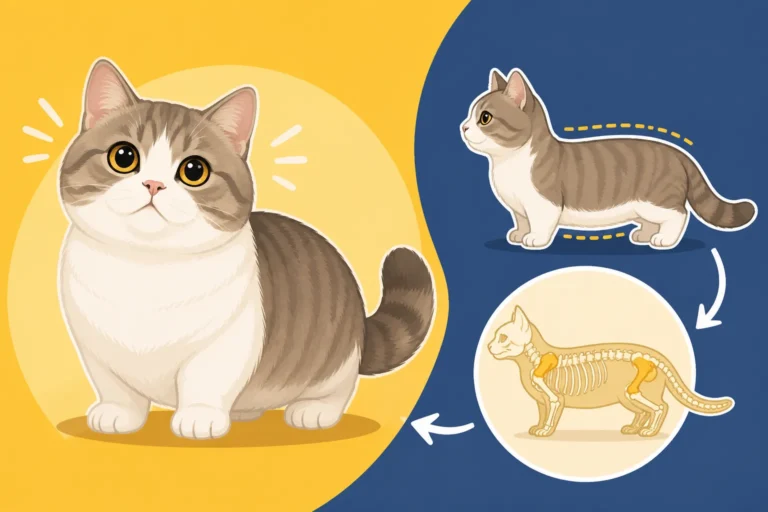
At first glance, a Munchkin cat looks like a perfectly proportioned feline that someone simply shrunk down. But the reality is a bit more nuanced. Munchkin cats have a body that's a normal length and size for a domestic cat; it's just their legs that are significantly shorter due to a natural genetic mutation. This condition, known as pseudoachondroplasia, results in shortened long bones in the legs, while the spine and body remain typically sized. Imagine trying to scratch your back or clean your lower legs if your arms were disproportionately short but your torso was perfectly normal. That's a bit like the daily challenge your Munchkin faces.
A standard cat, with its long, flexible spine and agile limbs, can twist, turn, and stretch to reach almost every inch of its body. They can arch their back, reach their hind legs up to their ears, and bend double to lick their perineal area with impressive acrobatic skill. The Munchkin, however, lacks the necessary limb length and sometimes the same degree of spinal flexibility to achieve these feats. Their low center of gravity and short stature, while making them surprisingly agile on the flat, also means certain angles and reaches are simply out of the question. You'll find it fascinating to learn that Why a Munchkin's Legs Are Short but Its Body Is Not explains this anatomical difference in even greater detail.
Identifying the Hard-to-Reach Zones
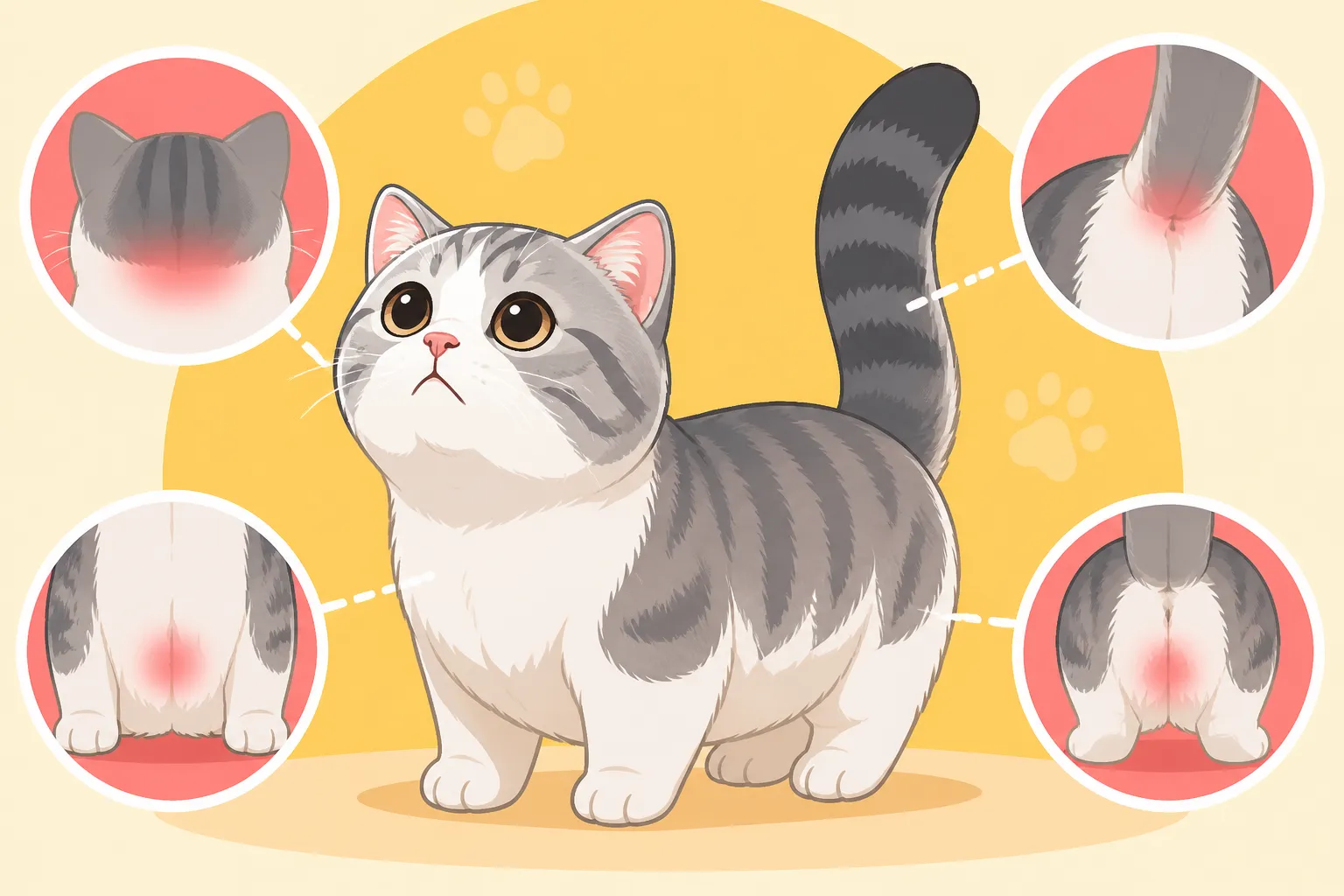
So, what are these mysterious regions that confound our short-legged friends? The primary culprits are often the areas that require the most flexibility and reach:
- The Hindquarters and Tail Base: This is arguably the most critical and problematic zone. After using the litter box, a regular cat meticulously cleans this area to prevent unsanitary conditions. A Munchkin's shortened hind legs make this a Herculean task, often leading to dirty fur and skin irritation.
- The Middle and Lower Back: While they might rub against furniture or enjoy a good scratch from you, reaching the entire length of their back with their tongue is difficult. This can lead to dander buildup or unseen skin issues.
- Underneath the Belly and Armpits: Although cats often expose their bellies for grooming when relaxed, the Munchkin's very low-slung body can make it hard to get a comprehensive clean, especially in the folds of skin around the armpits or groin. For long-haired Munchkins, these areas are prime real estate for mats.
- Behind the Ears and Top of the Head: While many cats use their front paws to 'wash' their faces and ears, a Munchkin's shorter front legs can make the thorough scrubbing of the back of the ears or the crown of the head a bit awkward, though usually not as severely impacted as the hindquarters.
Understanding these specific zones is the first step in becoming a proactive and attentive Munchkin owner, ensuring your cat doesn't suffer in silence from an unreachable itch or an unclean patch of fur.
Why the Hindquarters Are the Biggest Challenge
The hindquarters are, without a doubt, the most common and significant grooming challenge for Munchkin cats. This isn't just about aesthetics; it’s a crucial health concern.
The Perineal Area and Tail Base
For any cat, maintaining cleanliness around the perineal area (the region around the anus and genitals) and the base of the tail is vital. It’s their first line of defense against bacterial infections and an essential part of their hygiene routine after doing their business in the litter box. A normal cat will twist its body into a compact shape, using its long, flexible spine and tongue to thoroughly cleanse this sensitive area. They can reach around their tail, lift it, and meticulously lick away any residue.
For a Munchkin, this whole process is a monumental undertaking, if not impossible. Their short hind legs simply do not allow for the necessary leverage or range of motion to bend and reach the perineal area effectively. The tail base, too, can be tricky as they can't lift and maneuver their tail in the same way to access the skin beneath. This physical limitation means that residual fecal matter can easily become trapped in the fur, especially in long-haired Munchkins. This isn't just unsightly; it's a breeding ground for bacteria, leading to skin irritation, foul odors, and potentially serious infections. The constant dampness or irritation can make your cat uncomfortable, leading to scooting or excessive licking of areas they can reach, sometimes making the problem worse. If you're curious about the specifics, our article Whether a Munchkin Can Clean Itself After the Litter Box explores this topic in depth.
Matting and Skin Issues in the Hindquarters
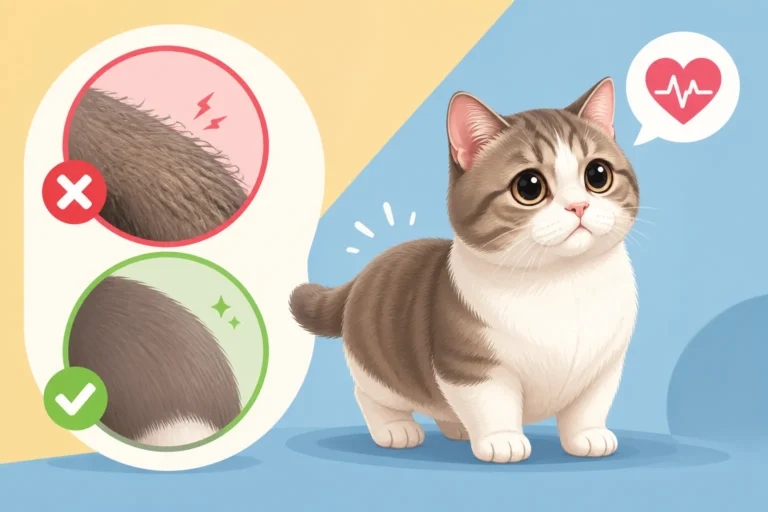
The inability to properly groom the hindquarters has dire consequences, particularly for long-haired Munchkins. This area is highly prone to developing mats – dense clumps of tangled fur that can be incredibly painful and detrimental to a cat's health. Mats form when loose fur, dirt, and dander become intertwined, often exacerbated by moisture (like urine or fecal residue) and friction. Once a mat starts, it can quickly grow, pulling tightly on the underlying skin.
These tight mats don't just cause pain; they can restrict movement, making it even harder for your Munchkin to walk, sit, or even go to the bathroom comfortably. More alarmingly, mats can hide a multitude of underlying skin conditions. Trapped moisture and lack of air circulation underneath a mat create a perfect environment for bacterial and fungal infections, hot spots, and parasitic infestations. Your cat might itch relentlessly, but without being able to reach, they can’t alleviate the discomfort, leading to a cycle of frustration and potential skin damage. Regularly inspecting this area is crucial, as is understanding Why a Munchkin's Hindquarters Get Matted to prevent these issues from escalating into serious health problems requiring veterinary intervention.
Other Commonly Neglected Areas
While the hindquarters take center stage in grooming difficulties, other parts of a Munchkin’s body can also be overlooked due to their unique conformation. These areas, though perhaps less prone to severe immediate issues, still require owner attention.
The Middle and Lower Back
Even for Munchkin cats with shorter coats, reaching the entire expanse of their back for a thorough self-grooming session can be surprisingly difficult. A standard cat will stretch and contort to lick its spine from neck to tail, distributing natural oils and removing loose fur and debris. The Munchkin, with its normal body length but short legs, simply doesn't have the same reach or flexibility to cover the middle and lower portions of its back effectively.
You might notice your Munchkin trying to rub against door frames, furniture legs, or even your own legs to alleviate an itch or shed some fur. While this offers some relief, it's no substitute for the comprehensive cleaning action of a cat's barbed tongue. Over time, a lack of proper grooming in these areas can lead to several problems. You might observe a buildup of dander, dullness in the coat, or even dry, flaky skin if the natural oils aren't evenly distributed. More concerning, these neglected spots can become hidden havens for fleas, ticks, or other parasites, going unnoticed until the infestation is significant. It's a key reminder that while Munchkins are wonderfully self-sufficient in many ways, there are specific areas where Which Parts of Itself a Munchkin Cannot Reach truly highlights their limitations.
The Belly and Armpits
When a regular cat grooms its belly, it often lies on its side or back, stretching out its body to access the soft fur. While Munchkins are adept at sprawling out, their very low-slung bodies can still present challenges in getting a complete clean, especially in the deeper folds of skin around the armpits, chest, and groin area. This is particularly true for larger or slightly overweight Munchkins, where excess skin or fat can create even more inaccessible nooks and crannies.
For long-haired Munchkins, the belly and armpits are notorious for developing mats. The constant friction from walking and lying down, combined with difficulty reaching these areas for grooming, can quickly turn soft fur into uncomfortable tangles. Mats in these areas can be particularly painful as they restrict movement of the legs and pull on sensitive skin. Furthermore, the belly fur can easily pick up dirt, debris, or moisture from the floor, and if it's not cleaned, it can lead to skin irritation or bacterial growth. Regular inspection and intervention are vital to ensure that Why a Munchkin's Belly Fur Needs Checking becomes a routine part of your care.
The Impact of Poor Self-Grooming on Health and Well-being
Failing to address a Munchkin's grooming limitations isn't just about appearances; it has significant health implications that can severely impact their quality of life.
Increased Risk of Health Problems
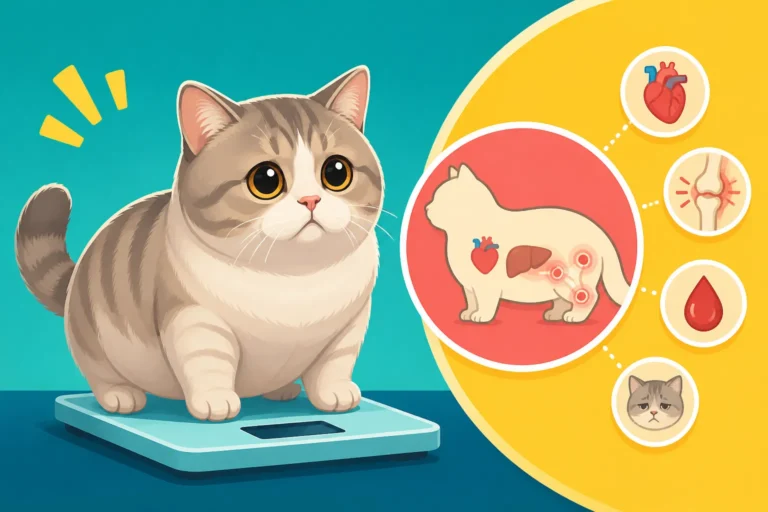
When a cat cannot adequately groom itself, especially in sensitive areas like the hindquarters, the door opens wide for a cascade of potential health issues. Skin infections are a primary concern. Residual fecal matter, urine, or simply trapped moisture in ungroomed fur creates a warm, damp environment perfect for the proliferation of bacteria and fungi. This can manifest as painful dermatitis, hot spots, or more severe skin infections that require veterinary treatment with antibiotics or antifungals. These conditions are not only uncomfortable for your cat but can lead to chronic irritation if not managed.
Beyond infections, matting itself is a health problem. Severe mats pull on the skin, causing constant pain and bruising. They can restrict blood flow, and in extreme cases, even lead to skin necrosis underneath the mat. Mats also conceal parasites; fleas, ticks, and mites can thrive undetected beneath a dense mat, leading to further irritation, anemia, and even transmission of diseases. The discomfort from poor grooming can also lead to behavioral changes – a once playful Munchkin might become withdrawn, irritable, or even aggressive due to chronic pain. These health issues can result in numerous vet visits, diagnostic tests, and expensive treatments. It’s why proactive, preventative care is so important, and having a good pet insurance plan, such as one from Healthy Paws, can provide significant financial relief should these issues arise, ensuring your Munchkin gets the care they need without you worrying about the bill. Understanding How Skin Problems Start Under a Munchkin's Mats is crucial for prevention.
Lifestyle and Environmental Factors
Several factors can exacerbate a Munchkin's inherent grooming difficulties, making owner intervention even more critical. One of the most significant is obesity. An overweight Munchkin will find it even harder to twist, turn, and reach certain parts of its body. The extra bulk can make it nearly impossible to access the hindquarters or deep belly folds, leading to a vicious cycle where poor grooming contributes to skin issues, and discomfort from those issues makes grooming attempts even less likely. Monitoring your Munchkin's weight diligently is a cornerstone of their overall health plan.
Aging also plays a crucial role. As Munchkins grow older, just like any cat, they may develop arthritis or other joint issues, particularly in their shoulders and spine, further limiting their flexibility and range of motion. An older Munchkin who once managed some level of self-grooming might suddenly find it too painful or impossible. This transition requires owners to step up their grooming efforts considerably. Our article Why an Old Munchkin Stops Grooming Its Back offers more insights into this specific challenge.
Finally, coat length is a huge factor. While short-haired Munchkins can still struggle, long-haired varieties are exponentially more prone to severe matting in their hard-to-reach areas. Their fine, flowing fur easily tangles, especially when exposed to moisture or friction. For many Munchkins, especially those with longer coats, a regular sanitary clip becomes not just a convenience, but a necessity to prevent painful and unhygienic conditions. This involves carefully trimming the fur around their hindquarters and belly to keep it short and clean. It’s worth exploring Whether a Munchkin Needs a Sanitary Clip to understand if this proactive step is right for your cat.
Solutions and Owner Interventions for Grooming Care
Understanding the problem is only half the battle. As a Munchkin owner, you become an essential partner in your cat's grooming routine, providing the care they simply cannot give themselves.
Establishing a Regular Grooming Routine
The most impactful thing you can do for your Munchkin is to establish a consistent, regular grooming routine from a young age. This is especially true for long-haired varieties, but even short-haired Munchkins benefit immensely. Daily or every-other-day brushing is ideal, but the frequency depends on your cat's coat type, activity level, and propensity for matting.
Start by introducing brushing as a positive experience. Use gentle strokes and offer treats and praise. The goal is to make it a calm, bonding time, not a struggle. Choose the right tools:
- Soft-bristle brush: Great for daily gentle grooming and distributing oils.
- Slicker brush: Effective for removing loose fur and detangling, especially for long-haired cats.
- Fine-toothed comb or flea comb: Essential for checking for mats, particularly around the hindquarters and under the belly, and for identifying any parasites.
- Deshedding tool (e.g., Furminator): Use sparingly but effectively to remove undercoat and reduce shedding, which helps prevent mats.
Focus your initial efforts on the areas your Munchkin can't reach: the hindquarters, the base of the tail, the middle of the back, and the belly. Gently lift their tail to check the perineal area. Be patient and consistent. It might take time for your Munchkin to fully accept this routine, but the health benefits are invaluable. Our guide on How Often to Brush a Munchkin's Back provides more detailed advice on frequency and technique.
Addressing Specific Problem Areas
Beyond general brushing, specific interventions are often necessary for your Munchkin’s hygiene.
-
Sanitary Trims: For many Munchkins, particularly long-haired ones, a sanitary clip is a game-changer. This involves carefully trimming the fur around their anus, genitals, and sometimes the inner thighs to keep it short and neat. This dramatically reduces the chances of fecal matter or urine accumulating in the fur. You can learn to do this carefully yourself with blunt-nosed scissors or clippers, but if you're unsure, a professional groomer or your vet clinic can perform this safely. It's truly one of the best preventative measures you can take.
-
Wiping the Hindquarters: After your Munchkin uses the litter box, especially if you notice any residue, gently wipe their hindquarters with a pet-safe, unscented wet wipe or a damp cloth. This immediately removes potential irritants and prevents buildup. Make this a quick, gentle process, again with treats and praise, so your cat associates it with positive reinforcement.
-
Bathing: While cats are generally self-cleaning, there might be times when your Munchkin needs a bath, especially if they have a severe mess in their hindquarters that can't be spot-cleaned, or if they develop a skin condition requiring medicated shampoo. Bathing a cat can be stressful, so prepare everything in advance. Use lukewarm water and a cat-specific shampoo. Focus on the problematic areas, ensuring you rinse thoroughly to avoid skin irritation from soap residue. Be gentle and reassure your cat throughout the process. Our advice on How to Wash a Munchkin's Rear offers practical tips.
-
Professional Groomers: Don't hesitate to seek out a professional groomer experienced with cats, especially if your Munchkin has a long coat, is prone to severe matting, or is particularly resistant to home grooming. They have the expertise, tools, and techniques to safely and efficiently manage your cat's coat. Some pet insurance plans, like those offered by Healthy Paws, might even have wellness add-ons that could contribute towards professional grooming costs, making this vital service more accessible and ensuring your Munchkin stays comfortable and clean.
Holistic Support for Your Munchkin's Coat Health
Grooming isn't just about brushing; it's part of a larger picture of health. Supporting your Munchkin's overall well-being contributes significantly to a healthier coat and easier grooming.
Nutrition and Supplements
A healthy coat starts from within. Feeding your Munchkin a high-quality, balanced diet is fundamental. Look for cat foods with high-quality protein sources and essential fatty acids. A diet rich in Omega-3 and Omega-6 fatty acids, for instance, can promote healthy skin and a shiny coat, reducing dryness and excessive shedding that can contribute to matting.
You might also consider supplementing your Munchkin's diet with specific nutrients. Many owners find success with Omega fatty acid supplements, such as salmon oil or flaxseed oil, which can be added directly to their food. These supplements help maintain skin hydration, reduce inflammation, and improve coat quality. Always consult your veterinarian before adding any supplements to your cat's diet to ensure they are appropriate and dosed correctly. Proper hydration is also key; ensure your Munchkin always has access to fresh, clean water, ideally in multiple locations, or consider a cat fountain to encourage drinking. A well-nourished cat often has a healthier coat, which is naturally more resistant to matting and easier for you to manage.
Vet Check-ups and Early Detection
Regular veterinary check-ups are absolutely non-negotiable for a Munchkin cat, even if they appear healthy. Your veterinarian is an invaluable partner in ensuring your cat’s unique needs are met. During routine exams, your vet can meticulously check those hard-to-reach areas that you might miss, such as the skin under the tail, around the groin, or along the spine. They can spot early signs of skin irritation, infections, or matting that could escalate into more serious problems if left unaddressed.
Vets can also provide tailored advice on grooming tools, techniques, and the necessity of sanitary clips based on your individual cat's coat type and lifestyle. They can also advise on appropriate dietary changes or supplements if they detect underlying skin or coat issues. Catching problems early through regular vet visits can prevent more severe conditions, saving your Munchkin discomfort and saving you potentially hefty vet bills down the line. Having robust pet insurance, like a comprehensive plan from Healthy Paws, provides invaluable peace of mind, ensuring that you can always afford the best possible care for your Munchkin, whether it's for routine check-ups or unexpected health issues stemming from grooming challenges. Our post on How Often a Healthy Adult Munchkin Needs Checking emphasizes the importance of these regular appointments.
| Grooming Area | Why it's a Challenge for Munchkins | Potential Problems | Owner Intervention Strategies |
|---|---|---|---|
| Hindquarters | Short hind legs, limited flexibility | Fecal/urine matting, skin irritation, infection | Sanitary clips, post-litter wiping, regular combing |
| Middle/Lower Back | Short legs, difficult to twist | Dander buildup, dry skin, missed parasites | Daily brushing, deshedding tools |
| Belly/Armpits | Low-slung body, awkward angles | Matting, skin folds, trapped moisture | Gentle brushing, checking skin folds, professional grooming |
| Behind Ears/Head Top | Short front legs | Incomplete cleaning, dander | Assisted cleaning with damp cloth, gentle brushing |
Disclaimer
The information provided in this article is intended for general knowledge and informational purposes only, and does not constitute medical advice. Always consult with a qualified veterinarian or animal healthcare professional for any concerns about your Munchkin cat's health or specific grooming needs. Do not disregard professional veterinary advice or delay seeking it because of something you have read here.