Which Vaccines an Indoor Munchkin Needs
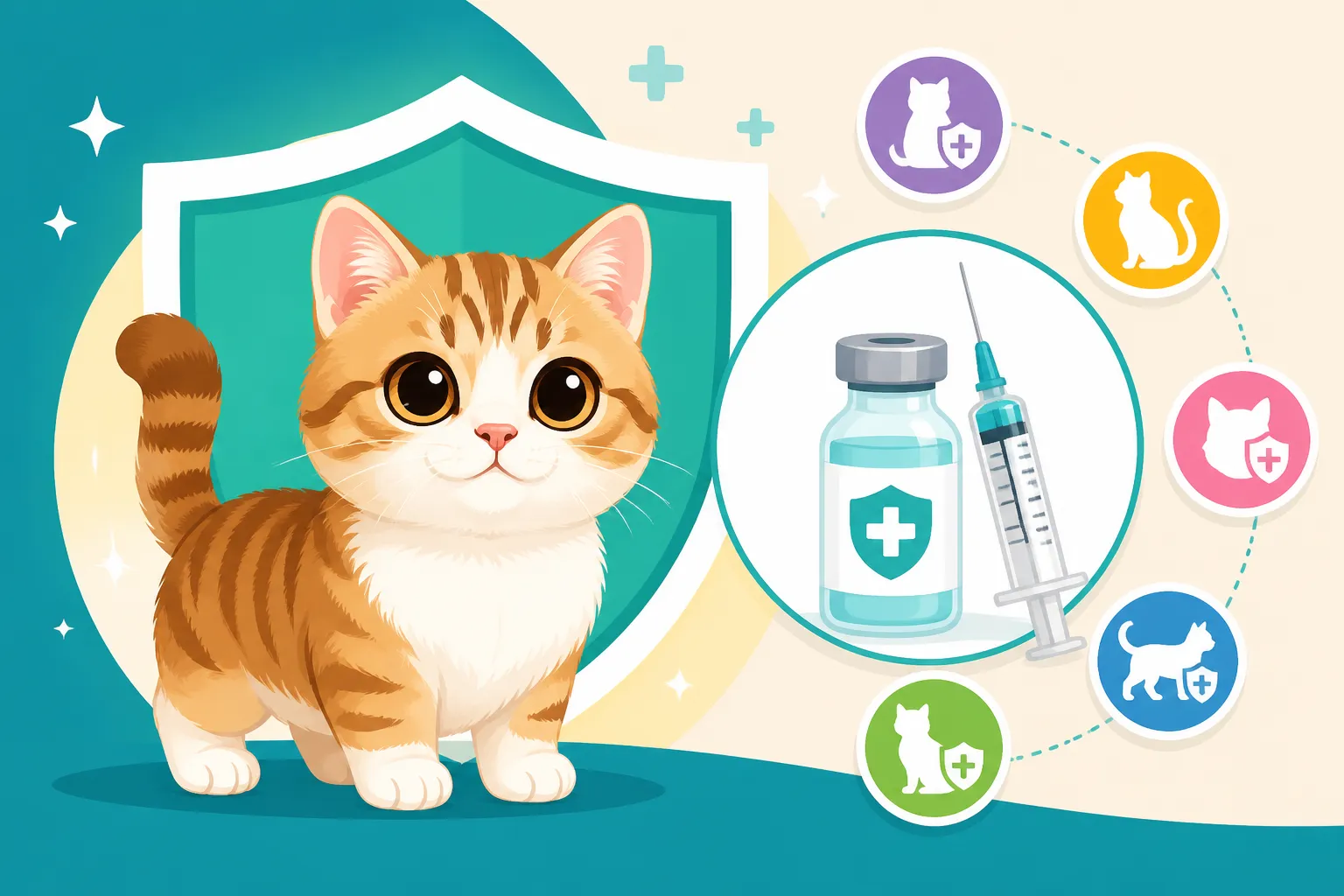
Bringing a new Munchkin cat into your home is such an exciting time, but it can also be a little overwhelming when you start thinking about their health and all the decisions you need to make to keep them safe. One of the biggest questions new owners, especially those with indoor-only cats, often have is around vaccinations: which ones are truly necessary? This guide is here to walk you through exactly which vaccines your indoor Munchkin needs, why they're important, and what you should discuss with your vet.
Understanding Core vs. Non-Core Vaccines for Your Munchkin
When it comes to vaccinating our feline friends, it’s not a one-size-fits-all situation, especially for indoor cats like our beloved Munchkins. There’s a crucial distinction between "core" vaccines and "non-core" vaccines, and understanding this difference is the first step in making informed decisions for your cat's health. It’s natural to feel a bit confused by all the options, but we’ll break it down so you feel confident in protecting your little low-rider.
Why Some Vaccines Are Absolutely Essential
Core vaccines are those recommended for all cats, regardless of their lifestyle. These protect against diseases that are highly contagious, severe, and widespread, even in indoor environments. Think of them as the foundational layer of immunity for your Munchkin. Even if your cat never steps a paw outside, these pathogens can still find their way in, often hitching a ride on our clothes, shoes, or even other pets that do venture outdoors. The risks associated with these core diseases are simply too high to ignore, and the protection offered by vaccination far outweighs any minor concerns. Your vet will strongly advocate for these, and for good reason – they literally save lives.
The core vaccines typically include FVRCP, often referred to as the "distemper" shot, and rabies. FVRCP covers Feline Viral Rhinotracheitis (herpesvirus), Calicivirus, and Panleukopenia. Panleukopenia, in particular, is devastating and highly contagious, capable of surviving in the environment for a long time. Even the most fastidious indoor environment isn't immune. Rabies, while perhaps seeming less urgent for a strictly indoor cat, is a non-negotiable legal requirement in many places due to its zoonotic nature – meaning it can spread to humans – and its almost universally fatal outcome once symptoms appear. It's a public health imperative, and protecting your Munchkin from it also protects your family. It's important to know that What a Munchkin Kitten's First Exam Should Cover will always include a discussion of these critical initial vaccinations.
Deciding on Non-Core Vaccines for an Indoor Cat
Non-core vaccines are those recommended based on a cat's individual risk factors, lifestyle, and geographic location. For an indoor Munchkin, this is where you and your vet will have a more in-depth conversation. While your little one might not be interacting with many other cats or exposed to outdoor elements, there are still scenarios where non-core vaccines might be considered beneficial. It's about weighing the potential exposure against the benefit of the vaccine. For instance, if you regularly foster other cats, live in a multi-cat household with some outdoor access, or travel frequently with your cat, their risk profile changes considerably.
Common non-core vaccines include Feline Leukemia Virus (FeLV) and Feline Immunodeficiency Virus (FIV). While both are serious, their transmission primarily occurs through direct contact, such as fighting, or prolonged close contact, which is less likely for a solitary indoor cat. However, if your Munchkin ever needs to board, go to a groomer, or has supervised outdoor access in a catio where stray cats might visit, the risk increases. You'll want to discuss these specific scenarios with your veterinarian to determine if the added protection is warranted. They can provide insights into local prevalence rates of these diseases, which can also influence the decision. Remember, an informed decision is always the best one, and there's no shame in asking all your questions to understand your Munchkin's unique needs.
The Absolute Essentials: Core Vaccines
Let's dive deeper into those absolutely non-negotiable vaccines that every Munchkin, regardless of whether they're a tiny indoor explorer or a patio prince, needs. These are the ones that veterinary professionals worldwide agree are vital for preventing widespread, severe, and often fatal diseases. It's not just about your cat's health, but also about public health and the overall well-being of the feline community.
FVRCP: The "Distemper" Shot and Its Protections
The FVRCP vaccine is a combination vaccine that protects against three distinct and highly contagious viral diseases: Feline Viral Rhinotracheitis, Feline Calicivirus, and Feline Panleukopenia. Often simply referred to as the "distemper" shot (though panleukopenia is similar to canine distemper, they are different viruses), this vaccine is crucial for every cat. Feline Viral Rhinotracheitis (FVR), caused by feline herpesvirus type 1, leads to severe upper respiratory infections, characterized by sneezing, nasal discharge, conjunctivitis, and fever. While often not fatal in adult cats, it can be severe, especially in kittens, and many cats become lifelong carriers with intermittent flare-ups.
Feline Calicivirus (FCV) also causes upper respiratory symptoms, but often includes oral ulcers, lameness, and sometimes pneumonia. Certain strains can be particularly virulent, leading to severe systemic illness. Both FVR and FCV are easily spread through direct contact with infected cats or contaminated objects like food bowls, bedding, or even human hands. They can survive in the environment for varying periods, meaning an indoor cat isn't entirely safe from exposure if you bring the virus in on your shoes or clothes.
Feline Panleukopenia Virus (FPV) is arguably the most dangerous of the three. It’s a highly contagious parvovirus that attacks rapidly dividing cells, particularly in the bone marrow and intestinal lining. This leads to severe immunosuppression, vomiting, diarrhea, dehydration, and often death, especially in kittens. FPV is incredibly hardy, surviving for a year or more in the environment and resistant to many disinfectants. An indoor cat could still contract it if the virus is tracked into the home, making vaccination an absolute must. Given that Munchkin Dwarfism Is Dominant and Lethal in Two Copies, ensuring your Munchkin has a strong immune system from core vaccinations is paramount to protect them from other challenges.
Rabies: A Legal and Life-Saving Requirement
Rabies is a terrifying, invariably fatal viral disease that affects the nervous system of mammals, including cats, dogs, wildlife, and humans. Once symptoms appear, there is no treatment, and the outcome is always death. This is why rabies vaccination is not just a recommendation but a legal requirement in most parts of the world, even for indoor cats. The reason for this strict regulation is the zoonotic nature of rabies – its ability to jump from animals to humans. A bite from an infected animal, even a tiny scratch, can transmit the virus.
You might think, "My Munchkin never goes outside, so how could they get rabies?" While the risk is certainly lower for indoor cats, it's not zero. Bats, for instance, can sometimes find their way into homes, and they are known carriers of rabies. If a bat were to enter your home and interact with your Munchkin, even without a visible bite, your cat could be exposed. Without proof of current rabies vaccination, any unvaccinated cat exposed to a suspected rabid animal might be subject to strict quarantine protocols, or even euthanasia, depending on local laws. This is a burden no pet owner wants to face.
Beyond legal obligations, vaccinating your Munchkin against rabies provides an invaluable layer of protection for your entire household. It’s a small, quick injection that offers immense peace of mind. Many insurance providers, like Healthy Paws, recognize the importance of preventative care, though coverage specifics for vaccinations vary. Always check your policy for details on preventative care benefits. Protecting your Munchkin from rabies is a simple, responsible act that safeguards both your cherished pet and your human family.
Considering Non-Core Vaccines for Your Indoor Munchkin
Now, let's talk about the vaccines that aren't universally mandated but might still be a good idea depending on your Munchkin's unique living situation. These are the ones where your vet will really lean on your input about your cat's lifestyle to make a tailored recommendation. It’s all about risk assessment, and understanding these risks helps you be a proactive and informed cat parent.
Feline Leukemia Virus FeLV: When Is It Necessary?
The Feline Leukemia Virus (FeLV) is a retrovirus that can cause a variety of serious health problems in cats, including immunosuppression, anemia, and lymphoma (a type of cancer). It is a significant cause of illness and death in cats worldwide. FeLV is primarily spread through prolonged, close contact between cats, such as mutual grooming, sharing food and water bowls, or fighting. Kittens can also contract it from their infected mothers. This means that for a strictly indoor Munchkin living as an only cat, or with other FeLV-negative indoor cats, the risk of exposure is incredibly low.
However, the "strictly indoor" definition can sometimes blur. Does your Munchkin ever visit a boarding facility when you travel? Do they have a supervised outdoor enclosure (catio) where they might interact with other cats, even through a barrier? Do you plan to introduce another cat into your home in the future, especially one with an unknown history? These are all scenarios where the risk of FeLV exposure increases. If there's any chance your Munchkin will encounter other cats whose FeLV status isn't known or guaranteed negative, then vaccinating against FeLV is a wise preventive measure.
For example, if you're thinking about adding a rescue cat to your family, even if they'll be indoors, you'd want to consider vaccination for your existing Munchkin beforehand, just in case the new arrival is a carrier or tested negative but was recently exposed. It’s about being pragmatic and anticipating potential exposures. A discussion with your vet about your household's dynamics and any future plans is key to deciding on the FeLV vaccine. While Why a Munchkin Should Never Be Let Outdoors is crucial for their safety, even indoor activities can carry risks if proper precautions aren't taken.
Feline Immunodeficiency Virus FIV: Is It a Concern for House Cats?
The Feline Immunodeficiency Virus (FIV) is another retrovirus that can weaken a cat's immune system, making them susceptible to secondary infections and chronic illnesses. Similar to FeLV, FIV is primarily transmitted through deep bite wounds, making outdoor, unaltered male cats who fight frequently the highest risk group. Casual contact, such as sharing food bowls or grooming, is generally not an efficient way to transmit FIV. This means for a strictly indoor Munchkin, especially one not exposed to unknown cats, the risk of contracting FIV is extremely low.
The FIV vaccine itself has been a subject of discussion among veterinarians. While it can offer some protection, it doesn't prevent all strains of the virus, and vaccinated cats will test positive on standard FIV antibody tests. This can complicate diagnosis if a vaccinated cat later shows symptoms suggestive of FIV. Because of these factors and the low risk for truly indoor, non-fighting cats, the FIV vaccine is generally considered non-essential for most indoor Munchkins.
However, there are niche situations. If you rescue a lot of cats, especially those with unknown backgrounds or who show signs of having been in fights, and they are temporarily housed in a way that could allow for interaction with your Munchkin, you might consider it. It's truly a vaccine reserved for high-risk situations that typically don't apply to the average indoor cat. Your veterinarian will be able to provide the most current recommendations based on the latest research and your cat’s specific circumstances. Don't hesitate to ask your vet if you have any concerns about potential exposure, as they can help you navigate the complexities of Which Health Problems the Munchkin Actually Has and how vaccines fit into that picture.
Vaccination Schedule and Ongoing Care
Understanding which vaccines are needed is just one part of the equation; knowing when they are needed and how to maintain protection throughout your Munchkin's life is equally important. Vaccination isn't a one-and-done deal; it's a program that starts in kittenhood and continues with booster shots as an adult.
Kitten Series: Building Essential Immunity
A Munchkin kitten's immune system is still developing, making them particularly vulnerable to infectious diseases. This is why vaccinations begin early, usually around 6-8 weeks of age, and are administered in a series of doses. The "kitten series" is crucial because maternal antibodies, passed from the mother cat, can interfere with the effectiveness of vaccines. Giving multiple doses over several weeks ensures that the kitten's immune system develops a strong, lasting response once these maternal antibodies wane.
For the core FVRCP vaccine, kittens typically receive three or four doses, spaced 3-4 weeks apart, with the final dose given at 16 weeks of age or older. This schedule is designed to maximize the chances of overcoming any lingering maternal immunity and establishing robust protection. The rabies vaccine is usually given as a single dose around 12-16 weeks of age, following local legal requirements. It’s so important to adhere to this schedule strictly. Missing a dose or delaying it can leave your kitten unprotected and necessitate restarting the series.
After the initial kitten series, your Munchkin will need boosters. The first booster for FVRCP is typically given one year after the final kitten shot. Rabies boosters vary by vaccine type and local law, usually every one or three years. Your vet will provide a clear schedule tailored to your Munchkin. Remember that How to Set Up a Home for a New Munchkin Kitten includes thinking about how to keep them safe until their immunity is fully developed. Many breeders and rescues will ensure the first round or two of kitten vaccines are already complete before you bring your little one home, but always confirm the exact dates and what’s still needed.
Adult Boosters and Titers: Maintaining Protection
Once your Munchkin has completed their initial kitten series and the first annual boosters, the frequency of vaccinations often shifts. Modern veterinary medicine favors a more individualized approach to adult vaccinations, moving away from annual boosters for all vaccines. For FVRCP, many vets now recommend boosting every three years, rather than annually, after the initial annual booster. This "triennial" schedule reduces the frequency of vaccination while still maintaining excellent protection against these core diseases.
Rabies vaccination schedules are often dictated by local laws, but typically involve a booster one year after the initial kitten shot, followed by boosters every one or three years, depending on the specific vaccine used and your regional regulations. Always keep your Munchkin's rabies certificate in a safe place.
For some owners, especially those with concerns about over-vaccination, antibody titers can be an alternative to routine boosters for FVRCP. A titer test measures the level of protective antibodies in your cat's bloodstream against specific diseases. If the titer levels are sufficiently high, it indicates that your cat still has adequate protection and may not need a booster at that time. However, titer testing is generally more expensive than vaccination, doesn't always provide a definitive "yes" or "no" answer, and isn't available or legally recognized for rabies. It's a discussion to have with your vet, particularly for older cats or those with specific health concerns, but it does not remove the need for core vaccination. Maintaining a regular How Often a Healthy Adult Munchkin Needs Checking schedule with your vet will ensure these discussions happen at the appropriate times.
Potential Side Effects and Concerns
No medical procedure is entirely without risk, and vaccinations are no exception. While generally very safe and effective, it’s important for every Munchkin owner to be aware of potential side effects, both mild and more serious. Being informed helps you know what to look for and when to contact your veterinarian.
Mild Reactions: What to Expect
Most Munchkins tolerate vaccinations very well, with any side effects being mild and short-lived. These typically manifest within 24-48 hours after the injection. Common mild reactions include:
- Lethargy: Your cat might seem a bit tired, sleepy, or less playful than usual. This is often the most common reaction and usually resolves on its own within a day or two.
- Mild Fever: A slight increase in body temperature is a normal immune response as your cat's body starts building protection.
- Soreness or Swelling at the Injection Site: Just like we might feel a sore arm after a flu shot, your Munchkin might experience some tenderness, mild swelling, or even a small lump at the vaccination site. This should be small, soft, and disappear within a few weeks.
- Decreased Appetite: Some cats might not be as eager to eat their usual meal, but this should also be temporary.
- Sneezing or Mild Coughing: Especially with intranasal vaccines (though less common for indoor Munchkins), some mild respiratory symptoms can occur.
If you notice any of these mild signs, keep a close eye on your Munchkin. Provide a quiet, comfortable resting place, ensure they have access to fresh water, and try to entice them with their favorite food if their appetite is low. These reactions are typically transient and don't require veterinary intervention, but if they persist longer than 48 hours or seem to worsen, it's always best to call your vet. Remember that even a slight change in behavior can be a clue, and regular check-ups help your vet understand your cat's baseline, as discussed in Which Blood Values Matter Most in a Munchkin.
Serious Reactions and When to Contact Your Vet
While rare, more serious adverse reactions to vaccines can occur. Being aware of these signs is crucial so you can seek immediate veterinary care if needed. These reactions typically manifest much faster, usually within minutes to hours of vaccination. Serious reactions include:
- Vomiting or Diarrhea: Especially if severe or persistent.
- Facial Swelling or Hives: Swelling around the face, eyes, or ears, or itchy red bumps on the skin.
- Difficulty Breathing: Open-mouth breathing, labored breathing, wheezing, or coughing. This is an emergency.
- Collapse or Severe Weakness: Your cat becoming suddenly weak, unresponsive, or collapsing. This also requires immediate veterinary attention.
- Persistent Lameness or Pain: While mild soreness is normal, if your cat is severely limping, vocalizing in pain, or showing extreme sensitivity at the injection site for more than a day.
- Anaphylaxis: This is a severe, life-threatening allergic reaction. Symptoms can include sudden collapse, severe difficulty breathing, vomiting, diarrhea, and widespread hives. This is a veterinary emergency.
Another concern, though much rarer and usually discussed in the context of specific vaccine types, is the development of a vaccine-associated sarcoma (VAS). This is a rare cancerous tumor that can develop at the injection site. Research has led to changes in vaccine administration sites and types to minimize this risk, but it's something your vet will monitor for during subsequent exams.
If you observe any of these serious signs, do not delay – contact your veterinarian immediately. It’s always better to be safe than sorry when it comes to your Munchkin’s health. Your vet can advise you on the best course of action and provide prompt treatment if necessary. Companies like Healthy Paws are often lauded for comprehensive pet insurance, and having a good policy can certainly alleviate financial stress should an unexpected health issue arise.
Discussing Vaccination with Your Veterinarian
Your veterinarian is your best resource for making informed decisions about your Munchkin's healthcare, including their vaccination protocol. A good vet will take the time to listen to your concerns, assess your cat's individual risk factors, and explain their recommendations clearly. Don't be afraid to ask questions; an open dialogue is key to ensuring your Munchkin receives the most appropriate and effective care.
Preparing for Your Vet Appointment
Before your Munchkin's vet appointment, take some time to jot down any questions or concerns you might have about vaccinations. Think about your cat's lifestyle:
- Are they strictly indoor, or do they have any supervised outdoor access (like a catio or on a leash)?
- Do you have other pets, and what are their lifestyles and vaccination statuses?
- Do you ever board your Munchkin, take them to a groomer, or to cat shows?
- Do you plan to introduce new pets to the household in the near future?
- Have you traveled recently to areas with specific disease risks, or will you be?
- What is your comfort level with vaccine frequency versus titer testing?
Being prepared with this information allows your vet to accurately assess your Munchkin's individual risk profile. It’s also helpful to bring any existing vaccination records, especially if you’ve recently acquired your cat or are visiting a new clinic. A comprehensive initial check-up, as outlined in Why a Munchkin Kitten Needs an Early Vet Check, is essential for establishing a baseline for future discussions.
Your vet will likely perform a thorough physical examination to ensure your Munchkin is healthy before administering any vaccines. They’ll check their temperature, listen to their heart and lungs, palpate their abdomen, and check their overall body condition. Vaccinating a sick or immunocompromised cat is generally not recommended, as their immune system may not respond effectively, and it could exacerbate their condition. This pre-vaccination check is a critical step in ensuring safety and efficacy.
Making Informed Decisions Together
Once your vet has examined your Munchkin and you’ve discussed their lifestyle, you can collaborate on the best vaccination plan. They will explain which core vaccines are necessary and legally required, and then delve into non-core options based on your cat's specific risk factors. They can provide detailed information on the prevalence of diseases in your local area, which might influence decisions on non-core vaccines like FeLV.
For example, if you live in an apartment on the 10th floor with no other pets and your Munchkin truly never goes outside, your vet might agree that FeLV is unnecessary. However, if you live in a rural area where bats are common, they might emphasize the importance of the rabies vaccine even more strongly. They’ll also discuss the specific types of vaccines available (e.g., adjuvanted vs. non-adjuvanted, different administration sites) and why they recommend certain ones over others, particularly regarding vaccine-associated sarcomas.
Don’t hesitate to ask about the cost of vaccines and how they fit into your overall budget for What a Munchkin Costs Over Thirteen Years. Many pet insurance plans, like those from Healthy Paws, offer optional wellness riders that can help cover the cost of routine vaccinations and preventative care, which can be a great way to manage expenses and ensure your Munchkin gets everything they need without financial stress. Ultimately, the goal is to create a personalized vaccination protocol that offers maximum protection with minimal risk, ensuring your precious Munchkin lives a long, healthy, and happy life by your side.
| Vaccine Type | Protection Against | Recommended For Indoor Munchkins? | Frequency After Initial Series | Notes |
|---|---|---|---|---|
| FVRCP (Core) | Feline Viral Rhinotracheitis, Calicivirus, Panleukopenia | Yes, Absolutely Essential | Every 1-3 years (Vet discretion) | Highly contagious, severe diseases. Even indoor cats can be exposed via fomites. |
| Rabies (Core) | Rabies Virus | Yes, Legally Required & Essential | Every 1-3 years (Local law) | Fatal and zoonotic. Even indoor cats can be exposed (e.g., bats). Legal requirement in most areas. |
| FeLV (Non-Core) | Feline Leukemia Virus | Only if at Risk | Annually (if administered) | Transmitted through prolonged close contact (fighting, grooming, shared bowls). Consider if multi-cat household with outdoor access, boarding, or new cat introduction. |
| FIV (Non-Core) | Feline Immunodeficiency Virus | Generally Not Needed | Annually (if administered) | Transmitted primarily through deep bite wounds. Very low risk for strictly indoor, non-fighting cats. Can interfere with future FIV testing. |
Disclaimer
The information provided in this article is for general educational purposes only and should not be considered a substitute for professional veterinary advice. Always consult with a qualified veterinarian regarding your Munchkin's specific health needs, vaccination schedule, and any medical concerns. Individual circumstances, local disease prevalence, and current veterinary guidelines can vary, making personalized professional advice essential.