How Munchkin Dwarfism Is Inherited
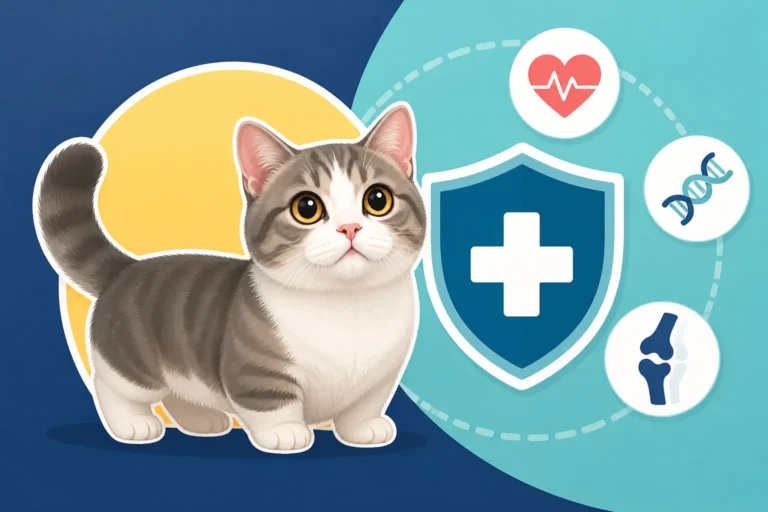
It’s natural to feel a bit overwhelmed when you first dive into the world of Munchkin cats. There’s so much talk about their unique short legs, but understanding how that trait comes about, and what it means for breeding and their health, can feel like navigating a complex maze of scientific jargon. Many prospective owners and even some casual cat enthusiasts struggle to grasp the core genetic principles at play. This guide is here to untangle that information, explaining in clear, empathetic terms exactly how Munchkin dwarfism is inherited, so you can feel confident and informed.
Understanding the Basic Genetics of Munchkin Dwarfism
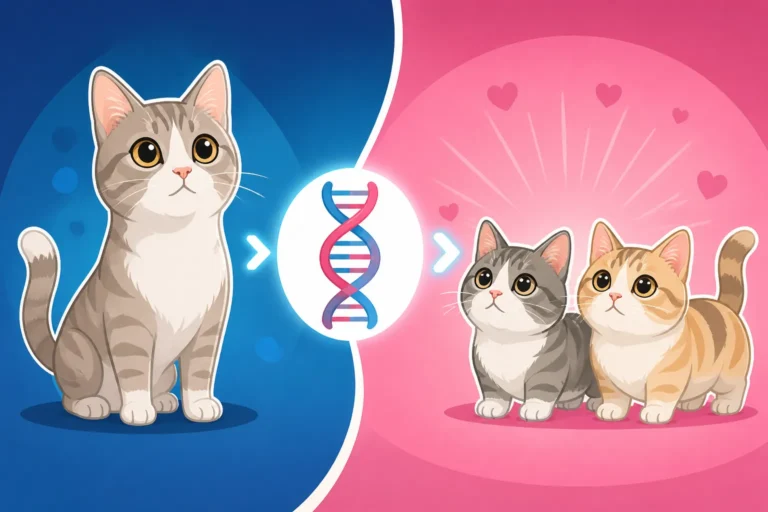
When we talk about Munchkin cats, we're talking about a very specific genetic mutation that leads to their characteristic short legs. This isn't just a random occurrence; it follows a predictable pattern of inheritance, which is crucial for responsible breeding.
The Autosomal Dominant Trait
First, let's break down what "autosomal dominant" really means, because it’s the cornerstone of understanding Munchkin genetics. When we say a trait is autosomal, it simply means the gene responsible for it isn't carried on the sex chromosomes (X or Y). So, whether a Munchkin is male or female, the inheritance pattern is the same. It's not like calico patterns, which are linked to the X chromosome.
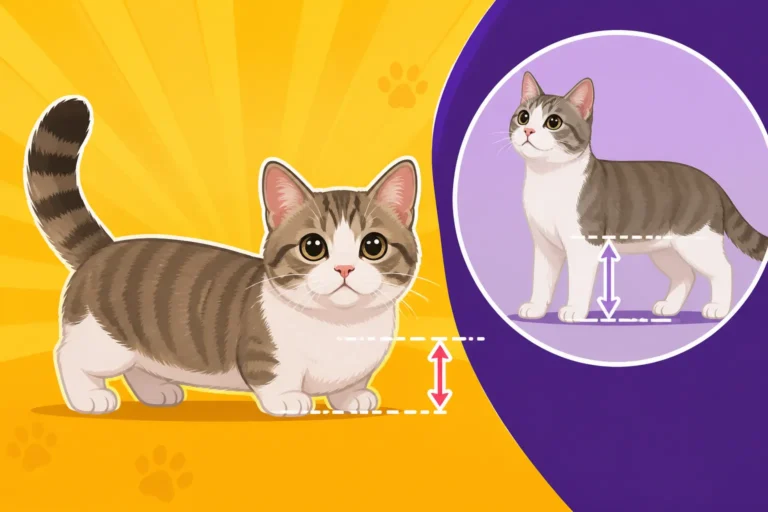
Now, for the "dominant" part: this means that a cat only needs to inherit one copy of the specific gene from one parent to express the short-leg trait. Think of it like inheriting a dominant human trait, such as dimples or a widow's peak; if you get one copy of that gene, you'll show the trait. You don't need two copies for it to appear. For a Munchkin, if a kitten gets just one short-leg gene, its legs will be short. It's not a hidden gene that needs another identical copy to surface; it's right there, upfront and visible. This is why a Munchkin cat always looks like a Munchkin cat. They inherit one copy of the gene causing the dwarfism, and one copy of the "normal" leg gene from the other parent (or from the parent that doesn't have short legs, if the Munchkin parent contributed the short-leg gene). This observable trait, the short legs, is what we call the phenotype, directly resulting from this dominant gene.
Why the Munchkin Gene Has Not Been Identified
It might seem baffling that with all our scientific advancements, the exact gene responsible for Munchkin dwarfism hasn't been precisely pinpointed and isolated, especially since we understand its inheritance pattern so well. This can be a source of frustration for those hoping for a simple genetic test. The reality is that genetic mapping can be incredibly complex. While we know the trait is autosomal dominant, identifying the specific nucleotide sequence on the chromosome that causes the limb shortening can be like finding a single, unique word in an incredibly long book, even if you know what kind of word it is. There are countless genes, and isolating the exact one responsible for pseudoachondroplasia – the type of dwarfism seen in Munchkins – requires extensive, specialized research.
This difficulty in pinpointing the exact gene means that there isn't currently a definitive "Munchkin DNA test" that can tell you with absolute certainty if a cat carries the short-leg gene without actually having short legs itself. It means breeders rely heavily on visual identification and meticulous pedigree tracking, rather than a simple swab test. They have to carefully document the lineage of their cats to ensure they are making responsible breeding decisions. This reliance on observable traits rather than a genetic marker can leave potential owners feeling like there's a piece of the puzzle missing, but it's just the current state of genetic science for this particular mutation.
How Munchkin Breeding Relies on Carrier Crosses
The unique genetic nature of Munchkin dwarfism dictates very strict and specific breeding practices. Without adhering to these, the welfare of the cats would be severely compromised.
The Lethal Homozygous Gene
Here's where understanding the dominant nature of the gene becomes absolutely critical for the cats' well-being. If a kitten were to inherit two copies of the short-leg gene – one from each parent – the outcome is tragic. This condition, known as homozygous dominant, is lethal. What happens to a homozygous Munchkin embryo is that it simply does not develop or survive. These embryos are reabsorbed by the mother's body early in gestation, or they are stillborn, often unnoticed by the owner. This means you will "What two copies of the Munchkin gene do" is prevent the full development of a live kitten. This fact is why Munchkin dwarfism is dominant and lethal in two copies, a crucial piece of information for any ethical breeder.
Responsible breeders understand this profoundly. They never breed two short-legged Munchkin cats together. To do so would knowingly risk the lives of unborn kittens and lead to smaller, less viable litters. This isn't just a recommendation; it's a fundamental principle of ethical Munchkin breeding, rooted in protecting the animals. The very existence of Munchkin cats relies on breeders carefully avoiding this lethal genetic combination.
Why a Munchkin Is Always Bred to a Normal Legged Cat
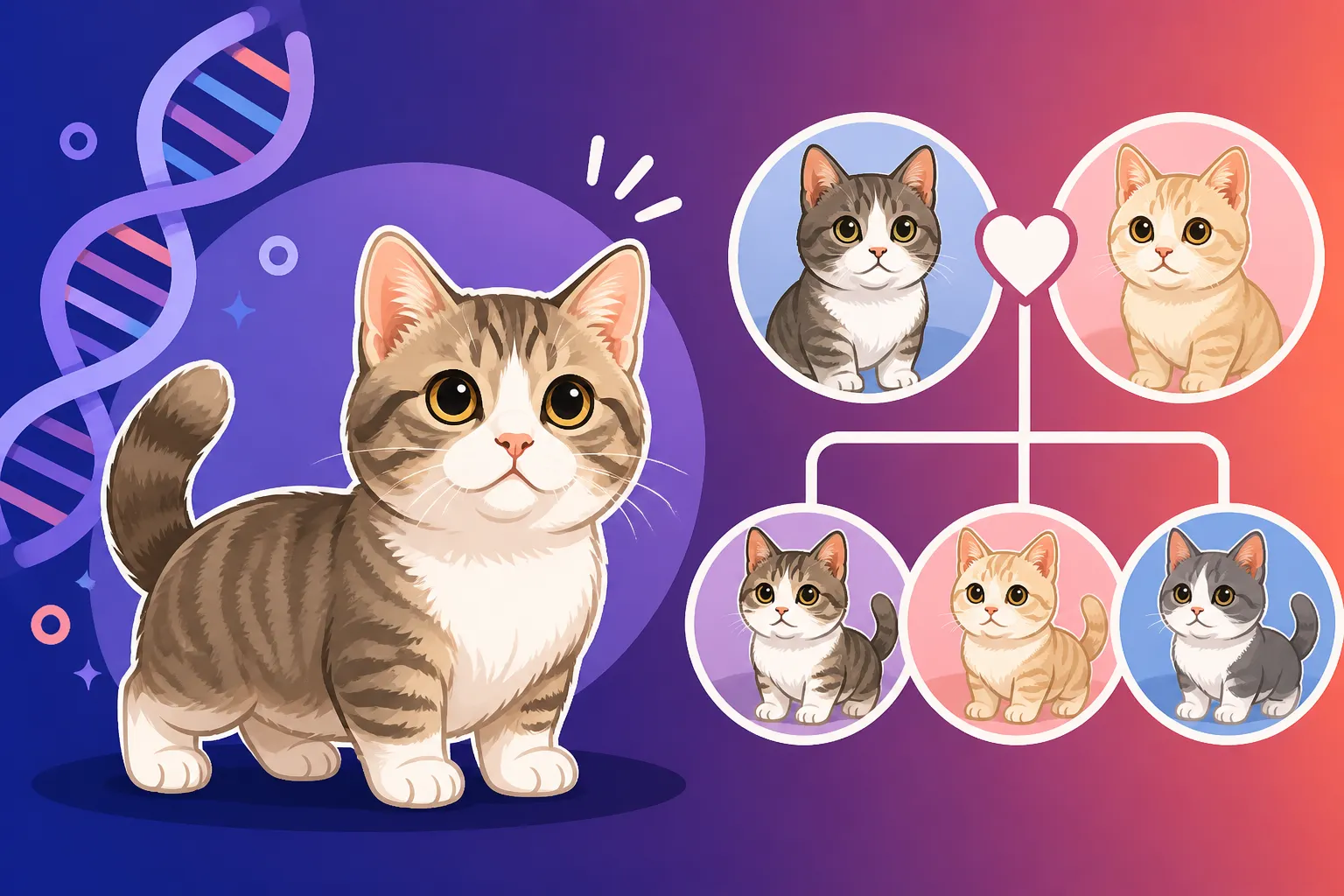
Given the lethal nature of the homozygous dominant gene, it becomes abundantly clear why a Munchkin is always bred to a normal legged cat. This practice is often referred to as a "carrier cross" or an "outcross." The short-legged Munchkin cat, carrying one copy of the short-leg gene and one copy of the normal-leg gene, is bred with a domestic cat that has two copies of the normal-leg gene and, crucially, no other skeletal mutations. This ensures that no kitten in the litter can ever inherit two copies of the short-leg gene, thereby preventing the lethal homozygous condition. This is why every Munchkin litter is a carrier cross.
The outcome of this specific breeding strategy is highly predictable, following basic Mendelian genetics. Each kitten has a 50% chance of inheriting the short-leg gene from the Munchkin parent and thus being a short-legged Munchkin. Conversely, each kitten also has a 50% chance of inheriting the normal-leg gene from the Munchkin parent, resulting in a long-legged kitten. The normal-legged parent only ever contributes a normal-leg gene. This ensures that roughly half the litter will have the characteristic short legs, and half will have normal-length legs. This careful selection of breeding partners is also vital for maintaining a broad and healthy gene pool, preventing inbreeding, and introducing genetic diversity from the domestic cat population. This means breeders often use Which domestic cats are used as Munchkin outcrosses to ensure vitality.
The Outcome of a Munchkin Litter and Ethical Considerations
Understanding the genetics helps demystify what you'll see in a Munchkin litter and reinforces the importance of ethical breeding.
The Mix of Short and Long-Legged Kittens
When you look into a litter born from a Munchkin outcross, you'll usually be delighted by a diverse mix of kittens. It's quite common to see both short-legged Munchkins and long-legged cats right alongside each other. This is precisely the expected 50/50 genetic split we discussed. Roughly How many kittens in a Munchkin litter are short legged are, on average, short-legged in a typical litter. Each kitten is a unique little individual, but genetically, they fall into one of two clear categories.
The long-legged kittens in a Munchkin litter are genetically indistinguishable from any other domestic cat. They inherited two copies of the normal-leg gene – one from the outcross parent and one from the Munchkin parent – meaning they do not carry the short-leg gene at all. What happens to the long legged Munchkin kittens is that they are considered "non-standard" Munchkins, but they are genetically healthy and can be fantastic pets. They don't carry the short-leg trait and cannot pass it on. This is why half a Munchkin litter has normal legs. While they may not command the same price as their short-legged siblings, their value as companion animals is immense, and they often find loving homes. In fact, What a long legged Munchkin kitten is worth is often significantly less, but they are still wonderful cats.
Genetic Screening and Ethical Breeding Practices
Beyond the fascinating genetics of leg length, ethical breeding of Munchkins delves much deeper into overall health and well-being. A responsible breeder isn't just aiming for short legs; they are committed to producing healthy, robust cats free from other hereditary conditions. This involves comprehensive genetic screening for potential issues that can affect any cat breed, such as hypertrophic cardiomyopathy (HCM) or polycystic kidney disease (PKD), depending on the outcrosses used in their lines.
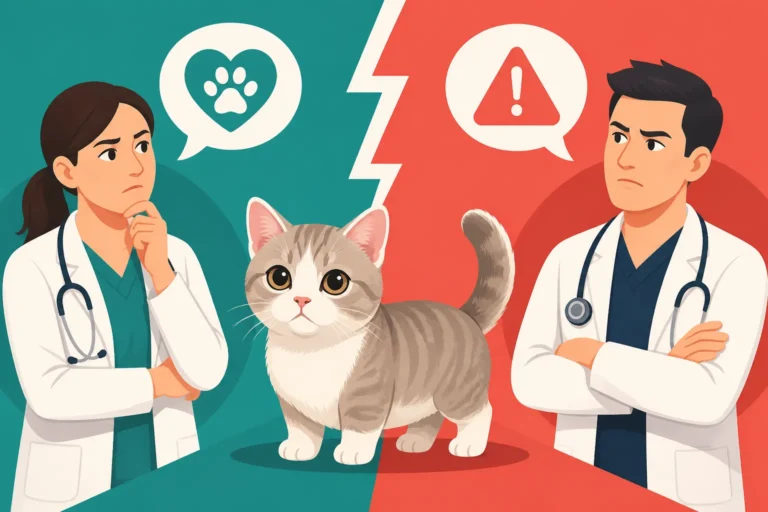
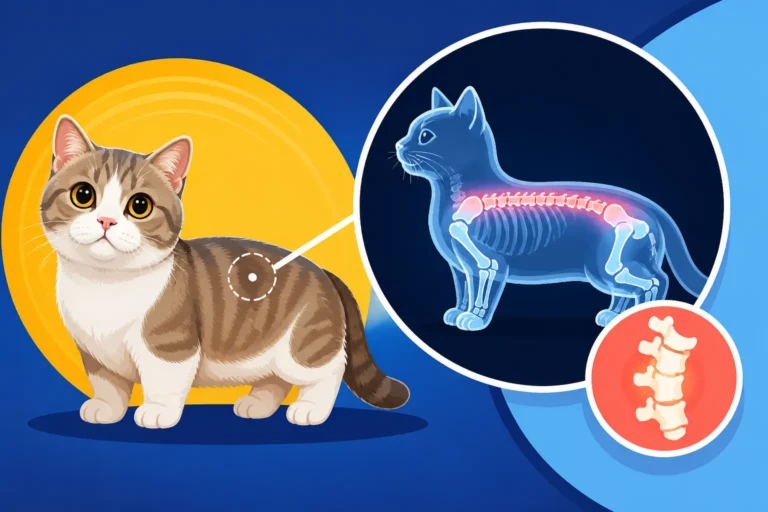
They will also pay close attention to the structural integrity of the spine and joints, even though studies often show Munchkins to be as healthy as other domestic cats. Regular veterinary checks, including palpation of the spine in kittens and parents, are crucial. A good breeder will be transparent about these screenings, providing health guarantees and encouraging potential owners to discuss health records with their own veterinarian. Even with the most ethical breeding practices, having robust pet insurance, like a plan from Healthy Paws, can offer immense peace of mind for owners, covering unexpected veterinary costs, especially as a Munchkin ages and potential joint issues might arise, just like in any active cat. Always choose a breeder who prioritizes health and openly shares information, asking about genetic lines and demanding to see the parents. Responsible breeding focuses on creating healthy cats first and foremost, ensuring that the unique Munchkin trait is part of a healthy, happy feline.
| Parent 1 (Munchkin – Mm) | Parent 2 (Normal Legged – mm) | Possible Kitten Genotypes | Phenotype | Probability |
|---|---|---|---|---|
| M (short-leg gene) | m (normal-leg gene) | Mm | Short Legs | 50% |
| m (normal-leg gene) | m (normal-leg gene) | mm | Normal Legs | 50% |
Note: 'M' represents the dominant short-leg gene, and 'm' represents the recessive normal-leg gene. Homozygous dominant (MM) is lethal.
Disclaimer
This article is for general informational purposes only and does not constitute professional advice. Laws, prices and regulations vary by location and change over time. Consult a qualified professional for guidance on your specific situation.