Why Severe Lordosis Compresses a Munchkin’s Organs
It's incredibly distressing to hear about a beloved Munchkin cat struggling with severe lordosis, especially when you realize the potential for internal organs to be compressed. This isn't just about a curved spine; it's about the very real, often hidden, strain placed on their vital systems. This guide will walk you through exactly what lordosis means for a Munchkin's internal organs, how it happens, what signs to look for, and how best to support your furry friend through this challenging condition.
Understanding Lordosis in Munchkin Cats
When we talk about Munchkin cats, their short legs are the most obvious trait, but it's essential to understand that their unique skeletal structure can sometimes lead to other, less visible issues. Lordosis, a condition characterized by an excessive inward curve of the spine, is one such concern that warrants serious attention, especially in its more severe forms.
What Lordosis Actually Is in a Munchkin
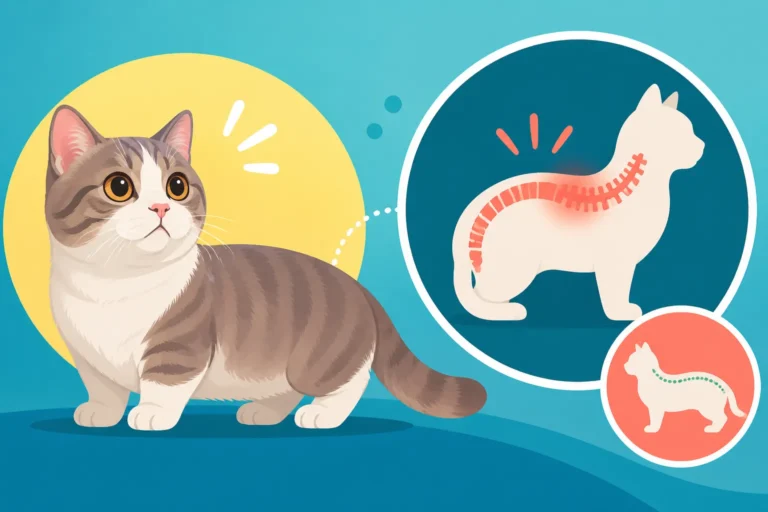
Lordosis, quite simply, is an abnormal inward curvature of the spine, usually in the lower back or chest region. While all cats, and indeed most mammals, have natural curves in their spine, lordosis describes a curve that goes beyond what is considered normal and healthy. In Munchkin cats, this condition is particularly concerning because of their unique genetics. The very gene responsible for their charmingly short legs is also implicated in skeletal development, which can predispose some individuals to spinal abnormalities. While lordosis isn't exclusive to the Munchkin breed, its occurrence in cats with a shortened limb condition creates a specific set of challenges. It's not just a cosmetic issue; it's a structural change that can have profound effects on their internal health and quality of life. Understanding "Lordosis Is the Spinal Curve the Munchkin Argument Is About" is crucial for any Munchkin owner, as it sheds light on why this condition is such a hot topic in the veterinary and breeding communities.
The Mechanics of a Munchkin's Spine
You might assume that because a Munchkin has short legs, its entire body is proportionally smaller. However, this isn't usually the case. A Munchkin's torso and spine are typically of a normal length, similar to a regular-legged domestic cat. The short legs are due to a form of dwarfism called pseudoachondroplasia, which primarily affects the long bones of the limbs. This means that a Munchkin's normal-length spine, instead of being supported by proportionally long legs that absorb impact and distribute weight evenly, is now sitting on shorter, less springy limbs. This creates a different biomechanical challenge. The spine, particularly in the thoracic and lumbar regions, can experience increased stress and altered weight distribution. Essentially, "Why a Munchkin's Spine Carries a Load a Normal Cat's Does Not" becomes a critical point of discussion, highlighting the increased vulnerability to conditions like lordosis. The normal length of the spine, combined with the altered support system, can lead to a predisposition for the vertebrae to curve inwards more severely, creating the lordotic posture.
How Severe Lordosis Develops and Progresses
The development of severe lordosis often begins subtly and can progress over time. In some Munchkin kittens, signs of a developing spinal curve can be observed quite early, sometimes as soon as they start moving around actively. A responsible breeder should be vigilant about "How Early Lordosis Shows in a Munchkin Kitten" and address any concerns immediately. Initially, it might present as a slightly hunched back or an awkward gait. As the condition worsens, the inward curve becomes more pronounced. This progression can be influenced by several factors. Excessive jumping or impacts from falls can exacerbate the spinal stress. An overweight Munchkin is also at a much higher risk, as every extra pound adds significant strain to an already compromised spine. This additional weight, coupled with the abnormal spinal curvature, can accelerate the severity of the condition and its impact on internal organs. We'll delve deeper into "What Lordosis Does to a Munchkin" in its various stages, but it's critical to understand that early detection and proactive management are key to mitigating its progression.
The Crushing Reality: How Organs Are Affected
When lordosis becomes severe, it's no longer just a skeletal issue; it begins to impact the vital organs housed within the body cavity. The spine, which normally provides a protective casing for the spinal cord and forms the structure for the thoracic and abdominal cavities, starts to infringe upon this space.
The Impact on Thoracic and Abdominal Cavities
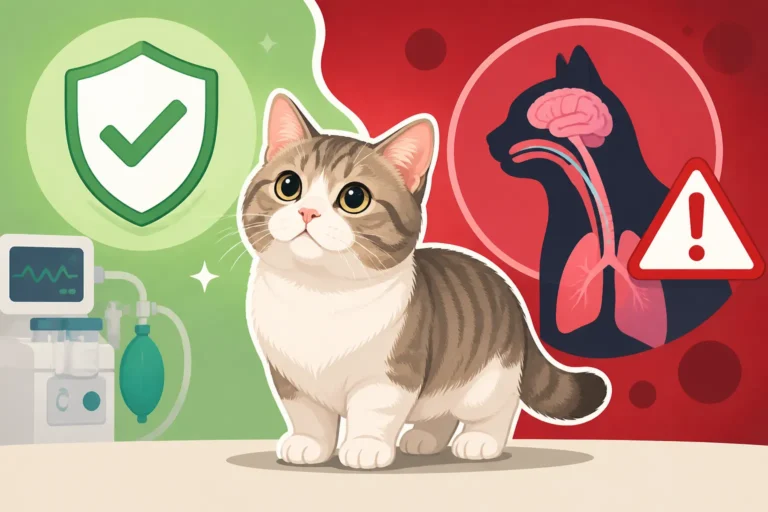
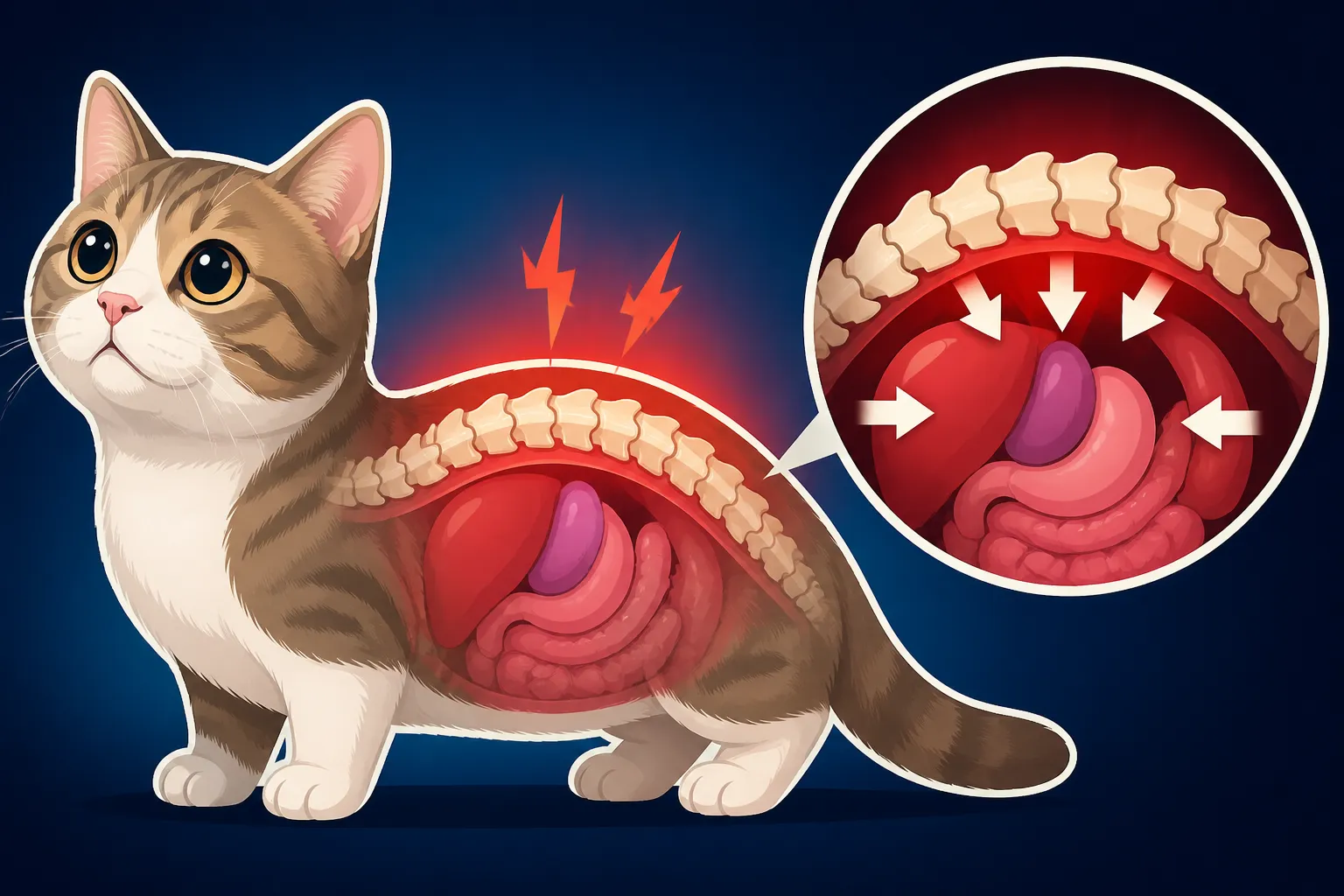
Imagine your cat's body as a complex container. The rib cage and spine form the boundaries of the thoracic cavity (chest), which holds the heart and lungs, and the abdominal cavity, which houses the digestive, urinary, and reproductive organs. When a Munchkin develops severe lordosis, the exaggerated inward curve of the spine in the chest and belly area literally reduces the available space within these cavities. This means that the organs are no longer nestled comfortably with ample room to function; instead, they become compressed or displaced. In the thoracic cavity, a severe inward curve can push into the space reserved for the lungs and heart, restricting their normal expansion and function. Similarly, in the abdominal cavity, the spinal intrusion can put pressure on organs like the stomach, intestines, bladder, and kidneys. This constant pressure isn't just uncomfortable; it can impede their ability to perform their essential roles, leading to a cascade of health problems that can severely diminish a cat's quality of life.
Specific Organ Compression and Dysfunction
The compression of internal organs due to severe lordosis can lead to a range of dysfunctions, affecting nearly every system in the body.
- Respiratory System: If the thoracic cavity is significantly narrowed, the lungs may not be able to fully inflate, leading to labored breathing, shortness of breath, and reduced oxygen intake. The heart, too, can be squeezed, potentially leading to cardiac stress or reduced pumping efficiency. You might notice your Munchkin breathing faster, wheezing, or struggling after minimal activity.
- Digestive System: Pressure on the stomach and intestines can cause a host of gastrointestinal issues. Cats might experience chronic nausea, vomiting, regurgitation, decreased appetite, or difficulty digesting food. This can lead to weight loss, malnutrition, and overall weakness. The normal peristaltic movements (muscle contractions that move food through the digestive tract) can be inhibited, leading to constipation or even blockages.
- Urinary System: Compression of the bladder can result in frequent urges to urinate, painful urination, or difficulty emptying the bladder completely. This incomplete voiding can increase the risk of urinary tract infections. Kidneys might also be affected, though direct compression is less common than issues with bladder function.
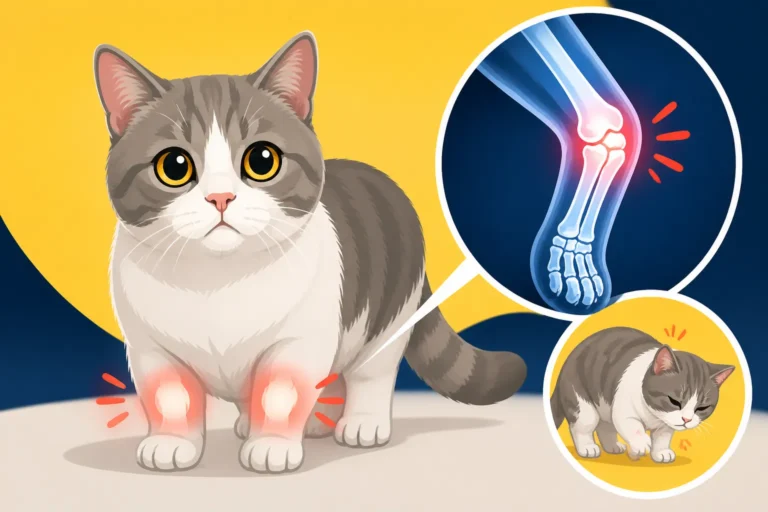
- Musculoskeletal and Neurological Systems: Beyond direct organ compression, severe lordosis puts immense strain on the surrounding muscles and ligaments, leading to chronic pain and stiffness. The spinal cord itself can be affected in very severe cases, leading to neurological deficits, though this is less common with lordosis compared to other spinal conditions.
It's a distressing situation that often requires comprehensive veterinary care. Services like those offered by Healthy Paws pet insurance can be invaluable in covering the costs of extensive diagnostics, medications, and specialist consultations required to manage such complex health challenges.
Secondary Health Issues Stemming from Compression
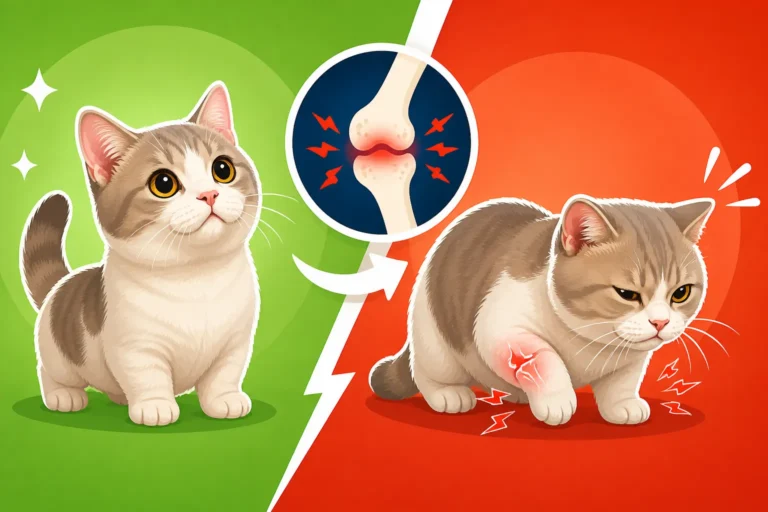
The direct organ compression caused by severe lordosis can open the door to numerous secondary health problems, further complicating a Munchkin's well-being. Chronic pain is almost a given, as the spine and surrounding tissues are under constant strain. This pain can lead to changes in behavior, such as withdrawal, reluctance to play, or aggression when handled. Reduced mobility is another significant consequence, as the cat may find it painful to move, jump, or even groom itself properly. This can exacerbate matting, especially on their hindquarters, which they struggle to reach anyway.
Furthermore, persistent respiratory issues can make a cat more susceptible to infections or lead to chronic conditions like asthma. Digestive problems can result in nutrient deficiencies, making the cat weaker and more vulnerable to other illnesses. The chronic stress on the body can also suppress the immune system. In the worst-case scenarios, severe organ compression can drastically impact a Munchkin's lifespan and quality of life. The constant discomfort and inability to perform basic functions can lead to a significantly diminished existence. It's a sad reality that while "The Twelve to Fifteen Years a Munchkin Usually Gets" is often cited, severe lordosis can tragically cut that short. Investing in a robust pet insurance plan, such as one from Healthy Paws, can provide peace of mind, knowing that you have support for potentially lifelong treatments and specialized care your Munchkin might require due to these secondary complications.
Recognizing and Managing Severe Lordosis
Identifying severe lordosis and its associated organ compression requires a keen eye and proactive veterinary care. Early intervention is always best, but even with an advanced condition, there are steps you can take to manage your Munchkin's comfort and quality of life.
Early Warning Signs and Diagnosis
Spotting the early warning signs of severe lordosis in a Munchkin can be tricky, as cats are masters at hiding pain. However, there are subtle cues to watch for. Keep an eye out for any changes in your cat's posture. Is their back unusually arched or hunched? Do they walk with a stiff or awkward gait? Are they reluctant to jump or climb, even onto low furniture they once managed easily? Difficult breathing, which might manifest as panting, shallow breaths, or open-mouth breathing (a serious emergency in cats), can indicate thoracic compression. Digestive upset like chronic vomiting, regurgitation, or changes in stool consistency (diarrhea or severe constipation) could point to abdominal organ involvement. You might also notice changes in litter box habits, such as straining to urinate or defecate, or having accidents outside the box.
If you observe any of these signs, a prompt visit to your veterinarian is crucial. The diagnostic process typically begins with a thorough physical examination, where the vet will palpate your cat's spine and abdomen. X-rays are usually the next step, providing clear images of the spinal column and the position of internal organs. In some cases, more advanced imaging like an MRI or CT scan may be recommended to get a detailed view of soft tissues, spinal cord, and the extent of organ compression. This detailed imaging is vital, especially when considering "When a Munchkin Should Have Its Spine Imaged" for any suspected abnormalities.
Treatment and Management Options
Unfortunately, severe lordosis, especially when it involves organ compression, rarely has a simple "cure." Treatment focuses primarily on managing pain, improving comfort, and mitigating the secondary effects of organ compression.
- Pain Management: Your vet might prescribe pain relievers and anti-inflammatory medications to help alleviate discomfort and reduce inflammation around the spine. These might be short-term courses during flare-ups or long-term management for chronic pain.
- Weight Control: This is paramount. Every extra pound significantly increases the load on an already compromised spine, exacerbating lordosis and organ compression. A strict diet and controlled exercise are essential to maintain an ideal body weight. It's truly a situation where "Why Weight Is More Dangerous on a Munchkin" cannot be overstated.
- Supportive Care and Environmental Adjustments: Modifying your home environment to minimize physical strain on your Munchkin is critical. This includes providing ramps or pet steps to allow easy access to elevated surfaces like beds and sofas, ensuring low-entry litter boxes, and placing food and water bowls at floor level to prevent stretching.
- Physical Therapy: Gentle physical therapy, under veterinary guidance, can sometimes help maintain muscle strength and flexibility, though care must be taken not to aggravate the spinal condition.
- Surgical Intervention: In very rare and specific circumstances, surgery might be considered to stabilize the spine or relieve pressure. However, spinal surgery is highly complex, carries significant risks, and is not always feasible or successful, especially when organs are already compressed. This would be a discussion for a specialist.
Managing such a complex condition can lead to significant veterinary expenses, making a plan from a provider like Healthy Paws incredibly beneficial for long-term care.
Lifestyle Adjustments to Minimize Impact
Beyond medical treatments, making thoughtful lifestyle adjustments at home can dramatically improve your Munchkin's quality of life when dealing with lordosis and organ compression. The goal is to reduce strain on their spine and ensure they can access everything they need comfortably.
One of the most immediate and impactful changes is the introduction of ramps and steps. Instead of letting your Munchkin try to jump onto furniture, which can cause jarring impacts and strain their spine, provide gradual slopes or low steps. This allows them to reach their favorite sleeping spots or window perches safely and without discomfort. Think about all the places they naturally want to go and make them accessible.
Litter box accessibility is another crucial aspect. If their abdominal organs are compressed, straining to get into a high-sided litter box can be incredibly painful and potentially lead to accidents outside the box. Switch to low-entry litter boxes, or even senior cat litter boxes, which are designed with minimal lip heights.
Food and water bowls should be placed at floor level. While some cats prefer raised bowls, for a Munchkin with lordosis, reaching up can cause spinal torsion and pain. Ensure their bowls are easily accessible without any awkward stretching.
Controlled exercise is important to maintain muscle tone without overtaxing their spine. Gentle play on the floor with wand toys can keep them active and engaged. Discourage high-impact jumping or strenuous activities that could worsen their condition.
Finally, careful handling is essential. Always support their full body when lifting them, ensuring their spine remains straight and supported. Never pick them up by their front legs or allow their hindquarters to dangle unsupported. Educate all family members, especially children, on how to interact safely and gently with your Munchkin. These adjustments, while seemingly minor, contribute significantly to easing the burden on their compromised system and can help prevent further progression of the condition.
Ethical Considerations and Breeder Responsibility
The topic of Munchkin cats and conditions like lordosis often brings up important discussions about ethical breeding practices and the responsibility of owners to advocate for their pets' health.
The Importance of Responsible Breeding
When considering a Munchkin cat, it's absolutely vital to seek out a responsible breeder. A truly ethical breeder prioritizes the health and well-being of their cats above all else. They will be transparent about the potential health issues associated with the breed, including lordosis, and will actively work to minimize their occurrence in their lines. This includes carefully selecting breeding pairs, ensuring that cats with any signs of spinal abnormalities are not bred. Reputable breeders should be able to provide extensive health clearances for their breeding cats and willingly discuss the health history of the kittens' parents and grandparents. They often have veterinarians screen their kittens for visible signs of lordosis or other skeletal issues before they are sold. It's important to understand that "What a Munchkin Breeder Should Be Able to Show You" goes beyond just cute pictures; it involves verifiable health records and a clear commitment to genetic health. Avoid any breeder who advertises "teacup" or "mini" Munchkins, as these terms often indicate an exaggerated, and potentially more problematic, skeletal structure.
Advocating for Your Munchkin's Health
As a Munchkin owner, you become your cat's primary advocate. This means being proactive about their health, seeking veterinary care at the first sign of trouble, and asking informed questions. Don't hesitate to get a second opinion from a specialist if you're concerned about a diagnosis or treatment plan for lordosis. Many veterinary professionals have differing views on the Munchkin breed itself, so finding a vet who is knowledgeable and supportive is key.
Consider investing in pet insurance from a reputable provider like Healthy Paws early in your Munchkin's life. This can be a game-changer, as the diagnostics, ongoing medications, specialist visits, and potential supportive therapies for conditions like severe lordosis can be incredibly expensive. Having a financial safety net allows you to make decisions based on your cat's needs rather than your budget. By staying informed, observant, and proactive, you can ensure your Munchkin receives the best possible care, helping them live as comfortably and happily as possible, even with the challenges that severe lordosis can present.
| Symptom Category | Specific Symptoms | Potential Organ/System Affected |
|---|---|---|
| Respiratory | Rapid breathing, shallow breaths, panting, wheezing | Lungs, Heart, Thoracic Cavity |
| Digestive | Chronic vomiting, regurgitation, decreased appetite, constipation, diarrhea, straining to defecate | Stomach, Intestines, Abdominal Cavity |
| Urinary | Frequent urination, painful urination, straining to urinate, accidents outside litter box | Bladder, Urinary Tract, Abdominal Cavity |
| Mobility/Pain | Hunched posture, awkward gait, reluctance to jump/climb, withdrawal, aggression when touched | Spine, Muscles, Ligaments, Nervous System |
| General Well-being | Lethargy, weight loss, poor coat condition | Overall health, Metabolism |
Disclaimer
This article is intended for informational purposes only and does not constitute veterinary advice. Always consult with a qualified veterinarian for any health concerns or before making any decisions about your pet's care.