What a Munchkin Should Weigh at Its Frame
It’s a common worry among Munchkin cat owners: how do you even begin to tell if your adorable, low-slung furball is at a healthy weight? Their unique physique often makes traditional assessment tricky, leading to confusion and sometimes overlooking potential health issues. This guide is here to cut through the guesswork, helping you understand exactly what a Munchkin should weigh at its frame and how to keep them in peak condition.
Understanding the Unique Munchkin Physique
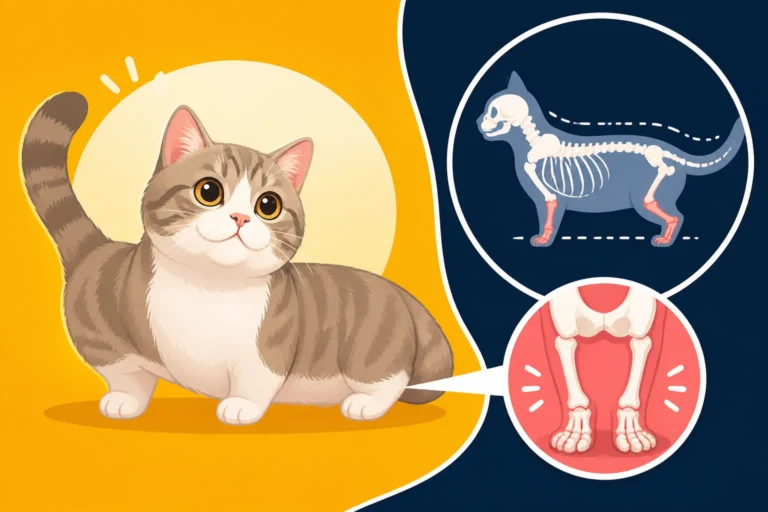
When you look at a Munchkin, the first thing that catches your eye is those wonderfully short legs. But it’s crucial to remember that beyond those distinctive limbs, a Munchkin is fundamentally a cat with a normal-length body. This distinction is vital when we talk about their ideal weight and overall frame. They aren't simply "miniature" versions of other cats; they have specific anatomical considerations that impact how they carry weight and how we should assess their health.
Not Just a Small Cat
Many people assume that because a Munchkin has short legs, it must be a small cat all around. This is a common misconception that can lead to misjudging their body condition. In reality, a Munchkin's torso, head, and tail are proportionate to those of a domestic cat of similar overall size, just with abbreviated limbs. Their long-tail body structure means they have a fully developed, average-sized feline skeleton, minus the leg length. This explains Why a Munchkin's Legs Are Short but Its Body Is Not. Their bone structure isn't fragile, but it is uniquely adapted, and understanding this helps us appreciate why carrying extra weight can be particularly challenging for them. Think of it this way: their core is like a regular cat's, but the support system (their legs) is shorter, meaning the leverage and distribution of weight are different.
Because their body length is normal, a Munchkin still needs to support the same internal organs and musculature as a regular-legged cat. This means their skeletal frame, particularly their spine, is designed to carry a certain amount of mass over its length. If that mass increases beyond a healthy level, the stress on their shorter limbs and the spine becomes more pronounced. It's not about being small; it's about being built differently, which has implications for everything from their movement to their metabolic needs.
The Illusion of Roundness
Another aspect of the Munchkin's unique shape is how their low-slung body can create an illusion of roundness, even when they are perfectly lean. Their belly often appears closer to the ground than a long-legged cat's, which can sometimes be mistaken for being overweight. This visual trick can make it harder for owners to accurately assess their cat's body condition by simply looking at them from above or the side. You might find yourself thinking, "Oh, they look a bit round," when in fact, they're quite svelte for their build. This phenomenon is a key reason Why a Munchkin Looks Round Even When Lean.
Because their center of gravity is lower and their legs don't provide as much lift from the ground, their abdominal area naturally appears more prominent. This doesn't necessarily mean they're carrying excess fat. Instead, it’s often just the natural consequence of their physical structure. To overcome this visual bias, we need to rely more on tactile assessment rather than purely visual cues, which brings us to the importance of body condition scoring. Learning to feel for their ribs and spine is far more reliable than just looking at their general shape.
Determining Ideal Weight: It's More Than Just Numbers
Fixating on a specific number on the scale for your Munchkin can be misleading. Just like humans, cats of the same breed can have different builds and frames. What's "ideal" for one Munchkin might be slightly too heavy or too light for another. This is why veterinarians and seasoned breeders emphasize a more holistic approach, focusing on body condition rather than just a number. It's about how the weight sits on their individual frame.
Body Condition Scoring (BCS)
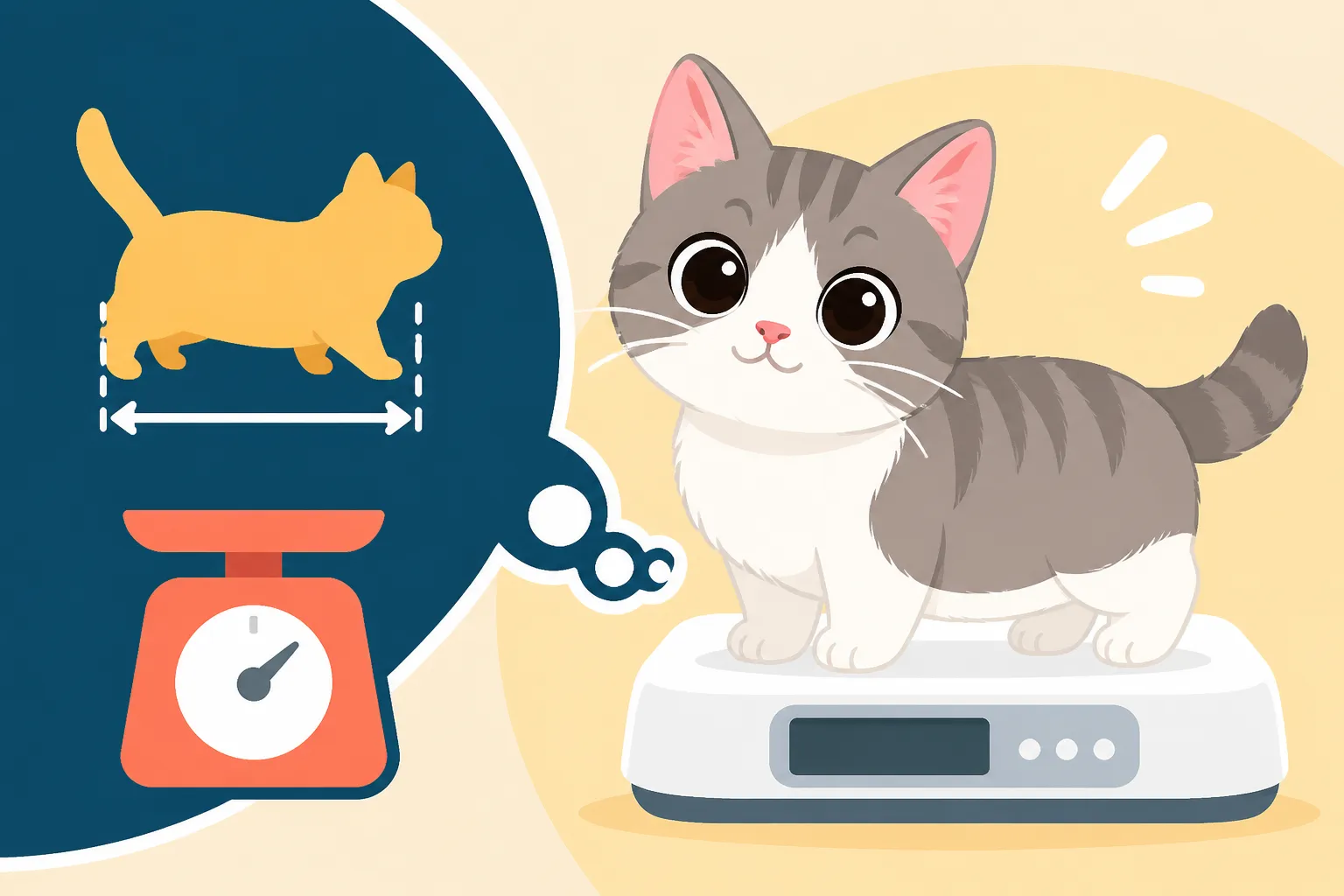
The most reliable method for determining if your Munchkin is at a healthy weight is through Body Condition Scoring (BCS). This system allows you to assess the amount of fat cover over various parts of your cat's body, giving you a much clearer picture than a scale alone. It's a hands-on approach that you can easily learn to do at home. You can find detailed information on How to Score a Munchkin's Body Condition through resources like those provided by veterinary associations. The system typically ranges from 1 (emaciated) to 9 (obese), with 5 being the ideal.
Here’s a general guide for assessing your Munchkin's BCS:
| BCS Score | Description | Ribs (Feel) | Waist (Look) | Abdominal Tuck (Look) |
|---|---|---|---|---|
| 1 | Emaciated | Easily visible, no fat cover | Extreme hourglass | Severe |
| 2 | Very Thin | Easily palpable, minimal fat | Marked hourglass | Obvious |
| 3 | Thin | Easily palpable, slight fat cover | Well-defined hourglass | Slight |
| 4 | Underweight | Easily palpable, minimal fat | Present, but not extreme | Minimal |
| 5 | Ideal | Easily palpable, slight fat cover | Visible, proportionate | Present |
| 6 | Overweight | Palpable with difficulty, slight excess fat | Less defined | Minimal or absent |
| 7 | Heavy | Difficult to feel, moderate fat | Almost absent, broad back | Absent |
| 8 | Obese | Very difficult to feel, thick fat | No waist, very broad back | Absent, bulging |
| 9 | Severely Obese | Cannot feel, immense fat | Extremely distended, round | Protruding |
To perform a BCS on your Munchkin, gently run your hands along their sides. You should be able to feel their ribs with a thin layer of fat covering them, similar to how you’d feel the back of your hand. If the ribs protrude sharply, your cat is too thin. If you have to press hard to feel them, your cat is likely overweight. Next, look at your cat from above. While their low stature might obscure a dramatic waistline, you should still see a slight indentation behind their ribs. Finally, check for an abdominal tuck when they stand; a slight upward slope from their chest to their hindquarters is normal, even if it's less pronounced than on a long-legged cat. Remember, consistency is key, and your vet can always demonstrate the proper technique during check-ups.
Beyond the Scale
While regular weighing is useful for monitoring trends, especially if your vet has identified a target weight range, it should never be the sole indicator. A Munchkin's weight can fluctuate slightly throughout the day, or due to factors like hydration levels. Instead, combine regular weighing with consistent BCS assessments. For example, if your Munchkin consistently scores a BCS of 6-7, even if their weight hasn't drastically changed, it’s a clear signal that they are carrying too much fat for their frame.
Consider also your cat's age and muscle mass. A young, active Munchkin with excellent muscle tone might weigh more than an older, less muscular cat of the same size, yet both could be at an ideal BCS. Muscle weighs more than fat, so a well-conditioned cat might actually be heavier but healthier. This is why relying on the feel of their body and their overall physique, rather than just the number on the scale, is paramount for your Munchkin's long-term health. Keep a log of their weight and BCS over time, and if you have any concerns, always consult your veterinarian.
Practical Steps for Weight Management
Maintaining a Munchkin's ideal weight requires a mindful approach to both their diet and their activity levels. Their unique anatomy means they have different needs compared to their longer-legged counterparts, and ignoring these can lead to significant health challenges down the road. It's about creating a lifestyle that supports their specific physical structure.
Tailoring Diet to a Munchkin's Needs
Munchkin cats, due to their shorter legs and often less intense jumping and climbing activities, generally burn fewer calories than a standard-legged cat of the same body mass. This is a critical factor when planning their meals. You can find more details on How Many Calories a Munchkin Actually Burns and it's less than you might think! This means that overfeeding, even by a small amount daily, can quickly lead to weight gain. It's not about putting your cat on a drastic "diet" unless advised by a vet, but rather about precise portion control and choosing appropriate nutrition.
Opt for high-quality cat food that is rich in animal protein and has a moderate fat content. Avoid foods with excessive fillers or carbohydrates, which contribute to unnecessary calories and can lead to weight gain. Always measure your Munchkin's food precisely using a kitchen scale, rather than just eyeballing it with a scoop. The feeding guidelines on cat food packaging are usually just a starting point; your vet can help you calculate the exact caloric intake your individual Munchkin needs based on their age, activity level, and current BCS. If you're managing a specific condition, an insurance plan from providers like Healthy Paws can often help cover consultations with a veterinary nutritionist to create a tailored diet plan.
Encouraging Safe Activity
Just because a Munchkin's legs are short doesn't mean they aren't active or playful! They are often surprisingly quick and agile on the ground. However, their physical limitations mean that their exercise needs to be adapted to prevent undue stress on their joints and spine. Encourage plenty of floor-level play. Wand toys, laser pointers, and small rolling toys are fantastic for getting them moving without requiring them to jump excessively. Regularly engaging them in short, energetic play sessions several times a day can help them burn calories and maintain muscle tone. You can learn more about How Much Floor Level Play a Munchkin Needs to keep them fit and happy.
Environmental enrichment is also key. Provide ramps or sturdy steps to allow them safe access to their favorite elevated spots, like sofas, beds, or window perches. This encourages movement and exploration without the high-impact stress of repeated jumping. A cat tree designed with closely spaced platforms or ramps, rather than large gaps, is ideal. Remember, consistent, gentle activity is far better than sporadic, intense bursts that could lead to injury. If you notice your Munchkin struggling with mobility or showing signs of discomfort during play, it's always wise to consult your vet.
The Dangers of Being Overweight for a Munchkin
While being a little chunky might seem endearing, for a Munchkin cat, carrying excess weight is far more serious than for a normal-legged cat. Their unique skeletal structure is simply not designed to handle additional strain, making them particularly vulnerable to a host of health problems that can severely impact their quality of life. Understanding these risks is crucial for any Munchkin owner committed to their pet's well-being.
Joint and Spinal Strain
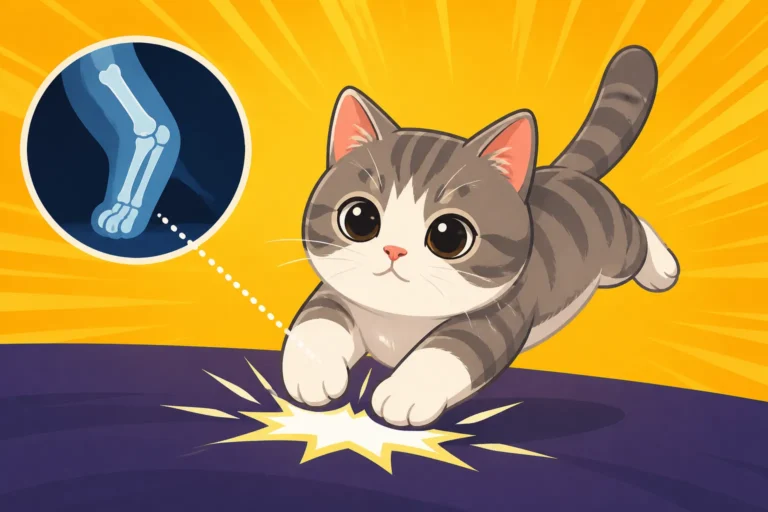
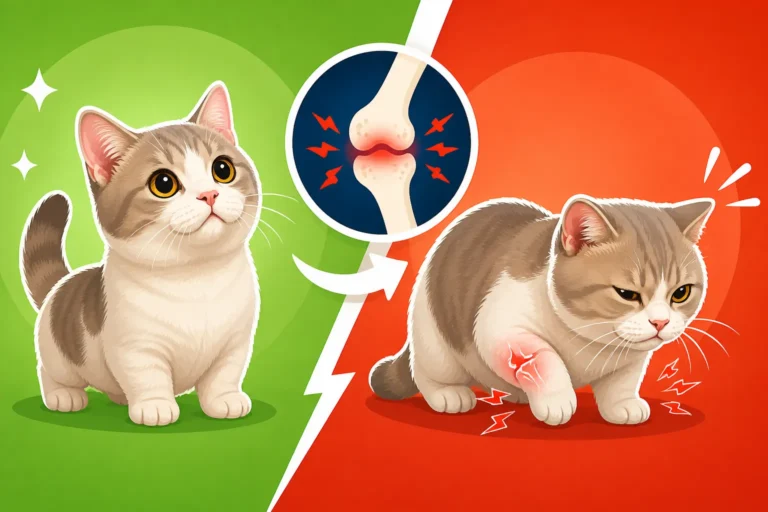
Perhaps the most significant danger of an overweight Munchkin is the immense stress it places on their joints and spine. Their short legs already alter the biomechanics of their movement, and every extra pound amplifies this effect. This can lead to accelerated wear and tear on their leg joints, making them more prone to conditions like osteoarthritis at an earlier age. The increased load on their unique spinal column is also a major concern. You see, Why a Munchkin's Spine Carries a Load a Normal Cat's Does Not is due to the compensatory forces from their short limbs. When they gain weight, this load becomes even more challenging.
An overweight Munchkin's spine may struggle to support the extra mass, potentially exacerbating or leading to spinal issues like lordosis (an inward curvature of the spine) or pectus excavatum (a sunken chest) if present. Even if these conditions are mild or absent, the added weight increases the risk of disc problems and general chronic pain in their back. This can manifest as reluctance to move, decreased playfulness, or even difficulty using the litter box. Veterinary care, potentially covered by a comprehensive pet insurance plan from a provider like Healthy Paws, is essential for monitoring and managing these concerns.
Grooming and Mobility Challenges
Beyond the skeletal issues, being overweight significantly hampers a Munchkin's ability to perform basic daily activities, particularly self-grooming. Due to their short legs and proportionally normal body length, it's already a stretch for a Munchkin to reach and groom their hindquarters effectively. If they gain excess weight, their belly can become so large that it literally drags on the floor, making it even harder, if not impossible, for them to bend and reach. This common issue is why Why a Heavy Munchkin's Belly Drags is a significant health concern.
The inability to self-groom properly can lead to severe matting, especially in longer-haired Munchkins, and hygiene issues around their rear end, increasing the risk of skin infections, parasites, and discomfort. Owners often find themselves needing to regularly clean and even trim their Munchkin's fur, particularly around the sanitary area, which can be stressful for both cat and owner. Furthermore, decreased mobility due to weight can make it difficult for them to navigate their environment, reach elevated spots even with ramps, or escape from perceived threats, which directly impacts their overall quality of life and mental well-being.
Disclaimer
The information provided in this guide is for educational and informational purposes only and does not constitute veterinary advice. Always consult with a qualified veterinarian for any health concerns or before making any decisions about your pet's care.