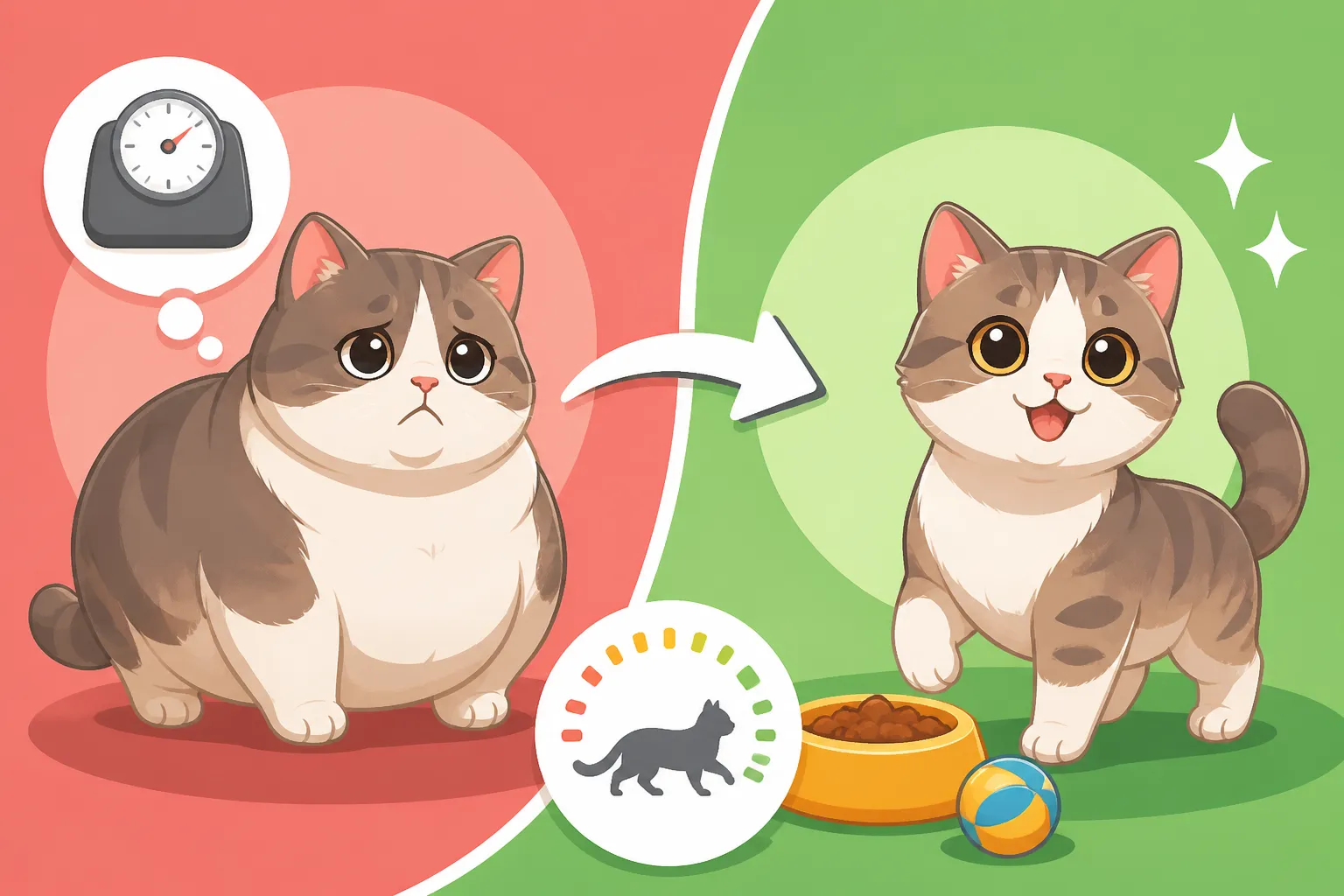
How Slowly an Overweight Munchkin Should Lose Weight
It’s a common worry among Munchkin cat parents: you look at your sweet, short-legged companion and realize they’ve packed on a few extra pounds. While a little fluff might seem endearing, for a Munchkin, being overweight isn't just a cosmetic issue; it's a serious health risk that can severely impact their quality of life. This guide will walk you through how to approach weight loss for your Munchkin safely, sustainably, and with all the empathy their unique needs require.
The Unique Dangers of Excess Weight for Your Munchkin
Understanding why weight management is so critical for a Munchkin is the first step toward helping them live their healthiest life. Their adorable short stature comes with specific anatomical considerations that make extra weight particularly problematic.
Why Every Extra Pound Puts More Strain on Their Frame
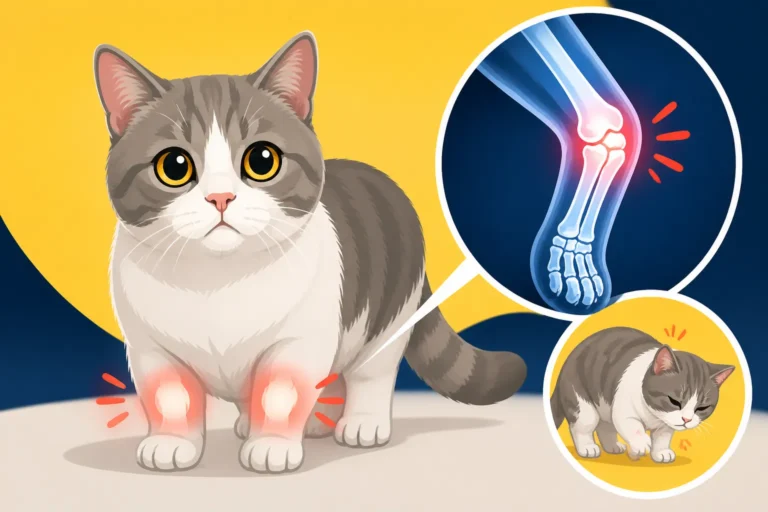
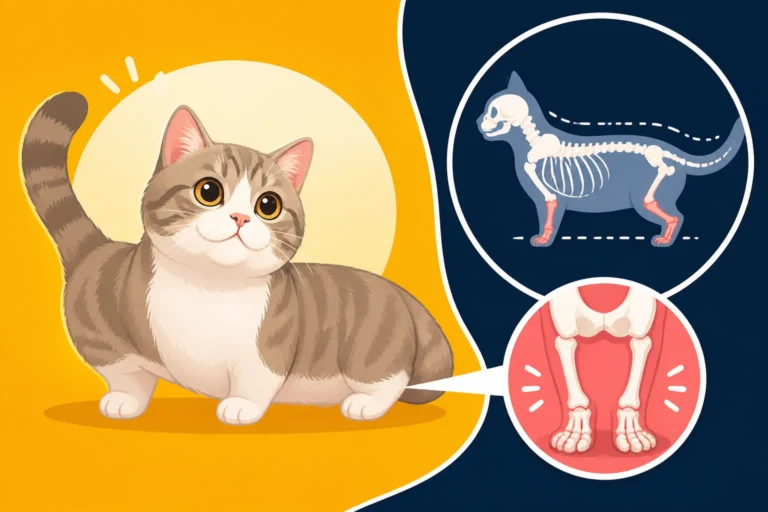
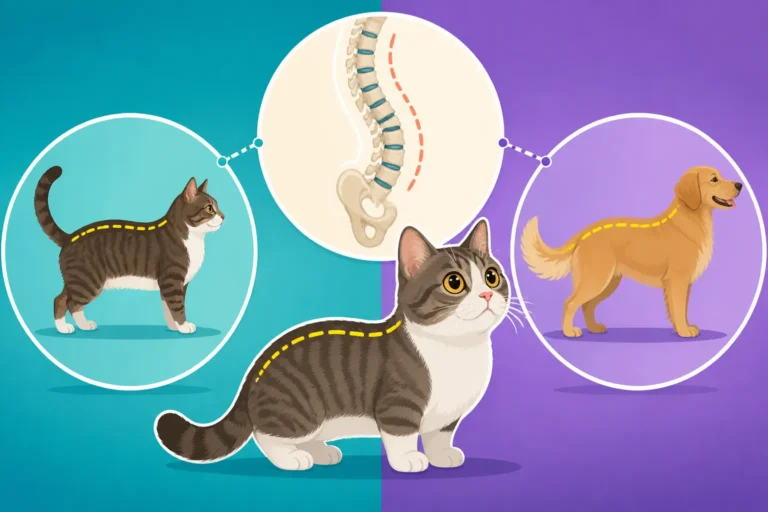
Imagine carrying a backpack that’s just a little too heavy, all day, every day, while also having significantly shorter legs. That’s a bit like what an overweight Munchkin experiences. Their defining characteristic – those charmingly short legs – means they have less leverage and more strain when moving their body. Every single extra ounce they carry places an undue burden on their joints, especially in their shoulders and elbows, and their proportionally normal-length spine.
This constant strain can accelerate the onset of conditions like osteoarthritis, making movement painful and reducing their willingness to play. You might notice them moving slower, struggling to get onto even low furniture, or exhibiting stiffness, especially after resting. It's not just about aesthetics; it’s about preventing pain and preserving mobility. To truly grasp the implications, consider Why a Munchkin's Spine Carries a Load a Normal Cat's Does Not—it highlights how their unique build distributes weight differently, making them more vulnerable to spinal stress. When you combine this with excess weight, the potential for long-term joint and spinal issues, and the question of Whether a Munchkin Gets Arthritis Earlier, becomes very real. Ultimately, knowing How Much Weight a Munchkin Can Safely Carry is vital for their long-term health.
Understanding a Munchkin's Specific Caloric Needs
Another critical factor is their energy expenditure. Long-legged cats might zoom around, leap onto counters, and scale tall cat trees, burning a good deal of energy in the process. Munchkins, while surprisingly agile on the flat, simply cannot perform the same high-impact acrobatics. They can't jump as high, their climbing is restricted, and their overall activity level is naturally lower than a typical cat.
This means their baseline caloric needs are significantly reduced compared to an average-sized cat of the same breed or even a domestic shorthair. What might be a healthy portion for a normal-legged cat could easily lead to weight gain for a Munchkin. It’s a common mistake, born from love, to overfeed them without realizing just how little energy they truly burn. It really makes you think about How Little a Munchkin Eats Compared With Its Size and how easily those calories can add up.
The Risks of Rapid Weight Loss: Hepatic Lipidosis
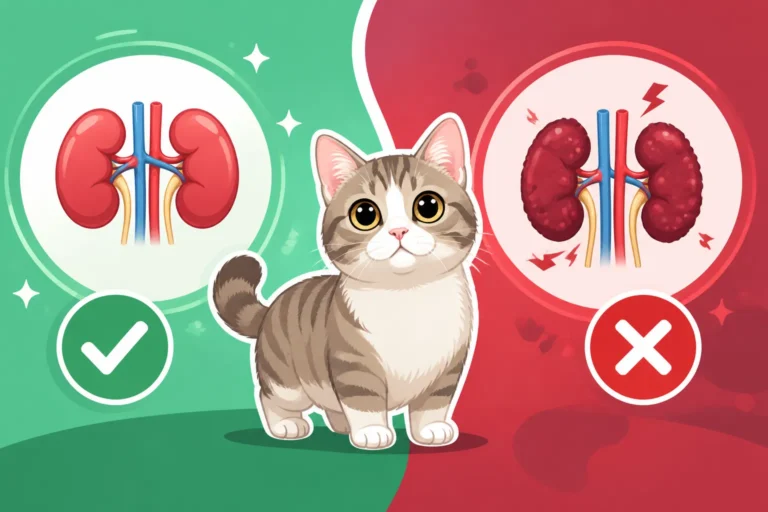
While the urge to get your Munchkin to a healthy weight quickly might be strong, a crash diet is incredibly dangerous for any cat, and particularly for one already facing physical challenges. Cats, by their very nature, are not designed for rapid fat loss. When a cat loses weight too quickly, their body mobilizes fat stores to compensate for the sudden lack of dietary energy. This fat floods the liver, which can become overwhelmed and unable to process it efficiently.
The result is a life-threatening condition called hepatic lipidosis, or fatty liver disease. Symptoms include lethargy, loss of appetite, vomiting, and jaundice (yellowing of the skin and eyes). It requires immediate, aggressive veterinary intervention and can be fatal if not treated promptly. This is why a slow, controlled, and veterinarian-supervised weight loss plan is absolutely non-negotiable for your Munchkin.
Setting a Safe and Achievable Weight Loss Pace
Given these unique considerations, a thoughtful and measured approach to weight loss is paramount. This isn't a race; it's a marathon for your cat's health.
Partnering with Your Veterinarian for a Customized Plan
Before you change a single thing about your Munchkin's diet or exercise routine, the most important step is a visit to your veterinarian. They are your best resource and will perform a thorough examination, including:
- Determining ideal body weight: What's healthy for one Munchkin might not be for another. Your vet will assess their bone structure and muscle mass to recommend an appropriate target weight.
- Ruling out underlying medical conditions: Sometimes, weight gain can be a symptom of a hidden health issue, such as thyroid problems or Cushing's disease. Your vet can perform diagnostic tests to rule these out. This is where pet insurance, like a plan from Healthy Paws, can be a real lifesaver, helping to cover the costs of these essential examinations and tests.
- Assessing joint health: They can evaluate any existing arthritis or joint pain that might affect an exercise plan.
- Calculating a safe caloric intake: Based on your Munchkin's current weight, ideal weight, activity level, and health status, your vet will provide a precise daily caloric target.
Without this professional guidance, you're essentially guessing, and that can have serious repercussions for your beloved pet.
The Golden Rule: 1% to 2% Body Weight Loss Per Week
This is the cornerstone of safe and effective feline weight loss. For most cats, a weight loss of 1% to 2% of their current body weight per week is considered ideal. This slow and steady pace helps prevent hepatic lipidosis and allows their body to adjust gradually.
Let’s put this into perspective for a typical Munchkin:
- If your Munchkin weighs 8 pounds: A safe weekly weight loss would be 0.08 to 0.16 pounds (approximately 1.3 to 2.5 ounces).
- If your Munchkin weighs 10 pounds: A safe weekly weight loss would be 0.10 to 0.20 pounds (approximately 1.6 to 3.2 ounces).
As you can see, we're talking about very small increments. This might seem frustratingly slow, but remember, consistency over speed is the key to your Munchkin's long-term health. It means patience is a virtue, and the journey might take several months, or even a year, depending on how much weight they need to lose.
Regular Monitoring: Weigh-ins and Body Condition Scoring
Once you have your vet-approved plan, consistent monitoring is essential.
- Weekly Weigh-ins: Invest in a small digital pet scale, or use a kitchen scale for smaller cats. Weigh your Munchkin at the same time each week, before feeding, and record the results. This helps you track progress and make small adjustments if needed. You can also weigh yourself, then weigh yourself holding your cat, and subtract the difference.
- Body Condition Scoring (BCS): Your vet will show you how to assess your Munchkin's body condition. This involves feeling their ribs, spine, and waist. A healthy cat should have easily palpable ribs with a thin layer of fat over them, a visible waist when viewed from above, and an abdominal tuck when viewed from the side. For Munchkins, this can sometimes be tricky because their low-slung belly can make them look rounder than they are, even at a healthy weight, so knowing How to Feel a Munchkin's Ribs is more indicative. For a comprehensive overview, understanding How to Score a Munchkin's Body Condition can be incredibly helpful. Consistent BCS helps you gauge progress alongside the scale.
| Current Weight (lbs) | Target Weekly Loss (lbs) | Target Weekly Loss (ounces) |
|---|---|---|
| 7 lbs | 0.07 – 0.14 | 1.1 – 2.2 |
| 8 lbs | 0.08 – 0.16 | 1.3 – 2.5 |
| 9 lbs | 0.09 – 0.18 | 1.4 – 2.9 |
| 10 lbs | 0.10 – 0.20 | 1.6 – 3.2 |
| 11 lbs | 0.11 – 0.22 | 1.8 – 3.5 |
| 12 lbs | 0.12 – 0.24 | 1.9 – 3.8 |
Note: These are general guidelines for a 1-2% weekly weight loss. Always consult your veterinarian for a personalized weight loss plan for your individual Munchkin.
Practical Strategies for a Successful Munchkin Weight Loss Journey
Once you have a vet-approved plan and understand the safe rate of loss, it's time to implement practical changes in their daily routine.
Precision Feeding: The Importance of Weighing Food
This cannot be stressed enough: forget measuring cups. They are notoriously inaccurate, and even a slight overfill can add significant calories over time, especially for a cat with low caloric needs. The best way to ensure your Munchkin is getting the exact amount of food recommended by your vet is to use a digital kitchen scale.
Weigh out their daily portion in grams and divide it into two or three smaller meals throughout the day. This keeps their metabolism active and prevents them from feeling too hungry between meals. It might feel like a chore at first, but it quickly becomes second nature, and it's the most reliable way to control their intake. You'll soon understand Why a Munchkin's Portion Should Be Weighed with such precision – every gram truly counts.
Choosing the Right Diet and Managing Treats
The type of food also plays a crucial role. Your veterinarian might recommend a prescription weight loss diet, which is specifically formulated to be lower in calories but still provide all essential nutrients. These diets often have higher protein content to help maintain muscle mass while fat is lost.
If a prescription diet isn't necessary, your vet can advise on suitable over-the-counter options. Look for foods that are high in protein, moderate in fat, and low in carbohydrates.
And then there are treats. Oh, how we love to spoil our furry friends with treats! But for an overweight Munchkin, treats are often empty calories that derail progress. If you absolutely must give treats, make sure they are included in their daily caloric allowance and are healthy options, like small pieces of cooked lean meat or specialized low-calorie dental treats. Avoid human food scraps at all costs. Every small bite adds up, and it's important to remember Why an Overweight Munchkin Is in Real Trouble and needs such strict dietary control.
Tailored Exercise and Enrichment for Short Legs
While you can't expect your Munchkin to be a high-jumper, increasing their activity level in appropriate ways is vital. Focus on floor-level play and enrichment that encourages movement without straining their delicate joints.
- Wand Toys and Laser Pointers: These are fantastic for getting them moving across the floor. Drag toys along the ground, hide them, and make them chase.
- Puzzle Feeders: These turn mealtime into a game, slowing down eating and providing mental stimulation. There are many options available that are accessible for short-legged cats.
- Short Play Sessions: Instead of one long session, break up playtime into several short bursts throughout the day. Even 5-10 minutes of active play multiple times a day can make a big difference.
- Supervised Exploration: Allow them to explore safe, low-level areas of your home. You might be surprised at how much they enjoy investigating new nooks and crannies. This type of engagement highlights How Much Floor Level Play a Munchkin Needs to stay active and mentally stimulated.
- Ramps and Steps: While not direct exercise, providing gentle ramps and steps to their favorite low perches (like sofas or beds) can make movement easier and encourage them to use them, rather than attempting risky jumps that could stress their joints or lead to injury.
It's also important to understand Whether a Munchkin Should Be Discouraged From Jumping – generally, yes, as excessive jumping can exacerbate joint issues. Instead, create an environment that minimizes the need for jumping.
Keeping an Eye on Their Overall Well-being
As your Munchkin loses weight, or while they are still carrying extra pounds, certain aspects of their care become even more important. An overweight Munchkin may struggle to groom their hindquarters effectively, leading to mats, skin irritation, and hygiene issues around the litter box. This is especially true when Why a Heavy Munchkin's Belly Drags becomes a reality, making it harder to squat and clean. You’ll need to step in to help with regular brushing and possibly even sanitary clips.
Also, keep a close watch on their gait and any signs of discomfort. If you notice increased stiffness, reluctance to move, or changes in their typical behavior, it’s time for another vet visit. Early intervention for joint pain or other issues can make a huge difference in their comfort and mobility. Your veterinarian can recommend appropriate joint supplements, like those discussed in Which Joint Supplements Suit a Munchkin, or pain management strategies. This continuous monitoring and proactive care are aspects where a comprehensive pet insurance plan from Healthy Paws can truly alleviate financial stress, ensuring your Munchkin receives all necessary veterinary attention without delay.
Navigating the Journey: Patience and Persistence
Weight loss is rarely a straight line, and it requires dedication from you, the pet parent.
Handling Plateaus and Frustration
It's completely normal for weight loss to plateau. Your Munchkin might lose weight steadily for a few weeks, then hit a period where the numbers on the scale don't budge. Don't get discouraged! This is a natural part of the process. Their metabolism adjusts, and progress can slow.
If you encounter a plateau that lasts for several weeks, or if your Munchkin seems overly hungry or lethargic, it’s time to consult your vet again. They might recommend a slight adjustment to their caloric intake, a different food formula, or suggest further investigations to ensure there are no other underlying issues impeding progress. Remember, your vet is your partner in this journey, and a good insurance plan, such as one from Healthy Paws, helps make these frequent check-ins financially manageable.
The Role of Environmental Adaptations
While this guide focuses on diet and exercise, remember that a supportive home environment is crucial for a Munchkin, especially during a weight loss journey. Low-entry litter boxes, ramps to favorite spots, and non-slip surfaces can encourage movement and make their daily life more comfortable. This proactive adaptation is an essential part of Why Weight Control Is the Whole Munchkin Care Plan.
Long-Term Maintenance for a Healthy Munchkin Life
Once your Munchkin reaches their ideal weight, the journey isn't over. Weight management is a lifelong commitment. You’ll transition them to a maintenance diet, which will still require careful portion control. Continue with regular weigh-ins (perhaps less frequently, like monthly) and body condition scoring to ensure they stay at their healthy weight. The habits you build during the weight loss phase will serve them well for the rest of their happy, healthy, short-legged life.
Disclaimer
This article is intended for informational purposes only and does not constitute medical advice. Always consult with a qualified veterinarian for any health concerns or before making any decisions about your pet's medical care or diet.