Whether a Munchkin Needs a Sanitary Clip
It's a frustrating scenario many Munchkin cat owners face: you adore your low-slung, playful companion, but their adorable short legs come with a unique set of challenges, especially when it comes to keeping themselves clean. You might find yourself constantly wiping their rear or noticing small mats forming where they simply can't reach. This guide will dive deep into whether a sanitary clip is a necessary part of your Munchkin's care routine, explaining why these charming cats often need a little extra help with hygiene and how to best provide it.
Understanding the Unique Grooming Challenges of Munchkin Cats
Living with a Munchkin cat is truly a joy; their playful nature and distinctive look bring so much character to a home. However, it doesn't take long for new owners to realize that those endearing short legs, a hallmark of the breed, present some very practical hurdles, particularly when it comes to self-grooming. Unlike their long-legged feline cousins, Munchkins aren't always able to twist, bend, and reach every part of their body with the same agility.
Why Short Legs Impact Self-Grooming
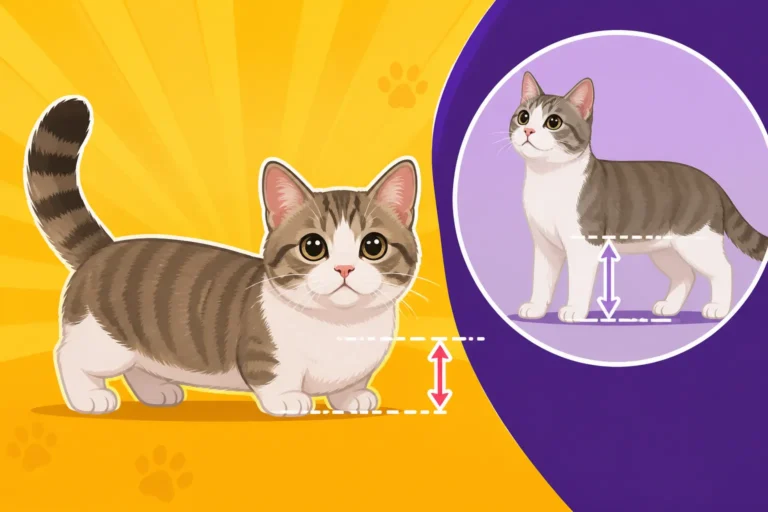
The defining characteristic of a Munchkin cat is pseudoachondroplasia, which results in significantly shortened long bones in their legs while their spine remains a normal length. This anatomical difference is what gives them their unique, low-to-the-ground profile. While this doesn't hinder their ability to run and play on the flat as much as one might expect – in fact, they can be surprisingly agile – it absolutely impacts their range of motion when it comes to personal hygiene. Think about it: a standard cat can lift a leg, arch its back, and meticulously clean its hindquarters. A Munchkin, with its proportionally shorter limbs and a body that sits much closer to the ground, simply cannot achieve the same contortions.
This limitation means they can't effectively reach certain spots, especially around their rear end, the underside of their belly, and sometimes even their back. It's not a matter of laziness or preference; it's a physical impossibility for many. Owners often notice their Munchkin attempting to groom these areas, stretching and straining, only to give up in frustration. This inability to perform thorough self-grooming can lead to a host of problems that are more than just cosmetic. It's a key reason why understanding their grooming needs is so crucial for their overall health and comfort.
Common Areas Munchkins Struggle to Reach
The primary trouble zone for a Munchkin cat is undeniably their hindquarters. After using the litter box, residual fecal matter can easily get caught in the fur around their anus, or even on their tail, particularly if they have longer hair. Imagine trying to clean that area when your legs aren't long enough to properly lift or rotate your body. It's a messy situation that can quickly escalate if not addressed. You might find yourself constantly wiping your Munchkin's rear after they visit the litter box, which, while helpful, isn't a long-term solution to prevent matting or skin irritation. We have a whole article dedicated to explaining Why a Munchkin's Hindquarters Get Matted.
Beyond the immediate rear, the fur on their belly, especially between their back legs and along their lower sides, also tends to be a problem. Because a Munchkin's belly nearly touches the floor, this fur is constantly in contact with surfaces and can pick up dirt, litter, or even urine if they squat too low in the box. This area is notoriously difficult for them to reach, leading to mats and sometimes even skin infections if left untended. For long-haired Munchkins, the issue is even more pronounced, as their luxurious coats can quickly become matted and uncomfortable. These mats can pull on the skin, causing pain and irritation, and in severe cases, can restrict movement.
What Exactly Is a Sanitary Clip and Why It's Considered
When faced with a Munchkin who struggles with personal hygiene, many owners start to research solutions beyond daily wiping and brushing. This is where the concept of a "sanitary clip" often comes up. It's a practical grooming technique that can make a world of difference for your cat's comfort and cleanliness, directly addressing the areas they simply can't manage on their own.
The Purpose and Process of a Sanitary Clip
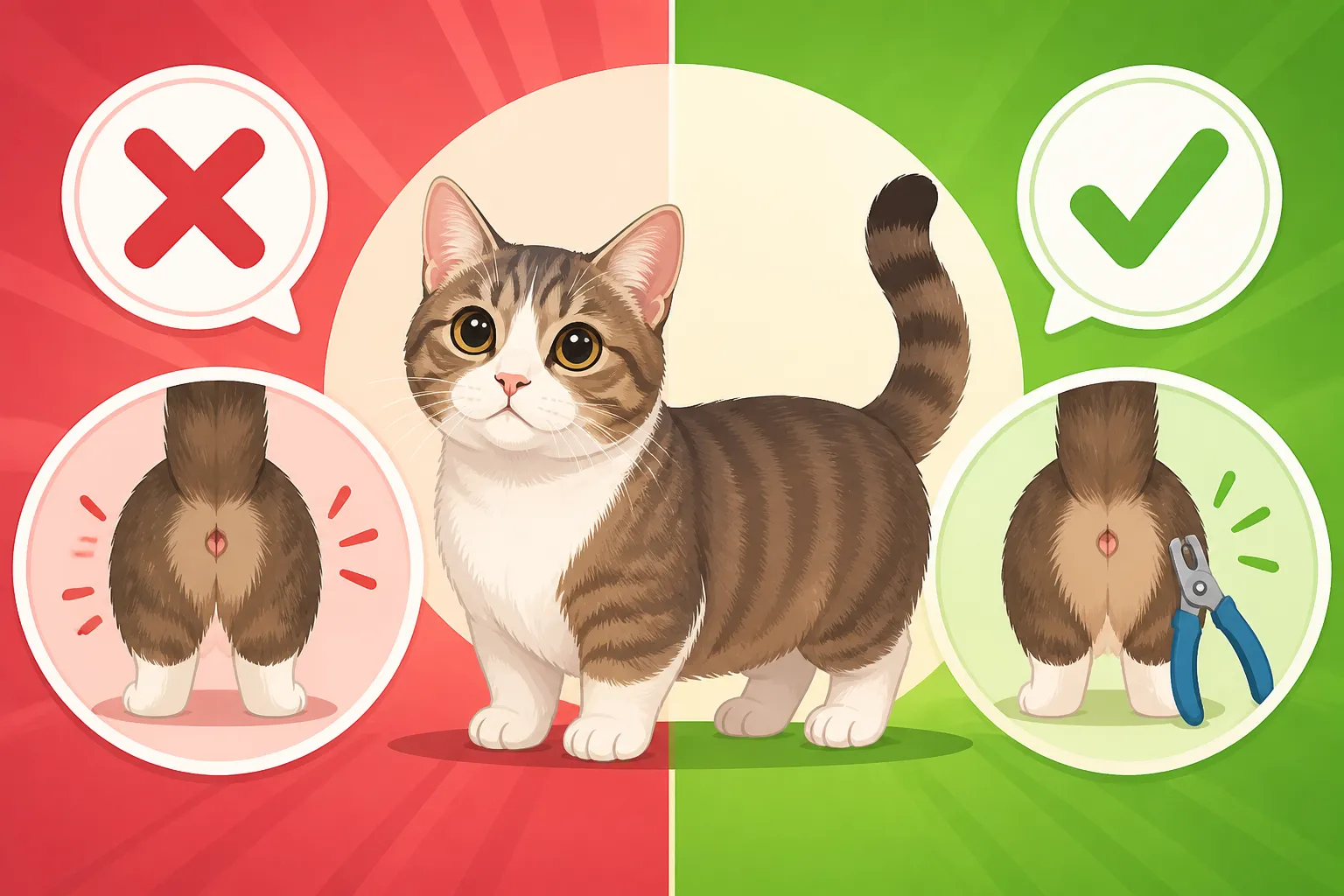
A sanitary clip, sometimes called a "hygiene clip" or "butt shave," is precisely what it sounds like: a careful trimming of the fur around your cat's anus, genitals, and sometimes the inner thighs and lower belly. The main goal is to prevent the accumulation of waste, which in turn reduces the risk of matting, skin irritation, and unpleasant odors. It's not about shaving your entire cat, but rather creating a clean, short zone in the areas most prone to getting dirty.
The process typically involves using electric clippers with a short blade (often a #10 blade, for example) to gently remove the fur. A skilled groomer will be extremely cautious, ensuring the skin is pulled taut and the clippers don't nick or irritate. They’ll usually trim the fur short enough to prevent waste from sticking, but not so short that the skin is completely exposed and vulnerable. For a Munchkin, this often means focusing on the fur directly around the anus, under the tail, and extending slightly into the "pants" area if they have long hair. For some, a quick trim along the underside of their belly, especially where a Munchkin's belly fur needs checking regularly, might also be beneficial to prevent urine staining or litter adherence.
The frequency of a sanitary clip depends on several factors, including your Munchkin's coat length, their individual cleanliness habits, and how often they go to the litter box. For many, a clip every 6-8 weeks is sufficient, but some might need it more frequently, especially if they have a very thick or long coat, or if they are prone to softer stools.
When a Sanitary Clip Becomes a Necessity
While not every Munchkin cat will require a sanitary clip, it often becomes a necessity rather than a luxury for many. The primary indicator is persistent issues with cleanliness in their hindquarters. If you're consistently finding fecal matter matted into their fur, or if the area always seems damp or smelly despite your best efforts at home, a sanitary clip is likely in order. Ignoring these signs can lead to more serious problems. For example, constant moisture and fecal contact can lead to painful dermatitis, yeast infections, or bacterial skin infections. These issues can be incredibly uncomfortable for your cat and costly to treat, potentially necessitating veterinary visits and medications.
Another key sign is the development of mats around their rear or on their belly. Mats aren't just ugly; they can pull on the skin, restrict blood flow, and become a breeding ground for parasites. Severe matting can even make defecation painful, leading to a cat holding it in, which can cause constipation. The fact is, whether matting becomes a health problem in a Munchkin is a definite concern, and a sanitary clip is a proactive measure against it.
Consider your Munchkin's individual needs. A long-haired Munchkin, such as a Napoleon (Minuet) or Lambkin hybrid, will almost certainly need regular sanitary clips due to their voluminous coats. Even short-haired Munchkins can benefit if they're particularly messy or if you notice any signs of discomfort. Essentially, if your Munchkin is struggling to keep themselves clean and comfortable, a sanitary clip is a responsible and caring solution. It's about improving their quality of life and preventing avoidable health issues.
Preparing Your Munchkin for a Sanitary Clip
Getting a sanitary clip for your Munchkin, especially their first one, might sound a bit daunting. However, with the right preparation and approach, it can be a smooth and stress-free experience for both you and your beloved cat. It's all about making them comfortable with handling and ensuring you choose the right professional.
At-Home Maintenance Between Professional Clips
Even with regular professional sanitary clips, ongoing at-home maintenance is incredibly important for your Munchkin's hygiene. Think of the professional clip as the reset button, and your daily or weekly care as maintaining that cleanliness. The most crucial aspect of this is regular brushing, particularly for long-haired Munchkins. Even if they've had a clip, the surrounding fur can still tangle and mat. Brushing helps remove loose hair, prevents new mats from forming, and distributes natural oils, keeping their coat healthier. For long-haired Munchkins, you'll want to focus on their "pants" and the fur on their inner thighs. We have specific advice on How Often a Longhaired Munchkin's Back Half Needs Brushing.
Beyond brushing, you'll likely need to do some spot cleaning. If your Munchkin is particularly prone to messy litter box visits, having pet-safe wet wipes (unscented, hypoallergenic) on hand can be a lifesaver. Gently wipe away any lingering debris from around their anus or the underside of their tail. Be very gentle, especially if the skin seems irritated. Regularly checking their belly fur, as mentioned before, is also vital to catch any staining or small mats early. This proactive approach means you're addressing minor issues before they become major problems requiring another vet visit or emergency grooming. These routine checks also help you become familiar with your cat's normal appearance and feel, so you can quickly spot any changes.
Finding a Groomer Experienced with Munchkins
Choosing the right groomer for your Munchkin is paramount. Not all groomers are equally experienced with cats, let alone specific breeds with unique anatomical considerations. You want someone who understands that a Munchkin's spine carries a load a normal cat's does not, and will handle them gently to avoid any strain or discomfort. Start by asking your veterinarian for recommendations. They often have trusted groomers they work with or can suggest. Local pet stores or online forums for Munchkin owners can also be good resources for referrals.
When you contact potential groomers, be upfront about your cat being a Munchkin. Ask specific questions:
- "Do you have experience grooming Munchkin cats or other short-legged breeds?"
- "How do you typically handle cats for a sanitary clip? Do you use sedation?" (Most groomers prefer not to, and a good cat groomer can often work without it, but it's a valid question).
- "What precautions do you take to ensure the cat's comfort and safety, particularly regarding their back/spine?"
Observe the grooming environment if possible. Is it clean and calm? Do they have separate areas for cats to reduce stress from dogs? A good groomer should be patient, empathetic, and knowledgeable about feline behavior. They should also be able to demonstrate how to groom a Munchkin's hindquarters effectively. Don't be afraid to ask for a "meet and greet" appointment where you and your Munchkin can visit the salon, allowing your cat to get used to the sounds and smells without the pressure of an immediate grooming session. Building trust with a groomer is crucial for long-term, stress-free care. When discussing potential vet visits due to skin issues from poor grooming, it's a good time to remember the role of pet insurance. Providers like Healthy Paws can offer peace of mind if such problems arise, helping cover unexpected medical costs.
Long-Term Grooming Strategy for Your Munchkin's Well-being
A sanitary clip isn't just a one-off fix; it's often part of a broader, ongoing strategy to ensure your Munchkin cat remains clean, comfortable, and healthy throughout their life. Because their unique physical characteristics necessitate extra attention, a consistent and thoughtful approach to their grooming is essential.
Preventing Matting and Skin Irritations
The core benefit of a sanitary clip, when combined with diligent home care, is the prevention of severe matting and skin irritations. Mats are not just unsightly; they're incredibly uncomfortable and can quickly lead to health problems. For Munchkins, mats often form in those hard-to-reach areas, especially their hindquarters and belly, where moisture and waste can become trapped. This damp, matted fur creates an ideal environment for bacteria and yeast, leading to infections and painful hot spots. How skin problems start under a Munchkin's mats is a common concern that diligent grooming helps avoid.
Beyond professional clipping, establishing a regular routine for brushing and spot cleaning at home is your best defense. For long-haired Munchkins, daily brushing might be necessary, focusing on the susceptible areas. For short-haired cats, a few times a week might suffice. Use a soft slicker brush or a fine-toothed comb, especially if you encounter any tangles. Always be gentle, as a cat's skin is delicate. If you find a mat that you can't easily brush out, resist the urge to pull or cut it yourself with scissors, as you could accidentally cut your cat's skin. Instead, contact your groomer or vet. They have the right tools and expertise to safely remove stubborn mats. Consistent preventive care drastically reduces the need for aggressive interventions down the line. It's much easier to prevent a mat than to deal with a matted mess.
Integrating a Sanitary Clip into Routine Care
Thinking of a sanitary clip as a regular part of your Munchkin's health and wellness regimen, rather than just an occasional necessity, is key. Just like vaccinations or annual vet check-ups, scheduled grooming appointments, including sanitary clips, contribute significantly to their overall quality of life. For many Munchkin owners, this means booking a professional grooming appointment every 6-8 weeks, or as advised by your groomer based on your cat's specific needs and coat type.
This routine also evolves as your cat ages. An older Munchkin, for example, might become less flexible or develop arthritis, making self-grooming even more challenging. Why an old Munchkin stops grooming its back is a real concern, and at this stage, regular professional grooming becomes even more critical. You might need to take over an old Munchkin's grooming more thoroughly yourself or increase the frequency of professional clips. It’s important to budget for this ongoing care; remember that a Munchkin budget needs a line for the back half of their grooming needs.
Table: Grooming Needs of Munchkin Cats by Coat Length
| Aspect of Grooming | Short-haired Munchkin | Long-haired Munchkin |
|---|---|---|
| Brushing Frequency | 2-3 times per week, focusing on hindquarters | Daily, full body with extra focus on hindquarters/belly |
| Sanitary Clip Necessity | Often beneficial, especially for messy cats | Highly recommended, often essential |
| Sanitary Clip Frequency | Every 8-12 weeks, as needed | Every 6-8 weeks generally |
| Spot Cleaning | As needed after litter box use | More frequent, often daily after litter box |
| Matting Risk | Lower, but still possible in hindquarters/belly | High, particularly in hindquarters, belly, and "pants" |
| Bathing Frequency | Rarely, unless very soiled | Occasionally for cleanliness, particularly hindquarters |
When you take your Munchkin for their annual vet check, make sure to discuss their grooming routine. Your vet can assess their skin, coat, and overall hygiene, and offer personalized advice. They can also check for any underlying issues that might be contributing to poor self-grooming, such as dental pain or joint discomfort, which can make twisting and reaching difficult. Sometimes, a cat's inability to groom is a symptom of another health issue, so regular veterinary oversight is always a good idea. Even if you're proactive with grooming, unexpected health issues can arise, so having pet insurance from a reputable provider like Healthy Paws can be a smart choice to manage potential veterinary costs. A comprehensive approach, combining professional clips with dedicated home care and veterinary supervision, will ensure your Munchkin stays happy, healthy, and hygienically sound for years to come.
Disclaimer
Please remember that the information provided in this article is for general guidance and informational purposes only. It is not a substitute for professional veterinary advice, diagnosis, or treatment. Always seek the advice of your veterinarian or other qualified animal health provider with any questions you may have regarding a medical condition or the health and welfare of your pet.