How Often a Munchkin Needs a Dental
Keeping your Munchkin cat's pearly whites sparkling and healthy can feel like a constant battle, especially when you're already managing their unique physical needs. Many cat owners grapple with the sheer difficulty of maintaining good oral hygiene, and for Munchkin owners, the challenge often feels magnified due to their low stature and sometimes less flexible spines. This guide aims to demystify Munchkin dental care, helping you understand how often professional cleanings are truly needed and how to keep their mouths as healthy as possible between vet visits.
Understanding Munchkin Dental Health Challenges
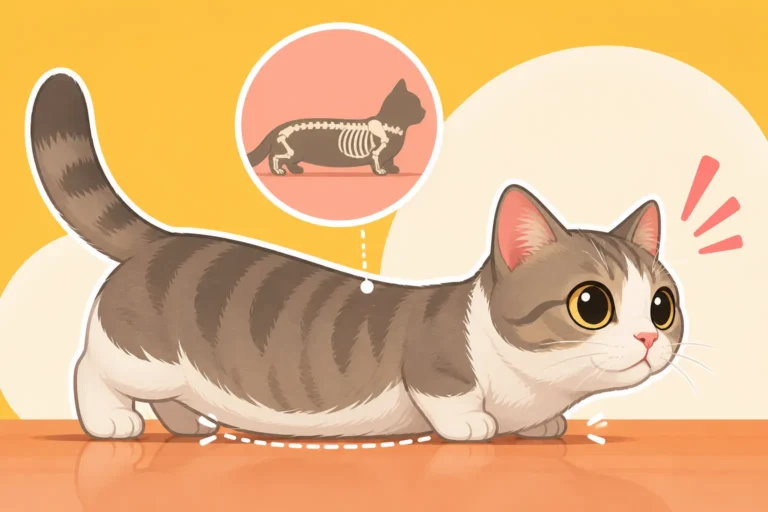
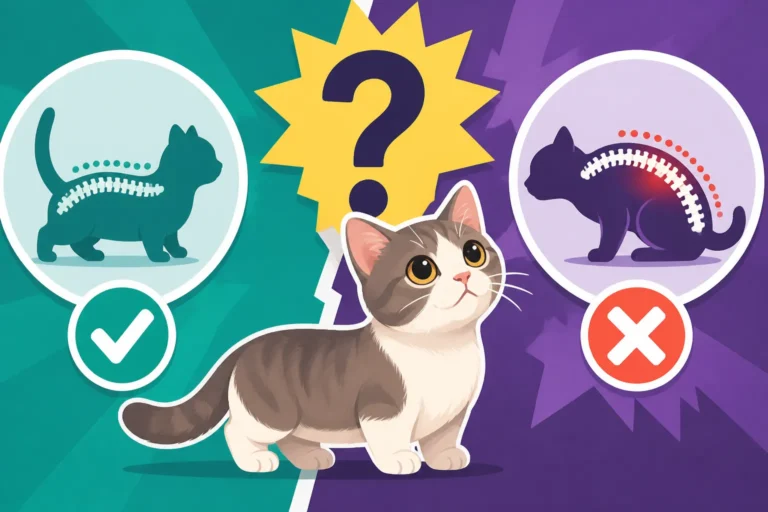
You might think a cat's short legs have nothing to do with their teeth, but the reality is that a Munchkin's unique conformation can indirectly influence their dental health and how easily you can provide care. It's not that their teeth themselves are inherently different, but rather that their overall physical structure can create specific considerations for oral hygiene.
The Impact of Conformation on Oral Hygiene
While a Munchkin's teeth are structurally the same as any other domestic cat, their distinctive short legs and sometimes slightly different body mechanics can subtly affect how they interact with their environment and, by extension, their mouths. For instance, some Munchkins might find certain eating postures slightly less comfortable than a long-legged cat, potentially leading to less efficient chewing or food particles lingering in certain areas. Although there isn't extensive breed-specific research directly linking Munchkin dwarfism to unique dental anatomical defects, observations by owners and vets highlight a need for attentive care.
Think about how a cat typically grooms itself. A long-legged cat can easily reach all parts of its body, including around its mouth, using its paws to "wash" its face. For a Munchkin, while they are incredibly agile and adaptable, their shorter limbs might make certain self-grooming maneuvers, especially around the back molars or under the chin, a little more challenging. This isn't to say they can't groom themselves, but it underscores why owners need to be extra vigilant. We’ve covered in detail Whether a Munchkin's Teeth Are Normal, and the consensus is that the teeth themselves are usually typical. However, their unique physical traits mean that owners need to be even more proactive in establishing a routine of care that compensates for any subtle difficulties the cat might face in maintaining its own oral hygiene.
Common Dental Issues in Munchkins
Just like any other feline, Munchkins are susceptible to a range of common dental problems. The most prevalent issue we see is periodontal disease, which begins with plaque buildup. Plaque is a sticky film of bacteria that forms on the teeth. If it's not removed, it hardens into tartar, a rough, porous substance that provides an even better surface for more plaque and bacteria to accumulate. This leads to gingivitis, an inflammation of the gums, which often presents as red, swollen, or bleeding gums. If left unchecked, gingivitis progresses to more severe periodontal disease, where the inflammation spreads below the gum line, destroying the supporting structures of the tooth. This can lead to painful infections, tooth loosening, and ultimately, tooth loss.
Beyond periodontal disease, Munchkins can also experience feline oral resorptive lesions (FORLs). These are painful lesions that erode the tooth structure, often starting at the gum line. They are incredibly common in cats, affecting a significant portion of the feline population, and are notoriously painful, often requiring extraction of the affected tooth. Another concern, though less common, can be malocclusions (misaligned bites), which might predispose a cat to specific areas of plaque buildup due to abnormal tooth contact. While there's no evidence to suggest Munchkins are more prone to these conditions than other breeds simply because of their legs, any cat with less-than-optimal oral hygiene is at higher risk.
Establishing a Proactive Dental Care Routine
The best defense against painful and expensive dental problems is a strong offense, and that means a dedicated at-home dental care routine supplemented by professional veterinary cleanings. For Munchkin owners, consistency and adaptation are key.
At-Home Dental Care for Your Munchkin
Starting early is absolutely crucial. If you introduce dental care when your Munchkin is a kitten, they're far more likely to accept it as a normal part of their routine. We highly recommend Introducing a Toothbrush to a Munchkin at Twelve Weeks. The gold standard for at-home dental care is daily tooth brushing. Yes, daily! Use a cat-specific toothbrush (or a finger brush) and enzymatic toothpaste – never human toothpaste, as it contains ingredients toxic to cats. The aim is to gently brush the outer surfaces of their teeth, focusing on the gum line where plaque accumulates most rapidly. It might feel overwhelming at first, but with patience and positive reinforcement (think treats and praise!), most cats can learn to tolerate it.
If daily brushing isn't feasible, don't throw in the towel entirely. There are other options to help reduce plaque. Dental wipes are a good alternative for some cats, allowing you to manually wipe plaque off the tooth surfaces. Water additives designed to reduce plaque and tartar can also be helpful, though their effectiveness varies. Dental treats and diets formulated to mechanically scrub teeth or contain plaque-inhibiting ingredients can play a supporting role. Look for products that have a Veterinary Oral Health Council (VOHC) seal of acceptance, as this indicates they meet standards for efficacy in controlling plaque and tartar. Remember, these are supplemental; they don't replace brushing entirely, but they are certainly better than doing nothing at all.
Recognizing Signs of Dental Problems
As a loving Munchkin owner, you become attuned to their subtle cues. Being able to spot the early warning signs of dental disease can make all the difference in preventing advanced problems. One of the most common indicators is bad breath, or halitosis. It's not normal for a cat to have truly foul breath; if you notice it, it's often a sign of bacterial overgrowth in the mouth. Other visual clues include red, swollen, or bleeding gums (gingivitis), especially along the gum line, or visible tartar buildup, which looks like a yellow or brown crust on the teeth.
Beyond direct oral signs, pay attention to changes in your Munchkin's behavior. Are they shying away from dry kibble, preferring wet food, or dropping food from their mouth while eating? Perhaps they're pawing at their face, drooling excessively, or showing a decreased interest in playing or grooming. These can all be signs of oral pain. Given their unique physical structure, a Munchkin might show discomfort in different ways, like being less keen to use their ramps or steps, as detailed in Why an Old Munchkin Stops Using Its Ramp. A subtle shift in their overall demeanor, becoming more withdrawn or irritable, can also be a red flag. If you notice any of these signs, it's time for a veterinary check-up, even if it's not their regular annual visit. Early detection is vital for effective treatment.
Professional Dental Cleanings: Frequency and Procedure
While at-home care is foundational, it's generally not enough to prevent all plaque and tartar buildup, especially below the gum line where periodontal disease truly takes hold. This is where professional veterinary dental cleanings come in, offering a thorough cleaning that goes beyond what you can achieve at home.
How Often Does a Munchkin Need a Professional Dental?
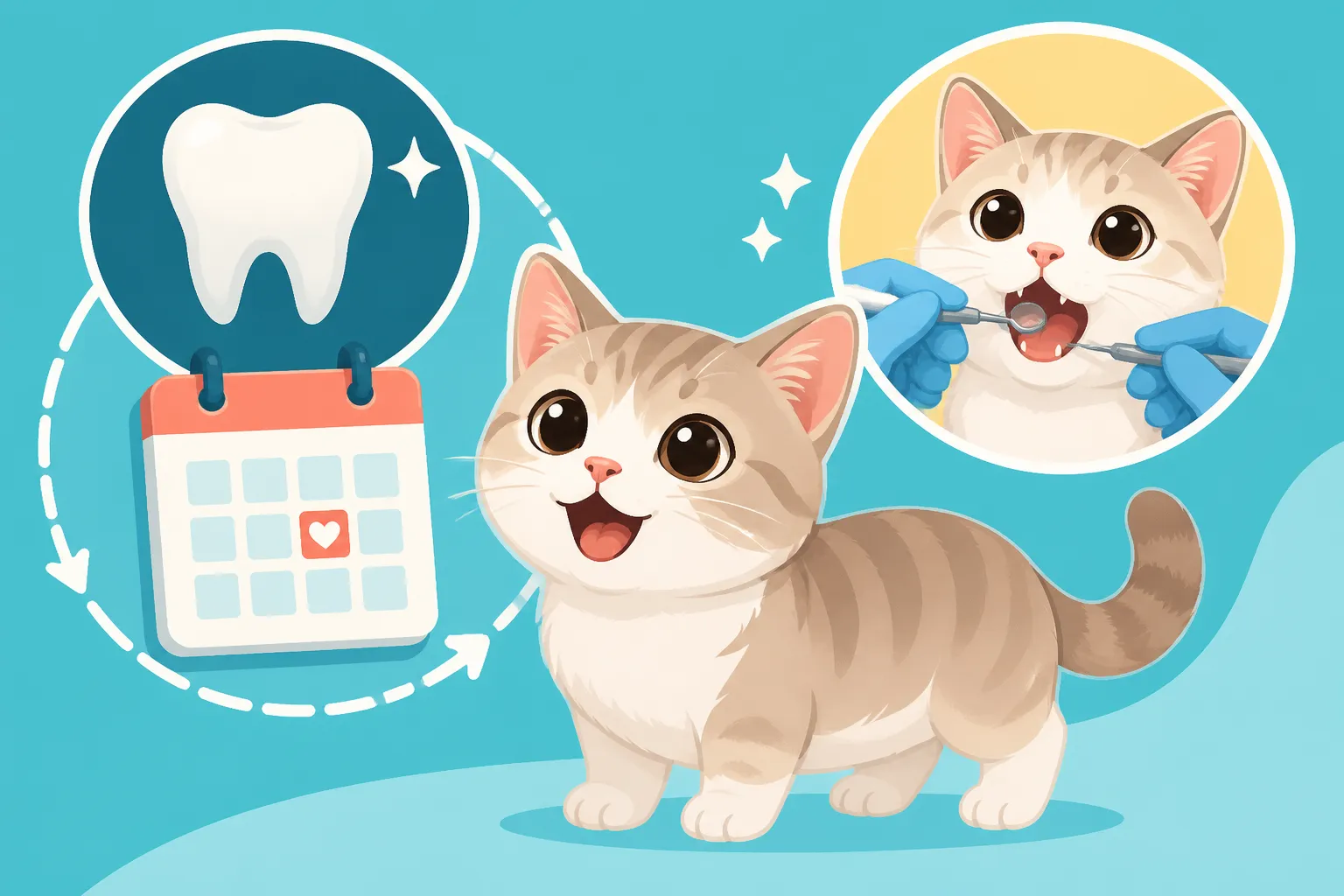
For most healthy adult cats, including Munchkins, an annual professional dental cleaning is often recommended. This frequency can vary, however, based on several factors unique to your individual cat. Genetics play a huge role – some cats are simply more prone to plaque and tartar buildup than others. Their diet can also influence it; while dental diets help, they don't eliminate the need for professional care. The effectiveness of your at-home care routine is another major factor. If you're diligently brushing daily and using VOHC-approved products, your Munchkin might be able to stretch the interval between cleanings slightly, but this should always be determined in consultation with your veterinarian.
Your vet will assess your Munchkin's oral health during their annual check-ups. They'll look for signs of gingivitis, tartar, and any other abnormalities. Based on this examination, they'll advise on the appropriate frequency for professional cleanings. Some cats, especially those with pre-existing conditions or a history of rapid plaque accumulation, might need cleanings every six to nine months. Older Munchkins, who might be more susceptible to dental issues and other health concerns like those discussed in Caring for an Old Munchkin That Has Stopped Climbing, might also require more frequent attention. It’s a personalized plan, always.
What to Expect During a Professional Dental Cleaning
A professional dental cleaning for your Munchkin, as with any cat, is a comprehensive procedure performed under general anesthesia. This is essential for several reasons: it allows the vet to thoroughly examine every tooth surface, including below the gum line, and to perform scaling and polishing without causing stress or pain to your cat. Before anesthesia, your vet will perform a thorough physical exam and often recommend pre-anesthetic bloodwork to ensure your Munchkin is healthy enough for the procedure. This is part of the standard Which Blood Panel a Munchkin Should Have Yearly check.
During the cleaning, specialized ultrasonic scalers are used to remove plaque and tartar from above and below the gum line. Hand scalers are then used for fine detailing. After scaling, the teeth are polished to smooth out any microscopic etches in the enamel, making it harder for plaque to adhere in the future. Full mouth dental X-rays are usually taken to assess the health of the tooth roots and jawbone, as many dental problems lie hidden beneath the gum line. If any diseased or damaged teeth are found (such as those with severe periodontal disease or resorptive lesions), extractions may be performed. Your vet will discuss these findings with you before, or sometimes during, the procedure. Post-procedure, your Munchkin will wake up in a cozy recovery area and typically go home the same day with any necessary pain medication or antibiotics. This investment in their health is crucial, and it's why many owners consider pet insurance options like those offered by Healthy Paws to help manage these costs. Knowing your pet's health can be supported, even for routine but necessary procedures, provides significant peace of mind.
Long-Term Dental Health and Preventative Measures
Maintaining your Munchkin's dental health is a lifelong commitment, but with consistent effort and good preventative strategies, you can significantly reduce the risk of severe dental disease and ensure their comfort well into their senior years.
Diet and Dental Health
The food your Munchkin eats plays a role in their oral health, though it's important to have realistic expectations. While it's a common belief that crunchy kibble "cleans" teeth, this is largely a myth for most commercial dry foods. Standard kibble shatters upon impact, often before it has a chance to scrape away plaque. However, there are prescription dental diets, like those from Hill's T/D or Royal Canin Dental, specifically designed with larger, fibrous kibble that encourages mechanical abrasion of the tooth surface as the cat chews. These can be very effective in reducing plaque and tartar buildup.
For wet food lovers, while wet food doesn't offer any mechanical cleaning action, it's not inherently "worse" for teeth than regular kibble. The key is what happens after the meal: daily brushing or other plaque control methods. Ultimately, a balanced, high-quality diet that supports overall health is paramount. Be mindful of treats, too! While a wonderful bonding tool, many treats are high in calories and sugar, which can contribute to dental issues and unwanted weight gain. And we all know Why an Overweight Munchkin Is in Real Trouble when it comes to their joints and spine, so careful calorie counting, including treats, is essential for these cats.
The Role of Regular Vet Checks
Beyond dedicated dental check-ups, your Munchkin's routine annual veterinary visits are critical opportunities to assess their oral health. During these check-ups, your vet will perform a general physical examination, which includes a visual inspection of your cat's mouth. They'll lift the lips to check for signs of gingivitis, tartar, and any obvious lesions or abnormalities. Even if your Munchkin appears to be eating normally, a skilled vet can spot subtle signs of discomfort or developing problems.
These regular health checks are also when you can discuss your at-home dental care routine, address any difficulties you're facing, and ask for advice on new products or techniques. It's a chance to build a comprehensive health plan for your cat, considering all aspects of their well-being. Keeping up with How Often a Healthy Adult Munchkin Needs Checking ensures that not only dental health but all other potential issues are caught early. If your vet recommends a professional cleaning, it’s always based on the health needs of your specific cat. Partnering with your veterinarian and utilizing services that can help with the financial aspect, such as pet insurance like Healthy Paws, means you're providing the most thorough and proactive care possible for your beloved Munchkin.
Dental Care for Your Munchkin: A Summary of Approaches
| Method of Care | Description | Frequency | Munchkin Specific Considerations | Pros | Cons |
|---|---|---|---|---|---|
| Daily Tooth Brushing | Manual removal of plaque using a cat-specific brush and enzymatic toothpaste. | Daily | Start early! Position your Munchkin comfortably to avoid straining their back or making them feel awkward due to their shorter legs. Use positive reinforcement. | Most effective at-home method; prevents plaque and tartar buildup. | Can be challenging to implement daily; requires training and patience. |
| Dental Wipes/Gels | Wiping teeth with medicated pads or applying gels to reduce bacteria. | Daily/Several times a week | Easier for owners to reach all tooth surfaces without full brushing. Still requires careful handling to ensure comfort for your Munchkin's low stature. | Simpler than brushing; good alternative if brushing is impossible. | Less effective than brushing; may not reach all areas effectively. |
| Dental Diets/Treats | Specially formulated kibble or treats designed for mechanical abrasion or enzymatic action. | Daily (as part of diet) | Look for VOHC-approved products. Ensure treats fit into their daily calorie intake, as Why Weight Is More Dangerous on a Munchkin. Small treats might be easier for a Munchkin's mouth. | Can supplement other methods; some cats enjoy them. | Not a complete solution; caloric concerns; effectiveness varies. |
| Water Additives | Solutions added to drinking water to reduce bacteria and plaque. | Daily | Ensure your Munchkin tolerates the taste; monitor water intake. | Easy to use; continuous action. | Effectiveness can be variable; some cats may refuse to drink. |
| Professional Cleaning | Full oral examination, scaling, polishing, and X-rays under anesthesia by a vet. | Annually (or as advised by vet) | Essential for subgingival cleaning and addressing hidden issues. Pre-anesthetic bloodwork is key, especially for older Munchkins, as mentioned in When a Munchkin Counts as Senior. Discuss any concerns about anesthesia with your vet. Consider pet insurance. | Most thorough cleaning; addresses issues below the gum line; extractions if needed. | Requires anesthesia; cost (though pet insurance like Healthy Paws can help); recovery period. |
Disclaimer
The information provided in this article is for general informational purposes only and is not a substitute for professional veterinary advice. Always consult with a qualified veterinarian regarding your Munchkin's specific health concerns, medical conditions, and before making any decisions about their care plan, including dental treatments.