Why a Munchkin Kitten Needs an Early Vet Check
Bringing a new kitten home is an incredibly exciting time, full of tiny purrs and playful pounces. But when that kitten is a Munchkin, there's a unique layer of responsibility that comes with their adorable short legs. It's not just about setting up a cozy bed and getting the right food; an early vet check for your Munchkin kitten isn't just a recommendation, it's absolutely crucial for understanding their specific health needs and setting them up for a lifetime of comfort and happiness. This guide will walk you through why that first vet visit is so important and what exactly it should cover.
Understanding the Unique Anatomy of a Munchkin Kitten
It's easy to get caught up in the sheer cuteness of a Munchkin kitten's short legs, often described as 'teacup' or 'rug hugger.' But beneath the charm lies a genetic mutation that impacts their skeletal structure in ways that go far beyond just aesthetics. Understanding this foundational difference is key to providing them with the best possible care from day one.
The Genetics Behind Short Legs
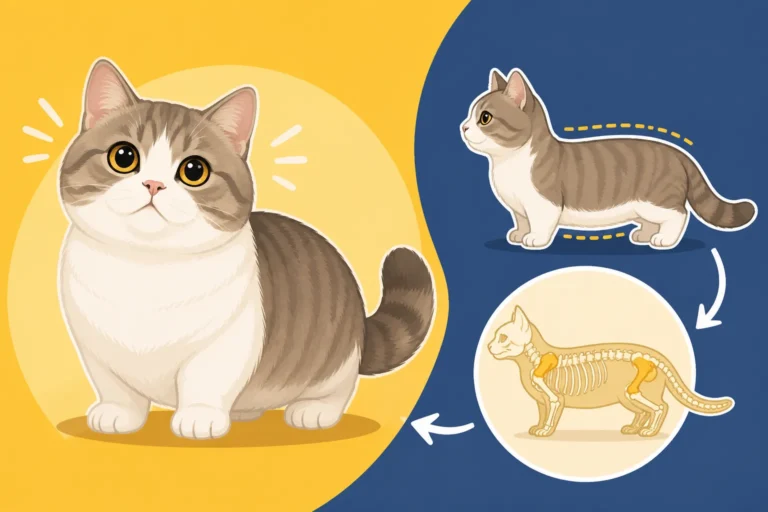
The distinctive short legs of a Munchkin cat are the result of an autosomal dominant gene that causes a condition known as pseudoachondroplasia. This isn't just a cosmetic trait; it's a specific type of dwarfism that affects the development of the long bones in their limbs. Unlike other forms of dwarfism, a Munchkin's spine and head are typically of normal length and size, making their body disproportionately long compared to their legs. This unique skeletal configuration means their bodies bear weight and move differently than a standard-legged cat. It's a critical distinction to grasp because it informs every aspect of their care. You might hear people debate the ethics of breeding, and much of that discussion centers on Munchkin Dwarfism Is Dominant and Lethal in Two Copies when kittens inherit two copies of the gene, which is why breeders carefully plan matings. But even with one copy, the physical manifestation is significant and needs proactive management.
It's also important to realize that while the short legs are the most obvious trait, the gene's influence isn't necessarily confined to just the limbs. Pseudoachondroplasia affects cartilage growth, and cartilage is present throughout the body. While most Munchkins are healthy and active, this underlying genetic difference is why we approach their health with a bit more vigilance. You're not just getting a kitten with short legs; you're getting a cat with a very specific genetic makeup that requires a discerning eye from your veterinarian.
Spinal and Skeletal Considerations
Because a Munchkin's torso is of normal length but their legs are shortened, their spine carries a load differently. Imagine a long bridge supported by very short pillars – the distribution of weight and stress points can be altered. This anatomical difference is why Munchkins can be predisposed to certain spinal and skeletal conditions that are less common in average cats. Two of the most frequently discussed are lordosis and pectus excavatum.
Lordosis is a condition where the spine curves downwards, creating a noticeable dip in the back. In severe cases, this spinal curvature can compress internal organs, leading to serious health issues. While lordosis isn't exclusive to Munchkins, it's a concern that veterinarians specifically look for in the breed due to their unique skeletal structure. Lordosis Is the Spinal Curve the Munchkin Argument Is About because it directly relates to the breed's conformation. Similarly, pectus excavatum, often referred to as a "sunken chest," is a congenital deformity of the sternum and rib cage that causes the chest to appear caved in. This can sometimes restrict lung development or heart function, especially if severe. Pectus Excavatum and the Munchkin's Sunken Chest are serious enough conditions that they can impact a kitten's quality of life significantly, highlighting why that early vet check is so vital. Your kitten might look perfectly fine on the surface, but a thorough physical examination by an experienced vet can uncover these subtle yet important indicators of future health challenges.
Why the First Weeks Are Critical for Diagnosis
The early weeks of a Munchkin kitten's life are a whirlwind of growth and development. It's during this crucial window that many congenital or early-onset conditions can be identified, giving you the best chance to intervene, manage, or prepare for their future care. Don't underestimate the power of early detection.
Early Detection of Congenital Issues
For Munchkin kittens, certain health issues aren't always immediately obvious to the untrained eye, but a veterinarian experienced with the breed can often spot them much sooner. Conditions like severe lordosis or pectus excavatum, which we just discussed, are typically congenital, meaning they are present at birth or develop very early in life. A skilled vet can palpate the kitten's spine and chest, feeling for any abnormalities. For example, How Early Lordosis Shows in a Munchkin Kitten can be surprisingly early, even before 8-12 weeks when they typically go to their new homes. The ability to identify these conditions early is paramount. If a kitten has severe lordosis, it might impact their ability to thrive, digest food properly, or even breathe comfortably. Similarly, if a vet needs to How a Vet Grades a Munchkin's Sunken Chest, early assessment helps determine the severity and potential need for intervention.
Early detection isn't about looking for problems; it's about being proactive. If a condition is identified, you and your vet can discuss management strategies, which might range from monitoring and supportive care to, in very rare and severe instances, considering difficult decisions. It also allows you to have frank conversations with your breeder about the health lineage. Some conditions might be manageable with medication, physiotherapy, or environmental modifications. The peace of mind that comes from knowing exactly what you're dealing with, or confirming that your kitten is structurally sound, is invaluable. This is also where having pet insurance like Healthy Paws can provide crucial support if any unexpected health issues arise, helping to cover diagnostics and potential treatments.
Establishing a Baseline for Growth and Development
Every kitten grows at its own pace, but with a Munchkin, establishing a specific baseline for their growth and development is even more important due to their unique physical structure. During their early vet visit, your kitten will be weighed, measured, and have their gait observed meticulously. This data creates a benchmark that allows you and your vet to track their progress over time. For instance, because their bone growth is different, a vet can confirm that their limbs are developing symmetrically and that there are no signs of discomfort or pain during movement.
Monitoring their weight is particularly critical. Because a Munchkin's spine and joints are under different mechanical stresses than a long-legged cat, even a small amount of excess weight can exacerbate potential issues like osteoarthritis later in life. This is Why Weight Is More Dangerous on a Munchkin, and why those initial weigh-ins provide a healthy starting point. Your vet can help you understand what a healthy weight range looks like for your specific kitten's frame as they mature. This early baseline also serves as a point of comparison for future vet visits. If your Munchkin starts exhibiting subtle changes in gait or activity levels months down the line, having detailed records from their initial examination can help your vet pinpoint if it's a new development or an exacerbation of an existing, monitored trait. It's all about building a comprehensive health profile from the very beginning.
What a Munchkin Kitten's First Exam Should Cover
A standard kitten check-up covers general health, vaccinations, and parasite prevention, which are, of course, essential for any kitten. But for a Munchkin, the first vet visit needs to go significantly deeper, focusing on the specific anatomical nuances that define the breed. Don't be afraid to ask your vet exactly what they plan to assess.
A Thorough Physical Assessment
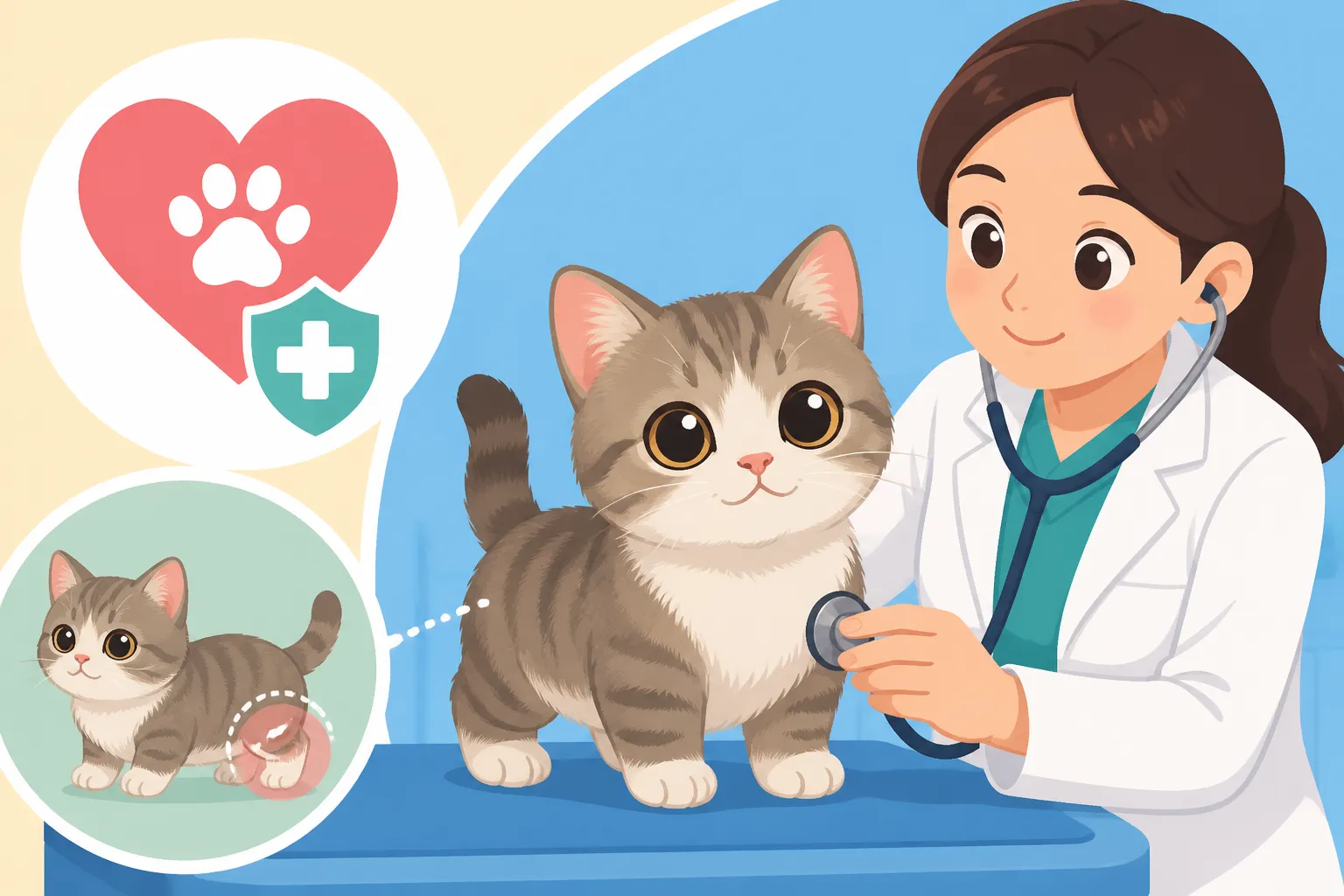
When you take your Munchkin kitten for their first check-up, the veterinarian should conduct a physical assessment that pays particular attention to their unique conformation. Beyond the usual checks of eyes, ears, teeth, and heart, a comprehensive exam will delve into their musculoskeletal system. This includes a very careful palpation of the spine. The vet will gently run their hands along your kitten's back, feeling for any unusual curvatures or tenderness, which could indicate lordosis. This is Why a Munchkin Kitten's Spine Should Be Palpated with such care. They should also thoroughly examine the chest area, checking the sternum and rib cage for any signs of pectus excavatum – feeling for a sunken or irregularly shaped chest wall.
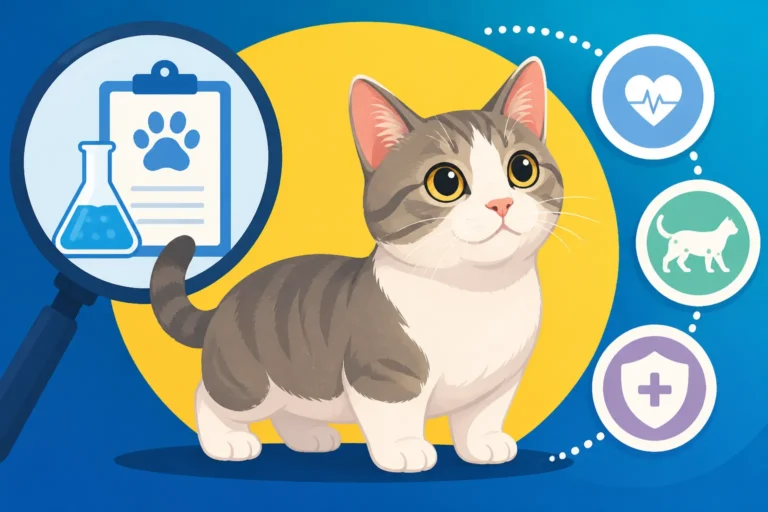
Beyond the spine and chest, the vet will meticulously assess their short legs. They'll check the joints for flexibility, stability, and any signs of pain or restricted movement. Observing the kitten's gait is also paramount. How do they walk? Do they waddle, or is their movement fluid? Are all four legs bearing weight evenly? These observations, combined with the hands-on examination, provide crucial insights into the kitten's overall comfort and structural integrity. A truly comprehensive first exam sets the stage for future preventative care and addresses potential issues before they become major problems. This detailed examination is precisely What a Munchkin Kitten's First Exam Should Cover.
Discussion of Genetic Predispositions and Future Care
Beyond the immediate physical check, a crucial part of the first vet visit for your Munchkin kitten should be an in-depth discussion about genetic predispositions and a proactive plan for future care. This is your opportunity to talk openly with your veterinarian about the breed's known health concerns. You'll want to ask about the prevalence of conditions like osteoarthritis in Munchkins as they age, given the unique strain on their joints, especially their shoulders and elbows. Discussing potential preventative measures, such as joint supplements or specific dietary recommendations, can start early.
It's also important to clarify what specific signs to watch for at home. Your vet can educate you on how to recognize subtle indicators of discomfort, stiffness, or changes in mobility that might warrant a follow-up visit. This proactive approach helps you become an informed and vigilant owner. Furthermore, this is a good time to discuss pet insurance options. Providers like Healthy Paws offer coverage for unexpected illnesses and accidents, and having a policy in place before any pre-existing conditions are diagnosed can be a real lifeline for managing potential long-term care costs associated with genetic predispositions. Establishing this open dialogue with your vet now will ensure you have a trusted partner in your Munchkin's health journey for years to come.
Proactive Steps for a Healthy Munchkin Life
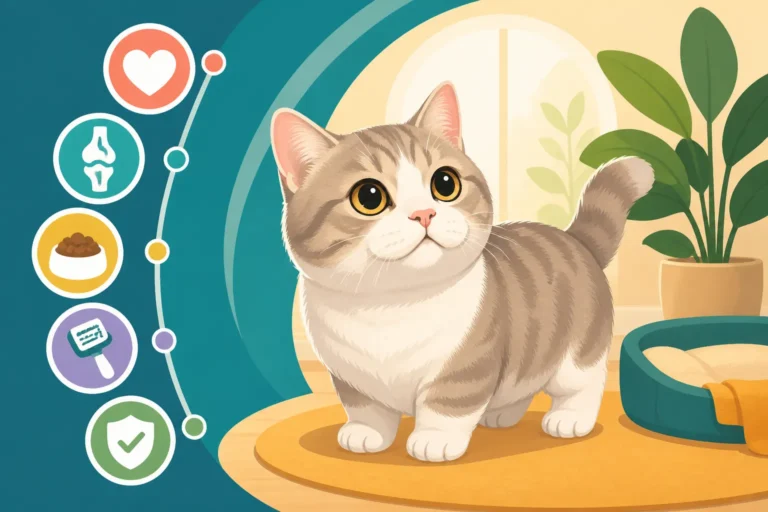
Bringing a Munchkin kitten into your home means committing to a lifestyle that accommodates their unique physical needs. It’s about building a safe, supportive environment and instilling healthy habits from day one that will protect their joints and spine throughout their lives.
Nutrition and Weight Management from Day One
One of the single most impactful things you can do for your Munchkin kitten's long-term health is to diligently manage their weight and nutrition right from the start. Because their short legs mean their body is closer to the ground, and their spine carries a disproportionate load, every single extra gram of weight puts added stress on their delicate skeletal system and joints. Why a Munchkin Kitten Must Not Be Overfed cannot be stressed enough. Overfeeding, even slightly, can lead to accelerated wear and tear on their joints and increase the risk of developing conditions like osteoarthritis earlier in life.
Work closely with your vet to determine the appropriate high-quality kitten food and precise portion sizes. Avoid free-feeding, and instead, measure out meals strictly. Focus on a diet rich in high-quality protein to support lean muscle mass and healthy growth, while avoiding excessive calories. Consider asking your vet about kitten foods that are formulated with joint-supporting ingredients, such as omega-3 fatty acids, glucosamine, and chondroitin, even at a young age, as a preventative measure. Establishing excellent dietary habits now will lay the foundation for a lean, active, and comfortable adult Munchkin cat, minimizing the strain on their unique anatomy.
Environmental Adaptations and Safe Play
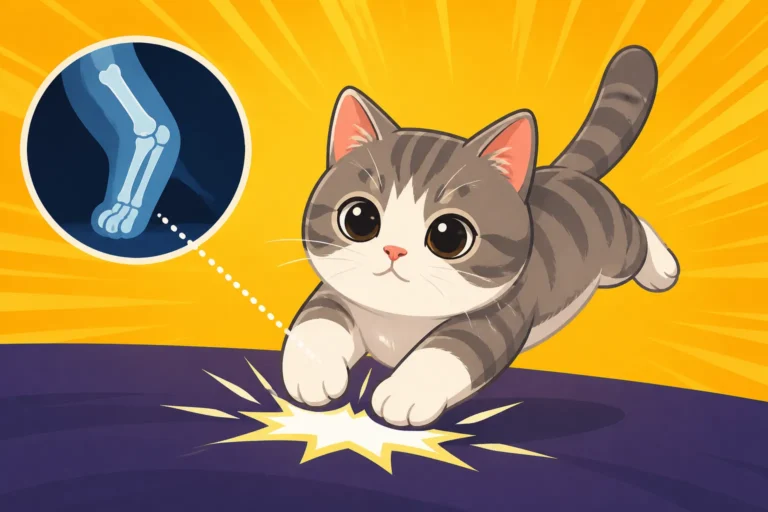
From the moment your Munchkin kitten arrives home, you need to think about how they will navigate their world. Unlike long-legged cats who can easily jump onto furniture, windowsills, or high perches, Munchkins need their environment adapted to their stature. This means providing ramps and steps to help them access their favorite spots, such as sofas, beds, or sunning platforms. These aren't luxuries; they're essential mobility aids that prevent them from attempting jumps that are too high or making repeated, jarring landings that can stress their developing joints and spine.
Their play environment also needs careful consideration. While Munchkin kittens are incredibly playful and energetic, you need to discourage excessive high jumping or rough play that involves hard landings. Instead, focus on ground-level play with wand toys, laser pointers, and interactive puzzle feeders that keep them mentally stimulated and physically active without undue strain. Ensure their litter boxes have low entry points so they can walk in easily without struggling or potentially injuring their back. This proactive approach to environmental adaptation and play is crucial because What a Munchkin Kitten Should Not Be Allowed to Jump is a critical lesson they need to learn, or rather, that you need to facilitate by removing the need for risky jumps. By creating a safe, accessible home, you’re helping to protect their vulnerable joints and ensure they can enjoy a full, active life without unnecessary pain or injury.
Munchkin Kitten Vet Check vs. Standard Kitten Check
To highlight the unique importance of a specialized vet check for your Munchkin kitten, here's a comparison of what to expect versus a general kitten examination.
| Feature | Standard Kitten Check-up | Munchkin Kitten Early Vet Check |
|---|---|---|
| General Health | Full physical exam (eyes, ears, teeth, coat, heart, lungs, abdomen) | Full physical exam, with heightened focus on musculoskeletal system |
| Vaccinations | Core vaccines (FVRCP, Rabies) | Core vaccines, ensuring appropriate timing for optimal health |
| Parasite Control | Fecal exam, deworming, flea/tick prevention | Fecal exam, deworming, flea/tick prevention |
| Spinal Assessment | General palpation for tenderness | Detailed palpation for lordosis, scoliosis, and tenderness |
| Chest Assessment | General observation | Careful palpation and observation for pectus excavatum |
| Limb/Joint Assessment | General check for lameness | Meticulous examination of all limb joints, gait analysis |
| Weight Management | General advice on healthy growth | Specific, rigorous guidance on ideal weight for joint health |
| Genetic Discussion | General breed predispositions (if applicable) | In-depth discussion of pseudoachondroplasia and related conditions |
| Environmental Advice | General kitten-proofing | Specific advice on ramps, steps, low-entry litter boxes, safe play |
| Long-Term Care Plan | Basic wellness schedule | Proactive plan for joint health, mobility support, and monitoring |
Disclaimer
The information provided in this article is for general informational purposes only and is not a substitute for professional veterinary advice. Always consult with a qualified veterinarian regarding any health concerns or before making any decisions about your pet's health or treatment.