Why a Munchkin’s Chest Should Be Rechecked at Six Months
Bringing home a Munchkin kitten is a joyous occasion, full of tiny paws and playful antics. But for many new owners, there's also an underlying worry about their unique physical characteristics, particularly their chest development. It can be incredibly disheartening to realize that a condition like Pectus Excavatum, a sunken chest, might not be fully apparent during those adorable early vet checks. This guide is here to walk you through why a crucial recheck of your Munchkin's chest at six months isn't just a recommendation, but a vital step in ensuring their long-term health and comfort.
The Unique Concerns Around a Munchkin's Chest Development
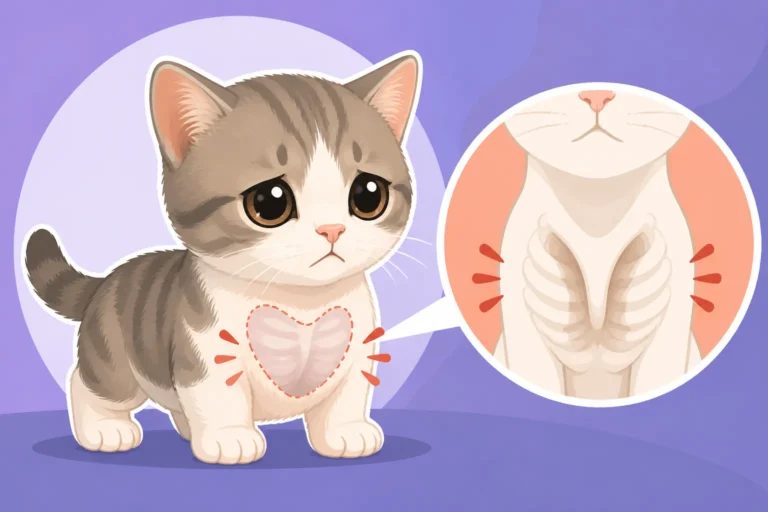
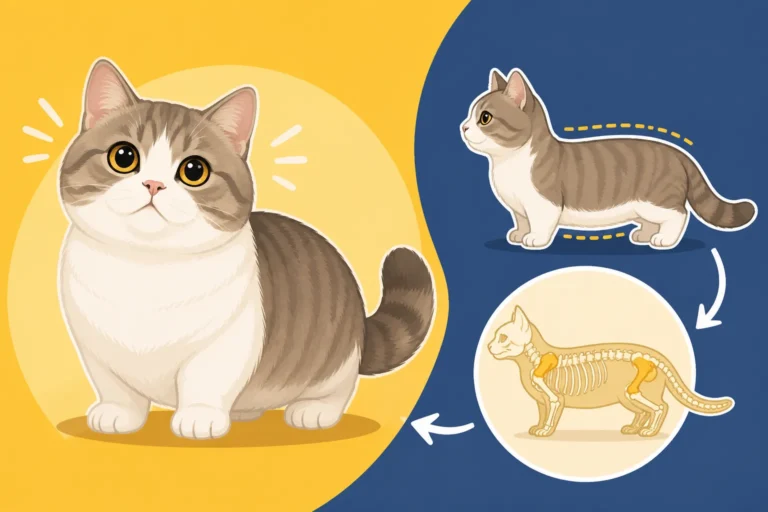
Munchkin cats are, of course, famous for their short legs, a genetic mutation that affects their long bones. However, their unique build can sometimes predispose them to other structural considerations, and the chest area is one that warrants particular attention. A condition known as Pectus Excavatum, or "funnel chest," involves a malformation of the sternum (breastbone) and ribs, causing the chest wall to sink inwards. This isn't unique to Munchkins; it can occur in any cat breed, but due to their body structure, it's a concern that dedicated breeders and informed owners are always vigilant about. The frustration for many owners is that a seemingly normal kitten at eight or twelve weeks can sometimes develop more noticeable chest issues as they grow.
What Pectus Excavatum Means for a Growing Kitten
Imagine a growing kitten. Their bones are still soft, their cartilage is pliable, and they're undergoing rapid development. In a kitten with Pectus Excavatum, the sternum and ribs grow abnormally, pulling the chest inward. This can range from a very mild, barely perceptible dip to a severe indentation that can compress the heart and lungs. You can read more about what this condition entails in our article, What Pectus Excavatum Does to a Munchkin's Chest. The implications depend entirely on the severity. A mild case might have no discernible impact on your cat's health or activity, while a severe case could lead to breathing difficulties, cardiac issues, and a reduced quality of life.
The challenge is that what looks "fine" in a tiny, eight-week-old kitten might change as their skeletal structure matures and ossifies. The rapid growth phases they go through in their first few months can sometimes exacerbate or reveal issues that were too subtle to detect earlier. It's not uncommon for a vet to clear a kitten at their initial health check, only for symptoms to become more apparent as they gain size and weight. This isn't a failure on anyone's part, but rather a reflection of the dynamic nature of a kitten's development.
The Dynamics of Skeletal Growth in Young Munchkins
Just like human babies, Munchkin kittens go through significant skeletal development during their first year. While their short legs are a defining characteristic, the rest of their body, including their spine and chest, grows to a normal cat's length and proportion. This means their skeletal system is undergoing complex changes, and growth plates are active throughout this period. The bone structure is still relatively plastic and forming, especially in the rib cage area.
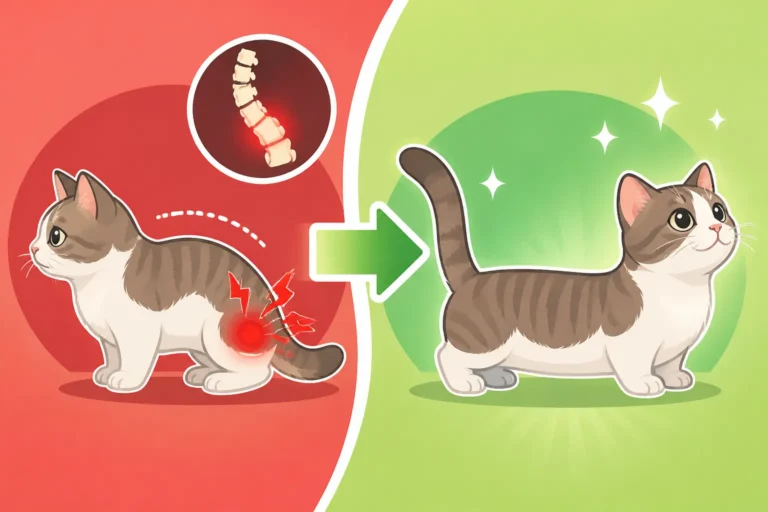
During these critical months, any underlying predisposition to Pectus Excavatum can become more pronounced. Think of it like a plant seedling; it might look perfect when tiny, but as it grows, any slight lean or deformity in its stem becomes more obvious. For a Munchkin, whose spine already carries a unique load due to their limb structure, ensuring proper chest development is paramount. The internal organs need ample space to function correctly, and a constricted chest can compromise that.
Why Six Months is the Key Milestone for Rechecking the Chest
So, why six months specifically? It’s not an arbitrary number. By six months, a Munchkin kitten has done a substantial amount of their growing. While they might still fill out a bit more, the most rapid and impactful skeletal development largely occurs within this timeframe. This makes it a prime opportunity for a re-evaluation that can catch issues that weren't visible at 8 or 12 weeks.
Observing the Maturation of the Rib Cage and Sternum
Between three and six months, a Munchkin cat's rib cage and sternum continue to mature and solidify. This is when a mild indentation that was perhaps just a soft spot at an earlier age can become a more defined, fixed concavity. The cartilage in the chest begins to ossify, meaning it turns into bone, making any malformation more permanent and potentially more impactful on internal organs.
A vet at this stage can get a much clearer picture of the final shape and structure of the chest. It's a critical window where any significant Pectus Excavatum that might not have presented strongly in a smaller, lighter kitten will likely be evident. This check helps confirm if the initial assessment still holds true, or if further monitoring or intervention is needed. Our article, How Early a Munchkin's Chest Should Be Checked, delves into the importance of those initial examinations.
Increased Activity and Weight Placing Stress on the Body
By six months, your Munchkin kitten isn't just bigger; they're also much more active. They're jumping (within their unique limits, of course!), running, and playing with a vigor that wasn't present at eight weeks. This increased activity, combined with their growing body weight, places more stress on their skeletal system, including their rib cage.
A cat with a subtle Pectus Excavatum might not show any signs of discomfort or breathing issues when they're small and mostly sleeping. However, once they're chasing toys, wrestling with housemates, and launching themselves onto low furniture, any compromise in their respiratory or cardiac function can become more apparent. They might tire more easily, breathe harder after play, or show a slight cough that wasn't there before. This heightened activity level means the chest is being put through its paces, making six months an ideal time for a thorough assessment.
What to Expect During Your Six-Month Chest Recheck
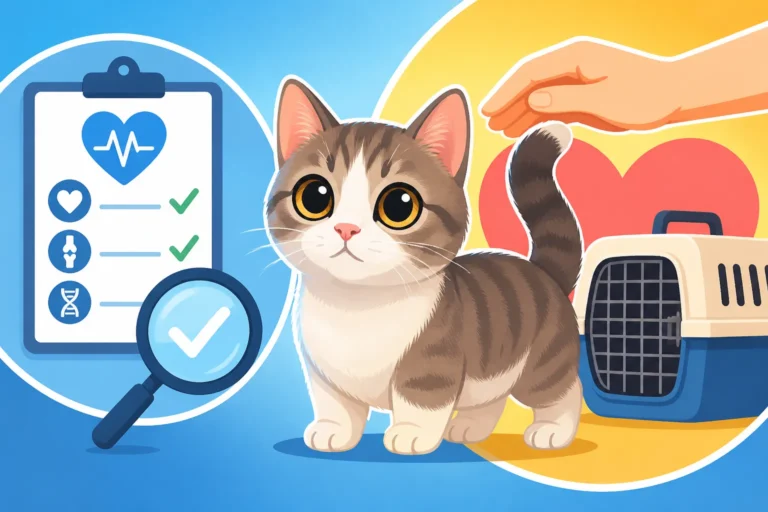
When you take your Munchkin in for their six-month chest recheck, your veterinarian will conduct a comprehensive physical exam, specifically focusing on their thoracic region. This isn't just a quick glance; it's a careful, hands-on assessment.
The Vet's Physical Examination and Palpation
Your vet will likely start by observing your Munchkin's general demeanor and breathing pattern while at rest. Do they seem comfortable? Is their breathing labored or shallow? Then, they'll carefully palpate (feel) your cat's sternum and ribs. They'll be feeling for any indentations, asymmetry, or unusual firmness. They'll compare the depth of the chest to its width, and assess how the ribs articulate with the sternum.
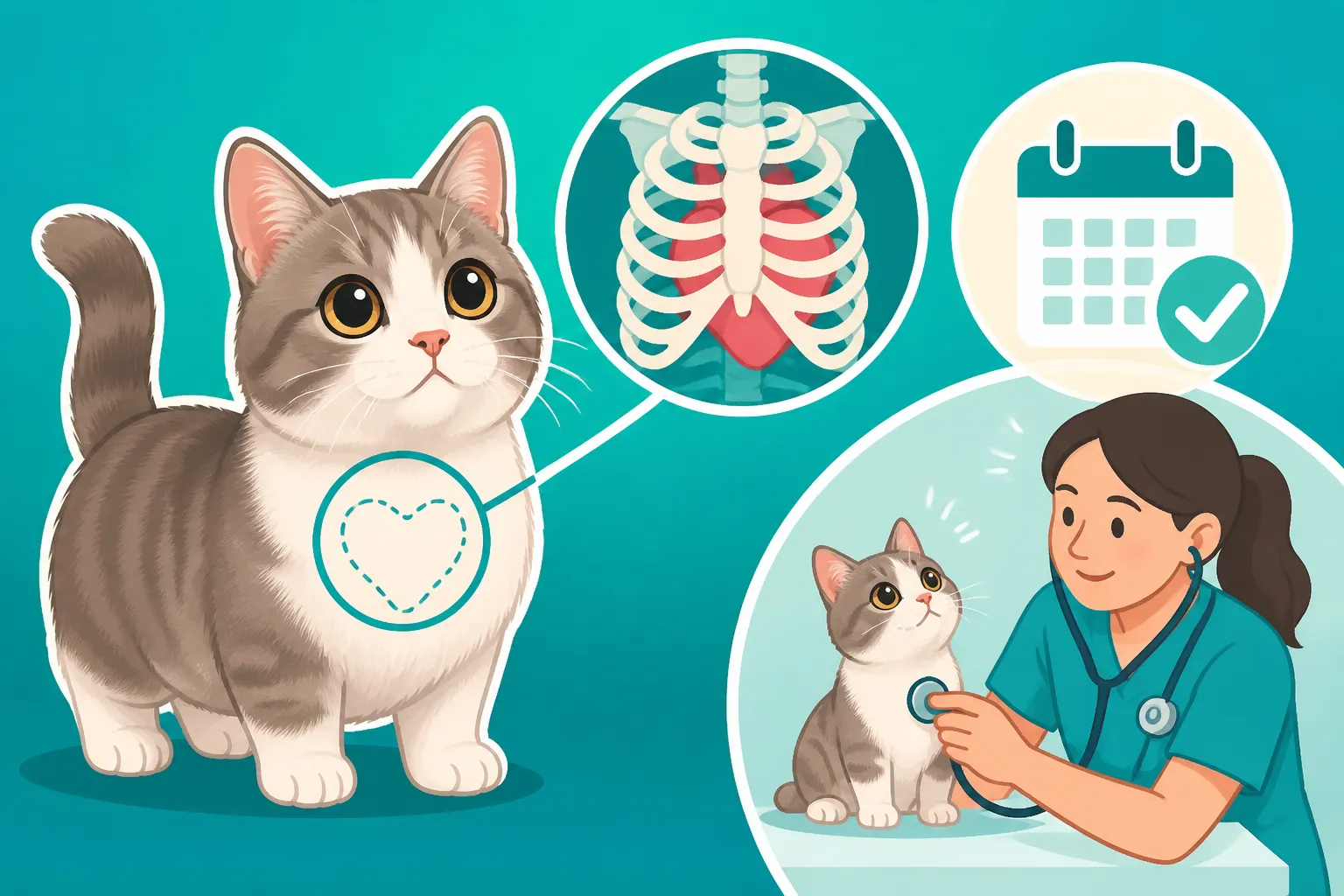
They'll also listen to your Munchkin's heart and lungs with a stethoscope, checking for any murmurs, irregular rhythms, or abnormal lung sounds that could indicate compression or reduced organ function. This physical exam is crucial because it gives the vet direct tactile information about the chest wall. They might even try to gently compress the chest slightly to see if there's any discomfort or increased breathing effort.
Considering Diagnostic Imaging for Confirmation
If your vet detects anything concerning during the physical exam, or if your Munchkin is showing any symptoms like persistent coughing, exercise intolerance, or changes in breathing, they might recommend diagnostic imaging. The most common tool for this is a radiograph (X-ray).
X-rays allow the vet to visualize the bones of the sternum and ribs, as well as the position and shape of the heart and lungs within the chest cavity. They can accurately determine the degree of sternal deviation and assess the impact on internal organs. This is also where discussions about pet insurance, like policies from a provider such as Healthy Paws, become really important, as diagnostic imaging can incur costs. Some owners find that having X-rays taken, even if just a baseline, gives them peace of mind, especially considering that Munchkins are prone to conditions like Lordosis Is the Spinal Curve the Munchkin Argument Is About. For more on this, you might find our article, Whether a Munchkin Needs X Rays as It Ages, helpful. In some cases, if the Pectus Excavatum is severe, a CT scan might be recommended for a more detailed 3D view, particularly if surgery is being considered.
Navigating a Pectus Excavatum Diagnosis
Discovering your Munchkin has Pectus Excavatum can be worrying, but it's important to remember that many cases are mild and require little to no intervention. Early detection at the six-month mark is key to understanding and managing the condition effectively.
Management for Mild to Moderate Cases
For Munchkins with mild to moderate Pectus Excavatum, the focus is often on supportive care and monitoring. The most critical aspect of managing this condition, regardless of severity, is strict weight control. An overweight Munchkin with a compromised chest is in a much more precarious position, as extra weight puts immense pressure on their lungs and heart. Our article, Why an Overweight Munchkin Is in Real Trouble, explains this in detail.
Your vet might suggest modifications to their environment to reduce strenuous activity, such as providing ramps to all furniture they might jump on or off, and ensuring all their favorite spots are easily accessible without excessive exertion. Regular, gentle play that doesn't leave them panting is encouraged to maintain muscle tone without overtaxing their system. Sometimes, a vet may recommend specific breathing exercises or even a specialized harness to encourage better posture, though these are less common in cats than in dogs.
When Surgical Intervention Becomes Necessary
In severe cases of Pectus Excavatum, where the chest indentation is significantly compressing the heart and lungs, surgical correction might be recommended. This is a complex procedure, often performed by a specialist veterinary surgeon, that aims to reshape the sternum and relieve pressure on the internal organs. The surgery typically involves placing temporary splints or sutures to hold the sternum in a corrected position as the kitten continues to grow and the bones solidify.
The decision for surgery is a serious one, considering the risks and recovery involved. It's usually reserved for cases where the cat's quality of life is severely impacted, or there's a significant risk to their cardiac or respiratory health. Your vet will discuss all options, risks, and prognosis thoroughly if this path is considered. This is another area where a robust pet insurance plan, perhaps from Healthy Paws, can be invaluable for helping to cover substantial veterinary costs.
The Lifelong Partnership with Your Veterinarian
Whether your Munchkin has a completely clear bill of health at six months or a Pectus Excavatum diagnosis, maintaining a close relationship with your veterinarian is essential for their long-term well-being. Regular check-ups, even for apparently healthy Munchkins, are crucial. The unique physical characteristics of Munchkin cats mean their general health and mobility need consistent monitoring.
Your vet can help you monitor for any subtle changes, ensure their weight is ideal, and address any potential issues early on. They are your best resource for understanding your individual cat's needs and providing tailored advice. Don't hesitate to ask questions or voice any concerns you have, no matter how small they seem. After all, you're the one who knows your Munchkin best, and your observations are incredibly valuable.
Proactive Care: Setting Your Munchkin Up for Success
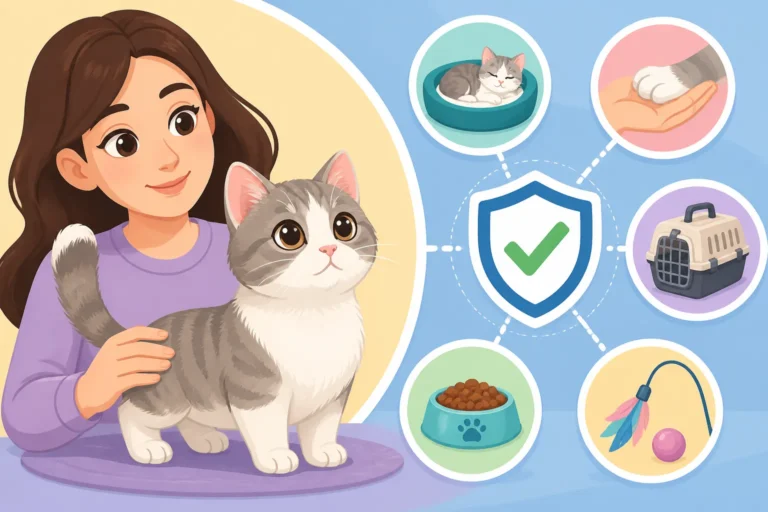
Being proactive about your Munchkin's health, particularly regarding their unique physical characteristics, is the best gift you can give them. The six-month chest recheck is a critical piece of this puzzle, but it’s part of a larger commitment to their overall well-being.
Environmental Adaptation and Safe Play
One of the most important aspects of caring for a Munchkin is adapting their environment to suit their short stature. This isn't just about making life easier for them; it's about protecting their joints and spine from unnecessary strain. Think about ramps or pet steps to allow them to safely access furniture like sofas and beds. Our article, Ramps and Steps Are Munchkin Equipment, Not Luxuries, offers valuable insights here.
For play, focus on toys that engage them at floor level. While Munchkins are often surprisingly agile, discouraging high jumps and hard landings can help preserve their joint health, especially if they have any underlying conditions like Pectus Excavatum. Interactive wand toys that you can maneuver along the floor are perfect for engaging their hunting instincts without stressing their bodies. Remember, a happy Munchkin is a safe Munchkin, and safety means minimizing physical strain where possible.
Nutrition and Weight Management: A Cornerstone of Munchkin Health
We’ve touched on it already, but it bears repeating: weight management is arguably the most critical component of a Munchkin's long-term health plan. Their short legs and unique spinal structure mean that every extra gram of weight places disproportionate stress on their joints, spine, and internal organs, particularly if they have Pectus Excavatum.
Work with your vet to establish a healthy weight range for your individual Munchkin and stick to a carefully measured diet. High-quality cat food that provides balanced nutrition is essential. Avoid free-feeding, as Munchkins often have a slower metabolism due to their limited mobility, making them prone to weight gain. Regular weighing at home can help you stay on track, allowing you to catch any upward trends before they become a problem. Our guide, Why Weight Control Is the Whole Munchkin Care Plan, provides more details on this vital aspect of their care.
The Role of Pet Insurance in Long-Term Care
Let's be realistic: veterinary care, especially for diagnostics or potential surgeries, can be expensive. This is where pet insurance, like a plan from Healthy Paws, can offer invaluable peace of mind. While pet insurance typically doesn't cover pre-existing conditions, insuring your Munchkin kitten early, ideally before the six-month check-up, means you're covered for unexpected illnesses or accidents that might arise later.
Having insurance can empower you to make health decisions based on what's best for your cat, rather than solely on financial constraints. This is particularly relevant for a breed like the Munchkin, where concerns about issues like spinal problems and conditions like Pectus Excavatum warrant a proactive approach to veterinary care. It’s always best to understand Whether Pet Insurance Covers a Munchkin's Spine and other breed-specific concerns when choosing a policy.
The Bigger Picture: Understanding Munchkin Health Beyond Six Months
While the six-month check is crucial for solidifying your understanding of your Munchkin's chest health, it’s part of a lifelong journey of care. It’s not just about Pectus Excavatum; it's about understanding the unique aspects of their anatomy and how to support them throughout their lives.
Many new Munchkin owners are naturally concerned about their kitten's overall health and development. The truth is, a well-bred Munchkin from a responsible breeder should be as healthy as any other cat, with the caveat of their unique dwarfism. However, understanding their specific needs is key. Every Munchkin litter is a carrier cross, meaning they are bred with a non-Munchkin to ensure genetic diversity and prevent the lethal homozygous gene. This also means that genetics are a huge part of understanding them.
For instance, your vet will continue to monitor their gait and mobility, ensuring they aren't showing signs of discomfort in their legs or spine, as discussed in Why a Munchkin's Spine Carries a Load a Normal Cat's Does Not. Regular dental checks are also vital, as is monitoring for common feline ailments that can affect any cat. The key is to see your Munchkin as an individual and work with your vet to create a personalized health plan that addresses their specific needs and predispositions.
| Condition Feature | Early Kittenhood (8-12 Weeks) | Six Months Old |
|---|---|---|
| Visibility of Pectus | Often subtle, barely palpable; soft cartilage. | More pronounced, distinct indentation; ossifying sternum. |
| Breathing Symptoms | Rare, typically only in severe cases. | May become noticeable with increased activity. |
| Activity Levels | Lower, more sleeping; less strenuous play. | Higher, more active running and jumping. |
| Diagnostic Clarity | X-rays may be less definitive due to soft bone. | X-rays provide clearer images of bone structure. |
| Impact on Organs | Minimal, less likely to show compression. | Potential for noticeable heart/lung compression. |
| Weight Factor | Less impact as kitten is lightweight. | Greater impact; extra weight adds significant stress. |
| Intervention Window | Observation and monitoring often sufficient. | Crucial for confirming diagnosis and planning intervention. |
Ultimately, a Munchkin is a normal cat that cannot reach, and with the right care and proactive health monitoring, they can lead full, happy lives. The six-month chest recheck is just one step in ensuring that happens.
Disclaimer
This article is for general informational purposes only and does not constitute professional advice. Laws, prices and regulations vary by location and change over time. Consult a qualified professional for guidance on your specific situation.