Why a Teacup Munchkin Listing Is a Scam
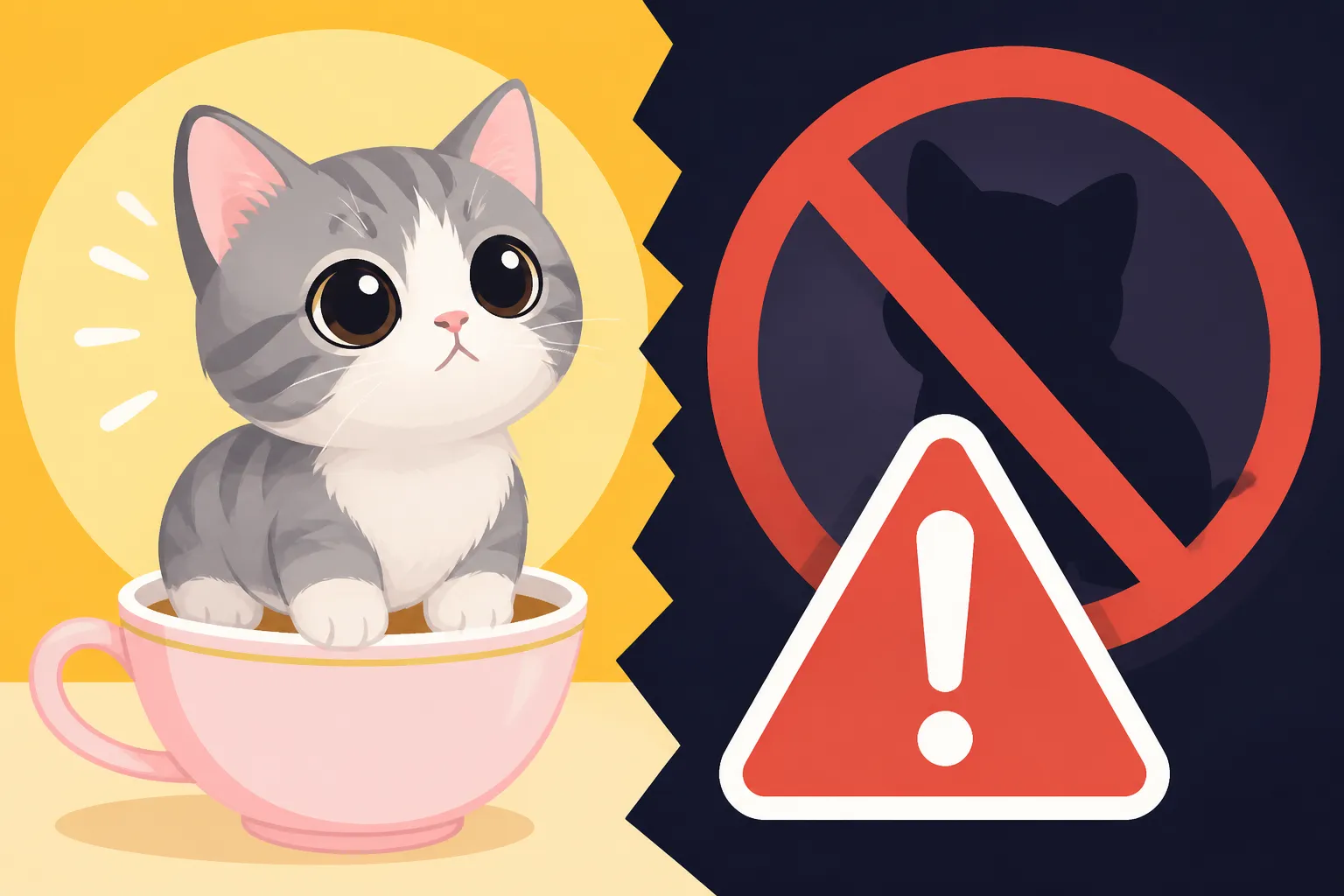
The dream of bringing home a tiny, forever-kitten companion is incredibly appealing, and it's a dream that unscrupulous sellers unfortunately exploit with terms like "Teacup Munchkin." When you encounter listings advertising a "Teacup Munchkin," understand that you're likely looking at a scam or, at best, a highly misleading advertisement for a cat whose health and well-being might be seriously compromised. This guide will walk you through why such listings are problematic and how to identify and avoid them, helping you find a healthy, ethically bred Munchkin.
Understanding "Teacup" Terminology and Its Misuse
The term "teacup" has become incredibly popular in the pet world, conjuring images of impossibly tiny animals that can fit into a teacup. While this marketing term is often associated with certain dog breeds, its application to cats, and especially Munchkins, is fraught with issues and typically a huge red flag.
The Allure of Miniature Pets
There's no denying the magnetic pull of anything miniature. A tiny dog or a kitten-sized cat can seem incredibly cute and manageable, fitting perfectly into smaller living spaces or a particular aesthetic vision. This widespread desire for pint-sized pets has created a significant market, and where there's demand, there will always be those ready to supply, sometimes by cutting corners or making false promises. For many, the idea of a "Teacup Munchkin" combines the adorable short legs with an even smaller overall size, doubling the perceived cuteness factor. This emotional appeal is precisely what makes such listings so effective for scammers, as they tap into a deeply rooted desire for something uniquely charming and delicate.
"Teacup" vs. "Dwarf": Clarifying the Terms
It's crucial to distinguish between "teacup" and the actual biological reality of a Munchkin cat. A Munchkin is a cat with a specific genetic mutation causing chondrodysplasia, which results in abnormally short limbs. This is why their legs are short, but their body length and overall build are typically that of a normal domestic cat. They are often referred to as a "dwarf" breed, but this refers specifically to their shortened legs, not a miniature version of a regular cat.
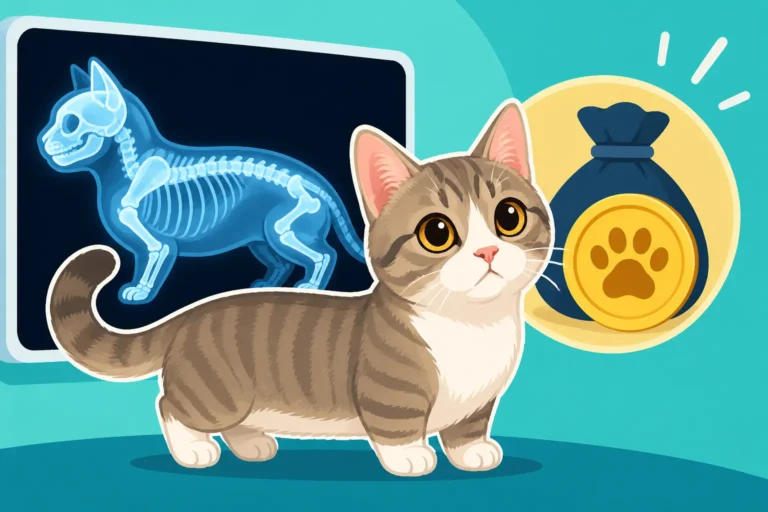
The term "dwarf" in the context of Munchkins points to their unique skeletal structure where Why a Munchkin's Legs Are Short but Its Body Is Not. Their torso, head, and tail are proportionate to a standard-sized cat, it's just their legs that are markedly shorter. In contrast, "teacup" implies a cat that is significantly smaller in all dimensions than the average cat, suggesting an overall miniaturization, often achieved through unhealthy breeding practices, or simply marketing a very small, runty kitten as if it were a distinct "type." There is no recognized cat breed called a "Teacup Munchkin," nor is there any official standard for such a cat.
The Reality of Munchkin Size and Genetics
When you consider a Munchkin, you're looking at a standard-sized cat in every aspect but its leg length. The genetics behind this breed are well-understood, and they do not support the existence of a distinct "teacup" variety.
Normal Body, Short Legs
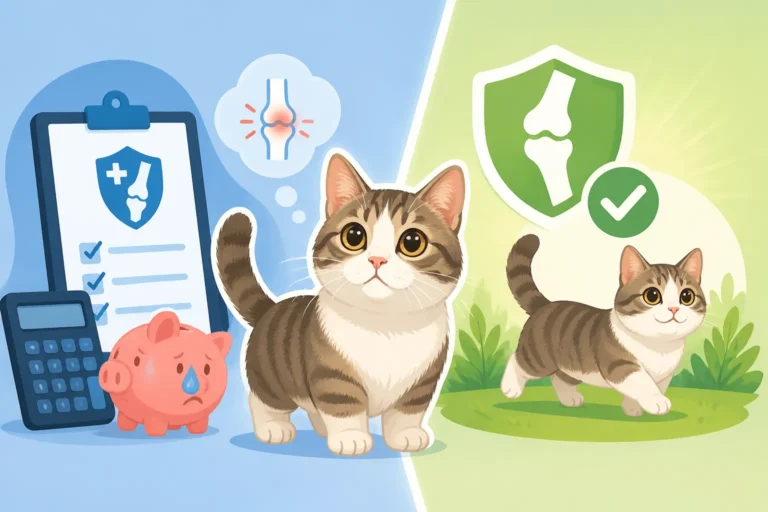
A healthy, well-bred Munchkin cat will have a body that is of average size and weight for a domestic cat. Think of it like this: if you were to measure the spine of a Munchkin and a standard domestic shorthair cat, they would be very similar in length. The difference lies purely in the length of their long bones in their legs. This means a Munchkin isn't a miniature cat that stays small its whole life; it's a cat with short legs that grows to a normal cat's full body size. They'll have a regular chest, ribcage, and internal organs that need appropriate space. It's important to understand this distinction because breeding for an unnaturally small overall size can lead to severe health problems, unlike the short legs of a Munchkin which, while controversial, are a stable genetic trait. What the Short Legs Actually Cost a Munchkin can be quite substantial when improper breeding methods are employed.
The Munchkin Gene and Ethical Breeding Practices
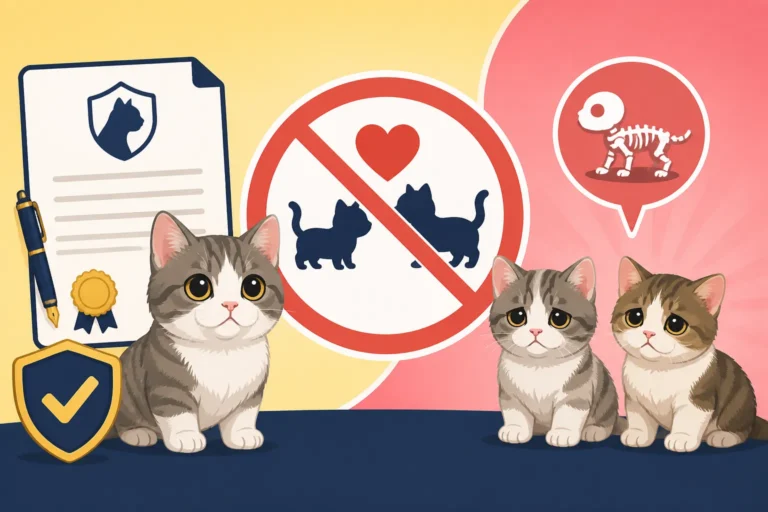
The short legs of a Munchkin cat are due to an autosomal dominant gene. This means that only one copy of the gene is needed for a cat to express the short-legged trait. However, it's crucial to know that the gene is considered lethal in two copies. In other words, if a kitten inherits two copies of the Munchkin gene (one from each parent), it will not survive and will be reabsorbed early in gestation. This is Why Two Short Legged Munchkins Are Never Bred Together.
Ethical breeders always breed a short-legged Munchkin to a normal-legged cat (often referred to as a "Munchkin variant" or "outcross"). This ensures that all surviving kittens will inherit, at most, one copy of the Munchkin gene, making them either short-legged or normal-legged. The litter will typically consist of about half short-legged kittens and half normal-legged kittens. Why Every Munchkin Litter Is a Carrier Cross is a fundamental principle of responsible Munchkin breeding. The goal is to produce healthy, viable kittens, not to create ever-smaller versions of the breed, which goes against established genetic understanding and animal welfare.
Why Reputable Breeders Don't Use "Teacup"
The terminology used by a breeder is often a strong indicator of their ethical standards and understanding of the breed. Reputable Munchkin breeders will never, ever use the term "teacup."
TICA's Stance on Munchkin Standards
The International Cat Association (TICA) is the primary registry that recognizes the Munchkin breed for championship status. TICA has a very clear and detailed breed standard for Munchkins, which outlines everything from their head shape to their body conformation, and, of course, their distinctive short legs. This standard describes a cat of medium size, with a moderate body, well-muscled and firm. Nowhere in the TICA standard will you find any mention of "teacup" size. What the TICA Munchkin Standard Asks For focuses on proportionate short legs, a normal body, and overall health.
Any breeder using "teacup" is either misinformed, intentionally misleading potential buyers, or operating outside the established ethical guidelines of the cat fancy. They might be trying to command a higher price for a marketing gimmick, rather than adhering to breed health and conformation standards. A responsible breeder is deeply invested in the health and longevity of their cats and will always use precise, recognized terminology.
Ethical Breeding Practices Prioritize Health Over Novelty
Ethical breeders are passionate about their cats and the future of the breed. Their primary concern is to produce healthy, well-socialized kittens that conform to the breed standard, not to create extreme versions or exploit popular trends like "teacup" sizes. This means carefully selecting breeding pairs, conducting genetic health screenings, providing excellent veterinary care, and ensuring kittens are raised in a clean, stimulating environment. They will be transparent about the genetics of their cats, the health testing performed, and the expected size and temperament of their kittens.
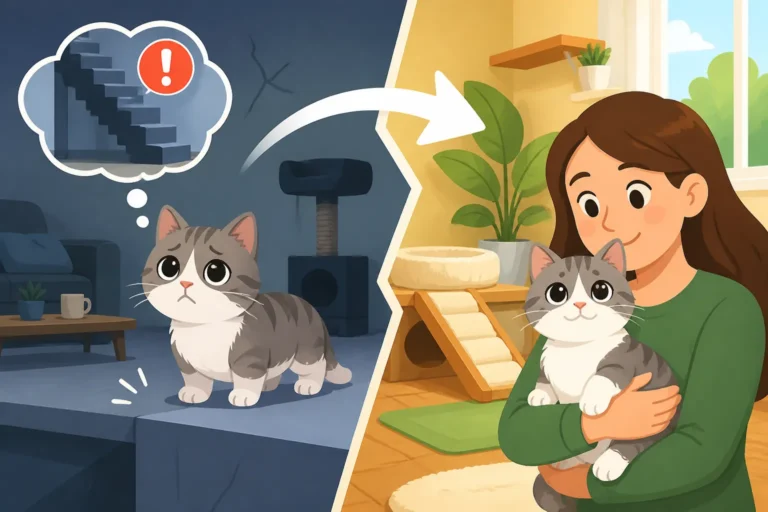
Furthermore, reputable breeders understand the challenges and responsibilities that come with breeding animals, particularly those with unique genetic traits like the Munchkin. They will educate prospective owners on the specific care needs of a Munchkin, such as providing ramps and steps to help them access furniture safely, and the importance of maintaining a healthy weight to protect their spine and joints. Why a Munchkin's Spine Carries a Load a Normal Cat's Does Not underscores the need for thoughtful care and responsible breeding.
The Dangers of Scam Listings and Misleading Practices
Beyond the simple misrepresentation, "Teacup Munchkin" listings carry significant risks for both the unwitting buyer and, most importantly, the cat itself. These practices often lead to heartbreaking and expensive consequences.
Health Implications of Undersized Breeding
When breeders deliberately try to produce extremely small cats, they often resort to unhealthy and unethical practices. This can involve breeding the smallest, weakest runts of litters, leading to a host of health problems that are not inherent to the Munchkin breed itself. These issues can include:
- Organ Failure: Organs may not develop properly or be disproportionate to the tiny body, leading to liver shunts, heart defects, or kidney disease.
- Fragile Bones: Severely undersized cats can have extremely delicate bones, making them prone to fractures and chronic pain.
- Weakened Immune Systems: Small size can be indicative of underlying genetic weaknesses, making kittens highly susceptible to infections and illnesses.
- Hypoglycemia: Tiny kittens struggle to regulate their blood sugar, leading to dangerous drops.
- Shortened Lifespan: The combined effects of these issues often result in a significantly reduced lifespan and a poor quality of life.
While Munchkins do have their own specific health considerations, such as a predisposition to lordosis (a spinal curvature) or pectus excavatum (a sunken chest), these are different from the systemic health issues seen in intentionally miniaturized animals. Lordosis Is the Spinal Curve the Munchkin Argument Is About and Pectus Excavatum and the Munchkin's Sunken Chest are important topics for Munchkin owners, but they are separate from the dangers of overall extreme miniaturization.
Financial and Emotional Costs of a Scam
Falling victim to a "Teacup Munchkin" scam can be devastating. You might pay a premium price, thinking you're getting a rare or special cat, only to receive a sickly kitten that requires extensive veterinary care. Many of these animals don't survive, or they live with chronic conditions that demand continuous medical intervention. The emotional toll of watching a beloved pet suffer, coupled with the unexpected financial burden of high vet bills, can be immense.
Imagine bringing home a kitten that you believed to be healthy, only to find yourself at the emergency vet within days, facing a diagnosis of multiple congenital defects. The initial cost of the kitten quickly pales in comparison to the thousands spent on medical treatments, often with a poor prognosis. This is where comprehensive pet insurance, like policies from Healthy Paws, becomes crucial, though even insurance might not cover pre-existing conditions if the kitten's health issues are linked to irresponsible breeding. It's a painful lesson learned too late for many, highlighting why due diligence upfront is so vital.
How to Identify a Legitimate Munchkin Breeder
Navigating the world of cat breeders can feel overwhelming, but knowing what to look for can protect you from scams and ensure you find a healthy, happy Munchkin.
What to Look For in a Reputable Breeder
A legitimate Munchkin breeder will operate with transparency and prioritize the well-being of their cats above all else. Here are key indicators of a reputable breeder:
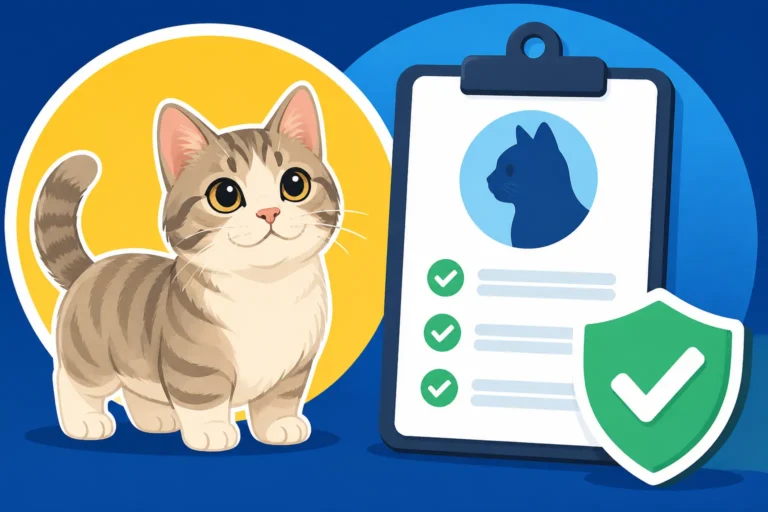
- TICA Registration: They will register their cattery and all breeding cats with TICA (The International Cat Association). They should be able to provide registration papers and pedigrees for the kitten's parents, showing their lineage and ensuring they are true Munchkins or recognized outcrosses. How to Verify a Munchkin Is Registered at All is a critical step.
- Health Guarantees: A good breeder offers a written health guarantee, usually covering genetic or congenital health issues for a specific period. They should also provide veterinary records for the kitten, including vaccination history and deworming.
- Transparency and Communication: They welcome questions, provide honest answers, and offer detailed information about their breeding practices, health testing, and the specific needs of Munchkins. They won't pressure you into a sale.
- Clean and Safe Environment: If possible, visit the cattery. It should be clean, well-maintained, and the cats should appear healthy, well-socialized, and happy. If an in-person visit isn't possible, they should offer video calls to see the cattery and the kittens.
- Age-Appropriate Placement: Kittens should never leave their mother before 12-14 weeks of age. This allows them crucial time for socialization, weaning, and initial vaccinations.
- No "Teacup" or "Dwarf" Claims: As discussed, a reputable breeder will not use these terms to describe their Munchkins. They will speak about "short-legged" or "standard" Munchkins, adhering to TICA's lexicon.
- Asking You Questions: A responsible breeder will interview you as much as you interview them. They want to ensure their kittens go to loving, appropriate homes that understand the commitment involved. They might ask about your living situation, other pets, and experience with cats.
Essential Questions to Ask a Breeder
Don't be shy about asking direct and detailed questions. A good breeder will appreciate your thoroughness.
- "Can I see the TICA registration papers and pedigrees for the parents?"
- "What health screenings do you perform on your breeding cats for common Munchkin-related conditions like lordosis or pectus excavatum?" (While genetic tests for these specific conditions are still developing, breeders should be aware of incidence in their lines).
- "Can you explain your breeding philosophy and how you ensure the health and temperament of your kittens?"
- "What is your policy regarding health guarantees, and what veterinary care has the kitten already received?"
- "How do you socialize your kittens, and what are their personalities like?"
- "Do you require a spay/neuter contract?" (Most reputable breeders sell kittens as pets with spay/neuter agreements).
- "What is the expected adult size and weight of this kitten?" (They should describe it in terms of a normal domestic cat, not a miniature).
- "Can you provide references from previous kitten buyers or your veterinarian?"
Protecting Yourself from Misleading Advertisements
The internet is a vast marketplace, and while it offers incredible access to information, it also unfortunately provides fertile ground for deceptive practices. Learning to spot red flags is your first line of defense.
Red Flags in Online Listings
When scrolling through online pet listings, train yourself to be a critical observer. Certain phrases, images, and pricing strategies should immediately raise your suspicion:
- "Teacup," "Micro," "Mini," or "Dwarf" (used to imply overall smallness): These are marketing buzzwords, not legitimate breed descriptors for Munchkins. While Munchkins are often called "dwarf cats" due to their short legs, this term should not be confused with the "teacup" idea of an unnaturally small cat. Why a Munchkin Advertised as Teacup Is a Scam and Why a Munchkin Advertised as Dwarf Is a Warning are crucial insights.
- Unbelievably Low Prices or Extremely High Prices for "Rare" Traits: Scammers might list kittens at a price that seems too good to be true to lure buyers quickly, or conversely, inflate prices dramatically by claiming rarity for a "teacup" size that doesn't exist. Be wary of prices that deviate wildly from the typical range for a well-bred Munchkin kitten. Why Munchkin Prices Sit Between One and Three Thousand for a well-bred kitten.
- Vague or Generic Photos/Videos: If all photos are professional studio shots, or if you can't get current videos of the kitten playing and interacting, be suspicious. Scammers often use stock photos or images stolen from other breeders. Always ask for recent videos, particularly of the kitten moving naturally. Why a Munchkin Listed Without a Video Is a Warning is a huge red flag.
- Lack of Breeder Information: If the listing provides no information about the breeder's name, cattery, TICA registration, or location, that's a major warning. Legitimate breeders are proud of their work and transparent about their identity.
- Pushy Sales Tactics or Demand for Immediate Payment: Any breeder demanding a quick transfer of funds without allowing you to ask questions, verify information, or see the kitten is highly suspect.
- Shipping Only, No Pick-Up Option: While some reputable breeders do ship, be extra cautious if shipping is the only option. This prevents you from seeing the cattery, meeting the parents, or verifying the kitten's health in person.
Verifying Information and Avoiding Pitfalls
Your best tools are research and patience. Never rush into a decision, especially one that involves a living creature.
- Cross-Reference Information: If a breeder claims TICA registration, go directly to TICA's website and look them up. Verify their cattery name and location. Don't rely solely on what the breeder tells you.
- Ask for Vet References: A reputable breeder should be happy to provide the contact information for their veterinarian (with permission from the vet). You can then call to verify the breeder's practices and the health of their cats.
- Use Secure Payment Methods: Avoid wire transfers or payment apps that offer no buyer protection. If a breeder insists on these, walk away.
- Consult Local Breed Clubs: Check with local Munchkin cat clubs or TICA chapters. They often have lists of reputable breeders and can offer advice or warnings about known scammers.
- Educate Yourself on Munchkin Care: Understanding what a Munchkin genuinely needs, such as appropriate litter boxes Which Litter Box a Munchkin Can Actually Enter or the right food, will help you discern legitimate advice from misleading claims. An educated buyer is a protected buyer. Remember that Why Weight Is More Dangerous on a Munchkin, making nutrition and weight control paramount for their joint and spinal health.
- Trust Your Gut: If something feels off, it probably is. Don't let emotion or the desire for a "bargain" override your common sense. The welfare of an animal is at stake, and waiting for the right, ethically bred cat is always the best choice.
By being informed, cautious, and asking the right questions, you can avoid the heartbreak and expense of a "Teacup Munchkin" scam and instead welcome a healthy, wonderful Munchkin cat into your home.
| Feature | Reputable Munchkin Breeder | "Teacup Munchkin" Scam Listing |
|---|---|---|
| Terminology Used | "Short-legged," "Standard Munchkin," "Munchkin Variant" | "Teacup," "Micro," "Mini," "Dwarf" (for overall size) |
| Breed Recognition | TICA registered, provides pedigrees | Often unregistered, vague lineage, no papers |
| Health Guarantees | Written guarantee for genetic health, vet records provided | No guarantee, or vague, unenforceable promises |
| Transparency | Welcomes questions, offers cattery visits/video calls | Avoids showing c cattery, generic responses, pushy sales |
| Kitten Age for Placement | 12-14 weeks minimum | Often sells kittens too young (6-8 weeks) |
| Health Testing | Conducts screenings for common conditions (lordosis, pectus) | Little to no health testing, unknown parent health |
| Price | Reflects quality breeding, health care, and socialization | Either suspiciously low or excessively high for "rarity" |
| Photos/Videos | Current, authentic videos showing kitten's movement | Stock photos, blurry images, reluctant to provide video |
Disclaimer
This article is for general informational purposes only and does not constitute professional advice. Laws, prices and regulations vary by location and change over time. Consult a qualified professional for guidance on your specific situation.