Whether Pet Insurance Covers a Munchkin’s Spine
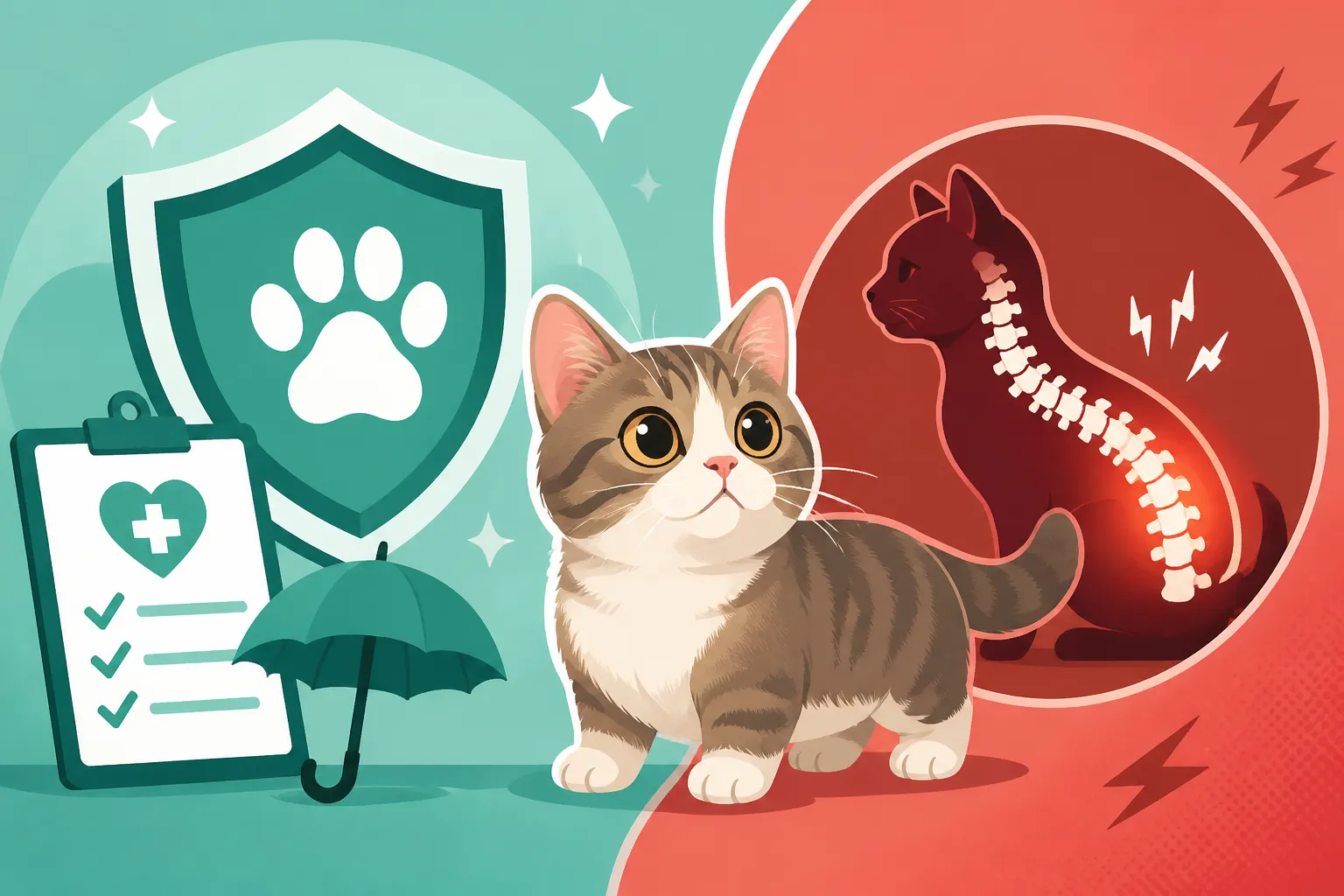
One of the biggest worries for any Munchkin cat parent, or someone considering bringing one of these adorable short-legged felines into their home, revolves around their unique physiology. Specifically, the concerns about their spine, and whether the substantial cost of veterinary care for potential spinal issues can be eased by pet insurance, is a very real and pressing question. It's a question that often causes significant anxiety, and this guide aims to break down the complexities of pet insurance when it comes to covering a Munchkin's spine, helping you understand what to expect and how to prepare.
Understanding Munchkin Spinal Health Challenges
The very characteristic that makes Munchkins so distinct – their short legs – stems from a genetic mutation that affects bone growth. While their spine itself is typically of normal length, the way it connects to their shorter limbs and the altered biomechanics of their movement can present specific challenges that pet insurance companies view with varying degrees of scrutiny. It's not about the spine being inherently "defective" in all Munchkins, but rather the potential for certain conditions to arise or be exacerbated by their unique structure.
Common Spinal Concerns in Munchkins
When we talk about spinal challenges in Munchkins, two conditions often come up in discussions: lordosis and pectus excavatum. Lordosis refers to an excessive inward curvature of the spine, where the spine sags downwards, often giving the cat a sway-backed appearance. While mild cases might not cause significant problems, severe lordosis can compress internal organs, leading to breathing difficulties, digestive issues, and even shortening the cat's lifespan. It's a condition that raises significant welfare concerns and is often at the forefront of debates about the breed. You can learn more about Lordosis Is the Spinal Curve the Munchkin Argument Is About.
Pectus excavatum, on the other hand, is a condition where the sternum (breastbone) and rib cage grow abnormally, causing the chest to appear sunken inwards. This too can range from mild to severe. In severe cases, the sunken chest can compress the heart and lungs, leading to respiratory problems, fatigue, and reduced exercise tolerance. While not strictly a spinal condition, it's often discussed alongside lordosis because both relate to skeletal abnormalities and can impact the vital organs housed within the trunk of the body. You may want to explore Pectus Excavatum and the Munchkin's Sunken Chest for more details. These conditions are not unique to Munchkins but are seen with greater frequency in the breed due to their genetic background.
Why These Conditions Are a Concern for Insurers
For pet insurance providers, breed-specific conditions or those with a higher incidence in certain breeds represent a higher risk. Insurance operates on the principle of managing risk, and if a breed is known to have a predisposition to certain health issues, these often come with specific caveats in policy documents. The key factor is whether these conditions are considered "pre-existing" before you purchase the policy or before the waiting period ends. If a Munchkin kitten shows any signs of lordosis or pectus excavatum, or even has a strong family history noted in vet records prior to policy inception, an insurer may deem it a pre-existing condition and exclude it from coverage. This is a crucial point that causes immense frustration for many pet parents, as these conditions can sometimes manifest subtly or be diagnosed only after a kitten has settled into its new home. It’s also important to understand Why a Munchkin's Spine Carries a Load a Normal Cat's Does Not, which contributes to these concerns.
The Importance of Early Diagnosis and Vet Records
Early and thorough veterinary examinations are absolutely critical for Munchkin kittens. A reputable breeder should provide extensive health records for the parents and the kitten, and encourage a vet check within the first few days of bringing your new kitten home. This initial vet visit isn't just about vaccinations; it's a chance for your vet to perform a comprehensive physical examination, including palpating the spine and checking chest conformation. If any concerns are noted, even mild ones, these will become part of your cat's medical history. These early records are vital for any future insurance claims. They can either help establish that a condition was not present or diagnosed at the time of policy inception, or they can, unfortunately, solidify an insurer's decision to classify a condition as pre-existing if it was noted early on. Having a clear paper trail from day one is your strongest defense against future disputes. Why a Munchkin Kitten Needs an Early Vet Check highlights the necessity of this initial assessment.
How Pet Insurance Generally Works for Breed-Specific Conditions
Pet insurance can be a lifesaver, but it's not a magic bullet, especially when it comes to breed-specific conditions that might be linked to a cat's fundamental genetic makeup. Understanding the general rules of engagement with insurance companies is paramount before you even start comparing policies.
Pre-existing Conditions: The Biggest Hurdle
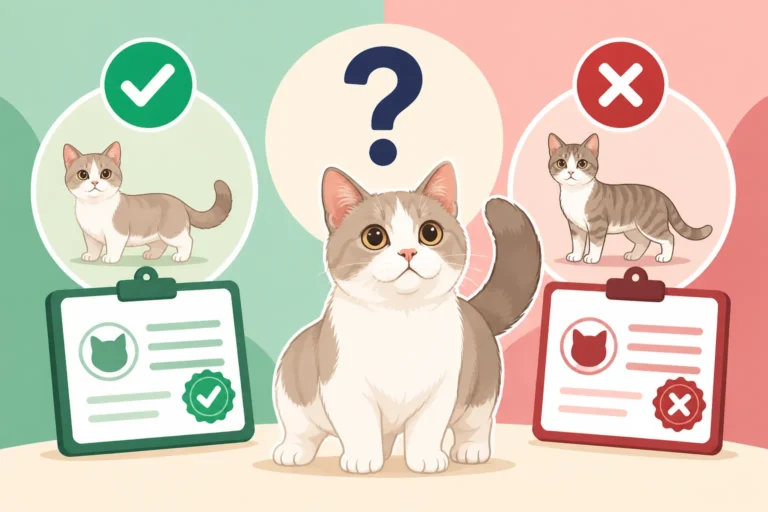
The term "pre-existing condition" is the bane of many pet owners' existence, and it's the single biggest hurdle when it comes to insuring a Munchkin's potential spinal issues. A pre-existing condition is typically defined as any illness, injury, or symptom that was observed, diagnosed, or treated by a veterinarian before your insurance policy's start date or during its waiting period. This means if your Munchkin was seen by a vet for a subtle limp, a cough, or if lordosis was noted in its records before you bought insurance, any future treatment for that specific condition (or closely related ones) would likely be excluded. The frustrating part is that some conditions, like lordosis, can be congenital, meaning present from birth, even if not diagnosed until later. Some insurance companies have stricter definitions than others, but generally, if it's in the vet's notes from before your policy was active and past its waiting period, you're likely out of luck for coverage on that specific issue. This is why many experienced Munchkin owners strongly advocate for getting insurance in place as soon as you adopt your kitten, ideally before their first vet check, to establish the earliest possible clean slate.
Waiting Periods and Their Impact
Every pet insurance policy comes with waiting periods. These are specific lengths of time that must pass after your policy's start date before coverage for certain conditions kicks in. Typically, there's a shorter waiting period for accidents (often just a few days) and a longer one for illnesses (which can range from 14 to 30 days, or even longer for orthopedic conditions). What does this mean for your Munchkin's spine? If lordosis or pectus excavatum manifests or is diagnosed during this waiting period, even if it wasn't noted before the policy started, it will likely be considered a pre-existing condition and excluded. This emphasizes the need to enroll your Munchkin as early as possible – ideally the day you bring them home – to minimize the risk of a condition appearing during that initial uncovered window. If you're serious about protecting your Munchkin, don't delay enrollment. A little bit of proactive planning can save a world of heartache and expense down the line.
Accident vs. Illness Coverage and Hereditary Conditions
Most comprehensive pet insurance plans offer coverage for both accidents and illnesses. Accidents are generally straightforward – a broken leg from a fall, for example. Illness coverage is where it gets more nuanced. Hereditary or congenital conditions, which include many of the skeletal issues Munchkins can face, fall under the "illness" umbrella. Some policies have specific clauses or exclusions for hereditary conditions, while others cover them as long as they are not pre-existing. It's vital to choose a policy that clearly states it covers hereditary and congenital conditions, provided they aren't pre-existing to your specific policy. For instance, if you have a policy with a brand like Healthy Paws, which is known for its comprehensive coverage, you'd still need to ensure that any spinal condition wasn't noted in vet records before your policy started or during its waiting period. Always check the policy's Sample Policy or Terms and Conditions document for their precise definition and coverage of these types of conditions.
| Condition Type | General Insurance Stance | How it Impacts Munchkins' Spines |
|---|---|---|
| Pre-existing | Not Covered | If Lordosis/Pectus Excavatum is noted before policy or during waiting period. |
| Hereditary/Congenital | Varies by Policy | Covered if not pre-existing and policy specifically includes these conditions. |
| Accident | Generally Covered | A sudden injury to the spine (e.g., fall) that isn't due to underlying condition. |
| New Illness | Generally Covered | A spinal issue that develops after policy and waiting periods, not pre-existing. |
Navigating Pet Insurance for a Munchkin Cat's Spine
Finding the right insurance for a Munchkin can feel like navigating a maze. With their unique needs, a standard policy might not always provide the peace of mind you're looking for. It's all about diligent research and asking the right questions.
Researching Insurers and Their Stance on Munchkins
Not all pet insurance companies are created equal, and their approach to specific breeds, especially those with known genetic predispositions, can vary widely. It’s not uncommon for some insurers to have blanket exclusions or limitations for certain breeds or conditions. You'll need to do your homework. Look for companies that have a reputation for covering hereditary and congenital conditions. When you're comparing plans from different providers, don't hesitate to call their customer service lines directly. Ask them specific questions: "Does your policy cover lordosis or pectus excavatum in Munchkin cats, assuming it's not a pre-existing condition?" "What are your specific exclusions for skeletal conditions in this breed?" Be clear and direct. They might not give you a definitive "yes" or "no" for your specific cat without vet records, but they can explain their general policy terms. Brands like Healthy Paws are often mentioned for their comprehensive hereditary condition coverage, but again, the pre-existing clause is always key. Remember, Why a Munchkin's Spine Carries a Load a Normal Cat's Does Not means that any spinal issue can become more complex, making comprehensive coverage even more important.
The Role of a Thorough Pre-Purchase Vet Exam
This cannot be stressed enough: a comprehensive veterinary examination before or immediately after purchasing your Munchkin kitten is the single most important step you can take for both their health and your insurance prospects. This exam should be performed by a veterinarian experienced with the breed, if possible, and should specifically assess spinal conformation, gait, and chest structure. The vet's notes from this initial examination are critical. If the vet finds no signs of lordosis, pectus excavatum, or other skeletal abnormalities, this documentation can serve as proof that the condition was not present at the time you secured your policy.
Conversely, if any signs are found, even very subtle ones, they will be documented, and this condition will almost certainly be excluded as pre-existing by any insurance policy you take out afterward. This is why some breeders include a clause in their contracts requiring this early vet check and why some highly recommend you insure your kitten before this first visit. It might feel counterintuitive, but it's often the best way to potentially secure coverage for conditions that might not be visibly apparent in a very young kitten but could develop later. For insights into what a breeder should provide, see What a Munchkin Breeder Should Be Able to Show You.
Reading the Fine Print: What to Look For in Policies
The devil is always in the details, especially with insurance policies. Don't just look at the premium price. Dive deep into the policy documents. Here's what to scrutinize:
- Hereditary/Congenital Condition Coverage: Does the policy explicitly state that these are covered, assuming they're not pre-existing? Avoid policies with blanket exclusions for breed-specific conditions.
- Waiting Periods: What are the waiting periods for accidents, illnesses, and especially orthopedic conditions? Shorter is better, but consistency is key.
- Definitions of Pre-existing: How does the insurer define a pre-existing condition? Is it symptom-based (any symptom noted), diagnosis-based (only if formally diagnosed), or treatment-based? Some policies may have a "curable" pre-existing condition clause, but this is rare for genetic skeletal issues.
- Annual Limits, Deductibles, and Reimbursement Percentages: These financial aspects determine how much you'll pay out-of-pocket. Higher limits and reimbursement percentages are generally better, but come with higher premiums.
- Exam Fees and Specialist Care: Does the policy cover diagnostic exam fees, consultations with specialists (like orthopedic vets), and therapies like hydrotherapy or physiotherapy if recommended for spinal issues? These can add up quickly.
- Referral to an Orthopedic Specialist: If your Munchkin needs to see a specialist for their spine, will the insurance cover those consultations and advanced diagnostics like X-rays or MRI scans? Getting imaging done to confirm a diagnosis or to monitor progression of a spinal condition can be very expensive. Knowing When a Munchkin Should Have Its Spine Imaged can help you anticipate future costs.
Some policies might mention specific types of care, or perhaps not mention them at all. This is where you might find differences between a broad coverage provider like Healthy Paws versus a more budget-friendly option. Always ensure the policy explicitly states what you need.
Strategies for Securing Coverage and Managing Costs
Even with the best intentions, the world of pet insurance can be daunting. But by being strategic and proactive, you can significantly improve your chances of securing valuable coverage for your Munchkin's unique needs and manage the overall financial commitment.
Insuring Your Munchkin as Early as Possible
This is arguably the most crucial piece of advice for any Munchkin owner concerned about spinal issues: get pet insurance as soon as humanly possible. Ideally, this means enrolling your Munchkin kitten the very day you bring them home, or even before if the insurer allows pre-enrollment with a future start date. The younger your cat is, the less likely they are to have any documented pre-existing conditions in their veterinary record. Every day that passes without insurance is a day a potential symptom could appear or be noted by a vet, thereby becoming a pre-existing exclusion. The moment you decide to get a Munchkin, researching and selecting an insurance provider should be on your checklist right alongside choosing a vet and buying their first food bowls. Remember, a spinal issue doesn't have to be a full-blown diagnosis to be considered pre-existing; a vet simply noting "observing unusual gait" or "palpable spinal deviation" could be enough to trigger an exclusion clause. This is why understanding Why to Insure a Munchkin Before Its Spine Is Imaged is so important – once imaging happens, any condition found is definitely pre-existing.
Considering Wellness Plans and Routine Care
While traditional pet insurance focuses on unexpected accidents and illnesses, some providers offer optional “wellness plans” or “routine care” add-ons. These are separate from your main illness/accident policy and typically cover predictable, everyday expenses like annual vet check-ups, vaccinations, flea and tick prevention, and sometimes even dental cleanings. While a wellness plan won't cover a serious spinal surgery, it does cover the regular vet visits where potential issues are first identified. For a Munchkin, regular check-ups are essential for monitoring their unique physiology and catching any subtle changes that could indicate a developing spinal problem. If your vet notes something during a routine wellness exam that is later diagnosed as a more serious issue (and it wasn't pre-existing to your illness policy), your illness coverage would then kick in. Think of it as supporting early detection, which is always better for any health concern. Brands like Chewy, in addition to selling pet supplies, sometimes partner with insurance providers or offer their own initiatives that include aspects of wellness care.
Financial Planning Beyond Insurance
Even with excellent pet insurance, you'll still have out-of-pocket expenses. Deductibles, co-pays, and conditions that are excluded as pre-existing mean that insurance will not cover 100% of every veterinary bill. Therefore, it's wise to have a financial backup plan. This could be a dedicated savings account specifically for your pet's medical emergencies, a line of credit, or even a credit card reserved for vet bills. Consider this emergency fund as a complementary safety net to your insurance. For example, if your Munchkin needs expensive diagnostics like spinal X-rays or an MRI, What Spinal X Rays Cost for a Munchkin can be significant, and you'll be responsible for your deductible and potentially a portion of the bill even with insurance.
Furthermore, some genetic conditions might lead to ongoing management rather than a one-time cure. This could involve long-term pain management, physiotherapy, or mobility aids. While insurance might cover a portion of these, the cumulative costs can still be substantial over a Munchkin's life. Understanding What a Munchkin Costs Over Thirteen Years can help you frame a more realistic budget for their care, extending beyond just the initial purchase price and basic insurance premiums. A holistic financial approach ensures you're prepared for the full spectrum of care your short-legged companion might need throughout their wonderful, albeit sometimes medically complex, life.
Disclaimer
This article is for general informational purposes only and does not constitute professional advice. Laws, prices and regulations vary by location and change over time. Consult a qualified professional for guidance on your specific situation.