Why Most Munchkin Kittens Land Between Fifteen Hundred and Twenty Five Hundred
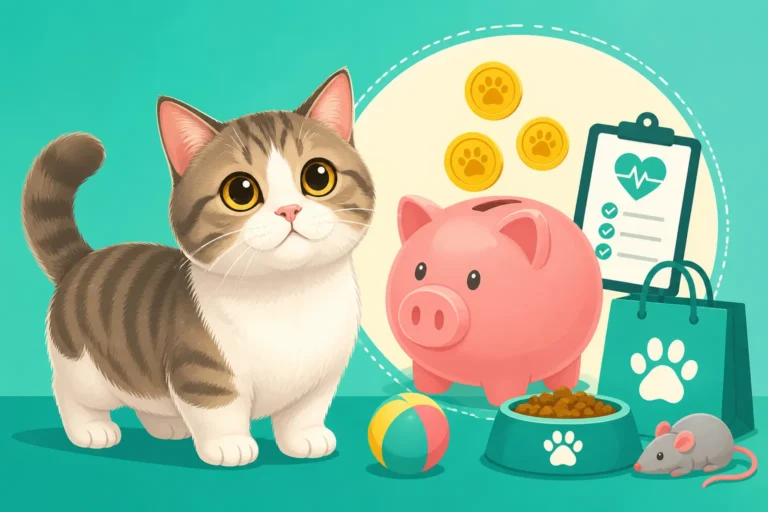
You've probably seen a picture of a Munchkin cat, fallen head over heels for those adorable short legs, and then started looking at prices only to have your jaw drop. It's not uncommon for these unique furballs to be listed anywhere from fifteen hundred to twenty-five hundred dollars, sometimes even more, and that sticker shock can be quite real. It leaves many prospective owners wondering what exactly goes into that price tag. This guide will break down the various factors that contribute to why Munchkin kittens typically fall into this specific price range, covering everything from responsible breeding practices to the unique genetic factors and care considerations that influence their value.
The True Investment in Ethical Munchkin Breeding
When you see a price for a Munchkin kitten, a significant portion of that figure goes into the rigorous, often expensive, practices of a truly ethical and responsible breeder. It's not just about mating two cats; it's a dedicated, scientific, and deeply caring process that aims to produce healthy, well-socialized kittens. Many people don't realize the sheer amount of work and financial outlay involved before a kitten even leaves for its new home.
Navigating the Unique Genetics of Munchkins
The short legs that define the Munchkin breed are a result of an autosomal dominant gene for pseudoachondroplasia. This isn't just a simple trait; it carries significant implications for breeding. A responsible breeder knows that Munchkin Dwarfism Is Dominant and Lethal in Two Copies, meaning two short-legged Munchkins can never be bred together. To do so would result in homozygous embryos that tragically don't survive. This crucial genetic understanding means every breeding pair must consist of one short-legged Munchkin and one normal-legged cat, often referred to as a "non-standard" or "outcross." Why a Munchkin Is Always Bred to a Normal Legged Cat details this necessity. This limits the number of short-legged kittens in a litter and adds a layer of complexity to breeding programs.
The careful selection of outcross breeds—often domestic shorthairs or other robust, healthy cats—is paramount to maintaining genetic diversity and health. Breeders invest time and resources researching pedigrees and sometimes even importing cats to ensure healthy, unrelated lines. This meticulous genetic management, aimed at preventing the stacking of mutations or the narrowing of the gene pool, is a foundational expense that directly impacts kitten prices. You're paying for a breeder's knowledge and adherence to a strict genetic code that prioritizes the kittens' well-being.
Comprehensive Health Screening and Veterinary Care
Before any breeding takes place, ethical breeders conduct extensive health screenings on their parent cats. This isn't just a quick vet visit; it involves a battery of tests to rule out common feline diseases and specific conditions that could be problematic for Munchkins or their outcross breeds. For instance, if a Persian is used as an outcross, Why a Munchkin From a Persian Cross Needs a PKD Test becomes a critical step. These tests can include genetic panels for conditions like hypertrophic cardiomyopathy (HCM), polycystic kidney disease (PKD), and other inheritable diseases. Some tests are expensive, requiring specialist veterinary attention and laboratory analysis.
Once kittens arrive, the veterinary care intensifies. Each kitten receives multiple health checks, vaccinations, and deworming treatments. A responsible breeder will have their kittens thoroughly examined by a vet, with particular attention paid to palpating the spine for any signs of lordosis or checking the chest for pectus excavatum. Why a Munchkin Kitten Needs an Early Vet Check highlights the importance of these initial examinations. This meticulous attention to early health detection and preventative care before a kitten is placed in a new home ensures that you are receiving a kitten that has been given the best possible start. All these veterinary costs are, quite rightly, factored into the kitten's price.
Supply, Demand, and the Uniqueness of the Munchkin Breed
Beyond the fundamental costs of ethical breeding, the economic principles of supply and demand play a huge role in setting Munchkin kitten prices. The breed's distinctive appearance, combined with certain perceptions about their personality and the inherent challenges in breeding them, creates a unique market dynamic.
The Appeal of Short Legs and Limited Litters
Munchkins are undoubtedly eye-catching. Their endearing short legs give them a perpetual kitten-like appearance and a unique gait often described as a "ferret-like" run. This distinctive look, coupled with their generally playful and affectionate temperament, has created a significant demand among cat enthusiasts. However, as we discussed, not every kitten in a Munchkin litter will have short legs. On average, How Many Kittens in a Munchkin Litter Are Short Legged is about half. The other half will have normal-length legs and are typically sold at a much lower price as "non-standard" Munchkins, often as pets only, without breeding rights. This means that for every short-legged kitten available, there's another "long-legged" kitten from the same litter that commands less.
This inherent limitation on the number of short-legged kittens, combined with a steady or growing demand, naturally drives up the price for the desired trait. You're not just paying for a cat; you're paying for a specific, sought-after genetic expression that requires careful breeding to achieve. This scarcity is a major reason Why Shorter Legs Raise a Munchkin's Price.
Breeder Reputation and the Value of Transparency
A breeder's reputation and the transparency they offer are invaluable and contribute to the kitten's price. Reputable breeders are often members of organizations like The International Cat Association (TICA), which recognizes the Munchkin breed, and they adhere to strict codes of ethics. They will provide detailed pedigrees, health records for the parents and kittens, and a comprehensive contract. They'll welcome questions, encourage visits (where appropriate), and be transparent about their breeding practices, including how they screen for conditions like lordosis or pectus excavatum. They'll also explain What a Munchkin Breeder Should Be Able to Show You regarding their cats' health and living conditions.
A breeder who is willing to take the time to educate you, answer all your questions, and provide a clear history of their cats is offering peace of mind that is worth paying for. This level of integrity helps ensure that you are bringing home a kitten from a healthy, well-managed line, rather than supporting irresponsible backyard breeders who might cut corners on health or ethical practices. The price reflects this commitment to excellence and the added security you receive as a buyer. It's truly a case of "you get what you pay for" in the world of purebred cats.
The Price Spectrum: What Influences the $1500-$2500 Range
While the $1500-$2500 range is common, you'll still see variations within it. Several factors contribute to where a specific Munchkin kitten falls on this spectrum, from the physical characteristics of the kitten itself to the breeder's location and the included aftercare.
Leg Length, Coat, and Color Variations
Within the Munchkin breed, there are varying degrees of leg shortness. Kittens with extremely short legs, sometimes called "Rug Huggers," are often in higher demand and therefore command a higher price. These kittens have legs that are noticeably shorter than a "standard" Munchkin and much shorter than their normal-legged siblings. Why the Shortest Legged Munchkin Kitten Goes First often comes down to this aesthetic preference and rarity. However, it's crucial to remember that while the appearance is charming, the emphasis should always be on health and mobility, not just extreme shortness.
The coat length (shorthair or longhair) and color or pattern can also influence the price, though usually to a lesser extent than leg length. Rarer colors or specific patterns might add a small premium, but generally, a Munchkin's defining characteristic – its short legs – is the primary driver of its valuation. A longhaired Munchkin might have a slightly higher price due to grooming needs or aesthetic appeal for some buyers, but it's secondary.
Inclusions, Guarantees, and Aftercare
A reputable breeder typically includes a comprehensive package with their kitten, and this is built into the price. This often entails:
- Initial Vaccinations and Deworming: As mentioned, kittens receive their first rounds of shots and parasite treatments.
- Microchipping: Many breeders microchip kittens before they leave, often registered to the new owner.
- Spay/Neuter Agreement or Procedure: Most pet-quality kittens are sold with a contract requiring spaying or neutering, sometimes even undergoing the procedure before leaving the breeder's care, which adds a vet cost.
- Health Guarantee: A good breeder will offer a written health guarantee, often for a specific period against genetic diseases. It's worth noting whether a Munchkin guarantee covers lordosis or other specific spinal conditions.
- TICA Registration Papers: For purebred Munchkins, TICA registration papers are standard. These confirm the kitten's lineage and breed.
- Starter Kit: Often includes a small bag of their current food, a toy, and a blanket with the mother's scent to help with transition.
- Lifetime Support: A truly dedicated breeder offers ongoing advice and support for the life of the cat, a resource that can be invaluable for new Munchkin owners.
These inclusions aren't free; they are part of the breeder's investment in the kitten's well-being and your success as an owner. When comparing prices, it's essential to look at the total value proposition rather than just the raw number. A slightly higher price might include more comprehensive veterinary care upfront or a more robust health guarantee, which can save you significant money and worry down the line.
| Factor Affecting Price | Impact on Price (Generally) | Description |
|---|---|---|
| Leg Length | Highest | Shorter legs (e.g., "Rug Hugger" types) command higher prices due to aesthetic demand and inherent rarity in litters. |
| Breeder Reputation | High | Ethical breeders with extensive health screening, genetic testing, clear contracts, and ongoing support justify higher prices. |
| Health Guarantees | High | Comprehensive written guarantees against genetic defects and initial health issues add significant value and peace of mind. |
| Included Vet Care | High | Initial vaccinations, deworming, microchipping, and vet checks prior to sale. Spay/neuter costs are sometimes included or mandatory. |
| Pedigree/TICA Papers | Medium | Documented lineage and registration with TICA confirm purebred status and careful breeding. |
| Coat Length/Color | Low to Medium | While less impactful than leg length, rare colors or patterns, or desired longhair coats, can sometimes add a small premium. |
| Socialization | Medium | Kittens raised in a home environment with early handling, exposure to sounds, and positive interactions are often better adjusted, reflecting breeder effort. |
| Breeding Rights | Very High (If Applicable) | Kittens sold with breeding rights (rare for pet buyers) are significantly more expensive, often double or triple the pet price, due to their future breeding potential. |
| Location | Variable | Prices can fluctuate based on regional demand, cost of living, and breeder density. For example, Why a Munchkin Costs More in Japan Than America. |
Beyond the Purchase: The Lifelong Financial Commitment
While the initial kitten price is a big hurdle, it's really just the beginning of the financial commitment. Munchkins, like all cats, require ongoing care, and their unique physical structure can sometimes necessitate specific considerations that add to the overall cost of ownership over their lifetime. A responsible buyer understands that the initial purchase is a fraction of the total investment.
Essential Setup Costs for a Munchkin-Friendly Home
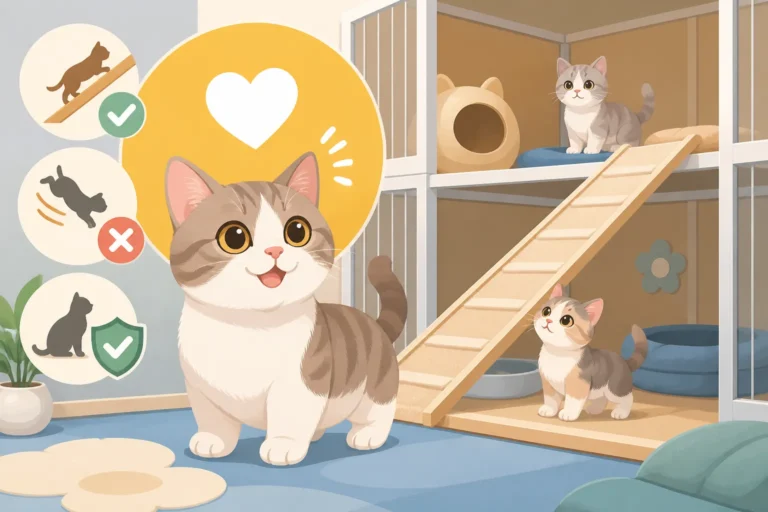
Bringing home a Munchkin means making some adjustments to your living space, and these initial setup costs can add up. Because of their short legs, Munchkins can't easily jump onto high surfaces like regular cats. This means you'll need to invest in ramps or pet steps to allow them safe access to beds, sofas, and windowsills. What Ramps for a Munchkin Cost to Buy can vary, but custom solutions or multiple ready-made ramps are often necessary to create a truly accessible environment.
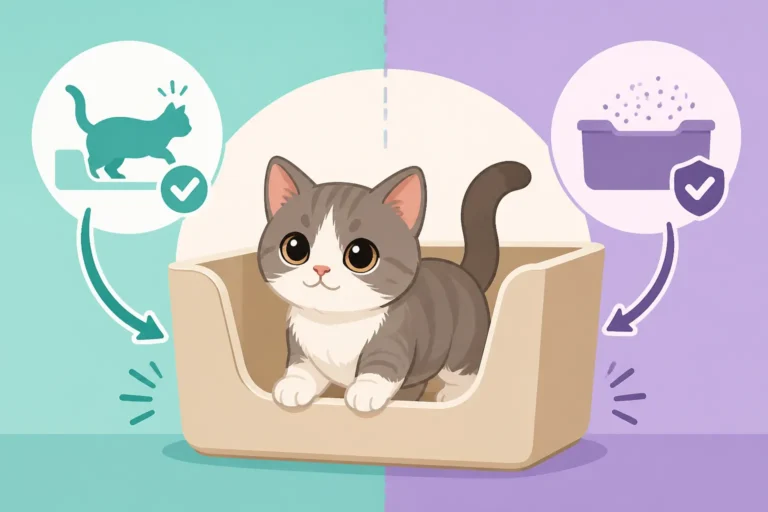
You'll also need specialized litter boxes. A standard litter box with high sides can be a struggle for a Munchkin to enter and exit, potentially leading to accidents outside the box. A low-entry litter box, often designed for senior cats, is ideal for a Munchkin. Which Litter Box a Munchkin Can Actually Enter is a key consideration. Raised food and water bowls can also make eating and drinking more comfortable, reducing strain on their neck and shoulders. Companies like Chewy offer a wide selection of these specialized products, making it easier to adapt your home for your new companion. Remember, Why a Munchkin's House Costs More Than the Cat often refers to these necessary modifications.
Ongoing Care and Potential Health Considerations
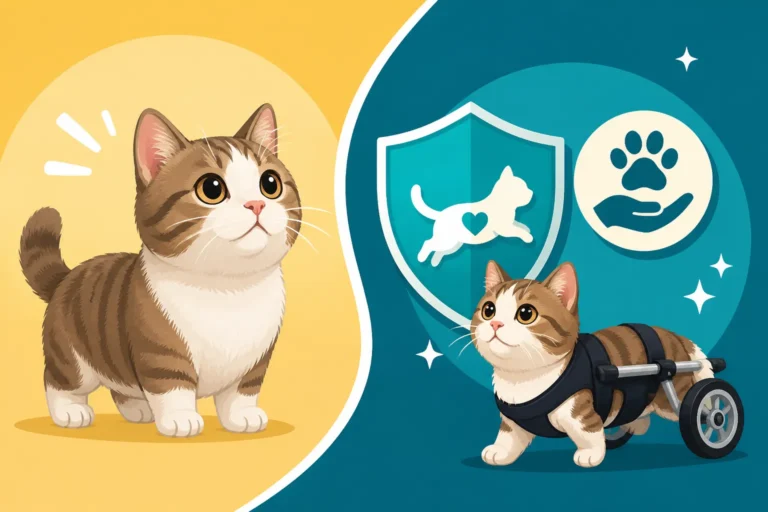
Munchkins generally have a similar lifespan to other domestic cats, often living The Twelve to Fifteen Years a Munchkin Usually Gets, but their unique conformation does mean some ongoing health considerations. While many Munchkins live full, active lives, they can be predisposed to certain conditions due to their chondrodysplasia. Lordosis, a spinal curvature, and pectus excavatum, a sunken chest, are conditions that breeders should screen for. While many Munchkins never develop severe issues, it's wise to budget for potential diagnostic imaging or physical therapy as they age. Whether a Munchkin Gets Arthritis Earlier is a common concern, especially in their front legs due to increased weight bearing. Joint supplements can be a proactive measure as part of a diet focused on overall well-being and joint health.
Regular veterinary check-ups are always important, but for a Munchkin, it's particularly vital that your vet is aware of their breed-specific needs and monitors their gait and spinal health over time. Why a Munchkin's Vet Year Includes Its Joints points to this. Pet insurance can be a wise investment to help mitigate unexpected veterinary costs. Providers like Healthy Paws offer policies that can help cover eligible accidents and illnesses, giving you peace of mind regarding potential long-term care needs. While pet insurance typically doesn't cover pre-existing conditions, getting a policy when your kitten is young and healthy can protect against future unforeseen issues. Grooming can also be an ongoing cost, especially for longhaired Munchkins, as their short legs can make it difficult for them to reach and groom their hindquarters effectively, sometimes requiring professional assistance to prevent matting. Why a Munchkin's Hindquarters Get Matted is a common owner complaint.
Understanding these ongoing costs, from home adaptations to potential veterinary care, helps to contextualize the initial kitten price. It emphasizes that buying a Munchkin is a long-term commitment that requires both financial planning and a deep understanding of the breed's specific needs.
Disclaimer
This article is for general informational purposes only and does not constitute professional advice. Laws, prices and regulations vary by location and change over time. Consult a qualified professional for guidance on your specific situation.