How Much a Long Legged Munchkin Sells For
It's completely normal to wonder about the price tags on Munchkin cats, especially when you encounter talk of "long-legged" ones. It can feel confusing and a bit unfair when you're just trying to understand the different options available, often thinking a Munchkin means one specific look. This guide is here to clear up that confusion, explaining exactly what a long-legged Munchkin is, why their price differs from their short-legged siblings, and what value they bring to a loving home.
Understanding the "Long-Legged Munchkin" Identity
When people talk about Munchkin cats, their minds almost immediately jump to those adorable, short little legs. It's the defining characteristic, after all. But what many folks don't realize is that not every kitten born to a Munchkin parent will have those short legs. It's a fundamental part of the breed's genetics, and understanding this is the first step to understanding their varied pricing.
What Defines a Long-Legged Munchkin?
At its heart, a long-legged Munchkin is a cat that carries all the genetic markers of the Munchkin breed, except for the specific gene that causes chondrodysplasia, which results in shortened limbs. Think of it like this: the Munchkin gene for short legs is dominant, meaning if a cat inherits even one copy of it, they'll have short legs. However, if a kitten inherits no copies of this gene, they will have legs of a normal length, just like any other domestic cat. They are still purebred Munchkins, often with the same delightful facial features, body type (minus the legs!), and personality, but their limbs are proportionally long. They're often born right alongside their short-legged littermates, looking identical in every other way, except for that critical difference in leg length. Why Half a Munchkin Litter Has Normal Legs explains this genetic lottery perfectly.
Why They're Born in Munchkin Litters
The existence of long-legged Munchkins is a direct result of how the breed is managed genetically. You see, breeding two short-legged Munchkins together is strongly discouraged, and in fact, can lead to severe issues, as two copies of the short-leg gene are lethal to an embryo. Because of this, responsible breeders always mate a short-legged Munchkin (which carries one copy of the dominant short-leg gene) with a normal-legged cat (which carries no copies of the gene). This breeding strategy is called an outcross. The resulting litter, thanks to basic Mendelian genetics, will typically be split almost evenly: about 50% short-legged kittens and 50% long-legged kittens. These long-legged kittens are essentially the "non-standard" variants within the litter, but they are genetically purebred, carrying the full lineage of their Munchkin parents and outcross lines. How Munchkin Dwarfism Is Inherited goes into more detail about this fascinating genetic process. They're not a mistake or a defect; they're an expected and perfectly healthy outcome of responsible Munchkin breeding.
The Pricing Dynamics of Long-Legged Munchkins
This is often where the rubber meets the road for prospective owners. The price difference between a short-legged and a long-legged Munchkin can be quite significant, and it's almost entirely driven by the very trait that defines the breed: those short legs.
The Primary Factor: Leg Length
It’s no secret that the unique, shortened leg conformation is what makes a Munchkin, well, a Munchkin in the eyes of most admirers. This distinctive feature is the breed's hallmark, setting it apart from other cats. Because of this, the demand for kittens displaying these short legs is inherently much higher. Breeders spend considerable time and effort ensuring their lines consistently produce healthy, short-legged offspring, and this effort, combined with the aesthetic preference, translates directly into the cost. A long-legged Munchkin, while perfectly healthy and charming, doesn't possess this unique physical trait that drives the premium pricing. They essentially look like a very well-bred domestic cat, and their value in the market reflects that lack of the "signature" Munchkin look.
Price Range Compared to Short-Legged Siblings
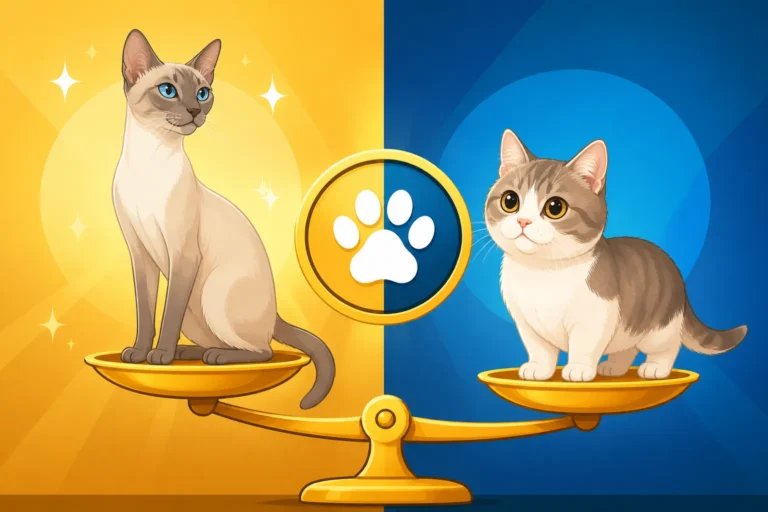
The difference in price between a long-legged Munchkin and its short-legged siblings can be quite stark. While a short-legged Munchkin kitten might command a price typically in the range of several thousand dollars (depending on lineage, region, and breeder reputation), a long-legged Munchkin kitten from the very same litter will almost always be offered at a substantially lower cost. We're talking a fraction of the price, often somewhere around the cost of a high-quality, well-bred domestic cat, perhaps a few hundred to over a thousand dollars, depending on all the other factors we'll discuss. Why a Long Legged Munchkin From the Same Litter Costs Less directly addresses this market reality. This isn't because they are inferior cats; it's simply because the unique short-legged phenotype is what commands the higher market value in this specific breed.
Factors That Still Influence Their Price
Even though leg length is the primary differentiator, a long-legged Munchkin's price isn't entirely static. Several other factors still come into play:
- Pedigree and Lineage: If the parents are from exceptional show lines, have extensive health testing, or boast rare color patterns, this can still elevate the price of a long-legged kitten, even if it doesn't have the short legs. The quality of the breeding, regardless of leg length, matters.
- Coat Color and Pattern: Unique or highly sought-after coat colors (like dilute colors, silvers, or specific patterns such as points or tabbies) can add a little extra to the price, just as they would in any other breed.
- Temperament: Kittens with exceptionally outgoing, sweet, or playful personalities might be valued slightly higher, as temperament is always a huge factor in pet ownership.
- Breeder's Reputation and Location: Reputable breeders who invest heavily in health screening, excellent nutrition, and early socialization for their kittens will generally price all their offspring, including the long-legged ones, accordingly. Geographic location can also influence pricing due to regional demand and cost of living.
- Neutering/Spaying: Many breeders will include the cost of spaying or neutering in the kitten's price, and the kitten will go to its new home already altered. This is a common practice, especially for long-legged Munchkins, as they are almost exclusively sold as pets. Whether a Long Legged Munchkin Should Be Bred From is an important consideration here, as generally, long-legged Munchkins are not intended for breeding programs.
The Value Proposition of a Long-Legged Munchkin
So, if they don't have the signature short legs, what is the appeal of a long-legged Munchkin? The answer lies in their often-overlooked qualities: they offer all the charm and personality of the Munchkin breed, but in a more physically "standard" package, which can be a huge advantage for many households.
All the Personality, None of the Unique Physical Considerations
This is where the long-legged Munchkin truly shines! These cats are raised in the same environment as their short-legged siblings, meaning they often share the same incredibly playful, affectionate, and curious personalities that Munchkins are celebrated for. They're often described as dog-like in their loyalty and love to engage with their human families, chasing toys and exploring every nook and cranny. The significant benefit is that they don't carry the physical limitations or the potential for certain health challenges that can be associated with the short-leg gene.
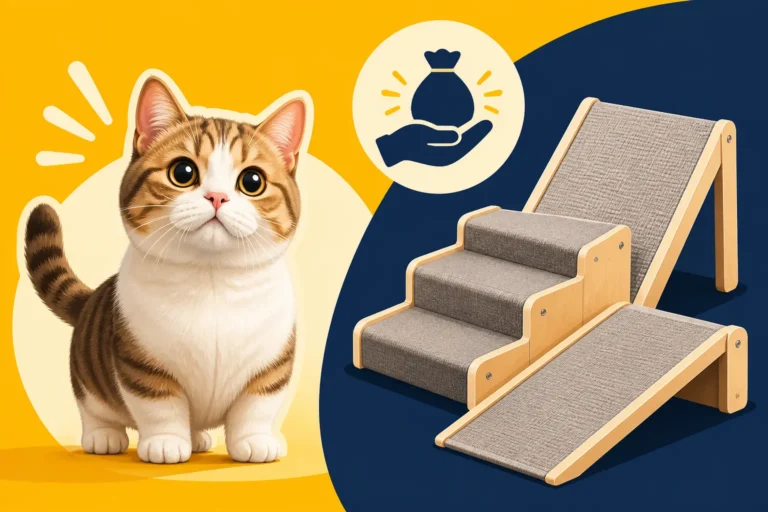
For instance, they won't face the concerns of Lordosis Is the Spinal Curve the Munchkin Argument Is About, a spinal curvature that can affect short-legged Munchkins. They also tend to have a lower risk of developing early-onset joint issues, meaning you might not have to worry as much about questions like Whether a Munchkin Gets Arthritis Earlier compared to their shorter counterparts. Their normal leg length means they can jump, climb, and maneuver with the agility of any other cat, reaching high perches and grooming themselves without issue. This means fewer specialized accommodations in your home, like ramps or low-entry litter boxes, which can be a significant relief for owners.
Why They Make Excellent Companions
Long-legged Munchkins are, in essence, wonderfully robust and adaptable cats. They combine the best of both worlds: the beloved temperament of the Munchkin breed with the physical capabilities of a standard domestic cat. They are often incredibly athletic, enjoying vigorous play and easily navigating multi-level homes. Because Munchkin breeders widely use outcrosses to maintain genetic diversity, the long-legged kittens often benefit from a very broad and healthy gene pool. Why the Munchkin Gene Pool Stays Wide is a testament to the efforts breeders make to ensure genetic health.
These cats are often overlooked in the rush for the "cute" short-legged variety, but they make truly fantastic companions for individuals and families alike. They offer a chance to bring a cat with a delightful personality and proven lineage into your home, often at a more accessible price point, and with fewer specialized care considerations. Plus, they can still be officially recognized! Many registries, like TICA (The International Cat Association), will register long-legged Munchkins as "non-standard" Munchkins, confirming their purebred status and lineage, even if they aren't eligible for show as a standard Munchkin. Whether a Long Legged Munchkin Can Be Registered covers this aspect.
Where to Find and What to Ask When Buying
Finding a long-legged Munchkin isn't as hard as you might think, especially if you know where to look and what questions to ask. The key is to seek out reputable breeders who prioritize the health and well-being of all their kittens.
Reputable Munchkin Breeders
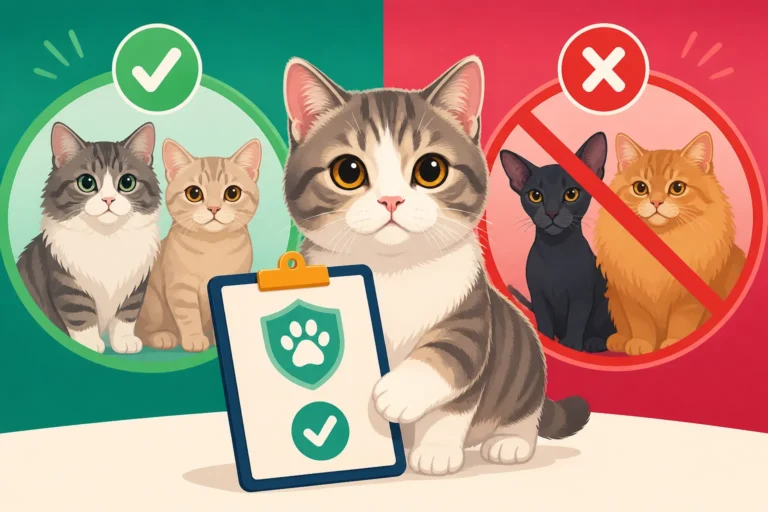
The best place to find a long-legged Munchkin is through established and ethical Munchkin breeders. These breeders are fully aware of the genetics involved and will have both short-legged and long-legged kittens in their litters. A good breeder will be transparent about their breeding program, happy to discuss the health of the parents, and keen to place all their kittens in loving homes. They won't try to hide the fact that some kittens have longer legs; instead, they'll openly explain the genetics and why these kittens are just as wonderful.
Always look for a breeder who:
- Provides a clean, stimulating environment for their kittens.
- Can show you health clearances for the parent cats, particularly any relevant to the outcross breeds used in their lines.
- Prioritizes early socialization for all their kittens.
- Offers a health guarantee for their kittens.
- Is willing to answer all your questions thoroughly and patiently.
It's vital to see What a Munchkin Breeder Should Be Able to Show You to ensure you're dealing with someone who is truly reputable and ethical.
What to Ask Your Breeder
When you're speaking with a breeder about a long-legged Munchkin, don't be shy about asking detailed questions. Here are a few to get you started:
- Health and Genetic History: Inquire about the health history of both parents and any siblings from previous litters. Ask about genetic testing for conditions relevant to the outcross breeds. For instance, if a Persian was in the lineage, ask about PKD (polycystic kidney disease) testing.
- Kitten's Care and Socialization: What kind of early socialization has the kitten received? Have they been exposed to various sights, sounds, and gentle handling? A well-socialized kitten is crucial for a smooth transition to your home.
- Temperament: Ask about the individual kitten's personality. Is it bold or shy? Playful or a lap cat? This helps ensure a good match for your household.
- Vet Checks and Vaccinations: Confirm that the kitten has had its initial vet checks, deworming, and first vaccinations. What a Munchkin Kitten's First Exam Should Cover is a good reference point for these early health checks.
- Return Policy/Guarantee: Understand the breeder's policy should any unforeseen health issues arise, or if for some reason the kitten isn't a good fit. Most reputable breeders will have a clause about returning the cat to them if you can no longer care for it.
- Observe Movement: If possible, try to observe the long-legged kitten moving and playing. While they don't have the same specific gait concerns as their short-legged siblings, watching them ensures they're agile and healthy. If visiting in person isn't feasible, ask for video. Why to Watch a Munchkin Kitten Walk in Person applies to all kittens, regardless of leg length.
Preparing for a Long-Legged Munchkin
Bringing any new cat into your home requires preparation, and a long-legged Munchkin is no exception, even if their needs are more conventional than their short-legged relatives. They'll need all the standard cat supplies:
- Food: High-quality cat food is essential.
- Litter Box and Litter: Choose a litter box that's easy for them to access and a litter they prefer.
- Scratching Posts: Provide vertical and horizontal scratching options to satisfy their natural instincts and protect your furniture.
- Toys: Stock up on a variety of toys to keep them entertained and mentally stimulated.
- Beds/Perches: Even though they can jump, comfy sleeping spots at various heights are always appreciated.
- Vet Care: Establish a relationship with a local veterinarian for routine check-ups and preventative care. Consider pet insurance providers like Healthy Paws to help manage unexpected veterinary costs. It's a smart investment for any pet owner, offering peace of mind.
- General Supplies: For everything from carriers to grooming tools, online retailers like Chewy offer a vast selection, making it easy to get everything you need delivered right to your door.
While their physical care is generally simpler, remember that all cats thrive on routine, affection, and enrichment. A long-legged Munchkin will become a cherished member of your family for many years. Think about What a Munchkin Costs Over Thirteen Years in a broader sense, considering food, vet care, and enrichment over their entire lifespan, as these costs apply to any cat, regardless of leg length.
| Feature | Short-Legged Munchkin | Long-Legged Munchkin |
|---|---|---|
| Leg Length | Distinctively short, a hallmark of the breed | Normal length, like any domestic cat |
| Market Price | Significantly higher due to unique phenotype | Substantially lower, comparable to a well-bred domestic |
| Genetic Basis | Carries one copy of the dominant short-leg gene | Carries no copies of the short-leg gene |
| Care Considerations | May require ramps, low-entry litter boxes, careful lifting, potential joint monitoring | Standard cat care, no specific physical adaptations needed |
| Mobility | Agile on the ground, but limited jumping/climbing height | Agile, can jump, climb, and maneuver like other cats |
| Personality | Playful, affectionate, curious, dog-like | Playful, affectionate, curious, dog-like (same upbringing) |
| Breeding Potential | Used in controlled breeding programs (always with normal-legged outcross) | Typically sold as pets, not for breeding |
| Health Concerns | Potential for conditions like lordosis, pectus excavatum, earlier arthritis due to leg structure | Generally fewer breed-specific physical limitations; standard feline health considerations |
| Registration Status (TICA) | Standard Munchkin | Non-Standard Munchkin |
Disclaimer
This article is for general informational purposes only and does not constitute professional advice. Laws, prices and regulations vary by location and change over time. Consult a qualified professional for guidance on your specific situation.