Whether a Munchkin Guarantee Lasts Past Its First X Ray
It's completely understandable to feel a swirl of anxiety when you're welcoming a Munchkin cat into your family, especially when you think about their unique physical traits and potential long-term health. You've heard stories, you've done your research, and now you're wondering: what kind of health guarantee does a breeder really offer, and how far does that protection truly extend, particularly when it comes to something as vital as their spine? Many new owners worry if the fine print will protect them beyond an initial vet check and that first crucial X-ray. This guide is here to shed light on breeder guarantees for Munchkin cats, helping you understand their typical scope, limitations, and what you can realistically expect as your tiny-legged companion grows.
The Standard Scope of Breeder Guarantees for Munchkin Cats
When you bring home a new kitten, whether it's a Munchkin or another breed, most reputable breeders provide some form of health guarantee. This is a testament to their confidence in their breeding program and the health of their kittens. However, it's really important to understand that these guarantees usually have a defined scope and timeframe, and they aren't always a blanket coverage for every potential issue that might arise over a cat's entire lifetime. The devil, as they say, is in the details, and for a Munchkin, those details often revolve around their unique skeletal structure.
What a Typical Breeder Guarantee Tends to Cover
Most breeder guarantees focus on the immediate health of the kitten upon leaving their care. This typically means a short window, often 48 to 72 hours, during which you must have your new kitten examined by your own veterinarian. If, within this initial period, your vet finds any acute, life-threatening infectious diseases (like panleukopenia or severe upper respiratory infection) or a significant congenital defect that was clearly present at birth, the guarantee might allow for a return, replacement, or reimbursement for treatment. This initial period is critical for ensuring the kitten is free from immediate, obvious health crises.
Beyond this initial window, many guarantees extend to cover genetic or congenital conditions, but usually for a limited time frame, such as one to two years. For Munchkins, this is where conditions like severe Lordosis Is the Spinal Curve the Munchkin Argument Is About or Pectus Excavatum and the Munchkin's Sunken Chest might be mentioned. However, the wording is crucial. It often states that if such a condition is diagnosed within the guarantee period and deemed life-threatening or severely debilitating by two independent veterinarians, then the guarantee might kick in. It's rarely about minor conformational quirks or conditions that might lead to discomfort but not immediately threaten life.
Why the First X-Ray Is Often a Guarantee's Edge
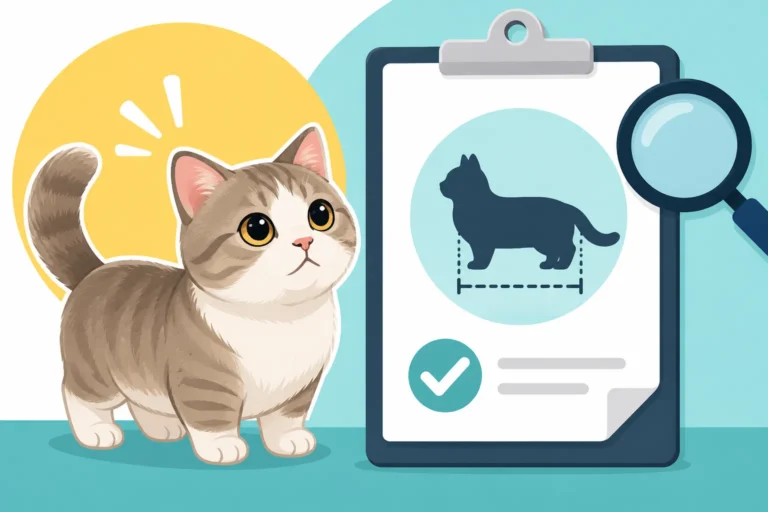
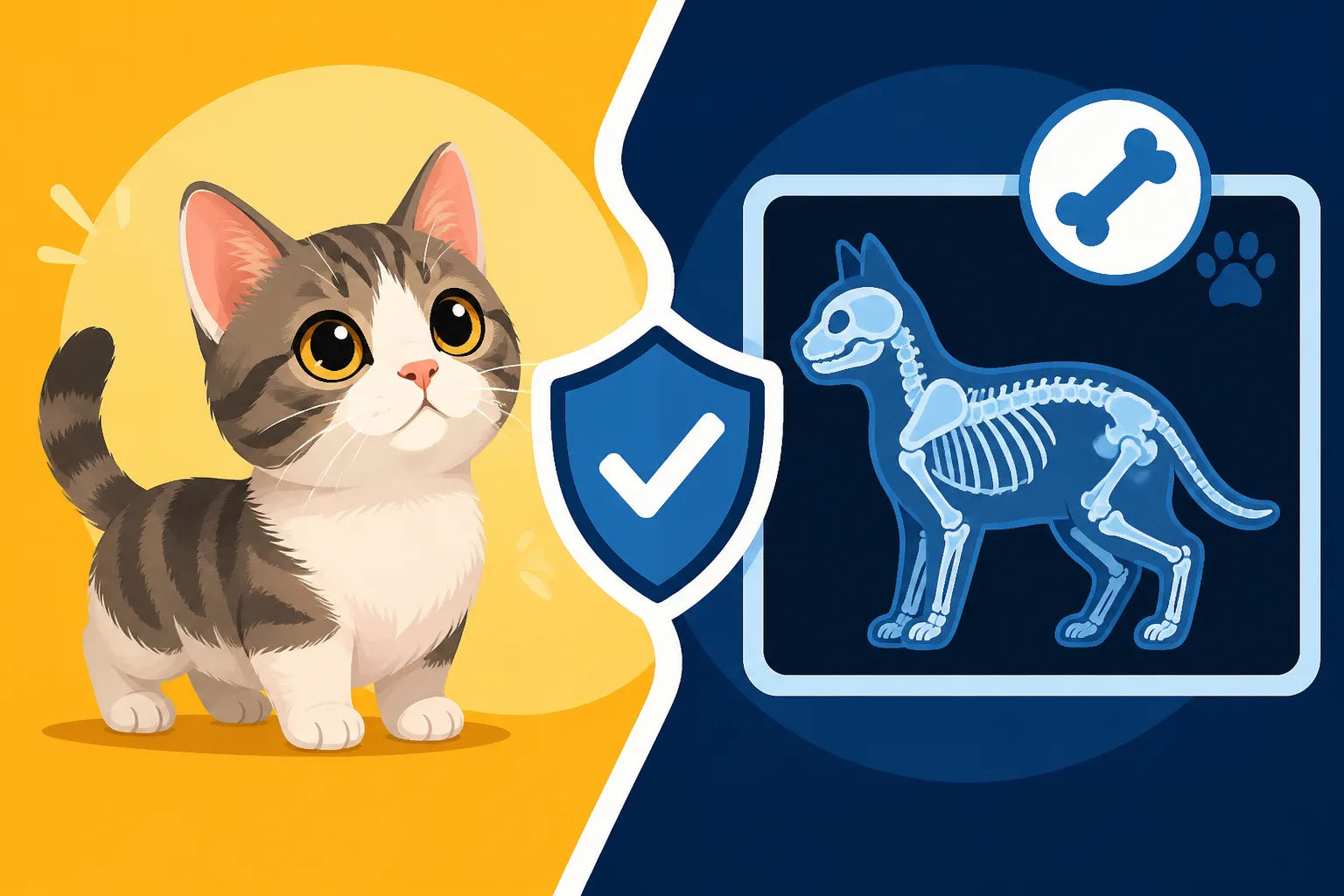
For a Munchkin, the "first X-ray" often holds a significant place in discussions around health guarantees. Some breeders will have already performed initial X-rays on their breeding cats or even on kittens as part of their screening process, especially if they are proactive about checking for spinal issues. More commonly, you might be encouraged or even required by the guarantee to get an X-ray done at your first vet check with your new kitten, or at a slightly later age, perhaps around six months to a year, when skeletal development is more mature.
The challenge here is that an X-ray is a snapshot in time. It shows what is present at that moment. If your guarantee states it covers conditions "diagnosed by the first X-ray" or "present at the time of the first X-ray," it means precisely that. A condition like mild lordosis might not be immediately obvious or severe enough to be a concern on an early X-ray, only to progress as the cat grows and puts more strain on its spine. This is a common point of contention and frustration for owners, who might assume "genetic guarantee" means lifelong protection against any genetic issue, regardless of when it manifests or its severity. It's often where the breeder's direct liability ends and the owner's responsibility for ongoing care begins.
Progressive Conditions and the Limits of Early Guarantees
The nature of some Munchkin health concerns, particularly those related to their skeletal structure, means they can be progressive. This inherent characteristic often creates a gap between what a breeder guarantee can reasonably cover and the long-term realities of owning a cat with a specific genetic mutation affecting its bone structure.
The Nuance of Spinal Health in Munchkins
The Munchkin's short legs are a result of a genetic mutation called pseudoachondroplasia, which affects bone growth. While their spine itself is typically of normal length, it still carries the load of a cat that moves and impacts surfaces differently due to its unique leg structure. Conditions like lordosis, a curvature of the spine, can be present at varying degrees. A kitten with very mild lordosis might not show any clinical signs early on, and an initial X-ray might not even definitively diagnose it as a severe problem under the terms of a guarantee.
However, as the cat ages, or if it experiences repetitive strain from jumping off furniture it shouldn't be on, that mild curve can worsen. The spine, hips, and shoulders can experience more stress. Why a Munchkin's Spine Carries a Load a Normal Cat's Does Not is a crucial consideration here; the mechanics are simply different. A guarantee that covers "life-threatening lordosis diagnosed by 6 months" isn't going to help if the condition becomes debilitating at 3 years old. This is a realistic scenario that many Munchkin owners grapple with, often leading to treatments and care plans that fall squarely on their shoulders.
The Gap Between Early Diagnosis and Lifelong Care
This distinction between an early diagnosis and lifelong care is paramount. A guarantee might cover the diagnosis of a congenital heart defect if found at 12 weeks, leading to a replacement kitten or partial refund. But what it rarely does is cover the ongoing medical treatments for a chronic condition that develops later, even if its root cause is genetic and present from birth.
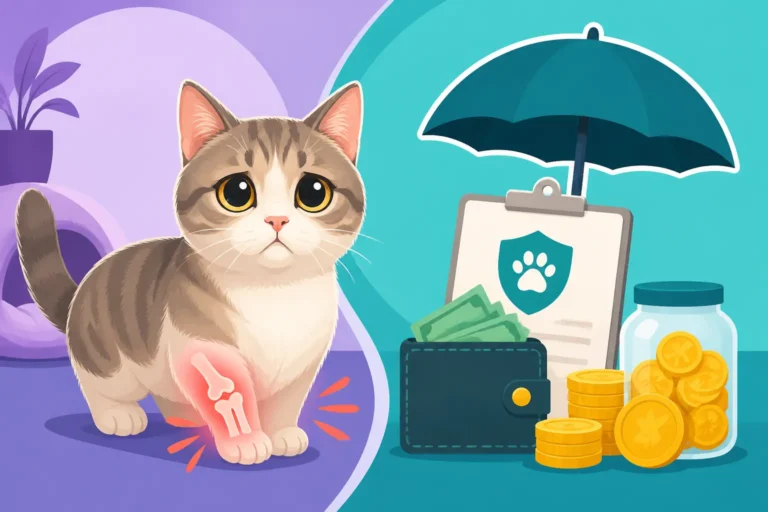
Consider a Munchkin who, at 4 years old, starts showing signs of significant discomfort and stiffness, which, after an X-ray, is diagnosed as severe osteoarthritis in the shoulders, a condition perhaps exacerbated by years of compensating for their short stature. While the predisposition might be genetic, a breeder's guarantee from kittenhood is highly unlikely to still be in effect. This is where pet ownership transitions from initial purchase to a commitment of long-term care, and where proactive measures and financial planning become incredibly important.
What to Seek in a Truly Comprehensive Munchkin Guarantee
While most breeder guarantees won't extend indefinitely, especially "past the first X-ray" for every possible future ailment, you can still be a savvy and informed buyer. Knowing what questions to ask and understanding the breeder's commitment to health can make a significant difference in your peace of mind.
Asking the Right Questions About Genetic Conditions
Don't be afraid to ask very specific questions about the guarantee’s terms regarding conditions known to affect Munchkins. Ask about the coverage for:
- Lordosis: What is the specific policy if lordosis is diagnosed? Is there a severity clause? What if it's mild at the initial check but progresses significantly within a couple of years? How Early Lordosis Shows in a Munchkin Kitten can vary, so clarifying this is important.
- Pectus Excavatum: Similar to lordosis, ask about the terms for a sunken chest. Is it covered if it requires surgical correction? What if it's a mild grade initially but impacts breathing later?
- Osteoarthritis: While not typically a kitten-onset condition, early onset arthritis can be a concern. Ask if there's any clause related to debilitating arthritis linked to their conformation within a reasonable young adult timeframe, perhaps the first two years. This is less common but worth exploring with a truly dedicated breeder.
A responsible breeder should be transparent and willing to discuss these points, providing a written contract that clearly outlines all terms, conditions, and exclusions. They should also be able to discuss the health history of their breeding lines, including any incidence of these conditions in ancestors. What a Munchkin Breeder Should Be Able to Show You often includes health screening results and pedigree information.
The Essential Role of Pet Insurance in Long-Term Health
This is where the rubber truly meets the road for long-term health concerns. For any cat owner, but especially those with Munchkins, pet insurance is the real, lasting "guarantee" that can help cover unexpected medical costs far beyond any breeder's guarantee. While a breeder's contract might cease coverage after a year or two, a good pet insurance policy will continue as long as you pay the premiums, offering protection against accidents, illnesses, and chronic conditions.
Companies like Healthy Paws offer comprehensive plans that can cover a wide range of veterinary expenses, from diagnostics (like those follow-up X-rays!) to treatments for conditions that might manifest years down the line. It's designed to step in precisely where breeder guarantees leave off. While it won't cover pre-existing conditions (meaning you need to get it before your cat is diagnosed with anything specific), it's the most robust safety net you can provide for your Munchkin throughout their life. Investing in pet insurance early is a proactive step that can save you significant financial and emotional stress later on. Many owners find it an invaluable part of their overall pet care budget.
Proactive Steps Beyond the Guarantee for Your Munchkin's Well-being
Since breeder guarantees are time-limited, putting proactive measures in place from day one is the best way to ensure your Munchkin thrives throughout their The Twelve to Fifteen Years a Munchkin Usually Gets. This means partnering with your vet, understanding their specific needs, and making your home a safe haven.
Post-Purchase Vet Checks and Documentation
Always, always, always schedule an independent veterinary check-up for your Munchkin kitten within the timeframe specified by your breeder's guarantee, usually within 48-72 hours of bringing them home. This is not just a formality; it's your chance to get a professional opinion on your kitten's health from someone unconnected to the breeder. Ensure your vet thoroughly examines their gait, palpates their spine, listens to their heart, and checks for any signs of congenital issues.
If your breeder's guarantee covers specific conditions that might be visible on an X-ray, discuss with your vet whether an early X-ray is advisable, even if it's not strictly required by the breeder. Document everything. Keep detailed records of all vet visits, diagnoses, treatments, and receipts. If an issue does arise that you believe falls under the breeder's guarantee, having clear, dated veterinary records is absolutely essential for making a claim. This thorough documentation provides proof of diagnosis and timeline, which can be crucial if any disputes arise. What a Munchkin Kitten's First Exam Should Cover is a good checklist to review with your vet.
Creating a Supportive Environment to Prevent Strain
A significant part of Munchkin care involves adapting your home to their unique physical needs. This isn't just about comfort; it's about preventing unnecessary strain on their joints and spine, which can reduce the likelihood of progressive conditions worsening. Even if a breeder guarantee doesn't last, your diligent care can.
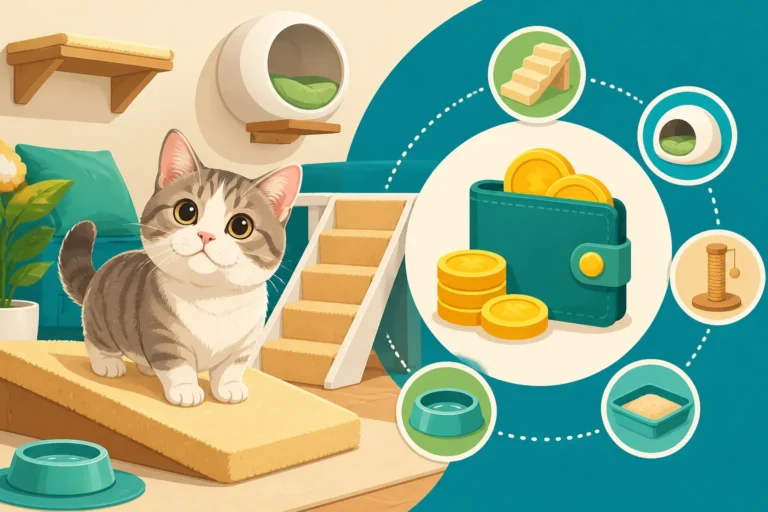
Think about your home from your Munchkin's perspective. They can't jump as high as a normal cat, and repeated attempts or harsh landings can stress their delicate structures. How a Munchkin Gets Where It Wants Without Jumping often involves clever climbing or finding alternative routes. This means:
- Ramps and Steps: Provide easy access to all their favorite elevated spots, like sofas, beds, and window sills. This reduces the impact on their shoulders and spine from jumping down. You can find many ready-made options from pet supply retailers like Chewy, or even construct your own custom solutions. Ramps and Steps Are Munchkin Equipment, Not Luxuries.
- Low-Entry Litter Boxes: A high-sided litter box can be difficult and painful for a Munchkin to enter, especially as they age or if they develop stiffness. Opt for boxes with a low front entry, like those designed for senior cats.
- Raised Food and Water Bowls: Bending down too far can put strain on their neck and shoulders. Raised bowls allow them to eat and drink in a more comfortable posture.
- Safe Play: Encourage floor-level play that minimizes high jumps. Use wand toys that allow them to chase and pounce without needing to leap high.
- Weight Management: This is perhaps the single most critical factor in their long-term health. Every extra ounce puts disproportionate strain on their short legs and spine. Work with your vet to maintain an ideal body condition score. Nutritional advice, perhaps even specialized joint-support formulas, can be beneficial, but always discuss with your vet first to ensure it fits within their caloric needs. Why Weight Control Is the Whole Munchkin Care Plan cannot be overstated.
By taking these proactive steps, you're not just hoping a guarantee will cover future issues; you're actively working to prevent or mitigate them, which is the best long-term strategy for any Munchkin cat owner.
Disclaimer
This article is for general informational purposes only and does not constitute professional advice. Laws, prices and regulations vary by location and change over time. Consult a qualified professional for guidance on your specific situation.