Whether a Munchkin Needs Floor Level Everything
It's a common thought when you first consider bringing a Munchkin cat into your home: "Are they just tiny cats, or do their short legs really change everything?" And for many new Munchkin parents, the reality hits pretty quickly when their adorable, low-slung furball can't quite manage that leap onto the sofa, or struggles to get into a standard litter box. This guide is here to walk you through exactly why and how your Munchkin's unique physique necessitates a truly floor-level lifestyle, ensuring they can navigate their world with comfort, dignity, and joy.
Understanding the Munchkin's Unique Mobility Needs
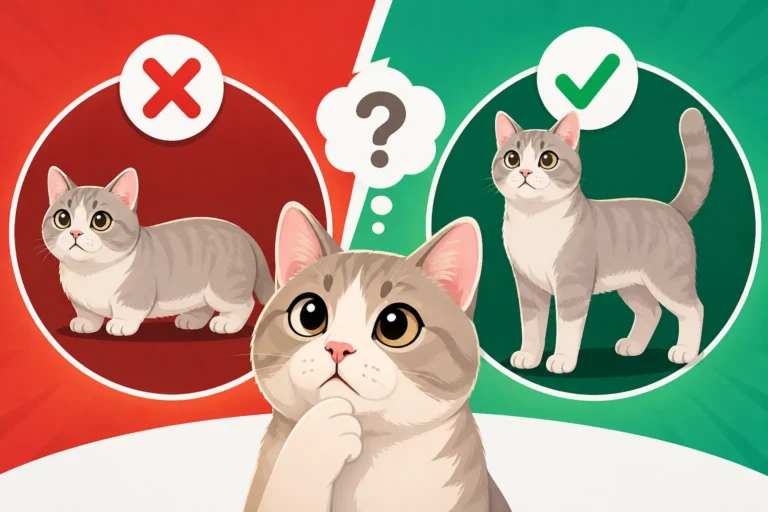
One of the biggest misconceptions about Munchkin cats is that they are just miniature versions of regular cats. While they certainly have a full-sized personality packed into a smaller frame, their short legs aren't just a cosmetic trait; they fundamentally alter how these cats interact with their environment. If you've ever watched your Munchkin try to stretch for a toy or attempt a leap that a normal-legged cat would clear with ease, you've probably already felt that pang of concern. It’s not about them being lazy or clumsy; it’s about pure physics and physiology.
Why Standard Cat Setups Don't Work
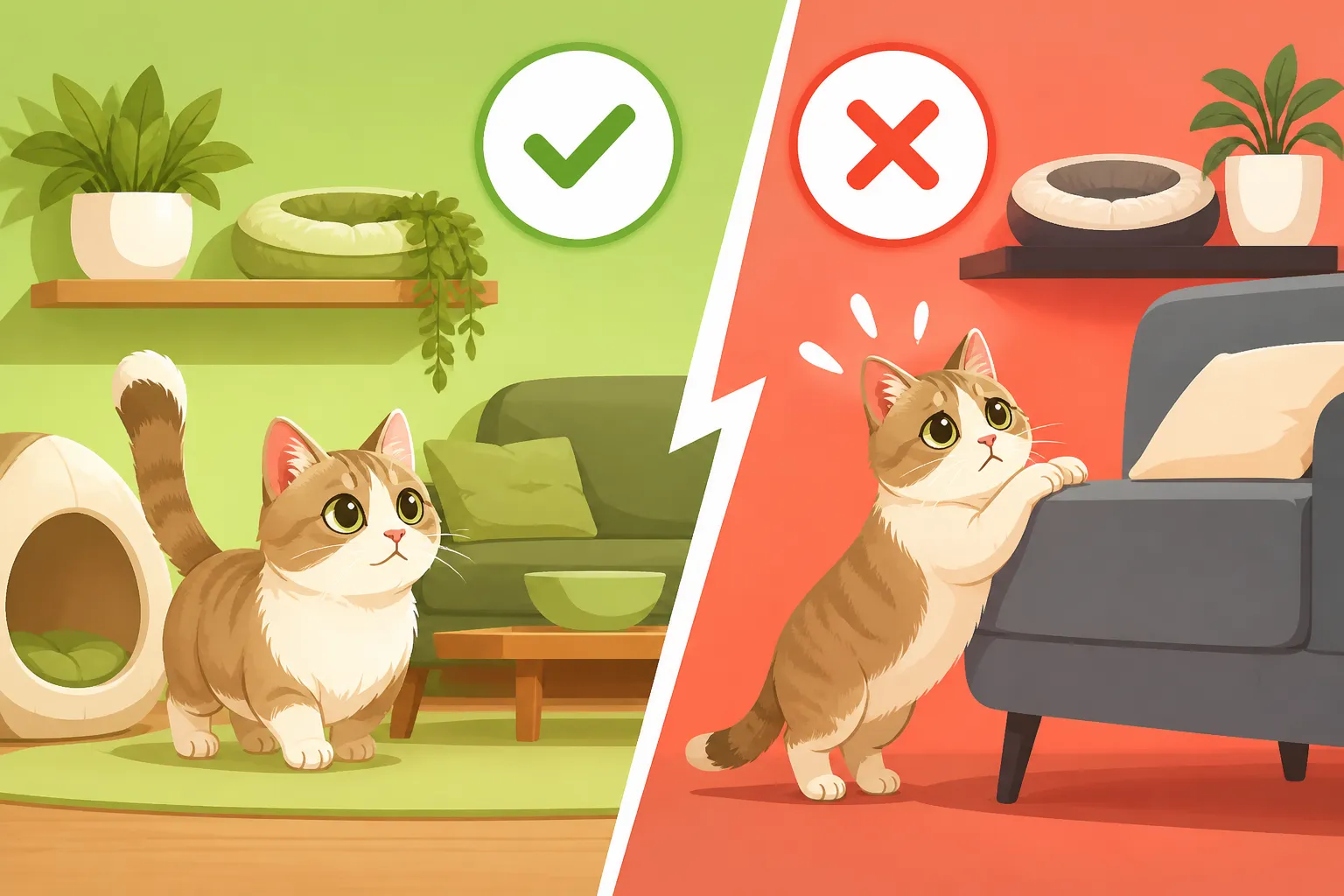
Imagine living in a world built for giants. That's a bit how a Munchkin experiences a typical human home, or even a home set up for a regular domestic cat. Our sofas, beds, windowsills, and even the entry points to litter boxes are all designed with a cat's typical jumping and climbing abilities in mind. For a Munchkin, whose legs are significantly shorter than average – sometimes drastically so, depending on their individual conformation – these everyday obstacles become insurmountable barriers. A standard cat tree, for example, with wide gaps between platforms, is effectively a skyscraper that your Munchkin can only gaze up at, not conquer. Why a Standard Cat Tree Is Useless to a Munchkin delves deeper into this.
This isn't just about inconvenience; it's about their quality of life. A cat that can't access its favorite sleeping spots, reach its food comfortably, or relieve itself without struggle can develop behavioral issues, stress, and even physical problems. Ignoring these unique needs means you're inadvertently creating a frustrating and potentially harmful environment for your beloved pet. It's truly a case where with a Munchkin, the house changes, not the cat.
The Impact of Short Legs on Daily Life
The primary impact of those adorable short legs is, naturally, on mobility. A Munchkin cannot achieve the same vertical leaps as a cat with standard leg length. While they are surprisingly quick and agile on level ground – sometimes described as moving like a ferret – they struggle significantly with vertical challenges. This means that a tall scratching post, for instance, isn't going to get much use for stretching upwards. Instead, they need horizontal scratching surfaces.
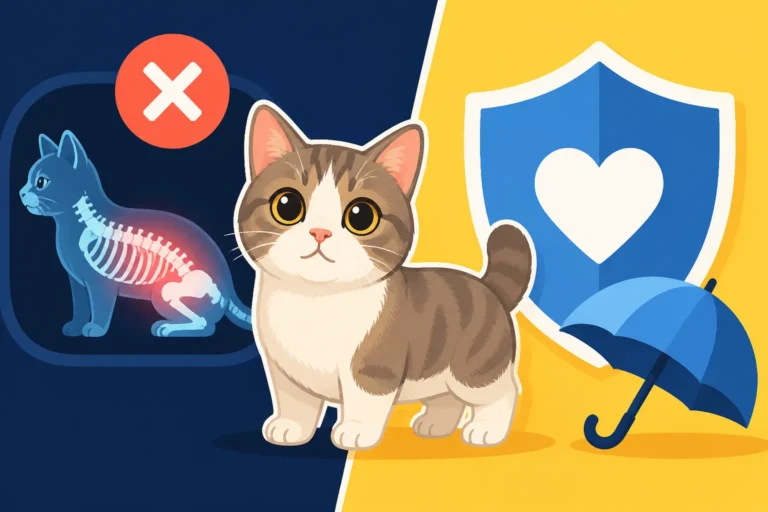
Beyond jumping, their low stature affects their reach for grooming, their ability to escape from perceived threats (like an overzealous child or dog), and even how they carry their weight. A Munchkin's body is typically normal length, not miniaturized, which means Why a Munchkin's Legs Are Short but Its Body Is Not results in a unique body proportion. This can put extra strain on their spine and joints if they're constantly straining or landing awkwardly from small jumps. You might see them doing the famous "prairie dog sit" to get a better view, which is cute, but it's also a coping mechanism for their limited height.
Essential Floor-Level Adaptations for Food, Water, and Litter
Adapting your home for a Munchkin begins with the most basic necessities: eating, drinking, and using the litter box. These aren't just about convenience; they're about preventing strain and ensuring good hygiene and health for your cat. Trying to make a Munchkin stretch awkwardly for these daily functions can lead to chronic discomfort over time.
Food and Water Bowl Considerations
Think about how a typical cat eats from a bowl on the floor. They bend their neck and back, which is a natural position for them. Now imagine a Munchkin doing the same, but their body is already much closer to the ground. This often means they're craning their neck down even further, or having to splay their front legs uncomfortably. This constant strain on their neck, shoulders, and spine during meal times is something we absolutely want to avoid. Why a Munchkin's Food and Water Belong at Floor Level for this very reason.
This is why raised food and water bowls are an absolute game-changer for Munchkins. The ideal setup places the bowls at a height where your Munchkin can eat and drink without having to bend their neck excessively. This allows them to maintain a more neutral spinal alignment, reducing stress on their joints and muscles. You can find specialized raised feeders online, or simply place their regular bowls on a low, sturdy platform or stand. Brands like Chewy offer a variety of elevated bowl options that can make a huge difference. Ensure the stand is stable and doesn't tip easily, especially if your Munchkin is an enthusiastic eater. For water, consider a low-profile fountain that allows them to drink comfortably without having to dip their head too far or reach up too high for a spout.
| Item Type | Standard Cat Setup | Munchkin-Friendly Adaptation | Benefit for Munchkin |
|---|---|---|---|
| Food Bowls | On the floor, regular height | Raised bowls, low stands, or a very low platform | Reduces neck/spinal strain, more comfortable eating posture |
| Water Bowls | On the floor, regular height | Raised bowls, low fountains with accessible water | Prevents awkward bending, encourages hydration |
| Litter Box Entry | High-sided, top-entry, or standard front entry | Low-entry boxes, cut-down fronts, ramps | Easy access, prevents refusal to use box, less joint strain |
| Cat Tree | Tall, wide gaps between platforms | Short, stable steps, close-set platforms, ramps | Allows safe vertical access, prevents fall injuries |
| Scratching Post | Vertical, tall | Horizontal scratchers, incline scratchers | Accommodates short reach, promotes natural scratching |
| Beds | High up on furniture, windowsills, cat trees | Floor-level beds, low pet stairs for access | Reduces jumping impact, easy access for rest |
Litter Box Accessibility is Key
Another critical area where a Munchkin's short legs become a significant factor is with the litter box. Standard litter boxes often have sides that are too high for a Munchkin to comfortably step over, especially if they have particularly short legs or are feeling a bit stiff. Trying to hoist themselves over a tall lip can put undue stress on their back and hindquarters. This struggle can lead to accidents outside the box, which no one wants, and which can be a sign of discomfort rather than defiance.
Why a Munchkin Needs a Litter Box It Can Walk Into is a prime example of understanding their physical limitations. You'll want to look for litter boxes specifically designed with a low entry point – sometimes marketed as senior cat litter boxes, which happen to be perfect for Munchkins. The front lip should be low enough that your cat can simply walk in without a significant step-up. Even with a low entry, make sure the box itself isn't too shallow, as you still want enough litter depth for proper digging and waste coverage. If you can't find a low-entry box, some owners have resorted to carefully cutting down the front of a plastic tub to create a custom entry point, though you'll need to sand any sharp edges smooth. Remember, if your Munchkin is leaving "presents" just outside the box, it's often a cry for a more accessible solution.
Creating a Safe and Accessible Environment Beyond the Basics
Once food, water, and litter are sorted, it's time to look at the broader living space. Munchkins are playful and curious, just like any other cat, and they need ways to explore and relax in comfort. This means thinking about how they navigate your furniture, their play spaces, and even how you help them with grooming.
Furniture and Climbing Access
While a Munchkin might not be able to leap onto your kitchen counter in a single bound, they are remarkably resourceful at finding alternative routes. They will often use furniture as a staircase, hopping from a footstool to a chair, then to the sofa. However, this still involves jumping, and repeated jumping, especially jumping down, can be hard on their joints over time. What Repeated Landing Does to a Munchkin's Elbows can illustrate why we want to minimize this.
To make your home truly Munchkin-friendly, consider investing in or building ramps and pet stairs. These can provide a safe, gradual incline for your cat to reach their favorite spots, like the sofa, a comfy armchair, or even your bed. When choosing ramps or stairs, look for ones with a gentle slope and a non-slip surface, like carpet or a textured fabric, to ensure good grip. You might need several strategically placed ramps around the house. For instance, a ramp leading up to the bed, and another connecting a low bookshelf to a higher shelf they can perch on. How to Set Up Ramps Around a Munchkin's House for more ideas.
Additionally, consider how you arrange your furniture. Can you create a "staircase" effect with low, sturdy pieces of furniture placed close together, offering intermediate steps up to higher surfaces? This allows your Munchkin to satisfy their natural desire to climb and survey their territory without risking injury from precarious jumps. Just be mindful of potential falling hazards if they misjudge a jump between items.
Grooming and Play Considerations
Grooming is another area where Munchkin's might need a little extra help. Their short legs mean they might struggle to reach certain parts of their back, hindquarters, and especially underneath their belly. This can lead to mats, especially in long-haired Munchkins, or even skin irritation if they can't properly clean themselves after using the litter box. Grooming the Half of a Munchkin It Cannot Reach is a common challenge for owners.
Regular brushing and even occasional sanitary clips are often necessary. Using a soft brush or comb, gently work through their fur, paying close attention to those hard-to-reach areas. If you have a long-haired Munchkin, a good detangling spray and a slicker brush can be invaluable. Don't be shy about asking a professional groomer for a sanitary trim if needed, especially around their rear, to keep things clean and prevent mats. Many groomers are familiar with the specific needs of short-legged breeds.
For playtime, remember that much of a Munchkin's activity happens closer to the ground. Laser pointers, feather wands, and toys they can chase along the floor are perfect. They love to “hunt” and pounce, and their low center of gravity makes them surprisingly quick at cornering. Puzzle feeders that are easy to access at floor level can also provide excellent mental enrichment. Just be mindful of their joints; while they love to play, excessive high jumping should be discouraged to protect their long-term comfort.
Long-Term Implications and Ongoing Adjustments
Caring for a Munchkin isn't just about setting up their environment once; it's an ongoing commitment to observing their needs and adapting as they grow and age. Their unique physiology means that a proactive approach to their health and comfort is crucial throughout their lives.
Monitoring Your Munchkin's Comfort and Mobility
Regular observation of your Munchkin's movement and behavior is key. Are they still using their ramps easily? Are they struggling to get into the litter box that used to be fine? Are they hesitant to jump even small distances? Any changes in their gait, activity level, or willingness to engage in play could be signs of discomfort or the onset of joint issues, such as arthritis. How Arthritis Shows in a Munchkin's Front Legs can be a useful reference here.
Maintaining a healthy weight is paramount for a Munchkin. Every extra pound places additional strain on their already uniquely structured spine and joints. Why Weight Control Is the Whole Munchkin Care Plan cannot be stressed enough. A precisely measured diet can help manage their calorie intake. Your vet can help you determine the ideal weight for your individual cat and advise on appropriate joint supplements if needed. Regular vet check-ups, even if your cat seems fine, are essential to catch potential issues early. Discuss your Munchkin's mobility with your vet, and don't hesitate to ask for their opinion on their gait and spinal health. What a Munchkin Breeder Should Be Able to Show You will often include a careful assessment of conformation and movement.
Pet insurance can also be a wise investment for Munchkin owners, as it can help cover the costs of diagnostic imaging (like X-rays for their spine and joints) or ongoing treatments for age-related mobility issues. Companies like Healthy Paws offer various plans that can provide peace of mind as your Munchkin ages.
The Evolving Needs of a Senior Munchkin
As your Munchkin enters their senior years – typically around 8-10 years old – their needs will likely shift again. Just like older humans, older cats can experience stiffness, reduced flexibility, and a decrease in muscle mass. What was once a gentle slope on a ramp might become too steep, and even low jumps might become painful or impossible. When a Munchkin Counts as Senior is an important milestone to recognize.
You'll need to be extra vigilant during this time. Ramps might need to be replaced with even gentler inclines or additional intermediate steps. Their favorite sleeping spots might need to be moved to floor level entirely. Their litter box might need to be even more accessible, perhaps with extra-low sides or a larger entry area. Ensuring their food and water bowls are always at an easy-to-reach height becomes even more crucial. You might also notice they struggle more with grooming, particularly their hindquarters, making your assistance with brushing and cleaning even more vital.
The goal is to proactively adjust their environment to match their declining mobility, allowing them to continue enjoying their home without pain or frustration. An old Munchkin that stops using its ramp or seems withdrawn could be experiencing discomfort. What an Old Munchkin Stops Being Able to Do often includes subtle changes in their movement and daily habits. Your commitment to a floor-level, accessible home will be the greatest gift you can give your Munchkin throughout their long and happy life. It’s an investment in their comfort and well-being, and truly makes their house a home.
Disclaimer
This article is for general informational purposes only and does not constitute professional advice. Laws, prices and regulations vary by location and change over time. Consult a qualified professional for guidance on your specific situation.