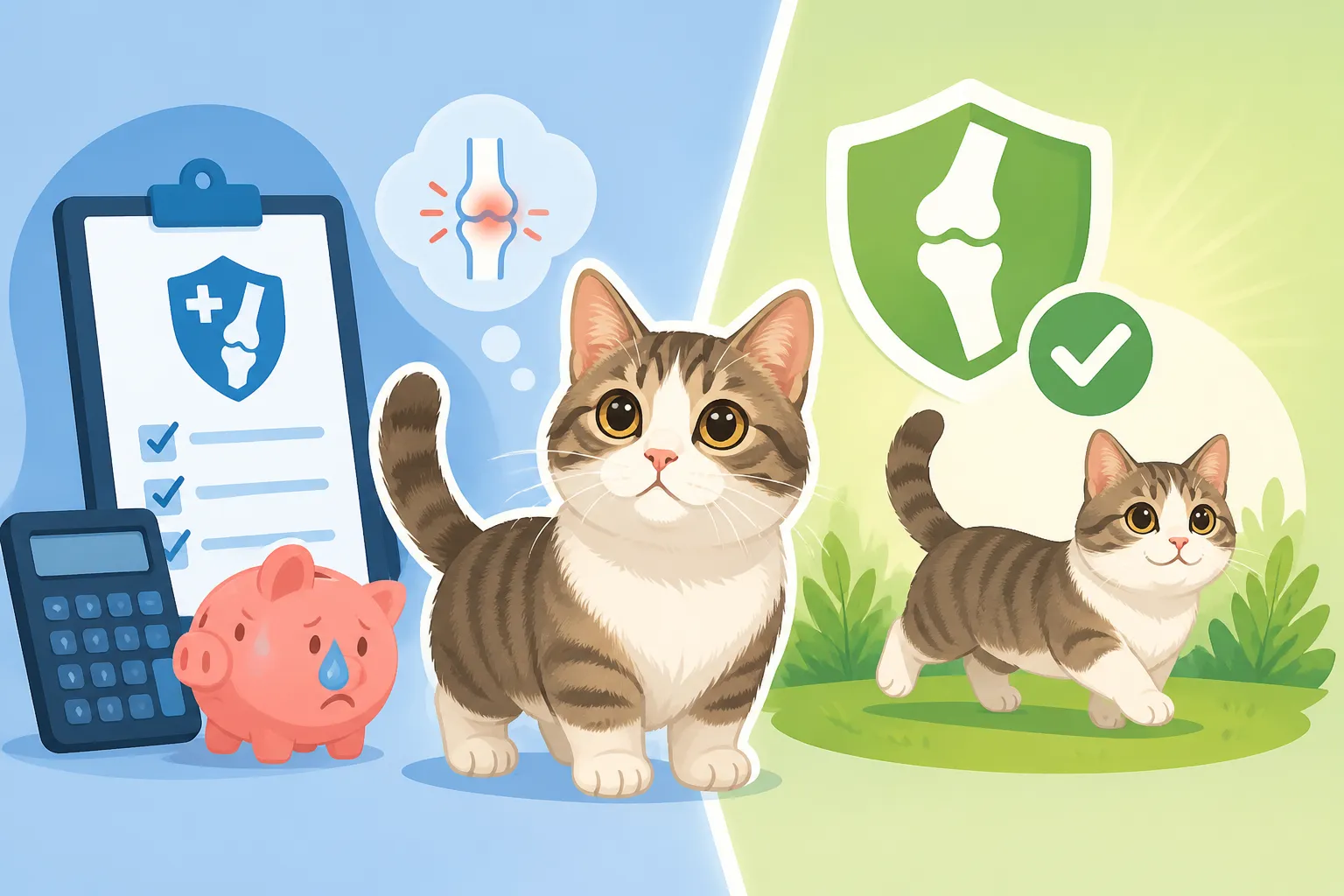
Whether a Joint Care Plan Pays for Itself on a Munchkin
It’s a tough spot, isn’t it? You adore your Munchkin, those sweet, stubby legs and playful demeanor melt your heart, but there’s always that little whisper of worry about their unique physical makeup and what it might mean for their long-term joint health. The question of whether a dedicated joint care plan is truly a wise investment, or just another expense, is one many Munchkin owners grapple with. This guide aims to break down exactly what these plans typically offer, weigh them against potential out-of-pocket costs, and help you decide if such a plan will genuinely pay for itself in the long run for your beloved short-legged companion.
Understanding What a Joint Care Plan Entails for Your Munchkin
When we talk about a "joint care plan," it's not a one-size-fits-all product you pick off a shelf. Instead, it’s usually a comprehensive approach, often bundled as a wellness add-on to pet insurance or a structured regimen recommended by your vet, designed to proactively support your Munchkin’s musculoskeletal system. The goal isn't just to fix problems when they arise, but to prevent or slow their progression, which is particularly relevant for breeds like the Munchkin that carry unique skeletal characteristics.
The Role of Supplements and Nutritional Support
One of the cornerstones of many joint care strategies is the careful selection of supplements. These aren't magic bullets, but they can offer vital building blocks and anti-inflammatory properties that help support cartilage and joint fluid. You'll often hear about ingredients like glucosamine, chondroitin, and MSM, which are believed to help maintain the integrity of joint cartilage and reduce discomfort. Omega-3 fatty acids, commonly found in fish oil, are also frequently recommended for their potent anti-inflammatory effects, which can be a huge benefit for cats dealing with subtle aches or stiffness.
Navigating the world of supplements can feel overwhelming, with countless brands and formulations out there. It’s important to discuss any supplement regimen with your vet to ensure it's appropriate for your Munchkin’s specific needs and won't interact negatively with other medications. Many owners find a trusted online retailer like Chewy to be a convenient source for a wide range of vet-approved joint supplements, often with detailed ingredient lists and customer reviews to help in the selection process. The real value here is consistency; these aren't treatments for acute pain, but rather long-term support to keep those joints as healthy as possible day in and day out.
Regular Vet Check-ups and Monitoring
A "plan" isn't just about what you give your cat at home; it's also about professional oversight. Regular veterinary check-ups become even more crucial when focusing on joint health. For a Munchkin, whose unique physiology can predispose them to certain issues like Why a Munchkin's Spine Carries a Load a Normal Cat's Does Not, having a vet who is attuned to early warning signs is invaluable. These appointments often go beyond a standard wellness exam, including specific palpation of joints, observation of gait, and discussions about any subtle changes you've noticed at home.
Your vet might recommend annual or even bi-annual check-ins specifically to assess joint mobility and comfort, even if your Munchkin seems perfectly fine. This proactive monitoring allows for early detection of conditions like arthritis, giving you a head start on management before the discomfort becomes severe. Think of it as preventative maintenance for their internal structure – catching a small issue before it becomes a big, painful, and expensive problem. Some wellness plans offered through pet insurance providers or directly by clinics might include discounted or free routine exams, which can certainly contribute to a joint care plan paying for itself over time.
Physical Therapy and Mobility Aids
As Munchkins age, or if they develop specific joint issues, a joint care plan might extend to include physical therapy or the integration of mobility aids. This isn't just for senior cats; younger Munchkins might benefit from structured exercises to build strength around their joints or maintain flexibility. Cat physiotherapy, though less common than for dogs, focuses on gentle movements, massage, and therapeutic exercises to improve range of motion, reduce pain, and strengthen supporting muscles. This can be especially helpful for addressing issues related to their unique leg structure, or for recovering from an injury.
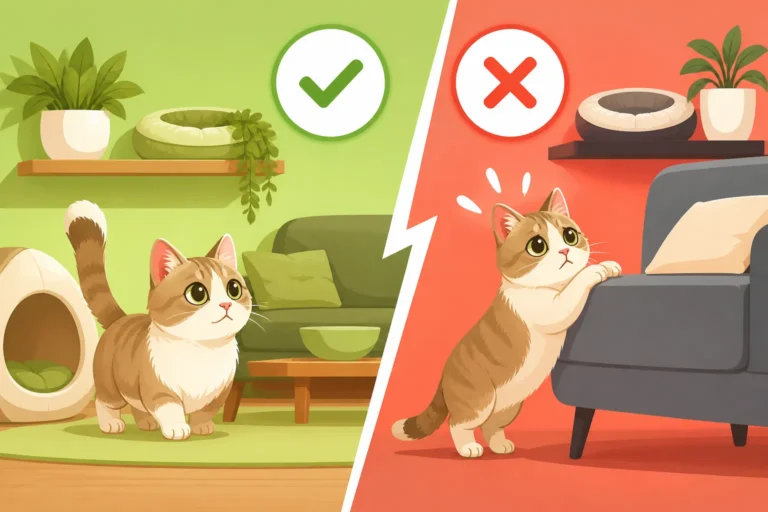
Beyond formal therapy, a good joint care plan will also emphasize adapting your home environment. This means ensuring your Munchkin has easy, low-impact access to their favorite spots. Ramps to the sofa or bed, low-sided litter boxes, and easy-to-reach feeding stations can all significantly reduce the strain on their joints. Consider reading up on What an Old Munchkin Stops Being Able to Do to understand the long-term needs. While purchasing these items might seem like an upfront cost, they are an integral part of a comprehensive care strategy, preventing excessive jumping and landing that can exacerbate joint wear and tear, especially in a cat whose Why a Munchkin's Elbows Take the Landing is already different.
The Financial Burden of Unplanned Joint Problems
Without a proactive joint care plan, owners often find themselves in a reactive position, facing significant costs when a joint issue suddenly flares up or becomes debilitating. These costs can quickly snowball, far exceeding the preventative expenses of a well-thought-out plan. It's not just about the pain your cat experiences; it's about the financial and emotional toll on you, the owner, as you scramble to find solutions.
Diagnosis and Imaging Costs
When your Munchkin starts showing signs of discomfort – maybe they’re limping, reluctant to jump, or crying when touched – the first step is usually a trip to the vet for diagnosis. This often involves a thorough physical exam, but to truly understand what's going on inside those unique legs and spine, imaging is almost always necessary. X-rays are common, providing a good initial look at bone structure and joint spaces. However, if the issue is complex or involves soft tissues, your vet might recommend more advanced diagnostics like MRI or CT scans. These can be quite costly, often running into hundreds or even thousands of dollars depending on your location and the specific services needed.
Imagine your Munchkin suddenly becomes reluctant to move its shoulder. Your vet suspects arthritis but needs to rule out other causes. The X-rays, possibly sedation for a clear image, and the vet's time add up. Without a plan that covers or discounts diagnostic imaging, these bills come directly out of your pocket. This is where pet insurance, especially a plan that includes accident and illness coverage, can be a lifesaver, as it can reimburse a significant portion of these diagnostic expenses.
Medication and Pain Management
Once a joint condition is diagnosed, medication and pain management often become a long-term necessity. This can range from anti-inflammatory drugs to specific pain relievers. Cats, notoriously sensitive to many medications, require careful dosing and monitoring, which means regular vet visits to ensure the treatment is effective and not causing adverse side effects. Some cats may also benefit from injections, such as polysulfated glycosaminoglycans, which aim to improve joint fluid and cartilage health. These injections can be administered periodically by your vet and carry their own cost.
The ongoing expense of these medications can be substantial, especially for chronic conditions like How Osteoarthritis Shows in a Munchkin's Shoulders. A monthly prescription for a pain reliever or a course of joint-supportive injections can easily add up to hundreds of dollars over a year. If your Munchkin is also dealing with other age-related issues, these costs compound. A joint care plan might not directly cover every single pill, but if it includes wellness benefits or if you have comprehensive pet insurance like Healthy Paws, it can certainly help mitigate the impact of these recurring expenses.
Potential Surgeries and Long-Term Care
In some severe cases, joint problems in Munchkins might escalate to the point where surgery is considered. While less common for general arthritis in cats than in dogs, certain conditions, like severe patellar luxation or complicated fractures resulting from falls (especially if a Munchkin tries to jump higher than it should), could necessitate surgical intervention. Surgeries are, without a doubt, the most expensive aspect of reactive joint care. They involve not just the surgeon's fees, but also anesthesia, post-operative medications, follow-up visits, and potentially weeks or months of recovery and rehabilitation.
For example, if a Munchkin develops a significant spinal issue like severe lordosis (a spinal curvature that can affect the breed) later in life, and it begins to compress organs or nerves, surgical correction might be discussed. Understanding What Lordosis Does to a Munchkin can highlight these risks. These highly specialized procedures can cost thousands of dollars, representing a massive, unexpected financial hit. Even if surgery isn't needed, a cat with advanced joint disease may require extensive long-term care, including specialized diets, mobility assistance, and frequent vet visits, making a compelling case for proactive planning.
Assessing if a Joint Care Plan is "Worth It" for Your Munchkin
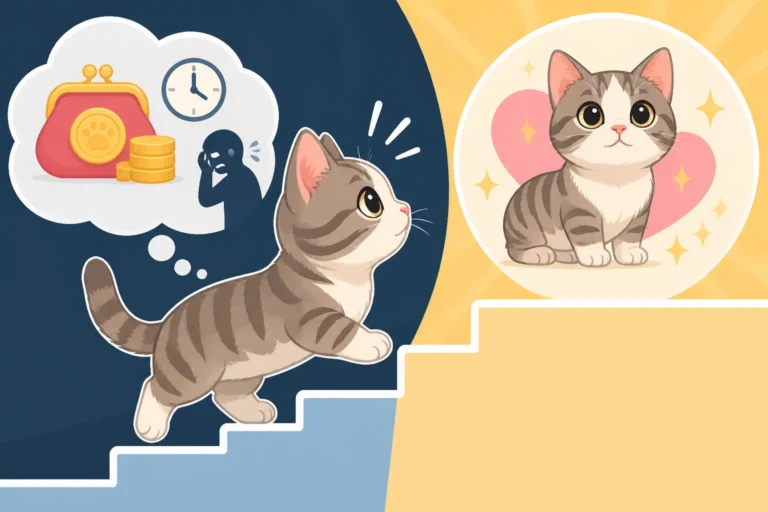
Deciding whether a joint care plan pays for itself really comes down to a personalized assessment of your Munchkin's individual circumstances and your own peace of mind. It’s not just about comparing dollar signs; it’s about quality of life for your furry friend and reducing stress for you.
Consider Your Cat's Current Health and Age
One of the biggest factors is your Munchkin's current health status and age. If you have a young Munchkin kitten, a proactive joint care plan might focus more on proper nutrition, weight management, and creating a safe, accessible environment to prevent problems from developing. For kittens, a good breeder will have already ensured the parents were screened for conditions, but understanding Why a Munchkin Kitten Needs an Early Vet Check is paramount. Starting preventative measures early can potentially save significant money and heartache down the line.
On the other hand, if you have an older Munchkin who is already showing early signs of stiffness or arthritis – perhaps they're not as agile as they once were, or you've noticed they're slower to get up – then a joint care plan becomes even more immediately relevant. The costs of managing existing conditions can quickly outweigh the monthly premiums of a wellness plan or the expense of supplements and adapted home items. If you're concerned about Whether a Munchkin Gets Arthritis Earlier, proactive measures are essential. For senior Munchkins, especially those past eight years old (when they count as senior for a cat), supporting their joints can drastically improve their comfort and mobility as they gracefully age.
Evaluate the Specifics of the Plan
Not all "joint care plans" are created equal. You need to scrutinize what’s actually included. Is it a wellness package from your vet that discounts certain services and products? Is it a pet insurance policy with a wellness add-on that reimburses for preventative care like supplements, special diets, or annual joint check-ups? Or is it simply a budget you’ve set aside for these specific needs?
A robust pet insurance policy, for instance, might not explicitly call itself a "joint care plan," but its comprehensive coverage for accidents, illnesses, and hereditary conditions (which Munchkin-specific issues could fall under) can effectively act as one. If a joint issue is deemed an illness, your Healthy Paws policy could kick in for diagnostics, medications, and even surgery. Always read the fine print to understand deductibles, reimbursement percentages, and any exclusions for pre-existing conditions. Compare options from different providers to see which offers the best fit for your Munchkin’s potential needs. The key is to find a plan that genuinely covers the types of interventions your Munchkin might require, rather than just a generic wellness package that doesn't address their breed-specific vulnerabilities.
The Peace of Mind Factor
Beyond the purely financial calculations, there's the invaluable element of peace of mind. Knowing that you've taken proactive steps to support your Munchkin's joint health, and that you have a financial safety net in place for potential issues, can significantly reduce anxiety. It means you're less likely to be faced with agonizing decisions purely based on cost if your cat needs expensive treatment.
For many owners, the true "worth" of a joint care plan isn't just about breaking even on expenses, but about ensuring their beloved pet receives the best possible care throughout their life, regardless of unexpected vet bills. It allows you to focus on your Munchkin's comfort and well-being, rather than stressing over the cost of every vet visit or prescription. Considering How Many Years a Well Bred Munchkin Lives, investing in their health over their lifespan can foster a deeper bond and prevent regrets.
Alternative and Complementary Approaches to Joint Care
If a formal "joint care plan" or comprehensive pet insurance isn't quite in the budget, or if you simply prefer a more hands-on approach, there are still many effective alternative and complementary strategies you can implement to support your Munchkin's joint health. These don't replace veterinary care, but they can significantly augment it and make a huge difference in your cat's comfort and mobility.
Home Environment Modifications
One of the most impactful things you can do for your Munchkin's joints is to adapt their living environment. Their short legs mean that jumping up and down from furniture, or navigating stairs, puts disproportionate strain on their spine and limb joints. Providing ramps or steps to all elevated surfaces they frequent – sofas, beds, windowsills – is crucial. Look for sturdy, carpeted ramps with a gentle incline. For instance, a low-entry litter box is essential to prevent painful stretching and awkward movements, especially if they are getting stiff. You can find many suitable options from retailers like Chewy or even build your own.
Consider the layout of your home: can your Munchkin easily access food, water, and litter without needing to jump or climb? Placing water bowls and food dishes at floor level or slightly raised to a comfortable height can prevent neck and back strain while eating. Even something as simple as ensuring they have soft, warm beds on the floor in their favorite napping spots makes a difference. These modifications, while an initial investment, are typically a one-time cost that provides long-term benefits by reducing the daily wear and tear on their joints. You might find our post on Ramps and Steps Are Munchkin Equipment, Not Luxuries helpful here.
Diet and Weight Management
Perhaps the single most important factor in a Munchkin's joint health is maintaining an ideal weight. Every extra pound your Munchkin carries puts additional stress on their joints and spine, accelerating wear and tear and exacerbating any underlying conditions. It’s critical to feed a high-quality, appropriate diet, carefully measured to prevent overfeeding. Because Munchkins aren't as active climbers and jumpers as their long-legged cousins, they often burn fewer calories and can gain weight more easily. Learning Why Weight Is More Dangerous on a Munchkin underscores this point.
Regularly monitoring your Munchkin's weight and body condition score is vital. Your vet can help you determine their ideal weight and calorie intake. If your Munchkin is overweight, even a small amount of weight loss can make a significant difference in their joint comfort. Look for cat foods formulated for “indoor” or “less active” cats, or those that specifically support joint health with added ingredients.
DIY Mobility Support and Comfort
Beyond physical therapy, there are simple, everyday things you can do at home to provide mobility support and comfort. Gentle massage of their legs and back, if your cat enjoys it, can improve circulation and ease muscle tension. Always be gentle and stop if your cat shows any signs of discomfort. Ensuring they have non-slip surfaces throughout your home can also prevent slips and falls that could injure delicate joints. Consider adding rugs or carpet runners, especially on hard floors where your Munchkin might struggle for traction.
For cats with more advanced stiffness, warm compresses on sore areas can provide temporary relief, much like a heating pad helps humans. Just be sure it’s not too hot and there’s a barrier between the compress and their skin. Ultimately, observing your Munchkin closely for any changes in their gait, activity level, or demeanor is paramount. Early detection of issues, combined with these home-based supportive measures, can help you provide continuous care that complements any veterinary treatments, ensuring your cherished Munchkin lives as comfortably and happily as possible.
| Feature | Proactive Joint Care Plan (e.g., Wellness Add-on) | Reactive Care (No Plan) |
|---|---|---|
| Costs | Predictable monthly/annual fees | Unpredictable, potentially high lump sums |
| Focus | Prevention, early detection, long-term support | Crisis management, treating symptoms after they appear |
| Services Included | Often discounted exams, supplements, diagnostics | Full price for all diagnostics, medications, procedures |
| Impact on Cat | Improved quality of life, slower disease progression | Potential for prolonged pain, faster disease progression |
| Owner's Stress | Reduced financial anxiety, peace of mind | High stress from unexpected bills and cat's discomfort |
| Long-term Value | Potentially saves money by avoiding major issues | Risk of higher overall costs due to advanced treatments |
This article is for general informational purposes only and does not constitute professional advice. Laws, prices and regulations vary by location and change over time. Consult a qualified professional for guidance on your specific situation.