Whether a Munchkin Rescue Fee Covers a Spinal Check
Bringing a rescued Munchkin cat into your home is an incredibly generous and loving act, but it often comes with a whirlwind of emotions and practical questions. One of the biggest concerns for prospective adopters, especially when considering a breed with unique health considerations like the Munchkin, is understanding exactly what their adoption fee covers. It’s natural to wonder if that fee includes a thorough spinal check, given the breed's predispositions, and the reality is that it's rarely a straightforward "yes" or "no" answer, leaving many adopters feeling a bit in the dark.
The Scope of a Standard Rescue Adoption Fee
When you pay an adoption fee to a rescue organization, it's a vital contribution that helps them continue their life-saving work. However, what this fee actually encompasses can vary wildly from one rescue to another. These organizations operate on tight budgets, relying heavily on donations and volunteer efforts, so their resources for extensive diagnostics can be limited.
What's Typically Included in the Fee
Most rescue fees are designed to cover the basic, essential veterinary care every animal receives before adoption. This generally includes things like a general health check-up, age-appropriate vaccinations, deworming, microchipping, and, crucially, spaying or neutering. These are the non-negotiables to ensure the cat is healthy enough for adoption and to prevent further pet overpopulation. You can usually expect a basic physical exam where the vet will listen to the heart and lungs, palpate the abdomen, and visually inspect the ears, eyes, and teeth. For a general domestic cat, this level of care is often perfectly adequate, setting them up for a healthy start in their new home.
The rescue organization might also provide a small bag of their current food, a favorite toy, or even a comfort blanket to help the cat transition. The primary goal is getting a healthy, socialized, and well-adjusted cat into a loving forever home. The fee isn't usually profit-driven but rather cost-recovery, helping offset the expenses associated with rescuing, housing, feeding, and providing initial medical care to all the animals in their charge.
Why Rescue Fees Vary and What It Means for Diagnostics
The price of adoption fees isn't arbitrary; it reflects the costs incurred by the rescue. Larger, more established rescues might have better access to discounted veterinary services or even have their own in-house clinics, which can influence what they can offer. Smaller, volunteer-run operations, on the other hand, might pay full price for vet services, meaning their fees might need to be higher just to break even on basic care, or they might simply be unable to afford more specialized diagnostics.
The geographic location can also play a role. Vet costs in a major city are often higher than in a rural area, and these regional differences get passed on. Furthermore, if a cat arrives with pre-existing conditions that require extensive treatment before being adoptable – think dental surgeries, complex wound care, or long-term medication – the rescue might try to recoup some of those costs through a slightly higher adoption fee for that specific animal, or it might be subsidized by general donations. However, a specific spinal check for a Munchkin is a specialized service, and unless the cat presented with obvious neurological symptoms or severe mobility issues that prompted further investigation, it's less likely to be part of the standard initial intake protocol. What a Munchkin Breeder Should Be Able to Show You will give you an idea of the kind of health checks ideally performed by a responsible breeder, which often go beyond rescue basics.
The Specific Spinal Concerns for Munchkin Cats
Munchkin cats are undeniably adorable with their short legs, but their unique physical structure comes with specific health considerations, particularly concerning their spine and skeletal system. Many potential adopters aren't fully aware of these nuances, which is why asking about them is so important.
Why a Spinal Check is Crucial for a Munchkin
The most common spinal concern associated with Munchkin cats is lordosis, a condition where the spine curves excessively inward, often leading to a "swayback" appearance. This isn't just a cosmetic issue; severe lordosis can compress internal organs, leading to breathing difficulties, digestive problems, and even paralysis. Another related condition, sometimes seen in Munchkins, is pectus excavatum, or "funnel chest," where the sternum sinks inward, compressing the heart and lungs. Both conditions can range from mild to severe, and while mild cases might not cause immediate problems, they can certainly impact a cat's quality of life and longevity. Lordosis Is the Spinal Curve the Munchkin Argument Is About and Pectus Excavatum and the Munchkin's Sunken Chest delve deeper into these specific conditions.
Unlike a general cat where a simple palpation of the spine might suffice, a Munchkin's unique body structure means that even a healthy spine carries a different load. Why a Munchkin's Spine Carries a Load a Normal Cat's Does Not explains the biomechanics. A vet experienced with the breed will know what to look for beyond a routine check. Without a specific request or obvious signs of distress, a general vet check at a busy rescue might not delve into the nuances of a Munchkin's spine. This isn't a failing on the rescue's part necessarily, but a reflection of the challenges of providing breed-specific advanced diagnostics for every animal without a direct, apparent need.
The Cost of Advanced Diagnostics and Why Rescues Might Not Include Them
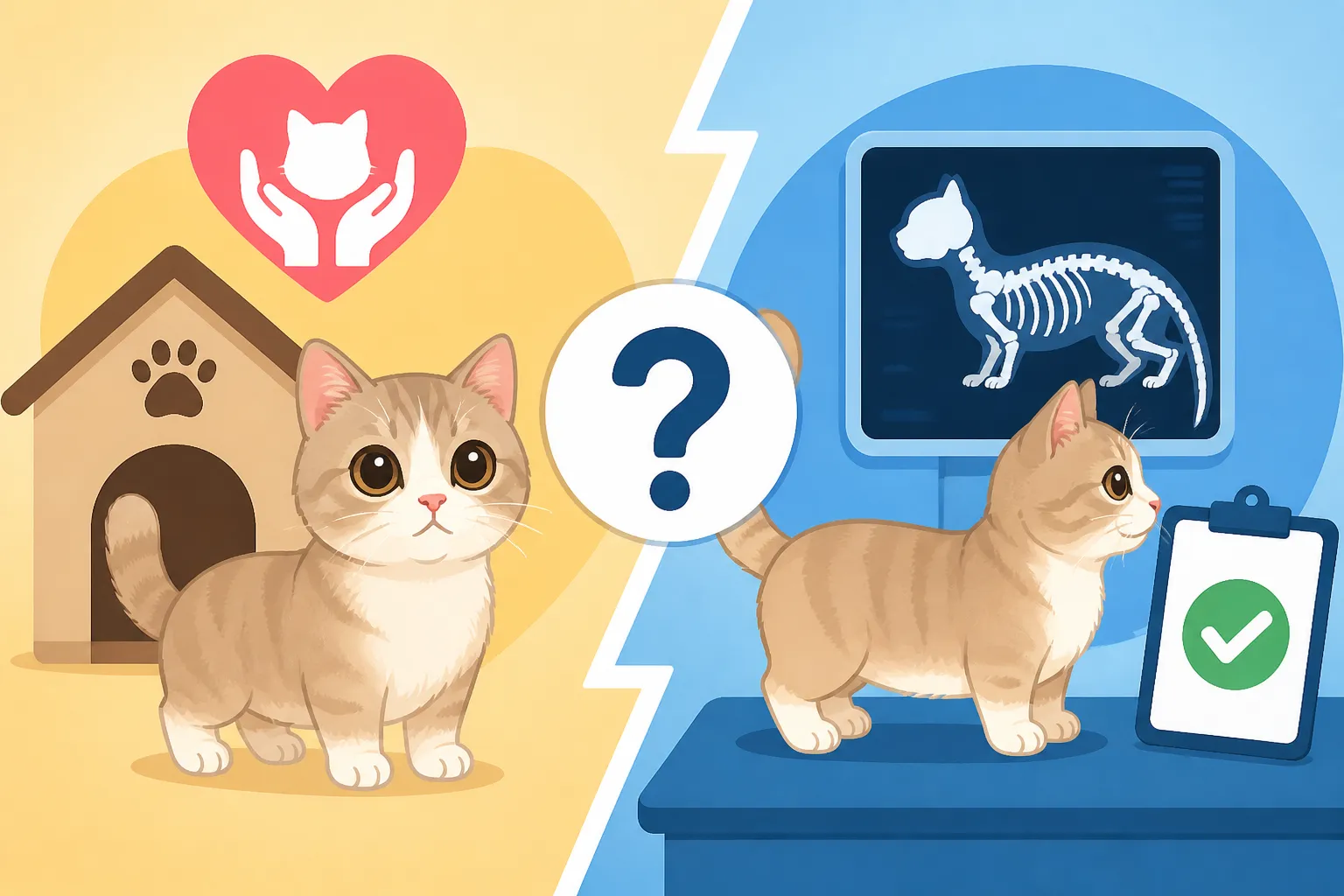
A truly thorough spinal check, beyond a basic physical exam, would typically involve imaging like X-rays. For cases requiring even more detail, an MRI might be recommended, but these are significantly more expensive and often require specialist referral. An X-ray might reveal the degree of lordosis or the severity of pectus excavatum, providing a clearer picture of the cat's skeletal health.
Here's the rub: these advanced diagnostics are costly. A single X-ray series can run into hundreds of dollars, and an MRI can easily be thousands. For a rescue operating on donations, allocating such a significant amount for a potentially "healthy-appearing" cat, when that money could spay/neuter several other animals or treat a life-threatening illness in another, becomes a very difficult ethical and financial decision. Unless the Munchkin arrived with an obvious gait abnormality, pain response, or clear breathing issues, it's highly improbable that a rescue would routinely perform X-rays or more advanced spinal imaging as part of a standard adoption protocol. They aim for basic health and rehoming, not always comprehensive breed-specific screenings unless absolutely necessary for the cat's immediate welfare.
Navigating Rescue Organizations and Spinal Health Inquiries
When you're looking to adopt a Munchkin, it's incredibly important to be proactive and informed. Don't assume anything; ask direct questions about the cat's health history and the extent of the veterinary care provided.
Asking the Right Questions Before Adopting
Your voice is your most powerful tool in the adoption process. When you inquire about a Munchkin, specifically ask the rescue these questions:
- "What kind of veterinary examination has this Munchkin received?"
- "Was a spinal palpation performed, and if so, what were the findings?"
- "Are there any notes in their medical record about their gait, posture, or any concerns related to their short legs?"
- "Has the cat ever shown signs of discomfort, difficulty breathing, or issues with mobility?"
- "Do you have any X-rays or other imaging reports on file, especially regarding their spine or chest?"
It's also a good idea to ask about the cat's behavior. For example, How a Munchkin's Behavior Changes After Eight or Why a Munchkin That Stops Using Its Ramp Is Unwell can signal underlying health issues. A rescue might have observed subtle changes over time. Be prepared that the answer to some of these questions might be "no," or that the records are basic. That's not necessarily a red flag against the rescue, but it should inform your next steps. Transparency is key, and a good rescue will appreciate your thoroughness, as it shows you're serious about providing the best care.
When to Seek an Independent Vet Opinion
Given the potential for spinal issues in Munchkins, if the rescue cannot provide detailed information or imaging of the spine, you should seriously consider arranging an independent veterinary check with your own trusted vet. Ideally, this would happen before you finalize the adoption or during an agreed-upon trial period. Discuss this possibility with the rescue from the outset. Many rescues are open to this, understanding that an adopter wants peace of mind.
When you take the Munchkin to your vet, specifically request a thorough orthopedic and neurological examination, with a particular focus on their spine and chest. Be upfront with your vet about the cat being a Munchkin and your concerns about conditions like lordosis or pectus excavatum. Your vet can then recommend whether X-rays are warranted based on their physical examination. This independent assessment gives you the most comprehensive picture of your potential new family member's health, allowing you to make an informed decision and prepare for any future care needs. It truly gives you the best chance to understand Which Health Problems the Munchkin Actually Has.
Financial Planning for a Rescue Munchkin's Spinal Health
Adopting a rescued Munchkin means embracing their unique needs, and often, that includes budgeting for potential ongoing or specialized care related to their skeletal structure. This isn't meant to deter you, but to help you be fully prepared.
Budgeting for Potential Diagnostics and Care
Even if your adopted Munchkin seems perfectly healthy, it's wise to set aside funds for potential diagnostics down the line, especially if you haven't had a full spinal check done. This "rainy day" fund can cover X-rays, specialist consultations, or even physiotherapy if an issue like early arthritis develops. Remember, conditions like lordosis can progress over time, and regular monitoring might be necessary.
Consider pet insurance right from the start. Providers like Healthy Paws offer coverage for unexpected illnesses and accidents. Getting a policy in place before any pre-existing conditions are diagnosed is crucial, as most policies won't cover conditions already known. A policy could potentially help with the cost of future X-rays, pain management, or even surgery if a severe spinal issue arises. While no insurance covers everything, having a safety net for unforeseen veterinary expenses can be a huge relief, especially for a breed with specific predispositions.
Supplementing Rescue Care with Ongoing Support
Once you bring your Munchkin home, managing their unique physical needs becomes part of your daily routine. This includes everything from their diet to their environment. For instance, their short legs mean they might burn fewer calories, making weight management incredibly important to avoid extra strain on their spine. Why Weight Is More Dangerous on a Munchkin highlights this perfectly.
You might want to explore joint supplements, even if they're not currently showing signs of stiffness, especially as they age. Products available from retailers like Chewy often include joint support supplements specifically formulated for cats, which can be an excellent preventative measure or part of a management plan for early-onset arthritis. Some owners even opt for specialized diets. Tailored meal plans with joint-supporting ingredients can be a valuable consideration for long-term well-being. Ensuring appropriate nutrition and a supportive home environment can go a long way in managing and mitigating potential spinal issues. Feeding a Munchkin Kitten Without Loading Its Joints gives great advice for their early years.
Collaborating with Rescues or Seeking Assistance
If you find a Munchkin at a rescue that you absolutely fall in love with, but their medical records are sparse regarding spinal health, don't be afraid to open a dialogue with the rescue. Some organizations, particularly smaller ones or those with a close relationship with their vets, might be willing to work with you. You could ask if they would consider performing X-rays if you covered a portion of the cost, or if they have a vet they recommend who is familiar with Munchkin-specific issues.
In some cases, if a significant but undiagnosed issue is found very shortly after adoption, some rescues might have a policy for assistance or a partial refund to help cover the immediate diagnostic costs. This is rare and not guaranteed, but it doesn't hurt to ask about their post-adoption support policies. The most important thing is to be honest about your concerns and willing to explore solutions together. By being a proactive and informed adopter, you ensure your rescued Munchkin gets the best possible start to a long, comfortable life in your home.
| Aspect of Care | Typically Covered by Standard Rescue Fee | Recommended for Munchkin-Specific Spinal Health |
|---|---|---|
| Initial Vet Exam | Yes (general physical) | Yes, with specific focus on gait & spinal palpation |
| Vaccinations | Yes | Yes |
| Spay/Neuter | Yes | Yes |
| Microchipping | Yes | Yes |
| Deworming/Flea Tx | Yes | Yes |
| Basic Blood Work | Sometimes, for older/ill cats | Consider at first exam, especially if senior |
| Spinal Palpation | Sometimes, if vet is thorough/breed-aware | Highly Recommended for any Munchkin |
| Spinal X-rays | No, unless severe symptoms | Recommended if spinal palpation raises concerns |
| Specialist Referral | No | Consider if X-rays show issues |
| Joint Supplements | No | Consider as preventative or ongoing care |
| Mobility Aids | No | Budget for ramps, low furniture |
Disclaimer
This article is for general informational purposes only and does not constitute professional advice. Laws, prices and regulations vary by location and change over time. Consult a qualified professional for guidance on your specific situation.