What Physiotherapy for a Stiff Munchkin Costs
It's incredibly tough to watch our beloved Munchkins start to slow down, to see that once-boundless energy dim, and notice them struggling with everyday movements. That adorable, ferret-like trot can become a stiff, hesitant shuffle, and reaching their favorite nap spot on the sofa turns into a painful ordeal. If you've started seeing signs of discomfort or stiffness in your short-legged companion, you're likely wondering about physiotherapy and, naturally, what that might mean for your budget. This guide is here to help you understand the costs associated with getting your Munchkin the physiotherapy they might need, breaking down the factors that influence expenses and offering insights into managing these vital investments in their well-being.
Understanding Why Your Munchkin Might Need Physiotherapy
When your Munchkin isn't moving with their usual grace, it's heartbreaking. Their unique conformation means they navigate the world differently from long-legged cats, and while they're incredibly agile, this also means their bodies face particular challenges over time. Physiotherapy becomes a crucial tool to maintain their mobility, reduce pain, and improve their overall quality of life when stiffness or discomfort creeps in.
The Unique Joint Challenges of a Munchkin
Let's be real: those adorable short legs that give Munchkins their distinctive look also mean their musculoskeletal system works a little harder. Unlike a cat with standard leg length, a Munchkin's spine and joints, particularly in their front legs and shoulders, are subjected to different forces and stresses. They can't always spring up or down with the same effortless fluidity, and every jump or landing, no matter how small, puts a specific kind of impact on their joints. This cumulative effect can lead to conditions like osteoarthritis appearing earlier than in some other breeds. While their body length is typically normal, it’s supported by shorter limbs, which can mean an increased load, especially on the spine. Issues like lordosis, a spinal curvature, though not directly caused by their leg length, can also exacerbate joint and mobility problems. This is why paying close attention to their movement, especially as they age, is so important.
Recognizing the Signs of Stiffness in Your Munchkin
Catching stiffness early can make a huge difference in how effectively physiotherapy can help your Munchkin. Often, the signs are subtle, easily mistaken for just "getting old" or a momentary clumsiness. But if you notice changes in their gait, perhaps a more deliberate, less fluid walk, or they hesitate before attempting a jump they once made easily, it's time to pay attention. Are they grooming less effectively, especially around their hindquarters or back, areas they might struggle to reach when stiff? What a Munchkin Cannot Reach to Groom They might seem more withdrawn, less interested in play, or even growl or hiss when touched in certain areas. Sometimes, you might observe them doing the unique "prairie dog sit" more frequently or for longer periods, which can be an attempt to relieve pressure on their front limbs or spine. The Prairie Dog Sit Only a Munchkin Does You might also see them struggling to get into or out of their litter box, even a low-entry one, or avoiding stairs entirely. Any of these could be indicators that their joints are causing discomfort, and a vet visit, potentially followed by a physiotherapy assessment, is warranted.
Deciphering the Cost Structure of Munchkin Physiotherapy
Understanding the costs involved in physiotherapy for your stiff Munchkin means looking beyond just the hourly session rate. There are initial evaluations, different treatment types, and the ongoing commitment to home care that all add up. It's a journey, not a one-time fix, and budgeting for it requires a clear picture of all components.
Initial Assessments and Diagnostic Fees
Before any therapy can begin, your Munchkin needs a thorough assessment by a qualified veterinary professional, often a vet specializing in rehabilitation or a certified canine/feline physiotherapist. This initial consultation is crucial. During this appointment, the specialist will observe your cat's gait, palpate their joints, assess their range of motion, and discuss their medical history and your observations. This diagnostic phase isn't just a quick check; it's about pinpointing the exact cause and extent of the stiffness.
Often, this initial assessment will include recommendations for diagnostic imaging, such as X-rays, to get a clear picture of their bone and joint health. This is particularly important for Munchkins, given their predisposition to certain spinal and joint issues. When a Munchkin Should Have Its Spine Imaged The costs for these diagnostics can vary depending on the facility, the number of views required, and whether sedation is needed. Sometimes, your regular vet might perform the initial assessment and X-rays, then refer you to a specialist for the actual physiotherapy plan. This combined approach means you'll factor in both your vet's consultation fees and the specialist's initial assessment.
| Service/Item | Typical Purpose | Relative Cost Factor |
|---|---|---|
| Initial Physiotherapy Consult | Comprehensive physical exam, gait analysis, history | Moderate |
| Veterinary Exam & Referral | General health check, initial diagnosis, pain meds | Moderate |
| X-rays (Sedated) | Visualize bone/joint issues, rule out other conditions | High |
| MRI/CT Scan (Advanced) | Detailed soft tissue/spinal assessment (if needed) | Very High |
| Follow-up Consultations | Progress checks, treatment adjustments | Low to Moderate |
The Price Tags on Different Therapy Modalities
Once a diagnosis and treatment plan are in place, you'll encounter the costs associated with the actual physiotherapy modalities. These can be quite diverse, and what your Munchkin needs will depend entirely on their specific condition, the severity of their stiffness, and their individual response to treatment.
Common physiotherapy modalities include:
- Manual Therapy: This involves hands-on techniques like massage, stretching, and joint mobilization performed by the therapist to improve flexibility, reduce muscle spasms, and increase circulation. These sessions are typically charged per visit.
- Therapeutic Exercises: These are targeted exercises designed to strengthen specific muscle groups, improve balance, and enhance coordination. The therapist will guide your Munchkin through these exercises during sessions and often teach you how to continue them at home.
- Hydrotherapy: This uses water to reduce weight-bearing stress on joints while allowing for movement. For a Munchkin, this might involve an underwater treadmill or simply supported swimming in a warm water pool. Whether Hydrotherapy Helps a Munchkin Hydrotherapy can be incredibly beneficial for cats with significant stiffness or pain, as the buoyancy of the water provides support and gentle resistance. These sessions are often priced per session, sometimes with package deals available.
- Laser Therapy (Photobiomodulation): A non-invasive treatment that uses specific wavelengths of light to reduce pain and inflammation, and promote healing at a cellular level. It's often used for localized pain or arthritis. Laser therapy is usually administered in short, frequent sessions.
- Therapeutic Ultrasound: Different from diagnostic ultrasound, this uses sound waves to create heat in deep tissues, promoting blood flow, reducing pain, and increasing tissue elasticity.
- Electrical Stimulation (TENS/NMES): These modalities use small electrical currents to stimulate nerves for pain relief (TENS) or muscles for strengthening (NMES).
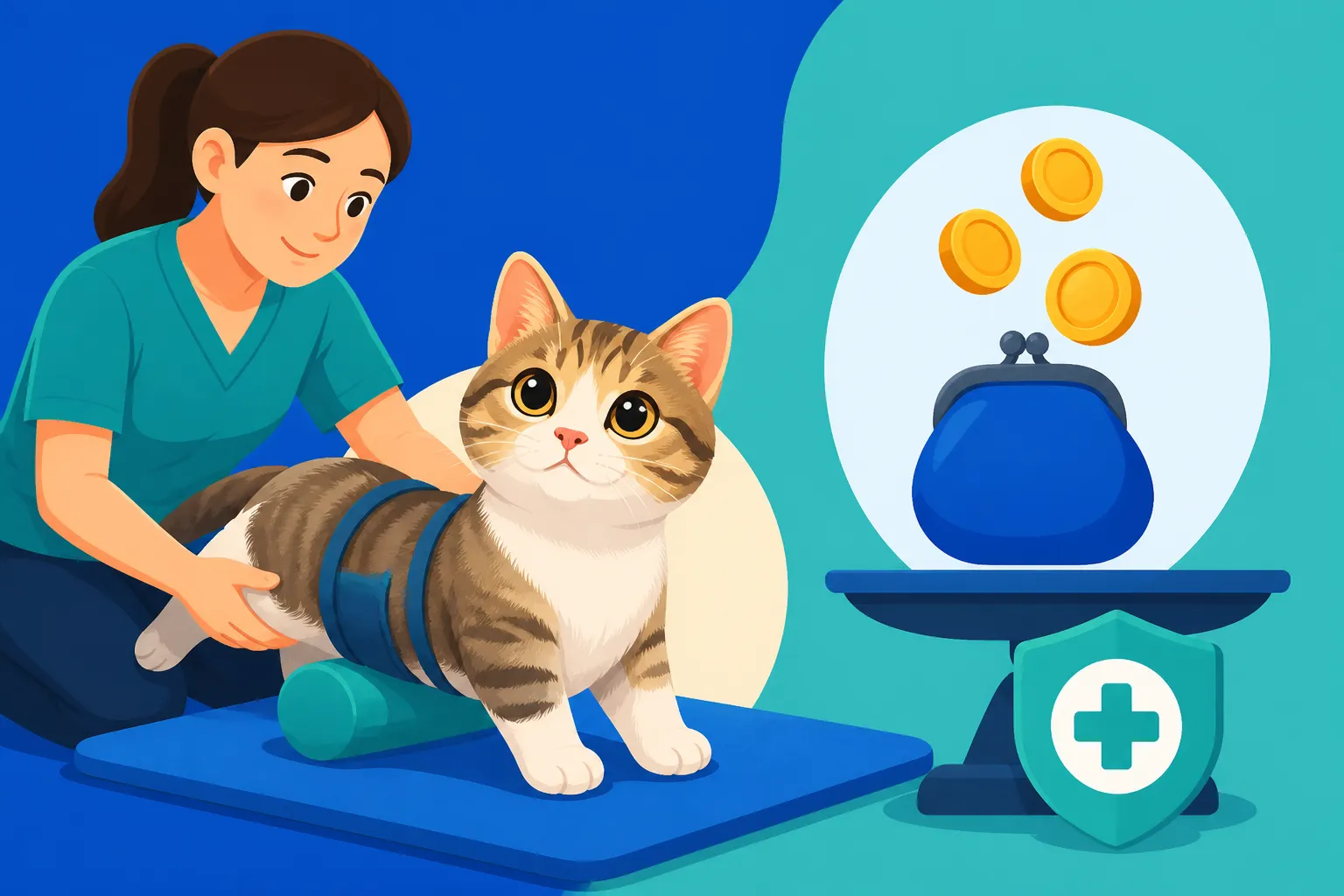
Each of these modalities comes with its own cost, and a comprehensive plan might involve a combination of several. The frequency and duration of sessions will also impact the overall cost, with more intensive initial phases followed by less frequent maintenance appointments. Some clinics offer package deals for multiple sessions, which can sometimes reduce the per-session cost, making it easier to commit to the full course of treatment.
Ongoing Maintenance and Home Care Costs
Physiotherapy isn't just about what happens at the clinic; a significant part of the success comes from consistent home care. This means there will be ongoing costs for items and modifications to your home.
Your physiotherapist will likely give you a tailored exercise plan to do with your Munchkin at home. This might involve gentle stretches, massage techniques, or simple games to encourage movement. While the "labor" is yours, you might need specific tools. This could include things like specialized mats for better grip on slippery floors, smaller hurdles for therapeutic exercises, or even soft brushes for routine grooming that your cat can no longer manage on their own due to stiffness. How Often a Longhaired Munchkin's Back Half Needs Brushing You might find these items at pet supply stores or online retailers like Chewy.
Furthermore, maintaining a comfortable and accessible home environment is paramount. This includes:
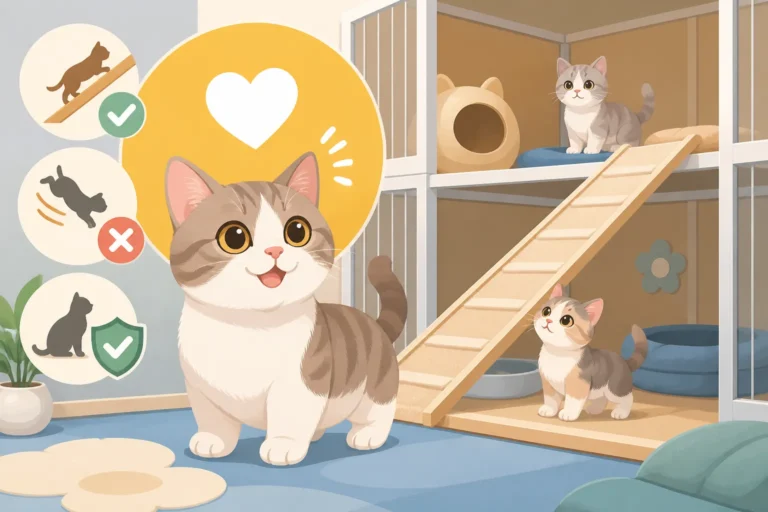
- Ramps and Steps: To help your Munchkin access their favorite sleeping spots, furniture, or even windowsills without painful jumps. Ramps and Steps Are Munchkin Equipment, Not Luxuries The cost of ramps can vary widely based on material, size, and custom features.
- Orthopedic Beds: Supportive beds can provide extra comfort for stiff joints, reducing pressure points.
- Joint Supplements: Many vets and physiotherapists recommend joint supplements containing ingredients like glucosamine, chondroitin, and Omega-3 fatty acids to support cartilage health and reduce inflammation. Which Joint Supplements Suit a Munchkin These are an ongoing monthly expense, and consistency is key for their effectiveness.
- Pain Management Medication: Depending on the severity of your Munchkin's condition, your vet might prescribe anti-inflammatory drugs or other pain relievers. What Pain Relief a Stiff Munchkin Can Take These medications are a recurring cost and are essential for keeping your cat comfortable and able to participate in therapy.
- Weight Management: Keeping your Munchkin at an ideal weight is one of the single most impactful things you can do to reduce strain on their joints. Why an Overweight Munchkin Is in Real Trouble This might involve specific prescription diets or carefully measured portions of high-quality food. The cost of specialized diets or carefully sourced food will be an ongoing part of your budget.
These home care costs, though seemingly small individually, accumulate over time and are a critical part of your Munchkin's long-term care plan.
Strategies for Managing Physiotherapy Expenses
Facing the potential costs of ongoing physiotherapy for your Munchkin can feel daunting, but there are proactive steps you can take to make it more manageable. From leveraging pet insurance to exploring various resources, a little planning can go a long way in ensuring your furry friend gets the care they need without breaking the bank.
Exploring Pet Insurance Coverage for Joint Care
One of the most effective ways to mitigate unexpected veterinary costs, including physiotherapy, is through pet insurance. Many pet parents consider pet insurance providers like Healthy Paws. However, it's crucial to understand the specifics of your policy or any policy you're considering. Not all pet insurance plans are created equal, especially when it comes to chronic conditions like arthritis or pre-existing joint issues.
When looking at pet insurance, pay close attention to:
- Pre-existing Conditions: Most policies will not cover conditions that were diagnosed or showed symptoms before the policy's effective date or waiting period. This is why insuring your Munchkin when they are young and healthy, before any stiffness or joint problems manifest, is ideal.
- Waiting Periods: There's usually a waiting period (e.g., 14 days for illness, sometimes longer for orthopedic conditions) before coverage kicks in.
- Coverage for Rehabilitation/Physiotherapy: Specifically check if physiotherapy, hydrotherapy, laser therapy, and related treatments are covered. Some policies might have limits on the number of sessions or a cap on the total amount reimbursed for rehabilitation services annually.
- Deductibles, Reimbursement Rates, and Annual Limits: Understand how much you'll pay out of pocket (deductible), the percentage the insurance company will reimburse (e.g., 80% or 90%), and any maximum annual payout limits.
If your Munchkin is already showing signs of stiffness, a new insurance policy might not cover the current condition, but it could still be valuable for any future, unrelated health issues. Always get a clear understanding from the insurance provider about what is and isn't covered before you commit.
Finding Affordable Physiotherapy Options and Resources
Even without comprehensive insurance coverage, there are ways to make physiotherapy more accessible. Don't be afraid to have an open conversation with your veterinary team about your budget constraints.
Here are some avenues to explore:
- Payment Plans: Many veterinary clinics and rehabilitation centers understand that specialized care can be expensive and may offer in-house payment plans, allowing you to spread the cost over several months. It never hurts to ask!
- Veterinary School Programs: If you live near a veterinary school with a teaching hospital, they often have state-of-the-art rehabilitation departments. These can sometimes offer slightly lower costs compared to private practices, and your Munchkin would benefit from the latest research and expertise.
- Local Animal Welfare Organizations: Some local animal shelters or humane societies have funds or programs dedicated to helping pet owners with veterinary expenses, especially for specialized care. Eligibility usually depends on income and specific criteria, but it's worth investigating.
- DIY Home Exercises (with professional guidance): While you should never attempt full physiotherapy without professional guidance, a qualified therapist can teach you specific, safe exercises and massage techniques to perform at home. This can reduce the frequency of clinic visits, lowering overall costs, while still providing consistent support for your Munchkin. The key is strict adherence to the professional's instructions to avoid injury.
- Focus on Prevention/Early Intervention: Investing in preventative measures, like ramps, appropriate nutrition for joint health, and regular weight monitoring from a young age, can help delay or reduce the severity of conditions requiring intensive physiotherapy down the line. Why a Munchkin's Budget Needs a Mobility Line Early detection of stiffness and prompt intervention can also prevent minor issues from becoming major, more expensive problems.
The Long-Term Financial Commitment
Committing to physiotherapy for your Munchkin is not just a short-term expense; it’s a long-term financial commitment that reflects your dedication to their comfort and quality of life. Unlike a one-off surgery, rehabilitation often requires ongoing maintenance, follow-up sessions, and consistent home care adjustments.
Think of it as an integral part of their lifelong care, especially as they get older. Caring for a Munchkin Past Ten As Munchkins age, just like any cat, they're more susceptible to stiffness and reduced mobility. What starts as a few sessions might evolve into monthly maintenance appointments or a continuous regimen of joint supplements and specialized food. You'll need to budget for regular check-ins with the physiotherapist to assess progress and adjust the treatment plan. Your vet will also want to monitor their overall health, including their gait and comfort levels, during annual examinations. How a Vet Watches a Munchkin Walk
This means building a dedicated line item in your pet care budget for their mobility needs. The upfront costs for diagnosis and initial intensive therapy might be significant, but the ongoing costs for maintenance, home adjustments, supplements, and special diets will become a regular part of your financial planning. While it's a commitment, the reward of seeing your Munchkin move more freely, play with renewed vigor, and live a comfortable, happy life makes every penny worthwhile.
Disclaimer
This article is for general informational purposes only and does not constitute professional advice. Laws, prices and regulations vary by location and change over time. Consult a qualified professional for guidance on your specific situation.