How Fast a Munchkin Runs on Level Ground
It's a common misconception that because Munchkin cats have those adorable, uniquely short legs, they must be slow or clumsy. Many first-time owners or those simply curious about the breed worry about their mobility and whether they can keep up with regular feline antics. But let me tell you, that assumption often melts away the moment you see a Munchkin zip across a living room. This guide is here to clarify exactly how fast a Munchkin cat can run on level ground, breaking down the mechanics and factors that influence their surprising agility and speed.
Dispelling the Myth of Slowness: More Than Just Short Legs
When you first see a Munchkin cat, especially a kitten, you might have an automatic mental image of a little waddler, perhaps struggling to keep pace. It's a natural assumption given their distinctively short limbs. You might even feel a pang of worry, wondering if their playful spirit is somehow hampered by their unique physique. However, the reality of a Munchkin's speed on level ground often comes as a delightful surprise to those who haven't witnessed it firsthand. They aren't just mobile; they're often incredibly quick and agile in their own special way.
Initial Impressions vs. Reality on the Ground
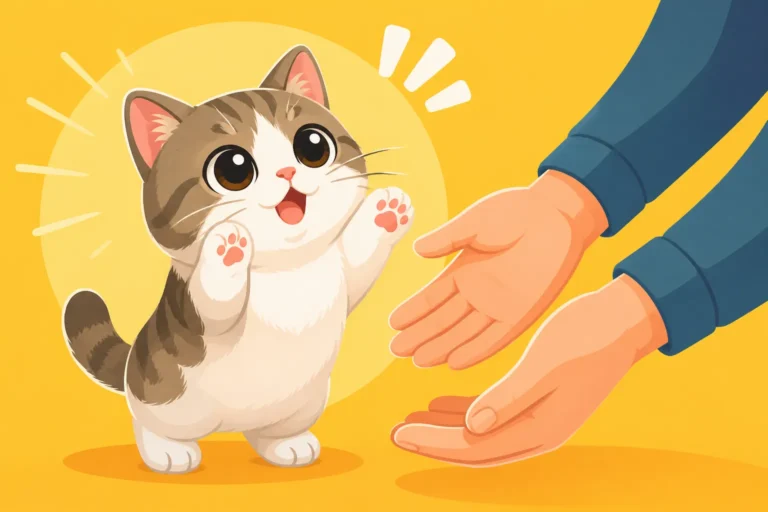
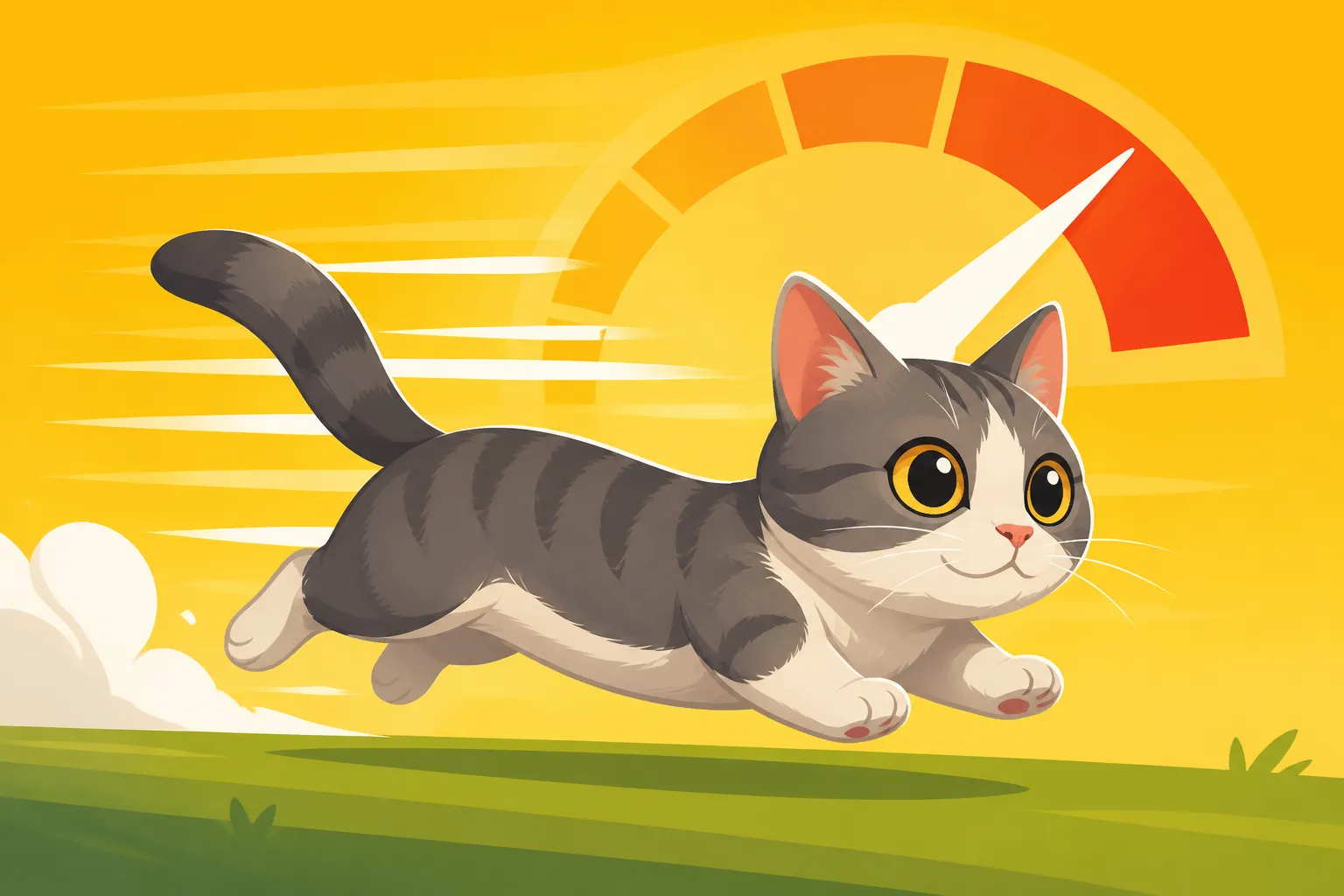
Picture this: you've just brought home your first Munchkin kitten. You set them down, expecting a hesitant, perhaps slightly awkward exploration. Instead, they might take off like a furry little torpedo, darting under furniture, around chair legs, and across the rug with astonishing speed. This initial burst of energy and seemingly effortless movement can completely shatter any preconceived notions you had about their capabilities. They don't just "get by"; they genuinely thrive on flat surfaces, utilizing their build to their advantage. A Munchkin Is a Normal Cat That Cannot Reach many places, but that doesn't mean it's slow.
Their unique physical structure, while limiting vertical reach, actually lends itself to a certain kind of ground-level prowess. They have a lower center of gravity and a distinctive gait that allows them to accelerate quickly and change direction with remarkable efficiency. It’s not about how high they can get, but how fast they can maneuver across the floor. This can be a huge relief for owners who might have felt a touch of guilt or concern, realizing their little companion is anything but a slowpoke.
Why the "Slow" Label is Misleading
The idea that Munchkins are slow is truly misleading because it often implies a lack of capability or enjoyment in movement, which simply isn't the case. While they might not be scaling the curtains or leaping onto the highest shelves, their floor-level speed and agility are often on par with, or even superior to, some longer-legged breeds in certain scenarios. Their low profile means they can tuck into tight spaces, turn on a dime, and navigate cluttered environments with surprising grace.
Think of it less as a disadvantage and more as a specialization. A cheetah is built for open plains, while a badger is designed for digging and navigating tunnels. The Munchkin is built for the ground floor, and within that domain, they can be incredibly efficient and speedy. Their energy expenditure is often focused horizontally, leading to impressive bursts of acceleration during playtime. The label of "slow" simply doesn't capture the dynamism and vivacity they bring to their daily activities.
The Mechanics of Munchkin Movement: Built for Speed (on the Flat)
Understanding how Munchkins move isn't just about watching them run; it's about appreciating the clever biomechanics behind their unique gait. Their short legs aren't just miniature versions of a standard cat's; they operate with a different kind of efficiency, especially when propelling them forward on a level surface. It's a fascinating example of adaptation, showcasing how they've made the most of their defining characteristic.
Short Legs, Fast Paws: How Their Limb Mechanics Differ
Contrary to what one might think, a Munchkin's short legs don't necessarily translate to fewer steps per second or less power. Instead, their limb mechanics work like well-oiled pistons, allowing for rapid paw turnover. Imagine a tiny, high-performance engine. While each "stride" might cover less ground than a long-legged cat's, the frequency and quickness of their steps compensate remarkably. Their muscles, while shorter, are often dense and powerful for their size, providing excellent propulsion.
They tend to keep their bodies very close to the ground, which minimizes the vertical motion often seen in a taller cat's gait. This focus on horizontal drive means more energy goes directly into forward momentum. It's a compact, efficient system for accelerating and maintaining speed over short distances, perfect for bursts of play or sudden dashes from one end of the room to the other. Their short legs allow them to achieve impressive speeds, particularly on smooth surfaces where their traction is maximized.
Low Center of Gravity: The Stability Advantage
One of the Munchkin's secret weapons for speed and agility is its inherently low center of gravity. This isn't just a quirk of their appearance; it's a significant functional advantage, especially when it comes to quick turns and maintaining stability at speed. A lower center of gravity means less wobble and more direct control over their body's movement. Why a Munchkin's Low Body Helps It Chase toys and playmates with remarkable balance.
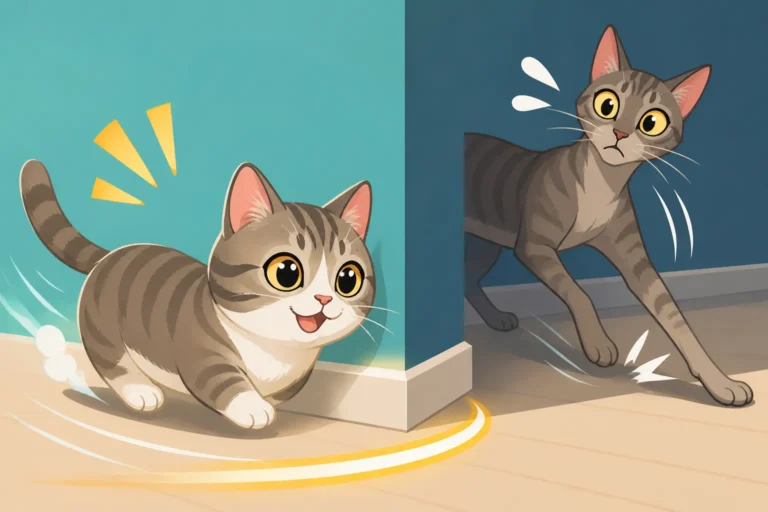
When a Munchkin corners, they don't have to lean as dramatically or expend as much effort to prevent tipping as a taller cat might. This allows them to execute sharp turns with incredible precision and minimal loss of speed. It's like a sports car hugging the road – they can take corners much tighter and faster. This stability also means they can stop and start very quickly, accelerating from a standstill to full sprint in a flash, which is a fantastic attribute for chasing toys or engaging in lively play sessions. How a Munchkin Changes Direction at Speed is truly something to behold.
The "Ferret-like" Gait: Describing Their Unique Movement
Many observers describe a Munchkin's movement on level ground as "ferret-like" or "weasel-like." And it's a wonderfully apt description! Instead of the fluid, high-stepping stride of a typical cat, Munchkins often exhibit a low, scuttling, almost flowing movement. Their bodies stay close to the ground, and their short legs work in quick succession, creating a continuous, low-profile blur of motion. Why a Munchkin Moves Like a Ferret perfectly encapsulates their ground-hugging, agile style.
This distinctive gait isn't just charming to watch; it's highly effective. It allows them to navigate under low furniture, weave through obstacles, and use their entire body as part of their propulsion system. Imagine them flowing rather than leaping. This particular style of movement gives them a surprising burst of speed and makes them incredibly entertaining companions, as they often appear to be gliding effortlessly across the floor.
Factors Influencing a Munchkin's Level Ground Speed
While Munchkins are naturally built for surprising speed on the flat, several factors can significantly influence just how fast and agile your individual cat will be. Just like any athlete, their performance isn't static; it's a dynamic interplay of their physical condition, environment, and even their personality. Understanding these elements can help you better appreciate your Munchkin's capabilities and support their active lifestyle.
Body Condition and Weight: Why Lean is Keen
This is perhaps the single most critical factor influencing a Munchkin's speed and overall mobility. Because their legs are short and their spines are of normal length, every extra ounce of weight places disproportionate stress on their joints and back. An overweight Munchkin isn't just a little slower; it can dramatically impact their ability to run, play, and even groom themselves comfortably. Why Weight Is More Dangerous on a Munchkin cannot be overstated.
A lean, healthy Munchkin will be light on its feet, able to spring into action and maintain speed with ease. Their short legs are efficient for propelling a svelte body, but they struggle under the burden of excess weight. Regular weight checks are vital. You should be able to feel their ribs easily without seeing them, and they should have a discernible waist when viewed from above. If your Munchkin is carrying extra pounds, even a small amount, it’s like asking an athlete to run a marathon with ankle weights. Prioritizing a healthy body condition is paramount for their speed and long-term health. How to Score a Munchkin's Body Condition accurately can help you keep them in peak form.
Footing and Surface Type: The Impact of Their Environment
The surface your Munchkin is running on plays a huge role in their speed and confidence. Just like humans, cats need good traction to accelerate and stop without slipping. Imagine trying to sprint on a patch of ice – it's going to be slow and precarious! For a Munchkin, whose body is so close to the ground, the texture and grip of the flooring are even more crucial. Which Surface a Munchkin Needs Underfoot is a key consideration for owners.
Smooth, slick surfaces like polished hardwood, laminate, or tile can be challenging. While they might still be able to move quickly, they often do so with less confidence, and there's an increased risk of slips and falls, which can be detrimental to their joints over time. You might notice them "digging in" with their claws more, or being more hesitant in their movements. On the other hand, carpet, rugs, or even textured vinyl provide excellent grip, allowing them to truly unleash their speed and agility without fear of slipping. Many owners find Whether Rugs Help a Munchkin Move Around dramatically, turning slick floors into safe, fun raceways. Investing in strategically placed runners or area rugs, especially in high-traffic play zones, can make a world of difference. You can find many options on Amazon to fit any decor and budget.
Individual Temperament and Play Drive: Some Are Just More Energetic
Beyond their physical build and environment, a Munchkin's individual personality and inherent play drive significantly contribute to their perceived speed. Some cats, regardless of breed, are simply more energetic, curious, and inclined to zoom around. A Munchkin with a high prey drive and a love for interactive play will naturally demonstrate its speed more often and more enthusiastically than a more sedate or shy individual.
Consider two Munchkins: one is a perpetual motion machine, always investigating, chasing after dust bunnies, and instigating games. The other is a happy lap cat, preferring cuddles and quiet observation. The first will likely appear much faster, not necessarily because their physiology is superior, but because their motivation to move quickly is higher. Encouraging play with appropriate toys that stay at their eye level can help tap into their natural athleticism. Wand toys, laser pointers (used responsibly), and small, floor-level rolling toys can all entice a Munchkin to show off their incredible bursts of speed. How Much Floor Level Play a Munchkin Needs often depends on their individual personality, but it's important for all of them.
Comparing Munchkin Speed to Other Cats: A Different Kind of Race
When we talk about a Munchkin's speed, it's important to frame it within the context of their unique physique. It's not always a direct, apples-to-apples comparison with a long-legged cat, because they excel in different arenas. Their strength lies not just in raw straight-line velocity, but in a combination of quick acceleration, agility, and stability that sets them apart.
Top Speed vs. Agility: Where They Truly Excel
A common long-legged domestic shorthair might be able to achieve a slightly higher top speed over a very long, unimpeded straightaway, simply due to the longer reach of their limbs. However, how often do our cats actually have such a runway in a typical home? In the real world of living rooms, hallways, and cluttered spaces, a Munchkin's agility often gives it an edge.
Their lower body and compact form mean they can change direction almost instantaneously. They can accelerate from a standstill to a decent speed in a couple of bounds, weave around obstacles, and stop on a dime. While a longer-legged cat might struggle with a wide turning radius, a Munchkin can pivot on a paw, making them exceptionally nimble in confined spaces. So, while their absolute 'top speed' might be debated, their functional speed – how quickly they get from point A to point B in a complex environment – is often very impressive. It's less about breaking speed records and more about winning the agility course in your home.
Short Bursts vs. Long Stretches: Their Running Style
Munchkins are built for bursts. Their body type is optimized for quick, powerful sprints over short to medium distances, not necessarily for sustained, long-distance running. This aligns perfectly with typical feline play patterns, which often involve sudden pounces, rapid chases, and then moments of rest before the next burst of activity.
You'll see them launch themselves forward with incredible gusto to snag a toy, then perhaps slow down or stop before re-engaging. They are little sprinters, not marathon runners. Their short legs allow for rapid paw movements, generating impressive acceleration for those quick dashes. This means that while Whether a Munchkin Runs Normally might look different due to their unique gait, it's perfectly normal and efficient for their body type. They thrive on games that involve quick starts and stops, reinforcing their natural running style.
Advantages in Tight Spaces: Cornering with Confidence
This is truly where Munchkins shine. Their low center of gravity and compact body make them masters of navigating tight spaces and executing sharp turns. Imagine a cat chasing a toy under a bed or around the legs of a dining table. A long-legged cat might have to slow down considerably, sometimes even stumble or slide, to make the turn. Not so with a Munchkin. Why a Munchkin Corners Faster Than It Should is a testament to their unique build.
They can hug the inside of a corner, pivot quickly, and maintain much of their momentum. This gives them a significant advantage in any environment with obstacles, which describes most homes! They can easily dart under low furniture or squeeze through narrow gaps that might pose a challenge for their taller counterparts. This ability not only makes them incredibly effective hunters of imaginary prey but also adds to their charming, somewhat mischievous personality as they seemingly appear out of nowhere.
Optimizing Your Home for Munchkin Speed and Safety
Ensuring your Munchkin can move quickly and safely around your home is about more than just appreciating their natural abilities; it's about actively creating an environment that supports them. While they are surprisingly fast on level ground, their unique physical needs mean a few thoughtful adjustments can go a long way in enhancing their quality of life and preventing potential strain or injury.
Creating "Race Tracks": Encouraging Safe Movement
Think about the pathways your Munchkin naturally uses for their zoomies. Are they clear? Are the surfaces non-slip? You can subtly encourage their bursts of speed by creating designated "race tracks" in your home. This might involve clearing clutter from long hallways, ensuring that areas around furniture have good traction, or even setting up engaging obstacles like tunnels or low-lying cat trees (like those available on Amazon with close-set platforms).
The goal isn't to force them to run, but to make sure that when their playful energy strikes, they have safe, inviting routes to express it. Providing these clear, carpeted or rug-covered paths allows them to accelerate, corner, and stop with confidence, protecting their joints from unnecessary impact or strain. It transforms your home into their personal agility course, where they can fully enjoy their surprising speed. What a Munchkin Does All Day at Floor Level includes a lot of running, so make it safe!
Minimizing Obstacles: Ensuring Clear Paths
While Munchkins are excellent at navigating obstacles due to their low profile and agility, consistently forcing them to weave around too many tight spaces or unstable items can still be a subtle source of stress or increased risk over time. Minimizing unnecessary obstacles, especially in areas where they tend to run at high speed, contributes significantly to their overall safety and enjoyment.
This means keeping floors clear of things they could trip over – loose wires, discarded items, or unstable decor. It also means positioning furniture in ways that allow for clear, wide pathways, even if those pathways go under certain pieces. If they repeatedly have to brake hard or twist awkwardly to avoid something, it puts repetitive strain on their short legs and spine. A tidy, well-thought-out floor plan allows your Munchkin to move more freely, express their natural speed without hesitation, and reduces the likelihood of minor bumps or strains.
Safe Landing Zones: Considering the Jump Down
While this article focuses on speed on level ground, it's important to acknowledge that Munchkins still can jump, just not as high as their long-legged cousins. They are often incredibly resourceful, using furniture as steps to gain elevation. The problem often arises not from the jump up, but from the jump down. Repeated hard landings from even moderate heights can put considerable stress on their shoulders, elbows, and spine over time.
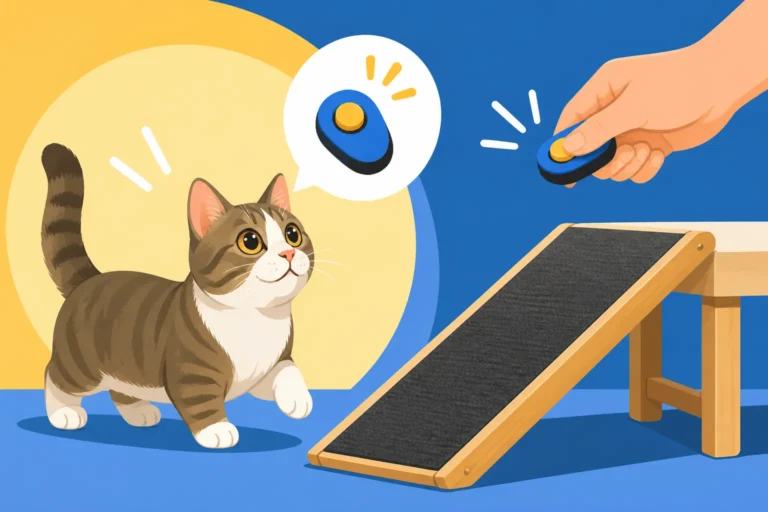
Therefore, creating "safe landing zones" is a crucial part of optimizing your home for their movement. This might involve placing soft, plush rugs at the foot of their favorite low window sills, sofas, or beds they frequent. Consider adding pet ramps or steps (like the many practical options found on Amazon) to their most-used pieces of furniture, giving them a gentle, joint-friendly alternative to jumping down. This thoughtful approach helps preserve their joint health, ensuring they can continue to run and play quickly and comfortably for many years. Providing How Much Floor Level Play a Munchkin Needs and safe access to everything helps maintain their physical condition throughout their lives.
Table: Munchkin Movement Characteristics vs. Standard Cats
To help visualize the differences in how Munchkins move compared to a standard, long-legged cat, here's a quick comparison of key characteristics:
| Characteristic | Munchkin Cat | Standard Long-Legged Cat |
|---|---|---|
| Top Speed (Burst) | Surprisingly fast for short distances. | Often slightly higher top speed over long distances. |
| Acceleration | Excellent, quick bursts from a standstill. | Good, but may take a fraction longer to reach full speed. |
| Agility/Cornering | Superior, can turn sharply with stability. | Good, but wider turning radius may be needed. |
| Gait Description | "Ferret-like," low, scuttling, flowing. | Fluid, high-stepping, graceful. |
| Stability | High, due to low center of gravity. | Good, but can be less stable during very sharp turns. |
| Navigating Obstacles | Excellent, can weave through tight spaces easily. | Good, but may need to slow down or jump over. |
| Vertical Reach | Limited jumping height. | High, can leap onto counters, shelves easily. |
| Endurance (Run) | Better for short sprints, not long chases. | Can sustain longer periods of running/play. |
| Joint Impact | Higher risk of strain if overweight or landing hard. | Generally lower risk with normal weight and good joint health. |
This table illustrates that while Munchkins have different physical attributes, they've adapted to become incredibly efficient and speedy within their own domain of ground-level movement.
Living with a Speedy Munchkin: Embracing Their Unique Style
Adopting a Munchkin means embracing a cat that approaches the world a little differently, especially when it comes to movement. Far from being hindered, their unique short legs equip them for a particular kind of ground-level grace and speed that is both charming and incredibly effective. Watching a Munchkin bound across the room, chase a toy with ferocity, or execute a perfect sharp turn around a table leg, you quickly realize that their short stature is no impediment to a full, active, and joyful life.
Their speed on level ground is a testament to their adaptability and the clever biomechanics of their breed. They might not scale the heights of a bookshelf in a single leap, but they can certainly outmaneuver many cats in a dash across the floor. By providing a safe, clutter-free environment with good traction, and keeping them at a healthy weight, you're ensuring your speedy little companion can express their full range of natural athleticism for years to come.
Ultimately, your Munchkin cat will show you that speed isn't just about how long your legs are, but how intelligently and energetically you use the ones you've got!
Disclaimer
This article is for general informational purposes only and does not constitute professional advice. Laws, prices and regulations vary by location and change over time. Consult a qualified professional for guidance on your specific situation.