How High a Munchkin Can Actually Jump
It’s a question every Munchkin cat owner, or aspiring owner, has probably pondered: just how high can these adorable, low-slung felines actually jump? You see those little legs and immediately wonder if they'll ever make it onto the sofa, let alone the kitchen counter. It’s a completely valid concern, and one that often causes a little anxiety – you don't want your beloved companion feeling frustrated or, worse, hurting themselves trying to reach their favorite spot. This guide is all about setting realistic expectations, understanding their unique physical abilities, and, most importantly, learning how to create a home environment where your Munchkin can thrive, safely reaching all the places they need and want to be.
Understanding the Munchkin's Unique Physiology for Jumping
Let’s be honest, those short legs are the defining characteristic of a Munchkin, and they play a huge role in everything they do, especially when it comes to vertical movement. Unlike their long-legged counterparts, Munchkins aren't built for Olympic high jumps, but that doesn't mean they're entirely grounded. Their unique physiology requires a different kind of understanding.
The Mechanics of a Short-Legged Jump
When a typical cat prepares to jump, they crouch low, coiling their powerful hindquarters like springs. Their long legs provide incredible leverage, allowing them to push off the ground with immense force, extending fully to propel themselves upwards. For a Munchkin, that process is fundamentally altered. Their legs are proportionally much shorter, meaning they don't have the same length of lever to generate power. Imagine trying to spring off a diving board if your legs were half their usual length; you’d still jump, but the height and effort involved would be completely different.
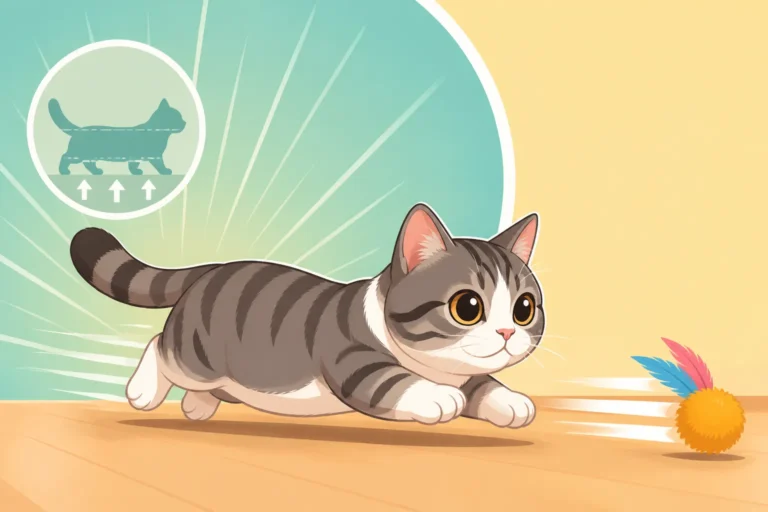
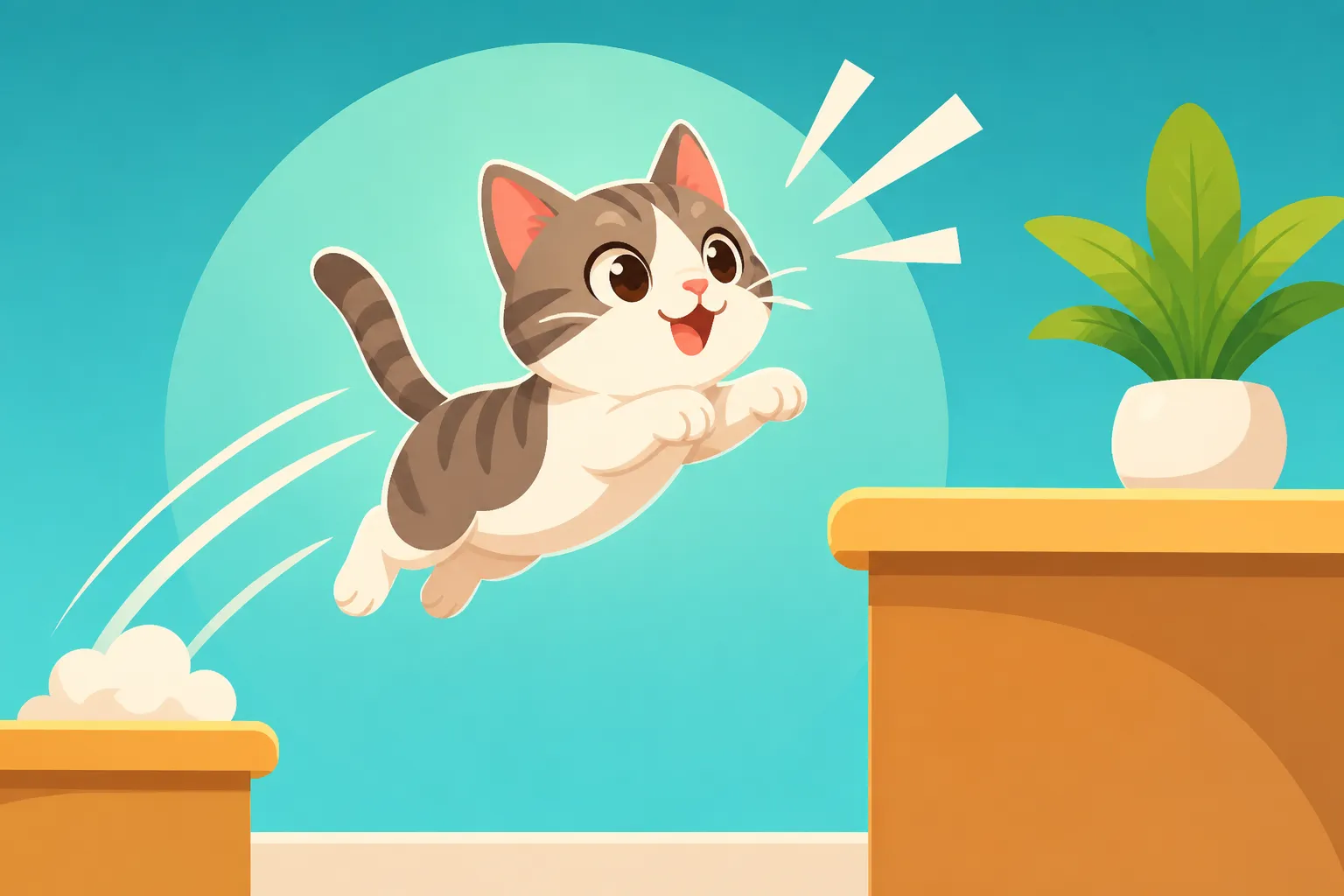
A Munchkin often has to work much harder for every inch of vertical lift. They might take a few preparatory hops, assessing the distance, and then launch themselves with a more horizontal, rather than purely vertical, trajectory. This means they rely more on sheer muscle power and momentum than on the elegant, upward thrust seen in a standard cat. This difference in mechanics is crucial to understanding What Pseudoachondroplasia Does to a Munchkin's Legs and how it influences their everyday movements.
How Muscle and Bone Structure Impact Leap Height
Despite their short stature, Munchkins are surprisingly muscular. Their hindquarters, in particular, are often well-developed, compensating for the lack of leg length. They use these muscles to their absolute maximum capacity to generate upward force. However, there's also the consideration of their spine. While a Munchkin's spine is generally normal length, the short legs mean it carries a different kind of load. Why a Munchkin's Spine Carries a Load a Normal Cat's Does Not is a complex topic, but in simple terms, the stresses on their spinal column, especially during impacts like landing from a jump, can be greater or distributed differently than in a cat with longer, shock-absorbing limbs.
Their joint angles also play a role. The angles of their knees and ankles might be slightly different, affecting the efficiency of their spring. This doesn't necessarily mean they're in pain, but it does mean their jumping "style" is adapted. When they land, their shorter legs mean they absorb impact closer to their body, potentially putting more direct pressure on their shoulders and spine over time. It's why monitoring their comfort and supporting their movements is so important as they age.
The Reality of a Munchkin's Vertical Leap
So, can they jump? Absolutely! But the question is, how high, and with what frequency should they be encouraged to do so? The reality is often a delightful mix of surprising agility and practical limitations.
Average Jumping Heights and Benchmarks
Generally speaking, most healthy adult Munchkins can jump onto a standard sofa, which is typically around 18-24 inches high. Many can also manage low chairs, cat trees designed for smaller breeds, or even the lower shelves of a bookcase. Some particularly athletic individuals might surprise you by making it onto a bed, especially if there's a nearby footstool or other intermediate step. However, the kitchen counter or the top of a tall refrigerator? Those are usually out of reach for the vast majority of Munchkins without some form of assistance. They simply don't have the leg length or the jump trajectory to clear such significant heights.
It’s important to remember that these are benchmarks, not strict rules. Just like people, cats have varying levels of athleticism. A young, fit, lean Munchkin might be a more impressive jumper than an older, slightly overweight one. Their motivation matters, too. Is there a favorite toy, a sunbeam, or perhaps a treat waiting for them? That can sometimes add an extra inch or two to their perceived capabilities! But, let's be realistic, consistently making huge leaps is not part of their natural physical design.
Factors Influencing a Munchkin's Jumping Ability
Several factors contribute to how well and how high a Munchkin can jump:
- Age: Kittens are often surprisingly bouncy and fearless, experimenting with their limits. As they mature, their jumping becomes more calculated. Senior Munchkins, especially if they're starting to experience How Arthritis Shows in a Munchkin's Front Legs, will naturally reduce their jumping frequency and height. What an old Munchkin Stops Being Able to Do often includes those once-easy leaps onto the sofa.
- Weight and Body Condition: This is arguably one of the most critical factors for a Munchkin. Every extra pound places additional strain on their short legs and spine. An overweight Munchkin will find jumping significantly more difficult and uncomfortable. Why an Overweight Munchkin Is in Real Trouble isn't just about general health; it directly impacts their mobility and joint integrity. Keeping them at a healthy weight is paramount for preserving their jumping ability and overall quality of life.
- Muscle Tone and Overall Health: A Munchkin that is active, plays regularly, and has good muscle tone will naturally be a stronger jumper. Any underlying health issues, such as spinal discomfort, early arthritis, or even respiratory problems, can impact their willingness and ability to jump. Regular vet check-ups are essential to monitor their musculoskeletal health.
- Surface and Environment: The type of surface they're jumping from and onto also makes a difference. A carpeted surface offers better grip than a slippery tile floor, which can give them more confidence and propulsion. The stability of the landing zone also plays a role – they'll be more hesitant to jump onto a wobbly surface.
Adapting Your Home: Supporting Safe Ascent and Descent
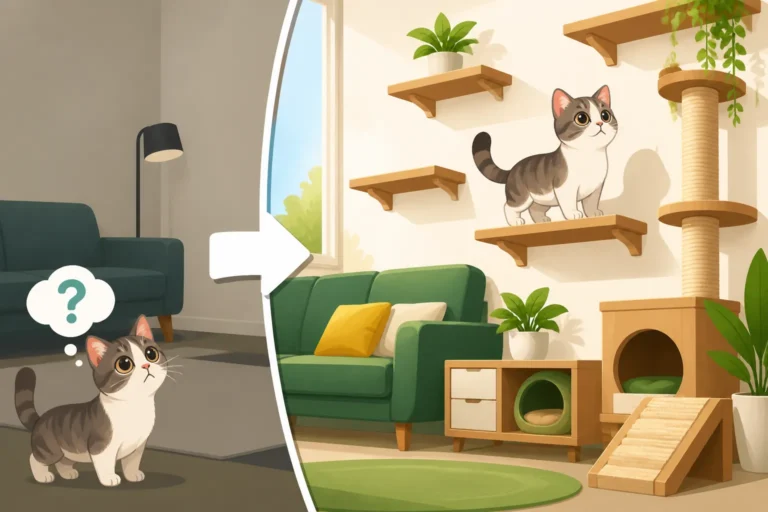
Knowing their limitations isn't about restricting your Munchkin; it's about empowering them to live their best, most accessible life. This means thinking about your home from their perspective and making smart adaptations.
Essential Ramps and Steps for Accessibility
This is where you truly become your Munchkin's hero! Ramps and steps aren't just for senior or injured pets; for a Munchkin, they are fundamental equipment from day one. They provide a safe, low-impact way for your cat to reach elevated surfaces without straining their joints or risking injury. Think about all the places your Munchkin might want to go: the sofa, your bed, a favorite window perch, or even just a high-backed armchair.
Strategically placing pet ramps or steps next to these key pieces of furniture can make a world of difference. You can find a fantastic array of options on platforms like Amazon, from carpeted ramps to sturdy wooden steps, designed for various heights and styles. Look for ramps with a gentle slope and a non-slip surface, and steps that are wide enough for comfortable footing and have a low rise between each step. How to Teach a Munchkin to Use Steps often involves a little patience and positive reinforcement, but once they get the hang of it, you'll see them using these aids with confidence. It saves their joints, prevents frustration, and lets them enjoy the same comforts as any other cat.
Smart Furniture Arrangements for a Munchkin's World
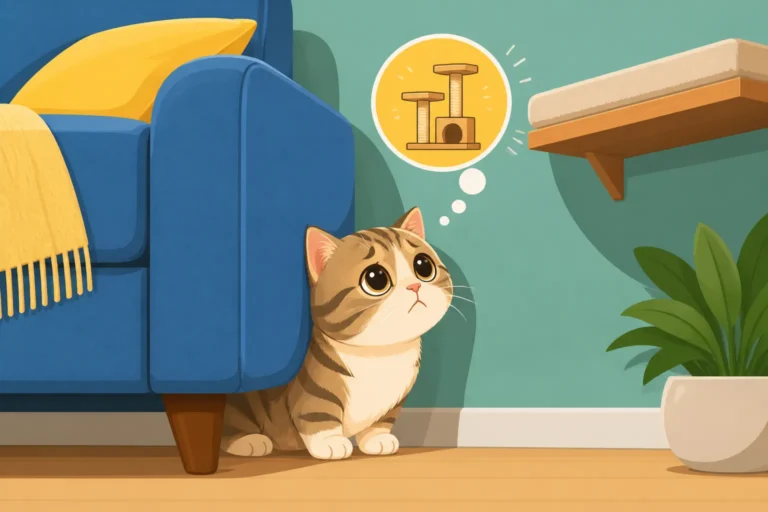
Beyond buying dedicated ramps, you can also get creative with your existing furniture to build natural "staircases" for your Munchkin. Consider arranging low ottomans, sturdy storage cubes, or even strategically placed large cushions as intermediate steps leading up to higher surfaces. A tall cat tree might be out of reach, but a shorter, multi-level tree or one with very close-set platforms (think like a little ladder) can be perfect. Which Cat Tree Layout Suits a Munchkin is often one with accessible ramps or very shallow steps between platforms, ensuring they can climb without large, risky leaps.
Ensure that all surfaces they'll be navigating, both up and down, offer good traction. Rugs or carpet runners on hard floors are excellent for preventing slips, especially when they're launching or landing. Think about the overall flow of your home: can your Munchkin get to their food and water, their litter box, and their favorite sleeping spots without needing to jump or struggle? Sometimes, just moving a side table closer to a sofa can transform an inaccessible spot into a safe haven. Remember, the goal is to reduce the need for high-impact jumps, especially repeated ones. You want to make their life easier, not harder.
When Jumping Becomes a Concern: Health and Limitations
While Munchkins are resilient and adapt wonderfully, their unique anatomy means we, as their guardians, need to be extra vigilant about their physical well-being. Understanding when a jump is a normal exertion versus a potential strain is key.
Recognizing Signs of Strain or Discomfort
It's natural for a Munchkin to explore and try to jump, but we need to watch for signs that they might be pushing their limits or experiencing discomfort. After a jump, observe their gait. Do they land awkwardly? Do they limp or favor a leg even for a moment? Do they show any hesitation before jumping, or vocalize (a little meow or grunt) during or after the effort? These could all be subtle indicators of strain.
Other signs of discomfort might include a change in their preferred resting spots – suddenly avoiding the sofa they once loved, or choosing to sleep on the floor instead of the bed. They might be less playful, more withdrawn, or react negatively to being touched, particularly around their back or shoulders. If you notice any of these changes, it's crucial to consult your veterinarian. Early detection of issues like early arthritis or spinal discomfort can make a significant difference in managing their comfort and mobility. Don't dismiss a sudden reluctance to jump as "just getting old" without a vet check.
Long-Term Joint Health and Why Jumps Matter
Every jump, every landing, creates an impact on a cat's joints. For a Munchkin, with their unique leg and spinal structure, these impacts can potentially contribute to accelerated wear and tear over time. While they may not get hip dysplasia as commonly as some larger breeds, their front legs and shoulders can bear a disproportionate amount of impact, making them susceptible to conditions like osteoarthritis as they age. This is particularly true if they are constantly attempting jumps that are at the upper end of their physical capabilities or if they're landing on hard surfaces.
This is precisely why preventative care and environmental modification are so vital. By providing ramps and steps, you're not just making their life easier now; you're actively safeguarding their joint health for the future. Reducing the number of high-impact jumps they perform daily can help slow the progression of age-related joint issues. Discussing joint supplements with your vet, especially as they approach their senior years, can also be a proactive measure to support cartilage health and comfort. Whether a Munchkin Should Be Discouraged From Jumping in certain contexts is definitely a conversation worth having with your vet, focusing on protecting them from unnecessary strain.
Debunking Myths and Understanding Instinct
There are a lot of misconceptions floating around about Munchkin cats, and it's important to separate fact from fiction, especially when it comes to their movement. They are cats, after all, and they still possess many natural feline instincts.
The Myth of the "Normal Cat" in a Small Body
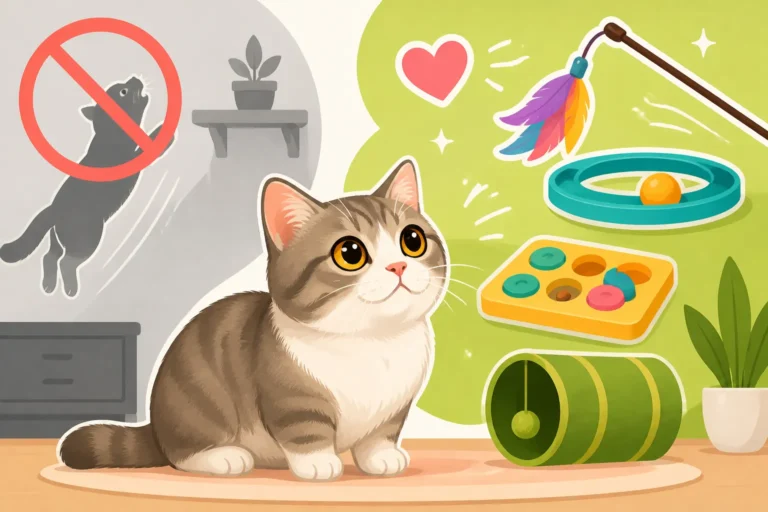
One of the biggest misconceptions about Munchkins is that they're just like "normal" cats but with shorter legs, implying that they can do everything a long-legged cat can, just perhaps with a little more effort. While their personalities are indeed just like any other domestic cat – playful, curious, affectionate – their physical capabilities are fundamentally different. They are not designed to scale curtains, leap onto door frames, or effortlessly spring onto high shelves. Expecting them to do so is unfair and potentially harmful.
Instead of seeing their short legs as a deficit, it's more accurate to see them as a unique adaptation. Their low center of gravity gives them incredible agility on the ground, allowing them to zip around corners and accelerate surprisingly quickly. This is where their "normal cat" instincts really shine through – they want to climb, want to explore, and want to get to high places. It's up to us to provide the pathways for them to do so safely, rather than leaving them to struggle or get frustrated because they can't achieve what a longer-legged cat might. Their instincts are strong, even if their bodies require a different approach to fulfill them.
How a Munchkin Compensates for Its Shortcomings
Munchkins are incredibly clever and adaptable. They quickly learn to compensate for their shorter stature with a variety of ingenious methods. Instead of a single powerful leap, they might employ a series of smaller, more strategic jumps, using furniture as a natural staircase. A common sight is a Munchkin taking two jumps to reach a sofa where a long-legged cat would only need one. What Happens When a Munchkin Misjudges a Jump is often a comical tumble or a quick scramble, but usually not a serious injury if the height isn't extreme.
They also become masters of "ferreting" – using their low-slung bodies to wriggle into tight spaces, under furniture, or through narrow gaps that a taller cat couldn't manage. And, of course, there's the famous "prairie dog" sit, where they sit up on their hind legs to get a better view or reach something just a little higher. What a Munchkin's Prairie Dog Posture Tells You is often pure curiosity or a desire to survey their surroundings, a clever way to gain a few inches of height. They might also become quite vocal when they want to be lifted or gain access to a higher spot. How Much a Munchkin Talks When It Wants Lifting can be quite a lot! By understanding these natural compensatory behaviors, we can better anticipate their needs and continue to adapt our homes to their unique abilities, ensuring they lead a full, happy, and accessible life.
Comparison: Munchkin vs. Standard Cat Jumping
To really highlight the differences, let's look at a quick comparison between a Munchkin and a standard domestic shorthair when it comes to jumping capabilities.
| Feature | Munchkin Cat | Standard Domestic Shorthair Cat |
|---|---|---|
| Leg Length | Significantly shorter (chondrodystrophic) | Proportionally long, athletic |
| Jump Mechanism | More horizontal, relies on momentum & multiple steps; less vertical lift | Powerful vertical thrust, strong leverage from hindquarters |
| Average Jump Height | Up to 18-24 inches (sofa, low chair) | Up to 5-6 feet easily (counters, shelves, doors) |
| Preferred Ascent | Ramps, steps, furniture "staircases" | Direct jumps, climbing |
| Landing Impact | More direct impact on shoulders/spine | Distributed shock absorption through longer limbs |
| Risk of Strain | Higher with repeated high jumps, especially when overweight | Lower for healthy cats within natural limits |
| Compensation | Prairie dog sit, ferreting, vocal requests | Less need for compensation in height; more direct approach |
This table clearly illustrates why special consideration is needed for Munchkins to ensure they can navigate their world safely and comfortably. It's not about them being "disabled," but about accommodating their distinct physicality.
Encouraging Safe and Healthy Movement
It’s all about creating an environment that supports their natural desires to climb and explore without putting them at undue risk. A happy Munchkin is an active Munchkin, but that activity needs to be mindful of their physical limitations.
Designing a Munchkin-Friendly Activity Zone
Every Munchkin needs a dedicated "activity zone" where they can play, climb, and explore to their heart's content, all within safe parameters. This zone should be set up with their short legs in mind. Think about low-set cat trees or modular climbing sets that have very shallow steps or ramps between platforms. Brands like Amazon offer a wide variety of adaptable cat furniture that can be configured to suit a Munchkin's needs. You might even consider wall-mounted steps or shelves, installed at easily navigable heights, creating a vertical playground that doesn't require huge jumps.
Interactive toys that focus on floor-level play are fantastic for Munchkins. Feather wands, laser pointers (used responsibly!), and crinkle balls can keep them engaged without pushing them to jump excessively. Puzzle feeders placed on the floor or on low steps are also excellent for mental enrichment. The key is to satisfy their feline instincts for exploration and play, while directing that energy into safe, low-impact activities. Remember, a bored Munchkin might try to make its own fun, which could lead to them attempting jumps you'd rather they avoid.
The Role of Consistent Training and Reinforcement
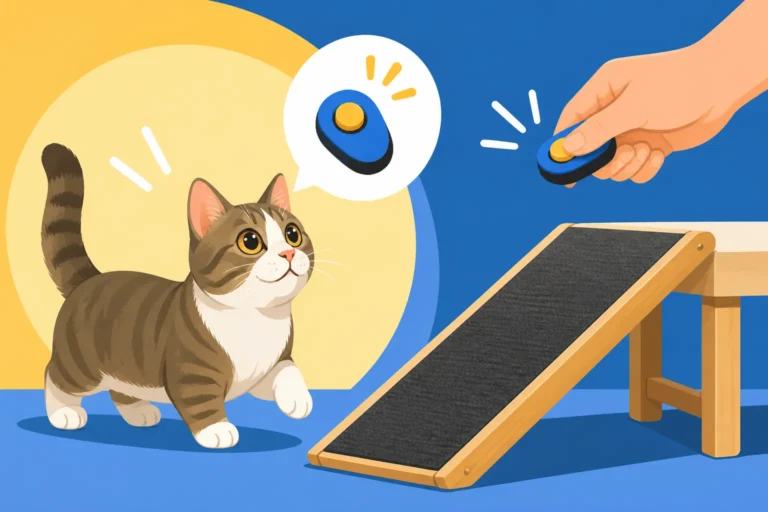
Introducing ramps and steps early in a Munchkin's life is crucial. For kittens, this means gently guiding them onto ramps, perhaps with a treat or a favorite toy, and making it a positive experience. They'll learn quickly that these are their safe pathways. How to Teach a Munchkin to Use a Ramp often involves luring them with food, praising them when they use it, and making it an appealing, easy route to their desired destination.
It’s also about teaching us as owners. We need to be consistent. If your Munchkin always jumps onto the bed, but you've installed a ramp, try to gently redirect them to the ramp each time. Over time, it becomes habit. Similarly, if they're attempting a jump that looks too high or risky, gently intervene. This isn't about scolding them; it's about setting boundaries for their safety and showing them the alternative, safer route. Positive reinforcement is always the best approach. Eventually, they’ll associate the ramps and steps with easy access to all their favorite spots, and you'll have peace of mind knowing they're moving safely. Even for an older Munchkin, patience and consistency can introduce these aids effectively, ensuring their comfort as they age and What an Old Munchkin Stops Being Able to Do changes over time.
Disclaimer
This article is for general informational purposes only and does not constitute professional advice. Laws, prices and regulations vary by location and change over time. Consult a qualified professional for guidance on your specific situation.