Where a Munchkin Hides Its Collection
It's a common and often amusing mystery for Munchkin cat owners: where do all those small, seemingly insignificant objects disappear to? One day your hair tie is on the counter, the next it's vanished, only to reappear weeks later in the most unexpected hidey-hole. This guide is here to shed light on this delightful quirk, helping you understand why your short-legged friend is a master collector and, more importantly, where you might find their secret stashes.
Understanding the Munchkin's Instinct to "Collect"
You might scratch your head wondering why your Munchkin has a fascination with bottle caps, stray socks, or even your car keys. It's not just random mischief; there's a definite method to their collecting madness, deeply rooted in their unique physical makeup and natural cat instincts. They aren't trying to annoy you, they're just being clever, resourceful cats!
Why Munchkins Hoard Small Objects
Let's face it, Munchkins are built differently. Their wonderfully short legs mean they experience the world from a lower vantage point, which naturally shapes their play and hunting behaviors. They can't effortlessly leap onto high shelves or scale tall cat trees like their long-legged cousins. Instead, their hunting and exploration tend to be focused on ground level. This means that small, interesting objects on the floor or low furniture become prime targets.
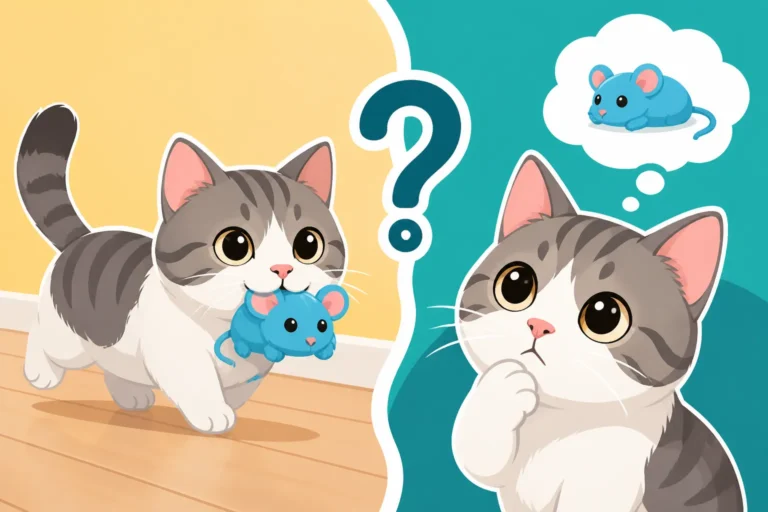
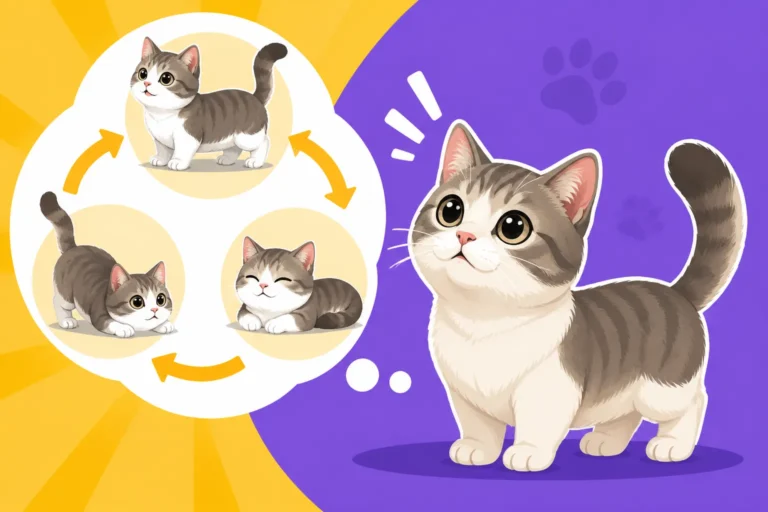
When a Munchkin "finds" something intriguing, be it a crinkled receipt or a forgotten pen, their natural predatory instinct kicks in. They'll pounce, bat it around, and then, because they can't easily carry it up to a high, secure spot, they'll often drag it to a low, protected area they perceive as safe. This could be under a sofa, behind a rug, or even deep within a pile of laundry. It's their way of "caching" their prize, just like a wild cat might hide prey. They're adapting their innate behaviors to their unique physical reality. This is also why many owners find that Which Toys Work at a Munchkin's Height are often small, floor-based items.
The Difference Between Play and Hoarding
It's easy to confuse playful batting with serious hoarding, but often, for a Munchkin, it's a delightful blend of both. When they find an object, especially one that rolls or slides, it triggers their prey drive. They’ll stalk, pounce, and "kill" it with their paws. Once the thrill of the chase is over, or if they're interrupted, they need somewhere to put their "trophy." Because they can't simply jump up to a Why a Munchkin Cannot Make the Kitchen Counter, they move it to a more accessible, hidden spot on the ground.
This isn't necessarily a sign of distress or a compulsive disorder in most cases; it's simply a reflection of their physical limitations meeting their strong instincts. They aren't consciously thinking, "I must hoard this," but rather, "I've caught this, now where can I safely keep it or play with it later?" Sometimes, they'll revisit their stash for another play session. It's a testament to their intelligence and adaptability, finding ways to fulfill their feline needs within their physical constraints. It's part of A Munchkin Is a Normal Cat That Cannot Reach.
Common Hiding Spots for Munchkin Treasures
Knowing why they collect is half the battle; the other half is knowing where to look. Given their stature, Munchkins are quite predictable in their choice of hiding places. Think low, dark, and often overlooked by humans.
Low-Level Lairs and Cozy Nooks
Munchkins excel at navigating the underbelly of your home. Any space that offers cover and is easily accessible from the floor is fair game. This includes:
- Under furniture: Sofas, armchairs, beds, coffee tables – if there's a gap a few inches off the ground, your Munchkin can probably squeeze under it. These become prime locations for stashing everything from bottle caps to hair ties. You might be surprised how much treasure accumulates under a rarely moved armchair!
- Behind cushions or pillows: The crevices created by sofa cushions are perfect for tucking away small items. They offer a soft, secluded spot that feels safe and private. You'll often find a collection of soft, small toys or even shiny bottle tops here.
- Inside blankets or laundry piles: Cats love warmth and soft textures. A pile of clean laundry or a discarded blanket on the floor is an irresistible magnet for a Munchkin looking to hide a "catch." They'll push their treasure deep into the folds, creating a cozy little vault.
- Within cat tunnels or beds: If you've invested in cat tunnels or enclosed beds (especially popular options you can find on Amazon), don't be surprised to find a hidden cache inside. These are essentially pre-made hiding spots designed for feline comfort and security.
It's all about finding a spot that feels secure and out of sight from potential "rivals" (that's you, by the way!). Their short legs make these low-lying areas particularly appealing for both exploration and storage. You might think about How Much Floor Level Play a Munchkin Needs and realize these spots are perfect extensions of their play areas.
The "Under-Everything" Strategy
This is where the Munchkin's unique physique really comes into play. Their low center of gravity and short stature allow them to maneuver in ways other cats can't or won't. If an object is small enough and there's a slight lip or overhang, a Munchkin will often push their finds under it.
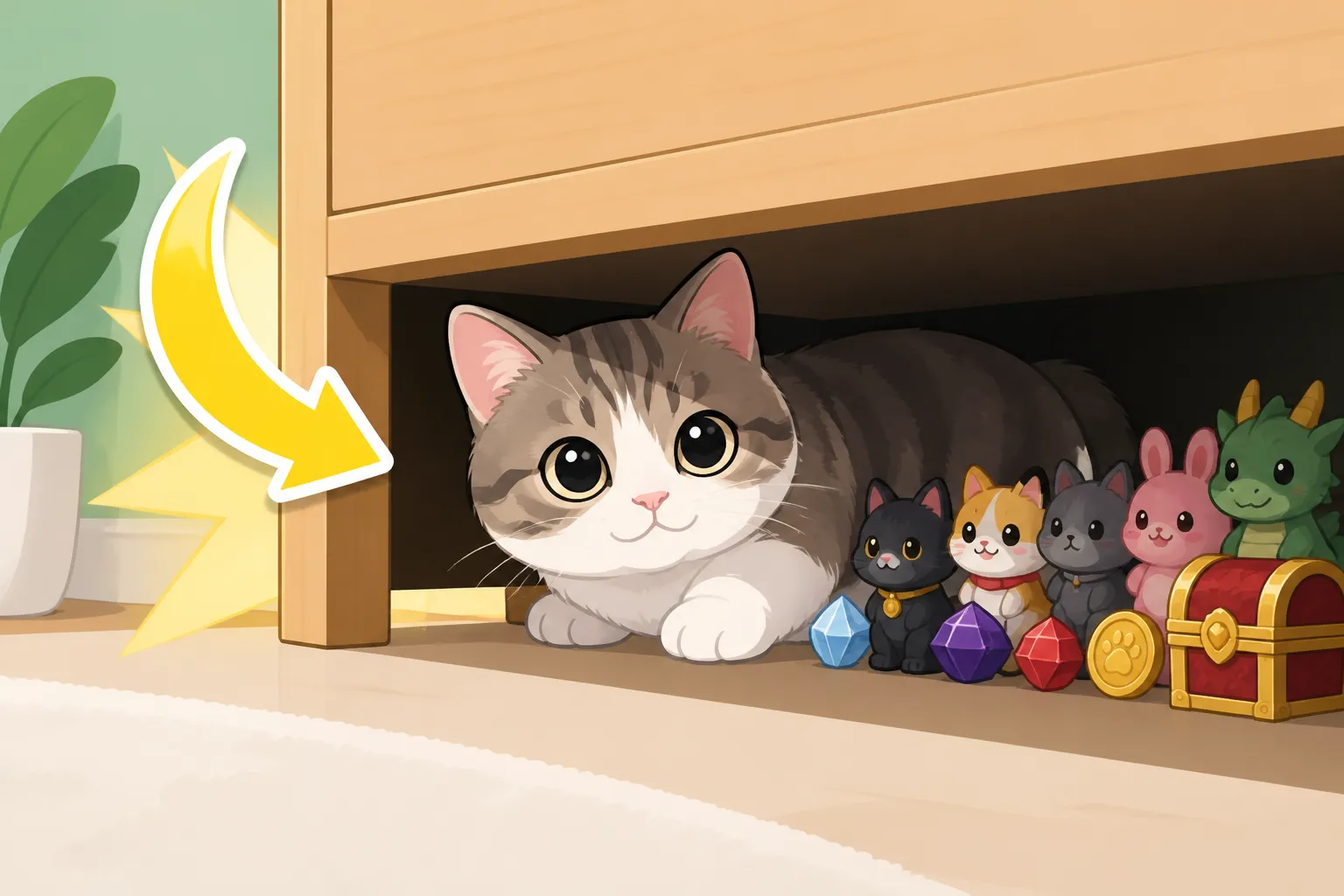
Consider the space beneath a rug, especially one with a thicker pile. A Munchkin can easily nudge a small toy or a piece of paper underneath, creating a flat, concealed spot. They might also drag items under low shelves, dressers, or even kitchen appliances that have a small clearance from the floor. Think about how Why a Munchkin's Belly Nearly Touches the Floor makes these tight spaces their personal domain. They become adept at sliding objects into these slim openings, making them incredibly difficult for a human to spot without getting on hands and knees. It's part of their incredible resourcefulness in navigating a world built for taller beings.
Designated (or Undesignated) Toy Chests
Sometimes, your Munchkin will actually surprise you by choosing a semi-appropriate spot for their collection. This might be:
- An open toy box: If you have a low-sided toy box for your cat (again, easily found on Amazon), your Munchkin might decide it's the perfect spot for their personal hoard. This is a win-win, as it keeps things somewhat contained.
- Their food or water bowl (when empty): While less common for long-term storage, some Munchkins might temporarily place a "prize" in an empty bowl, perhaps thinking it's a safe, dedicated container.
- A corner of the litter box (rare, but it happens): This is usually more about a momentary deposit than a collection, but if an object is particularly engaging, it might end up here. If you find food or toys in the litter box, it's worth checking to see if the box itself is easily accessible and if your Munchkin feels secure using it.
For many owners, the question of Whether a Munchkin Hoards What It Steals is often answered with a resounding "yes!" They definitely have their favorites, and once they've claimed an item, finding its resting place can feel like a treasure hunt of your own.
Recovering and Managing Your Munchkin's Stash
So, you're missing a pen, a hair tie, or perhaps even a critical piece of jewelry. Don't despair! With a bit of strategic thinking and understanding of your Munchkin's habits, you can often retrieve your lost items and even set up systems to manage their collecting tendencies.
Gentle Investigation Techniques
When it's time to go on a treasure hunt, approach it with patience and a gentle touch. Your Munchkin probably sees these stashes as their personal property, and you don't want to make them feel threatened or stressed.
- Start low: Always begin your search at floor level. Get down on your hands and knees and check under sofas, beds, and low cabinets. Shine a flashlight into dark corners.
- Check soft furnishings: Lift sofa cushions, look inside pillowcases (if they've been on the floor), and delve into laundry baskets or piles of clothes.
- Use a "fishing" stick: For items under heavy furniture, a long stick or a broom handle can be your best friend. Gently try to hook or nudge the item closer to the edge.
- Involve your Munchkin (sometimes): If your cat is curious and not easily stressed, sometimes simply moving the furniture slightly will pique their interest, and they might even reveal the stash themselves as they investigate. However, if they get anxious, it's best to search while they're napping or in another room.
- Regular sweeps: Make it a habit to do a quick "Munchkin treasure sweep" every week or two. This prevents massive build-ups and makes finding specific items much easier.
Remember, the goal isn't to punish them for their natural behavior, but to keep your home tidy and ensure no dangerous items are collected.
Creating a "Munchkin-Friendly" Collection Zone
Instead of fighting their natural inclination, why not lean into it? You can create designated spots where your Munchkin is encouraged to "collect" their toys and harmless items. This can be a game-changer!
- Low-sided bins or baskets: Place several small, low-sided baskets around the house, especially in their favorite play areas. You can find many appealing options on Amazon. Encourage them to "store" their toys there by gently placing their favorite items into the baskets in front of them.
- Accessible toy boxes: Ensure any toy box you provide has a low entry point. A top-entry box, for example, would be completely impractical for a Munchkin.
- Soft, comfortable "nests": A plush bed or a cozy blanket fort on the floor can become a favored spot for them to take their items. The softer the better!
- Regular rotation of "safe" items: Keep a variety of small, safe toys available on the floor. Rotate them regularly to keep their interest piqued. This encourages them to collect their toys rather than your car keys. Consider Which Puzzle Feeders a Munchkin Can Reach Into as well, as these can engage their hunting instinct in a controlled way.
By providing attractive, accessible alternatives, you can gently steer their hoarding behavior towards things you approve of. It's all part of adapting your home, as the saying goes, With a Munchkin the House Changes, Not the Cat.
Keeping Valuables Out of Reach
Of course, the best defense is a good offense. If there are items you absolutely cannot afford to lose or that would be dangerous for your Munchkin to play with, proactive measures are key.
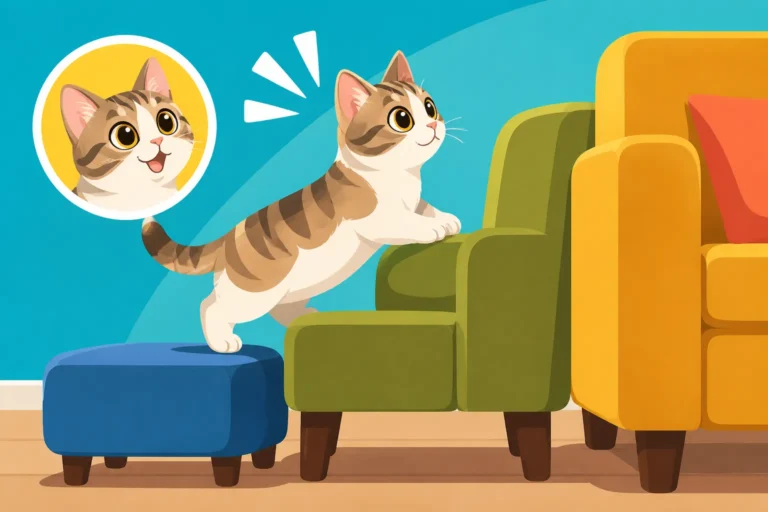
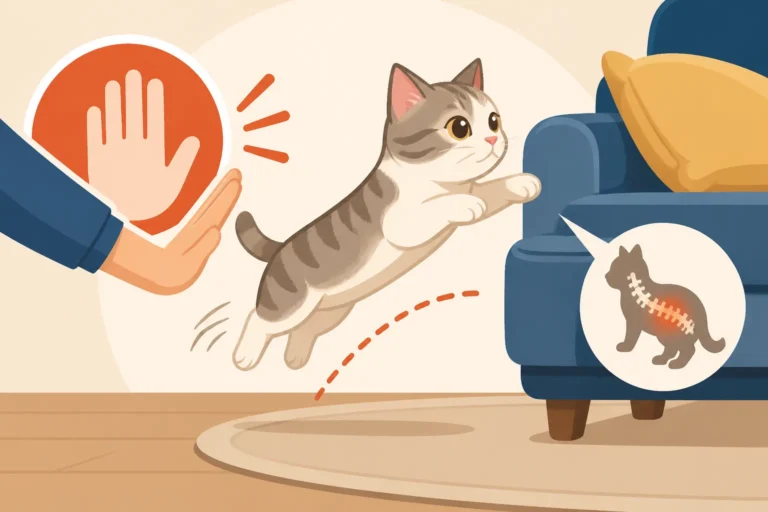
- Elevate precious items: While Munchkins can't jump like a regular cat, they can often use furniture as a "staircase." So, simply putting something on a coffee table might not be enough. Aim for higher shelves, locked drawers, or closed cabinets for anything truly valuable or hazardous. Remember, How Many Inches a Munchkin Can Jump is often underestimated if there are intermediate steps.
- Secure small choking hazards: Hair ties, rubber bands, small coins, paper clips, and even certain small cat toys can be choking hazards. Be vigilant about keeping these off the floor.
- Designate "Munchkin-free" zones: If there's a particular room where you keep sensitive items, consider a baby gate (that a Munchkin can't slip under) to restrict access. However, ensure they still have plenty of How to Rearrange a Room So a Munchkin Can Climb and play elsewhere.
- Clear clutter regularly: A tidy home means fewer tempting "treasures" for your Munchkin to find and stash. Get into the habit of putting things away immediately after use.
When Hoarding Becomes a Concern
While a Munchkin's collecting habit is usually harmless and quite endearing, there are times when it can pose a risk to their health or indicate a deeper issue. It's important to know the difference between quirky play and something more serious.
Ingesting Foreign Objects: A Real Danger
The biggest risk with a Munchkin's collecting is their potential to accidentally ingest something that isn't food. Because they often mouth and chew on their "prizes," small items can easily be swallowed.
- Common culprits: Hair ties, rubber bands, string, plastic pieces, small toy parts, and even bits of fabric are all items that can cause blockages in a cat's digestive system.
- Signs of ingestion: Look out for vomiting, diarrhea, lethargy, decreased appetite, straining to defecate, or abdominal pain. If you suspect your Munchkin has swallowed something, especially if they are showing any of these symptoms, it's crucial to contact your vet immediately. Early intervention can make a significant difference.
- Prevention is key: This is why it's so vital to keep small, swallowable items out of their reach and to regularly check their favorite hiding spots for potentially dangerous objects. Why Weight Control Is the Whole Munchkin Care Plan also ties into overall health, as a healthy digestive system is crucial.
Signs of Compulsive Behavior vs. Play
Most Munchkin hoarding is a natural, playful instinct. However, in rare cases, excessive or frantic collecting can sometimes signal a compulsive disorder or underlying stress.
- Excessive, frantic collecting: If your Munchkin is obsessively collecting items to the point where it interferes with their eating, sleeping, or normal play, or if they seem highly agitated when an item is removed, it might be more than just a game.
- Self-soothing through collecting: Sometimes, cats will engage in repetitive behaviors, including excessive collecting, as a way to cope with stress, anxiety, or boredom. Changes in their environment, new pets, or even a lack of stimulation could be triggers.
- Ingesting non-food items (Pica): If your Munchkin isn't just stashing items but actively eating them (especially fabric, plastic, or dirt), this is a condition called Pica, and it warrants immediate veterinary attention. Pica can be caused by nutritional deficiencies, medical conditions, or behavioral issues.
If you notice any of these more extreme behaviors, or if you're generally concerned about your Munchkin's collecting habits, don't hesitate to consult your veterinarian. They can rule out any medical causes and may recommend a feline behaviorist if the issue is behavioral. Most of the time, your Munchkin's little collections are just another charming part of their personality, a peek into their clever, floor-level world!
Disclaimer
This article is for general informational purposes only and does not constitute professional advice. Laws, prices and regulations vary by location and change over time. Consult a qualified professional for guidance on your specific situation.