What a Munchkin Is Asking For at Your Feet
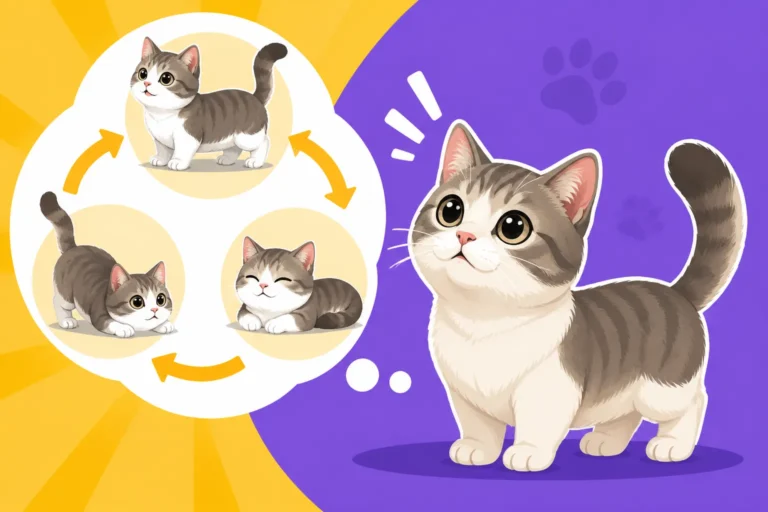
If you're a Munchkin cat owner, you've probably noticed that your adorable short-legged companion spends a lot of time down at your feet. It's not just a cute quirk; often, when a Munchkin is persistently at your feet, they're trying to tell you something important about their needs, their comfort, or their desire for interaction. This guide will help you understand the common reasons behind this charming behavior and how you can best respond to your low-to-the-ground friend.
Understanding the Munchkin's Unique Communication Style
Life at ankle-height is a different experience, and a Munchkin cat's physical structure profoundly influences how they navigate their world and communicate with their humans. Unlike their long-legged feline cousins who can effortlessly leap onto countertops or climb to the highest perch, Munchkins have to get a little more creative, and often, that means enlisting your help.
The Limitations of Short Legs in a Tall World
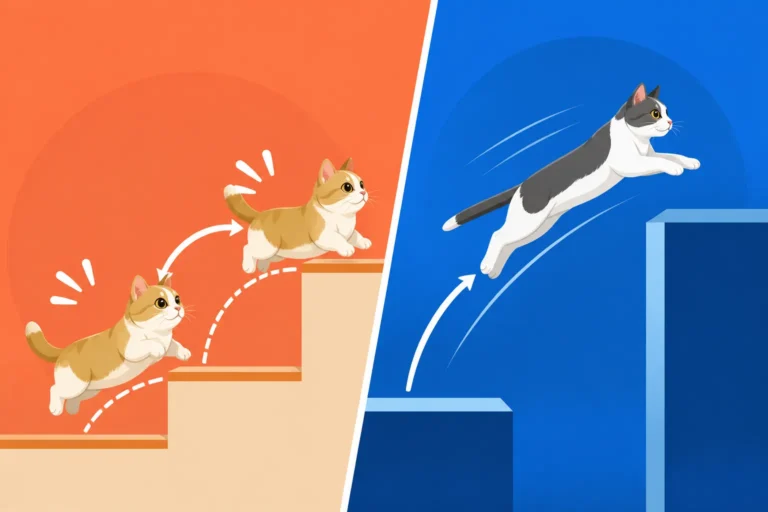
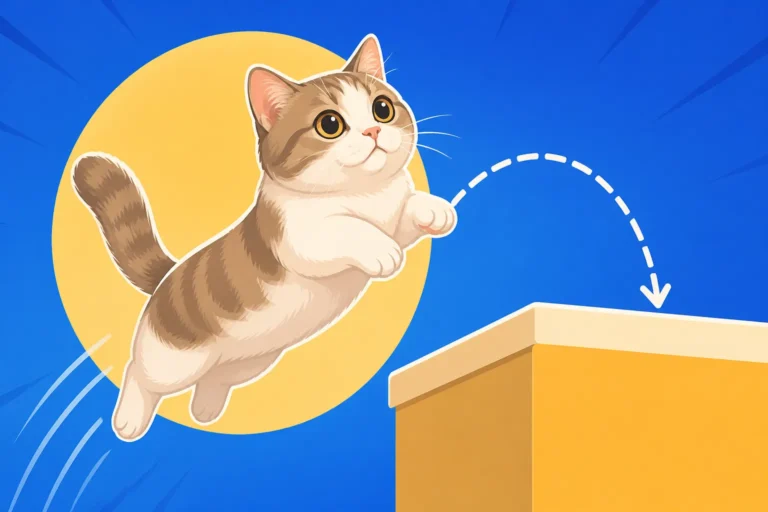
Imagine living in a house where everything important – your food, your water, your favorite sunbathing spot, even just a good vantage point to observe your kingdom – is just out of reach. That's often the reality for a Munchkin. Their distinctive short legs, while endearing, mean that vertical challenges are constant. They can't always make that graceful jump onto the sofa, let alone the kitchen counter. This isn't to say they aren't athletic; a Munchkin can be surprisingly fast and agile on flat ground, darting around corners with incredible speed. However, their ability to gain elevation is significantly restricted.
This physical reality means that a Munchkin often views their human companions as their primary means of accessing the "high ground" or simply getting to where they need to be. When a long-legged cat wants attention or access, they might jump onto your lap, but a Munchkin often finds itself quite literally at your feet, looking up, because that's the highest they can comfortably get on their own. This limitation shapes their entire behavioral repertoire, making them more reliant on direct, ground-level communication. They've learned that you are the bridge between their world and the taller world, and being at your feet is their way of signalling that connection is needed.
Why They're Often at Your Feet
There are several core reasons why your Munchkin might frequently find themselves nestled around your ankles or winding through your legs. First and foremost, it's about proximity to their primary caregiver. You represent safety, resources, and the ability to overcome physical obstacles. By staying close, they ensure they're noticed and that their needs can be addressed. It's a proactive measure, a way of keeping lines of communication open in a world that isn't built to their scale.
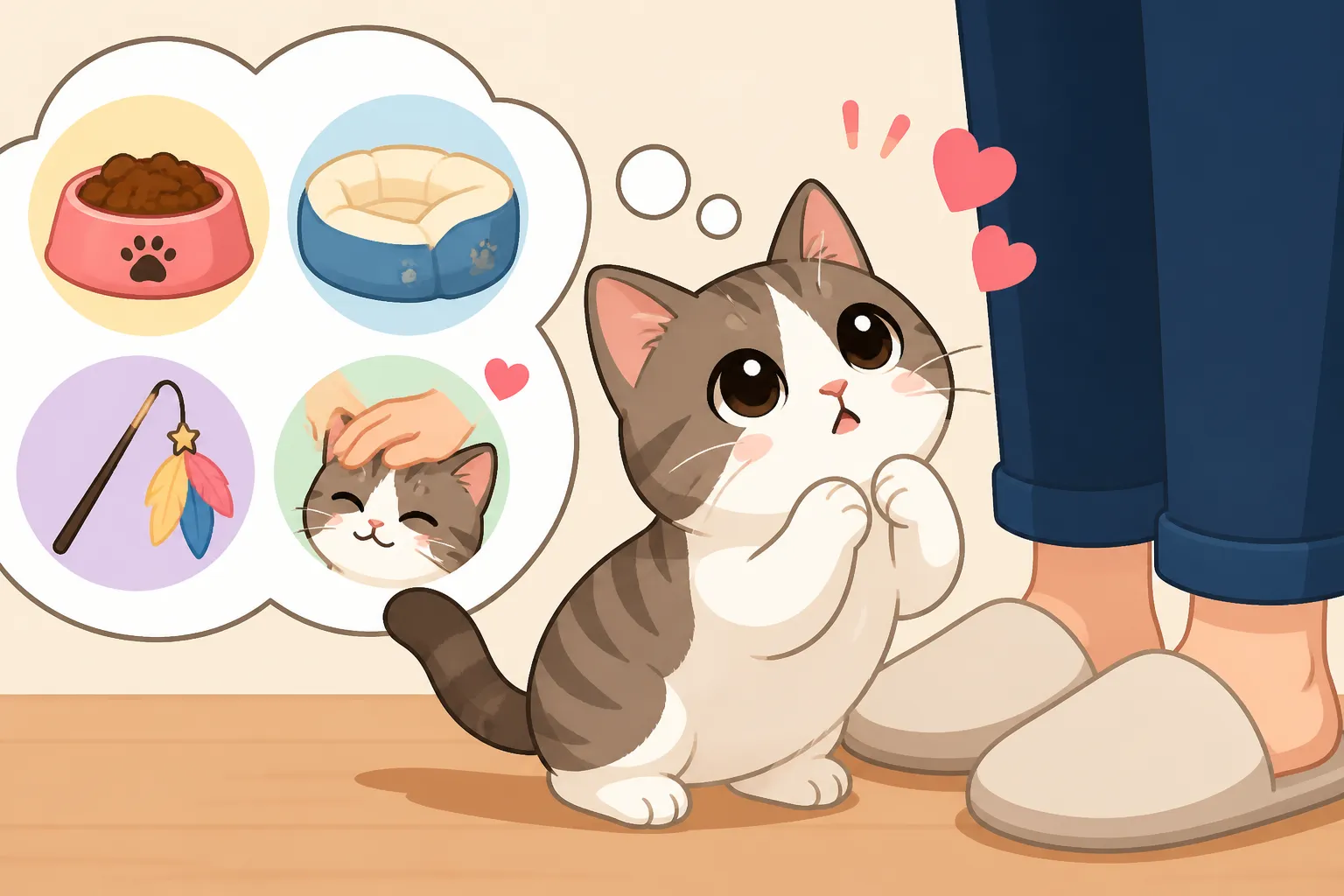
Secondly, it's a direct plea for attention and interaction. When they want to play, be petted, or simply feel loved, being at your feet is their go-to strategy. A swift rub against your leg or a gentle head-butt is an undeniable invitation. They know that if they're right there, you can't miss them, and you're more likely to bend down to their level. This persistent presence is a strong indicator of their social nature and their desire to be an active participant in your daily life, even if it means doing it from the ground up.
Finally, for some Munchkins, being at your feet can be a matter of feeling safe and secure. In a multi-pet household, or one with small children, a Munchkin can feel vulnerable because they cannot easily escape to a higher vantage point. Why a Munchkin Cannot Get Away From a Dog or Why a Munchkin Cannot Climb Out of a Child's Reach are real concerns. Your legs can offer a temporary sanctuary, a place where they feel protected from the larger creatures that might inadvertently pose a threat. It's a strategic position that combines their need for safety with their innate desire for connection.
Deciphering the "At Your Feet" Cues
Knowing why your Munchkin is at your feet is one thing, but understanding what specific message they're trying to convey is the next step. Their body language, vocalizations, and immediate actions will give you vital clues.
The "Lift Me Up" Signal
This is perhaps the most common reason a Munchkin will plant themselves firmly at your feet, often looking up at you with wide, expectant eyes. They want to get somewhere they can't reach on their own, and they're politely, or sometimes very vocally, asking for a ride.
You'll recognize this cue by a few distinct behaviors. They might rub against your legs repeatedly, then stop and sit, gazing intently upwards. A soft meow, escalating to a more insistent vocalization, is a strong indicator. Some Munchkins will even lightly paw at your leg or trouser cuff. If you look down and see their eyes fixed on a higher surface – perhaps your lap, the edge of the sofa, or a favorite windowsill – then you know they're requesting an uplift. How a Munchkin Asks to Be Picked Up goes into more detail, but the key is their focus on you and the desired destination. This isn't just about being playful; it's a genuine need for assistance to access their desired spot, whether for comfort, exploration, or simply to join you at your level. Ignoring this request repeatedly can lead to frustration for your Munchkin, and they might even try to jump anyway, which could put undue strain on their joints.
"I Need Something Down Here" Signals
Not every visit to your feet is an elevator request. Sometimes, your Munchkin needs something that's already at ground level, but they still want your presence or intervention. These signals are often about prompting you to engage with their world.
A common "down here" signal is when your Munchkin brings you a toy. They might drop it right at your toes, perhaps even nudging it with their nose, and then look up at you expectantly. This is a clear invitation to play. They want you to activate the toy, toss it, or engage in a low-to-the-ground chase. Since they can't jump up to entice you with a dangling toy from a shelf, they bring the play to your level. Which Toys Work at a Munchkin's Height are often the ones they can easily carry and present.
Another possibility is a need related to their basic amenities. If your Munchkin rubs against your legs then leads you purposefully towards their food or water bowls, they might be indicating an empty dish or stale water. Similarly, a quick dash towards their litter box after soliciting your attention could mean it's time for a scoop. While many cats are private about their litter habits, a Munchkin's reliance on you can extend to wanting you to notice their bathroom needs, especially if they are feeling particular about a clean space.
Finally, sometimes they just want pure, unadulterated affection. A gentle head-butt, a soft purr vibrating against your ankle, or simply lying down near your feet when you're seated, are all signs that they're seeking comfort, pets, or just to be near you. They might even roll onto their back, exposing their belly for a rub, a clear sign of trust and contentment in your presence.
Seeking Comfort or Security
Sometimes, a Munchkin's presence at your feet isn't about an immediate need or desire, but about finding a sense of safety and comfort. This is particularly true if your home environment presents challenges for them.
If your Munchkin seems to be constantly weaving between your legs, sticking close, or even hiding behind your calves, they might be feeling a bit overwhelmed or insecure. This could be in response to a new visitor, a loud noise, or the presence of another, larger pet. They know that you are their protector, and seeking refuge amongst your legs is their way of saying, "I feel safer when I'm near you." They might even be seeking your warmth if the floor is cold, or just the reassuring scent of their human. This behavior is less about asking for a specific action from you, and more about finding psychological comfort in your presence. It's a subtle plea for reassurance, a quiet acknowledgment that your presence makes their world feel right. You might also notice this behavior more frequently if there's been a change in their routine or environment, as they look to you for stability.
Responding Effectively to Your Munchkin's Cues
Now that you're better equipped to read your Munchkin's signals, the next step is to respond in ways that are both helpful and nurturing for their well-being. Thoughtful interaction and appropriate adaptations to your home can make a huge difference in their quality of life.
Safe Lifting Techniques
When your Munchkin gives you the "lift me up" signal, it's crucial to respond correctly to avoid any strain or injury to their back and delicate joints. Remember, their spine carries a unique load, and improper lifting can cause discomfort. Why a Munchkin's Spine Carries a Load a Normal Cat's Does Not is an important read for understanding this vulnerability.
Always use both hands, supporting their chest and hindquarters completely. Think of it like a gentle scoop. Slide one hand under their chest, just behind their front legs, and the other under their belly, supporting their rear end. Lift them smoothly and evenly, keeping their body horizontal and straight, rather than letting them dangle. Avoid lifting them by their front legs, or picking them up in a way that allows their back to arch unnaturally. Bring them close to your body for support as you lift. Make it a positive experience by speaking softly and gently. They'll quickly associate being lifted with comfort and kindness, rather than a jarring experience. This also reinforces their trust in you as their primary helper.
Adapting Your Home for Easier Access
While lifting your Munchkin is part of the bond you share, you don't want them to feel entirely dependent on you for every vertical movement. Making strategic adaptations to your home can greatly enhance their independence and reduce potential strain on their joints from repeated jumping attempts.
Think about the places your Munchkin frequently tries to reach. The sofa, your bed, a sunny windowsill, or even the top of a low cat tree. For these spots, ramps or steps are absolute game-changers. How to Set Up Ramps Around a Munchkin's House can provide excellent guidance. You can find pet-specific ramps and stairs on sites like Amazon, or even get creative with DIY solutions using sturdy, carpeted planks. The key is a gentle incline for ramps and closely spaced, wide steps, as a steep incline can be challenging for their short legs. How Far Apart to Space a Munchkin's Steps is important to consider.
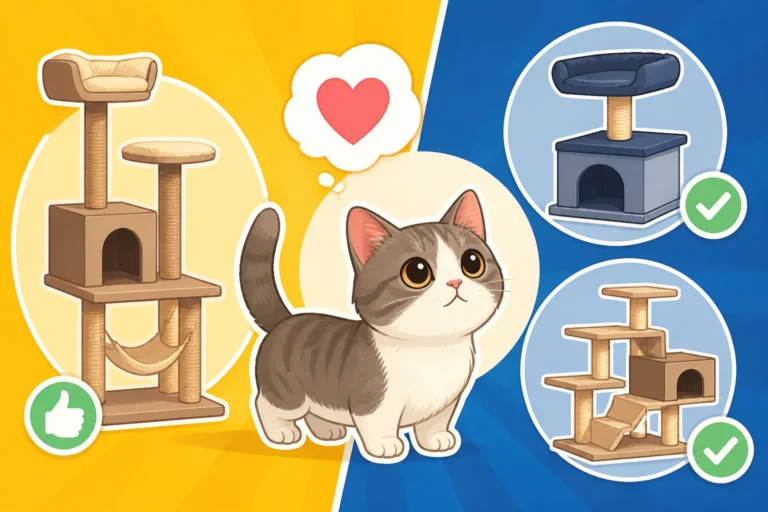
Consider placing sturdy, low furniture or ottomans strategically around the room to create a "staircase" effect. This allows them to make smaller, safer jumps or use multiple steps to reach a desired height. For cat trees, look for designs with platforms that are much closer together than those for normal-legged cats. Which Cat Tree Layout Suits a Munchkin will have platforms ideally no more than 6-8 inches apart, allowing them to easily hop from one to the next without overstraining. Ensure their food and water bowls are easily accessible without stretching, ideally on a low stand or directly on the floor. Why a Munchkin's Food and Water Belong at Floor Level emphasizes this point. These modifications not only empower your Munchkin but also ease the physical burden on their unique anatomy, helping to protect their joints over the long term.
Encouraging Independent Play and Exploration
Beyond access, think about how you can enrich your Munchkin's life at their preferred ground level. This encourages their natural curiosity and playfulness without constant reliance on you.
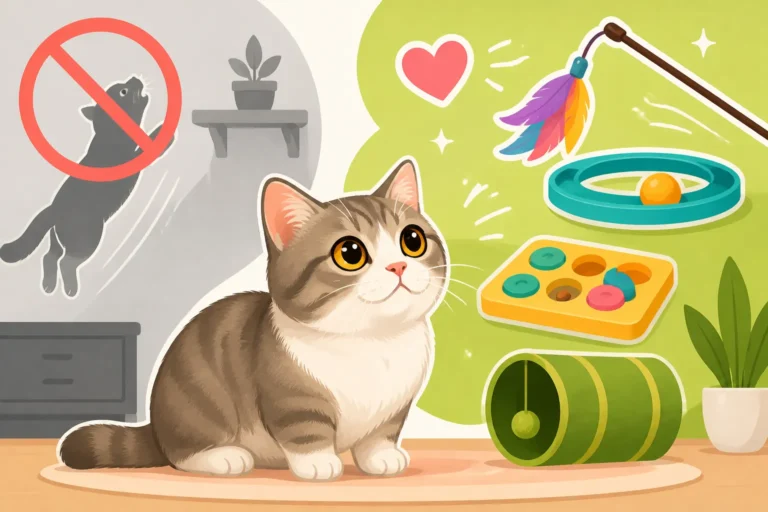
Provide plenty of floor-level toys that they can easily bat around, chase, and "hunt." Toys like crinkle balls, soft mice, or rolling balls are perfect. Wand toys with feathers or strings are fantastic for interactive play, allowing you to engage them without needing them to jump excessively. Simply drag the toy along the floor, encouraging them to chase and pounce from their low vantage point. How Much Floor Level Play a Munchkin Needs is generally more than you might think, as it's their primary mode of exercise.
Puzzle feeders that can be manipulated at floor level are also excellent for mental stimulation. These encourage them to use their brains and paws to get treats, satisfying their hunting instincts. Create designated safe zones on the floor with cozy beds, tunnels, and hiding spots where they can feel secure and explore without feeling vulnerable. By focusing on enriching their immediate environment, you validate their unique way of moving and help them feel confident and engaged in their world. How to Set Up Floor Level Enrichment for a Munchkin can give you further inspiration.
| Munchkin Cue at Your Feet | What It Often Means | How to Respond Effectively |
|---|---|---|
| Rubbing legs, looking up, meowing | "Lift me up!" or "I want attention!" | Gently scoop and lift, supporting their body. Offer pets. |
| Bringing a toy, nudging it | "Let's play!" | Engage with the toy at floor level. |
| Leading to bowls, then looking up | "My food/water needs refilling!" | Check and replenish their food and water. |
| Head-butting, purring, lying near | "I want comfort/affection." | Offer gentle pets, quiet reassurance, or simply enjoy their presence. |
| Hiding behind legs, sticking close | "I feel unsafe/insecure." | Provide calm reassurance, assess for stressors, create a safe space. |
| Restlessness, going to/from box | "My litter box needs attention." | Check and clean their litter box promptly. |
When to Consult a Vet About Foot-Level Behavior
While many "at your feet" behaviors are perfectly normal for a Munchkin, significant changes or accompanying symptoms can sometimes signal an underlying health concern. It's always best to err on the side of caution and consult your veterinarian if you notice anything unusual.
Changes in Mobility or Gait
If your Munchkin, who typically trots briskly around your feet, suddenly seems reluctant to move, favors a leg, or struggles with movements they once managed easily, it could indicate pain or discomfort. Watch for any limping, stiffness, or hesitation when they try to stand up or lie down. They might be trying to tell you they're in pain when they seek your attention at your feet, hoping you'll notice their discomfort.
Munchkins are prone to certain orthopedic issues, including osteoarthritis, especially as they age, due to the unique stress on their joints. Whether a Munchkin Gets Arthritis Earlier is a common concern among owners. An increased desire to be lifted, or a complete avoidance of even small jumps, could be a subtle sign of joint pain. Your vet can assess their gait, examine their joints, and recommend appropriate diagnostics like X-rays to determine the cause and recommend pain management or joint support. Early intervention can make a significant difference in their long-term comfort and mobility.
Excessive Dependence or Withdrawal
Any sudden or dramatic shift in your Munchkin's usual interaction style warrants veterinary attention. If your normally independent Munchkin suddenly becomes excessively clingy, constantly demanding to be lifted, or seems unusually distressed when you're not within reach, it could be a sign of illness. Pain, discomfort, or general malaise can make cats feel more vulnerable and seek comfort and security from their humans.
Conversely, if a previously social Munchkin who loved being at your feet suddenly withdraws, hides more, or seems disinterested in interaction, this is also a red flag. Why a Withdrawn Munchkin Should See a Vet is an important topic because withdrawal can indicate anything from dental pain to organ issues. A loss of appetite, changes in litter box habits, or a dull coat accompanying a behavioral shift are all reasons to call your vet. They can perform a thorough examination to rule out any underlying medical conditions and provide guidance on how to address behavioral changes if no physical cause is found. Your Munchkin relies on you to be their advocate, so trusting your instincts when something feels "off" is crucial.
Disclaimer
This article is for general informational purposes only and does not constitute professional advice. Laws, prices and regulations vary by location and change over time. Consult a qualified professional for guidance on your specific situation.