How to Get a Munchkin Used to Being Handled
Bringing a new Munchkin into your home is an exciting time, filled with dreams of cuddles and playful antics. However, many new owners quickly realize that getting these uniquely built cats comfortable with being handled can be a bit different from other felines. Their distinct physique, while adorable, means they sometimes need a little extra patience and specific techniques to feel secure when you pick them up, groom them, or simply give them a loving snuggle. This guide will walk you through building trust and making every handling experience a positive one for your short-legged companion.
Understanding Why Handling Can Be Different for a Munchkin
It’s easy to look at a Munchkin and see just a cat with short legs, but their unique structure genuinely influences how they perceive and react to being handled. Understanding these differences is the first step in fostering a calm, trusting relationship.
Their Unique Physical Perspective and Vulnerabilities
Imagine living your life just inches from the ground. That’s a Munchkin’s reality. When you scoop them up, their world suddenly shifts dramatically. They go from being firmly planted with a low center of gravity to being suspended in the air. This abrupt change in perspective can be unsettling for any cat, but for a Munchkin, who isn't designed for high jumps or long drops, it can feel even more precarious. If they perceive a risk of falling, or if they feel unstable in your hands, their natural instinct is to try and scramble away, which can inadvertently lead to them being dropped or handled roughly.
Furthermore, while their spine is generally of normal length, Why a Munchkin's Spine Is Normal Length, the way their short legs interact with their body means that their spine can carry a load a normal cat's does not. This doesn't mean their spine is inherently fragile, but it does mean that incorrect handling can put undue stress on it. You need to be particularly mindful of supporting their entire body, distributing their weight evenly, and avoiding positions that twist or bend their back unnaturally. They can't easily brace themselves or land safely from an awkward position if they feel insecure, so secure lifting is paramount.
Natural Instincts and Trust Building
All cats are creatures of habit and thrive on predictability. They have a deep-seated need to feel safe and in control of their environment. When we pick them up, we momentarily take away that control, which can be a source of anxiety. For a Munchkin, who might feel more vulnerable due to their physical limitations, this feeling can be amplified. They cannot simply leap to a high shelf or dart under a bed to escape a perceived threat or an uncomfortable situation as easily as a long-legged cat. This makes building trust absolutely crucial.
Their initial reactions to handling are often rooted in instinct. If a kitten learns that being picked up means comfort, treats, or gentle play, they'll be more amenable. If it means sudden movements, uncomfortable restraint, or being dropped, they'll quickly learn to avoid it. This is why positive association is key from the very beginning. Your goal is to associate handling with pleasant experiences, reassuring them that your hands are a source of security and affection, not a threat.
Starting Early: Handling a Munchkin Kitten
The foundation for a well-adjusted, handleable Munchkin is laid during kittenhood. Early, positive experiences will shape their entire relationship with you and make future care much easier.
Gentle, Consistent, and Positive Introductions
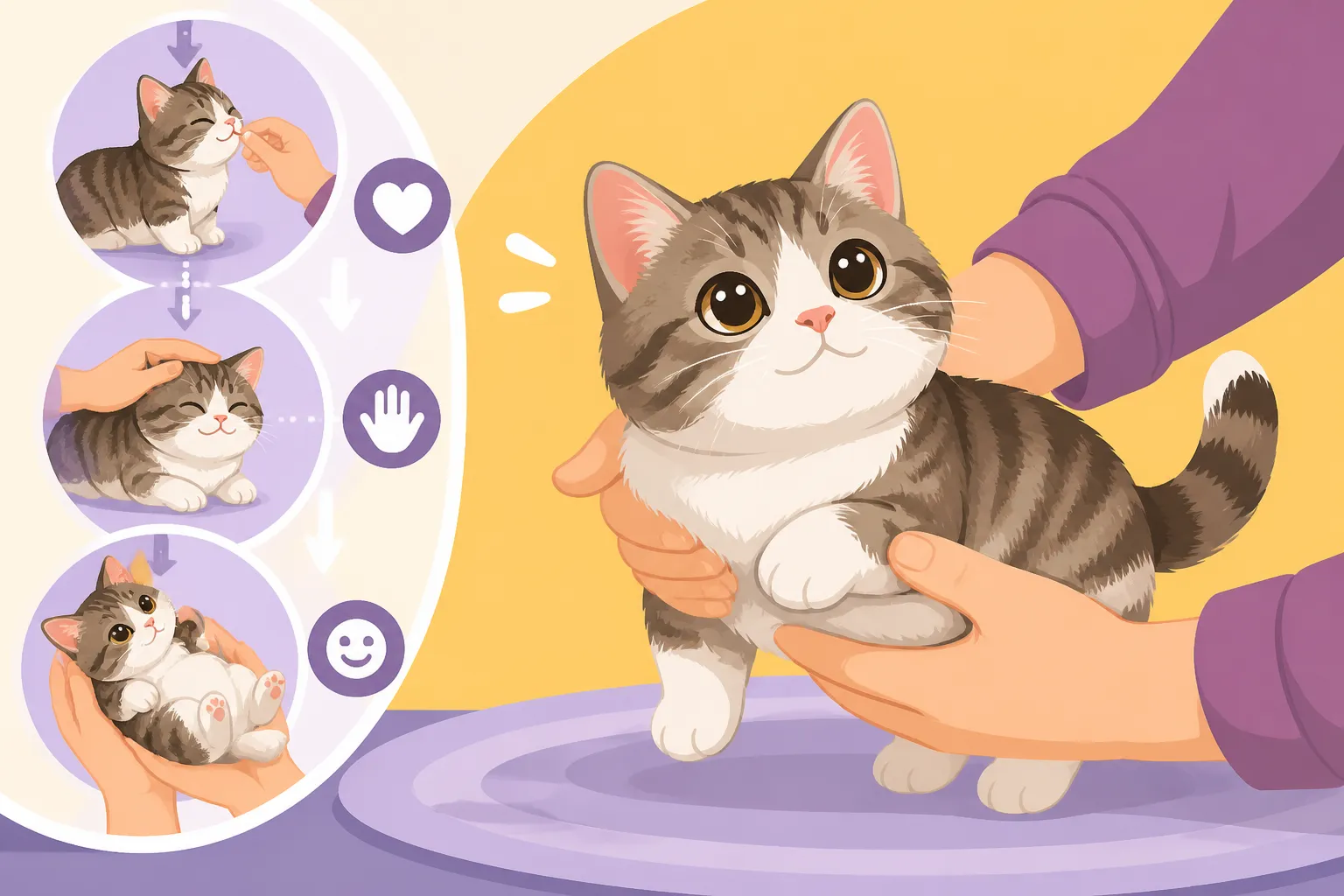
When you first bring home your Munchkin kitten, start with very brief, gentle handling sessions. Think quality over quantity. Instead of holding them for long periods, aim for several short interactions throughout the day. When you pick them up, always use both hands: one supporting their chest and front legs, and the other under their hindquarters, creating a stable platform. Imagine you're cradling a delicate package. This full-body support is vital for a Munchkin, as it prevents any strain on their back and makes them feel secure.
As you hold them, speak in a soft, reassuring voice. Offer a tiny, high-value treat, like a lickable paste, immediately after lifting and while holding them gently. Once they've enjoyed the treat, place them back down carefully. Repeat this frequently. The goal is for them to associate being picked up with something pleasant. Consistency is crucial here; if every lift is positive, they’ll start to expect good things. You can even try what some call the "towel burrito" for brief, necessary tasks like nail trims or administering medication. Gently wrap them in a soft towel, leaving their head exposed, which can make them feel more secure and limit their ability to squirm during quick procedures. This technique helps ensure their safety and yours without causing excessive stress.
Making Handling Part of Daily Life
Beyond structured sessions, weave gentle touches and brief lifts into your daily routine. When you feed your Munchkin, give them a few gentle strokes along their back and sides. While they’re eating, you can briefly touch their paws or gently examine their ears. This desensitizes them to touch in various areas of their body, which is incredibly important for future vet visits or grooming needs. A Munchkin kitten, much like any other, benefits from early socialization, and their breeder should have already started this process. Why a Munchkin Kitten Needs an Early Vet Check will involve a vet palpating their spine and legs, so being comfortable with touch is invaluable.
Integrate handling during playtime. If you're using a wand toy, gently stroke their fur as they chase it. When they curl up on your lap, take the opportunity for quiet petting that includes their belly and tail. Many grooming tools, such as soft silicone brushes or even a grooming glove, can be found readily on Amazon. Using these for gentle daily brushing, even for shorthaired Munchkins, can make them more accustomed to being handled for their hygiene needs. This regular, low-stress exposure helps them see handling as a natural, non-threatening part of their life with you.
Techniques for Handling an Adult Munchkin
Even if your Munchkin wasn’t handled much as a kitten, it’s never too late to teach an old cat new tricks, especially when it comes to positive interactions. Patience and consistency remain your best tools.
Approaching With Respect and Predictability
Adult cats, especially those not used to frequent handling, need to be approached with a clear signal of your intentions. Avoid swooping down from above or making sudden grabs. Instead, always approach your Munchkin slowly. Call their name in a soft, calm voice. Offer your hand for them to sniff and rub against. This allows them to initiate contact and gives them a sense of control. If they seem hesitant, crouch down to their level. A gentle chin scratch or a stroke behind the ears can go a long way in signaling that you’re not a threat.
Pay close attention to their body language. Flattened ears, a tail tucked between their legs or twitching rapidly, dilated pupils, or a tensing body are all signs of discomfort or fear. If you see these, back off immediately. Forcing contact will only erode trust and make future handling more difficult. The goal is to build a positive association, not create a battle. Remember that a Munchkin's unique gait, often described as a ferret's, means they move differently, and understanding their physical comfort zone is key. Observing How a Vet Watches a Munchkin Walk can give you insights into their natural movement.
The Art of the Proper Lift and Carry
When you do need to pick up your adult Munchkin, ensure you're doing it correctly to avoid discomfort or injury. How to Lift a Munchkin Correctly is a critical skill for any Munchkin owner. Always use two hands, supporting their chest and front legs with one hand while cradling their hindquarters and back legs with the other. This creates a secure, full-body support that mimics their natural, grounded posture. Think of it like a "football hold" – snug against your body, secure and stable.
Never, ever lift a Munchkin by their front legs, scruff of the neck, or allow their hindquarters to dangle freely. This puts immense pressure on their spine and can be very painful or even cause injury, especially given Why a Munchkin's Spine Carries a Load a Normal Cat's Does Not. Once lifted, hold them close to your body. Speak softly and offer reassuring pets. For tasks like a quick check-up or grooming their sensitive hindquarters, you might hold them gently on a countertop (if they are comfortable being lifted to it) or on your lap, always ensuring their body is well-supported.
Here’s a quick comparison of proper and improper lifting techniques:
| Aspect | Proper Technique | Improper Technique |
|---|---|---|
| Support | Full body supported; one hand under chest, one under hindquarters | Lifting by front legs, scruff, or leaving hindquarters dangling |
| Stability | Held snugly against your body, stable | Held loosely, allowing movement, or unstable |
| Spine Protection | Back kept straight, no twisting or bending | Pressure on spine, potential for arching or twisting |
| Cat's Feeling | Secure, calm, less likely to struggle | Unsettled, fearful, likely to struggle or scratch |
| Long-term Effect | Builds trust, positive association with handling | Erodes trust, creates aversion to handling, potential for injury |
Positive Reinforcement and Desensitization
For an adult Munchkin who is wary of handling, positive reinforcement is your secret weapon. Every time you successfully handle them without a struggle, reward them immediately with something they absolutely love. This could be a high-value treat (those lickable treats from Amazon are often a huge hit), a favorite toy, or enthusiastic verbal praise. The reward needs to be immediate so they connect it directly with the handling experience.
You can also use desensitization. Start by just gently touching them in areas they enjoy, like their head or chin, and reward. Gradually increase the duration and the area you touch. Over time, slowly introduce brief lifts, always rewarding immediately. If they show signs of stress, go back a step. It’s a marathon, not a sprint. Consider establishing a "safe word" or a visual signal you use just before you lift them, like "up-up." This gives them a moment to prepare, making the experience more predictable and less startling. Some Munchkins even enjoy being gently lifted to an elevated surface they can then comfortably walk off of, rather than being placed directly on the floor. How to Get a Munchkin Up to a Window Safely could be adapted to mean having a ramp up to a window perch, but also being lifted to the perch for a treat.
Handling for Specific Care Needs
Beyond cuddles, handling is essential for your Munchkin’s health and hygiene. Mastering these techniques will make life easier for both of you.
Grooming and Hygiene
One of the most significant aspects of Munchkin care is assisting them with grooming, particularly their hindquarters. Due to their short legs and low-slung belly, they often cannot reach all parts of themselves effectively. Grooming the Half of a Munchkin It Cannot Reach is a critical task. For shorthaired Munchkins, this might mean a gentle weekly brush and wiping. For longhaired Munchkins, it’s even more vital; How Often a Longhaired Munchkin's Back Half Needs Brushing can vary, but often requires daily attention to prevent mats, which can quickly become painful and lead to skin infections.
When brushing or cleaning their rear, gently support them on your lap or a non-slip surface. Talk to them calmly and offer treats. Use soft brushes or grooming mitts, which are less intimidating than stiff combs. Many effective and gentle grooming tools for cats can be found on Amazon. If mats do form, never try to cut them out with scissors yourself, as you risk injuring their delicate skin. Instead, seek the help of a professional groomer who is experienced with cats and can safely perform a sanitary clip if needed. Regular handling makes these necessary grooming sessions less stressful for everyone.
Vet Visits and Medications
Vet visits can be a source of anxiety for any cat, but an unhandled Munchkin can make the experience even more challenging. To ease this, get your Munchkin accustomed to their carrier early. A low-entry carrier, often available on Amazon, is ideal as it allows them to walk in rather than being forced, which greatly reduces stress. Leave the carrier out in the house with soft bedding and treats inside, making it a familiar, positive space. Which Carrier a Munchkin Can Walk Into Itself is a great start to making vet trips less daunting.
At home, periodically practice "vet-like" touches. Gently examine their paws, lightly open their mouth, and gently feel along their belly. Reward them for their cooperation. When it comes to administering medication, whether it’s a pill or liquid, gentle restraint is often necessary. Swaddling them in a towel (the "towel burrito" method mentioned earlier) can provide security and limit movement, making the process quicker and less stressful. Always follow up with a favorite treat and praise. Your calm demeanor during these potentially stressful moments is vital; cats pick up on our anxiety, so projecting a sense of reassurance helps keep them calm too.
Nail Trims and Paw Care
Trimming your Munchkin’s claws is another essential care task that requires them to be comfortable with paw handling. Start by gently massaging their paws during relaxed moments, even if you’re not trimming nails. Touch each toe and gently extend a claw. Reward them for allowing this. When you do trim, use sharp, high-quality clippers to ensure a quick, clean cut, which you can also find on Amazon.
Trimming a Munchkin's Claws Without Twisting Its Legs means holding their paw firmly but gently, avoiding any uncomfortable twisting or bending. If your Munchkin is particularly resistant, break the task down. Try trimming just one or two claws at a time, then release and reward. Over several sessions, you can get all their claws done without overwhelming them. Consistency and positive reinforcement are key here. Never try to force the entire process at once, as it can lead to a negative association that’s hard to undo.
Common Handling Challenges and Solutions
Even with the best intentions, you might encounter bumps in the road. Addressing challenges with understanding and patience is crucial for a lasting bond.
Dealing with Fear or Aggression
If your Munchkin responds to handling with fear (hiding, trembling, trying to escape) or aggression (hissing, biting, scratching), the absolute golden rule is never to punish them. Punishment only increases fear, breaks trust, and escalates aggressive behaviors. Instead, stop what you’re doing immediately. Give them space and allow them to calm down.
Your primary goal is to identify the triggers. Is it being picked up? Certain areas of their body being touched? Specific people handling them? Once you know the triggers, you can work around them. Revert to earlier, simpler steps of desensitization, ensuring every interaction is overwhelmingly positive. If aggression persists or is severe, consult your veterinarian. They can rule out any underlying pain or medical conditions that might be causing the behavior. If health issues are clear, they can refer you to a certified feline behaviorist who can develop a tailored plan to address the specific behavioral challenges. Understanding What a Munchkin's Prairie Dog Posture Tells You can also provide clues about their comfort level.
Teaching Children How to Interact
Munchkins are often described as good-natured, but their inability to easily jump to escape makes them vulnerable to inappropriate handling, especially from children or dogs. Therefore, teaching children how to interact respectfully is paramount. Emphasize gentle touches only. Instruct them to pet softly along the back or head and to avoid sudden movements, loud noises, or pulling on the cat's tail or legs.
Crucially, supervise all interactions between children and your Munchkin. Teach children to sit on the floor when playing with the cat, bringing themselves down to the Munchkin’s level. This prevents the child from towering over the cat, which can be intimidating. Explain that your Munchkin cannot easily climb to safety. Why a Munchkin Cannot Climb Out of a Child's Reach is a vital point for children to understand. Instead of telling children How to Teach a Child to Lift a Munchkin, it's often safer to teach them not to lift the Munchkin without adult supervision and to ask an adult to do it. If you do allow older, responsible children to lift, teach them the two-handed, full-body support method you use, and always supervise closely. Ensuring children understand the Munchkin's limitations can prevent accidental injury to the cat and foster a safer, more respectful relationship for everyone.
Disclaimer
This article is for general informational purposes only and does not constitute professional advice. Laws, prices and regulations vary by location and change over time. Consult a qualified professional for guidance on your specific situation.