How Much Floor Play Keeps a Munchkin’s Weight Down
One of the biggest worries for Munchkin cat owners is keeping those adorable little bodies at a healthy weight. It's a real challenge, isn't it? Because of their unique stature, conventional advice about cat exercise often doesn't quite fit. This guide dives deep into how purposeful floor play can become your secret weapon in the battle against unwanted pounds, ensuring your short-legged friend stays spry and healthy for years to come.
The Unique Weight Challenge of Munchkin Cats
It’s easy to look at a Munchkin and think, "Well, they're just naturally smaller, so they don't need as much food or exercise." And while it's true they're smaller in height, their body length and density are often comparable to a regular domestic cat. The real trick is that those short legs change everything about their movement and calorie expenditure. They simply don't burn calories the same way a long-legged cat does, which means weight can creep on much more easily and have a more profound impact.
Why Every Extra Pound Matters More for a Munchkin
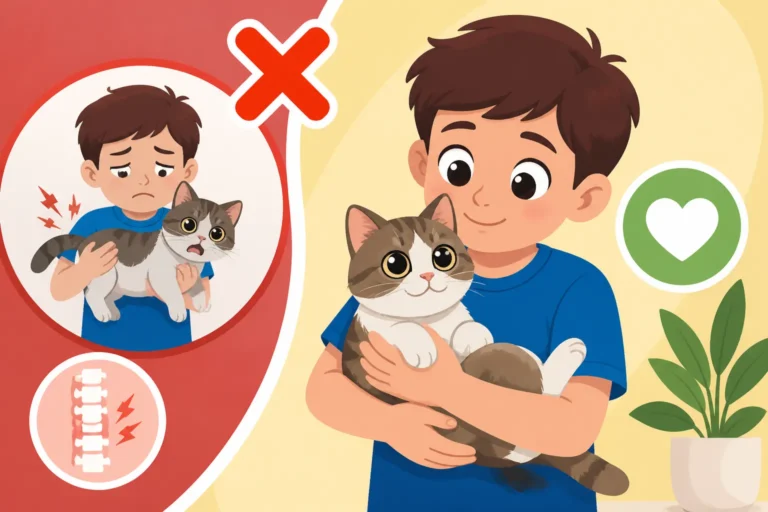
Imagine trying to carry a heavy backpack when your legs are half the length of everyone else's. That's a bit like what an overweight Munchkin experiences. Their skeletal structure, particularly their spine and joints, isn't designed to bear excessive weight. Every extra gram adds stress to their shoulders, elbows, and especially their spine, which is already under a unique load due to their build. This isn't just about aesthetics; it's about comfort, mobility, and preventing painful conditions down the line. We often talk about how Why a Munchkin's Spine Carries a Load a Normal Cat's Does Not, and adding extra weight only compounds that inherent structural difference.
Beyond the joints, excess weight can lead to a whole host of secondary issues, just like in humans. Diabetes, heart problems, and decreased stamina are all risks. A Munchkin's natural agility and playful spirit can be severely hampered, turning a once-energetic companion into a sedentary one, which then exacerbates the weight problem in a vicious cycle. It’s critical to understand that even a small amount of extra weight on a Munchkin can be significantly more detrimental than the same percentage on a long-legged cat.
Understanding a Munchkin's Natural Activity Level
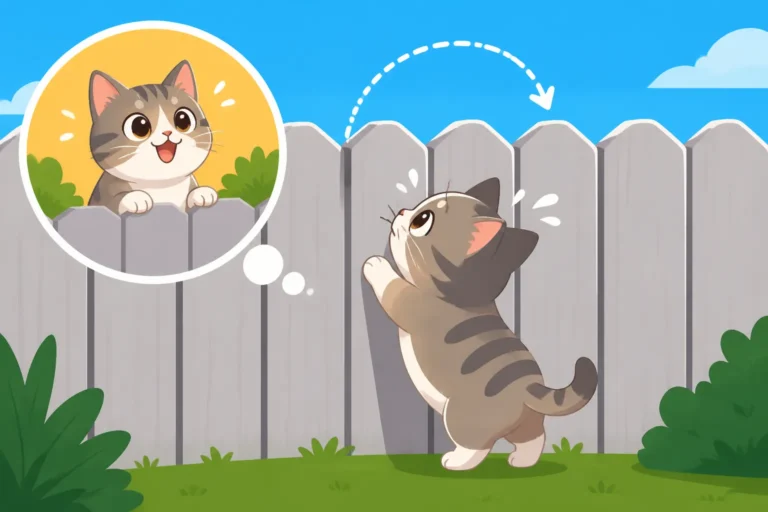
While Munchkins are renowned for their playful, curious personalities, their physical capabilities differ from their long-legged counterparts. They might run like little ferrets on the flat, and they can certainly surprise you with their bursts of speed and tight cornering. However, they aren't scaling your bookshelves or leaping onto the highest perches of a standard cat tree with the same ease. Their energy is often expended in bursts of intense, low-to-the-ground activity rather than prolonged, high-impact exercise. This means they naturally burn fewer calories through climbing and jumping.
This distinction is crucial when planning their diet and exercise. You can't expect them to get a full workout by simply providing a tall cat tree. Their instinct to explore and play is strong, but their body requires us to adapt their environment and play methods to suit their unique needs. Because they burn less through vertical movement, How Little a Munchkin Eats Compared With Its Size becomes a really important consideration. It's a delicate balance to provide enough enrichment and activity without overfeeding them for the energy they do expend.
Designing an Effective Floor Play Routine
So, how do we get these adorable little guys moving enough to keep them trim without putting undue stress on their unique bodies? It all comes down to strategic, floor-level engagement. We need to think horizontally, creating opportunities for them to stalk, pounce, chase, and bat without the need for high leaps or long drops.
The Right Kind of Play: Prioritizing Floor-Level Engagement
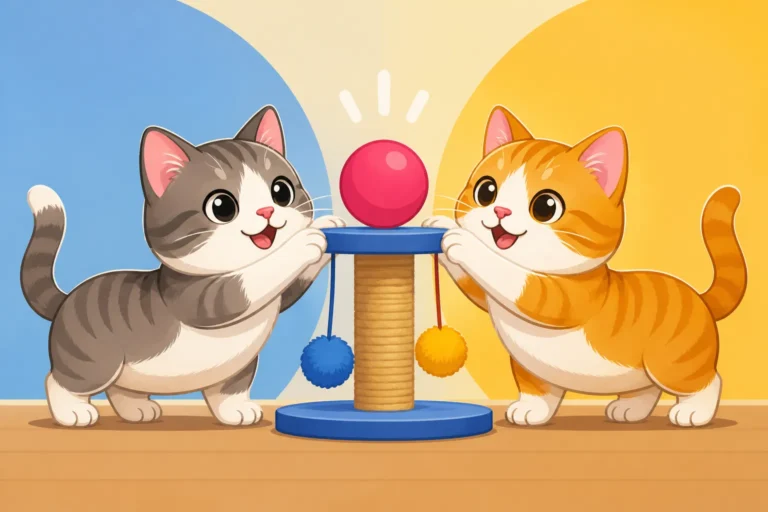
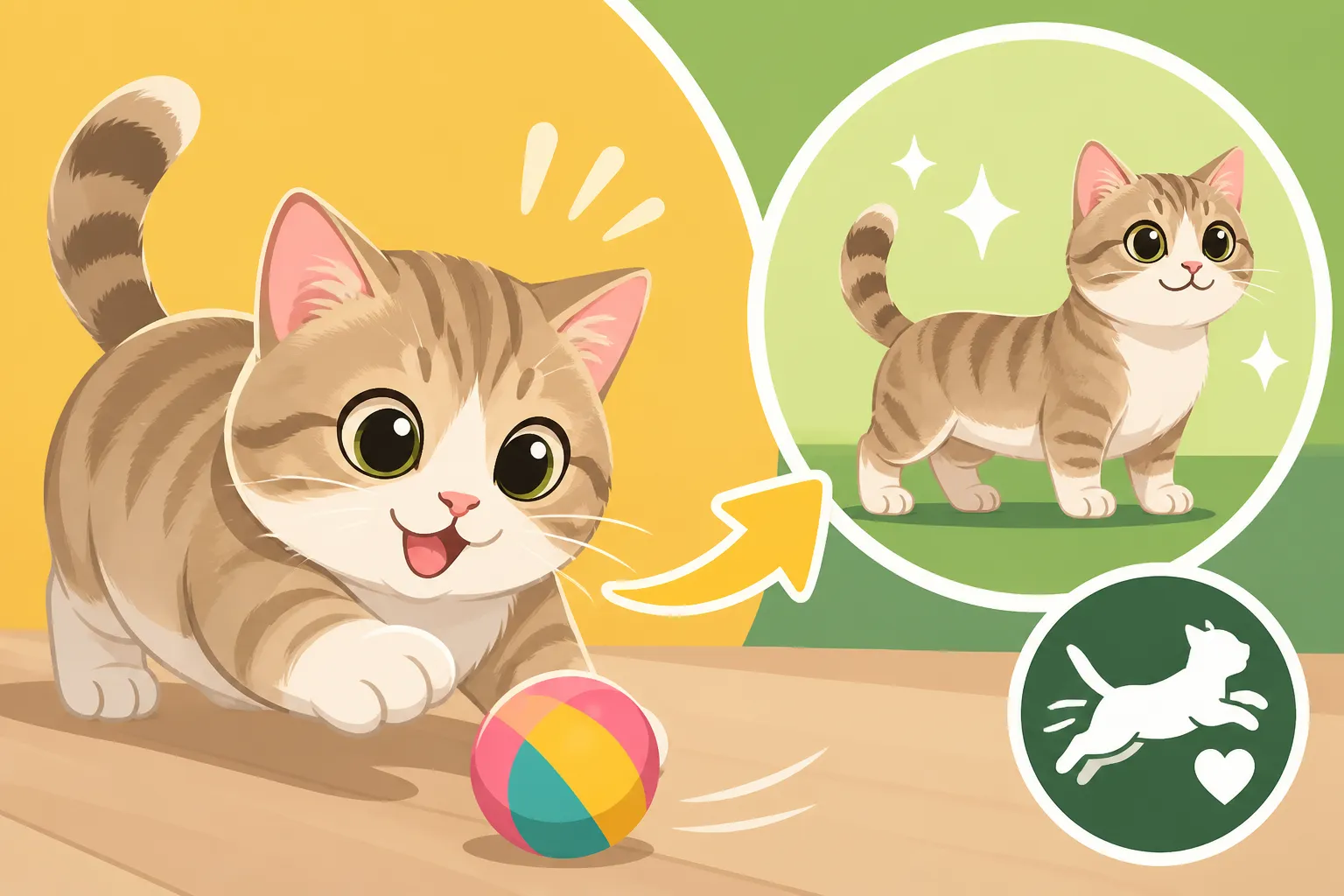
When it comes to Munchkins, "floor play" isn't just a suggestion; it's the cornerstone of their exercise regimen. Focus on activities that encourage sustained movement across the floor. Think about toys that roll, slide, or can be dragged. Wand toys with feathers or soft lures are fantastic, as they allow you to control the movement and keep the action low. You can entice them into long "hunts" around furniture legs and under rugs, mimicking natural prey behavior. The key is to keep them stretching and moving their whole bodies, even if they aren't jumping sky-high.
Interactive laser pointers can also be great for getting them to dart around, but always end with a tangible toy they can "catch" to prevent frustration. Small, crinkle balls, lightweight mice, or even a simple piece of string (supervised, of course!) can provide endless entertainment. These types of toys are readily available. You can find a huge variety of engaging options for floor play on sites like Amazon, from simple bat-around toys to more complex interactive feeders that encourage movement. Consider Which Toys Work at a Munchkin's Height when making your selections; if they can't easily reach or interact, it won't be much fun.
Another excellent option is tunnels. Munchkins absolutely adore tunnels! They can dart through them, hide, pounce from them, and even just nap inside. A crinkly tunnel adds an extra layer of sensory engagement, making play even more stimulating. Laying out a sequence of tunnels or combining them with pop-up cubes creates a dynamic obstacle course that encourages running and exploration. These elements tap into their natural curiosity and desire to "hunt" in confined spaces, burning calories in a fun and natural way.
How Often and How Long: Establishing a Play Schedule
Consistency is far more important than intensity when it comes to keeping a Munchkin active. Short, frequent play sessions are often more effective than one long, exhausting one. Aim for at least two to three dedicated playtimes a day, each lasting about 10-15 minutes. This might seem short, but for a Munchkin, these focused bursts of activity can be quite stimulating and burn a good amount of energy. Think of it as their daily gym session, broken into manageable intervals.
Morning play can help wake them up and get their metabolism going, while an evening session can help tire them out before bedtime, reducing those midnight zoomies. Pay attention to your cat's cues; some Munchkins have boundless energy and might want longer sessions, while others might prefer shorter, more intense bursts. The goal is to get them panting just a little, showing that they've had a good workout without overdoing it. Remember, these cats are tough, but we still need to be mindful of their joints.
Varying the types of toys and activities within these sessions also helps keep them engaged. Don't use the same laser pointer for every session; mix it up with wand toys, chasing crinkle balls, or exploring new tunnels. This prevents boredom and keeps their minds sharp, which is just as important as physical exercise for a healthy cat. A predictable, yet varied, play schedule will quickly become a cherished part of your Munchkin's day.
Creating an Engaging Environment for Independent Play
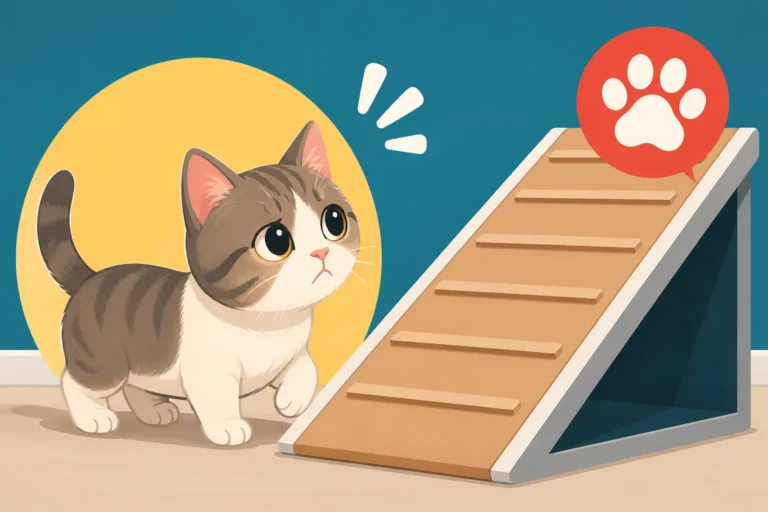
While dedicated play sessions with you are vital, a Munchkin also needs an environment that encourages self-directed activity throughout the day. Since they can't climb to high perches easily, think about creating a multi-level world for them at their height. Low, sturdy cat trees with closely spaced platforms, or even custom-built ramps and steps to access sofas and windowsills, can encourage movement. You can find excellent options for pet stairs and low-profile cat furniture on Amazon that are perfectly suited for Munchkins. How to Set Up Floor Level Enrichment for a Munchkin involves careful thought about their physical limitations.
Puzzle feeders are another fantastic way to engage their minds and bodies. Instead of simply eating from a bowl, your Munchkin has to "work" for their meal, batting kibble out of a dispenser or solving a simple puzzle to get treats. This extends feeding time, prevents boredom, and provides mental stimulation while encouraging gentle movement. Just make sure the puzzle feeders are stable and easily accessible from the floor.
Creating "zones" of interest can also encourage exploration. A cozy bed in one area, a scratching post in another (horizontal scratchers or low vertical ones are best), and a water fountain in a third can prompt them to trot between different parts of the room, adding to their daily activity. Remember, their world is largely on the floor, so making that floor as interesting and navigable as possible is key.
Integrating Play with Diet for Optimal Weight Management
Exercise is only one piece of the puzzle. For a Munchkin, controlling their weight effectively requires a holistic approach where diet and activity work hand-in-hand. You can play with them for hours, but if their calorie intake isn't appropriate, you'll still struggle with weight gain.
The Calorie-Burn Equation: Matching Intake with Activity
Because Munchkins typically burn fewer calories than a standard-legged cat due to their limited vertical movement and unique gait, their dietary needs are often lower than you might initially assume. It's not just about what they eat, but how much. High-quality, protein-rich food is essential for maintaining muscle mass, but portion control is absolutely paramount. How Many Calories a Munchkin Needs to Stay Off Its Joints is a question best answered with careful observation and potentially a vet's guidance, but generally, it's less than you'd feed a similarly sized, long-legged cat.
Measure every meal precisely. Don't eyeball it; invest in a kitchen scale to weigh out their kibble or wet food portions. Free-feeding, where food is left out all day, is almost always a recipe for an overweight Munchkin. Instead, divide their daily allowance into two or three measured meals. This approach not only helps control calorie intake but also reinforces a routine and allows you to monitor their appetite. Treats should be factored into their daily calorie count, not given in addition to it.
Consider foods specifically formulated for weight management or indoor cats, as these often have a better calorie-to-nutrient ratio. Discuss your cat's diet with your veterinarian. They can provide personalized recommendations based on your Munchkin's age, activity level, and any specific health considerations. Remember, the goal is to provide adequate nutrition without excess, allowing their floor play to contribute meaningfully to their calorie deficit.
Monitoring Progress: How to Tell if Your Munchkin is Thriving
Keeping a close eye on your Munchkin's body condition is essential for successful weight management. It's not just about the number on the scale, although weekly weigh-ins can be very helpful. What you're really looking for is their body condition score. You should be able to easily feel your Munchkin's ribs beneath a thin layer of fat without seeing them protruding. From above, they should have a discernible waist, even if it’s subtle with their low-slung bodies. How to Score a Munchkin's Body Condition involves looking at them from the side and above, and feeling along their ribs, spine, and waist.
Beyond physical assessment, observe their energy levels and mobility. A Munchkin at a healthy weight will be playful, agile, and eager to engage in floor activities. If you notice they're becoming more lethargic, struggling to move, or reluctant to play, it could be a sign that their weight is impacting their comfort. Keep a log of their weight and body condition score over time to spot trends.
Don't be afraid to adjust their food portions or increase play sessions incrementally if you notice a slight weight gain. It's much easier to address an extra quarter-pound than a full pound or more. Regular veterinary check-ups are also crucial, as your vet can objectively assess their weight, monitor for any weight-related health issues, and help you fine-tune your management plan. This ongoing vigilance ensures your Munchkin remains happy, healthy, and mobile.
Common Pitfalls and Troubleshooting
Even with the best intentions, managing a Munchkin's weight can present challenges. It's important to be aware of potential issues and know how to address them, ensuring your furry friend continues to thrive.
When Play Isn't Enough: Recognizing Underlying Issues
Sometimes, despite your best efforts with diet and floor play, your Munchkin might still struggle with weight. This can be incredibly frustrating and indicates that something more might be going on. Persistent weight gain or an inability to lose weight could be a red flag for an underlying medical condition. Just like any other cat, Munchkins can develop hormonal imbalances, metabolic disorders, or even conditions that cause pain and reduce activity. For example, if your Munchkin is developing Whether a Munchkin Gets Arthritis Earlier, the pain might be hindering their desire to play, leading to weight gain.
If you've been diligently managing their diet and implementing consistent floor play, and you're still not seeing results, it's time for a vet visit. Your veterinarian can perform a thorough examination, including blood work, to rule out conditions such as hypothyroidism (though less common in cats than dogs), diabetes, or other metabolic issues. They can also assess for pain or discomfort that might be limiting their movement, such as early-onset arthritis or spinal issues. Addressing these underlying conditions is paramount to successful weight management.
It's also worth considering the mental aspect. Stress or boredom can sometimes lead to overeating in cats. Ensure your Munchkin has plenty of mental stimulation beyond just physical play, such as puzzle feeders, safe window perches they can access via ramps, and regular interaction. An enriched environment can contribute significantly to their overall well-being and help prevent stress-related weight issues.
Adapting Play as Your Munchkin Ages
As our beloved Munchkins enter their senior years, their needs inevitably change, and so too must our approach to their play and weight management. A senior Munchkin, typically around 8-10 years old, may start to slow down. Their joints might stiffen, their stamina may decrease, and they might not be as quick to chase a wand toy as they once were. This doesn't mean play stops; it simply evolves. How a Munchkin's Play Changes After Eight is a subtle shift, but an important one to observe.
Reduce the intensity and duration of play sessions, but maintain the frequency. Gentle, shorter bursts of activity are more appropriate. Focus on toys that encourage deliberate, slow movements, like scent games where they have to sniff out treats, or slow-moving laser dots they can gently stalk. Soft, plush toys they can bat around while lying down can also provide enjoyment without strenuous effort. Ensure ramps and steps are kept at a gentle incline, and their favorite resting spots are easily accessible without any jumping.
Weight control becomes even more critical in senior Munchkins, as extra pounds place even greater strain on aging joints. You might need to further adjust their calorie intake downwards as their metabolism naturally slows. Regular vet check-ups are paramount, often twice a year, to monitor for arthritis, kidney disease, or other age-related conditions. Your vet can recommend joint supplements or specific diets to support their senior health, ensuring that even in their golden years, your Munchkin can enjoy comfortable, enriching floor play.
| Aspect | Young/Adult Munchkin Play | Senior Munchkin Play |
|---|---|---|
| Intensity | Moderate to high bursts of energy | Gentle, slower movements |
| Duration | 10-15 minutes, 2-3 times a day | 5-10 minutes, 3-4 times a day |
| Focus | Chasing, pouncing, darting, exploring | Stalking, gentle batting, scent games, quiet exploration |
| Toys | Wand toys, laser pointers, crinkle balls, tunnels | Plush toys, slow-moving lasers, puzzle feeders with easy access, gentle wand play |
| Environment | Accessible furniture, tunnels, varied floor textures | Reduced inclines on ramps, soft landing spots, fewer obstacles, accessible low beds |
| Goal | Maintain agility, burn calories, stimulate mind | Preserve mobility, minimize joint strain, maintain mental engagement, comfort |
Disclaimer
This article is for general informational purposes only and does not constitute professional advice. Laws, prices and regulations vary by location and change over time. Consult a qualified professional for guidance on your specific situation.