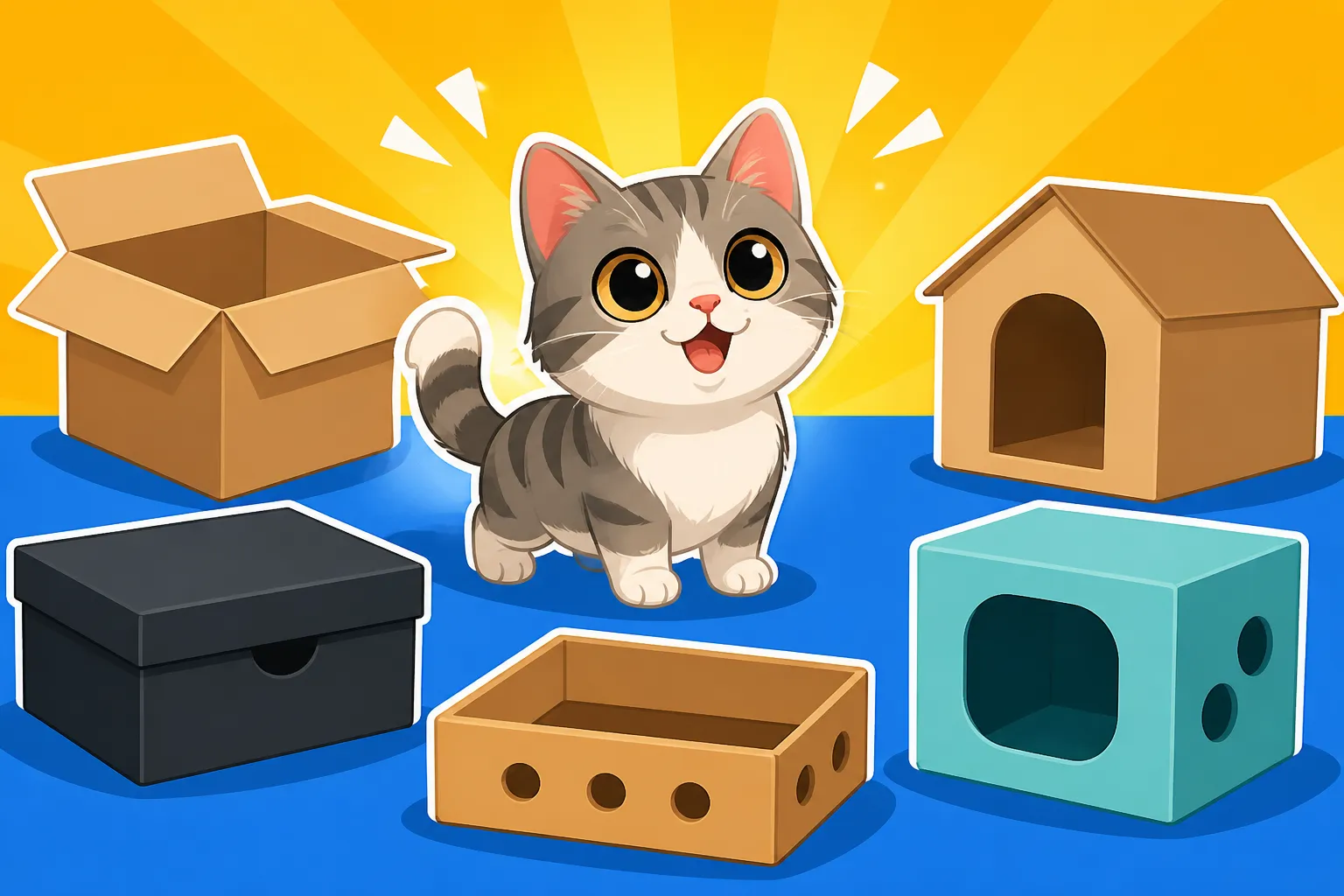
Which Commercial Boxes a Munchkin Can Step Into
One of the most common frustrations Munchkin cat parents face is finding a litter box that truly accommodates their unique physique. It’s not just about aesthetics or convenience; it’s a critical aspect of their comfort, health, and dignity. Many standard litter boxes, designed for average-sized, long-legged felines, become formidable barriers for our short-legged friends, leading to accidents, stress, and even potential health issues. This guide is here to walk you through exactly what to look for in commercial litter boxes, ensuring your Munchkin can access their facilities with ease and maintain good litter habits.
The Struggle Is Real: Why Standard Litter Boxes Just Don't Cut It
It might seem like a small detail to a human, but for a Munchkin, a standard litter box with its high sides can feel like scaling a mountain. Imagine having legs only a few inches long and being asked to repeatedly jump over a six-inch wall multiple times a day. It’s not just inconvenient; it can be genuinely painful or intimidating, especially as they get older.
Why Standard Entry Heights Are a Barrier
Most conventional litter boxes are designed with a primary goal: to keep litter inside the box. This often translates to taller sides and higher entry points, typically ranging from 5 to 8 inches or more. For a cat with regular leg length, this is a simple step or hop. For a Munchkin, whose legs are significantly shorter, it's a completely different story. Their short stature means they lack the leverage and height to easily clear these edges. What might be a casual hop for another cat becomes an awkward, strained scramble for a Munchkin.
This barrier isn't just physical. It can lead to behavioral issues, too. A cat that finds its litter box difficult to access might start eliminating elsewhere in the house – on rugs, in corners, or on softer surfaces – simply because it's easier and less painful. This isn't naughtiness; it's a desperate attempt to find a more accessible toilet. Understanding Why a Munchkin Will Go Outside a Box It Cannot Enter is crucial for preventing these frustrating situations.
The Hidden Strain on Your Munchkin's Body
Beyond the immediate difficulty, forcing a Munchkin to repeatedly jump or stretch into a high-sided litter box puts undue stress on their body. Their unique skeletal structure means their spine and joints, particularly in the shoulders and elbows, are already under a different kind of load compared to a long-legged cat. Each awkward scramble over a high lip can exacerbate these pressures.
Think about it: they have to brace themselves, push up with their short hind legs, and often twist their body to get over. This repeated motion, especially as they age, can contribute to discomfort or accelerate wear and tear on their joints. While Munchkins are generally agile despite their legs, repeated high-impact maneuvers, even small ones, are not ideal. This is also why maintaining a healthy weight is paramount for these cats, as Why Weight Is More Dangerous on a Munchkin. A comfortable, low-entry litter box is a simple yet powerful way to support their long-term joint health and overall well-being.
Essential Features of a Munchkin-Friendly Litter Box
When you’re on the hunt for the perfect litter box for your Munchkin, it’s not just about finding any box. You need to be a discerning detective, looking for specific features that cater to their unique physical needs. Forget what you think you know about "standard" cat litter boxes; we're redefining what's ideal.
The Ideal Entry Height You're Looking For
This is, without a doubt, the most critical factor. For a Munchkin, the entry point of a litter box should be as low as possible, ideally no more than 2-3 inches from the ground. Some might even prefer an entry that's almost flush with the floor. This allows them to simply walk into the box, rather than having to jump or step high.
Many "senior cat" or "kitten" designated litter boxes fit this description perfectly. They are designed for cats with limited mobility or small stature, which aligns beautifully with a Munchkin's needs. When you're browsing online, perhaps on sites like Amazon or Chewy, pay close attention to the product descriptions and dimensions. Don't just eyeball the picture; actually look for the specified entry height. A box with a truly low entry means less strain, less hesitation, and ultimately, a happier cat. Remember, the goal is effortless access every single time. How Low a Munchkin Litter Box Entry Should Be is a detail worth obsessing over.
Beyond the Lip: Other Important Design Considerations
While entry height is paramount, it’s not the only thing to consider. The overall design plays a significant role in your Munchkin's comfort and cleanliness.
- Size of the Box: Even with short legs, Munchkins need ample space to move around, dig, and turn comfortably within the box. A cramped box can make them feel vulnerable or discourage them from using it. Opt for a generously sized box, often labeled as "large" or "jumbo," even if your Munchkin is small. This allows them to perform their natural digging behaviors without feeling restricted.
- High Sides (but not the entry!): This might sound contradictory, but you can absolutely have a low entry with high sides around the rest of the box. Many excellent designs feature a scooped or lowered front entry, but then curve upwards to create high walls on the other three sides. This clever design prevents litter from being kicked out when your Munchkin is digging vigorously inside, a common issue when their short legs keep them low to the ground. Why a High Sided Box Still Suits a Munchkin when designed correctly.
- Ease of Cleaning: As a busy cat parent, you also need a box that's easy for you to maintain. Look for smooth, non-porous plastic that resists odors and is easy to wipe down. Some boxes have clever designs that make scooping simpler, reducing your chore time.
Materials and Stability for Easy Access
The material and stability of the litter box are also important, albeit secondary to entry height.
- Material: Most commercial litter boxes are made of plastic, which is generally fine. Look for sturdy, durable plastic that doesn't flex or crack easily. Some newer options might include stainless steel, which is excellent for odor control and hygiene, though these often come with a higher price tag. Whatever the material, ensure it's easy to clean.
- Stability: A wobbly or flimsy litter box can deter a cat, especially one that might already feel a bit less stable due to its leg length. Ensure the box feels solid on the floor and doesn't slide around easily when your Munchkin steps in or out. Rubberized feet or a substantial base can help with this. You don't want them to feel like they're stepping onto a precarious platform.
Top Commercial Litter Box Types for Munchkins
Now that we know what to look for, let's explore some specific types of commercial litter boxes that are often a fantastic fit for our adorable short-legged companions. You might be surprised at the variety available once you start looking with a Munchkin-specific lens.
Senior Cat Litter Boxes: A Perfect Match
Without a doubt, senior cat litter boxes are often the gold standard for Munchkins. These boxes are specifically designed for cats who might have arthritis, joint pain, or simply reduced mobility as they age. What makes them great for senior cats makes them equally perfect for Munchkins of all ages.
They almost universally feature a significantly lowered entry point, sometimes just an inch or two off the ground, with higher sides to contain litter. This allows your Munchkin to simply walk in and out without any strenuous jumping or uncomfortable stretching. It’s about accessibility and comfort, pure and simple. Many brands, which you can find on platforms like Chewy or Amazon, offer variations of these, often marketing them with terms like "easy entry," "low profile," or "arthritic cat friendly." These descriptions are your cue that you're likely on the right track. Consider one of these first if you're feeling overwhelmed by choice. Why a Senior Cat Box Suits a Munchkin is a concept worth embracing.
Specialized Low-Entry Designs
Beyond those explicitly labeled "senior cat," there's a growing market of general low-entry litter boxes that cater to smaller cats, kittens, or simply owners who prefer less dramatic thresholds. These might not be as widely advertised for "mobility issues," but their design naturally serves the same purpose.
These often feature a curved or scooped-out front, sometimes like a ramp, allowing for a gentle incline rather than a sheer step. They still prioritize keeping the main body of the box deep enough to hold a good amount of litter, but the access point is consciously lowered. When you're browsing, look for product images that clearly show a significant dip in the front. Reading customer reviews, especially those from owners with short-legged breeds or kittens, can also provide valuable insight into the true usability of these designs.
Open Pans vs. Covered Options (and why one is usually better)
This is a really important distinction for Munchkin owners.
- Open Litter Pans: These are typically shallow, tray-like boxes with no lid. They offer the most unhindered access and ventilation. For a Munchkin, an open pan with truly low sides is often the easiest to navigate. The downside? Less litter containment and potentially more odor in the room, although a good litter and diligent scooping can mitigate this. For a Munchkin, who often digs with gusto, you might find more litter tracked out. However, if the priority is sheer ease of entry, an open pan, particularly one with a scooped front, is hard to beat.
- Covered Litter Boxes: These have a lid, often with a small opening or door for the cat to enter. While many cats appreciate the privacy and owners appreciate the odor and litter containment, covered boxes are generally not ideal for Munchkins. The entrance to a covered box is often a higher hole, requiring a jump up and then a crouch down. This is far too much work and strain for a short-legged cat. Even if the main entry point is low, the confined space inside can make maneuvering awkward.
- Top-Entry Litter Boxes: These are a definite no-go for Munchkins. They require the cat to jump onto the top of the box and then down into the litter. This is an impossible feat for most Munchkins and would put immense strain on their joints even if they could manage it. Whether a Munchkin Can Use a Top Entry Box is a resounding no.
For the vast majority of Munchkins, an open pan with a very low entry or a covered box with a generously scooped front and plenty of internal space will be the best options. Prioritize ease of entry and movement over aesthetics or absolute litter containment.
Here's a quick comparison of suitable litter box types for Munchkins:
| Litter Box Type | Entry Height | Litter Containment | Ventilation | Privacy | Pros for Munchkins | Cons for Munchkins |
|---|---|---|---|---|---|---|
| Senior/Low-Entry Pan | Very low (1-3 inches) | Moderate | Excellent | None | Easiest access, minimal strain, suitable for all ages. | Less litter containment than covered, no privacy. |
| Scooped-Front Covered | Low (2-4 inches) | High | Moderate | High | Good balance of low entry, litter containment, and privacy. | Can be cramped inside for some cats, less ventilation than open. |
| Open Jumbo Pan | Variable (3-6 inches) | Low | Excellent | None | Ample space for maneuvering and digging. | Entry can still be too high if not specifically a "low-entry" design, poor containment. |
| Standard Covered Box | High (5-8+ inches) | High | Poor | High | (Not recommended for Munchkins) | Requires significant jumping/stretching; very difficult or impossible to access. |
| Top-Entry Box | Very High | Very High | Moderate | High | (Not recommended for Munchkins) | Requires jumping onto and into the box; completely inaccessible for most. |
Making the Right Choice for Your Home and Your Cat
Choosing the perfect litter box is an iterative process, and what works for one Munchkin might not be ideal for another. It's about combining informed choices with observation and adaptability.
Assessing Your Munchkin's Specific Needs
Every cat is an individual, and Munchkins are no exception. While their short legs are a common trait, their personality, age, and any existing health conditions will play a role in the "perfect" litter box.
- Age: A young, agile Munchkin kitten might tolerate a slightly higher lip than an older, stiffer senior. However, it's always best to start with the lowest entry possible from day one to protect their joints over a lifetime. An older Munchkin, especially one showing signs of How Arthritis Shows in a Munchkin's Front Legs or general stiffness, absolutely needs the easiest access.
- Size and Weight: A smaller, lighter Munchkin might find it easier to maneuver than a larger, heavier one. Obesity can exacerbate any mobility challenges, making low-entry boxes even more critical. How Much Weight a Munchkin Can Safely Carry is always less than you think.
- Personality: Some cats are more adventurous and will try to scramble over anything; others are more timid and will avoid a difficult entry altogether. Observe your cat's current behavior. Are they hesitating before entering? Do they seem to struggle? These are clear signs that a change is needed.
- Medical Conditions: If your Munchkin has any diagnosed spinal issues like lordosis or pectus excavatum, or any joint problems, a low-entry box isn't just a convenience – it's a medical necessity to minimize discomfort and prevent further strain. What Lordosis Actually Is in a Munchkin and its impact on their movement cannot be underestimated.
Don't be afraid to experiment. You might need to try a couple of different boxes before finding the perfect fit. Your cat will tell you what works best through their consistent use and lack of accidents.
Placement and Litter Considerations for Optimal Comfort
Once you've chosen the right box, where you put it and what you put in it are the next pieces of the puzzle.
-
Placement is Key:
- Multiple Locations: Always have more litter boxes than cats (e.g., two boxes for one cat, three for two cats). Spread them throughout your home, especially in areas your Munchkin frequents.
- Easy Access Points: Place boxes in easily accessible, quiet locations. Avoid putting them in high-traffic areas where your cat might feel vulnerable or interrupted.
- No Stairs: If you have a multi-story home, ensure there's at least one accessible litter box on every floor your Munchkin uses. Expecting them to navigate stairs repeatedly to reach a litter box is not realistic or fair. Why a Munchkin Should Not Climb Stairs Repeatedly is a core tenet of their care.
- Avoid Tight Corners: Make sure there's enough room around the box for your Munchkin to approach and exit comfortably from different angles.
-
Litter Type Matters:
- Fine-Grained, Soft Litter: Munchkins, with their low bellies and often sensitive paw pads, generally prefer a fine-grained, soft litter that is comfortable to walk on. Coarse, crystal, or pellet litters can be uncomfortable.
- Unscented: Heavily scented litters can be off-putting to cats due to their sensitive noses. Stick to unscented options.
- Dust Control: Low-dust litter is beneficial for all cats, but especially for Munchkins who are closer to the ground and more likely to inhale dust particles while digging.
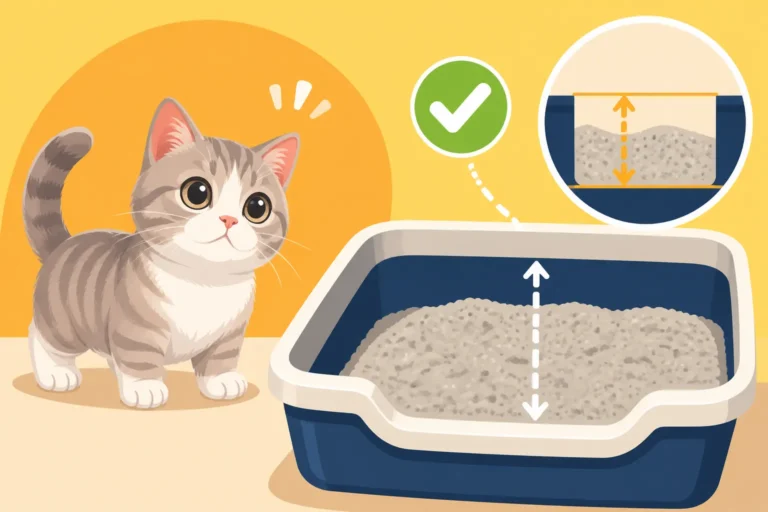
- Depth: Fill the box with about 2-3 inches of litter. This provides enough material for digging and covering without being so deep that it's difficult to navigate or too heavy to shift for your Munchkin. How Deep a Munchkin's Litter Should Be is a balance between functionality and comfort.
- Tracking: While you want a low-entry box, you also want to minimize litter tracking. Consider placing a good litter mat right outside the box to catch any stray granules that cling to your Munchkin's paws or belly. Which Litter Sticks to a Munchkin's Belly is something you'll notice pretty quickly!
By combining the right commercial box with thoughtful placement and suitable litter, you can create a comfortable, accessible, and hygienic environment for your beloved Munchkin, ensuring they can take care of business with ease and confidence.
Disclaimer
This article is for general informational purposes only and does not constitute professional advice. Laws, prices and regulations vary by location and change over time. Consult a qualified professional for guidance on your specific situation.