How Often to Weigh a Munchkin at Home
It's a common worry for many Munchkin cat parents: "Am I feeding them enough? Are they getting too big? How do I even tell with those adorable little legs?" It's not always obvious, and because their unique build places different demands on their bodies, managing their weight is even more critical than for a long-legged cat. This guide is all about demystifying the process, helping you understand why regular weight checks are vital for your short-legged companion, and giving you practical, easy ways to keep tabs on their health right from your own home.
Why a Munchkin's Weight Is So Critically Important
You've probably heard that keeping any cat at a healthy weight is good for them, but for a Munchkin, it's not just "good"—it's absolutely essential. Their unique physical structure means that even a little bit of extra weight can have a disproportionately large impact on their comfort and long-term health. It’s a challenge that many owners wrestle with, feeling like they're walking a tightrope between indulgence and restriction.
The Unique Strain on Their Spine and Joints
Imagine carrying a backpack that's just a little too heavy, all day, every day. That's a bit like what extra weight can do to a Munchkin. Their short legs mean their body is carried closer to the ground, and their spine and joints, particularly in the front legs, bear a load that a normal-legged cat's skeleton is simply not designed to manage in the same way. This isn't to say their bones are fragile, but rather that the mechanics of movement and weight distribution are different.
When a Munchkin puts on weight, every additional ounce adds stress to these already hard-working areas. This can exacerbate existing, or lead to new, issues like What Lordosis Does to a Munchkin, which is that characteristic inward curve of the spine, or even accelerate the onset of conditions like arthritis. Their shoulders, elbows, and wrists are constantly taking the brunt of their movements, acting as shock absorbers. An overweight Munchkin finds these joints under constant, increased pressure, making even simple actions like walking or navigating small steps a greater effort. This isn't just about discomfort; it directly impacts their quality of life.
The Hidden Dangers of Even a Few Extra Ounces
It’s tempting to think, "Oh, it's just a couple of extra pounds," but for a Munchkin, those seemingly small gains are magnified. Because of their compact frame, a weight gain that might be negligible on a larger breed can represent a significant percentage of their total body mass. This is Why Weight Is More Dangerous on a Munchkin. This added bulk forces their short legs to work harder with every step, every jump (even the small ones they manage), and every stretch.
Beyond the skeletal impact, excess weight affects their overall mobility and agility. You might notice them being less enthusiastic about play, struggling to reach their favorite spots, or even having trouble with essential grooming. A heavier Munchkin often can't reach all parts of its back and hindquarters to clean itself properly, leading to matted fur, skin irritations, and hygiene issues around the litter box. It’s a domino effect: reduced mobility leads to less activity, which in turn leads to more weight gain, creating a vicious cycle that can be hard to break. Early detection and proactive weight management are truly your best defense against these challenges.
Establishing Your Munchkin's Baseline Weight and How to Monitor It
Getting a handle on your Munchkin’s weight starts with knowing what’s normal for them. Just like people, cats have ideal ranges based on their size, age, and individual build. Once you know their healthy baseline, regular monitoring becomes a simple yet powerful tool in your care arsenal. It's about consistency, not obsession.
When to Start and What Tools You'll Need
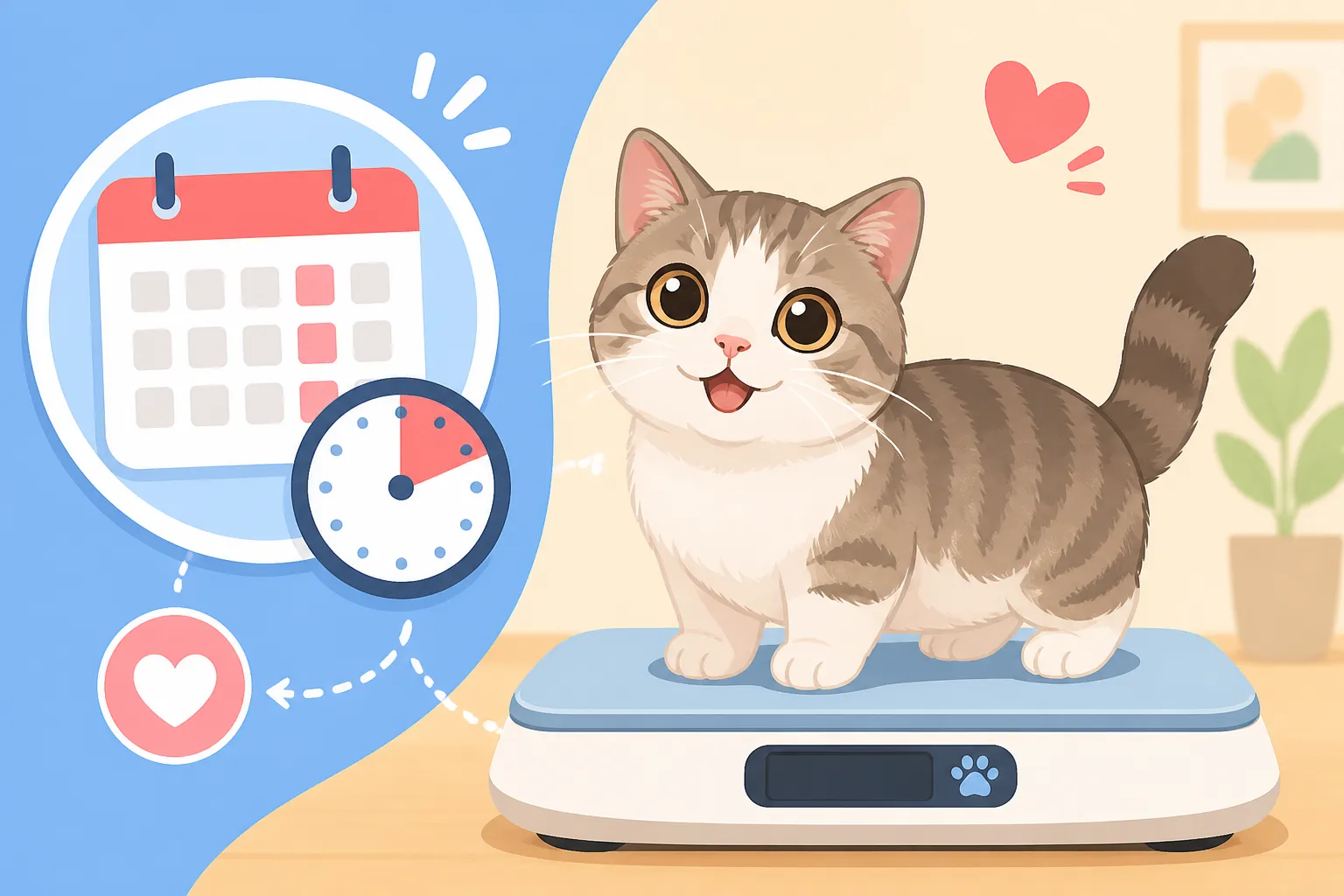
The best time to start weighing your Munchkin is right when you bring them home as a kitten. They're growing so rapidly that weekly checks can give you valuable insights into their development. As they mature, the frequency can change, but the habit should stick. Don't worry, you don't need fancy vet equipment to do this effectively.
For kittens, a kitchen scale works wonderfully. You can place a small bowl or a soft towel on it, tare it to zero, and gently place your little one inside. For adult Munchkins, a regular human bathroom scale is perfectly adequate. The trick is to weigh yourself first, then pick up your cat and weigh yourself together. Subtract your weight from the combined weight, and voilà – you have your cat's weight! Many owners find this method easiest. You can find reliable digital scales on platforms like Amazon or even at local pet stores like those supplied by Chewy. The key is to use the same scale each time to ensure consistency in your readings.
The Ideal Weighing Schedule for Different Life Stages
Knowing how often to step on the scale (or have your Munchkin step on it with you!) can vary depending on where your cat is in their life journey.
| Life Stage | Recommended Weighing Frequency | Key Considerations |
|---|---|---|
| Kittens | Weekly | Rapid growth, ensuring they are gaining steadily. Early detection of any stalls or excessive gain. Critical for avoiding early joint strain from overfeeding. |
| Adults (1-8 years) | Monthly or Bi-Monthly | Maintenance phase. Look for consistency. Minor fluctuations (a few ounces) are often normal, but significant or trending changes warrant investigation. |
| Seniors (8+ years) | Monthly or Bi-Monthly (or more often if advised by vet) | Increased risk of age-related conditions, including arthritis and organ issues. Weight loss or gain can be early indicators of health changes. Regular checks help monitor the effectiveness of any joint support or dietary changes. Caring for a Munchkin Past Ten is a good resource here. |
This schedule provides a general guideline. If your Munchkin has a known health condition, your veterinarian might recommend more frequent checks. Consistency is truly your friend here. Picking a specific day of the month or week and sticking to it will give you the most accurate picture of their weight trends over time. Remember, you're looking for trends, not just individual numbers.
What a Healthy Weight Range Feels Like
Numbers on a scale are helpful, but they don't tell the whole story. What truly matters is your Munchkin's body condition. After all, a larger-boned cat at the upper end of a "healthy" weight might still be lean, while a smaller-boned one at the lower end could be carrying too much fat. This is where learning How to Score a Munchkin's Body Condition by touch comes in.
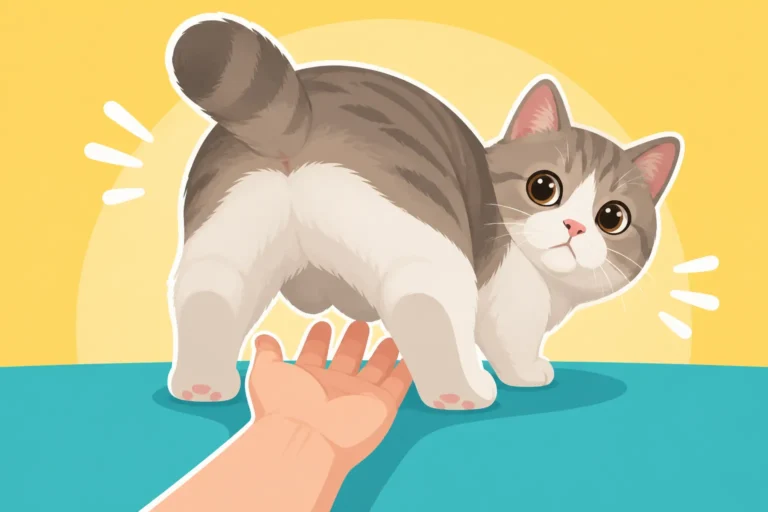
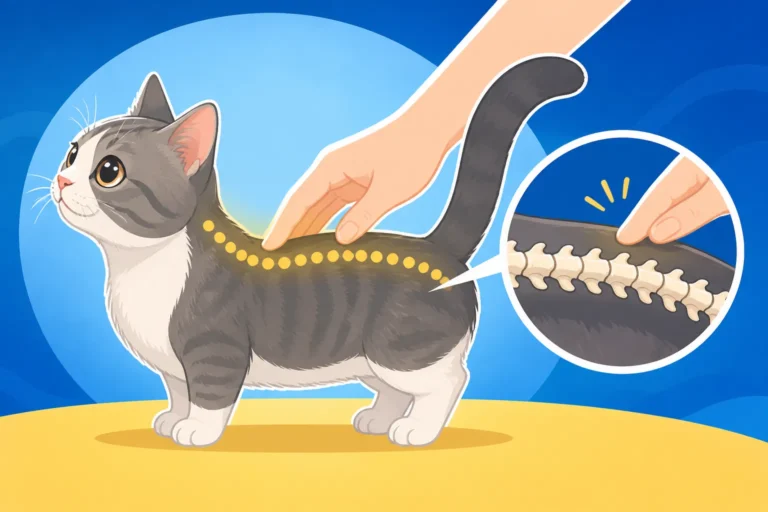
To assess your Munchkin by feel, gently run your hands along their sides and spine. You should be able to feel their ribs without pressing too hard, almost like feeling the knuckles on the back of your hand. Their spine should also be palpable, with individual vertebrae discernible but not sharply protruding. When you look down at them from above, you should see a slight indentation or "waist" just behind their ribs. Because Munchkins have short legs, they can often look rounder or stockier than they actually are. Their belly can hang low, especially as they get older, due to gravity and their conformation, which might make you think they're overweight when they're not. So, feeling is often more important than just looking. If you're having trouble feeling their ribs or spine, or if their waist is non-existent, it's a strong sign they might be carrying too much weight.
Troubleshooting Weighing Challenges and Interpreting the Numbers
Even with the best intentions, weighing your cat at home can sometimes feel like a wrestling match. It doesn't have to be. With a few simple tricks and a good understanding of what those numbers mean, you can turn a potentially stressful experience into a routine part of your Munchkin's care.
Making Weighing a Stress-Free Experience
Let's be honest, not every cat is a fan of the scale. Some might bolt at the sight of it, while others are simply too squirmy to get an accurate reading. The key is patience and positive reinforcement. Try to make weighing a calm, predictable event.
Start by choosing a quiet time when your Munchkin is relaxed. Place the scale in a familiar spot. If you're using the "weigh yourself, then weigh yourself with your cat" method, try doing it when they naturally come for cuddles. If you use a carrier for weighing, leave the carrier out in the open, making it a familiar, positive space. You can even entice them in with a favorite treat or a sprinkle of catnip. Once they're in the carrier and on the scale, praise them gently and offer a reward. The goal is to associate the scale with good things, not fear. Consistency here helps a lot; if they know it’s a quick process that ends with a tasty reward, they’ll be far more cooperative. This gentle approach is also great for general handling, making other vet visits and grooming easier. Check out How to Get a Munchkin Used to Being Handled for more tips on this.
When to Adjust Diet or Seek Vet Advice
Once you have a regular weighing routine, you'll start to notice patterns. A slight fluctuation of an ounce or two over a month is usually nothing to worry about. Just like us, cats can have minor daily variations. What you're really looking for are significant changes or consistent trends.
If you notice a steady increase in weight over several months, or if their body condition score indicates they're becoming overweight, it's time to consider a dietary adjustment. This might involve slightly reducing their portion sizes or switching to a lower-calorie food. Remember, How Many Calories a Munchkin Needs to Stay Off Its Joints is often less than a normal-legged cat. Be sure to weigh their food with a kitchen scale to ensure accuracy – eyeballing portions can be surprisingly inaccurate.
Conversely, if your Munchkin is consistently losing weight, or if you notice a sudden, unexplained drop, it's crucial to schedule a vet visit. Unintentional weight loss can be a sign of underlying health issues, from dental problems to kidney disease or hyperthyroidism, all of which are common in older cats. The vet can rule out medical causes and help you formulate a plan. Also, if your Munchkin seems stiff, reluctant to move, or appears to be in pain, and you suspect weight is a factor, your vet can discuss options for joint support or even What Pain Relief a Stiff Munchkin Can Take. Don't wait until their Why a Heavy Munchkin's Belly Drags or they're clearly struggling; early intervention is always best.
Long-Term Strategies for Maintaining Optimal Munchkin Weight
Keeping your Munchkin at a healthy weight isn't a one-time fix; it's a commitment for their entire life. It involves a holistic approach that intertwines careful nutrition with appropriate exercise and a home environment that supports their unique needs. By integrating these strategies, you're setting your short-legged friend up for a long, comfortable, and happy life.
Diet and Portion Control: The Cornerstone of Health
Nutrition is, without a doubt, the most significant factor in weight management. For a Munchkin, it's not just about what they eat, but critically, how much. Because their short legs mean they expend less energy running and jumping compared to their long-legged counterparts, they simply don't need as many calories. This is why precise How Much a Munchkin Gets in a Weighed Meal is paramount.
Invest in a small digital kitchen scale and weigh out every meal. Don't rely on scoop measurements, as these can vary wildly. Look for high-quality cat food that is rich in protein to maintain muscle mass and has a moderate fat content. Some owners also consider foods formulated with joint-supporting ingredients like glucosamine and chondroitin, especially as their Munchkin ages. Brands available at retailers like Chewy often have excellent options tailored to various needs. Always consult your vet before making drastic changes to your cat's diet to ensure it meets all their nutritional requirements. Consistency in feeding times and avoiding free-feeding (leaving food out all day) also helps regulate their intake and prevent overeating.
Encouraging Safe Exercise and Movement
While Munchkins might not be Olympic jumpers, they are incredibly playful and energetic, especially on the ground. Encouraging this natural floor-level activity is vital for burning calories, maintaining muscle tone, and keeping their joints limber. The key is to provide enrichment that suits their unique abilities, rather than forcing them to do things their bodies aren't designed for.
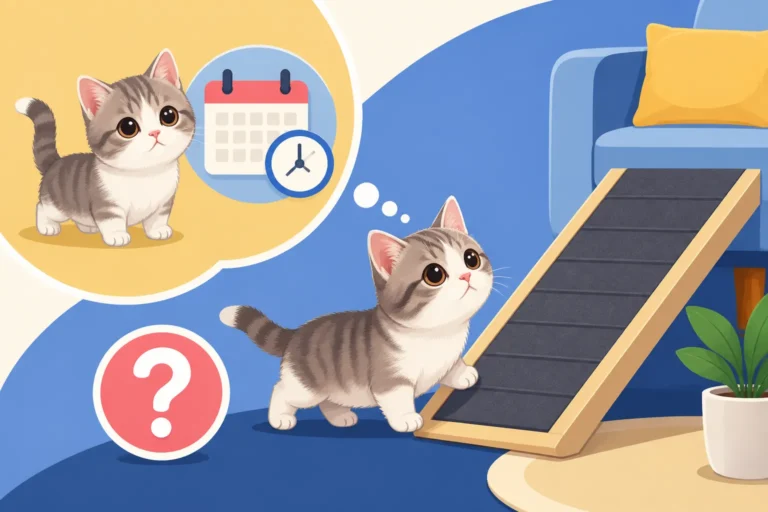
Think about How Much Floor Level Play a Munchkin Needs. Wand toys, laser pointers, and small, rollable toys are excellent for engaging them in chasing and pouncing games that keep them moving without the stress of high jumps. Set up puzzle feeders to make mealtime a stimulating activity, encouraging them to "hunt" for their food. When it comes to vertical spaces, instead of expecting them to leap onto high surfaces, create accessible "staircases" with cat-friendly steps, ramps, or strategically placed low furniture. Ramps and Steps Are Munchkin Equipment, Not Luxuries – they allow your cat to reach elevated spots like windowsills or your bed safely, without strenuous jumping that could put unnecessary strain on their spine and front legs. Keep play sessions regular and engaging, ensuring they get daily opportunities to move and explore at their own level.
Disclaimer
This article is for general informational purposes only and does not constitute professional advice. Laws, prices and regulations vary by location and change over time. Consult a qualified professional for guidance on your specific situation.