Whether Dental Treats Fit a Munchkin’s Calorie Ration
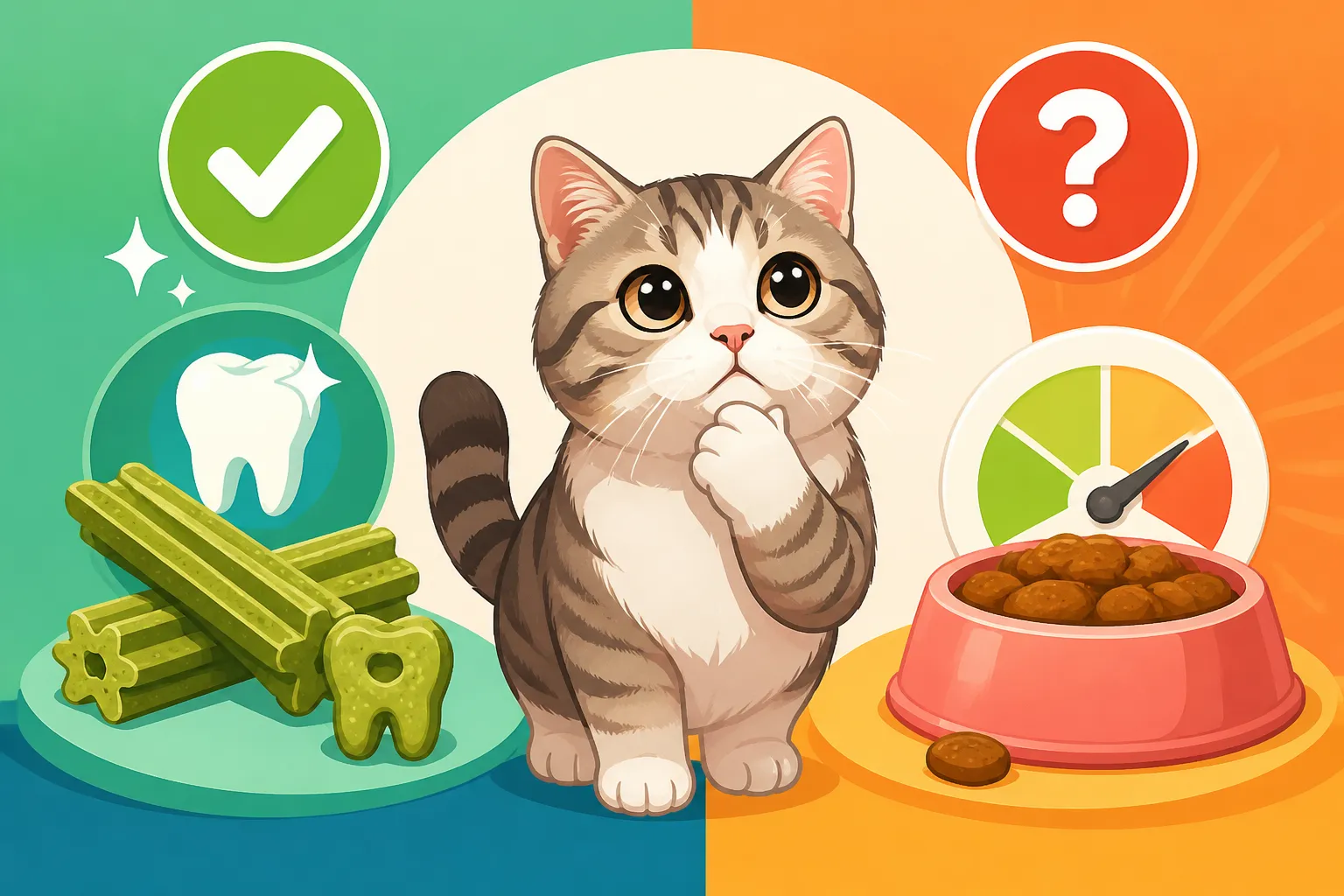
It's a common dilemma for us cat parents: we want to spoil our furbabies with treats, especially when those treats promise an added benefit like dental health. But when your beloved companion is a Munchkin, with those adorable short legs and a unique physique, the question of whether dental treats truly fit into their calorie budget becomes much more serious than for an average cat. It's not just about a little extra fluff; for a Munchkin, every calorie counts, and every extra ounce can have a real impact on their long-term comfort and health. This guide is here to unravel that conundrum, helping you understand the delicate balance of dental care and calorie control for your short-legged friend.
The Munchkin's Unique Calorie Equation
When you look at a Munchkin, it's clear they're built a little differently from your standard domestic cat. Those endearing short legs, while undeniably cute, mean their body moves and burns energy in a fundamentally different way. Understanding this unique physiology is the first step in managing their diet, including any treats you might want to offer.
Why a Munchkin Burns Fewer Calories
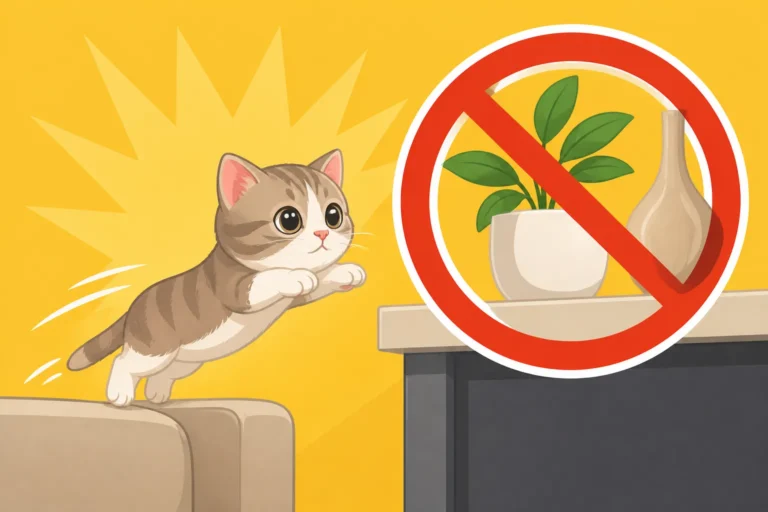
Let's talk physics for a moment, or rather, kitty-physics. A Munchkin's short legs mean they don't propel themselves into high jumps or scale tall furniture with the same frequency or ease as a long-legged cat. While they are incredibly agile and surprisingly fast on the flat, their overall activity level, especially when it comes to vertical movement, is naturally lower. They expend less energy climbing, jumping, and often even playing, simply because their physical mechanics limit certain types of strenuous activity.
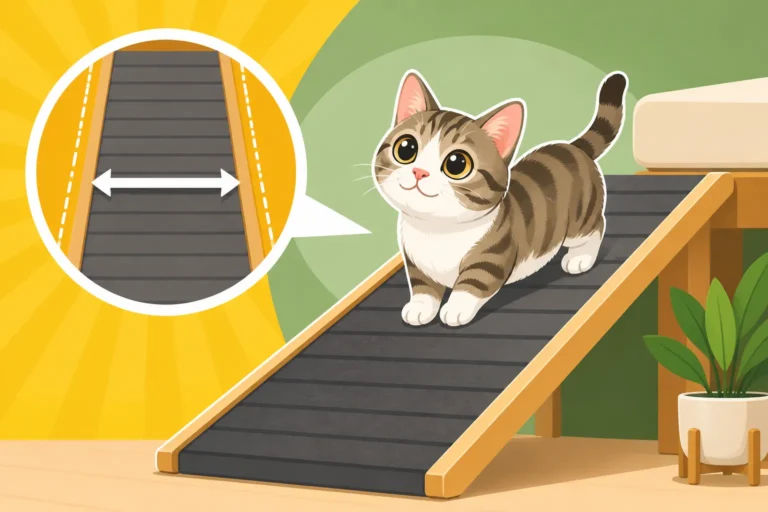
Think about it: a regular cat might leap onto the counter, then onto the top of the fridge, then bat a toy down. A Munchkin, however, will likely find a staircase of furniture or carefully planned ramps to navigate those heights, or simply stick to floor-level play. This reduced need for high-impact movement translates directly into fewer calories burned throughout the day. What might be a reasonable caloric intake for a standard domestic cat could easily be an excess for a Munchkin. This seemingly small difference in daily energy expenditure means that even a few extra calories, whether from their main food or treats, can quickly accumulate and contribute to weight gain. This isn't just about aesthetics; Why Weight Is More Dangerous on a Munchkin highlights the very real, physical risks of excess weight on their unique skeletal structure.
Calculating Your Munchkin's Daily Caloric Needs
Because their energy expenditure is different, simply using a generic calorie recommendation for a cat of their size might not be accurate for your Munchkin. Each cat is an individual, and their specific caloric needs will vary based on age, current weight, ideal body weight, activity level, and whether they are spayed or neutered. Spayed or neutered cats, for example, often have a lower metabolic rate.
The absolute best way to determine your Munchkin's precise daily caloric needs is to consult with your veterinarian. They can perform an assessment, taking into account your cat's body condition score, age, and lifestyle, to give you a tailored recommendation. However, as a general rule of thumb, you might start with the caloric needs for a normal-sized cat of your Munchkin's ideal adult weight and then adjust downwards. Many resources suggest roughly 20-35 calories per pound of ideal body weight for an adult cat, but for a Munchkin, you'll likely be on the lower end of that spectrum, or even slightly below it, especially if they are particularly sedentary.
It's a constant balancing act. Monitoring your Munchkin's weight diligently at home is absolutely crucial. A good quality digital pet scale can be an invaluable tool. Aim to weigh them weekly or bi-weekly to catch any upward trends early. How Often to Weigh a Munchkin at Home provides excellent advice on making this a routine. Remember, a healthy Munchkin should maintain a lean body condition, with ribs that are palpable but not visibly protruding, and a discernible waist. Too much weight means extra strain on those delicate joints and spine. How Much a Munchkin Can Safely Carry really delves into the importance of this, explaining how their short limbs are less equipped to bear excess load.
Understanding Dental Treats and Their Caloric Impact
We all want our cats to have sparkling teeth and fresh breath. Dental treats are often marketed as an easy solution, a way to combine a tasty reward with oral hygiene. But for a Munchkin owner, it's vital to look beyond the marketing and truly understand what these treats offer and what they might cost in terms of calories.
What Are Dental Treats Supposed to Do?
Most dental treats for cats work on one of two main principles: mechanical abrasion or specific ingredients. The idea behind mechanical abrasion is that as your cat chews the treat, its unique texture or shape helps scrape away plaque and tartar from the tooth surface, much like a tiny toothbrush. Some treats are designed with a porous texture or a particular density to maximize this scraping action.
Other dental treats incorporate specific ingredients designed to chemically reduce plaque buildup or freshen breath. These might include enzymes, antiseptics, or other compounds that inhibit bacterial growth in the mouth. While these ingredients can offer some benefit, they are generally considered supplementary to mechanical cleaning.
It's important to understand that while dental treats can play a role in an overall oral hygiene plan, they are rarely a standalone solution. Many treats simply aren't abrasive enough, or cats don't chew them for long enough, to make a significant difference. They are a tool, not a miracle cure, and their effectiveness can vary greatly between brands and individual cats. Don't be fooled by grand claims; even the best dental treat isn't a substitute for a good vet check-up and, if needed, professional cleaning.
The Hidden Calorie Bomb in Many Treats
Here's where the rubber meets the road for our Munchkin friends: calories. Many commercial dental treats, despite their good intentions for oral health, are surprisingly high in calories. They are often made with palatable (and therefore sometimes fatty or sugary) ingredients to ensure your cat wants to eat them. What seems like a small, innocent reward can quickly become a significant caloric contribution to your cat's daily intake.
Let's put this into perspective. Imagine your Munchkin needs 150 calories per day to maintain a healthy weight. If a single dental treat contains 10-15 calories (which is not uncommon), giving just two of those treats means you've just added 20-30 calories, or roughly 13-20% of their daily allowance, in one go. If you give a few more throughout the day, perhaps for training or just because they're cute, you can easily push them over their limit without even realizing it. Why Every Extra Gram Lands on a Munchkin's Spine makes it clear just how detrimental this can be.
This is why reading labels is absolutely paramount. Don't just glance at the front of the bag; turn it over and find the caloric information, usually listed as "kcal per treat" or "kcal per cup/gram." If it's not explicitly stated, be wary, or contact the manufacturer. Remember, every treat adds up, and for a Munchkin who already burns fewer calories, these seemingly small additions can have a disproportionately large impact on their waistline and, consequently, their joint health.
Integrating Dental Treats into a Munchkin's Diet Safely
So, does this mean no dental treats for your Munchkin ever? Not necessarily! It means being smart, selective, and always prioritizing their overall health. With careful planning and informed choices, you can still incorporate occasional dental treats without derailing their diet or compromising their unique physical needs.
The 10% Rule: A General Guideline
A common guideline offered by veterinarians for any pet is that treats should never make up more than 10% of their total daily caloric intake. This is a crucial rule of thumb, but for a Munchkin, it's even more critical and needs to be interpreted with extra caution.
Let's revisit our hypothetical Munchkin who needs 150 calories per day. Under the 10% rule, this means all treats combined should contribute no more than 15 calories per day. This is a very small amount, potentially just one or two small dental treats, depending on their individual caloric content. For a more active, long-legged cat that might burn 250 calories a day, their 10% allowance would be 25 calories, providing a bit more wiggle room.
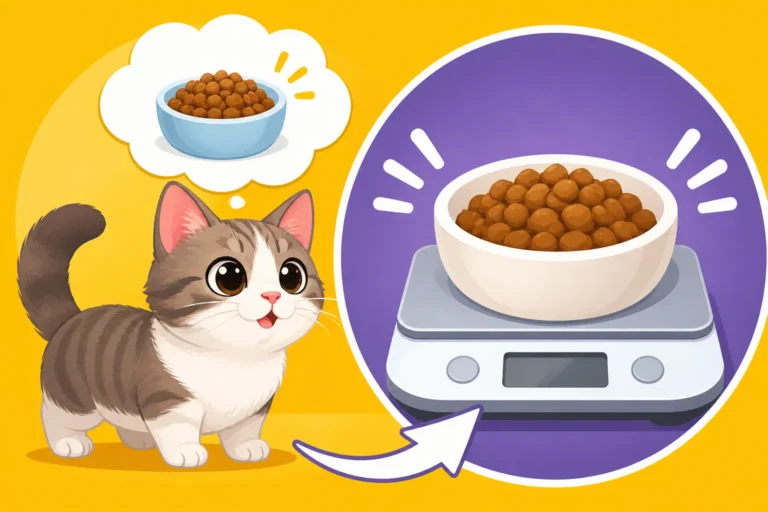
The challenge for Munchkins is that their baseline caloric need is already lower, so their 10% allowance is naturally smaller. Overstepping this limit, even slightly, can quickly lead to weight gain because their bodies are not burning off excess calories as readily as other cats. It takes a disciplined approach to ensure that treats remain a small, carefully managed part of their diet. Always weigh your Munchkin's regular food precisely using a kitchen scale, and then subtract the calories allocated for treats from that total. This ensures you're accounting for every morsel. How Much a Munchkin Gets in a Weighed Meal is an excellent resource for precise feeding.
Prioritizing Dental Health: Alternatives and Supplements
While dental treats can be a piece of the puzzle, they shouldn't be the only piece, especially given the caloric considerations for Munchkins. The absolute gold standard for feline dental care remains mechanical brushing.
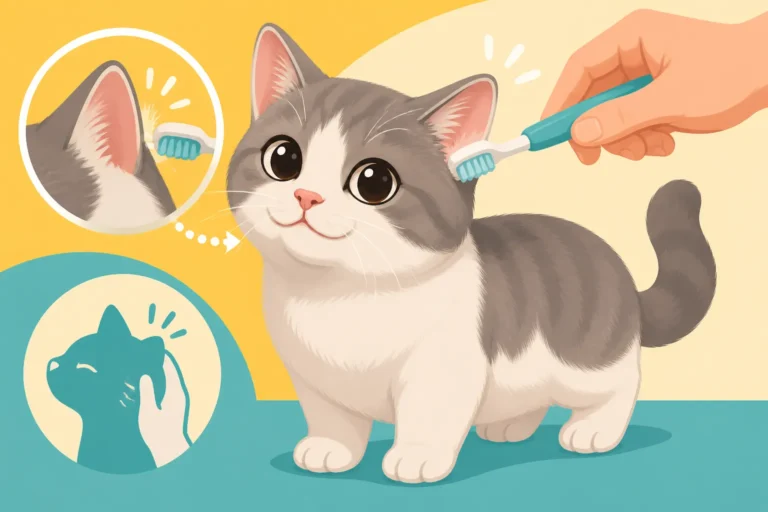
- Mechanical Brushing: Yes, brushing a cat's teeth can be a challenge, but it's the most effective way to remove plaque and prevent tartar buildup. For a Munchkin, whose short neck might make some angles awkward, you'll want to find a cat-specific toothbrush or finger brush with a small head. Which Brush Head Fits a Munchkin's Mouth offers good advice here. Start slow, make it positive, and aim for short, consistent sessions.
- Dental Diets: Many veterinary brands offer prescription dental diets specifically formulated to help clean teeth. These foods typically have a larger, more fibrous kibble that encourages chewing and provides a scrubbing action, or they contain ingredients to reduce plaque. If your vet recommends a dental diet, remember to factor its calories into your Munchkin's daily intake, as it will replace their regular food.
- Water Additives/Oral Rinses: These products can contain antibacterial agents that help reduce bacteria in the mouth. While they are generally less effective than brushing or dental diets, they are completely calorie-free and can offer a small supplemental benefit, especially if your Munchkin is resistant to brushing. You can find a wide variety of these on online retailers like
ChewyorAmazon. - Oral Gels or Wipes: These can be applied directly to your cat's gums and teeth. They often contain enzymes or other ingredients to fight plaque and freshen breath. Like water additives, they carry no caloric cost and can be a good option for cats who won't tolerate brushing.
Smart Treat Choices and Portion Control
If you do decide to incorporate dental treats, make smart choices and exercise strict portion control.
- Choose Wisely: Look for dental treats that are specifically formulated to be low in calories. Many brands offer "light" or "diet" versions. Always check the calorie count per treat on the packaging.
- Break 'Em Up: This is a simple but effective trick. Instead of giving a whole treat, break it into two, three, or even four smaller pieces. Your Munchkin still gets the reward and the chewing action, but with a fraction of the calories. This can also extend the treat time, making the reward feel more substantial.
- Use as Rewards, Not Snacks: Think of treats as a tool for positive reinforcement, not just something to hand out casually. Use them during training sessions, for good behavior, or as a special occasional reward.
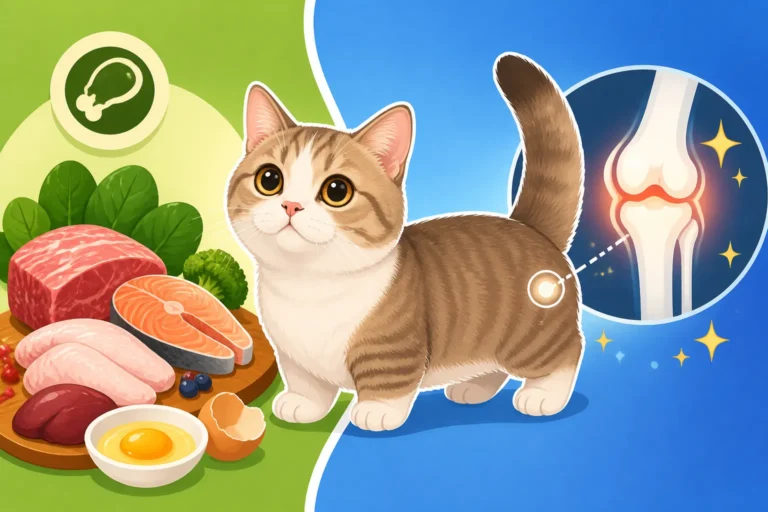
- Consider Alternatives: Sometimes, a small piece of cooked, unseasoned chicken or a tiny bit of plain freeze-dried meat can be a lower-calorie, high-value treat. While not specifically for dental health, their single-ingredient nature often makes them a better choice for calorie control.
Here's a quick comparison of various treat types to help guide your choices:
| Treat Type | Calorie Density (Relative) | Primary Dental Benefit | Munchkin Suitability | Notes |
|---|---|---|---|---|
| Standard Commercial Treats | High | Minimal | Low | Often high in fat/sugar; can quickly exceed calorie limits. |
| Dental Chews (Abrasive) | Medium to High | Abrasive action | Medium (with caution) | Choose low-calorie versions; portion strictly; check for digestive upset. Break into smaller pieces. |
| Freeze-Dried Meat Treats | Low to Medium | Minimal (chewing may help) | High (in moderation) | Single ingredient, often lower calorie. Can be broken into tiny pieces. Good for training. |
| Vet-Prescribed Dental Diet | N/A (Main Food) | Specific ingredients/texture | High (if appropriate) | Replaces regular food; consult vet. Full caloric needs covered by this food. |
| Oral Gels/Wipes | Zero | Antiseptic/mechanical removal | High | No caloric impact; good supplement to brushing. |
| Water Additives | Zero | Antiseptic action | High | No caloric impact; a simple daily addition. |
Monitoring and Adjusting for Optimal Health
Your Munchkin's weight and dental health are ongoing projects. It's not a "set it and forget it" situation. Regular monitoring and a willingness to adjust your approach are key to ensuring they live a long, happy, and comfortable life.
Signs Your Munchkin is Gaining Weight
Catching weight gain early is paramount for a Munchkin. Those short legs are already under a unique load, and every extra pound increases that stress, potentially leading to discomfort or exacerbating existing conditions.
- The Rib Test: This is your primary at-home check. Gently run your hands along your Munchkin's sides. You should be able to feel their ribs without pressing hard, but they shouldn't be visibly prominent. If you have to dig to feel them, or if you can't feel them at all, your cat is likely overweight.
- No Visible Waist: Look at your Munchkin from above. They should have a slight indentation just behind their ribs, before their hips. On a Munchkin, this can be tricky to spot due to their low-slung body, and Why a Munchkin Looks Round Even When Lean explains this. But if they look like a continuous, straight line or bulge outwards, they're carrying too much weight.
- Difficulty Grooming: Overweight cats often struggle to reach their hindquarters to groom effectively. If you notice increased matting, especially around their back, tail base, or belly, it could be a sign of weight gain limiting their flexibility. Which Parts of Itself a Munchkin Cannot Reach and Whether Matting Becomes a Health Problem in a Munchkin provide further insight into this common problem for Munchkins.
- Changes in Activity: While Munchkins aren't Olympic jumpers, a sudden decrease in their already limited jumping or climbing attempts, or an increased reluctance to play, can indicate discomfort from excess weight. They might seem more lethargic or just less enthusiastic about their usual activities.
- Heavy Belly: Observe your Munchkin as they walk. If their belly appears to drag or is very close to the ground even when they are walking, it's a strong indicator of excess abdominal fat.
Using a body condition scoring chart (easily found online or provided by your vet) can help you objectively assess your Munchkin's weight. How to Score a Munchkin's Body Condition breaks down this process beautifully.
Working with Your Veterinarian
Your veterinarian is your most important partner in your Munchkin's care, particularly when it comes to diet, weight management, and dental health.
- Regular Check-ups: Don't skip those annual (or even bi-annual for seniors) vet visits. These appointments allow your vet to monitor your Munchkin's weight, assess their dental health, and perform any necessary screenings. They can also provide professional advice on diet and exercise.
- Open Communication: Be open with your vet about everything your Munchkin eats, including all treats. Bring the packaging for any dental treats or food you're considering. Your vet can help you understand the calorie content and suitability.
- Professional Dental Cleanings: Sometimes, no amount of treats or brushing can fix significant plaque and tartar buildup. If your Munchkin develops advanced dental disease, a professional dental cleaning under anesthesia at your vet's office may be necessary. This is often the most effective way to address existing issues and prevent more serious problems like gum disease or tooth loss. What Cleaning a Munchkin's Teeth Costs Under Anesthetic discusses this option, which can feel like a big step but is often critical for their overall health. Your vet can advise you on the best timing and approach for your cat.
- Customized Plans: Your vet can help you create a comprehensive plan that integrates nutrition, exercise, and dental care tailored specifically for your Munchkin, taking into account their unique needs and potential health predispositions.
By being vigilant about their weight, choosing dental treats wisely, and maintaining an open dialogue with your vet, you can ensure your Munchkin enjoys both excellent oral health and a comfortable, active life on those adorable short legs.
Disclaimer
This article is for general informational purposes only and does not constitute professional advice. Laws, prices and regulations vary by location and change over time. Consult a qualified professional for guidance on your specific situation.