What a Munchkin Kitten Should Not Be Allowed to Jump
Bringing a Munchkin kitten home is an absolute joy, but it also comes with a unique set of considerations, especially when it comes to their physical limits. Many new owners worry about whether their adorable short-legged furball should be allowed to jump freely, fearing it might harm their delicate little bodies. This comprehensive guide will walk you through the realities of Munchkin kitten mobility, help you understand what kinds of jumping are risky, and show you how to create a safe, enriching environment that protects your kitten without stifling their natural playfulness.
Understanding the Munchkin's Unique Mobility Challenges
It's easy to look at a Munchkin kitten and just see the cuteness of their short legs, but it's crucial to understand the underlying physical realities that dictate their movement. While they are incredibly agile and resilient, their unique conformation means certain activities, like uncontrolled jumping, can pose a greater risk to their developing skeletal system.
The Physical Reality of Short Legs for a Kitten
Let's be clear: Munchkin cats are not "disabled" in the way some people might assume, but their short legs are a direct result of a genetic mutation that affects bone growth, specifically in the long bones of their limbs. This means their legs are proportionally much shorter than a typical cat's, while their spine and body length remain normal. Imagine a regular cat's torso, but with legs that are perhaps half the length. This changes their center of gravity and the mechanics of how they move.
A Munchkin kitten's bones and joints are still growing and developing rapidly during their first year. While they possess an incredible innate desire to explore and play, every jump they make puts a load on their shoulders, elbows, and spine that is different from a long-legged cat. Their short levers mean less leverage and more direct impact when landing. It's not that they can't jump – you'll be amazed at their vertical leap when they put their mind to it – but rather that the repetitive stress from high or uncontrolled jumps can be problematic. Why a Munchkin's Spine Carries a Load a Normal Cat's Does Not is a real concern, as the normal-length spine has to contend with a body supported by much shorter limbs, distributing weight in a way that can lead to strain over time.
Why Jumping Down Is More Risky Than Jumping Up
This is a point many new Munchkin owners don't fully grasp until they see it in action. A Munchkin kitten might be able to scramble and launch itself surprisingly high, even onto a sofa or a low bed. They often use clever strategies, like launching off nearby objects or scaling textiles, to get where they want to go. However, the real danger often lies in the landing. When a cat jumps down, especially from a significant height, the force of impact is absorbed by their joints – primarily their shoulders, elbows, and wrists in the front legs, and hips and knees in the back.
For a Munchkin, this impact is concentrated on already unique limb structures. The shorter bones mean less "cushioning" or shock absorption across a longer limb, making the landing harsher. Repeated, jarring landings from heights like tabletops, windowsills, or tall cat trees can put immense stress on their developing growth plates and joint cartilage. Over time, this can contribute to issues such as arthritis, especially in their front legs, which bear the brunt of the landing force. It's often said that Coming Down Is Harder Than Going Up for a Munchkin, and this holds particularly true for kittens whose bodies are still forming. Think of it like a human repeatedly jumping off a table versus climbing up stairs; the descent carries more concussive force.
Identifying and Managing Jump-Risk Situations
The key to keeping your Munchkin kitten safe isn't to prevent them from moving or playing, but to manage their environment so they can explore without putting themselves at undue risk. This means understanding where the danger zones are in your home and making proactive adjustments.
Common Household Hazards for a Jumping Munchkin Kitten
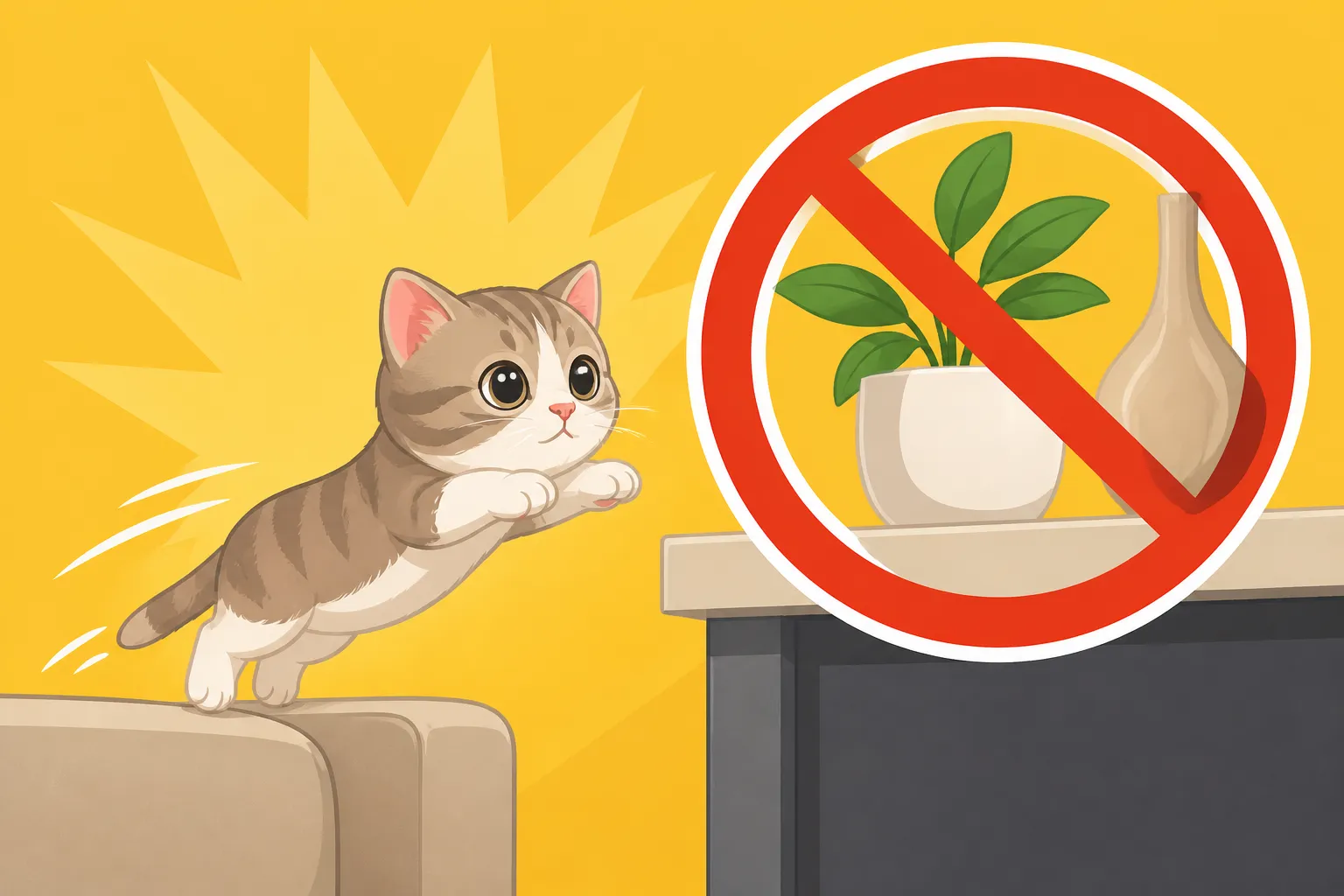
Your home, which might seem perfectly safe for a standard cat, can present a minefield of potential jump hazards for a Munchkin kitten. Their determination to reach new heights often outweighs their physical capabilities, leading to precarious jumps and hard landings.
Consider furniture like:
- Sofas and Armchairs: While a full-grown Munchkin might manage a sofa, a tiny kitten might struggle with the height, especially during descent. They'll try to get onto your lap or join you on the couch, and if there isn't an easy way up or down, they'll launch themselves.
- Beds: A tall bed frame is a major undertaking for a Munchkin. They might make it up with a few heroic leaps, but falling or jumping off from that height regularly is a significant concern for their spine and joints.
- Chairs: Dining chairs, office chairs, and accent chairs can be tempting intermediate perches. While lower than beds, repeated jumping on and off can still add cumulative stress. How a Munchkin Gets Onto a Chair often involves a combination of agility and sheer will, but the landing is still a factor.
- Windowsills and Countertops: These are often irresistible to any cat. However, for a Munchkin kitten, a windowsill can be an unreachable dream without assistance or a carefully planned ramp system. And when it comes to countertops, Why a Munchkin Cannot Make the Kitchen Counter is a very real barrier, but they might attempt to reach it by scaling cupboards or nearby lower surfaces, which can lead to falls.
- Cat Trees: Standard cat trees are designed for long-legged cats, with platforms spaced far apart. For a Munchkin kitten, these become vertical challenges that are either impossible or dangerous. They might attempt to jump between platforms that are too far apart, risking slips and falls.
Creating a "Jump-Safe" Environment
The good news is that with a little thoughtful planning, you can transform your home into a Munchkin-friendly paradise where your kitten can explore safely. The goal is to provide accessible pathways to all the places a cat naturally wants to go, eliminating the need for risky leaps.
Here are some practical steps:
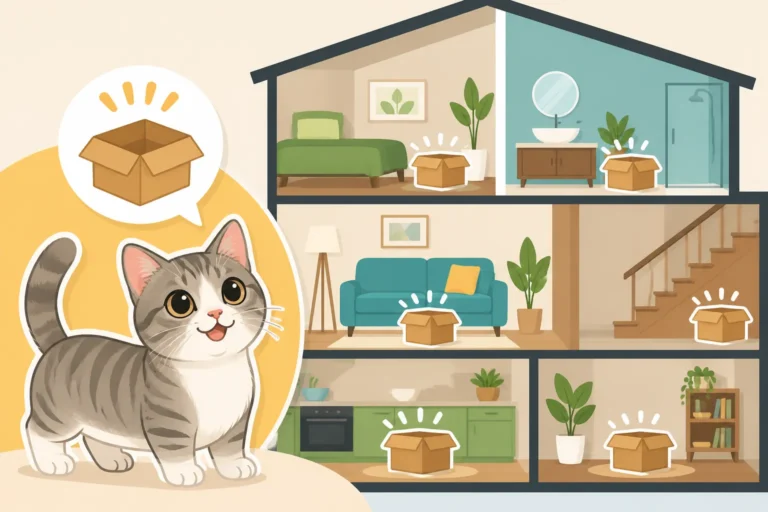
- Ramps and Steps for Furniture: This is probably the single most important modification you can make. Invest in sturdy pet ramps or steps for every sofa, bed, and high chair your Munchkin kitten might want to access. You can find excellent options on sites like Chewy or Amazon, ranging from carpeted wooden ramps to foam steps. Ensure they are stable and have a non-slip surface. For kittens, start with a very gentle incline on ramps or closely spaced, shallow steps. How to Teach a Munchkin to Use Steps from an early age will build good habits.
- Munchkin-Friendly Cat Trees: Forget the tall, widely spaced cat trees. Look for ones specifically designed for older or physically challenged cats, with platforms that are close together (ideally no more than 10-12 inches apart for a kitten, even less is better) or integrated ramps. Alternatively, you can create your own "staircase" by placing sturdy furniture strategically around a standard cat tree to make intermediate steps.
- Lower Perches and Windowsill Access: Provide sturdy, low-level perches near windows so your kitten can safely enjoy the view without having to jump up or down. A small cat bed on a low chest of drawers, or even a specialized windowsill perch with a ramp, can be perfect.
- Floor-Level Enrichment: Make sure plenty of engaging toys and activities are available at floor level. Tunnels, puzzle feeders, kickers, and low-standing scratchers will satisfy their instincts without requiring vertical effort.
- Clear Landing Zones: Even with ramps, accidents can happen. Try to ensure that areas where your Munchkin kitten might jump down from (even if discouraged) have soft landings, like a rug or a thick pet mat.
Here's a quick comparison of jump-friendly versus jump-risky furniture arrangements:
| Furniture Type | Jump-Risky Arrangement | Jump-Friendly Arrangement |
|---|---|---|
| Sofa/Bed | Tall, no access, requiring large vertical jump | Pet ramp or steps leading to the cushion/mattress |
| Windowsill | High, narrow, only reachable by a large leap | Low perch with integrated steps or ramp; sturdy cat tree nearby |
| Cat Tree | Tall, wide-set platforms, no ramps | Platforms close together, internal ramps, or external steps/furniture |
| Food/Water Bowls | Placed on counters, requiring jumps | Floor-level or slightly raised bowls on a non-slip mat |
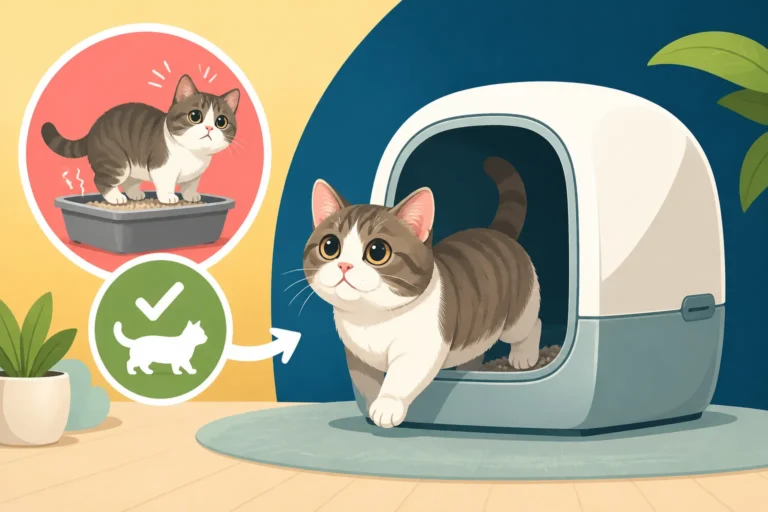
| Litter Box | High sides, top entry, difficult to step into | Low-entry senior cat litter box or one with a small ramp |
By making these simple modifications, you'll greatly reduce the chances of your Munchkin kitten making a dangerous jump and minimize the long-term strain on their body.
Training and Enrichment to Discourage Harmful Jumping
It’s not enough to just modify the environment; we also need to guide our Munchkin kittens toward safer play and movement habits. This isn’t about stopping them from being cats, but about teaching them how to be happy, healthy Munchkin cats.
Encouraging Safe Movement and Play
Munchkin kittens are full of energy and curiosity, just like any other kitten. The trick is to channel that energy into activities that are safe and stimulating for their unique physique. Instead of discouraging play, redirect it.
- Floor-Level Play is Paramount: Your Munchkin kitten will naturally spend a lot of time on the floor, and this is where most of their play should happen. Engage them with wand toys that you can drag along the ground, crinkle balls they can chase, or remote-controlled toys that encourage running and pouncing on a flat surface. Which Wand Toys Suit a Munchkin's Reach are typically those that allow you to keep the toy low to the ground, mimicking prey movement without requiring big leaps.
- Tunnels and Mazes: Tunnels are fantastic for Munchkins! They love to dart through them, hide, and ambush toys. These provide excellent exercise and mental stimulation without any vertical stress. You can even combine multiple tunnels to create an elaborate maze.
- Puzzle Feeders: These are great for engaging their minds and slowing down mealtime, reducing the risk of overeating which is particularly important for their joints. Look for puzzle feeders that are floor-level or low to the ground, requiring them to use their paws or noses to extract treats, rather than standing on hind legs for extended periods or reaching up high.
- Interactive Play Sessions: Dedicate specific times each day for interactive play. Use feather wands or laser pointers (used carefully, always ending with a tangible toy) to encourage horizontal chasing, pouncing, and batting. This helps them burn off energy safely and builds a strong bond with you. Remember that even their famous "prairie dog sit" – where they stand on their hind legs – is a normal part of their behavior, but prolonged or strenuous versions of this posture shouldn't be forced or encouraged excessively. What a Munchkin's Prairie Dog Posture Tells You can be about curiosity, but it's not a jumping posture.
The Role of Ramps and Steps in Kitten Development
Introducing ramps and steps early in your Munchkin kitten's life is crucial for developing good habits and ensuring their long-term well-being. Think of them as essential tools, not optional accessories.
- Early Introduction is Key: Start introducing ramps and steps as soon as your kitten comes home, if not sooner with the breeder's guidance. How Early to Introduce a Munchkin Kitten to a Ramp can significantly impact their willingness to use them. Place them next to low furniture first, then gradually introduce them to higher surfaces.
- Positive Reinforcement: Make using ramps and steps a positive experience. Lure your kitten up and down with treats, praise, and favorite toys. Walk with them, showing them the way. Never force them; patience is essential. If they jump down instead of using the ramp, gently place them back at the top of the ramp and guide them down again. Consistency is key.
- Placement Matters: Place ramps and steps in obvious, accessible locations. If the ramp is tucked away or difficult to navigate, your kitten is more likely to revert to jumping. Ensure the ramp's surface provides good traction, preventing slips.
- Multiple Access Points: Ideally, every piece of furniture that a cat might want to access should have a ramp or steps. This might sound excessive, but it creates a seamless, safe environment where your Munchkin never needs to jump from a height. For instance, if you have a large sectional sofa, consider a ramp at each end.
Long-Term Health Implications of Unrestricted Jumping
Understanding the immediate risks of jumping is important, but it's equally crucial to grasp the potential long-term consequences for your Munchkin kitten's health. What might seem like harmless kitten antics can accumulate into significant issues as they age.
Joint and Spinal Health Over Time
The impact of repeated, uncontrolled jumping, especially from height, can have a cumulative effect on a Munchkin's delicate skeletal system. Their short legs, while adorable, are not designed to absorb the same kind of impact that a long-legged cat's limbs can.
- Increased Risk of Arthritis: The joints, particularly in the shoulders, elbows, and hips, are constantly under stress when jumping and landing. Over years, this repetitive micro-trauma can accelerate the onset and severity of osteoarthritis. Whether a Munchkin Gets Arthritis Earlier is a common concern, and while not all Munchkins develop severe arthritis, minimizing joint stress from kittenhood is a proactive step in prevention. This condition can lead to pain, stiffness, reduced mobility, and a decreased quality of life as they get older.
- Spinal Strain and Conditions: While the Munchkin's spine itself is generally a normal length, the way it's carried by those short legs can lead to unique stresses. Conditions like lordosis (a severe inward curvature of the spine) and pectus excavatum (a sunken chest) are sometimes associated with the breed, and while not directly caused by jumping, excessive impact can exacerbate any pre-existing predispositions or put additional strain on an already vulnerable area. What Lordosis Does to a Munchkin can range from mild and asymptomatic to severe, causing organ compression and pain. Minimizing spinal jarring is critical.
- Muscle and Ligament Damage: Just like in humans, ligaments and muscles can be strained or torn with repeated awkward landings or falls. While these acute injuries can happen to any cat, a Munchkin's unique anatomy might make them more prone to certain types of strain.
The Importance of Regular Vet Checks
Proactive veterinary care is indispensable for a Munchkin cat, especially during kittenhood and as they age. Regular check-ups allow your vet to monitor their development and address any potential issues before they become serious.
- Early Detection is Key: Your Munchkin kitten's first veterinary visits are critical. Your vet will perform a thorough physical examination, assessing their gait, joint mobility, and spinal alignment. Why a Munchkin Kitten Needs an Early Vet Check cannot be overstated. They'll be looking for any signs of discomfort, bowing of the legs, or subtle indicators of spinal issues. Early detection means early intervention, which can often mitigate the severity of future problems.
- Monitoring Growth and Weight: Maintaining a healthy weight is paramount for a Munchkin. Every extra pound puts additional stress on their joints and spine. Your vet will help you establish a feeding plan appropriate for a growing kitten, ensuring they don't become overweight.
- Discussion of Lifestyle and Home Environment: Be open with your vet about your home setup and your kitten's activity levels. They can offer advice on optimal ramp angles, appropriate exercise, and recommend supplements if necessary to support joint health. They might also suggest specific diagnostic imaging, like X-rays, later in life if concerns arise about their spine or joints.
- Ongoing Wellness Care: As your Munchkin matures, routine check-ups will continue to be vital. Your vet can monitor for signs of arthritis, dental problems (which can be exacerbated if they struggle to groom effectively due to limited reach), and overall health. They are your best partner in ensuring your unique feline friend lives a long, comfortable life.
Taking these precautions from the very beginning will help ensure your Munchkin kitten grows into a happy, healthy adult cat who can enjoy a full and active life within the safe parameters you've established.
Disclaimer
This article is for general informational purposes only and does not constitute professional advice. Laws, prices and regulations vary by location and change over time. Consult a qualified professional for guidance on your specific situation.