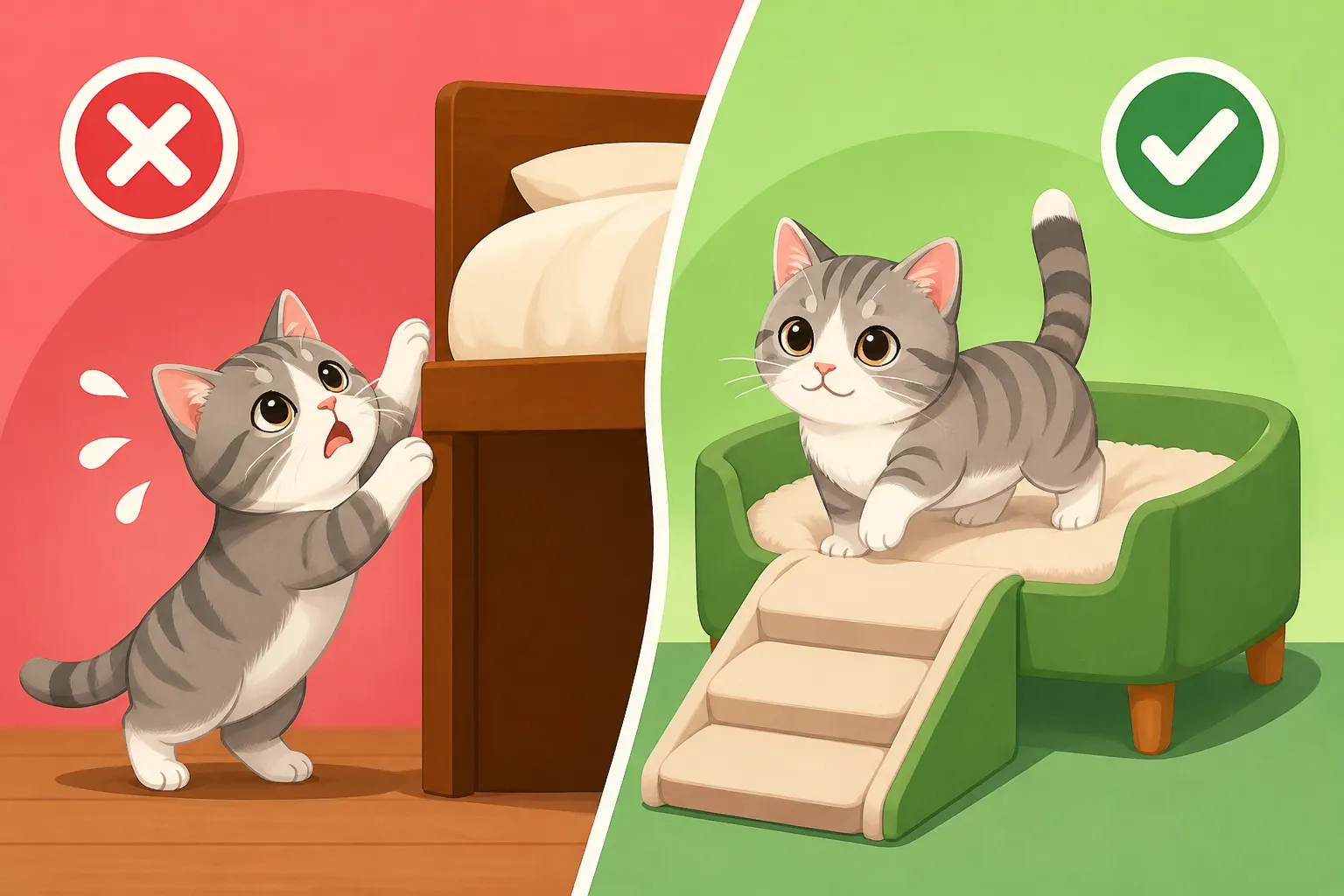
Whether a Munchkin Should Sleep Somewhere It Can Reach Alone
One of the biggest worries for Munchkin cat owners, especially new ones, is making sure their adorable short-legged companions are truly comfortable and safe in their home environment. It can be heartbreaking to see your little one struggle to get onto a favorite chair or bed, leaving you wondering if they feel excluded or unsafe. This guide will walk you through why it's not just a nice idea, but a vital part of their well-being, to ensure your Munchkin can always reach their chosen sleeping spots entirely on their own, and how to make that a reality.
The Fundamental Need for Accessible Sleep for Your Munchkin
It might seem obvious that a cat with short legs needs help getting around, but the implications for their rest and security are often underestimated. Unlike long-legged cats who can leap with incredible agility to high perches for safety or comfort, your Munchkin experiences the world from a much lower vantage point. This isn't just about convenience; it's about their inherent feline need for security and independent access to comfort.
Why Independent Access to Rest is Crucial for Feline Well-being
Cats, by nature, are creatures that value their independence and control over their environment. They choose their sleeping spots based on warmth, safety, quietness, and often, height. For a Munchkin, the "height" aspect is entirely redefined. If they can't get to a cozy, elevated (even if only slightly) spot without human intervention, they lose a fundamental aspect of their self-sufficiency. This can lead to stress, frustration, and even a feeling of vulnerability. Imagine wanting to retreat to your private space but needing someone to lift you there every single time – it diminishes your sense of autonomy. This is why it's so important that you understand that A Munchkin Is a Normal Cat That Cannot Reach.
When a Munchkin has to constantly rely on you to reach a comfortable napping spot, it can impact their confidence. They might become hesitant to explore or settle down in places they perceive as inaccessible. This isn't just about their physical limitations, but also about their psychological state. A cat that feels safe and in control of its resting places is a happier, more well-adjusted cat. It fosters a sense of security that is paramount for their overall mental health, allowing them to truly relax and get the deep sleep they need.
The Physical Impact of Jumping and Landing on Short Legs
While Munchkins are surprisingly agile and can perform impressive short-distance sprints and small jumps, repeated strenuous jumping, especially down from heights, puts undue stress on their unique skeletal structure. Their shorter legs mean that the impact of landing is distributed differently, often placing more strain on their joints, particularly in their shoulders and elbows. Over time, this repetitive stress can contribute to discomfort or even exacerbate underlying joint issues.
Ensuring your Munchkin can walk or use gentle ramps to access their favorite sleep areas rather than jumping constantly is a proactive step in preserving their joint health. Think about the long-term; a cat that avoids high-impact landings throughout its life is less likely to develop premature stiffness or pain as it ages. It's about minimizing wear and tear on their precious little bodies. Providing easily accessible routes is a kindness that pays dividends in their comfort and mobility for years to come. This also connects to Why a Munchkin's Elbows Take the Landing and Why a Munchkin's Shoulders Wear First are crucial topics for Munchkin owners to understand.
Creating the Perfect Low-Level Haven: Design and Placement
Once you accept that your Munchkin needs to reach their sleep spots alone, the next step is transforming your home into a truly accessible paradise for them. This means thinking like a Munchkin, seeing the world from their belly-to-the-floor perspective, and strategically placing or adapting resting areas.
Adapting Furniture and Creating Safe Ascent Routes
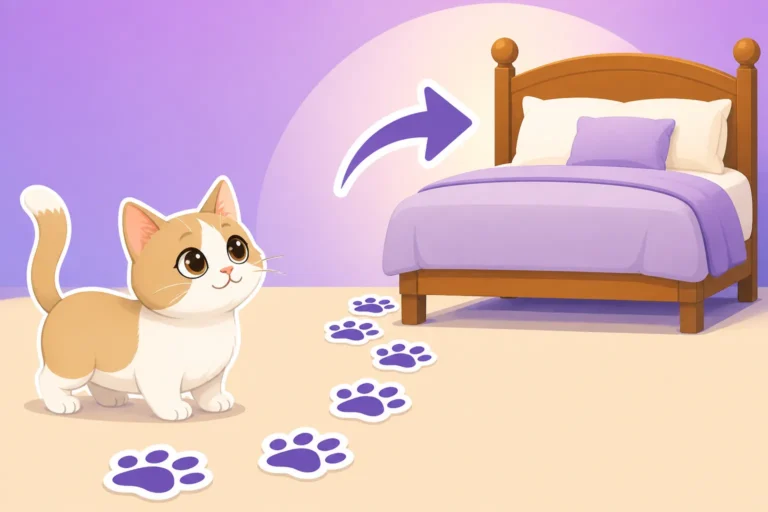
The key to an accessible home for a Munchkin is creating "staircases" out of everyday furniture or purpose-built aids. That cozy sofa you love to share? It needs an easy way up. This can be as simple as placing a sturdy ottoman or a stack of firm cushions right next to it, creating a multi-tiered step system. The goal is to break down large jumps into smaller, manageable steps. Remember that How a Munchkin Uses Furniture as a Staircase naturally, but we can make it safer and easier for them.
Pet ramps and steps are invaluable tools here. You can find a wide variety on platforms like Amazon or Chewy, ranging from carpeted wooden ramps to soft foam stairs. The trick is to find ones that are stable, have a gentle incline, and are wide enough for your cat to feel secure. Place these at key points – next to the bed, the sofa, or even a low windowsill – so your Munchkin never has to attempt a risky leap. Ensure the ramps are well-anchored and don't wobble, as this can deter your cat from using them. It's about building trust in their routes.
Ideal Sleep Spot Characteristics for Munchkins
When choosing or creating sleep spots, prioritize a few key features. First, comfort is non-negotiable. Soft, supportive beds are a must. Memory foam beds or orthopedic cushions can be particularly beneficial, especially as your Munchkin gets older or if they have any joint sensitivities. Second, consider location. Cats often prefer quiet, somewhat secluded spots where they won't be constantly disturbed. This could be a bed tucked under a coffee table, a cozy cave-style bed in a quiet corner, or even a plush blanket in a sturdy, low-level cabinet that you've secured open.
Third, ensure these spots offer a sense of security. While they can't climb high, Munchkins still appreciate a feeling of being "hidden" or protected. Covered beds, soft-sided carriers with the door removed, or even a simple box lined with a warm blanket can provide this. The idea is to mimic the feeling of a den, a safe retreat where they can truly relax. These accessible spots shouldn't just be functional; they should be inviting sanctuaries that your Munchkin actively seeks out for their naps and nighttime slumber. It really highlights Why a Munchkin's Bed Should Be on the Floor.
Incorporating Multiple Accessible Resting Areas
Don't just provide one accessible sleep spot; aim for several throughout your home. Cats are notorious for having multiple preferred napping locations, shifting based on sunlight, temperature, or simply their mood. Having a variety of accessible options ensures your Munchkin can always find a suitable place to rest, no matter where they are in the house. This also prevents them from feeling "stuck" in one area if their primary spot is occupied by another pet or a busy human.
Consider their routine: where do they spend their mornings, afternoons, and evenings? Place accessible beds or modified furniture in each of these zones. Maybe a low-entry cat tree with close-set platforms in the living room for daytime observation, a cozy floor bed in a sunny corner for an afternoon snooze, and a comfortable ramped bed in your bedroom for nighttime. Remember, variety is the spice of a cat's life, even when it comes to napping. It also ensures they can get away from potential stressors if needed, a crucial aspect of feline social dynamics when living with other pets or children, as Why a Munchkin Cannot Climb Out of a Child's Reach and Why a Munchkin Cannot Get Away From a Dog illustrate.
Beyond the Bed: Ensuring All Resting Spots are Reachable
While dedicated sleeping areas are paramount, it's also important to extend the concept of accessibility to all potential resting spots in your home. A cat's "rest" isn't just about deep sleep; it includes casual lounging, observing their territory, and simply feeling comfortable in their surroundings.
Making Favorite Lounging Spots Accessible
Think about all the places your cat likes to hang out. Does your Munchkin try to get onto a specific armchair, or do they eye up a low windowsill? These spots need the same consideration as their main bed. A sturdy pet step or a ramp can be strategically placed to allow easy access. For window sills, consider adding a low, wide platform directly in front of it, creating a two-step approach that removes the need for a jump. You could even use a small, heavy storage ottoman from somewhere like Amazon to serve as a sturdy intermediate step.
The goal is to eliminate any frustration or potential injury from attempted jumps. If your Munchkin repeatedly tries and fails to reach a spot, they might give up or, worse, injure themselves trying too hard. By proactively providing a safe, reliable path, you foster a sense of ease and confidence, allowing them to enjoy their favorite perches without stress. This also applies to things like Whether a Munchkin Can Reach a Sofa or Whether a Munchkin Can Reach a Windowsill.
Addressing Multi-Level Homes and High Furniture
If you live in a multi-level home, stairs present a unique challenge. While some Munchkins can manage stairs, repeated climbing and descending can be taxing on their spine and joints over time. It's often recommended to minimize stair use, especially for older or arthritic cats. Consider creating fully self-sufficient "zones" on each level of your home, with accessible food, water, litter boxes, and multiple sleeping/resting spots. This means your Munchkin isn't forced to navigate stairs just to get to their essentials or their favorite napping spot.
For unavoidable higher furniture, like certain shelves or cat trees, look for options specifically designed for cats with mobility challenges. These often feature wider, closer-set platforms or built-in ramps. If your current cat tree is too tall, consider adding extra platforms or attaching a custom ramp to bridge the gaps. Remember that Which Cat Tree Layout Suits a Munchkin is very different from a standard cat tree. The principle is always the same: if they want to get there, they should be able to get there alone and safely.
Special Considerations for Senior or Ailing Munchkins
As Munchkins age, or if they develop health conditions, their need for easily accessible rest becomes even more pronounced. What was once a manageable small jump might become a painful ordeal, and their energy levels for navigating obstacles will naturally decrease.
Recognizing Signs of Decreased Mobility
It's vital to be observant of your Munchkin's behavior as they get older. Are they hesitating before jumping onto the sofa? Are they sleeping more on the floor even when ramps are available? Do they seem stiffer after waking up? These can be subtle signs that their mobility is decreasing. You might notice them walking with a more pronounced "ferret-like" gait or showing less enthusiasm for play that involves jumping. Any change in their usual movement patterns or a reluctance to use previously accessible routes should be a cue to re-evaluate their environment.
Don't assume they're just being lazy. A cat in pain or discomfort will often try to hide it, making these subtle behavioral changes the most important clues. If you suspect your senior Munchkin is struggling, a vet visit is always a good idea to rule out underlying issues and discuss pain management. They can also advise on how to tell How to Tell Stiffness From Old Age in a Munchkin.
Adapting the Home for an Aging Munchkin
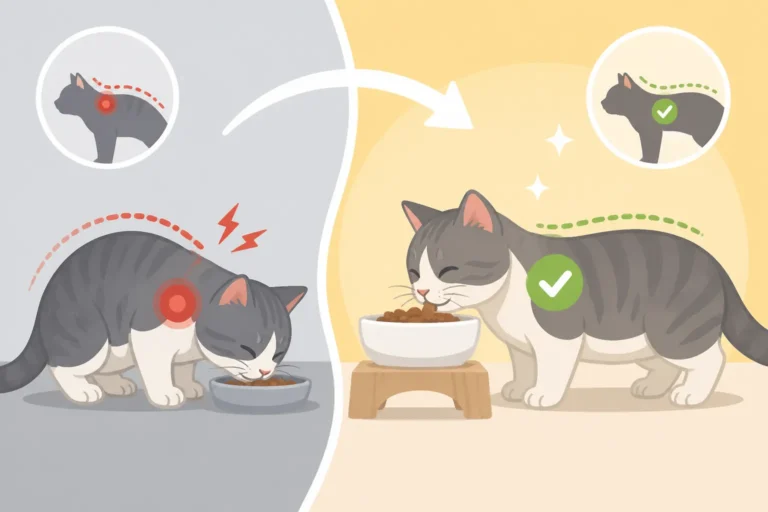
For an aging Munchkin, even gently sloped ramps might become challenging. You may need to replace them with very low, wide steps that require minimal effort. Ensure all essential items – food, water, and litter boxes – are within easy, flat-level reach. Raised food and water bowls can also help, as they reduce the strain on their neck and shoulders, especially beneficial for cats with arthritis. Joint-supportive food options might also be worth discussing with your vet.
Their preferred sleeping spots should be even cozier and easier to enter. Orthopedic beds become particularly important for supporting their aging joints. If they've always slept on your bed, you might need to invest in an extra-long ramp or a series of stable, low pet stairs that allow them to climb up and down without any strain. The goal is to remove every single barrier, ensuring their golden years are as comfortable and dignified as possible. Remember to read up on Caring for an Old Munchkin That Has Stopped Climbing for more tailored advice.
The Role of Veterinary Care and Proactive Planning
Regular veterinary check-ups are paramount for older Munchkins. Your vet can monitor their joint health, assess for conditions like arthritis, and suggest appropriate supplements or pain relief if needed. Proactive planning is key; don't wait until your Munchkin is visibly struggling to make changes. Start adapting your home well before mobility becomes a major issue. This might involve introducing ramps and steps when they're still middle-aged, getting them accustomed to using them early on.
Discuss with your vet what signs to look for and what changes to anticipate as your Munchkin enters their senior years. They can also help you understand which joint supplements might be beneficial to slow the progression of age-related stiffness. By working closely with your vet and staying ahead of potential mobility challenges, you can ensure your Munchkin continues to enjoy independent access to all their favorite resting and sleeping spots throughout their entire life.
Table: Accessible Sleeping Solutions for Munchkins
To help you visualize the different options for creating an accessible home for your short-legged friend, here's a table comparing common solutions:
| Solution Type | Description | Pros | Cons | Best For |
|---|---|---|---|---|
| Floor Beds | Plush beds or cushions placed directly on the floor. | Easiest access, no climbing required. | No elevation for cats who prefer height, less safe from foot traffic. | Any Munchkin, especially kittens or those with severe mobility issues. |
| Pet Steps/Stairs | Multi-tiered steps made of foam, wood, or plastic. | Provides gradual ascent, sturdy options available. | Can be bulky, may require training, cats might still jump. | Accessing low sofas, chairs, or beds. |
| Pet Ramps | Inclined surfaces, often carpeted, for walking up. | Gentle on joints, ideal for cats who dislike steps. | Can take up floor space, some cats find them intimidating initially. | Accessing higher beds, slightly elevated window perches, or cat trees. |
| Modified Furniture | Existing furniture adapted with lower shelves, ottomans, or custom platforms. | Blends into home decor, uses existing items. | Requires DIY effort, might not be as stable as dedicated pet furniture. | Integrating accessibility seamlessly, specific furniture pieces. |
| Low-Entry Cat Trees | Cat trees with platforms close to the ground and easy transitions. | Provides vertical enrichment safely, multiple perches. | Limited options compared to standard cat trees, can still be a jump for some. | Providing safe climbing and observation spots for active Munchkins. |
Disclaimer
This article is for general informational purposes only and does not constitute professional advice. Laws, prices and regulations vary by location and change over time. Consult a qualified professional for guidance on your specific situation.