Which Health Problems the Munchkin Actually Has
When you welcome a Munchkin cat into your life, you're often met with a mix of adoration for their adorable stature and a fair bit of whispered concern about their health. It's frustrating to sort through all the conflicting information out there – some people insist they're perfectly healthy, while others claim they're riddled with issues. This guide is here to cut through the noise, offering a realistic, empathetic look at the specific health challenges Munchkins genuinely face, and how dedicated owners can best support these unique feline friends.
Understanding the Munchkin's Unique Anatomy
The most striking feature of a Munchkin cat, of course, is their short legs. It's easy to assume this means their entire body is proportionally small or somehow deformed beyond the limbs, but that's not quite the case. Understanding the specific genetic mutation at play is key to appreciating their true health profile.
The Core Mutation: Pseudoachondroplasia
At the heart of the Munchkin's unique appearance is a genetic mutation causing what's known as pseudoachondroplasia. This isn't the same as achondroplasia, which is often seen in some dog breeds, and it's a crucial distinction. In cats, this specific gene affects the growth plates of the long bones in their legs, causing them to stop growing prematurely. Essentially, the cartilage that should develop into full-length bone calcifies too early. This results in legs that are significantly shorter than those of a typical cat, but here's the kicker: it primarily impacts the limbs.
Unlike some forms of dwarfism that can affect skull size, facial structure, or spinal length, the Munchkin's pseudoachondroplasia usually doesn't impact these areas. Their heads are generally proportioned normally for a cat, and perhaps most importantly, their spines are of normal length and flexibility. This is a critical point that often gets overlooked in the broader discussion about their health. You can find more detail on Why a Munchkin's Spine Is Normal Length. The challenge arises when a normal-sized body is supported by disproportionately short legs.
Why the Legs Are Short but the Body Isn't
Imagine a standard domestic cat's torso, tail, and head. Now picture that full-sized body placed on legs that are only about half the length they should be. That's essentially what you have with a Munchkin. The mutation specifically targets the long bones of the legs (femur, tibia, fibula in the hind legs; humerus, radius, ulna in the front legs). Their body is still designed for a cat of regular proportions, which means their internal organs, rib cage, and spinal column all develop to a standard size.
This differential growth is why Munchkins have such a distinctive low-slung appearance. Their bellies often ride very close to the ground, and their overall silhouette is long and low. While this can make them seem stockier, it's really just a normal-sized cat stretched out horizontally by its short limbs. This unique body plan necessitates some adjustments in their environment and care, as their mechanics for movement, jumping, and even self-grooming are fundamentally different from a cat with standard-length legs.
Common Skeletal and Joint Concerns
While the Munchkin's spine is typically of normal length, the way it's carried and the way their short legs interact with their body can lead to specific skeletal and joint challenges. These are the areas where proactive care and a keen eye can make a real difference in their quality of life.
Lordosis: The Spinal Curve Debate
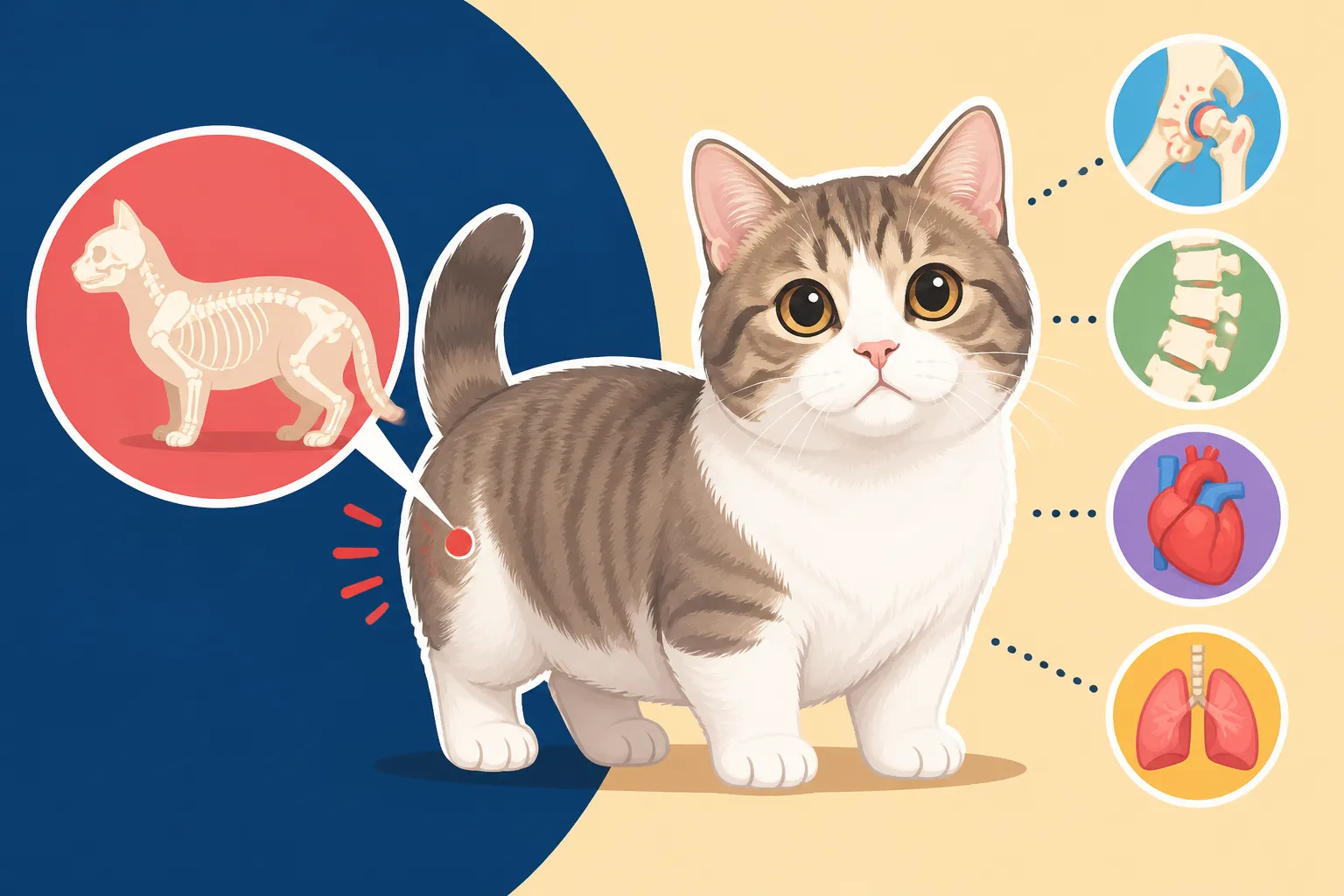
Lordosis is a medical term for an excessive inward curve of the spine, usually in the lower back. In some Munchkins, this condition can develop, causing the spine to dip severely into the body cavity. This isn't a direct result of the pseudoachondroplasia itself, but rather a secondary issue that can arise from the breed's unique conformation. The argument around Munchkin health often centers on this very issue, and it's important to understand the nuances. You can dive deeper into Lordosis Is the Spinal Curve the Munchkin Argument Is About.
In severe cases, lordosis can compress internal organs like the lungs and heart, leading to significant health problems, pain, and a drastically reduced quality of life. Fortunately, severe lordosis is considered rare, especially in responsibly bred lines. Mild forms, however, might be more common and can go unnoticed without careful examination. A good breeder will be vigilant about screening for this, as early detection in kittens can sometimes guide intervention or prevent affected cats from being bred. Lordosis can often be observed as early as four to six weeks of age in kittens, so a vet check that includes careful spinal palpation is vital. Learning How Early Lordosis Shows in a Munchkin Kitten is key for any prospective owner.
Pectus Excavatum: A Sunken Chest
Another skeletal anomaly that can occasionally affect Munchkins, though it's not exclusive to the breed, is pectus excavatum. This condition is characterized by an abnormal indentation or "sunken" appearance of the chest wall, caused by a malformation of the sternum (breastbone). The sternum grows inward, which can put pressure on the heart and lungs, potentially leading to respiratory issues or cardiac problems. While many cats with mild pectus excavatum live completely normal lives, more severe cases can be debilitating.
It's crucial for kittens to be thoroughly checked for this condition. A veterinarian can physically examine a kitten's chest and, if necessary, recommend X-rays to assess the severity. The way a vet grades a Munchkin's sunken chest is by evaluating how much space remains for the heart and lungs, and whether it impacts their function. For comprehensive information, check out Pectus Excavatum and the Munchkin's Sunken Chest. Early identification means owners can manage the condition or, in some severe instances, explore surgical correction options if deemed appropriate by a veterinary specialist.
Joint Health and Early Onset Arthritis
The short legs of a Munchkin cat mean their joints, particularly the shoulders, elbows, and hips, bear a different kind of load and experience different biomechanics than those of a long-legged cat. Imagine how often a standard cat uses its long legs to spring, stretch, and distribute impact. A Munchkin, with its limited leverage and shorter stride, still needs to move, play, and navigate its world. This often translates to more direct impact and strain on their limb joints, especially when jumping down.
This increased mechanical stress can predispose Munchkins to developing osteoarthritis earlier in life compared to cats with normal leg conformation. Owners often ask Whether a Munchkin Gets Arthritis Earlier, and while not universal, it's a valid concern. You might start noticing stiffness, a reluctance to jump (even small jumps they used to manage), or a slight change in their gait as they age. This is particularly evident in their front legs; knowing How Osteoarthritis Shows in a Munchkin's Shoulders can help you spot early signs. Proactive joint care, including supplements like glucosamine and chondroitin, and meticulous weight management, become even more vital for a Munchkin to support their joint longevity and comfort.
Grooming Challenges and Related Health Issues
One aspect of Munchkin care that often catches new owners by surprise is the unique grooming needs stemming directly from their short stature. What seems like a minor inconvenience can quickly escalate into legitimate health problems if not addressed.
The Struggle to Self-Groom
Normal cats are fastidious groomers, and they can reach almost every part of their body thanks to their flexible spines and long limbs. A Munchkin, however, faces significant physical limitations. Their short legs mean they simply cannot contort their bodies in the same way, making it incredibly difficult to reach their hindquarters, the underside of their belly, and often large portions of their back. It's truly a frustration for them and for owners alike.
This inability to self-groom effectively leads to several problems. The most common issue is matting, especially in long-haired Munchkins, but even short-haired ones can develop uncomfortable tangles. Mats can pull on the skin, causing pain, irritation, and even open sores where bacteria can thrive. Furthermore, a lack of proper grooming means loose hair isn't removed, potentially leading to hairballs or a dull, unhealthy coat. Understanding What a Munchkin Cannot Reach to Groom highlights why owner intervention isn't just helpful, it's essential. Regular brushing, at least a few times a week, is not a luxury but a fundamental part of their care.
Hygiene Around the Litter Box
The low-slung body of a Munchkin, while undeniably endearing, presents specific challenges when it comes to litter box hygiene. Because their belly often rides very close to the ground, and their hind legs are shorter, it's not uncommon for them to inadvertently drag themselves through soiled litter or even their own feces. This isn't a sign of poor habits on their part; it's a physical limitation.
This can lead to significant hygiene issues. Fecal matter or soiled litter can become stuck in their fur, particularly around their hindquarters and belly, causing skin irritation, bacterial infections, and an unpleasant odor. To combat this, owners must be diligent. Investing in low-entry litter boxes is crucial, allowing them to easily step in and out without excessive stretching or climbing. You can read more about Why a Munchkin Needs a Litter Box It Can Walk Into. Daily checks and gentle cleaning of their rear and belly area with pet-safe wipes are often necessary, and some long-haired Munchkins may benefit from a regular "sanitary clip" by a professional groomer to keep the area tidy.
Weight Management: A Critical Factor
For any cat, maintaining a healthy weight is important. For a Munchkin, however, it takes on an even greater significance due to their unique physical structure. Even a small amount of extra weight can have a disproportionately negative impact on their health and mobility.
Why Every Pound Matters More
Imagine carrying a backpack that's slightly too heavy. Now imagine doing that all day, every day, with short, compact limbs. That's essentially the burden an overweight Munchkin faces. Their short legs and the way their spine is structured mean that every extra gram of body weight places exponentially more stress on their joints and spinal column. This isn't just about aesthetics; it's about comfort and preventing debilitating pain.
Excess weight exacerbates the risk of early-onset arthritis, making existing joint issues worse and accelerating their progression. It can also put additional strain on their spine, potentially worsening any predisposition to lordosis. An overweight Munchkin will find it even harder to move around, jump, and groom themselves, leading to a vicious cycle of decreased activity and further weight gain. It's a cruel irony, but something as simple as a few extra pounds can dramatically reduce a Munchkin's quality of life. This is why Why Weight Is More Dangerous on a Munchkin is a crucial topic for owners to understand.
Tailored Nutrition and Exercise
Given the critical importance of weight management, a tailored approach to nutrition and exercise is non-negotiable for Munchkin owners. It starts with precise portion control. These cats often don't burn as many calories as their long-legged counterparts because they're less prone to high jumps and extensive climbing. Free-feeding, where food is left out all day, is almost always a bad idea for a Munchkin. Instead, measured meals, perhaps twice a day, are recommended. Choose high-quality cat food appropriate for their age and activity level.
Exercise, while important, also needs to be adapted. Strenuous jumping or activities that involve repeated impact from heights should be minimized to protect their joints. Instead, focus on enriching floor-level play. Wand toys, laser pointers, and interactive games that encourage chasing and "ferret-like" scurrying along the ground are ideal. Puzzle feeders can also provide mental stimulation and slow down eating. Knowing How Much Floor Play Keeps a Munchkin's Weight Down can help you design an appropriate routine. Regular weighing at home can help you monitor their progress and adjust their diet as needed.
The Role of Responsible Breeding and Veterinary Care
The health of a Munchkin cat is profoundly influenced by both responsible breeding practices and diligent, proactive veterinary care throughout their lives. These two pillars are fundamental to ensuring these unique cats can live long, comfortable, and happy lives.
Breeder Screening and Ethical Considerations
Choosing a reputable breeder is perhaps the single most important decision a prospective Munchkin owner can make for their cat's future health. A responsible breeder will be transparent about the health of their breeding lines and actively screen for potential issues like lordosis and pectus excavatum. They should be able to provide health certificates for the parents, not just for general feline diseases, but specifically addressing spinal and chest conformation. You should always insist on visiting the cattery to observe the kittens and their parents moving freely. Asking What a Munchkin Breeder Should Be Able to Show You will give you a clear picture of their dedication to health.
The Munchkin breed itself is a subject of ongoing debate among veterinary professionals and cat registries. Organizations like The International Cat Association (TICA) recognize the breed, while others, like the Cat Fanciers' Association (CFA) and many European registries, do not, citing welfare concerns related to their conformation. This ethical discussion often comes down to balancing the unique appeal of the breed with the potential for health challenges. A good breeder will acknowledge this debate and explain their commitment to minimizing health risks through careful selection and genetic screening. Some breeders also work with specific pet insurance providers, like Healthy Paws, to offer early coverage options, understanding the unique health considerations of the breed.
Proactive Veterinary Check-ups
Regular veterinary care is paramount for a Munchkin cat, even more so than for many other breeds due to their specific conformation. Early detection and management of any potential health issues are key to maintaining their quality of life. From kittenhood through their senior years, scheduled check-ups allow your vet to monitor their development, gait, and overall health.
During kitten examinations, your vet should pay particular attention to spinal palpation to check for early signs of lordosis and carefully examine the chest for pectus excavatum. Don't underestimate Why a Munchkin Kitten Needs an Early Vet Check – it sets the foundation for their future health. As they age, regular check-ups should include discussions about joint health, weight management, and any changes in mobility or behavior. It’s wise to openly discuss with your veterinarian the specific concerns related to Munchkins, like their susceptibility to early arthritis, and consider preventive measures like joint supplements. Many owners find that a comprehensive pet insurance plan, such as those offered by Healthy Paws, provides invaluable peace of mind, covering unexpected vet bills for these specific conditions as they may arise. Annual blood work and, if warranted, X-rays can help monitor organ health and the condition of their spine and joints, ensuring they receive timely intervention if needed.
Distinguishing Real Concerns from Misinformation
With any breed that sparks as much debate as the Munchkin, it's inevitable that misinformation will circulate. Separating legitimate health concerns from exaggerated claims or misunderstandings is crucial for owners to make informed decisions and provide the best care.
Separating Fact from Fiction About Munchkin Mobility
One of the most common misconceptions about Munchkins is that they are severely disabled by their short legs, unable to run, jump, or play like a "normal" cat. While it's true they can't scale a tall bookshelf in a single bound or leap onto a kitchen counter with ease, the reality of their mobility is far more nuanced and often surprising. Munchkins are incredibly adept at adapting. They are often described as "ferret-like" in their movements, showcasing surprising speed and agility on flat surfaces. They can zoom around corners with impressive stability, largely due to their low center of gravity.
They definitely jump, but their jumps are typically lower and more measured. Instead of soaring to heights, they'll often use a series of smaller jumps, or find intermediary steps like low furniture, to reach their desired elevation. They compensate for their lack of vertical prowess with speed and clever climbing strategies. So, while a Munchkin isn't going to win any high-jump competitions, they are far from immobile or lethargic. You can actually see Why a Munchkin Is Faster on the Flat Than You Expect and How High a Munchkin Can Actually Jump demonstrates their surprising capabilities within their physical limitations.
Understanding Outcross Contributions
Munchkins are an outcross breed, meaning they are periodically bred to domestic short-haired or long-haired cats (non-Munchkins) to maintain genetic diversity and a robust gene pool. This practice helps prevent the accumulation of other genetic health problems that can arise from inbreeding in closed gene pools. The TICA standard allows for a wide variety of domestic cats to be used as outcrosses. Which Domestic Cats Are Used as Munchkin Outcrosses shows the breadth of the gene pool they draw from.
What this means for Munchkin health is that some health issues they might experience could be inherited from their outcross lineage, rather than being directly linked to the Munchkin gene itself. For instance, if a Munchkin's lineage includes breeds known for conditions like hypertrophic cardiomyopathy (HCM) or polycystic kidney disease (PKD), then those conditions could potentially appear in Munchkin lines. Responsible breeders will screen their outcross cats for these known breed-specific diseases to minimize their transmission. It's an important distinction: not every health problem a Munchkin encounters is a direct consequence of their short legs; some may simply be common feline ailments or conditions inherited from their diverse ancestry.
Key Health Considerations for Munchkin Cats
To summarize the unique health landscape of Munchkin cats, here's a quick overview of the conditions and considerations we've discussed.
| Health Concern | Description | Impact on Munchkins | Owner Action Required |
|---|---|---|---|
| Pseudoachondroplasia | Genetic mutation causing short limb bones, normal body length. | Defines their unique appearance and leads to altered biomechanics. | Choose a responsible breeder; understand their mobility limits. |
| Lordosis | Excessive inward curve of the spine. | Can compress organs in severe cases, cause pain; mild forms may go unnoticed. | Seek breeders who screen for it; ensure vet checks include spinal palpation; monitor for changes in gait or posture. |
| Pectus Excavatum | Sunken chest deformity. | Can restrict heart/lung function, causing breathing difficulties. | Ensure vet checks include chest examination; X-rays if suspected; be aware of potential breathing issues. |
| Early Arthritis | Increased wear and tear on joints due to altered mechanics. | Can lead to pain, stiffness, reduced mobility, especially in shoulders and elbows. | Strict weight management; joint supplements; modified play (floor-level); provide ramps/steps; regular vet checks for joint health. A robust pet insurance policy like Healthy Paws can help manage long-term joint care costs. |
| Grooming Issues | Inability to reach hindquarters, belly, and back for self-grooming. | Matting, skin irritation, infections, hygiene problems from litter/feces. | Daily brushing (especially for long-haired); regular cleaning of hindquarters/belly; low-entry litter boxes; consider professional sanitary clips. |
| Weight Management | Disproportionate stress of extra weight on short legs and spine. | Exacerbates joint pain, reduces mobility, increases risk of spinal issues; generally reduced quality of life. | Strict portion control with measured meals; high-quality diet; ample floor-level play; regular weight monitoring; consult vet for ideal body condition score. |
| Outcross Diseases | Inherited conditions from non-Munchkin parentage (e.g., HCM, PKD). | Can introduce non-Munchkin specific health risks. | Inquire about health screening for ancestral breeds (e.g., Persian for PKD); choose breeders who test their outcrosses. |
Disclaimer
This article is intended for informational purposes only and does not constitute veterinary advice. Always consult with a qualified veterinarian for any health concerns or before making any decisions about your pet's care.