What Toulouse Contributed to the Munchkin
It’s a common misconception that every cat breed springs from a carefully planned genetic blueprint, but for the Munchkin cat, the story began with a stray, a kind heart, and a surprising genetic twist. Many people focus on Blackberry, the original short-legged stray cat found in Louisiana, but her son, Toulouse, played an equally vital, though often overlooked, role in ensuring the breed's very existence and genetic health. Without Toulouse, the Munchkin breed as we know it today might have taken a very different path, or perhaps not even survived its early, formative years. This guide will explore exactly what Toulouse contributed to the Munchkin breed, highlighting his crucial role in establishing a diverse and healthy foundation.
The Accidental Origins: How Toulouse Entered the Story
The tale of the Munchkin cat begins not in a sterile laboratory or a pedigreed cattery, but quite literally, under a truck in Rayville, Louisiana, in 1983. Sandra Hochenedel, a local school teacher, discovered a pregnant stray cat with remarkably short legs. This cat, whom Hochenedel named Blackberry, became the progenitor of the entire Munchkin breed. Her unique short-legged trait, later identified as an autosomal dominant mutation, was something entirely new to modern cat breeding at the time.
Blackberry's First Litter and the Discovery
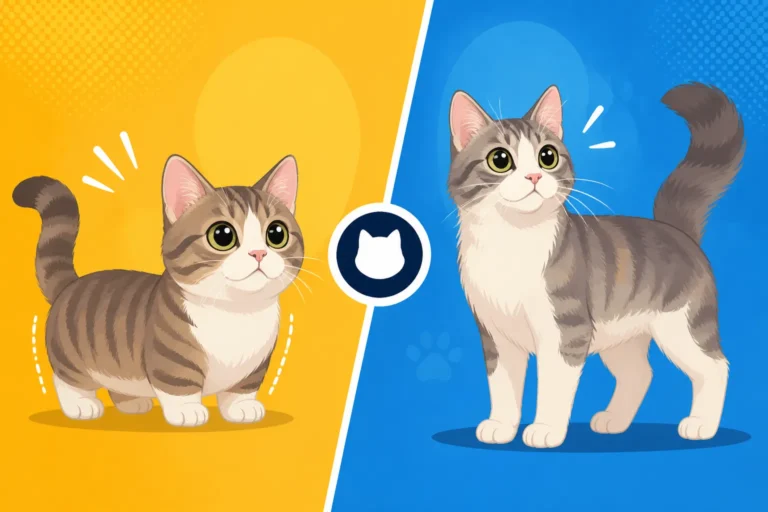
Blackberry was a fascinating find, a truly unique feline. When she gave birth, Hochenedel was undoubtedly surprised to find that half of her kittens inherited the same distinctive short legs, while the other half had legs of normal length. This immediately suggested that the trait was dominant – a single copy of the gene was enough to express the short legs. The kitten with the short legs that was destined to become the male patriarch of the breed was named Toulouse. While Blackberry laid the groundwork for the initial discovery of the short-legged mutation, it was the distribution of her offspring that truly demonstrated its inheritable nature. What the First Munchkin Looked Like and How Many of the First Munchkin Litter Are Short Legged provide more context on these initial kittens.
The fact that half the litter exhibited the trait was a clear indicator that Blackberry carried one copy of the gene responsible for the short legs. If she had carried two, all her offspring would have been short-legged, which we know is lethal. This early observation was critical in understanding how Munchkin dwarfism is inherited and why responsible breeding practices later focused on outcrossing short-legged cats with normal-legged cats. It was a foundational lesson in genetics that would shape the entire future of the breed.
A Friend in Need: Sharing the Short-Legged Kittens
It’s one thing to discover a unique cat, it’s another to recognize its potential and ensure its continuation. Sandra Hochenedel, understanding the special nature of Blackberry's kittens, shared two of the short-legged males from that first litter with her friend, Kay LaFrance. One of these kittens was Toulouse. This act of sharing was, quite literally, a stroke of genius for the nascent breed. By distributing the progeny, Hochenedel effectively laid the foundation for expanding the gene pool beyond a single lineage, a decision that would prove invaluable.
Kay LaFrance’s involvement, and her acceptance of Toulouse, meant that the genetic trait wasn't confined to a single household or a single breeding program from the very beginning. This seemingly simple act of friendship became a critical divergence point for the breed's development. Had Toulouse remained with Blackberry and been bred only to her descendants, the genetic bottleneck would have been far more severe. The opportunity for multiple distinct breeding lines emerging early on was paramount to the breed's future health and viability, something often discussed when sourcing initial supplies for a new pet, much like how many pet owners turn to places like Chewy for a wide range of diverse cat food and toy options, ensuring their new family member has everything they need for a healthy start. Which Munchkin Kitten Was Named Toulouse further highlights his specific identity.
Toulouse's Genetic Legacy: Expanding the Gene Pool
The term "foundation cat" is often used in cat breeding to refer to the very first individuals from which an entire breed descends. For the Munchkin, Blackberry and Toulouse hold these esteemed positions. While Blackberry introduced the mutation, Toulouse was instrumental in diversifying it from the very first generation. This foresight, even if accidental, was crucial for the long-term health and recognition of the breed.
The Importance of a Second Line of Descent
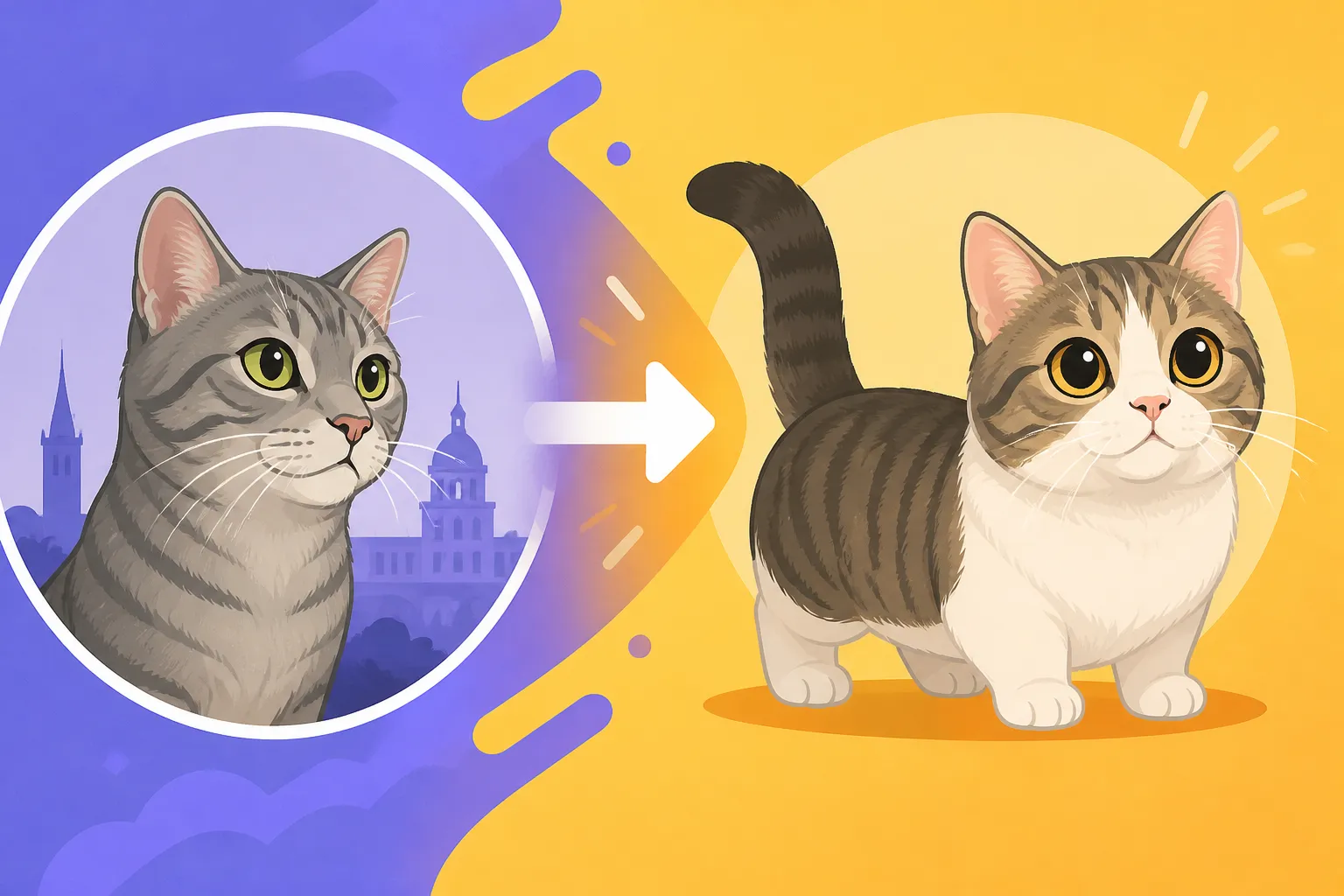
Imagine if all Munchkins could only trace their lineage back to Blackberry through a single line. The genetic diversity would be extremely limited, and the risks associated with inbreeding would be astronomical. By having Toulouse, a direct son of Blackberry, establish a separate breeding line with outcrosses, it immediately broadened the genetic foundation. This meant that the gene for short legs could be introduced into new lines of normal-legged domestic cats through two distinct avenues, rather than just one. This dual approach from the very beginning was an incredible advantage, even if it wasn't a meticulously planned scientific endeavor.
This early branching of the family tree is a textbook example of good genetic practice in animal husbandry. It reduces the likelihood of "bottlenecking," where an entire population descends from too few individuals, leading to increased expression of undesirable recessive traits and reduced overall vitality. How Two Cats Founded the Whole Munchkin Breed elaborates on this vital duo. Essentially, Toulouse served as the second pillar in the breed's foundation, supporting its structural integrity from the ground up and ensuring that the short-legged gene didn't become synonymous with a dangerously restricted gene pool.
Outcrossing and the Role of Early Descendants
The process of "outcrossing" is when a pedigreed cat is bred to a non-pedigreed cat (often a domestic shorthair or longhair of unknown ancestry) to introduce new genetic material and increase diversity. In the early days of the Munchkin breed, outcrossing was not just common; it was absolutely essential. Both Blackberry's direct descendants and Toulouse's descendants were regularly bred to normal-legged domestic cats. This wasn't about diluting the Munchkin gene, but rather about strengthening the overall health of the breed by bringing in robust genetics from a wider population.
Toulouse, as a male, played a pivotal role in this. He could be bred with multiple unrelated domestic queens, quickly spreading the short-legged gene into numerous new lines. Each time a short-legged Munchkin kitten was produced from such an outcross, that kitten carried the desired trait but also a fresh infusion of genes from the outcross parent. This practice, initiated early on, is why the Munchkin gene pool today remains remarkably wide compared to many other established breeds. Why Munchkin Outcrossing Was Necessary From the Start dives deeper into the necessity of this practice. Ensuring a healthy, broad genetic base is a hallmark of responsible breeding, much like choosing high-quality, vet-recommended products from trusted sources like Chewy for a pet’s daily needs.
Ensuring Genetic Diversity: Why Toulouse Was So Crucial
Genetic diversity is the cornerstone of a healthy and resilient breed. Without it, breeds become susceptible to a host of inherited health problems and a general weakening of their immune systems. Toulouse’s contribution in expanding the foundational lines was therefore not just helpful, but absolutely vital for the Munchkin's future.
Avoiding Inbreeding Depression
Inbreeding depression is a serious concern in any closed breeding program. It occurs when closely related individuals breed, leading to an increase in homozygosity – meaning offspring are more likely to inherit two identical copies of a gene from both parents. While this can fix desirable traits, it also increases the chances of expressing undesirable recessive genes, including those for genetic diseases. In extreme cases, it can lead to reduced fertility, smaller litter sizes, weaker immune systems, and a shorter overall lifespan.
Because the Munchkin gene is autosomal dominant and lethal in two copies (Munchkin Dwarfism Is Dominant and Lethal in Two Copies), it's crucial that Munchkins are always bred to normal-legged cats. This ensures that no kitten ever inherits two copies of the short-legged gene. However, even with this careful breeding protocol, if all short-legged Munchkins descended from an extremely limited number of initial cats, the risk of other recessive problems surfacing would still be high. Toulouse, by providing a second major branch to the family tree, significantly reduced this risk. His descendants, when outcrossed, created entirely new genetic pathways, preventing the breed from becoming too narrow too quickly. This proactive approach to genetic health is something all responsible pet owners consider, from selecting healthy food to getting comprehensive pet insurance, easily researched and purchased through platforms like Chewy. Why the Munchkin Gene Pool Is Wider Than Most offers more perspective on this topic.
The Long-Term Health Implications
The early decisions made about breeding, including the use of Toulouse as a foundation sire, have had profound long-term health implications for the Munchkin breed. While the breed's short legs are certainly distinctive, concerns about associated spinal and joint issues are common. By ensuring a broad genetic base from the start, breeders aimed to minimize the risk of other genetic predispositions that could exacerbate these potential issues or introduce new ones. A cat with a diverse genetic background is generally more robust and better equipped to handle any inherent breed-specific challenges.
A wide gene pool also provides a buffer against unforeseen health issues that might emerge down the line. If a particular genetic defect were to appear in one line, breeders would have other, unrelated lines to work with, helping to breed away from the problem without severely limiting the entire breed's population. This forward-thinking approach, enabled by the early inclusion of Toulouse, has helped maintain the Munchkin's reputation for being a generally healthy and robust breed, despite its unique conformation. When you choose a new pet, thinking about their long-term health, and stocking up on preventative care items or specialized diets, perhaps found on Chewy, is always a good idea.
| Foundation Cat | Role in Munchkin History | Primary Contribution | Impact on Genetic Diversity |
|---|---|---|---|
| Blackberry | Original short-legged stray, discovered the mutation. | Introduced the autosomal dominant short-legged gene. | Initiated the breed, provided the very first line of descent. |
| Toulouse | Son of Blackberry, second foundation sire. | Established a critical second, distinct breeding line. | Significantly broadened the gene pool from the earliest stages, mitigating inbreeding risk. |
The Enduring Impact: Toulouse's Place in Munchkin History
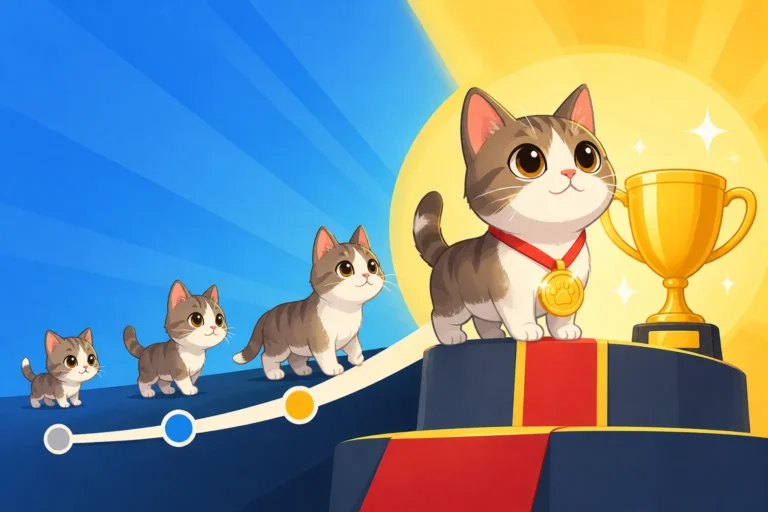
It's easy to focus on the first cat discovered, Blackberry, as the sole origin point. However, understanding the true history of the Munchkin breed means recognizing the equal and indispensable role played by Toulouse. His existence and use in breeding were crucial for turning an interesting genetic anomaly into a viable, healthy, and eventually, recognized breed.
The Foundation Cats and Their Continued Influence
Today, virtually every short-legged Munchkin cat can trace its lineage back to either Blackberry or Toulouse, or a combination of both. These two cats truly are the Adam and Eve of the Munchkin world. While Blackberry provided the initial spark, Toulouse provided the necessary diversification to turn that spark into a sustainable flame. Breeders rigorously track pedigrees to ensure healthy outcrossing and maintain genetic diversity, a principle that harks back to the very origins of the breed with these two foundational felines. Blackberry and Toulouse Are the Two Cats Behind Every Munchkin makes this connection very clear.
The influence of these two cats is a testament to the power of a single genetic mutation and the careful, albeit initially accidental, stewardship of early enthusiasts. It's a reminder that even seemingly small decisions in a breed's early history can have monumental consequences for its health and future.
Toulouse's Story Today
While Blackberry often gets the spotlight as the "original" Munchkin, Toulouse's story is equally compelling and vital. He represents the unsung hero, the crucial second anchor that allowed the breed to flourish rather than falter due to genetic limitations. His legacy continues in every healthy, playful Munchkin today, a silent tribute to the importance of early genetic diversity. His story is a powerful reminder for anyone interested in responsible pet ownership or breeding: starting with a strong, diverse foundation is paramount to the long-term well-being of any animal, from the smallest kitten to the most senior companion, and ensuring that foundation is cared for, often with the help of resources like Chewy, is a responsibility every owner embraces.
Disclaimer
This article is for general informational purposes only and does not constitute professional advice. Laws, prices and regulations vary by location and change over time. Consult a qualified professional for guidance on your specific situation.